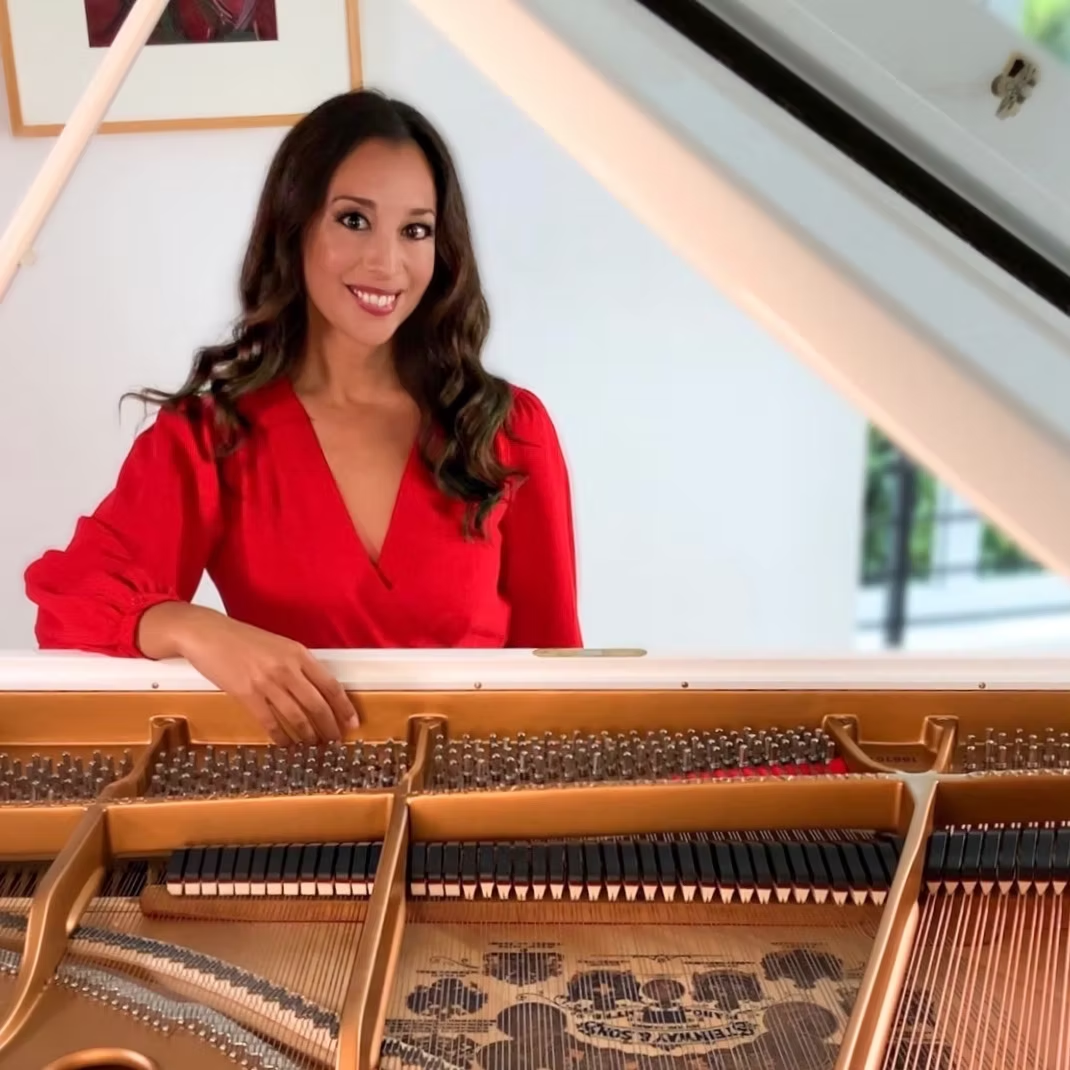
Elisa Kafritsas

  • -

Elisa Kafritsas

My name is Elisa, named after Beethoven’s “Für Elise,” a piece my mother loved. I started piano lessons at the age of 6, supported by my Korean mother and Sicilian father, and music has always been a big part of my life. After studying dentistry 🦷 and working as a dentist, I returned to the piano in 2020 after a 21-year hiatus.🎹🎵

Elisa Kafritsas played her debut piano concerto at the age of 7, won prizes at the “Jugend musiziert” competition, and performed with orchestras such as the Junge Süddeutsche Philharmonie Esslingen. While pursuing a career as a dentist, the pianist with Korean and Sicilian roots took a 21-year break, but then reactivated her dormant talent and received personal instruction from Professor Friedemann Rieger, Dean of Piano at the Stuttgart University of Music. This was followed by her viral Instagram channel “Pianotaste,” on which she participates in international piano competitions and presents her own neoclassical compositions. The premiere of her first composition, “Starlight,” took place in 2023 as a benefit for the Stelp e.V. Gala.

Sprecherin | Speaker

In 2023, I began composing to process the emotions I felt during a family member’s illness. 💉Music has always been my way of expressing my soul. As a child, I recorded my favorite songs on cassettes, played them by ear, and modified them by adding new piano runs.

You can listen to my music under Elisa Kafritsas on all music platforms, and find sheet music for my compositions on my website.

Chopin

As a piano influencer, she has not only infected people around the world, but also her family: her little daughter now practices voluntarily, and her husband is also hitting the keys more often again. “We’re really totally into the piano, and it’s doing us all a lot of good.
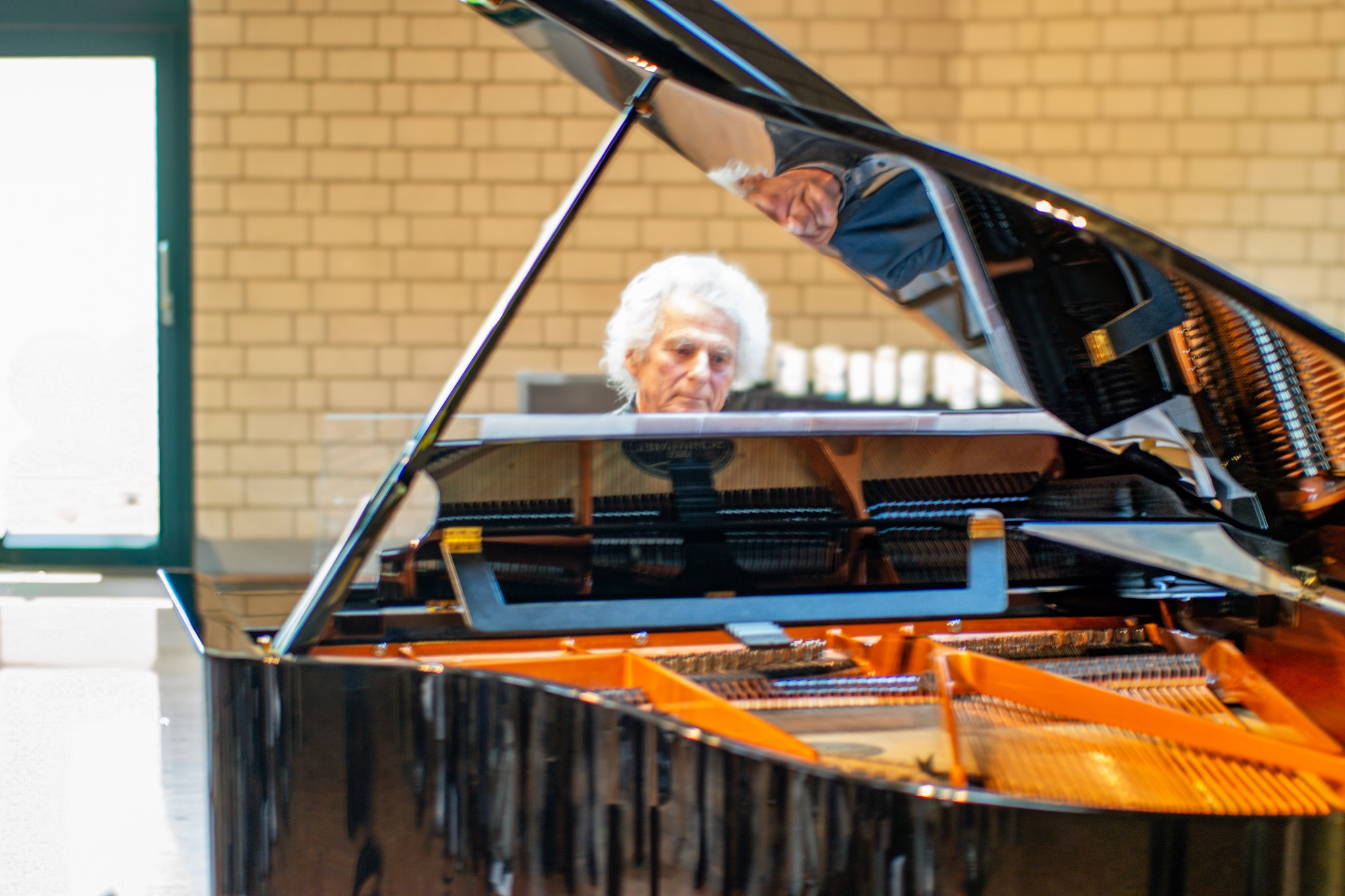
https://www.pianotaste.de

https://www.instagram.com/pianotaste/?hl=de

https://www.klassikradio.de/aktuelles/zahnaerztin-wird-piano-influencerin-instagramerfolge-mit-mehr-als-40-000-followern


  • -

Jürgen Jage

Category : PianoDocs

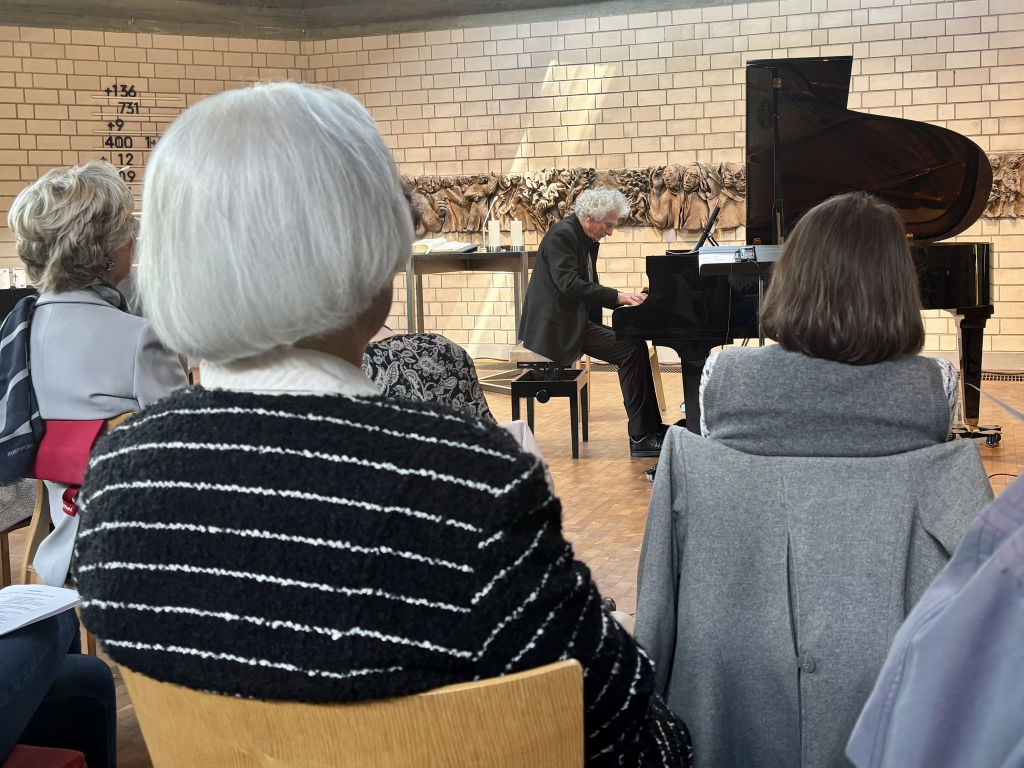
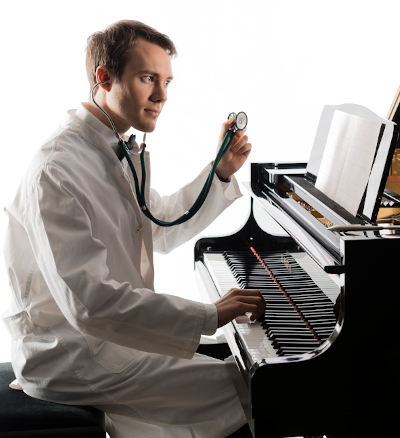
Jürgen Jage comes from a musical family in Berlin; his father was a pianist. Most recently, he worked as a professor of anesthesiology at the University Medical Center Mainz. Since his retirement, he has devoted himself intensively to piano music. He continues his studies at the Peter Cornelius Conservatory in Mainz and enjoys giving concerts, often in social institutions such as retirement homes.

Jürgen Jage plays works by Johann Sebastian Bach and Johannes Brahms, whose compositions reveal that both explored fundamental questions of human life and faith. The music heard in the concert invites reflection.

Since retiring from his career as a physician and professor at the University Medical Center Mainz, Jürgen Jage has devoted himself entirely to music. In his performances, he knows how to captivate his audience with his distinctive musical selection and moving interpretations.

https://www.youtube.com/@juergenjage2519/featured

https://schreibwolff.de/musik/konzert-juergen-jage-mainz-2023

https://www.kreuznacherdiakonie.de/aktuelles/meldung/bad-kreuznach-hospiztag-2019-musikalischer-ritt-durch-die-jahrhunderte-426


  • -

Peter Menger

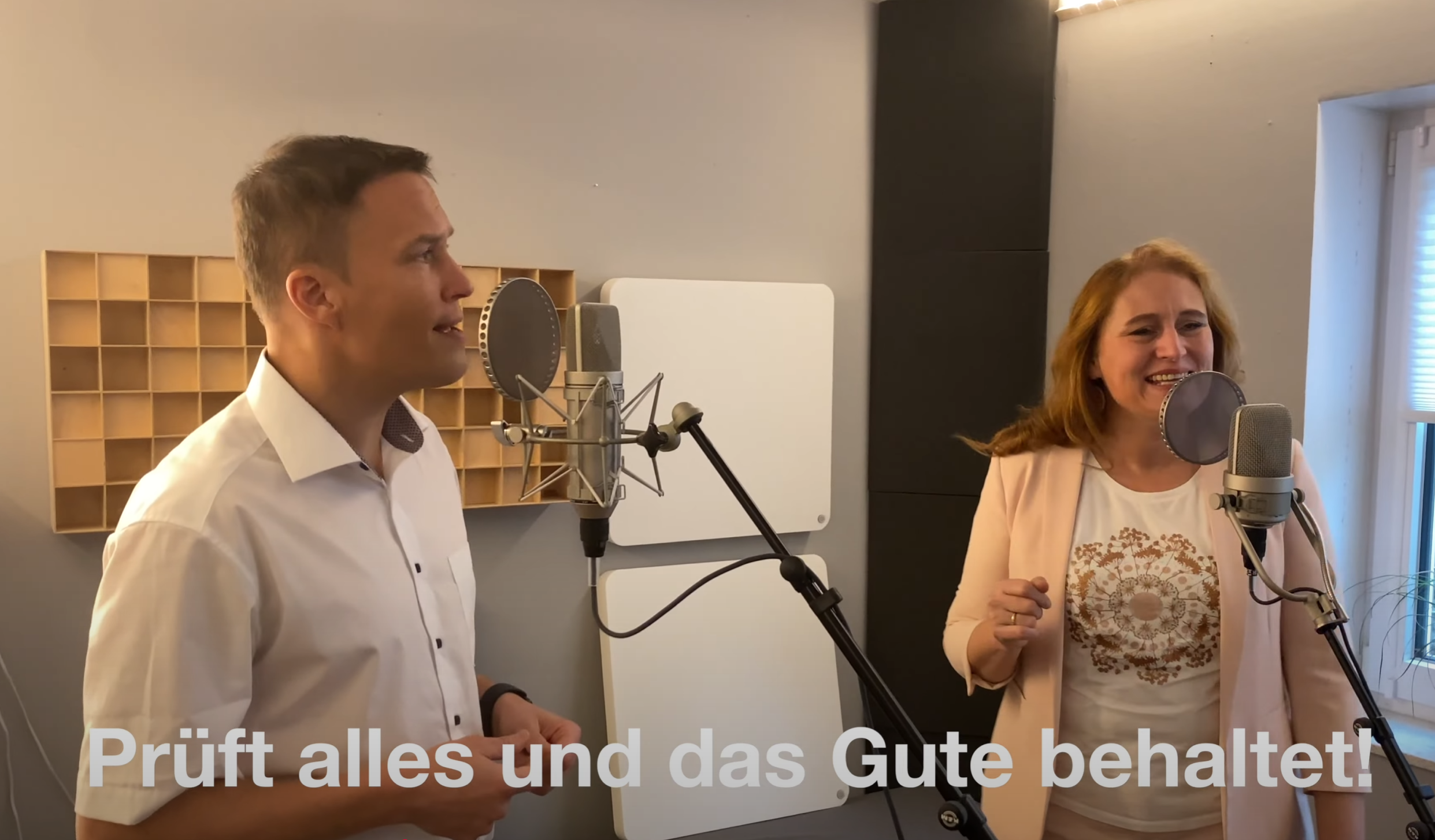
We are Deborah and Peter Menger, and we met in a choir in 1995. It’s only fitting that we’ve been making music together for many years. We perform in choirs, bands, other vocal ensembles, and as a duo in Germany and internationally. For the past 12 years, we’ve enjoyed making music together, especially with our four children.

Since 2016, we have been leading the Hüttenberg Children’s Choir together with a great team and a fantastic manager. Around 120 children meet there weekly to sing our children’s songs together and prepare for upcoming musicals and concerts. (Choir rehearsals are on Mondays at 5:30 p.m. at the Evangelical Free Congregation in Hüttenberg-Hochelheim. During the coronavirus pandemic, we meet at a safe distance on the sports field behind the parish hall. Due to limited space, we ask that you register for events on the EFG website.)

In addition, we are involved in church services and events in the surrounding communities and in the work of the association sdg (soli deo gloria) e.V.

https://www.youtube.com/@mengermusic/videos

https://www.orthopaediezentrum-giessen.de/oz/team/dr-med-peter-menger


  • -

Horst Hildebrandt

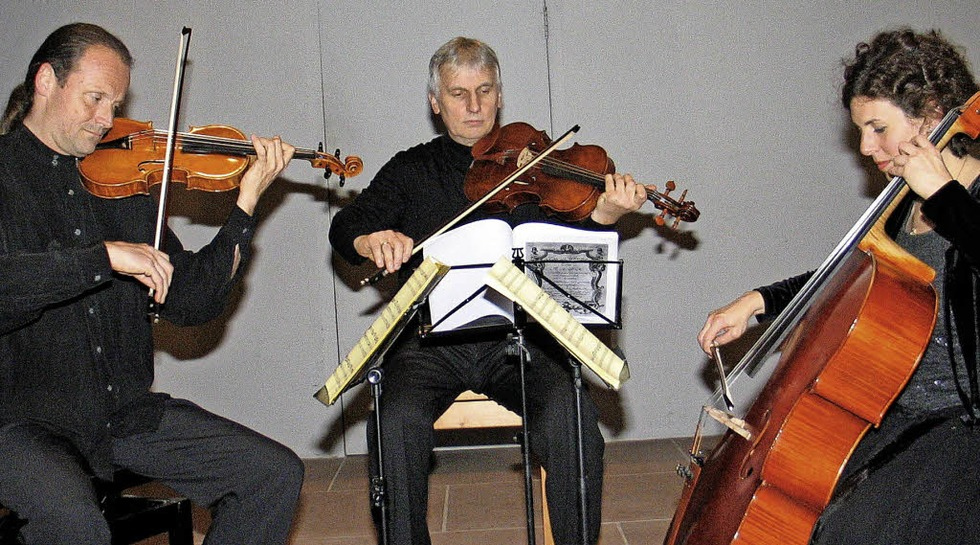
Horst Hildebrandt, born in Marburg (Germany), completed violin studies in Freiburg (Germany) and London, and studied medicine in Freiburg. He has furthered his training in movement therapy, dispokinesis, mental training, and pain therapy. He is a member of the German National Youth Orchestra and the Junge Deutsche Philharmonie. He has worked as a violinist in opera and radio orchestras. He is the first violinist of the Hilaros Quartet, the Ensemble Aisthesis, and various orchestras. From 1988, he was a violinist and violist with the Ensemble Aventure Freiburg for over 30 years. He has taught for many years at music schools, as well as at music academies and professional orchestras. He has been the head of the Music Physiology/Music and Preventive Medicine department at the Zurich University of the Arts (since 1997) and the Basel University of Music (since 1999). His areas of expertise include teaching and research in psychophysiology, prevention, and health promotion. He is the director of the MAS continuing education program in Music Physiology at the Zurich University of the Arts. Founder and management team member of the Zurich Center for Musicians (ZZM) and the Swiss University Center for Music Physiology (SHZM).

https://www.zhdk.ch/person/prof-dr-horst-hildebrandt-150695


  • -

André Lee

He has been playing the violin since he was 6 years old and has studied with Prof. Michael Goldstein (Hamburg University of Music, First Concertmaster of the Hamburg Philharmonic State Orchestra), Prof. Wilfried Laatz (Lübeck University of Music), and Prof. Ingolf Turban (Munich University of Music), among others, and continues to be active in various orchestras and chamber music.
Since November 2020, he has returned to the IMMM as a tenure-track junior professor.

https://dgfmm.org/die-gesellschaft/vorstand-beirat/dr-andre-lee

https://www.akademie-fuer-handrehabilitation.de/handtherapeut/das-team/prof-dr-andre-lee.php#reloaded

https://iabnetz.de/?author=48407

https://www.bundesakademie.de/akademie/dozent-innen/details/dozent/andre-lee

https://www.immm.hmtm-hannover.de/de/institut/personen/andre-lee


  • -

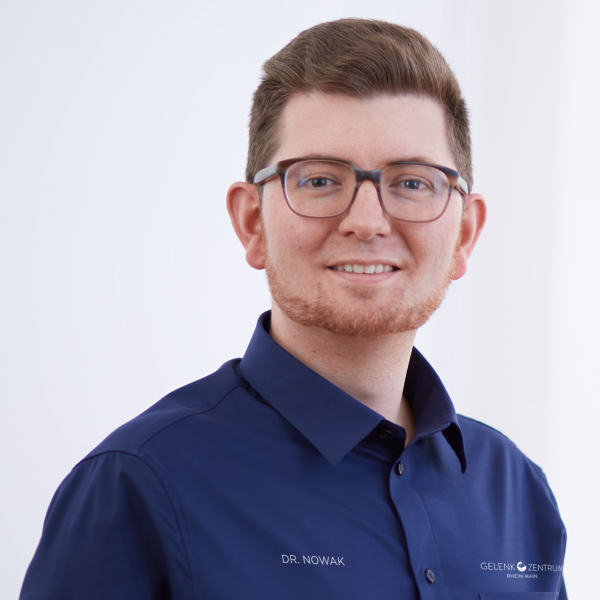
Lukas Nowak

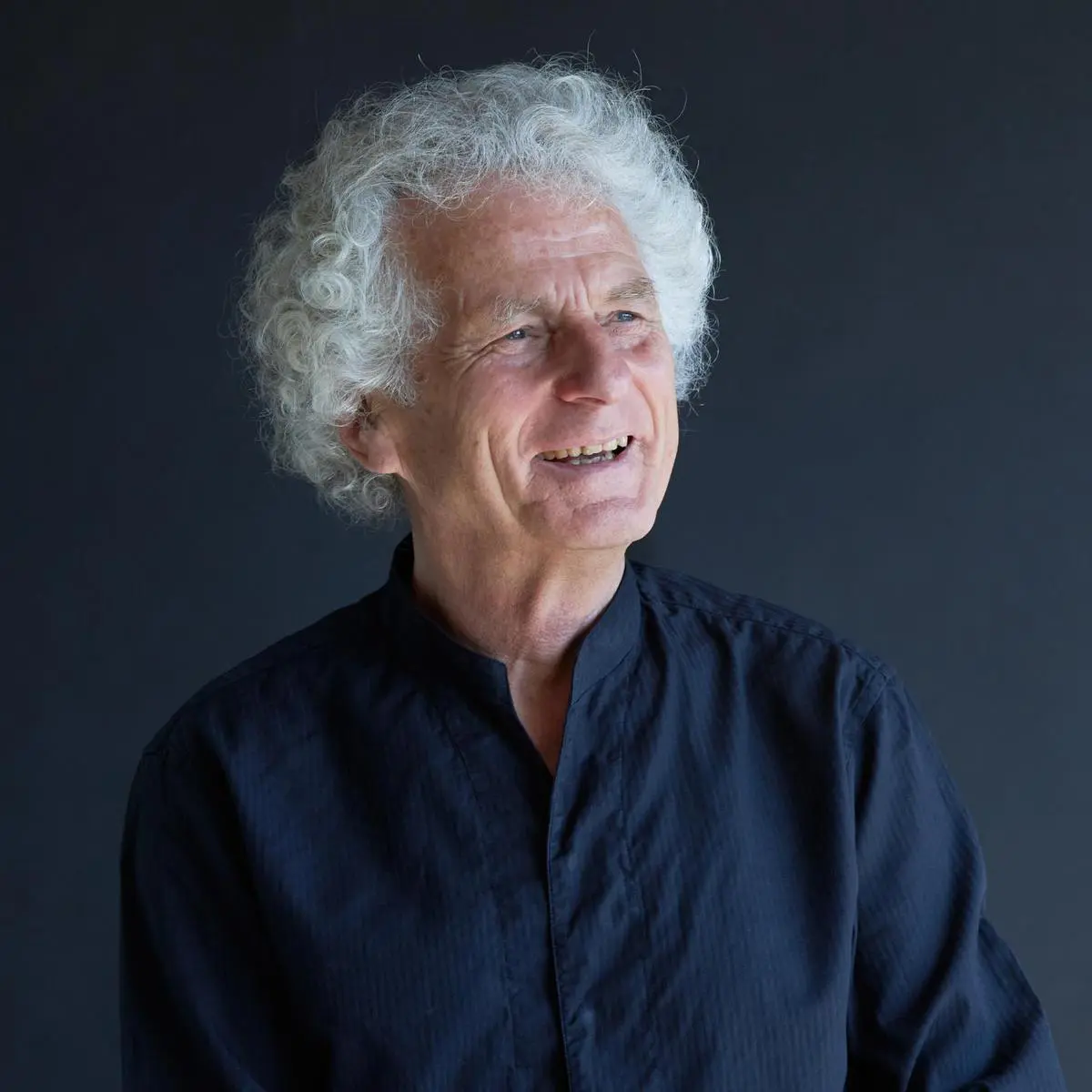
Lukas Nowak began playing the piano at the age of 6. At 14, he switched to the organ and received church music training from Helmut Kickton. He also learned the piccolo and guitar and acquired basic proficiency in horn and percussion. As a student, he wrote, among other works, choral and poem settings, a four-movement symphony, and a tone poem for organ and large orchestra (“The Prophecy of the Messiah,” premiered in 2004). He also worked as a choir director until he began his career. Since moving to the branch, he has been performing regularly again.

In addition to the general teaching program in Music Physiology and Musician Medicine, Dr. Nowak offers a special consultation hour for musicians by appointment, which is open to all students and faculty at the University of Music and Performing Arts.

https://www.musik.uni-mainz.de/studium/abteilungen/musikergesundheit


  • -

Christoph Schreiber

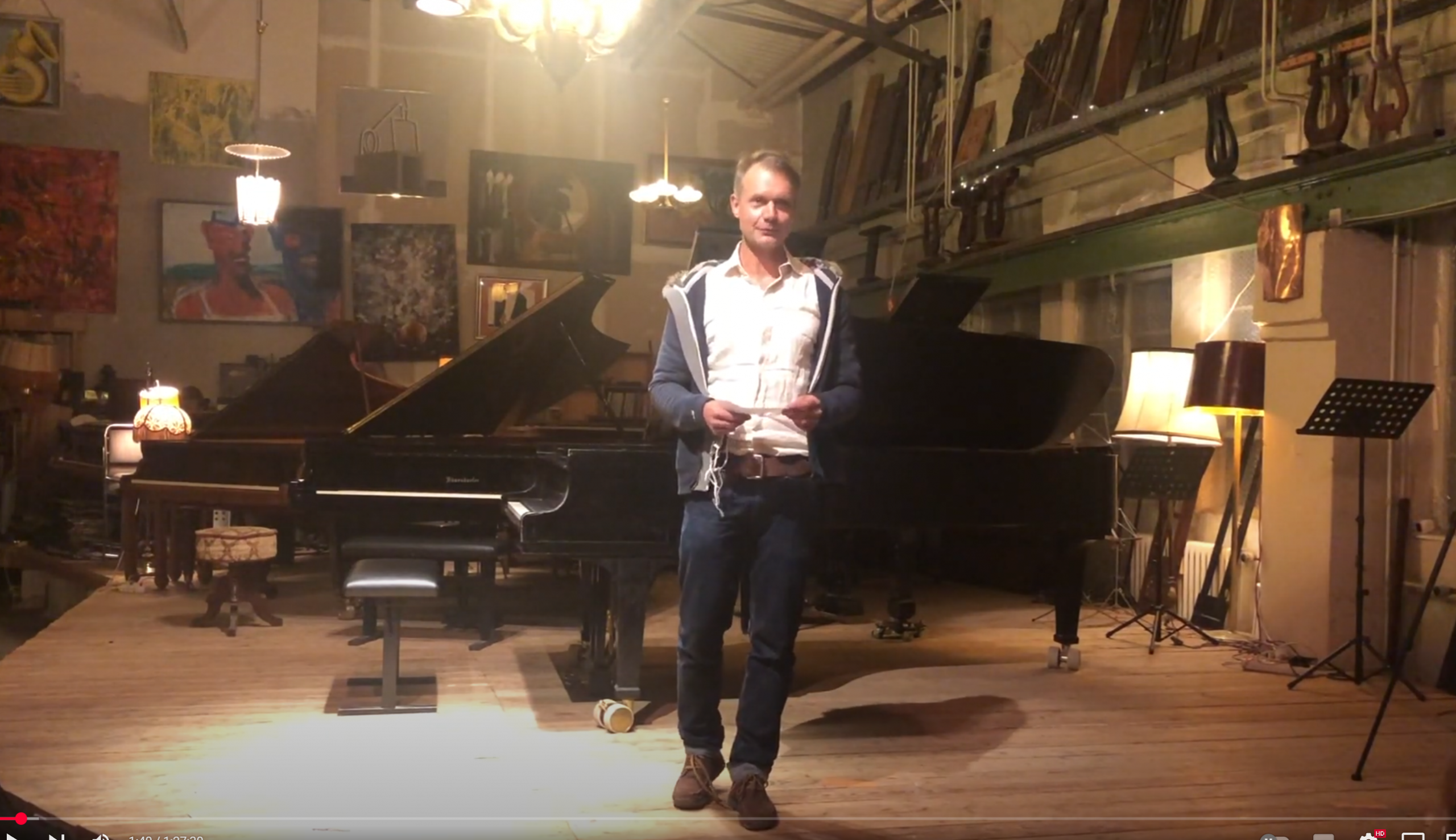
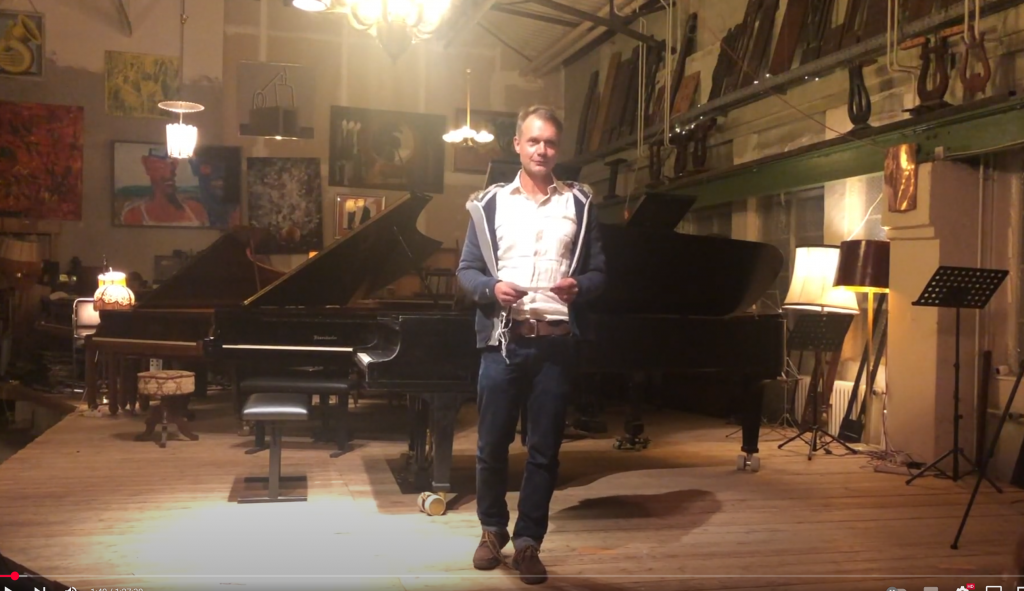
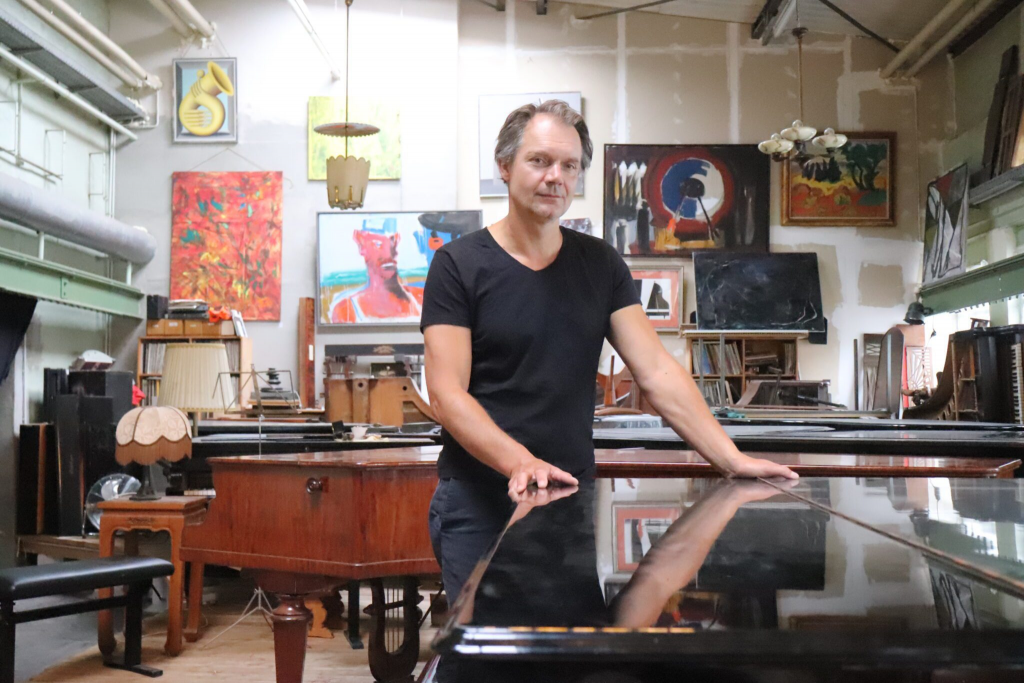
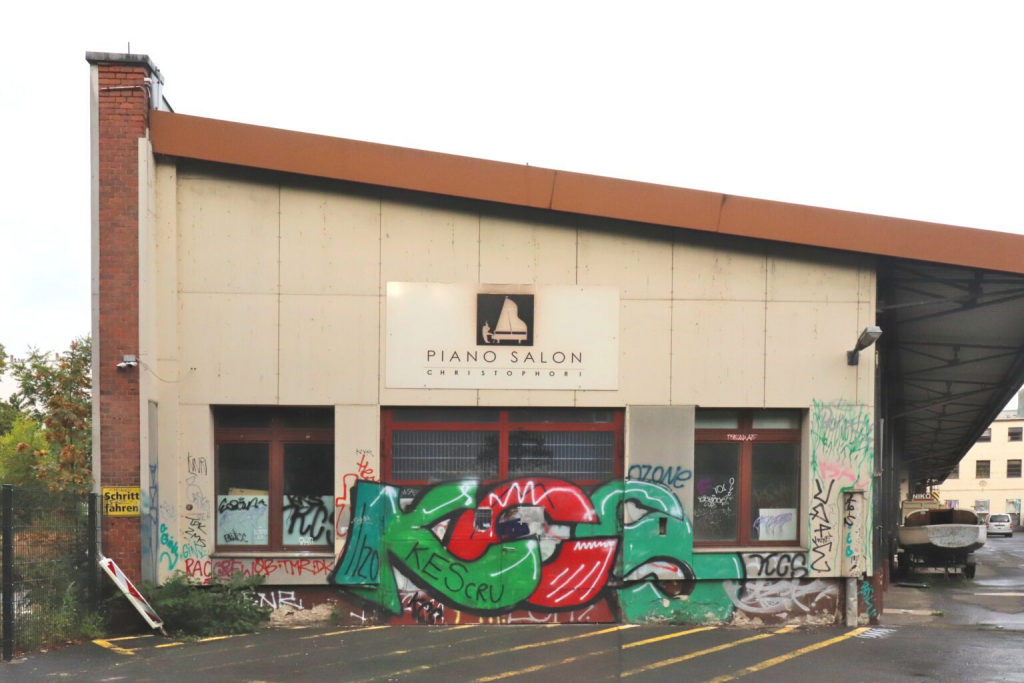
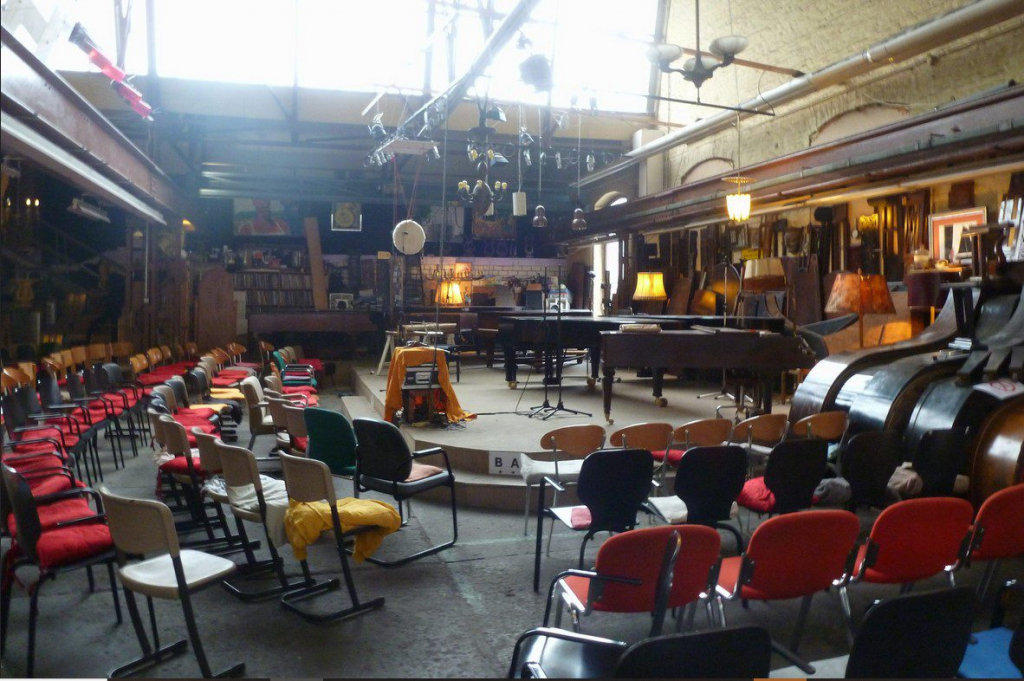
Founded in 1998, the Piano Salon Christophori in the listed Uferhallen in Berlin’s Gesundbrunnen district is a gem for piano lovers and those who aspire to become one. Solo, chamber, and jazz concerts with exquisite programs take place almost daily in the former tram depot, which salon founder Christoph Schreiber also uses as a workshop for the restoration of historic grand pianos. Numerous individual parts from the instruments adorn the walls of the 600-square-meter hall, which seats 199 spectators. Schreiber’s collection includes around 120 examples from two centuries of piano making, and just under a dozen are available to the artists in a playable state. The venue and workshop are named after Bartolomeo Cristofori, who developed the first fortepiano at the beginning of the 18th century.

Christoph Schreiber no longer works as a doctor. He speaks about this profession in a tone that makes it clear he would be extremely reluctant to put on the white coat again. Now he has time for his passion. But that also means having to make time for his passion. Being a music promoter is a 24/7 job. He’s on the phone an incredible amount, has music and musicians to manage. And, of course, the family is still there, says the father of three.

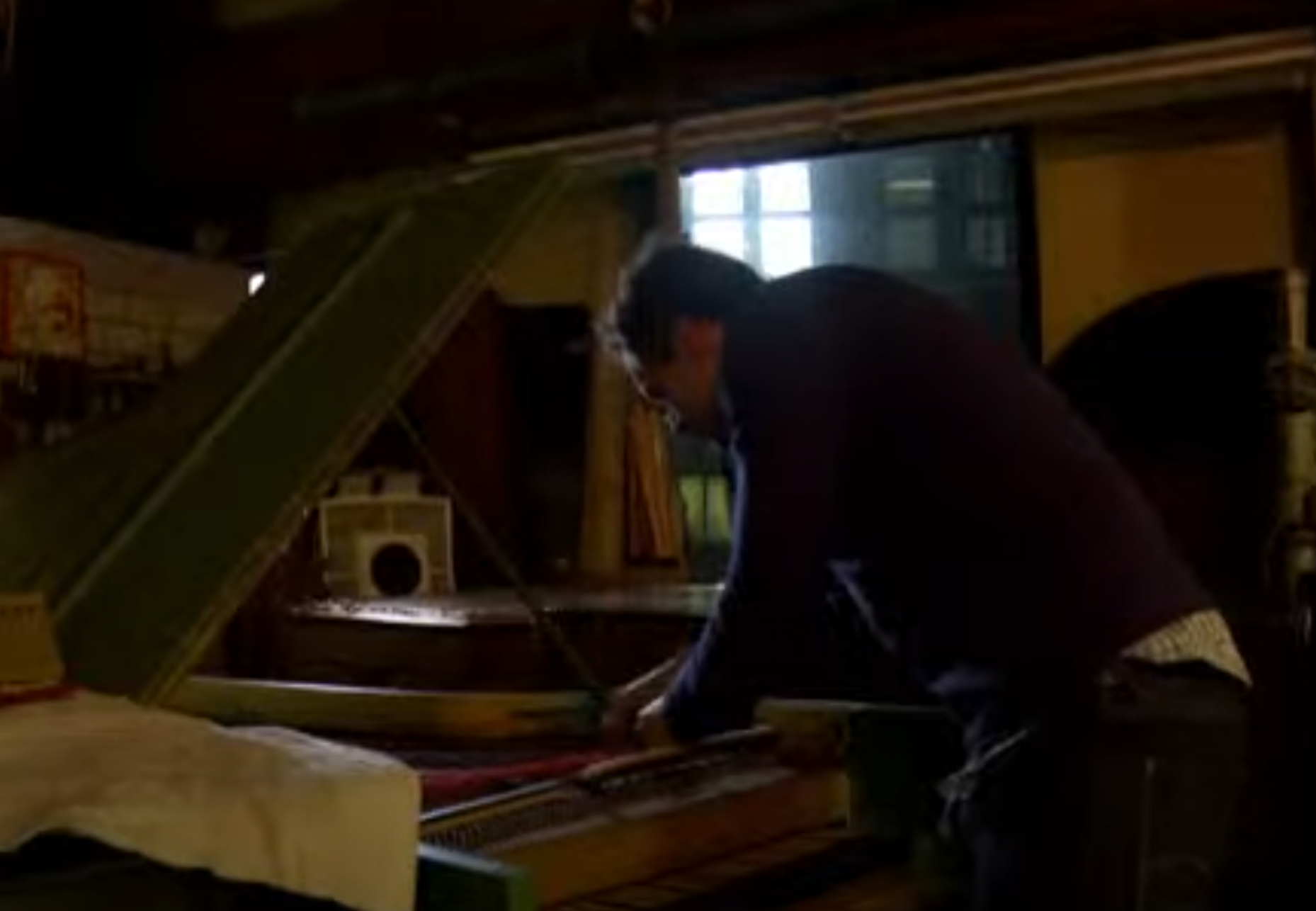
Christoph Schreiber’s true passion isn’t organizing concerts. His enthusiasm is for historical instruments. He’s gone from being a doctor for people to being a full-time doctor for pianos. In other words: Christoph Schreiber restores old grand pianos, upright pianos, and upright pianos. “I’d like to do more hands-on work,” he says. He sounds a bit regretful. But he doesn’t seem dissatisfied either. Apparently, life has now put him in the right place. Somewhere in a salon with over 100 historical pianos. Where he can afford to turn down commissioned restorations. Because it’s “too much effort to do it properly.”

So he restores historic grand pianos for his own purposes—for concerts, for performances. He calls this part of his daily work “keeping it in concert condition.” He considers which instrument is right for a guest musician’s performance in his salon and repairs it. But he relies on the audience. And that has changed his habits during the lockdown years. In the piano salon, he says, he’s fortunate to attract a diverse audience, “even if the mix is ​​less than before Corona.”

It’s noticeable that this sentence isn’t meant to sound plaintive, just descriptive. That’s why Christoph Schreiber speaks in the next sentence about responsibility and the task facing music promoters. As if to say, you have to bring people back. Convince them again. Re-engage them. His contribution: At the Piano Salon, students pay 15 euros for admission (the regular price is usually 25 euros). A drink is always included. And he encourages them to bring children. In his experience, most of them listen attentively.

The music facilitator has set up 160 chairs in the warehouse. Previously, there were 199. People today don’t want to sit as tightly as they normally would a few years ago. And he organizes concerts on a donation basis less frequently, now generally setting fixed prices. Has the coronavirus pandemic also eroded the willingness to financially reward good performance, even without being asked? It’s a question everyone has to ask themselves to answer. Christoph Schreiber has to raise a good 5,000 euros a month for rent. Covid hasn’t changed the system of space for rent.

https://www.konzertfluegel.com

https://de.wikipedia.org/wiki/Piano_Salon_Christophori

https://www.instagram.com/pianosalon_christophori/?hl=de

Artikel 2023


  • -

Carl Firle

In addition to regular benefit concerts with piano solo programs, I am dedicated to musicians’ medicine. Since 2019, I have been a board member of the German Society for Music Physiology and Musicians’ Medicine.

https://www.youtube.com/@carlf3940


  • -

Thomas Löffler

Playing the piano is my passion and I am happy that I can still practice it today, even though I decided to study medicine rather than music.


  • -

Alexander Schmidt

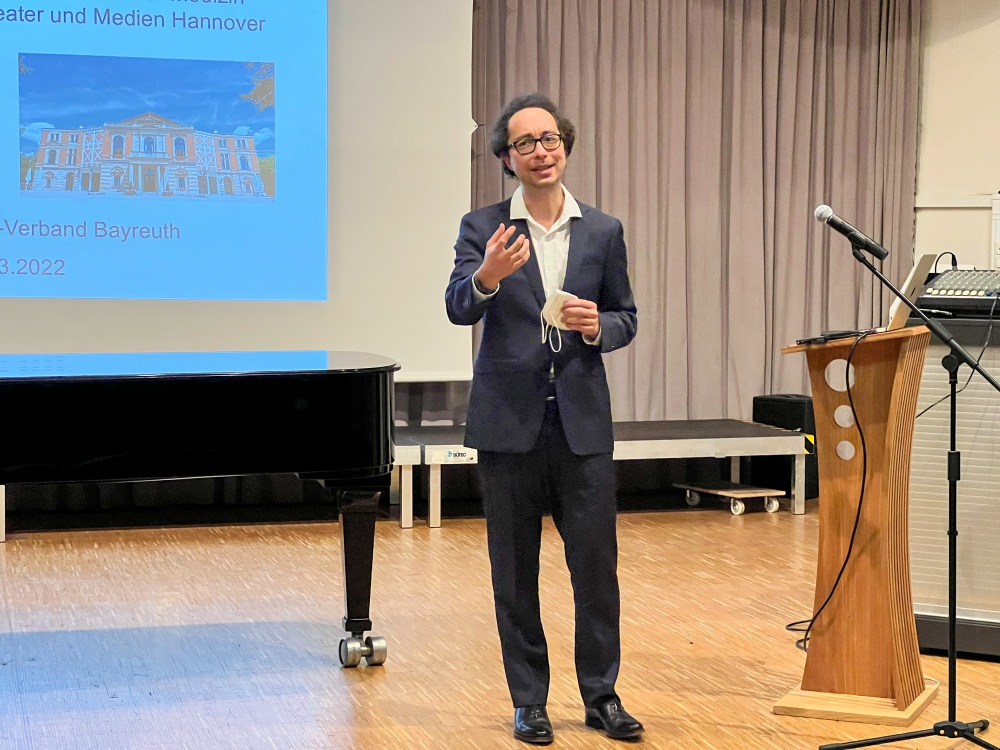
Alexander Schmidt (born January 15, 1977 in Kiel) is a German neurologist and musician. He has been Professor of Musician Medicine at the Hanns Eisler Academy of Music in Berlin since 2014, where he directs the Kurt Singer Institute for Music Physiology and Musician Medicine (KSI), and since 2015, Director of the Berlin Center for Musician Medicine (BCMM) at the Charité. He has been a board member of the German Society for Music Physiology and Musician Medicine (DGfMM) since 2017 and its president since November 2019.

Alexander Schmidt completed his piano studies with Vladimir Krainew at the Hanover University of Music, Drama and Media, graduating with a diploma in music education, and subsequently studied medicine at the Hanover Medical School. He wrote his dissertation on the pathophysiology of musician’s dystonia: neuroplasticity and clinical genetics at the Institute for Music Physiology and Musician’s Medicine in Hanover under Eckart Altenmüller. After receiving his doctorate in 2009, he completed a neurological residency at the Department of Neurology at the University of Lübeck and the Ameos Clinic for Psychiatry and Psychotherapy in Lübeck. At the same time, as a research associate at the Institute of Neurogenetics, he headed the research group on endophenotypes of movement disorders. In 2016, he completed his habilitation in “Experimental Neurology” at the University of Lübeck on the topic of genetic and environmental causes of musician’s dystonia and other dystonia syndromes.

Schmidt conducts research in the field of musicians’ neurophysiology and neurological movement disorders, with a focus on focal dystonia in musicians. He is married to the pianist Saskia M. Schmidt-Enders and has six children.

https://de.wikipedia.org/wiki/Alexander_Schmidt_(Mediziner)

https://www.ln-online.de/kultur/regional/wenn-musik-krank-macht-JWGYNT36EK46PZ7IRXFQR3QWNQ.html

http://ksi-berlin.de/KSI_Team.html