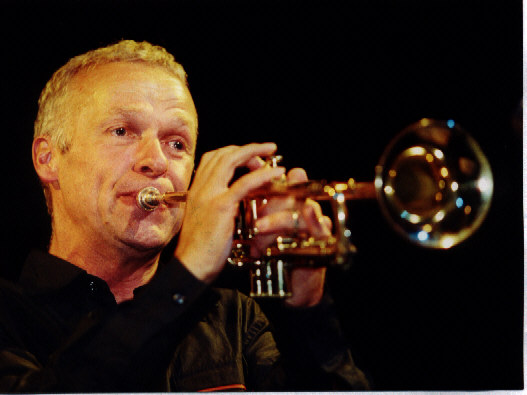
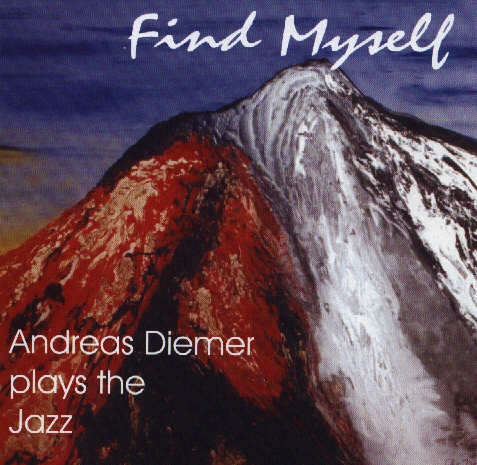
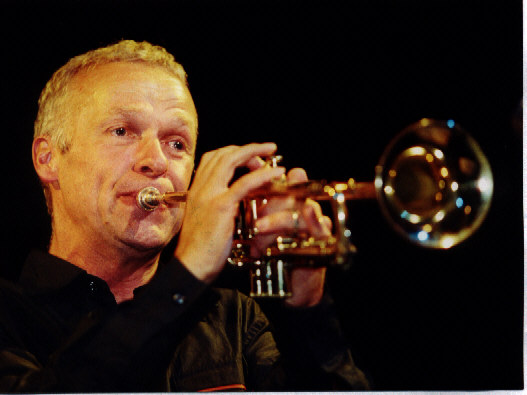
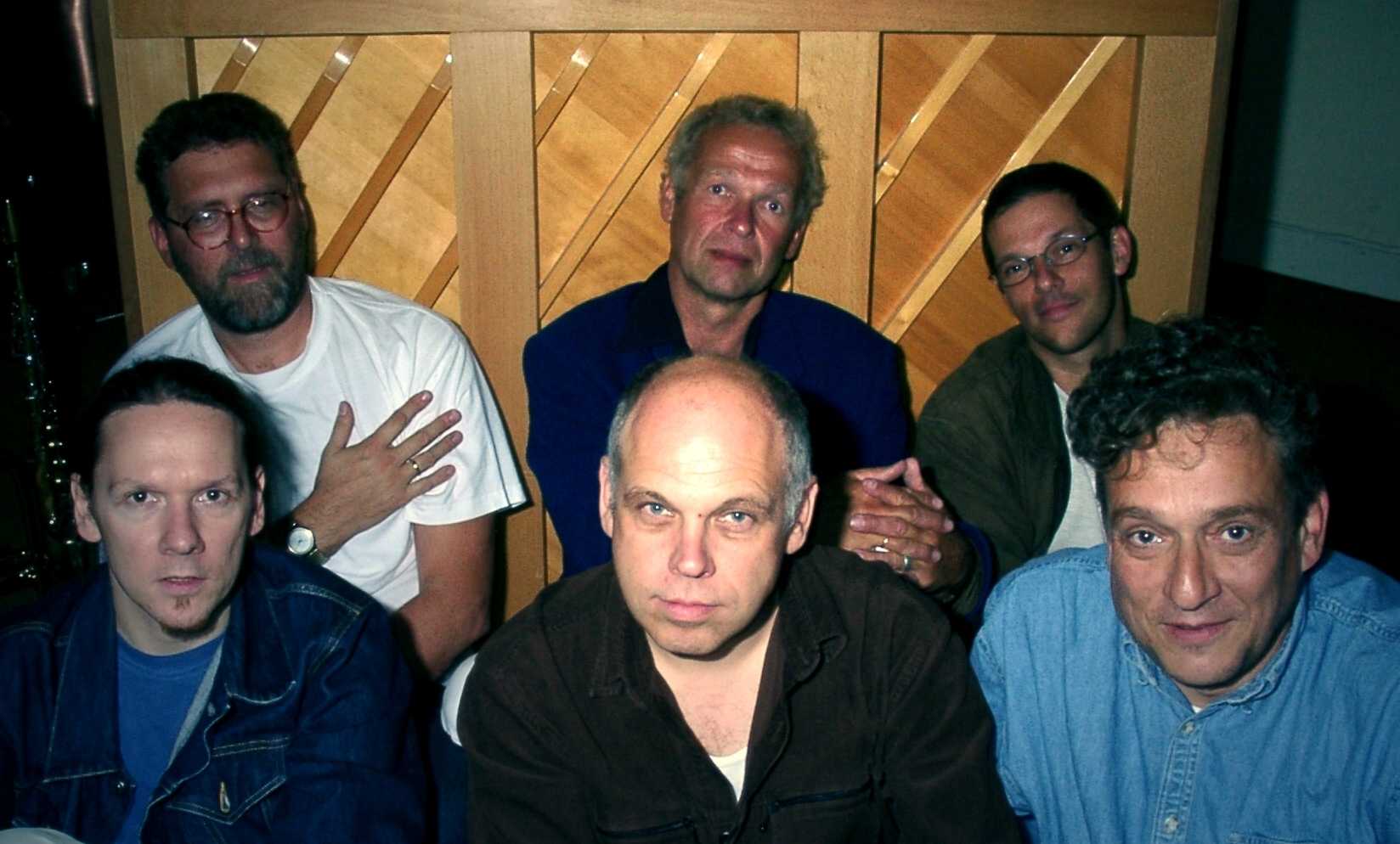
Whenever my profession leaves some time, I take my trumpet and play jazz. Originally educated as a cello player, I soon felt the borders of classical music too close. I needed more freedom to express myself, to play my own music, to create chorusses, arrangements and compositions and to play “dirty” notes when I wanted. So jazz has become my passion for almost 40 years. I play by myself, in a sextett !ALIVE!, in a Big Band Jazz Association Orchestra or in a piano/flugelhorn duo. Being influenced by the great Dutch flugelhorn player Ack van Rooyen I am glad to live in a deep friendship with him for many years. So the flugelhorn became more and more my favorite instrument, furthermore due to it’s smoothness and warm tone, especially when playing ballads.
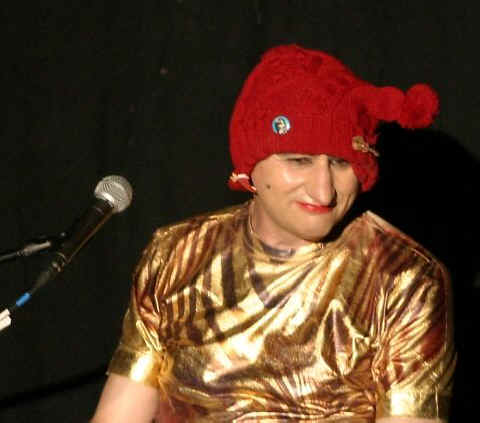
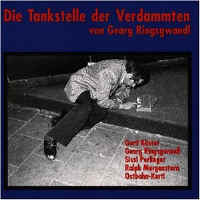
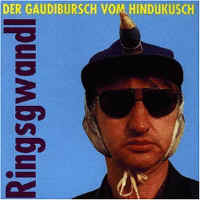
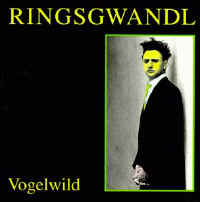
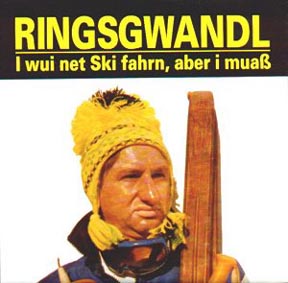
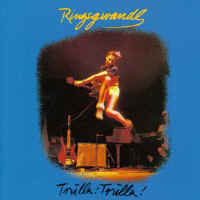
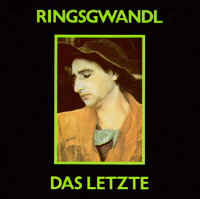
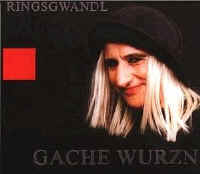
He is a real “bavarian RockDoc”! Who can rock in the bavarian dialect? ALways on tour – see his web site!
some of his lied texts:
Saure Drops und Schokoroll (Text & Musik: Georg Ringsgwandl)
Lucie-Baby und Valentino mach’n büschen rum im Autokino in Papas Mercedes Benz, ah läuft heut was mit Buddy Spencer.
Nebenan sitzt Kurt mit Lola im Taunus bei ‘nem Whisky-Cola und wie sie lächeln, so hintergründig Mann, was ist die Welt doch sündig!
I say Sex and Drugs and Rock’n Roll saure Drops und Schokoroll hey Mann, was braucht der Mensch noch mehr? I say Sex and Drugs and Rock’n Roll saure Drops und Schokoroll hey Mann, was braucht der Mensch noch mehr?
Schon kurz nach der Wochenschau nimmt man’s nicht mehr so genau und manche Leute dreh’n schon munter ihre Liegesitze runter.
Zwischendurch gesalzne Nüsse zum Knabbern ein paar Zungenküsse yeah-yeah! I say yeah-yeah! Zwischendurch gesalzne Nüsse zum Knabbern ein paar Zungenküsse yeah-yeah! I say yeah-yeah!
Oh, was bringt das für’nen Spaß ich lach mich tot Mann, ich mach mich naß! Auf der Leinwand die volle Aktion und im Mercedes Satisfaction!
I say Sex and Drugs and Rock’n Roll …
Film vorbei, das war’s nun Puppe Motor an und ab die Truppe yeah-yeah! I say yeah-yeah! Film vorbei, das war’s nun Puppe Motor an und ab die Truppe yeah-yeah! I say yeah-yeah!
… den Pabst gesehen (Text & Musik: Georg Ringsgwandl)
Der Chor, der sing so schön, so daß ich weinen muß, wo sind meine Augenwischer? Zweihundert blütenreine Kinderstimmen, da dirigiert Herr Gotthilf Fischer, ah. Da steht wer auf meinem Zeh, stechend ist der Schmerz. Heut’ isses wurscht, ich laß’ ihn stehn, mir ist so warm um’s Herz.
Ja ja ich, ohohoh ich, ich hab’ den Papst gesehn. Ja ja ich, ohohoh ich, ich hab’ den Papst gesehn.
Böse Zungen sagen, der Papst Woityla, der liest ganz heimlich Henry Miller. Und unser Nachbar, der ein Ketzer ist, der Protestant Jankowski, der grinst so schmierig und erzählt, der Papst, der liest Bukowski.
Aber ich, ich glaub’ das nicht, ich hab’ den Papst gesehn. Aber ich, ich glaub’ das nicht, ich hab’ den Papst gesehn.
Der eine fliegt im Urlaub runter nach Teneriffa, der and’re nur nach Bayrisch Zell, ein Dritter gibt sein Geld für Haschisch aus, das ist ein Kiffer. Doch jetzt hör’ zu, was ich Dir erzähl’! Ich war in Altötting da und hat’s auch schlimm geregnet, ich fühl’ mich trocken, ich bin warm, mich hat der Papst gesegnet.
Ja ja mich, ohohoh mich, mich hat der Papst gesegnet. Ja ja mich, ohohoh mich, mich hat der Papst gesegnet.
Jetzt steh’ ich schon acht Stunden da und übe Geduld, zweihundert Meter weg vom Altar. Der Papst hält seine Predigt und er hat ja auch recht, es ist ja wirklich oft ein bißchen schlecht mit dem Geschlecht. Und wie ich grad so hinschau, ich armer Sündenmann, da schaut der Papst grad so zu mir her, ja der Papst, der Papst schaut mich an.
Ja ja mich, ohohoh mich, mich hat der Papst gesehn. Ja ja mich, ohohoh mich, mich hat der Papst gesehn. Ja ja mich, ohohoh mich, mich hat der Papst gesehn.
Ja ja ich, ohohoh ich, ich hab’ den Papst gesehn.
Hart sein (Text: Georg Ringsgwandl / Stoppok – Musik: Georg Ringsgwandl)
Ich hab’ mich schon gewundert, da war ich noch ganz klein. Und ich fragte meinen Papa: Papa sag’, wie kann das sein.
Daß wir zu Haus’ noch immer kein Fernseh’n haben und immer noch, ja immer noch mit dem Pfennig spar’n, während alle anderen mit schweren Autos und den allerschärfsten Frau’n durch die Gegend fahr’n.
Da wird mein Alter traurig und er schaut mich an und sagt: Mein Gott Junge, das ist so, seit die Menschheit denken kann.
Doch alles, was ich gelernt hab’ in meinem Leben, jetzt hör’ mal gut zu, das möcht’ ich dir mitgeben.
Es gibt Leute, die brauchen ihr Leben lang nichts mehr tun, das Geld kommt von alleine, die machen keinen Finger krumm. Die verdienen jeden Tag tausendmal mehr als ich. Doch hör’ gut zu Junge, zu denen gehörst du nicht.
Du mußt hart, knallhart sein, damit du auch was kriegst. Du mußt hart, knallhart sein, denn geschenkt wird dir hier nichts.
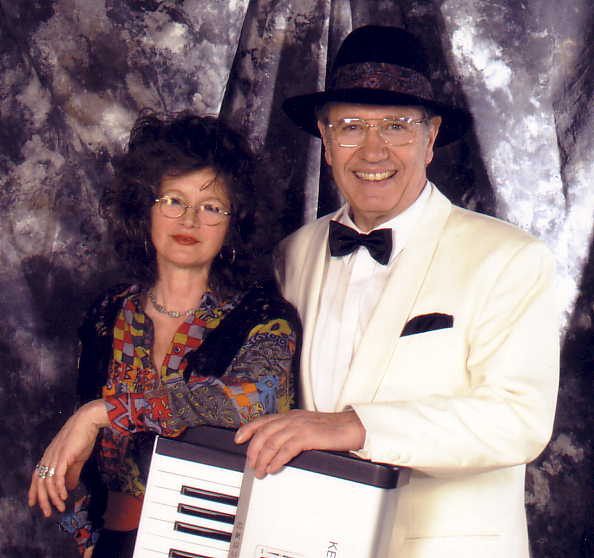
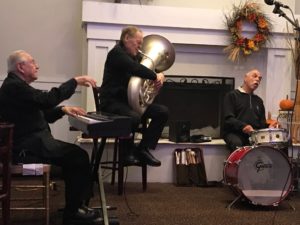
He played Dinner Music, Jazz-Time, Wedding music, wine parties, carnevalistic parties, open air for every kind of event the right music on measure for 48 years!
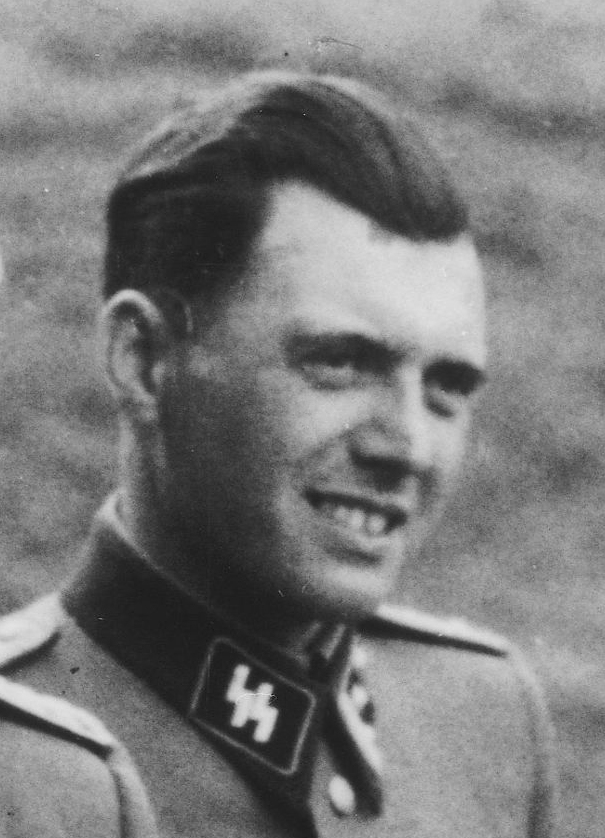
Before the war, Mengele received doctorates in anthropology and medicine, and began a career as a researcher. He joined the Nazi Party in 1937 and the SS in 1938. He was assigned as a battalion medical officer at the start of World War II, then transferred to the Nazi concentration camps service in early 1943 and assigned to Auschwitz, where he saw the opportunity to conduct genetic research on human subjects. His experiments focused primarily on twins, with no regard for the health or safety of the victims.[3][4]
After the war, Mengele fled to Argentina in July 1949, assisted by a network of former SS members. He initially lived in and around Buenos Aires, then fled to Paraguay in 1959 and Brazil in 1960, all the while being sought by West Germany, Israel, and Nazi hunters such as Simon Wiesenthal, who wanted to bring him to trial. Mengele eluded capture in spite of extradition requests by the West German government and clandestine operations by the Israeli intelligence agency Mossad. He drowned in 1979 after suffering a stroke while swimming off the coast of Bertioga, and was buried under the false name of Wolfgang Gerhard.[2] His remains were disinterred and positively identified by forensic examination in 1985.
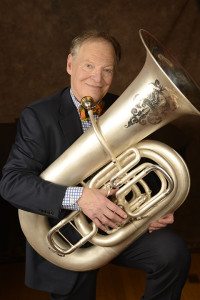
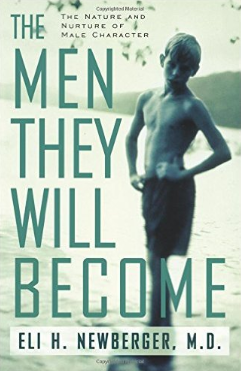
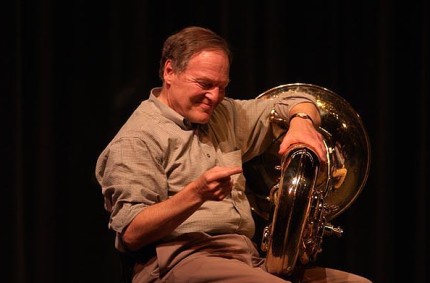
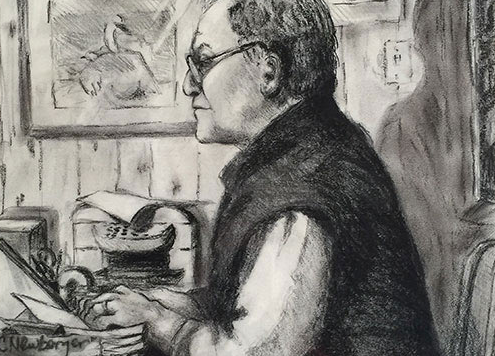
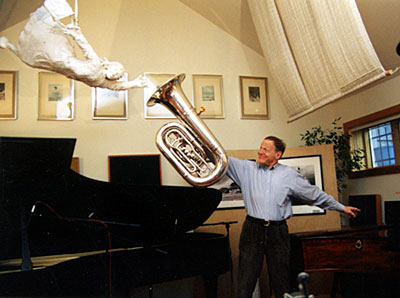
For more than 30 years, Dr. Newberger’s consolation at the end of stressful workdays was his weekly gigs as tuba player for the New Black Eagle Jazz Band. As he left the clinic and entered Boston’s jazz scene, he moved from a world filled with misery to one teeming with creative energy. “At five I leave the clinic and forty-five minutes later I pull into a parking lot outside Coffee, Tea, and Melody, the pub the Black Eagles have been playing since 1995,” he wrote in Doctors Afield. “I take off my tie, pull the tuba out of the trunk, and enter a different world. Here, injustice does not prevail, there is a sadness but not misery, and every moment of improvisation carries with it a prospect of redemption. Indeed, ‘mistakes’ in jazz improvisation become platforms for new ideas, not catastrophes that destroy lives.”
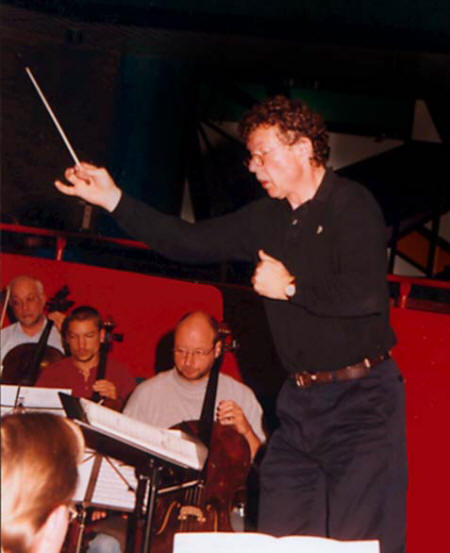
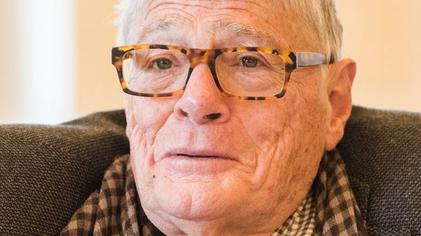
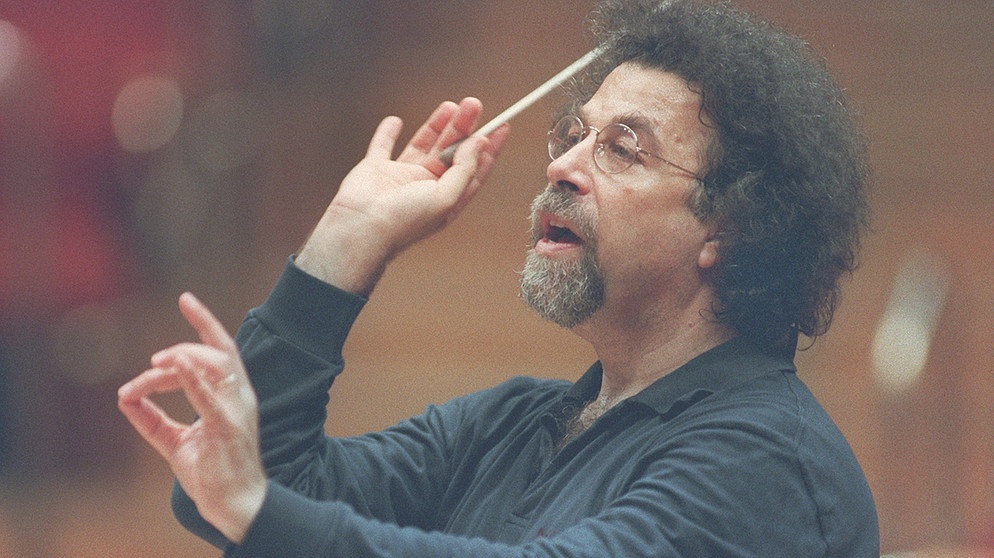
Gert Feser is conducting the “ensemble con brio”, one of the leading amateur orchestras in Würzburg/Germany. He is medical doctor and professor for music therapy and understands making music as a fountain for joy and prevention of diseases and protection of human spirit and creativity. Thus his rehearsals are often making the participants enthusiastic…..
Feser has studied with Prof. Reinartz at the Würzburg music academy and passed his exam as conductor. He took classes with Sergiu Celibidache in Bologna and with Michael Gielen in Frankfurt. In 1970 he received a prize of the “Deutscher Musikrat”. Now he holds master classes in Germany, France and Italy.
Sir Jeffrey Philip TateCBE (28 April 1943 – 2 June 2017) was an English conductor of classical music. Tate was born with spina bifida and had an associated spinal curvature. After studying medicine at the University of Cambridge and beginning a medical career in London, he switched to music and worked under Georg Solti at the Royal Opera House, Covent Garden, before making his conducting debut in 1979 at the Metropolitan Opera, New York. He held conducting appointments with the English Chamber Orchestra, Rotterdam Philharmonic Orchestra and Hamburg Symphony Orchestra, among others, and was the first person to be appointed principal conductor of the Royal Opera House. He was knighted for his services to music in 2017.
In private life, Tate was partners with Klaus Kuhlemann, a German geomorphologist, whom he met when conducting at Cologne from 1977.
During his international career as Lied accompanist and chamber musician he was partner of leading Lied singers and leading instrumentalists.
He studied conducting with Wilfried Boettcher in Basel. Master classes with Leonard Bernstein and Sergiu Celibidache completed his studies.
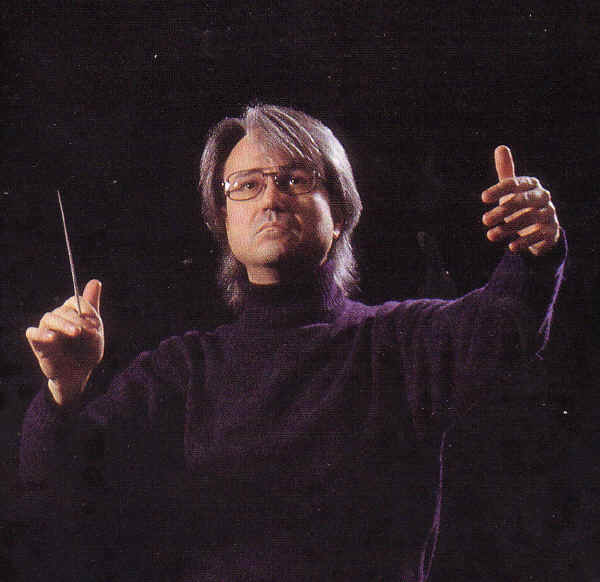
He was chief conductor of the symphony orchestra Dornach/Switzerland. His career began in Italy where he became first maestro and artistic vice director. Later he spent a long time in South Korea as director of the Masan Symphony Orchestra and guest conductor of the Seoul Philharmonic Orchestra. In Finland he got in touch with the contemporary music scene and took up several works in his repertoire. He conducted “Aida” on the Opera Festival of Savonlinna and gave master classes of Lied and chamber music. He regularly worked with finnish orchestras. He also was guest conductor of the Budapest philhamronic orchestra and of the Opera Budapest.
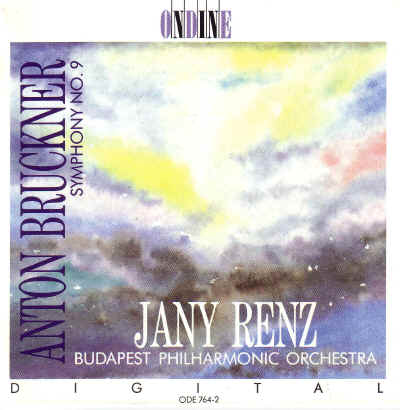
In 1991 a recording of the 9th symphony of Bruckner was published with the Budapest Philharmonic Orchestra (ODE 764-2 www.ondine.fi ) which became the best sold version of this work in the USA in that year (and the best sold classical CD at all in August).
From 1990 to 1994 he was general music director in Freiberg/germany. As guest conductor he worked in other theaters, like in Darmstadt with “Falstaff” of Giuseppe Verdi. The success of his CD produced him invitations in the USA as in Portland, Pittsburgh, Philadelphia and New York.
PRESS
Jany Renz heißt der Dirigent, der das Kunststück fertiggebracht hat, das Orchester zu einer so mitreissenden Leistung zu führen. Es gelang ihm eine packende Wiedergabe von Dvoráks Symphonie “Aus der Neuen Welt”, emphatisch, spontan, vital und dennoch präzise, beherrscht und kontrolliert, von hohem Ernst und starkem interpretatorischem Willen.
(Basler Zeitung, Switzerland)
In Mozart´s last piano concerto KV 595, Jany Renz figured not only as soloist but also as conductor. In this he performed a double task which has sometimes proved too exacting for many othe rinternational celebrities. But with the swiss Jany Renz it was a sheer joy to hear and see. His sovereign virtuosity and natural zest in playing did not stand in the way of a Mozart performance marked by the lucidity and delicacy of chamber music and crowned by a slow movement that was touchingly beautiful in its humility and unworldliness.
(Portland Press Herald, USA)
With a clear and quite unassuming baton, and with a punctilious constancy of tempo, Jany Renz gave a performance of convincing unity, lending an abundance of sound and dynamics to the strictly maintained great lines while shaping them with a lot of fince nuances, in which the orchestra followed him with astonishing precision and remarkable culture of sound.
(The New York Times, USA)
Jany Renz´s creative impulse, which found compelling expression in the extreme prescicion of baton technique, afforded him ideal scope with the orchestra and Anton Bruckner´s “Seventh” received an overpowering performance.
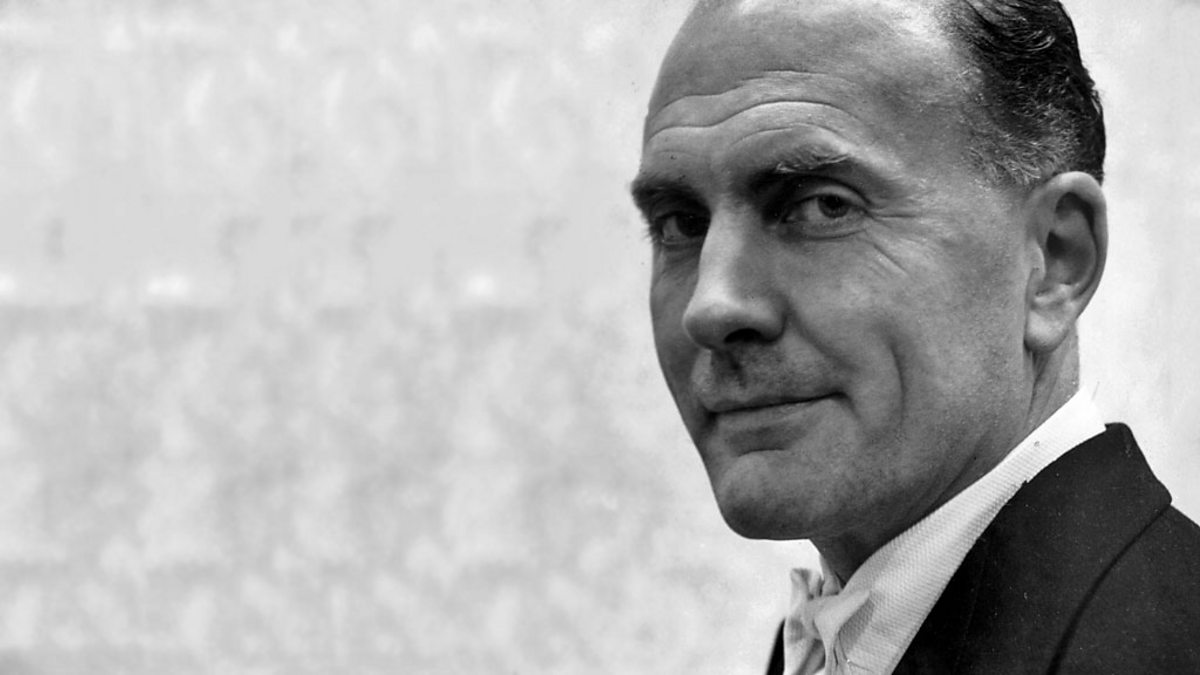
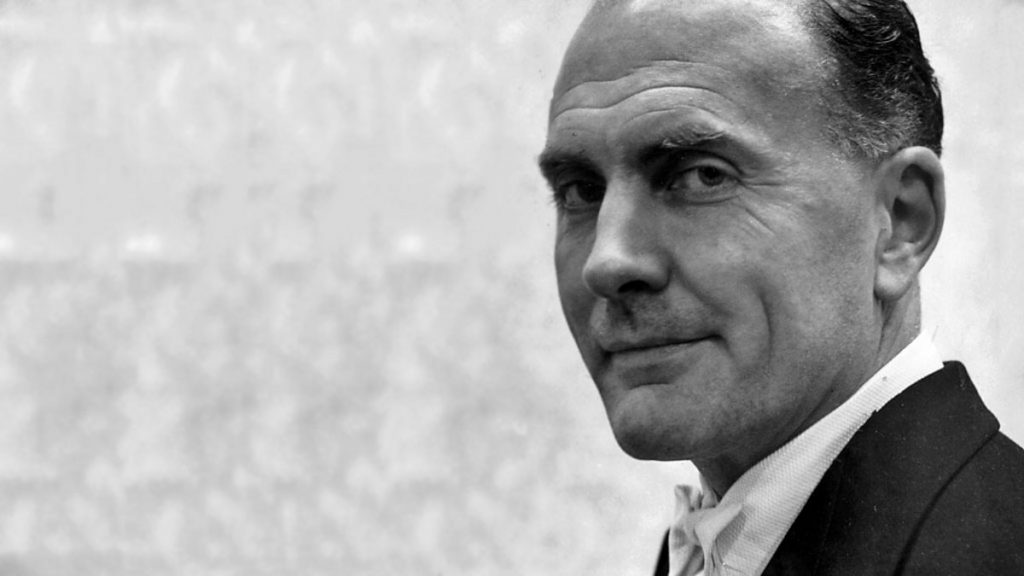
Louis Boyd NeelO.C. (19 July 1905 – 30 September 1981) was an English, and later Canadian conductor and academic. He was Dean of the Royal Conservatory of Music at the University of Toronto. Neel founded and conducted chamber orchestras, and contributed to the revival of interest in baroque music and in the 19th and 20th Century string orchestra repertoire.
Neel was born in Blackheath, London, and wanted to be a pianist as a child.[2] His mother, Ruby Le Couteur, was a professional accompanist, and his father was an engineer.[3]
Neel attended Osborne Naval College and then Dartmouth, and was commissioned in the Royal Navy. Soon after he was commissioned, the armed forces underwent a drastic reduction (the so-called ‘Geddes Axe‘), and Neel left the navy to study medicine at Caius College, Cambridge. He qualified in 1930, and became House Surgeon and Physician at Saint George’s Hospital, London, and Resident Doctor at King Edward VII’s Hospital, London.[4][5]
In 1930, while practising medicine, Neel studied music theory and orchestration at the Guildhall School of Music.[6]
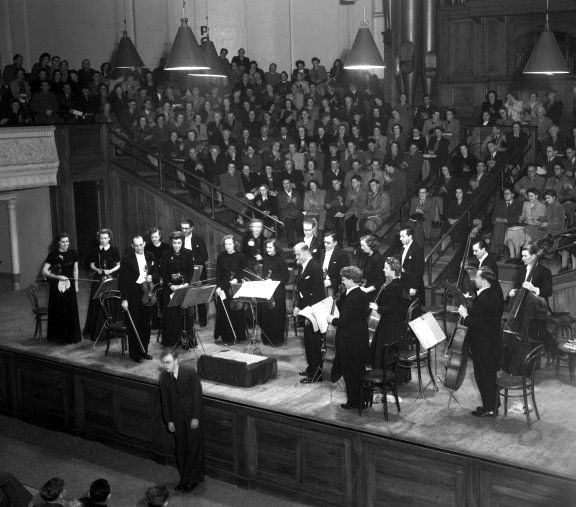
For Neel, at this stage, music was still a hobby. He conducted amateur groups and formed an orchestra of young professionals, whom he recruited in 1932 from the Royal Academy of Music and the Royal College of Music.[7] The Boyd Neel London String Orchestra (later the Boyd Neel Orchestra) made its debut at the Aeolian Hall, London, on 22 June 1933. The programme included the first performance in England of Respighi’sSuite of Ancient Airs and Dances and the premiere of a new suite by occasional composer Julian Herbage. After the concert, Neel returned to his surgery and delivered a baby.[8] The second concert, at the same venue, took place on 24 November 1933, and included the first performance in England of the Serenade for Strings by Wolf-Ferrari. On 18 December 1933 the orchestra was invited to broadcast by the BBC for the first time.[9] When Decca offered Neel and the orchestra a contract, he left medicine to devote himself full-time to music.[4]
On 16 February 1934 the orchestra performed a concert of chamber works by Ernest Bloch at the Aeolian Hall, conducted by the composer.[10] Neel conducted the first music heard in the new Glyndebourne opera house in 1934, in private performances, at John Christie‘s invitation.[4] Among the Boyd Neel Orchestra’s early releases in 1936 were the first recordings of Vaughan Williams’sFantasia on a Theme by Thomas Tallis and Britten’sSimple Symphony.[11] The following year, Neel and his orchestra were invited to the Salzburg Festival, for which Neel commissioned Britten’s Variations on a Theme of Frank Bridge.[4] In 1939 Boyd Neel commissioned John Ireland‘s three movement Concertino Pastorale for string orchestra, first played at the Canterbury Festival on 14 June 1939. It was subsequently recorded in February 1940.[12] The orchestra toured Great Britain and Europe until the outbreak of war.[13][14]
Sinopoli began to make a name for himself as a composer of serial works, becoming professor of contemporary and electronic music at the Venice Conservatoire Benedetto Marcello in 1972, and a major proponent of the new movement in Venice for contemporary music. He studied conducting at the Vienna Academy of Music under Hans Swarowsky; and in Venice, founded the Bruno Maderna Ensemble in the 1970s. His single most famous composition is perhaps his opera Lou Salomé, which received its first production in Munich in 1981, with Karan Armstrong in the title role.[3]
Sinopoli was appointed principal conductor of the Philharmonia in 1984, and served in this position until 1994, making a number of recordings with them, including music by Elgar and the complete symphonies of Mahler.[4] Sinopoli was supposed to take over the position of chief conductor at Deutsche Oper Berlin in 1990. However, even before the start of his term he receded from his contract. He became principal conductor of the Staatskapelle Dresden in 1992. He also joined the Bayreuth Festival‘s roster of conductors. He is best known for his intense and sometimes controversial interpretations of opera, especially works by Italian composers and Richard Strauss. Sinopoli specialized in late-nineteenth century and early-twentieth century music, from Wagner and Verdi to Strauss, Mahler and the Second Viennese School. His conducting was the object of much controversy, especially in the symphonic genre, with some berating the “eccentricity” of his interpretations, while others praised the insightfulness of his often intellectual approach to works.
https://www.youtube.com/watch?v=fSNJJUREbr4
Every October since 2005, Taormina Arte has dedicated a festival to Giuseppe Sinopoli, the artistic director of the Music section of the Taormina Festival from 1989 to 1997. The Giuseppe Sinopoli Festival celebrates the man not only as a musician and as a conductor but also as a composer, a doctor, an archaeologist and intellectual, with a variety of events from music and literature, theatre and art to conferences, exhibitions, publications and concerts. Every year the Festival welcomes important orchestras to Italy.
On the occasion of the first edition of the Giuseppe Sinopoli Festival the Sinopoli Chamber Orchestra was formed, in collaboration with the Conservatorio “Arcangelo Corelli” of Messina. The Orchestra, made up of young talented musicians, both pupils and teachers of the Conservatorio, mostly performs works by Sinopoli.
Uraufführung: 10. Mai 1981 an der Bayerischen Staatsoper, München
Komponist: Giuseppe Sinopoli Libretto: Karl Dietrich Gräwe Regie: Götz Friedrich Musikalische Leitung: Giuseppe Sinopoli Audio-CD (Auszüge, andere Einspielung): Lou Salomé – Orchestersuiten Rezensionen: Bachmann, C.-H.: Trügerische Balance auf dem Hochseil der Oper. Guiseppe Sinopoli: Lou Salomé – Uraufführung in München, in: Neue Zeitschrift für Musik, 4, 1981, S. 382–384
Herbort, H. J.: Oper: Gedachte Musik. Lou Salomé in München, Aus Deutschland in Berlin, in: DIE ZEIT, Nr. 41, 1983