Casino holzkirchen öffnungszeiten

  1. N1 Casino Bonuscode Ohne Einzahlung: Die Live-Chat-Funktion auf der Website ist aufgrund der schnellen Reaktionszeiten die beste Option.
  2. Spielautomat Online Spielen Ohne Anmeldung - Spielgeld- oder Übungsmodi können beim Spielen von Blackjack-, Roulette- oder Pokerspielen Spaß machen, aber Freispiel-Slots haben wenig Wert.
  3. Welches Glücksspiel Hat Die Besten Gewinnchancen: Dieses mobile Angebot ist gut aufgebaut und Sie können auf die meisten Funktionen zugreifen, die über das Desktop-Angebot verfügbar sind.

Poker brettspiel

Roulette Für Anfänger
Spieler können von diesen Casinos mit Mindesteinzahlung verschiedene Arten von Boni in Anspruch nehmen, einschließlich Match-Boni plus Freispiele, Zahlungsoptionsbonus, Freundschaftswerbung und andere.
Bingo Spielen Online
Er ist unglaublich smooth beim Spielen und macht tatsächlich Spaß.
Nur in diese Richtung können Gewinne erzielt werden.

Wie funktioniert roulett

Neueste Casino Bonus Ohne Einzahlung
Rouge Casino hat eine nicht überprüfbare Lizenz.
Verde Casino Ohne Anzahlung Bonuscode
In einigen Online-Casinos, die Moneta akzeptieren, erhalten High-Rolling-Spieler die VIP-Behandlung mit Zugang zu Spielen, bevor sie ausgerollt werden, und Verlosungen für luxuriöse Geschenke.
Roulette Reich Werden

  • -

Nikolaus Kopernikus

Nicolaus Copernicus (/koʊˈpɜːrnɪkəs, kə-/;[2][3][4] PolishMikołaj Kopernik;[b] Middle Low GermanNiklas KoppernigkGermanNikolaus Kopernikus; 19 February 1473 – 24 May 1543) was a Renaissance polymath, active as a mathematician, astronomer, and Catholic canon, who formulated a model of the universe that placed the Sun rather than Earth at its center. In all likelihood, Copernicus developed his model independently of Aristarchus of Samos, an ancient Greek astronomer who had formulated such a model some eighteen centuries earlier.[5][c][d][e]

The publication of Copernicus’s model in his book De revolutionibus orbium coelestium (On the Revolutions of the Celestial Spheres), just before his death in 1543, was a major event in the history of science, triggering the Copernican Revolution and making a pioneering contribution to the Scientific Revolution.[7]

Copernicus was born and died in Royal Prussia, a region that had been part of the Kingdom of Poland since 1466. A polyglot and polymath, he obtained a doctorate in canon law and was a mathematician, astronomer, physicianclassics scholartranslatorgovernordiplomat, and economist. From 1497 he was a Warmian Cathedral chapter canon. In 1517 he derived a quantity theory of money—a key concept in economics—and in 1519 he formulated an economic principle that later came to be called Gresham’s law.[f]

Some time before 1514, Copernicus wrote an initial outline of his heliocentric theory known only from later transcripts, by the title (perhaps given to it by a copyist), Nicolai Copernici de hypothesibus motuum coelestium a se constitutis commentariolus—commonly referred to as the Commentariolus. It was a succinct theoretical description of the world’s heliocentric mechanism, without mathematical apparatus, and differed in some important details of geometric construction from De revolutionibus; but it was already based on the same assumptions regarding Earth’s triple motions. The Commentariolus, which Copernicus consciously saw as merely a first sketch for his planned book, was not intended for printed distribution. He made only a very few manuscript copies available to his closest acquaintances, including, it seems, several Kraków astronomers with whom he collaborated in 1515–30 in observing eclipsesTycho Brahe would include a fragment from the Commentariolus in his own treatise, Astronomiae instauratae progymnasmata, published in Prague in 1602, based on a manuscript that he had received from the Bohemian physician and astronomer Tadeáš Hájek, a friend of Rheticus. The Commentariolus would appear complete in print for the first time only in 1878.[45]

aus | from manuskript
Tusi-Paar | tusi couple

In 1526 Kopernikus cooperated with Bernard Wapowski working out a map of the Königreich PolenGroßfürstentum Litauen, in 1529 he also made a map of Herzogtums PreußenGeorg Joachim Rheticus, professor in Wittenberg, came to work with Kopernikus for three years in Frauenburg, beginning in 1539.

POLAND – AUGUST 02: 1000 zloty banknote, 1982, obverse, Nicolaus Copernicus (1473-1543). Poland, 20th century. (Photo by DeAgostini/Getty Images)

wikipedia DE

wikipedia EN


  • -

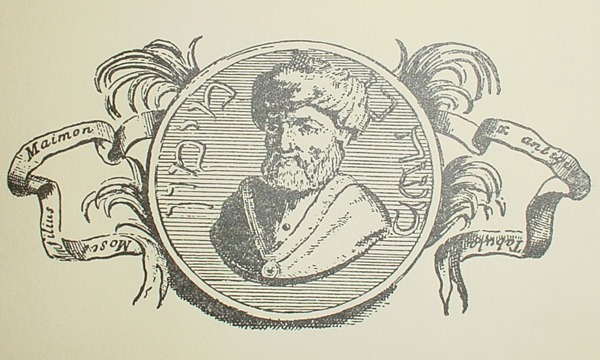
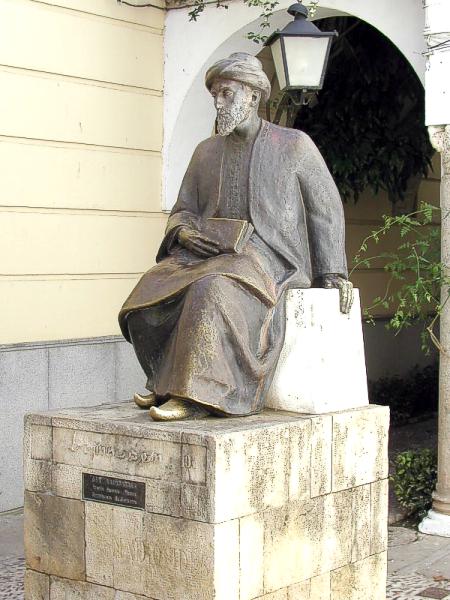
Maimonides

Moses ben Maimon[a] (1138–1204), commonly known as Maimonides (/maɪˈmɒnɪdiːz/)[b] and also referred to by the acronym Rambam (Hebrew: רמב״ם),[c] was a medieval Sephardic Jewish philosopher who became one of the most prolific and influential Torah scholars of the Middle Ages. In his time, he was also a preeminent astronomer and physician, serving as the personal physician of Saladin. Born in CórdobaAlmoravid Empire (present-day Spain), on Passover eve, 1138 (or 1135),[d][8][9][10] he worked as a rabbi, physician and philosopher in Morocco and Egypt. He died in Egypt on 12 December 1204, whence his body was taken to the lower Galilee and buried in Tiberias.[11][12]

During his lifetime, most Jews greeted Maimonides’ writings on Jewish law and ethics with acclaim and gratitude, even as far away as Iraq and Yemen. Yet, while Maimonides rose to become the revered head of the Jewish community in Egypt, his writings also had vociferous critics, particularly in Spain. Nonetheless, he was posthumously acknowledged as one of the foremost rabbinic decisors and philosophers in Jewish history, and his copious work comprises a cornerstone of Jewish scholarship. His fourteen-volume Mishneh Torah still carries significant canonical authority as a codification of Halacha. He is sometimes known as “ha’Nesher ha’Gadol” (The Great Eagle)[13] in recognition of his outstanding status as a bona fide exponent of the Oral Torah.

Aside from being revered by Jewish historians, Maimonides also figures very prominently in the history of Islamic and Arab sciences and he is mentioned extensively in studies. Influenced by AristotleAl-FarabiIbn Sina, and his contemporary Ibn Rushd, he became a prominent philosopher and polymath in both the Jewish and Islamic worlds. On his tomb is inscribed “From Moses to Moses there was none like Moses”.[14]

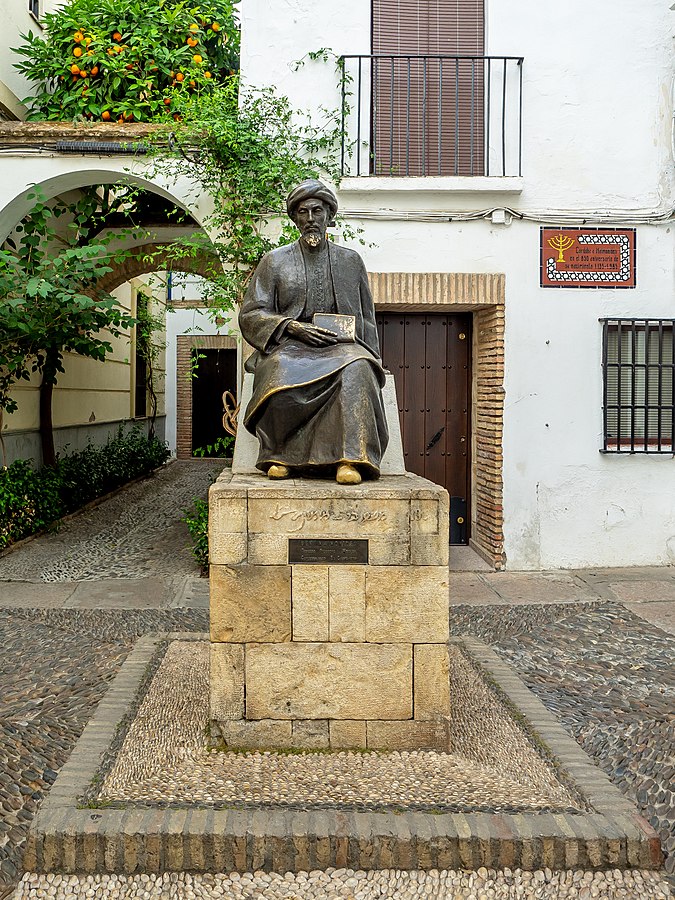
Denkmal | monument in Cordoba

wikipedia DE

wikipedia EN


  • -

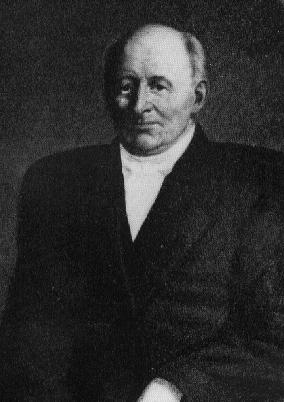
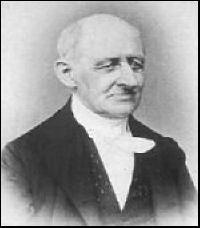
Samuel Heinrich Schwabe

Samuel Heinrich Schwabe (25 October 1789 – 11 April 1875) a German astronomer remembered for his work on sunspots. He also was Botaniker. His official botanic short code is „Schwabe“.

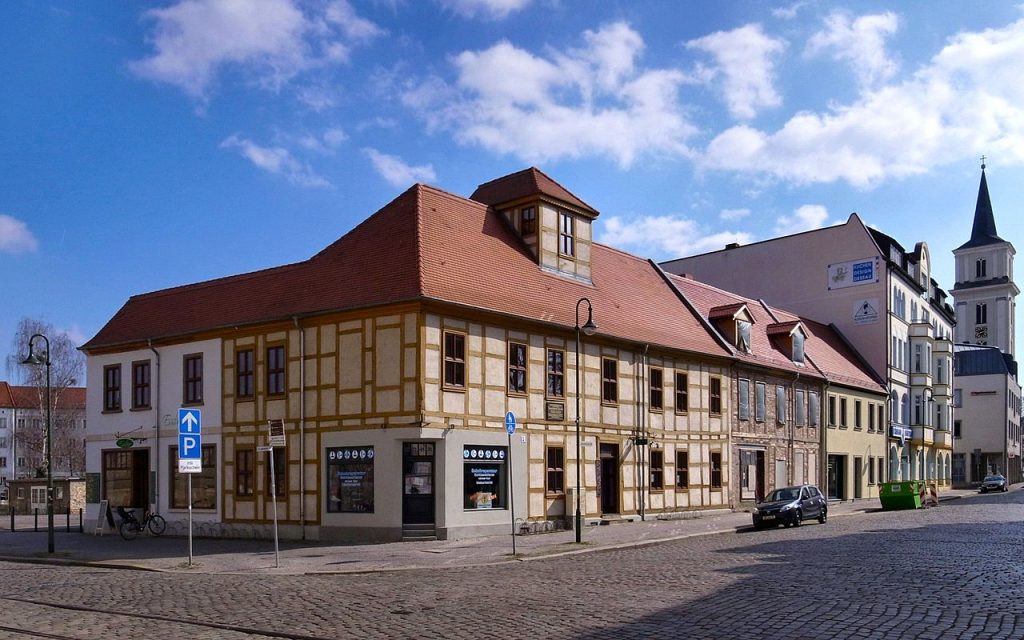
He studied pharmacy, chemistry, botanics and physics in Berlin. Coming back to Dessau in 1811 he ran the pharmacy of his grandfather. After selling the pharmacy in 1829 he dedicated himself to science and lived in the Schwabehaus.

Schwabe was born at Dessau. At first an apothecary, he turned his attention to astronomy, and in 1826 commenced his observations on sunspots. Schwabe was looking for a possible planet inside the orbit of Mercury. Because of the proximity to the Sun, it would have been very difficult to observe such a planet, and Schwabe believed one possibility to detect a new planet might be to see it as a dark spot when passing in front of the Sun. For 17 years, from 1826 to 1843, on every clear day, Schwabe would scan the Sun and record its spots trying to detect any new planet among them. He did not find any planet but noticed the regular variation in the number of sunspots and published his findings in a short article entitled “Solar Observations during 1843”.[1] In it he made the suggestion of a probable ten-year period (i.e. that at every tenth year the number of spots reached a maximum). This paper at first attracted little attention, but Rudolf Wolf who was at that time the director of Bern observatory, was impressed so he began regular observations of sunspots. Schwabe’s observations were afterwards utilized in 1850 by Alexander von Humboldt in the third volume of his Kosmos.[2] The periodicity of sunspots is now fully recognized; and to Schwabe is thus due the credit of one of the most important discoveries in astronomy.

In 1857 Schwabe was awarded the Gold Medal of the Royal Astronomical Society.

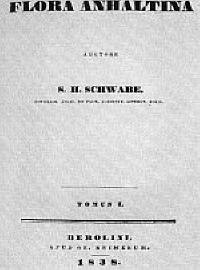
1838 he published Flora Anhaltina, a standard work about the flora of his country Anhalt. Remarkable is his Herbarium.

In 1841 he married Ernestine Amalie Moldenhauer.

A moon crater is named Schwabe after him.

Schwabehaus

wikipedia DE

wikipedia EN

Deutsches Ärzteblatt

www.SchwabeHaus.de


  • -

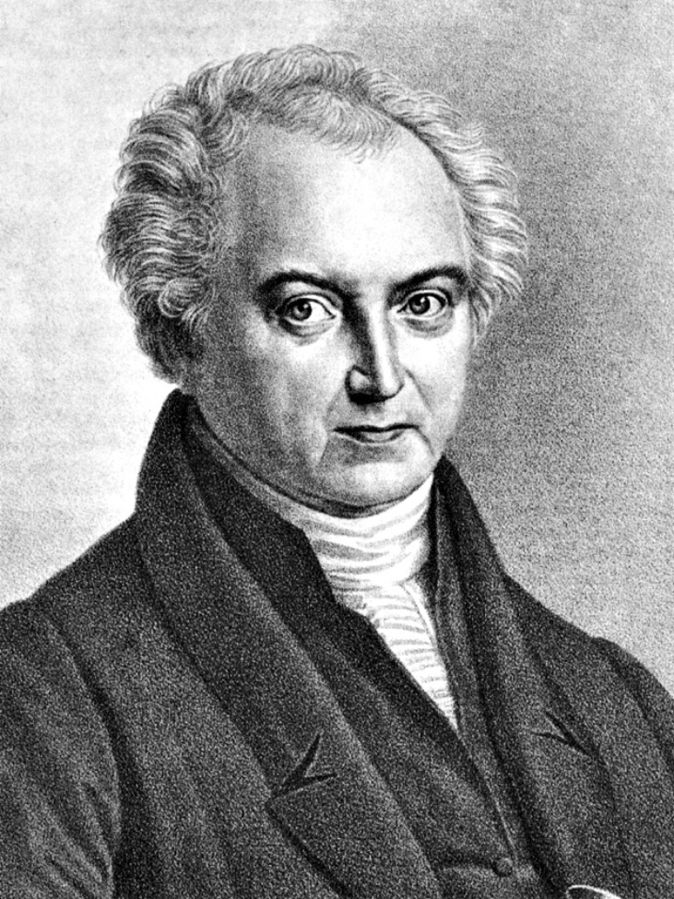
Heinrich Wilhelm Olbers

Heinrich Wilhelm Matthias Olbers (/ˈɔːlbərz/German: [ˈɔlbɐs]; 11 October 1758 – 2 March 1840) was a German physician and astronomer.

On 28 March 1802, Olbers discovered and named the asteroidPallas. Five years later, on 29 March 1807, he discovered the asteroid Vesta, which he allowed Carl Friedrich Gauss to name. As the word “asteroid” was not yet coined, the literature of the time referred to these minor planets as planets in their own right. He proposed that the asteroid belt, where these objects lay, was the remnants of a planet that had been destroyed. The current view of most scientists is that tidal effects from the planet Jupiter disrupted the planet-formation process in the asteroid belt. On 6 March 1815, Olbers discovered a periodic comet, now named after him (formally designated 13P/Olbers). Olbers’ paradox, described by him in 1823 (and then reformulated in 1826), states that the darkness of the night sky conflicts with the supposition of an infinite and eternal static universe.

Olbers was deputed by his fellow citizens to assist at the baptism of Napoleon II of France on 9 June 1811. He was a member of the corps legislatif in Paris 1812–13. He died in Bremen aged 81. He was twice married, and one son survived him. Olbers’ paradox, the argument that the dark sky at night shows that stars cannot be evenly distributed through infinite space, is named for him, though others had also advanced it.

Ships were named after him (DE):

Olbers war außerdem der Name verschiedener Segelschiffe: Eine in Archangelsk gebaute Fregatte wurde 1829 von F. C. Delius & Co. in Bremen erworben und 1837 abgewrackt. Ein 1838 in Grohn gebauter Segler des gleichen Eigners, das Vollschiff Olbers (1851), havarierte 1848. Später trug eine Dreimastbark der Kaiserlichen Marine den Namen des Astronomen.

Olbers streets in Berlin, Bremen, Hannover, Lilienthal and other places.

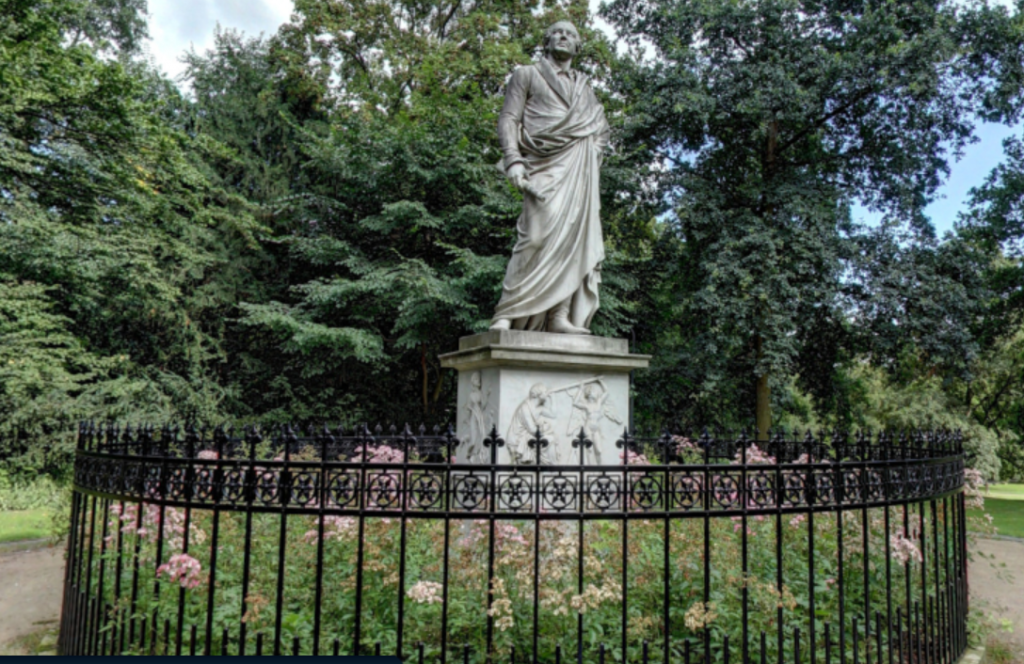
Olbers statue in Bremen in the “Wallanlagen”

wikipedia DE

wikipedia EN

Olbers Planetarium Bremen/Germany


  • -

Chiaki Mukai

Category : AstronautDocs

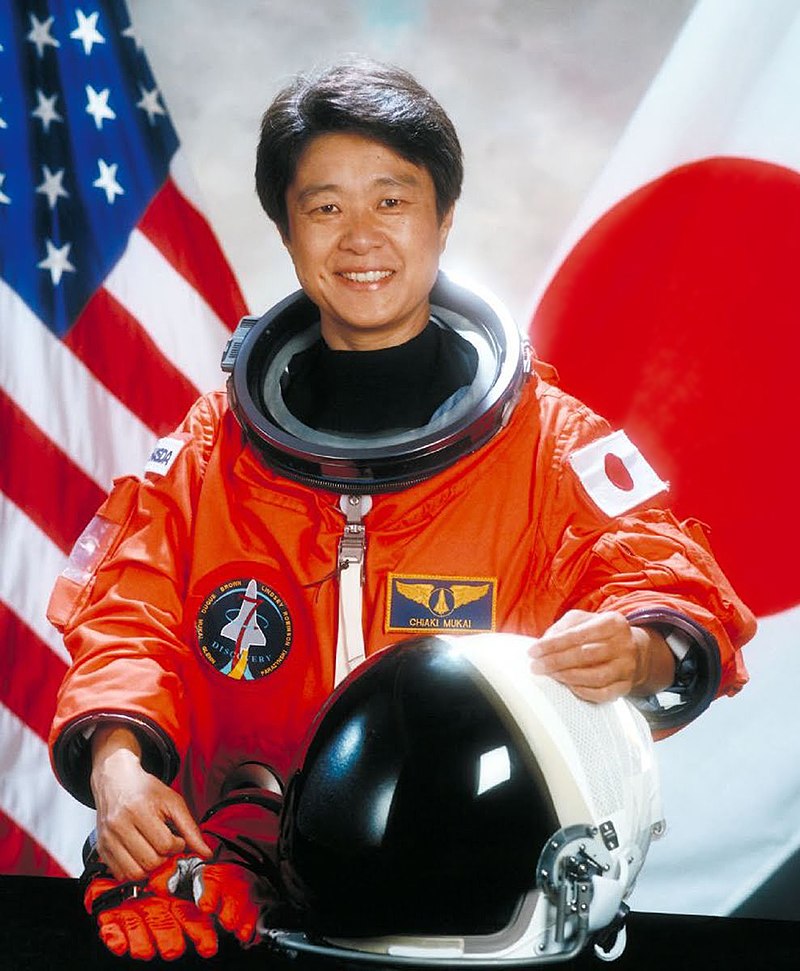
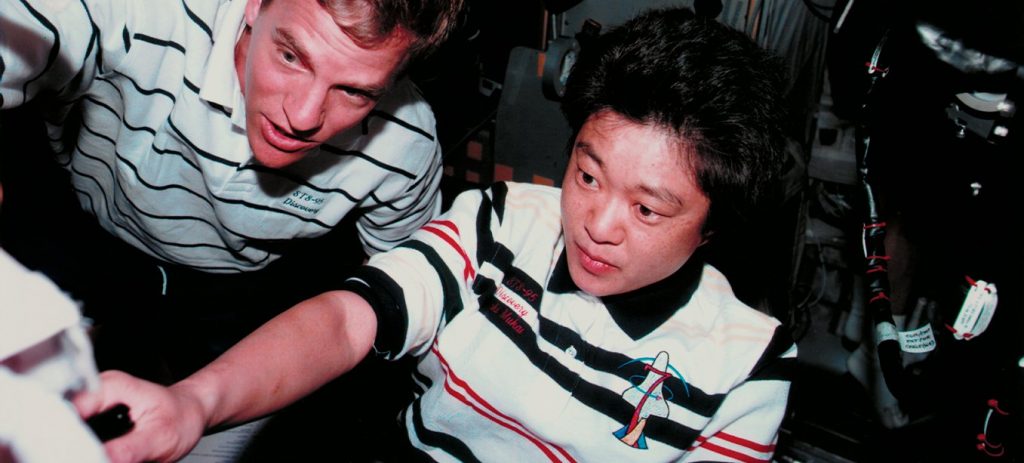
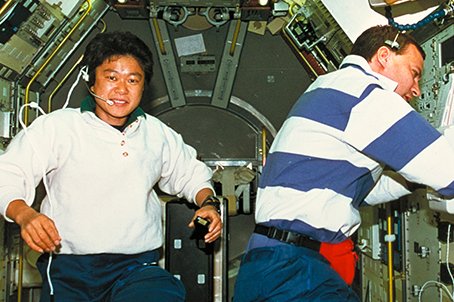
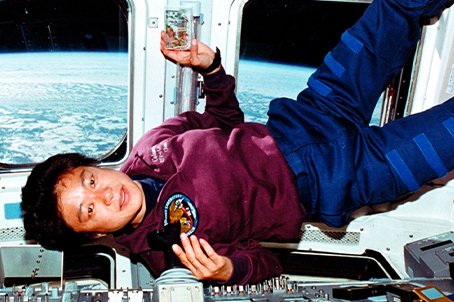
Chiaki Mukai (向井 千秋, Mukai Chiaki, born May 6, 1952) is a Japanese physician and JAXA astronaut.[2] She was the first Japanese woman in space, the first Japanese citizen to have two spaceflights, and the first Asian woman in space.[1] Both were Space Shuttle missions; her first was STS-65 aboard Space Shuttle Columbia in July 1994, which was a Spacelab mission. Her second spaceflight was STS-95 aboard Space Shuttle Discovery in 1998. In total she has spent 23 days in space.

Mukai was selected to be an astronaut by Japanese national space agency NASDA (now called JAXA) in 1985. Prior to this, she was an assistant professor in the Department of Cardiovascular Surgery at Keio University, the oldest university in Japan. In 2015, she became Vice President of the Tokyo University of Science.[3] In addition, she became JAXA Technical Counselor.[2]

wikipedia DE

wikipedia EN

JAXA


  • -

Michael Reed Barratt

Tags :

Category : AstronautDocs

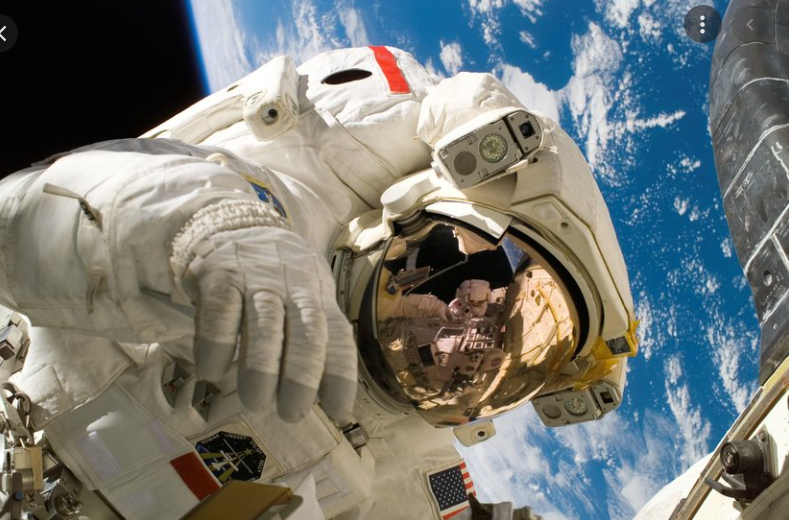
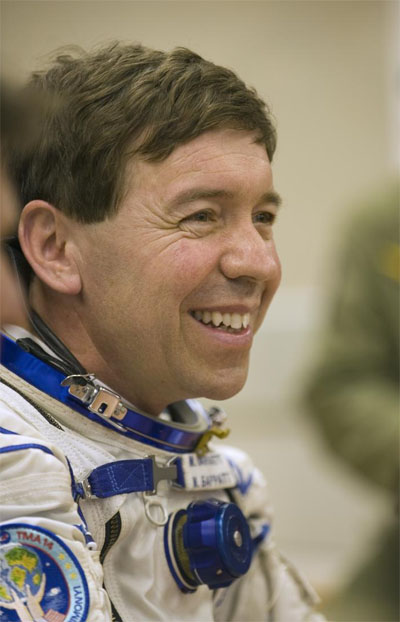
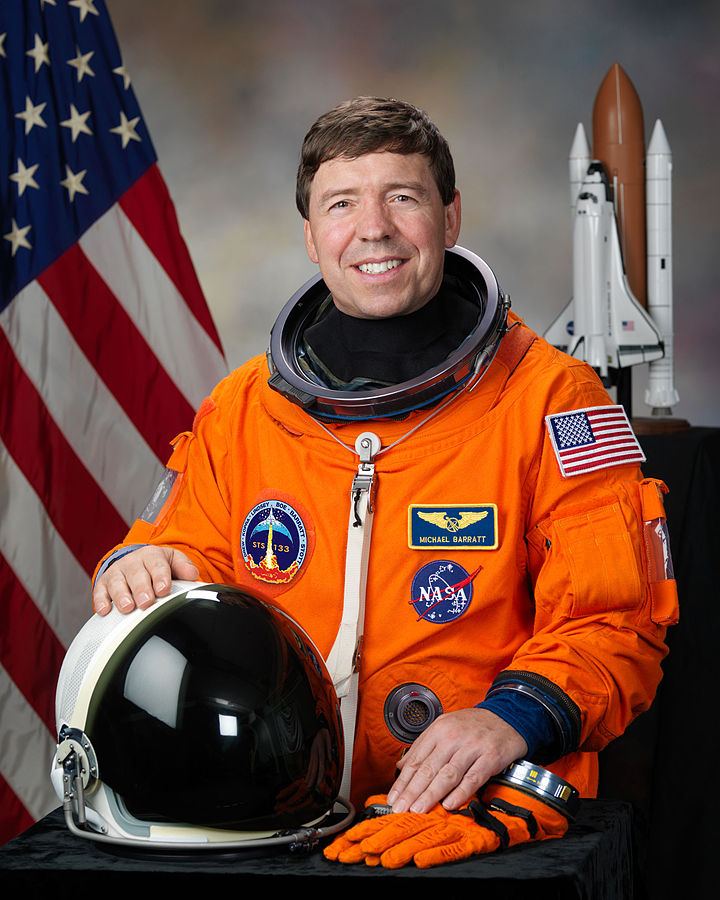
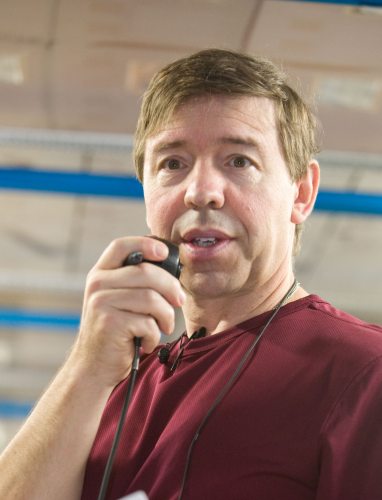
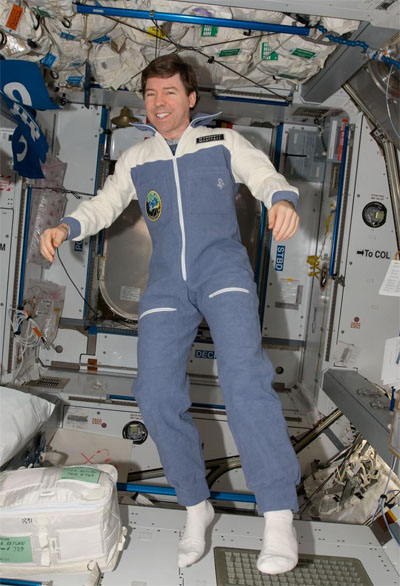
Michael Reed Barratt (born April 16, 1959) is an American physician and a NASAastronaut. Specializing in aerospace medicine, he served as a flight surgeon for NASA before his selection as an astronaut, and has played a role in developing NASA’s space medicine programs for both the Shuttle-Mir Program and International Space Station. His first spaceflight was a long-duration mission to the International Space Station, as a Flight Engineer in the Expedition 19 and 20 crew. In March 2011, Barratt completed his second spaceflight as a crew member of STS-133.

wikipedia DE

wikipedia EN

NASA

presentation


  • -

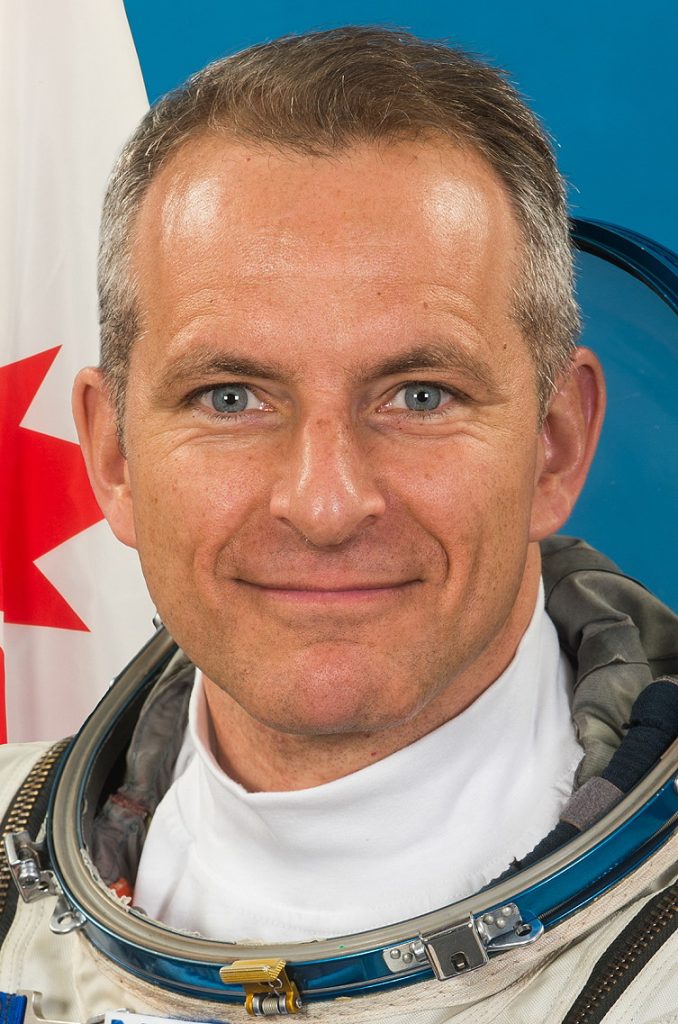
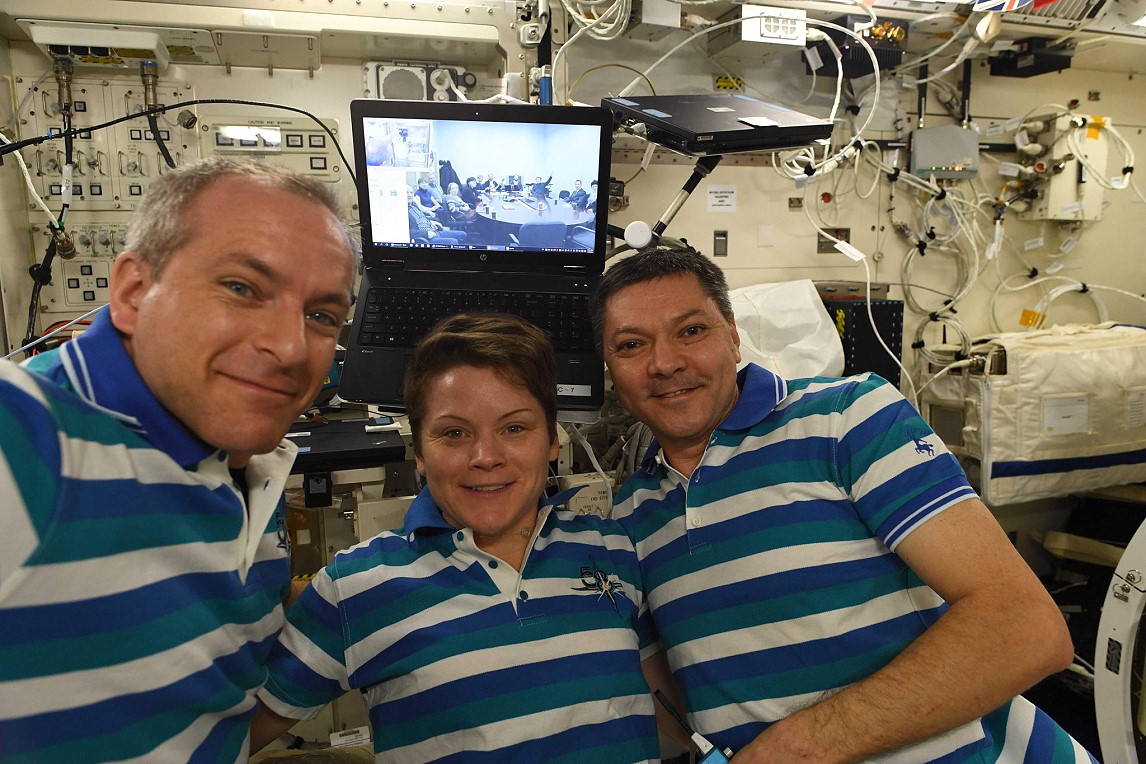
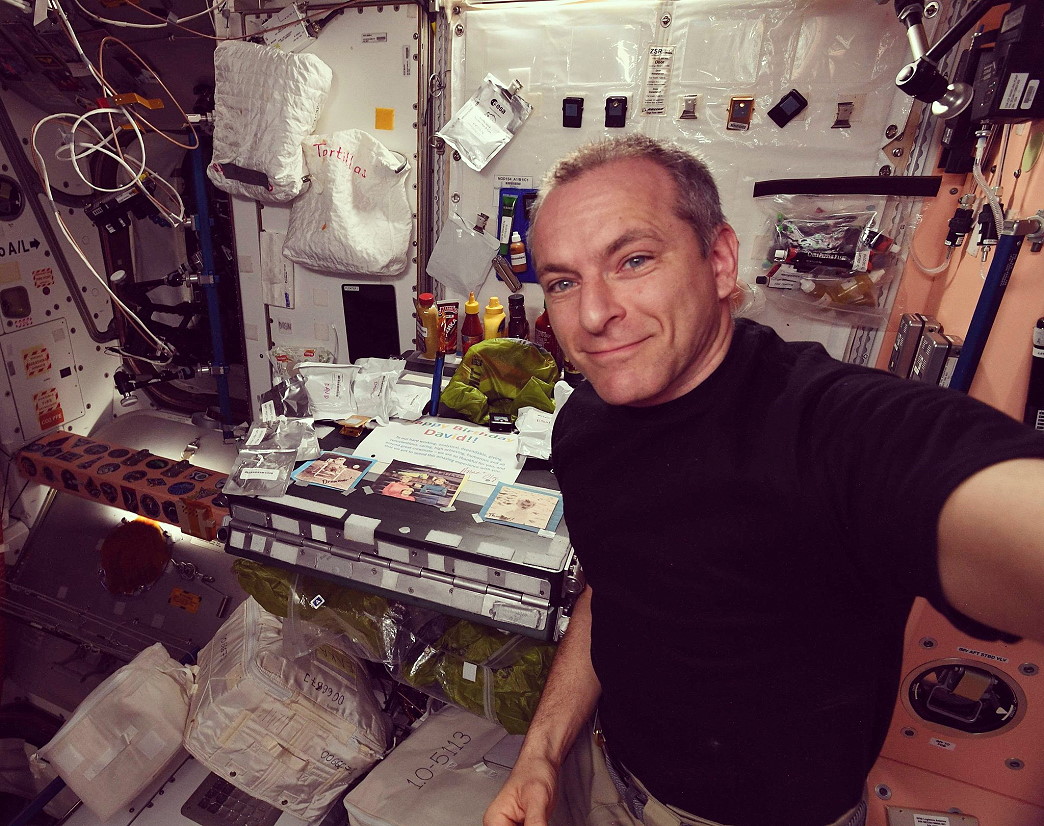
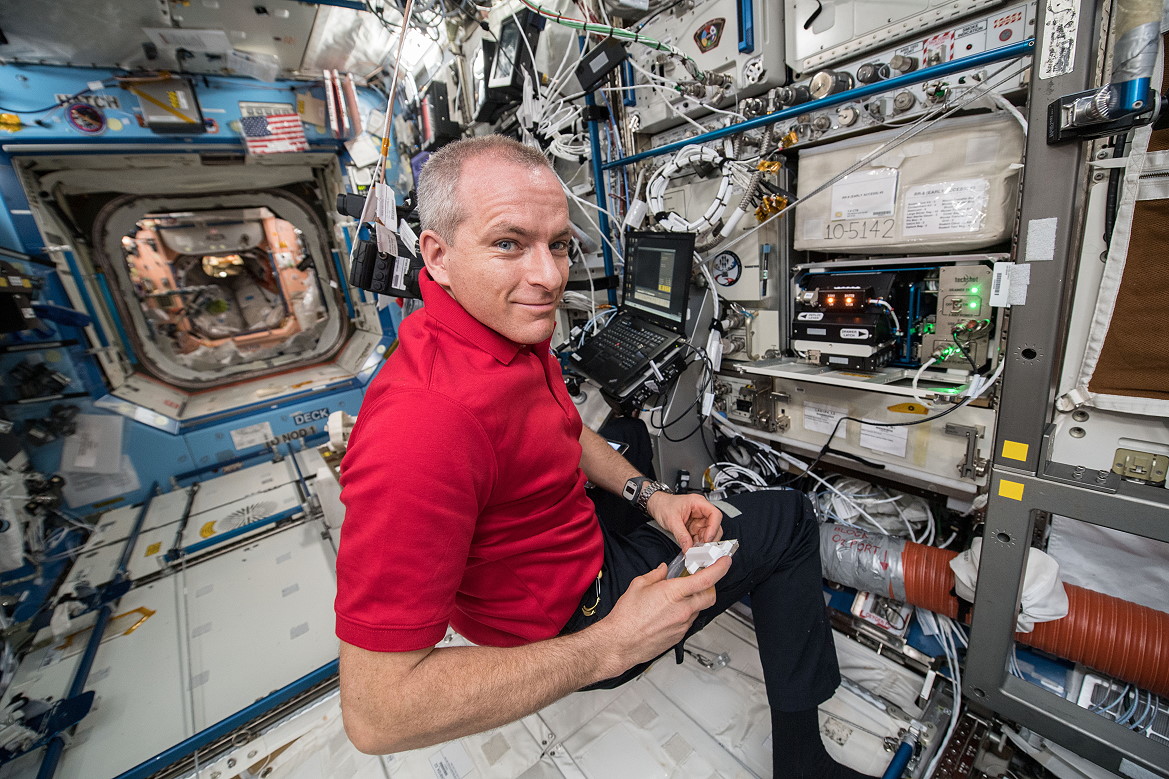
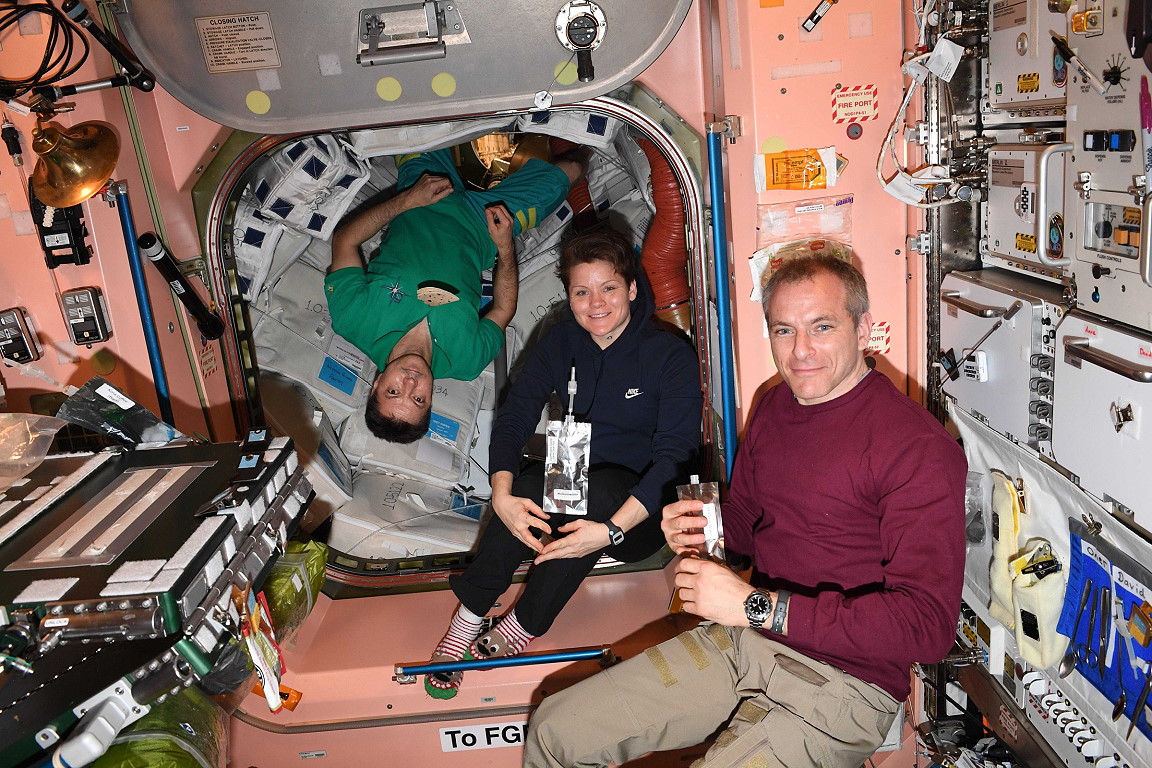
David Saint-Jacques

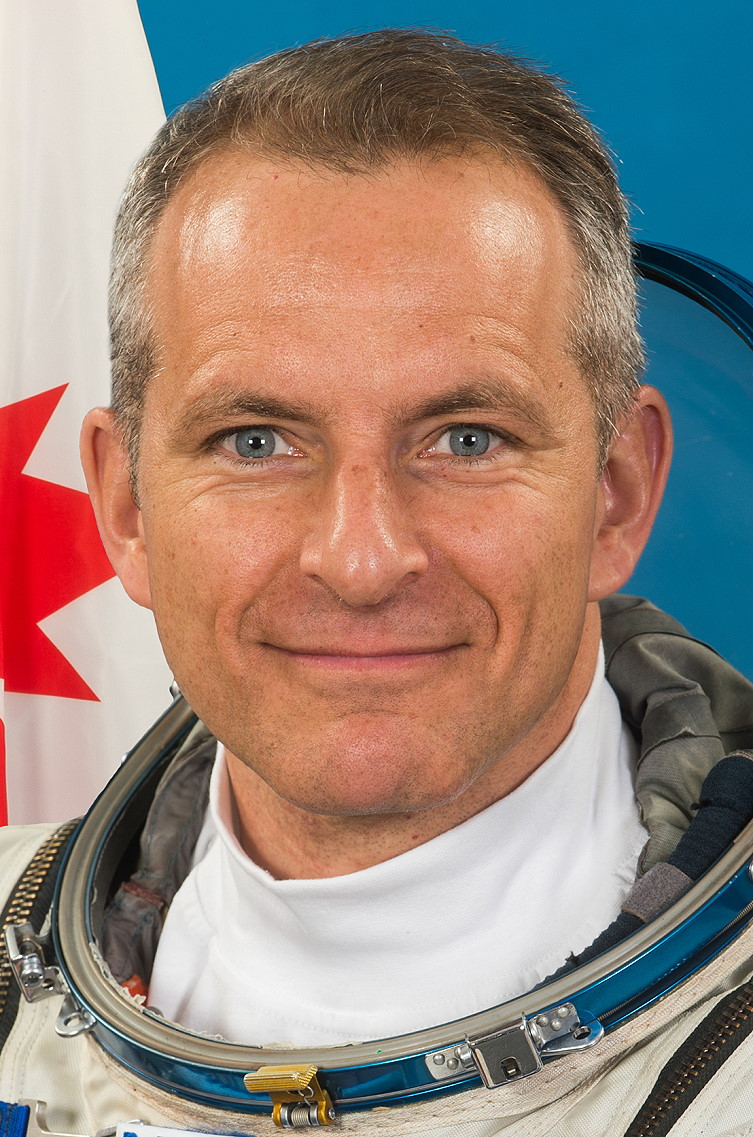
David Saint-Jacques OQ FRCGS (in Quebec[davɪd sẽɪ̯̃nʒã(ŋ)k̚]French pronunciation: ​[david sɛ̃ʒak]; born January 6, 1970)[2] is a Canadian astronaut with the Canadian Space Agency (CSA). He is also an astrophysicistengineer, and a physician.

In December 2018, he launched to the International Space Station, as Flight Engineer on Expeditions 5758 and 59; he returned to Earth on June 25, 2019.
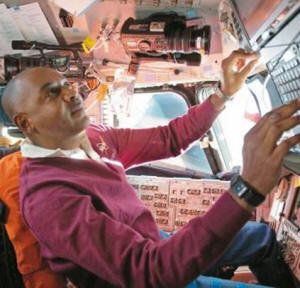
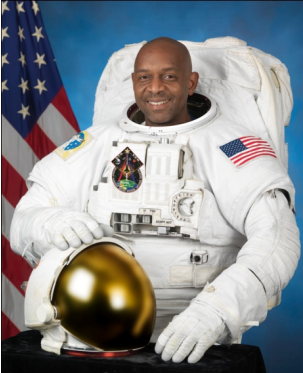
Saint-Jacques was selected in May 2009 by the Canadian Space Agency (CSA) as one of two CSA astronaut positions, after a long process selection attended by 5,351 candidates, and moved to Houston to be one of 14 members of the 20th NASA astronaut class.[3][4] He then graduated from Astronaut Candidate Training that included scientific and technical briefings, intensive instruction in International Space Station systemsextravehicular activity (EVA), roboticsphysiological trainingT-38flight trainingRussian language and water and wilderness survival training. Since graduation, he has been assigned to the Robotics Branch of the Astronaut Office.[3]
wikipedia DE

wikipedia EN

spacefacts-bio


  • -

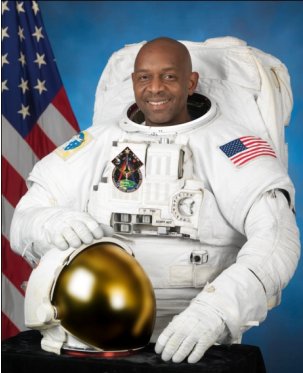
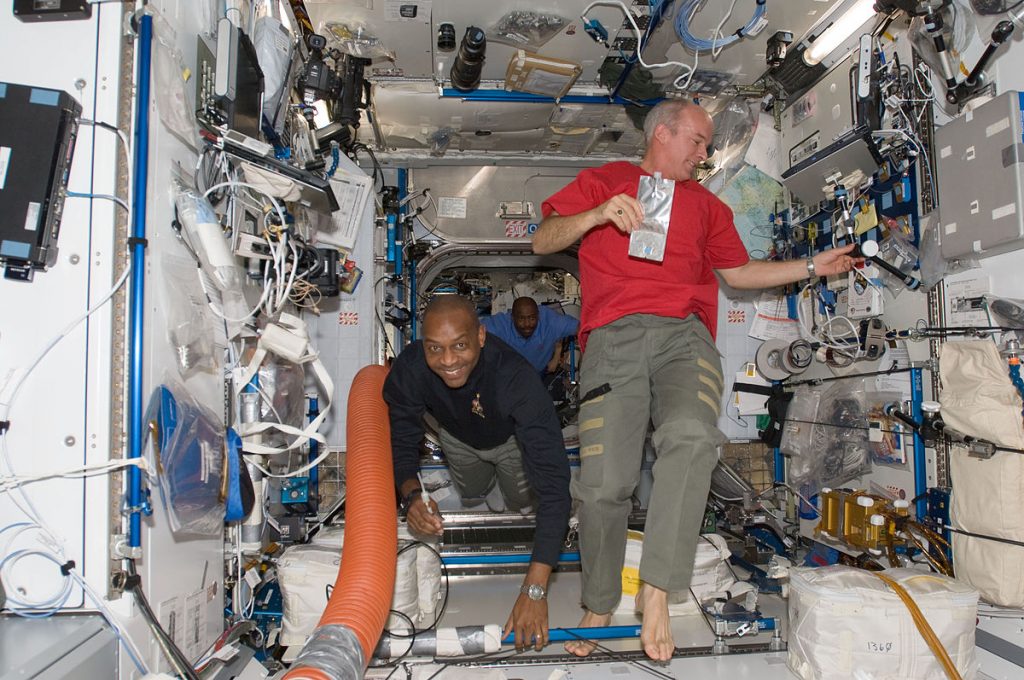
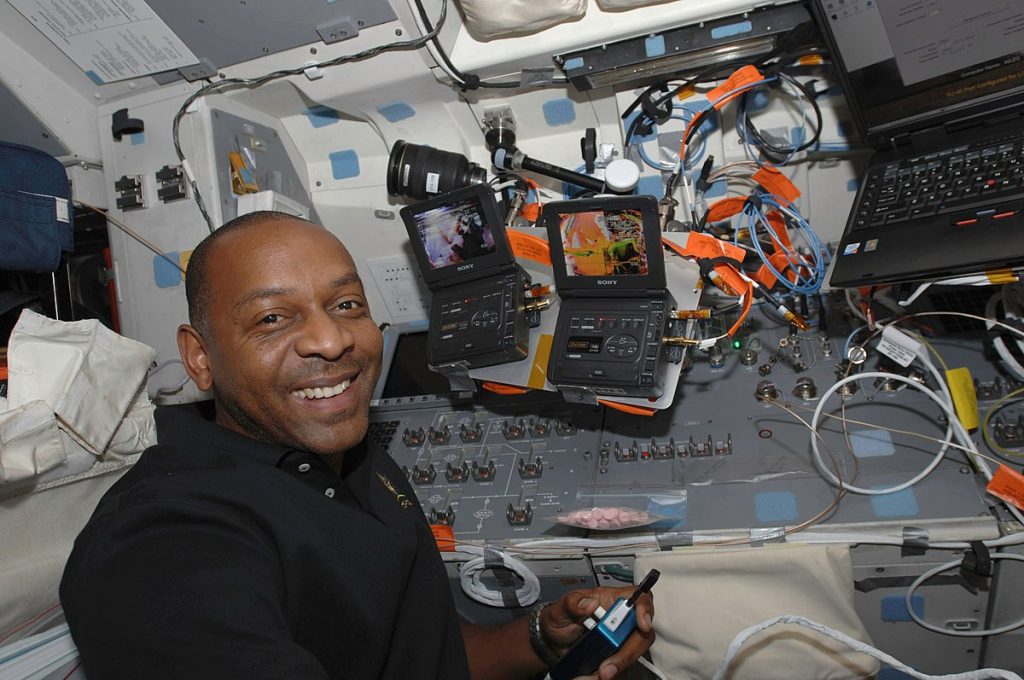
Robert L. Satcher jr.

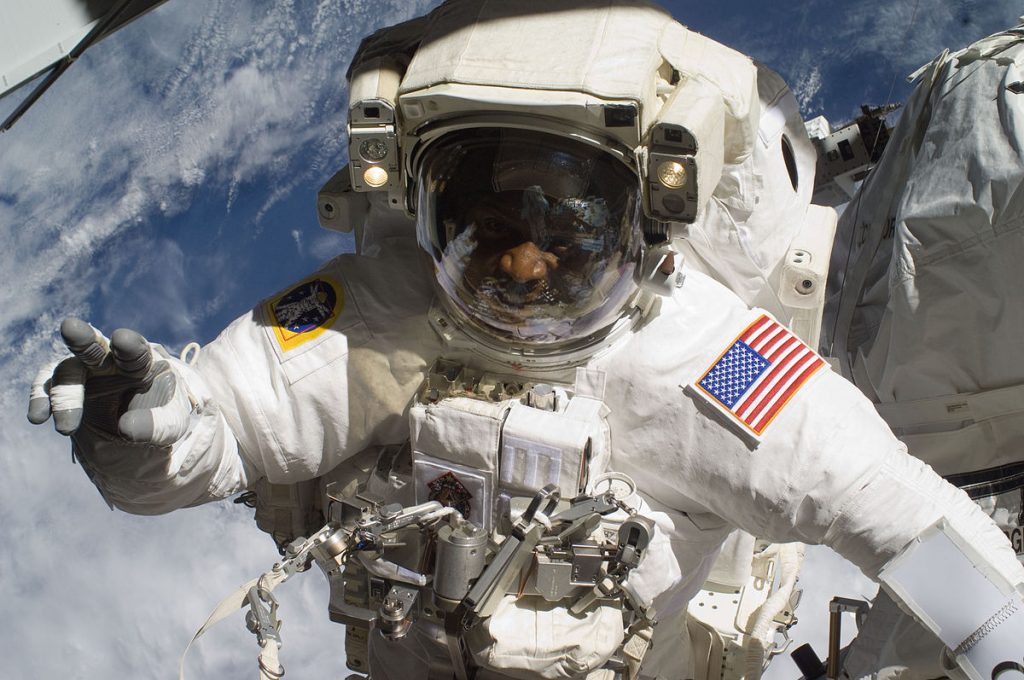
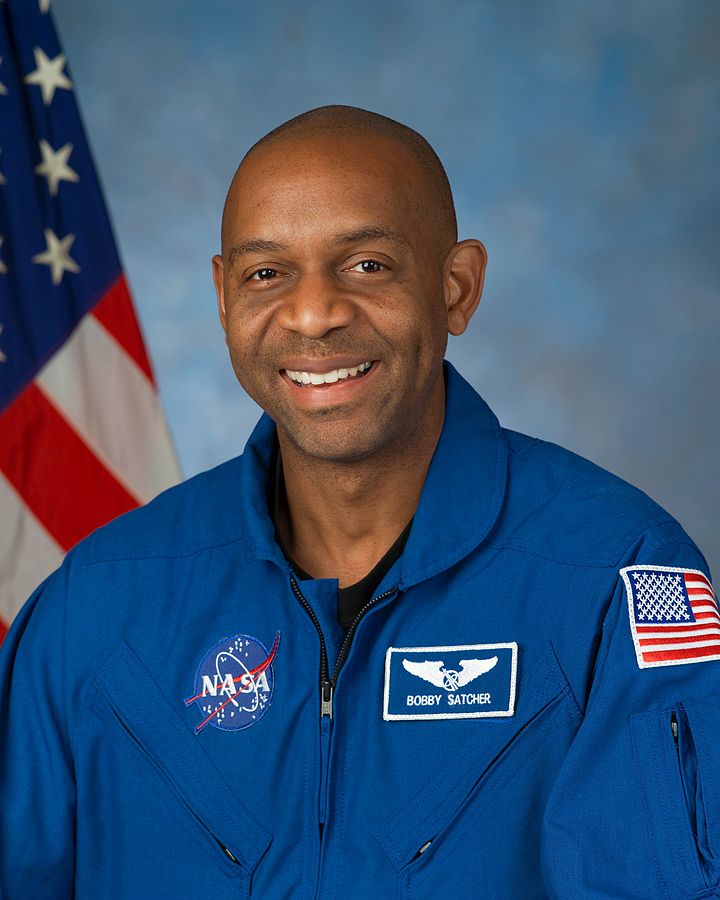
Robert Lee “Bobby” Satcher Jr. (born September 22, 1965) is an American physicianchemical engineer, and former NASA astronaut.[1] He participated in 2 spacewalks during STS-129, accumulating 12hrs 19min of EVA time. Satcher holds two doctorates (Ph.D.M.D.) and has received numerous awards and honors as a surgeon and engineer.

download his NASA presentation

wikipedia DE

wikipedia EN


  • -

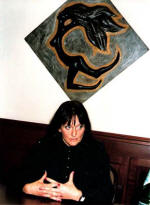
Michelle Haintz

A Scanner-personality, as many here!

Michelle has studied PhilosophyPsychology and Theater sciences.
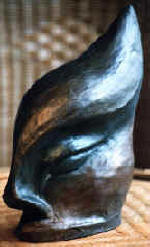
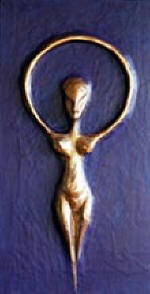
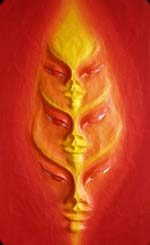
At the Vienna Art School she studied painting, sculpturing and ceramics (2nd prize for ceramics at the 10-year-jubilee-festival of the school) Further she went to the actors school of Prof. Krauss studying acting and direction.
Last not least she did medicine at Vienna University  with doctorate degree in 1984.

Now she is working as coach and channelling high spiritual power for the benefit of her patients.
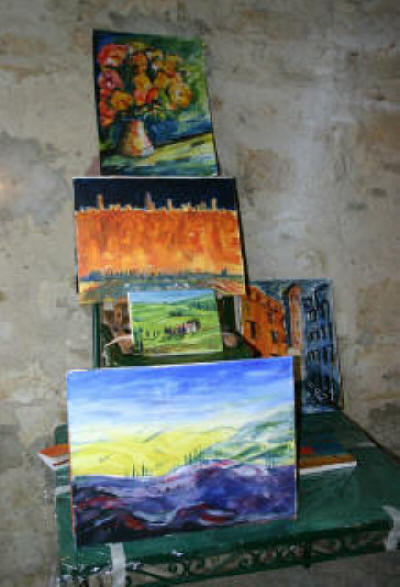
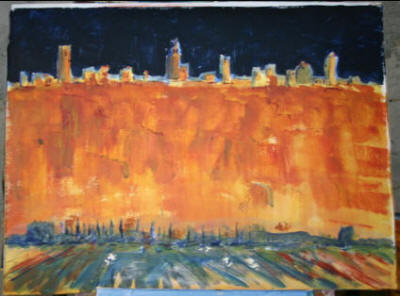
You MUST visit her web site where she has photos of her art objects which mirror perfectly her high degree of inspiration

Seelenbilder | soul pictures

Seelenfitness-Web

Würde-Web

facebook

youtube


  • -

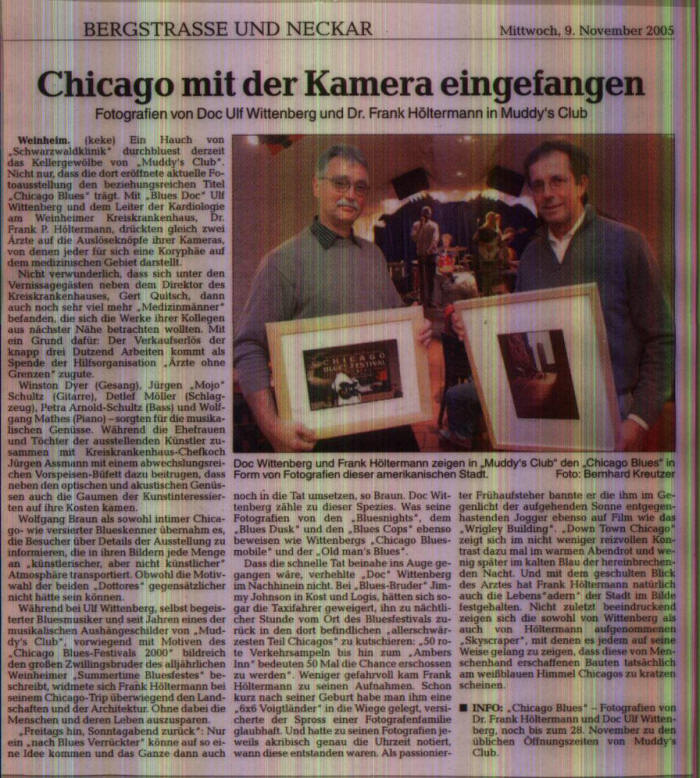
Ulf Wittenberg

Hobbies:
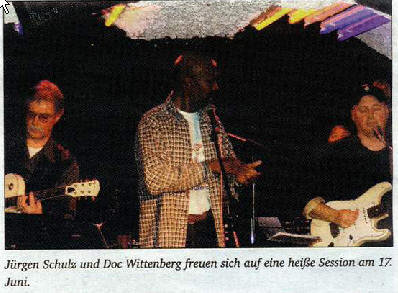
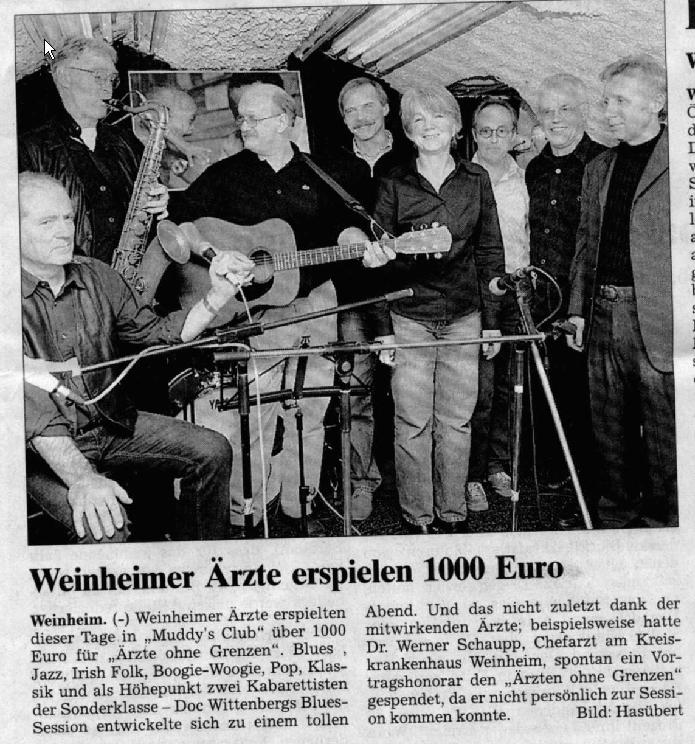
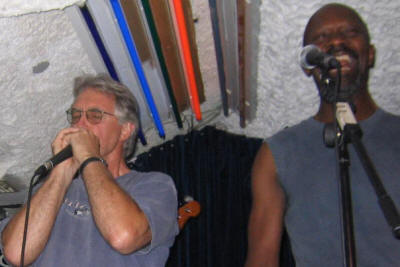
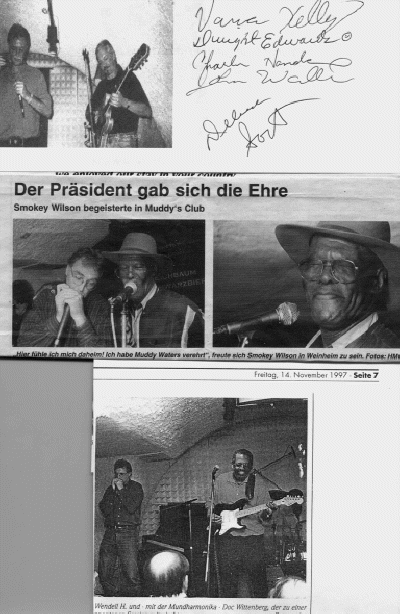
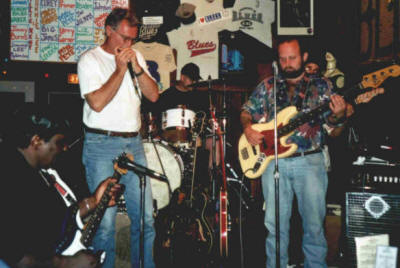
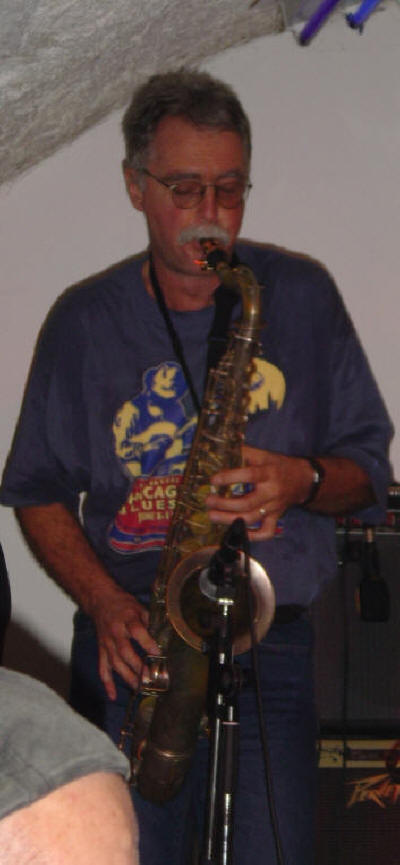
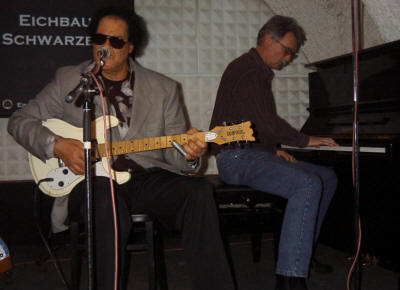
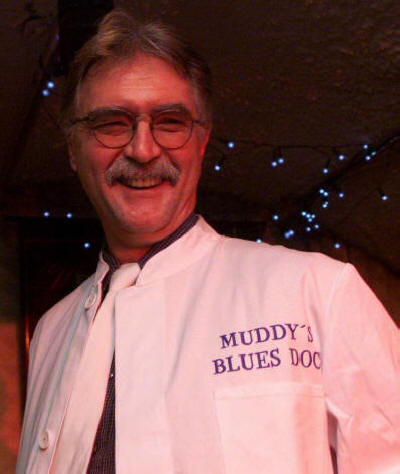
Sport: Fitness-Training. Music: singing, playing mouth organ, guitar and saxophone in a band. Wine and good food.

Gitarrensolo – guitar solo
mouth organ – Mundharmonika in Korfu
Saxophon(e)

youtube