Alpha Casino No Deposit Bonus - Sie müssen keine Software herunterladen, um Live Casino zu spielen, sondern melden sich einfach in Ihrem Konto an und klicken auf das Spiel, das Sie spielen möchten.
Der Gewinner dieses Preises wird ein zukunftsorientierter Denker sein, der sich für eine Politik einsetzt, die heute die richtige Struktur schafft, die sich in den kommenden Jahrzehnten auszahlt.
Isabella Vértes-Schütter (* 22. April1962 in Hamburg) is a German actress and politician in the senate of Hamburg
Isabella Vértes-Schütter is daughter of the opera singer Helga Pilarczyk. She is widow – her husband Friedrich Schütter was director of the Ernst-Deutsch-Theater in Hamburg – they have two children. Already during school she took acting lessons from Annemarie Marks-Rocke. After the Abitur she studied medicine and studied acting. She wasinvolved with the Hammoniale – Festival der Frauen in the Kampnagel Fabrik. Later she played at the Ernst Deutsch Theater and Thalia Theater (Hamburg). In 1994 she became director of the Hammoniale – Festival der Frauen. Since 1995 Isabella Vértes-Schütter is dierector of the Ernst Deutsch Theaters following her deceased husband.
Isabella Vértes-Schütter is member of the SPD political party. She got mandates in the parliament of Hamburg in 2011 and 2015 and 2020.
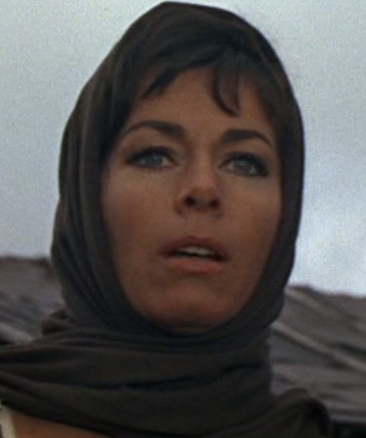
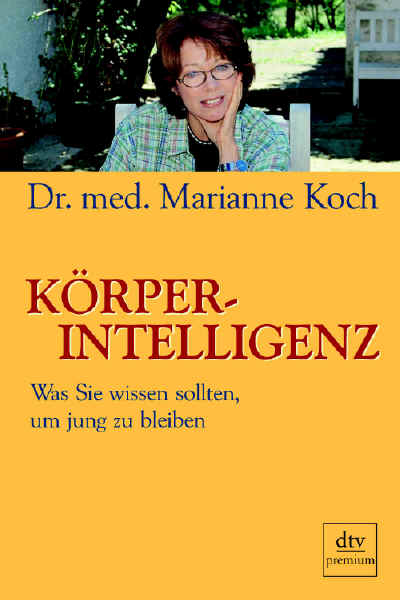
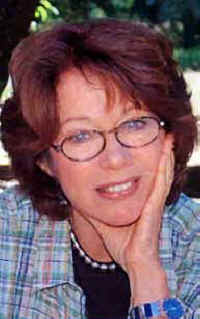
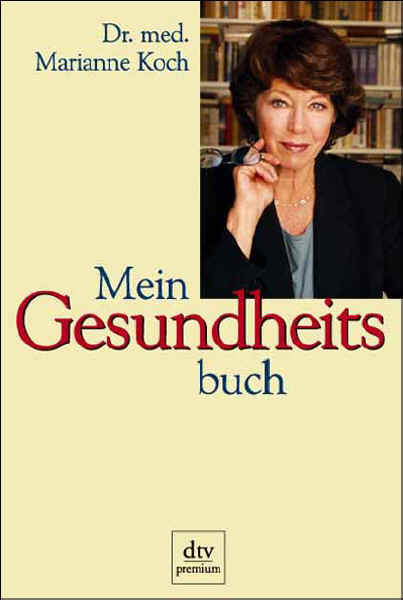
Marianne Koch (German: [maˈʁi̯anə ˈkɔx]ⓘ; born 19 August 1931) is a German actress of the 1950s and 1960s, best known for her appearances in Spaghetti Westerns and adventure films of the 1960s. She later worked as a television host and as a physician.
Frau im Besten Mannesalter | KOLORIERT | Marianne Koch | Deutsche Komödie – YouTube
Between 1950 and 1971, Koch appeared in more than 65 films. She had numerous leading roles in the German cinema of the 1950s and 1960s. In the 1954 American thriller Night People, she appeared in a supporting role alongside Gregory Peck. Koch also had major roles in the Hollywood films Four Girls in Town and Interlude, both released in 1957. She remains perhaps best known internationally for Sergio Leone‘s 1964 production A Fistful of Dollars, which showcased her with Clint Eastwood as a civilian tormented by ruthless local gangsters, torn between her husband and child and the villains.
in “Eine Faust voll Dollars” | “a fist full of dollars”
In Germany, she was probably best known for her many years of participation as one of the regular panelists in the highly popular TV game show Was bin ich?, the German adaption of the American TV show What’s My Line?, which ran from the 1950s until 1988 and achieved ratings of up to 75% at its peak.
In 1971, she resumed the medical studies she had broken off in the early 1950s to become an actress.[1] In 1974, she earned her degree and practiced medicine until 1997 as a specialist for internal medicine in Munich. Also in 1974, she was one of the initial hosts of Germany’s pioneering talk show 3 nach 9 (Three After Nine), for which she was awarded the Grimme-Preis, one of the most prestigious awards of the German television industry. She also hosted other television shows, and in 2014, still had a medical advice program on radio.
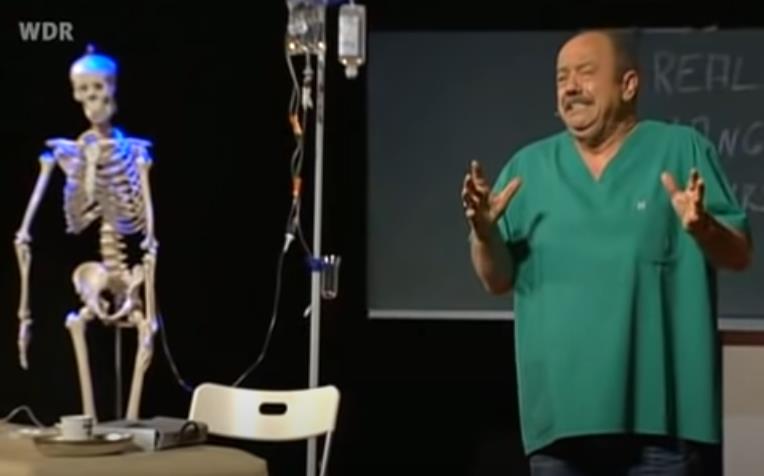
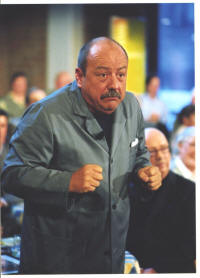
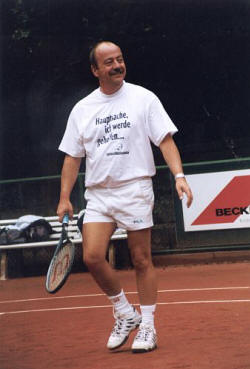
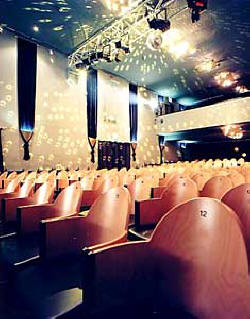
Together with his brother Christian he opened an own theatre in Essen and performed since 1995 with his comedy program. After retiring from his medical job and closing his doctors office he only performed there and in a TV series or the WDR.
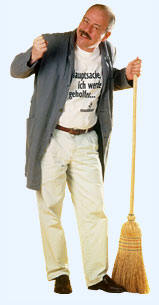
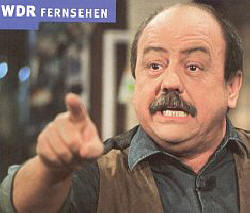
(DE): Seit 1995 schrieb Ludger Stratmann, der in der Kabarettszene als „der Doktor“ bekannt wurde, etwa alle zwei Jahre ein neues Solobühnenprogramm und spielte seine Programme auf der Bühne zunächst gemeinsam mit dem Pianisten Hagen Rether. Ab 2005 trat er solo auf. Die Titel der Programme lauten: Hauptsache, ich werde geholfen! (1995), Heute komm’ ich mal mit mein’ Bein! (1997), Hauptsache nich fettich … (1999), Machensichmafrei, bitte! (2005), Kunstfehler (2009) und Pathologisch (2015). Insgesamt besuchten diese Bühnenprogramme bis 2007 ca. 1,2 Millionen Menschen live in seinem Theater sowie auf Bühnen von Flensburg bis München. Stratmann gehörte zu den erfolgreichsten Kabarettisten und Livekomikern Deutschlands. Die ersten drei Programme übertrug der Fernsehsender WDR in voller Länge. Mehrfach füllte Ludger Stratmann die Grugahalle mit bis zu 4500 Zuschauern. Im Jahr 2003 spielte er vor jeweils 1500 Zuschauern in der Stadthalle Hagen an drei aufeinanderfolgenden Abenden die drei verschiedenen Zweistundenprogramme. Er verkörperte hier stets den Hypochonder, Bühnenarbeiter und Kleingartenpräsidenten Josef Kwiatkowski „Jupp“, der über Krankheitsverläufe pseudowissenschaftlich referiert und amüsante Milieubeschreibungen abliefert, wobei sich Stratmann an seinem Arbeitsplatz, im Wartezimmer oder dem Krankenbett befindet.
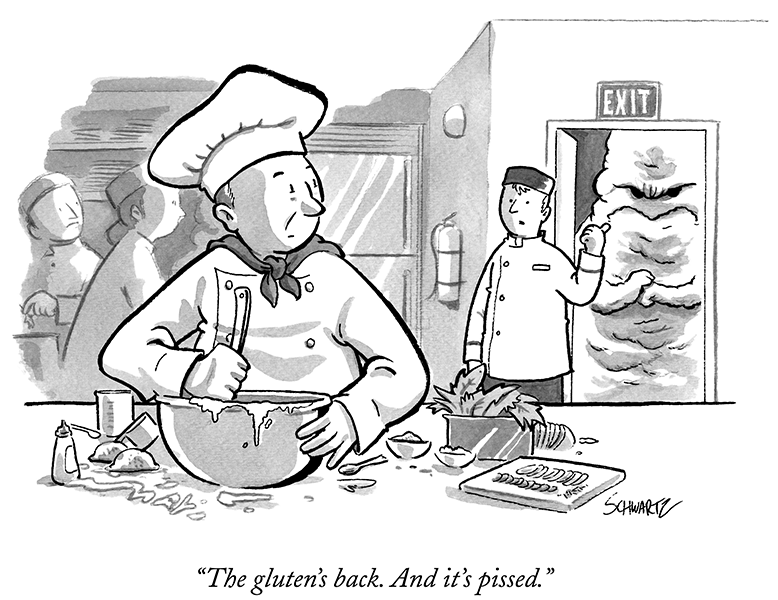
Ben Schwartz’s path to cartooning happened by way of a long flirtation with a medical career. He entered college planning to fulfil his premed requirements, dropped that after a year (opting for a psychology major), then returned to the sciences just in time to prepare for admission to Columbia’s College of Physicians and Surgeons. Through all of his studies, one thing stayed constant: He drew.
Schwartz made it all the way through his first year as a resident in internal medicine before drawing comics full time. His work regularly appears in The New Yorker and he illustrated the recently published A is for Artisanal: An Alphabet Book for the Hip, Modern Baby. His career has also brought him back to medicine in ways he didn’t expect.
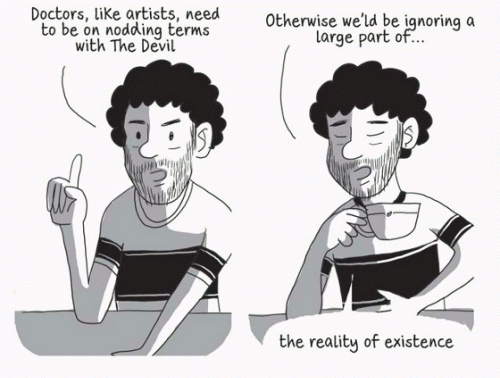
In 2012, Columbia’s Department of Ophthalmology approached Schwartz about developing a comics-based curriculum for its students. He was later asked to teach in Columbia’s Narrative Medicine program, which helps doctors both understand and communicate the patient stories that might not appear on charts. In both areas, Schwartz shares the grown-up value of comics for doctors-in-training.
Q: Where do your ideas for New Yorker cartoons about doctors come from? A: A lot about medicine lends itself to humor. There’s a very strange power dynamic when you have one person who’s essentially in a costume, with the white coat and the equipment, and another person who’s nearly naked just sitting on a table.
Q: Not all of your work is humorous. You’re currently working on a comics-based curriculum for ophthalmologists. A: It’s an area where the medium suits the message really well. What we’re talking about in med school is not all abstract and conceptual. We’re talking about anatomy and pathophysiology, things where the visual information is a big part of what you need to know. You need to know where this organ is in relation to this other organ.
It’s natural to teach all of this through a visual medium. Comics have the added bonus of being told through panels. This helps break down complex content into more manageable chunks.
But beyond that, the associations people have with comics make this very complex material more approachable. As a cartoonist, I sometimes fight against the perception that comics are necessarily “kid stuff.” But as an educator, those playful associations are an advantage when you’re disseminating information to stressed-out med students.
Q: You went to medical school yourself. Did cartooning skills ever come in handy? A: I spent a month doing an elective in narrative medicine, a subject I now teach a class in. Narrative medicine basically teaches students how to better interpret—and tell—the stories of illness and recovery they will encounter as doctors. I spent that class working on a children’s book. The subject was actually a real downer, a child dealing with the death of a parent. That month, all I did was think about this sad story, and how I could bring it to life. Despite the subject matter, it was my favorite month of medical school. It convinced me that maybe there was a value to the space between medicine and art.
Q: What makes cartooning so well suited to teaching? A: First, I don’t think that cartooning is so special in that regard. All these creative exercises in our field—fiction, poetry—help students focus on this larger idea that doctors are storytellers. Cartooning is just one route to get to that.
That said, I happen to think it’s a pretty good starting point, with unique lessons.
Q: Can you give an example? A: I do a whole lesson that starts out teaching artistic perspective and how cartoonists use it to enhance narrative perspective. Students tell one story from the doctor’s point of view, then from the patient’s point of view. They explore the physical angle of the doctor standing above the patient, and what effect that has on the story emotionally. From the perspective of the doctor, the patients might seem fragile, or even pathetic. Then when students think about the patient’s perspective, the doctor could appear heroic, standing above, or judgmental, looking down.
It’s a way of understanding what happens in doctors’ offices. It changes when you think about it visually.
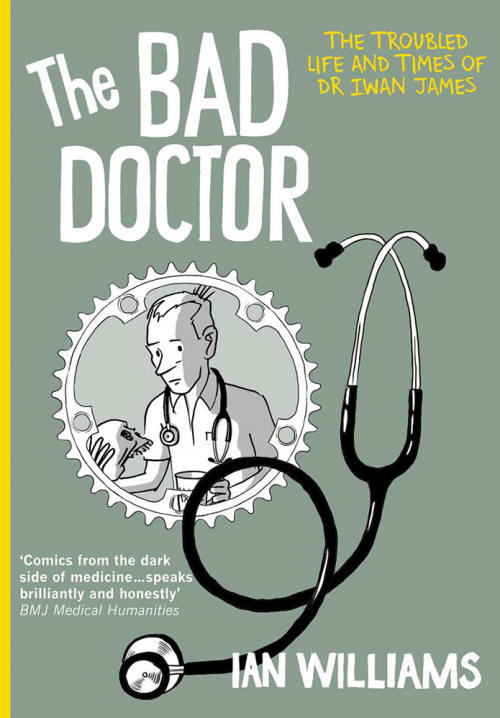
The phrase graphic medicine was coined by Dr. Ian Williams,[3][4] founder of GraphicMedicine.org, to denote “the intersection between the medium of comics and the discourse of healthcare”.[5] Comics offer an engaging, powerful, and accessible method of delivering illnessnarratives.[6] The academic appraisal of graphic fiction is in its infancy, but its examination by academics involved in healthcare-related studies is increasing, with work emerging in journals.[4]
It is notable that the medical humanities movement in many medical schools advocates the framework and use of literature in exploring illness, from practitioner and patient perspectives.[4]
A late-2010s entry to the scholarly study of graphic medicine is the PathoGraphics Research Group, an Einstein Foundation-funded project at the Free University of Berlin (2016–2019) under the direction of Irmela Marei Krüger-Fürhoff, and with the collaboration of Susan M. Squier of the Pennsylvania State University.[7] The group is concerned with the study of illness narratives, or “pathographies,” and works of graphic medicine.[8]
according to his c.v. he is a notable key-note speaker.
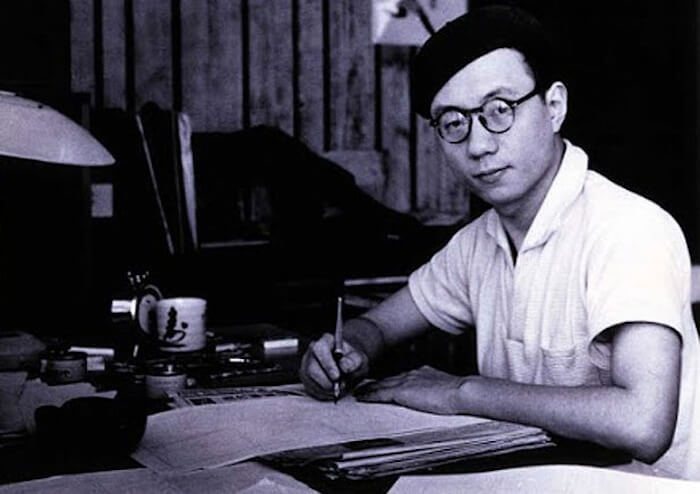
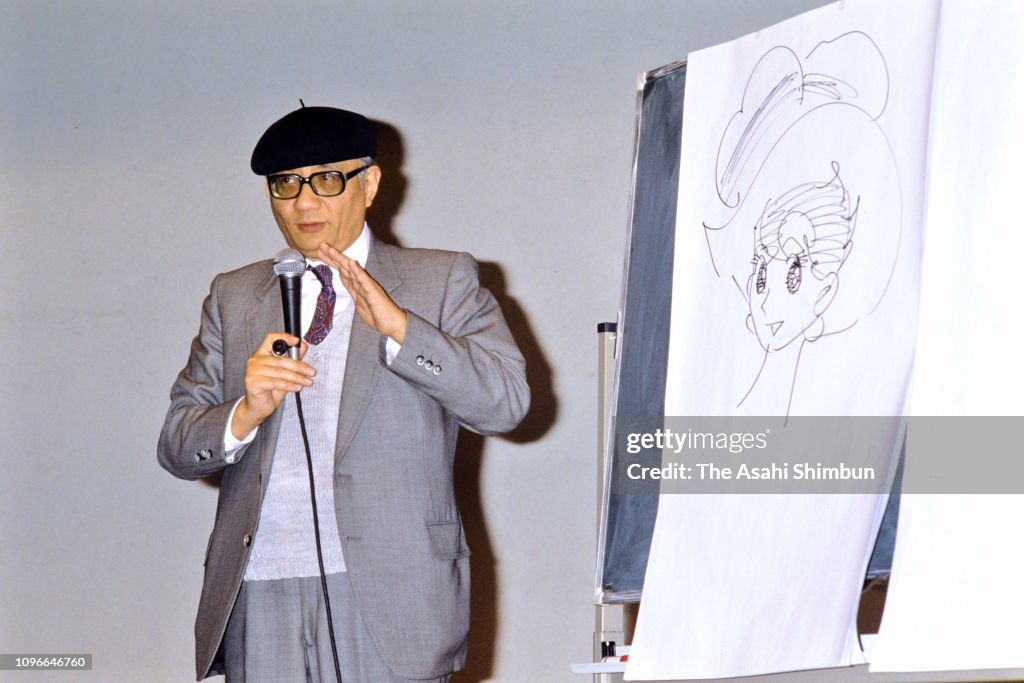
Tezuka MuseumTOKYO, JAPAN – NOVEMBER 01: Manga artist Osamu Tezuka speaks during a symposium of the National Cultural Festival circa November 1986 in Tokyo, Japan. (Photo by The Asahi Shimbun via Getty Images)
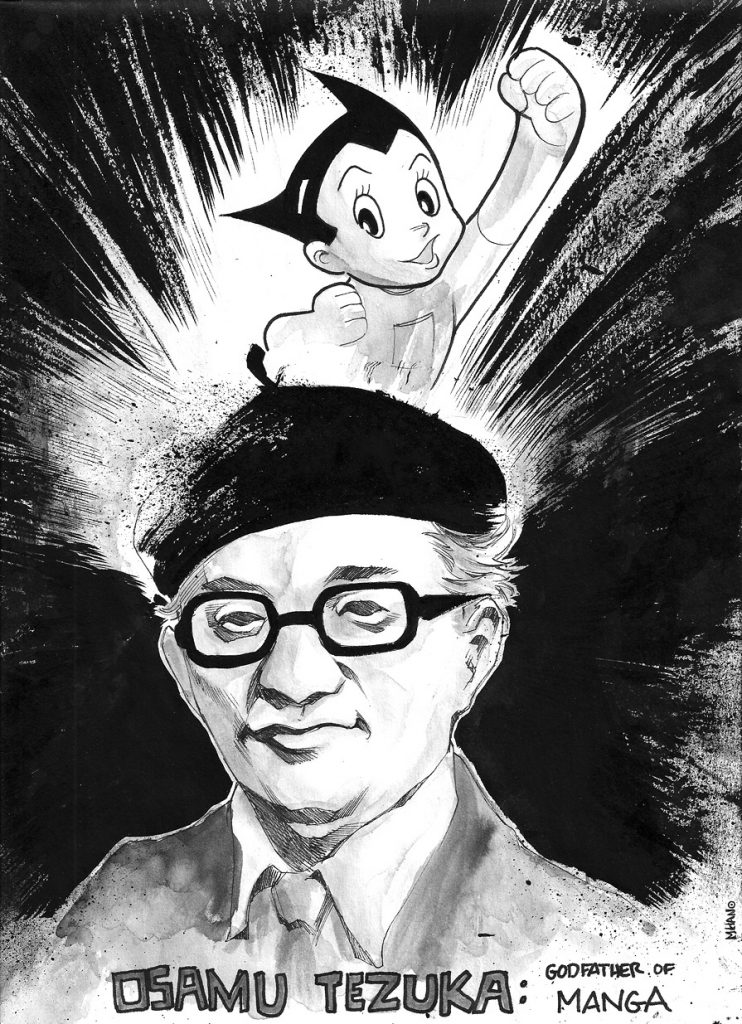
Osamu Tezuka (手塚 治虫, born 手塚 治, Tezuka Osamu; 3 November 1928 – 9 February 1989) was a Japanese manga artist, cartoonist, and animator. Born in Osaka Prefecture, his prolific output, pioneering techniques, and innovative redefinitions of genres earned him such titles as “the Father of Manga” (マンガの父, Manga no Chichi), “the Godfather of Manga” (マンガの教父, Manga no Kyōfu) and “the God of Manga” (マンガの神様, Manga no Kami-sama). Additionally, he is often considered the Japanese equivalent to Walt Disney, who served as a major inspiration during Tezuka’s formative years.[2] Though this phrase praises the quality of his early manga works for children and animations, it also blurs the significant influence of his later, more literary, gekiga works.
Tezuka began what was known as the manga revolution in Japan with his New Treasure Island published in 1947. His output would spawn some of the most influential, successful, and well-received manga series including the children mangas Astro Boy, Princess Knight and Kimba the White Lion, and the adult-oriented series Black Jack, Phoenix, and Buddha, all of which won several awards.
Tezuka died of stomach cancer in 1989. His death had an immediate impact on the Japanese public and other cartoonists. A museum was constructed in Takarazuka dedicated to his memory and life works, and Tezuka received many posthumous awards. Several animations were in production at the time of his death along with the final chapters of Phoenix, which were never released.
Osamu Tezuka (手塚 治虫, born 手塚 治, Tezuka Osamu; 3 November 1928 – 9 February 1989) was a Japanese manga artist, cartoonist, and animator. Born in Osaka Prefecture, his prolific output, pioneering techniques, and innovative redefinitions of genres earned him such titles as “the Father of Manga” (マンガの父, Manga no Chichi), “the Godfather of Manga” (マンガの教父, Manga no Kyōfu) and “the God of Manga” (マンガの神様, Manga no Kami-sama). Additionally, he is often considered the Japanese equivalent to Walt Disney, who served as a major inspiration during Tezuka’s formative years.[2] Though this phrase praises the quality of his early manga works for children and animations, it also blurs the significant influence of his later, more literary, gekiga works.
Tezuka began what was known as the manga revolution in Japan with his New Treasure Island published in 1947. His output would spawn some of the most influential, successful, and well-received manga series including the children mangas Astro Boy, Princess Knight and Kimba the White Lion, and the adult-oriented series Black Jack, Phoenix, and Buddha, all of which won several awards.
Tezuka died of stomach cancer in 1989. His death had an immediate impact on the Japanese public and other cartoonists. A museum was constructed in Takarazuka dedicated to his memory and life works, and Tezuka received many posthumous awards. Several animations were in production at the time of his death along with the final chapters of Phoenix, which were never released.
Tezuka’s childhood nickname was gashagasha-atama: “messy head” (gashagasha is slang for messy, atama means head).[citation needed] As a child, Tezuka’s arms swelled up and he became ill. He was treated and cured by a doctor, which made him also want to be a doctor. At a crossing point, he asked his mother whether he should look into doing manga full-time or whether he should become a doctor. At the time, being a manga author was not a particularly rewarding job. The answer his mother gave was: “You should work doing the thing you like most of all.” Tezuka decided to devote himself to manga creation on a full-time basis. He graduated from Osaka University and obtained his medical degree, but he would later use his medical and scientific knowledge to enrich his sci-fi manga, such as Black Jack.[50][70]
Tezuka met Walt Disney in person at the 1964 New York World’s Fair. In a 1986 entry in his personal diary, Tezuka stated that Disney wanted to hire him for a potential science fiction project.[citation needed]
In January 1965, Tezuka received a letter from American film director Stanley Kubrick, who had watched Astro Boy and wanted to invite Tezuka to be the art director of his next movie, 2001: A Space Odyssey (which was eventually released in 1968). Although flattered by Kubrick’s invitation, Tezuka could not afford to leave his studio for a year to live in England, so he had to turn down the offer. Although he was not able to work on 2001, he loved the film, and would play its soundtrack at maximum volume in his studio to keep him awake during long nights of work.[74][75]
for gods sake you look bad I will get you a doctor. – “I AM the doctor!”
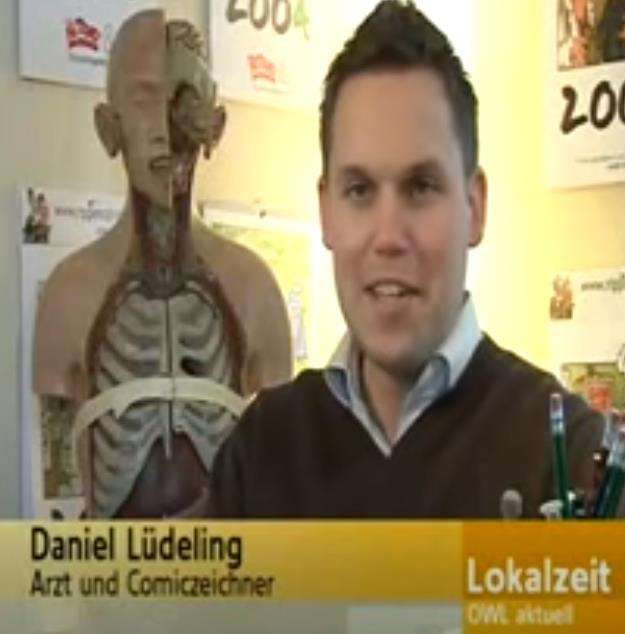
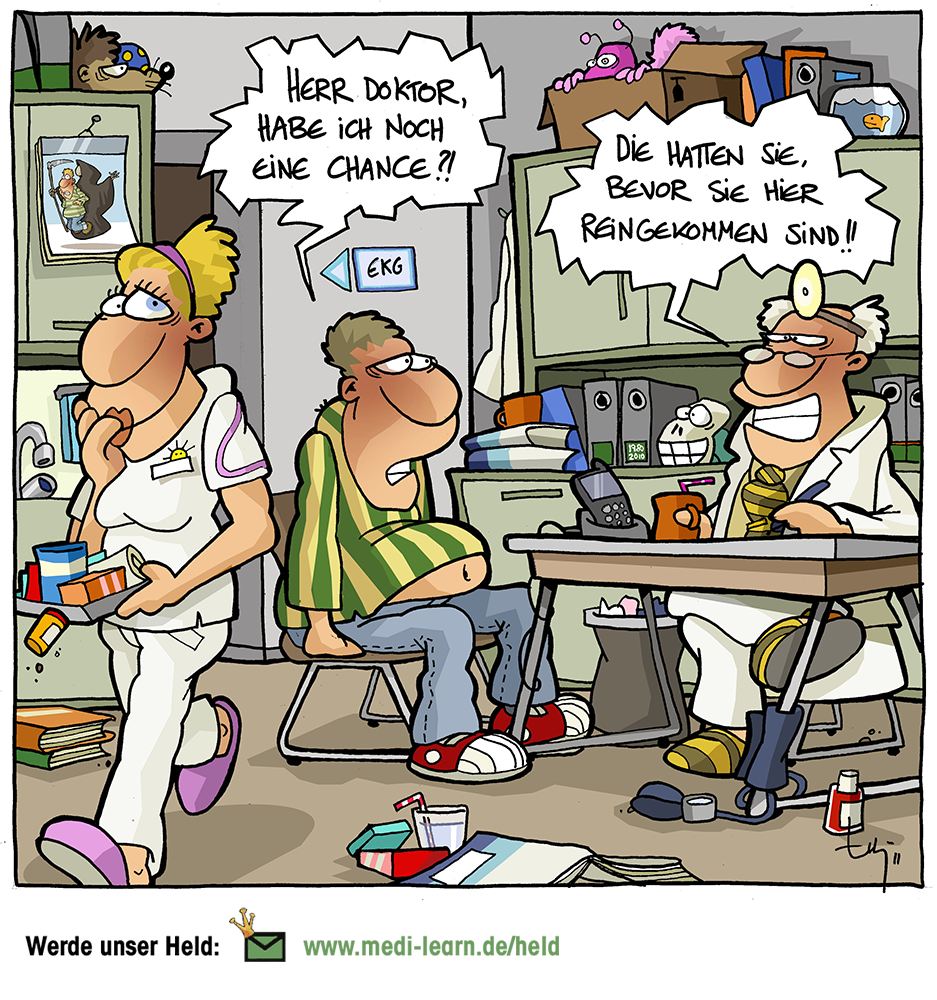
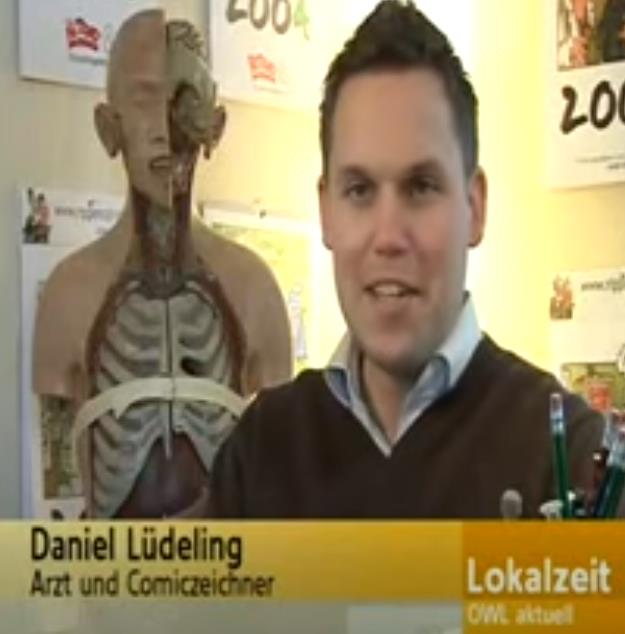
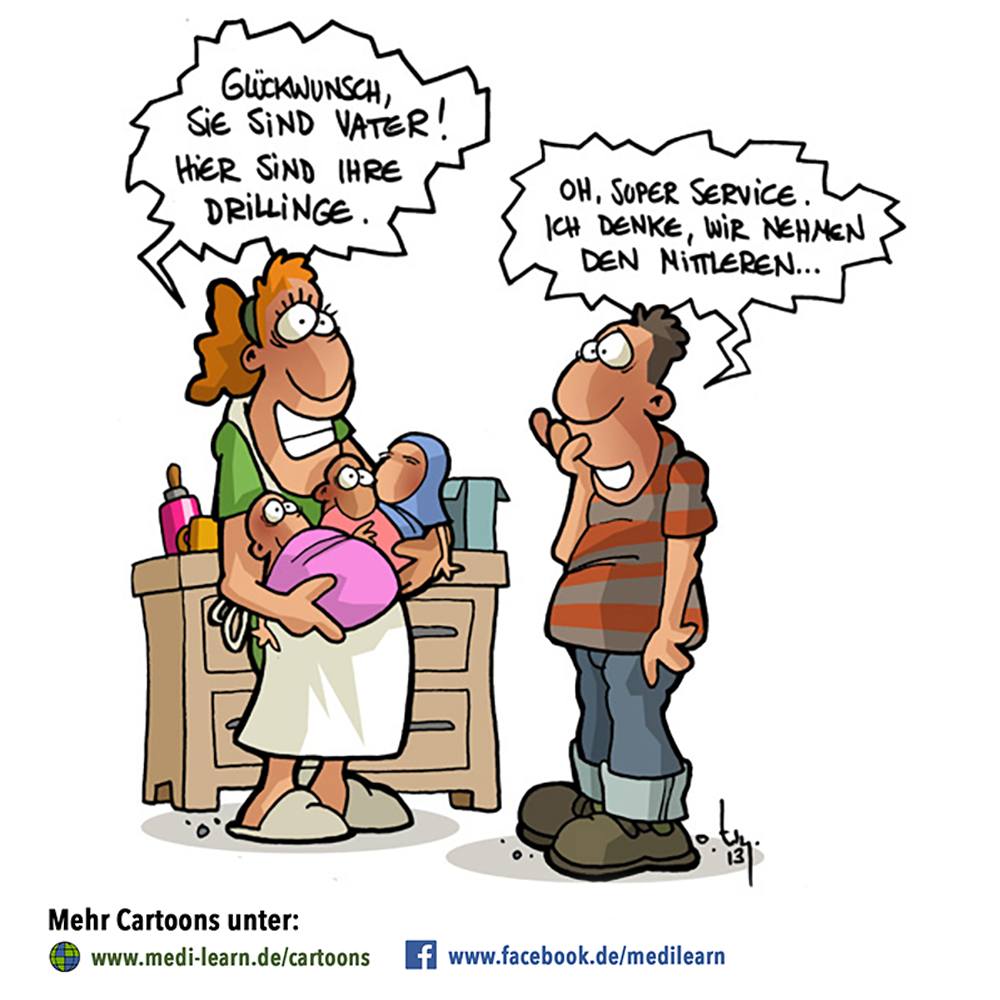
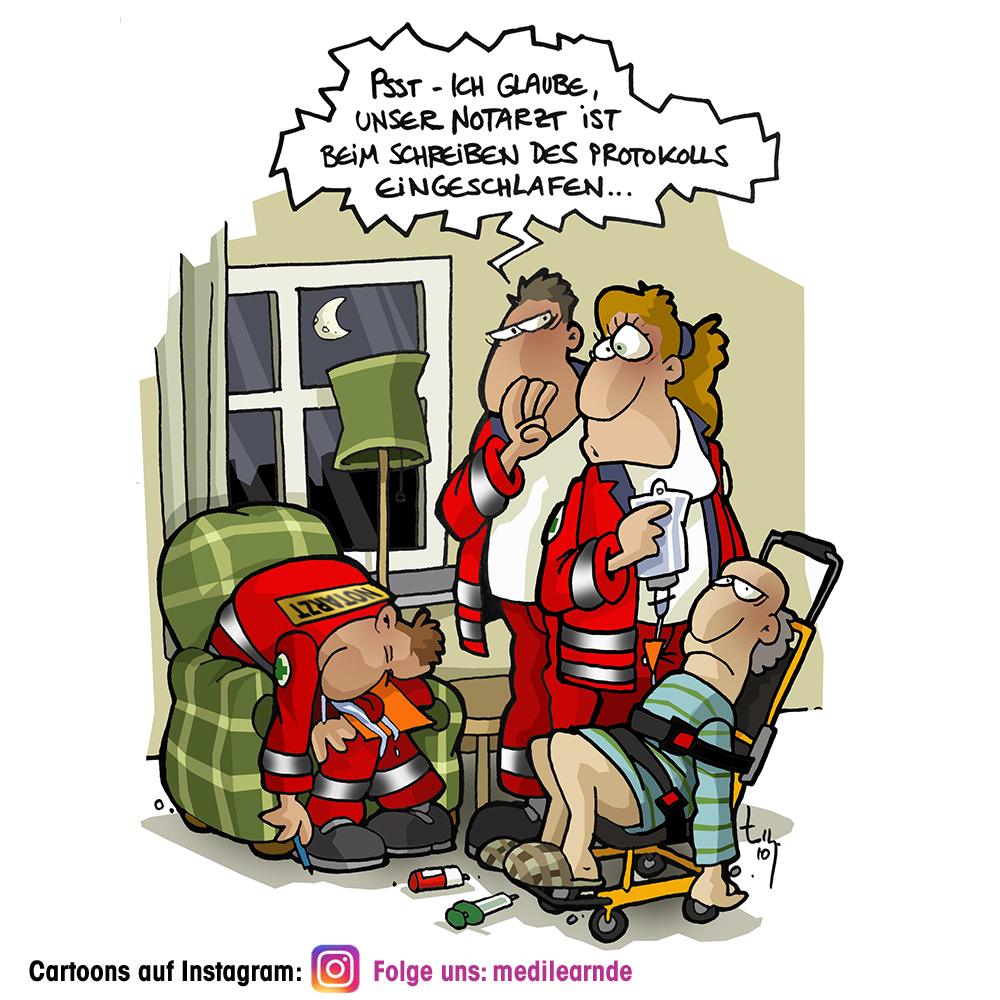
Rippenspreizer.com is Germany´s biggest fun and cartoon portal in medicine! It contains far more than 800 cartoons, the community has 10.000 members and in the forum discussions are about serios but also funny things. The cartoons are created by daniel Lüdeling born in 1974 in Garmisch-Partenkirchen.
Vita (DE):
geb 1974
1987 Zivildienst beim Rettungsdienst. In dessen Rahmen die Thematik der Cartoons mehr und mehr medizinisch bzw. notfallmedizinisch werden.
1996 Beginn des Medizinstudiums
1999 Unter der neu erwobenen Domain www.bluelight.de werden erstmal im größeren Rahmen die Cartoons der Öffentlichkeit präsentiert.
2002 Umzug der Domain auf die Medi-learn Server. Das von Christian Weier initiierte und geführte Medizinstudentenportal www.medi-learn.de veröffentlicht regelmäßig Cartoons und übernimmt den Onlinebereich von Bluelight.
2003 entsteht die Internetseite www.rippenspreizer.de auf Basis eines von Herrn Weier konzipierten Content-Management Systems (CMS),auf der neben den Cartoongalerien auch erstmals ein Forum entsteht. Im Nov. 2003 beendet Daniel Lüdeling sein Medizinstudium mit dem 3.Staatsexamen
2004 wird die Rippenspreizer GbR gegründet. Die Gesellschafter und Geschäftsführer sind Daniel Lüdeling und Christian Weier, weitere Gesellschafter: Dr.med Dipl.psych Bringfried Müller und Thomas Brockfeld (Medi-Learn/Repetitorien)
2005 Ribspreader.com, ein englischsprachiger Abzeig der Rippenspreizer.com wird geplant Wandkalender für Siemens-International (Ostasien/Pazifik) werden erstellt Die Internet.Community auf Rippenspreizer.com erreicht erstmals 7.000 Mitglieder
2006 Die Rippenspreizer.Community umfasst knapp 10.000 Mitglieder, auf der Internetseite sind über 800 Cartoons veröffentlicht. Der Shopbereich beinhaltet 248 Produkte. Seit 2003 veröffentlich Rippenspreizer jede Woche einen neuen Cartoon, im Forenbereich sind bis 2007 bereits 341000 Beiträge in 6700 Themen geschrieben worden. Gestützt wird die Rippenspreizer.com GbR durch ein Team von Mediengestaltern und Programmierern von Medi-Learn in Kiel. Koperationspartner sind: Deutsche Ärztefinanz (DÄV), Sieme-Fachverlag, Springer-Verlag Frohberg-Medizinbuchhandlung, 3bScientific-Lehrmaterialien Daniel Lüdeling erwirbt die Zusatzbezeichnung „Notfallmedizin“ ÄKWL
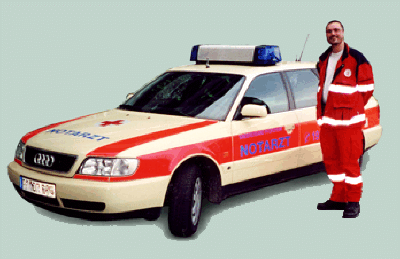
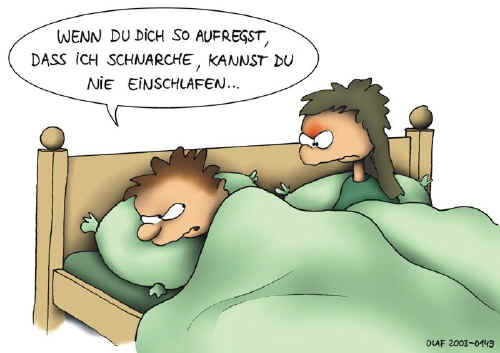
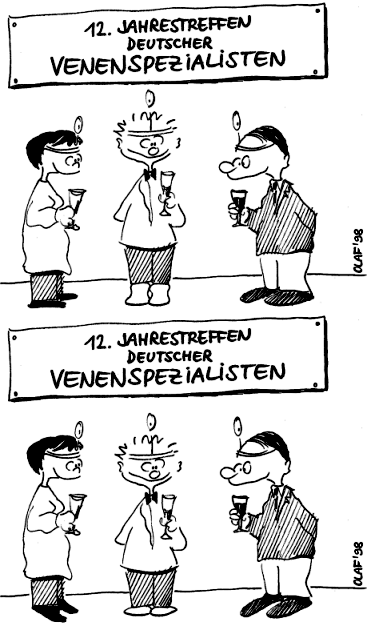
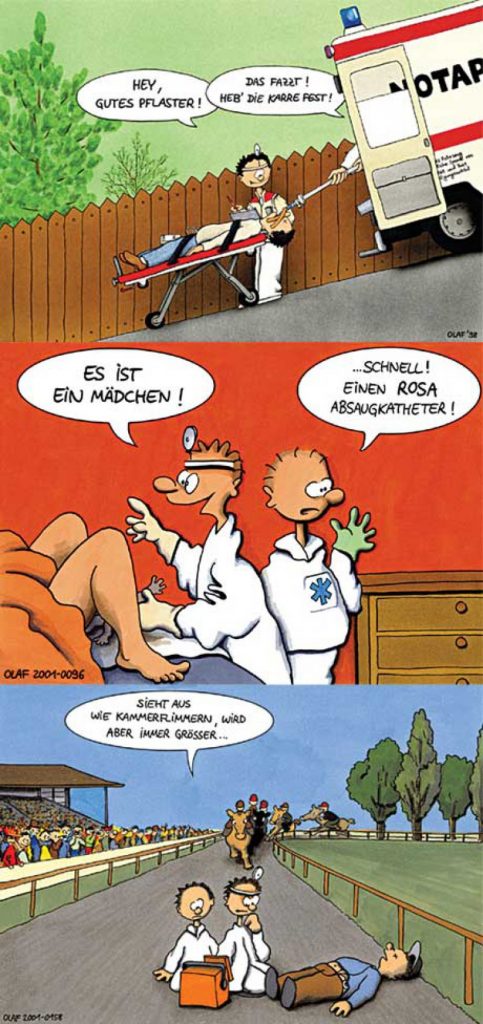
Dr. Ralf Schnelle is medical doctor for emergency medicine and his cartoons are very kind of black humour in this specialisation…………..
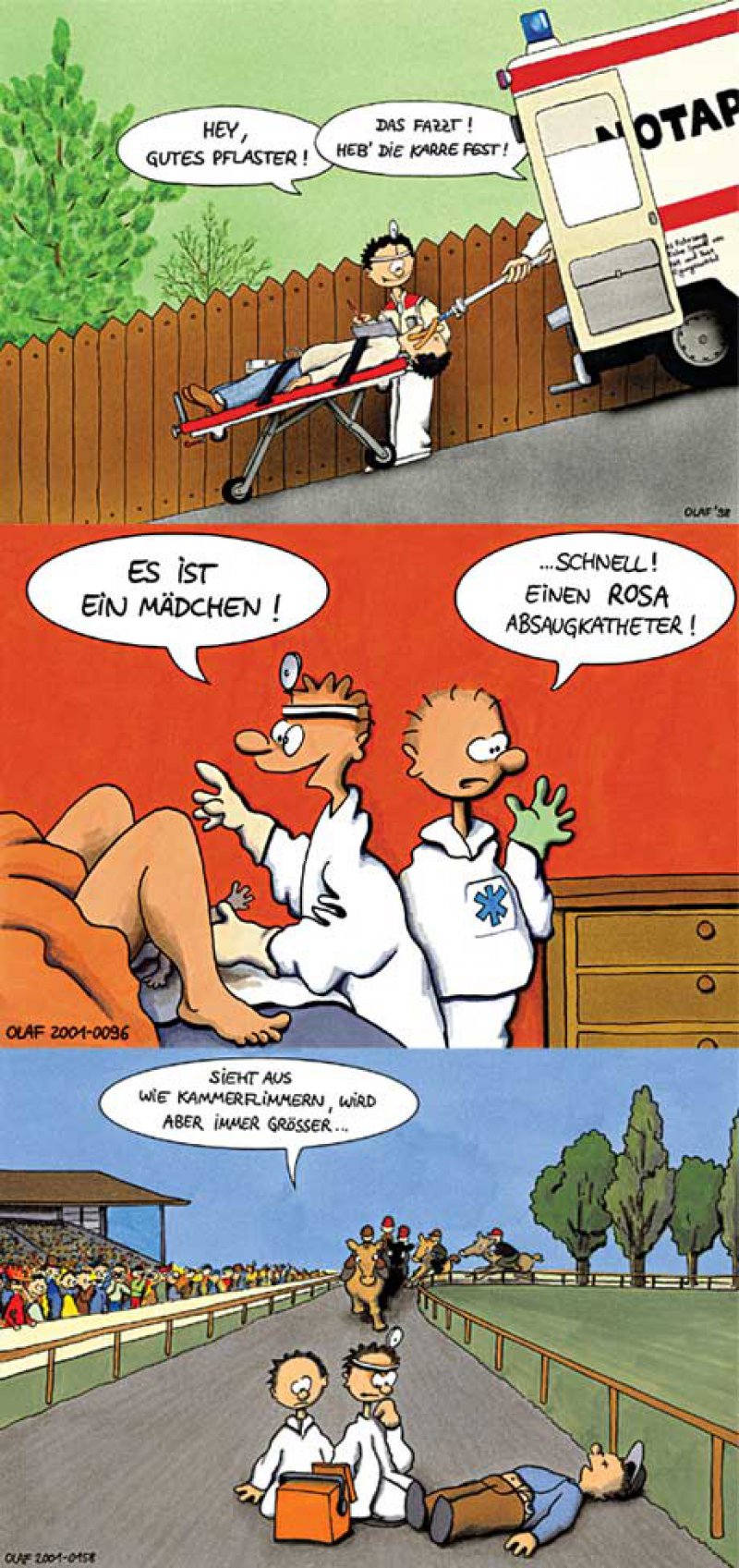
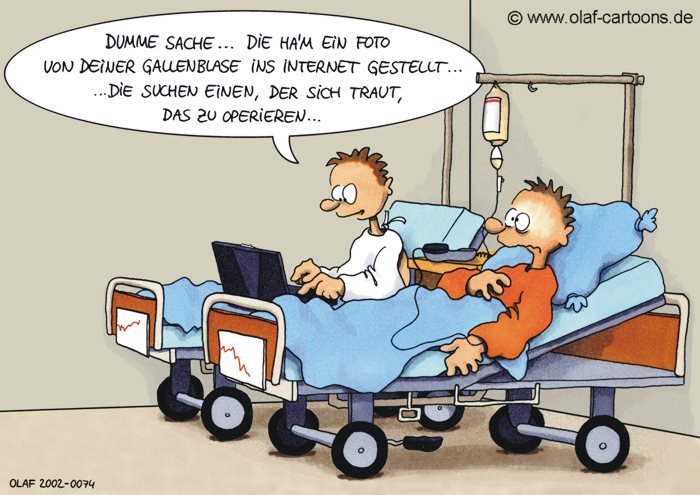
DE: Wenn man seinen Einsatz überlebt hätte, fände man sich möglicherweise als knubbelnasige Figur in einem von Schnelles Cartoons wieder. Denn der 40-jährige Stuttgarter hat einen zweiten Beruf. Als „Olaf“ zeichnet er, was ihm im Job so ein- und auffällt: Notärzte im Kampf mit Defibrillatoren. Sanitäter, denen zum wiederholten Mal das Essen kalt wird. Einsätze bei Sturm und Regen, was im Cartoon immerhin den Vorteil hat, dass Windböen die Infusionsflasche in der richtigen Höhe halten . . . Seine Zeichnungen erscheinen regelmäßig in der Mitgliederzeitschrift des Marburger Bundes. Schnelle hat einen bebilderten Reanimationsleitfaden „Schock empfohlen . . .“ geschrieben und gezeichnet, ein Nachtdienst-Kochbuch illustriert, ein Fachbuch ist in Arbeit.
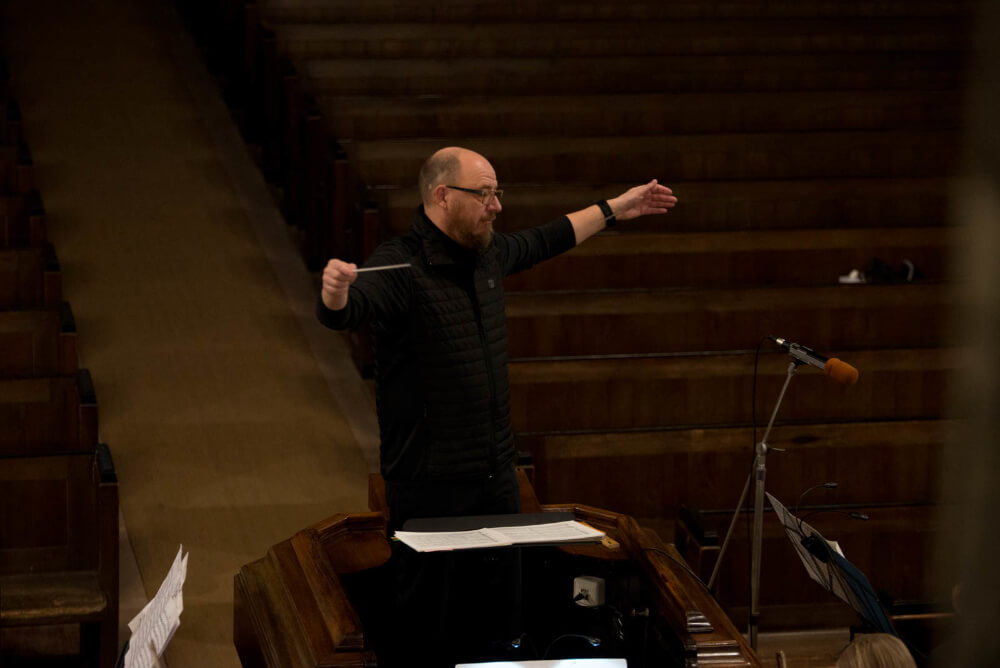
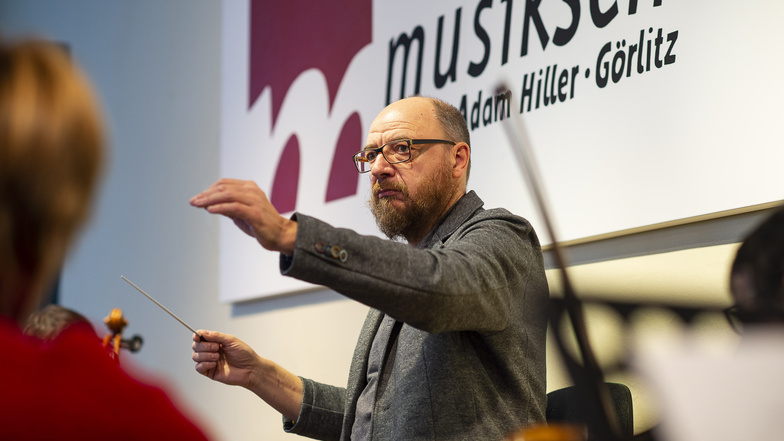
He is has completed a project as “ArchitectDoc” restauring a 200-year-old mill……! Click on the Fotocommunity-Link to see his huge picture gallery with extraordinary pictures of the big flood in Dresden covering the Semper Opera House and the Hilton Hotel and the banks of the Elbe river! He is conducting an amateur orchestra after an education as conductor.
Seit seiner Kindheit ist Ulf Winkler Fotograf. Auch arbeitet er an einem Architekturprojekt, der Restaurierung einer alten Mühle.
Und: Der Bautzener Kinderarzt Ulf Winkler leitet in der aktuellen Saison das Görlitzer Liebhaberorchester „sinfonietta meridiana“, das sein Jahreskonzert in der Musikschule am Fischmarkt vorbereitet hat.
Ich fotografiere seit meiner Kindheit, früher mit der guten alten EXA Ia + Schwarz-Weiß-Labor in der Abstellkammer, später mit Olympus IS 1000 bzw. 3000 sowie Nikon F65 in Farbe auf Dias und Papier. Seit Mai 2002 bin ich mit der Nikon Coolpix 5000 in die digitale Bilderwelt eingestiegen. Endlich kann ich ohne Qualitätsverluste durch Scan die Bilder wie früher im Labor am PC optimieren und bearbeiten. Die CP 5000 habe ich später wieder abgegeben zugunsten einer Minolta Dimage 7i, dann A1. Lange fotografierte ich mit der Canon EOS 350D sowie als Hosentaschenfoto einer Panasonic Lumix FX5. Seit Oktober 2008 bin ich im Besitz einer Fujifilm S5Pro. Dazu sind inzwischen eine Nikon D5000 und eine Fujifilm X10 gekommen, um für alle Situationen gewappnet zu sein. Ich fotografiere viel auf Reisen oder unterwegs, viel meine Kinder oder gehe einfach so auf Fotopirsch… Ich suche in meinen Bildern die Schönheit des Lebens und der Natur.
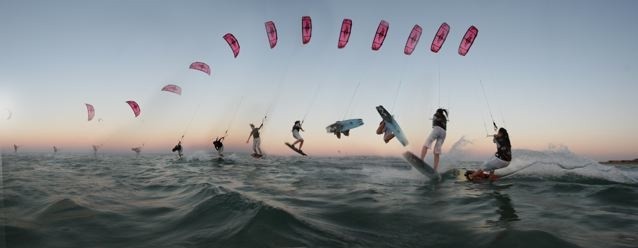
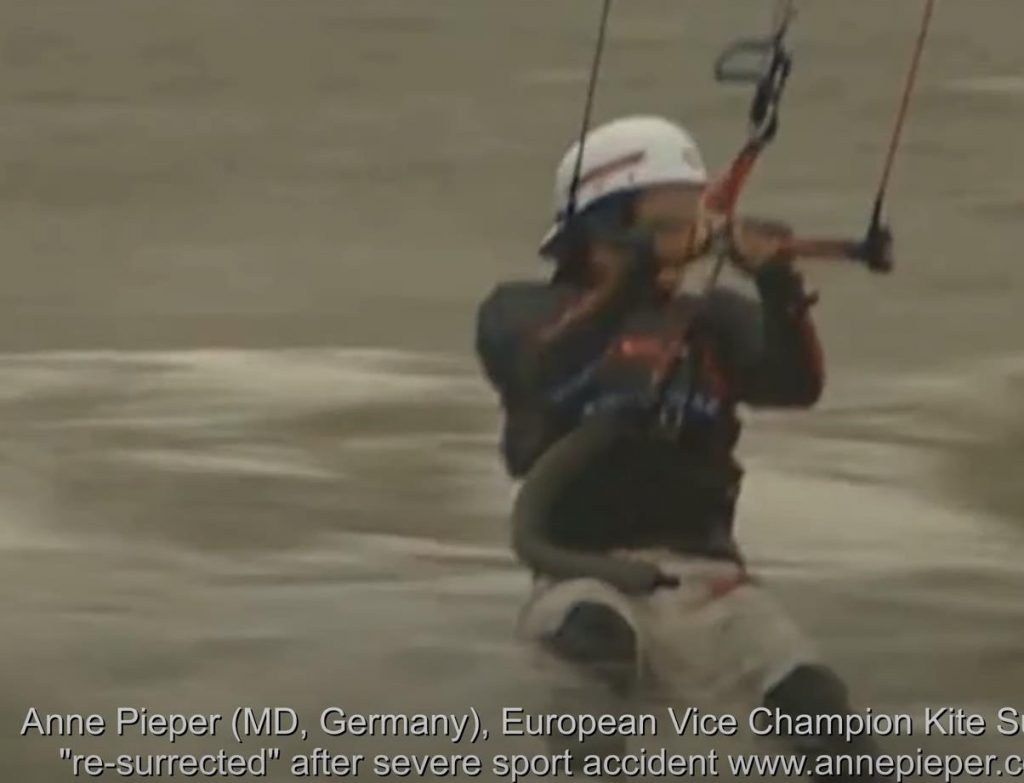
Anne Pieper was vice European Champion in Kitesurfing and had a severe accident falling on the concrete-like water from 8 meters height. How she survived this despite the prognoses of the doctors is a miracle of will strength – as “demolition man” of the movie “The Secret”.