Alpha Casino No Deposit Bonus - Sie müssen keine Software herunterladen, um Live Casino zu spielen, sondern melden sich einfach in Ihrem Konto an und klicken auf das Spiel, das Sie spielen möchten.
Der Gewinner dieses Preises wird ein zukunftsorientierter Denker sein, der sich für eine Politik einsetzt, die heute die richtige Struktur schafft, die sich in den kommenden Jahrzehnten auszahlt.
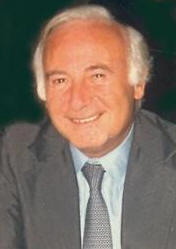
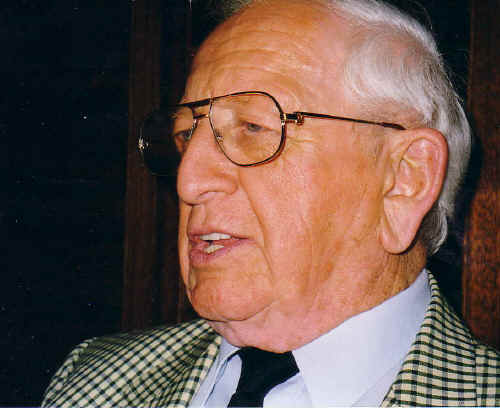
Carlos Manuel Vieira Reis (*19. Januar 1935 in Chaves, Portugal) has been married to Maria de Lurdes Frimer, a teacher.
He studied medicine in Coimbra and Lisboa and specialized in Surgery. In addition he studied also Tropical Diseases, Sportive Medicine, Psicology and Philosophy.
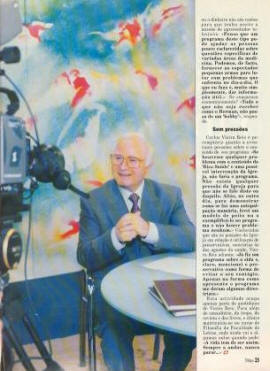
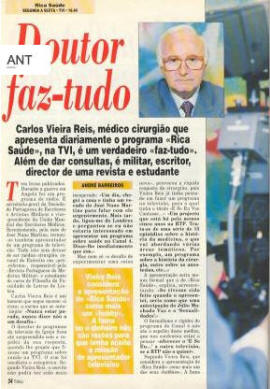
Carlos Vieira Reis is a multi-interested personality, with several intellectual activities, like historical research, literature, art collector, radio and television activities.
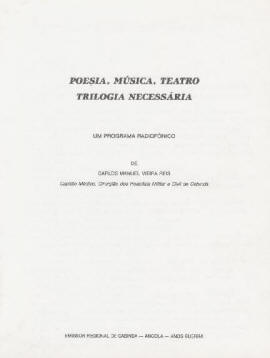
He had a weekly radio program, named «Poesia, Música e Teatro – Trilogia necessária»
He had a diary program on Television Independent (TVI) named «Rica Saúde» during 1993
And recently he had a weekly program on Television by cable (TV Saúde), named «E, se eu vos contasse?» – 35 distincts programs.
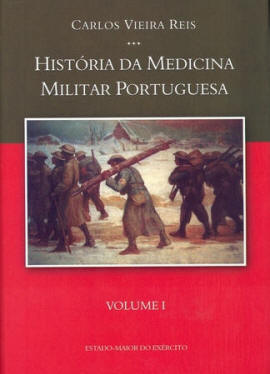
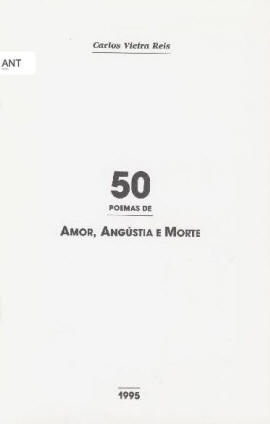
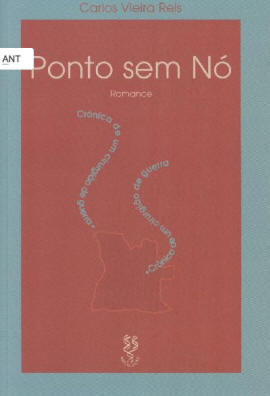
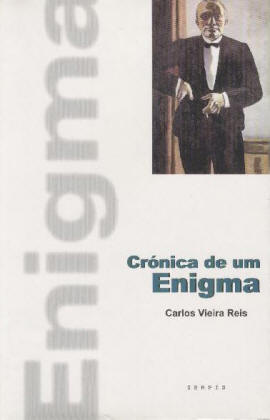
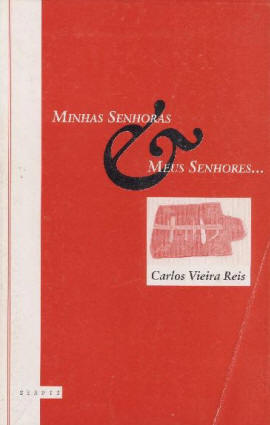
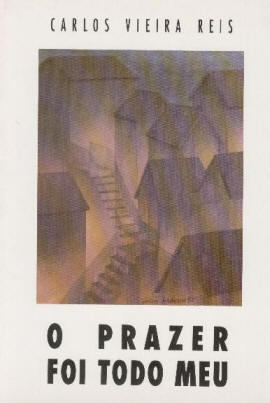
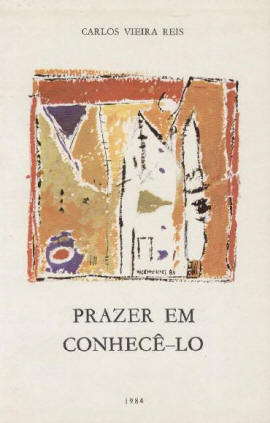
Carlos Vieira Reis is also a writer and had published several books , novels, poetry, history of medicine, essay and romance. «Prazer em conhecê-lo» – novel «O prazer foi todo meu» – novel «50 poemas de amor, angústia e morte» – poetry «História da Medicina Militar Portuguesa» – 2 volumes – 1350 pages – 2004 – history «Minhas senhoras e meus senhores» – 480 pages – 1998 – history «História da Associação Portuguesa de Urologia» – 586 pages – 2003 – history «A influência da medicina militar nos séculos XVIII e XIX» – 430 pages – Award Abel Salazar 1997 – essay «Um rio de vinho, um rio de sangue» – translated for spanish, french, english, italian, german and japonese language – Award Cesare Pavese – Italy 1989 – essay «Crónica de um enigma» – Award Fialho de Almeida – 1997 – romance «Ponto sem nó» – 2000 – romance «História da Ordem dos Médicos – passado e presente» – 845 pages – 2004 – history
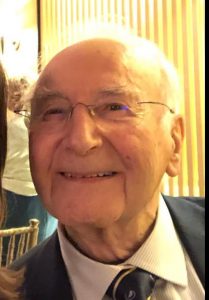
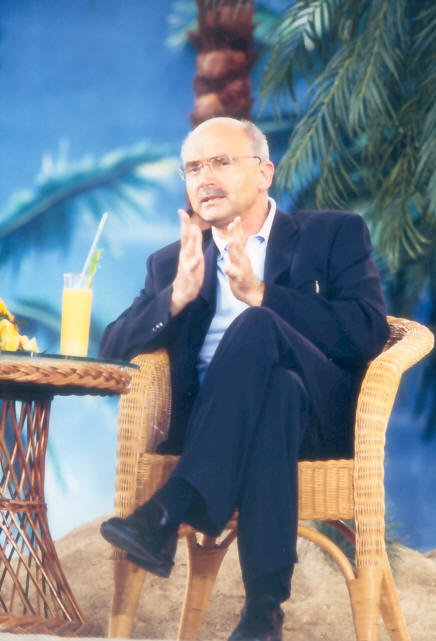
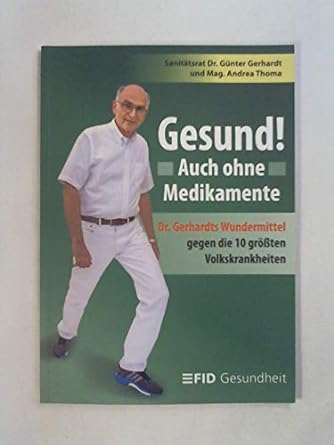
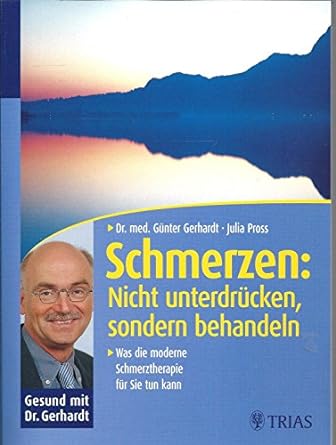
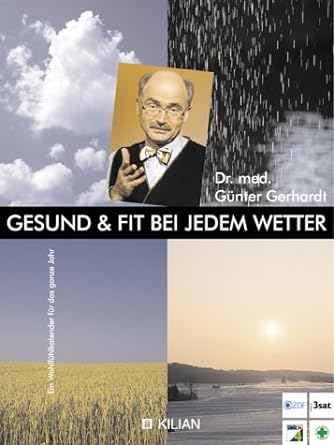
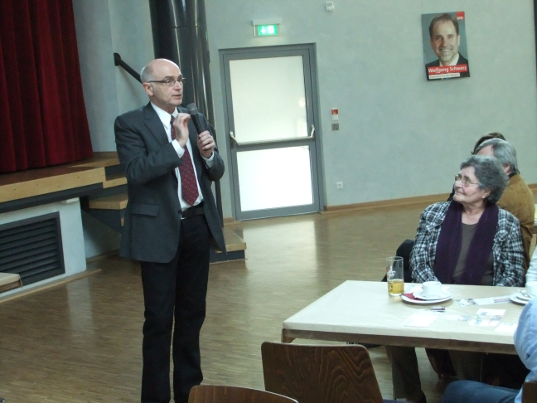
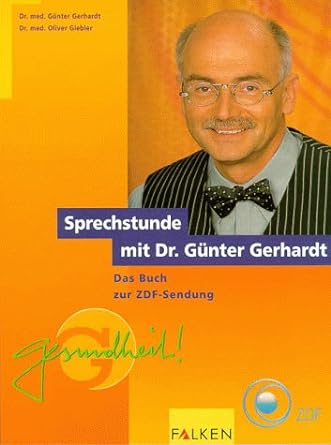
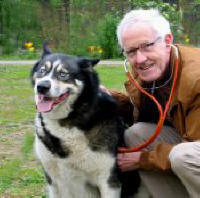
Günter Gerhardt (*1947) is a German TV-Doc and also was director of the German KV – Kassenärztlichen Bundesvereinigung. He runs a video portal for seniors in RLP – Rheinland-Pfalz.
During his TV career he performed in many stations as ZDF, 3sat, WDR and RTL and SWR4. Titles of his shows were „Gesundheitstipp“, in ZDF „PRAXIS täglich“ and in 3sat „Teletipps vom Hausarzt“.
He also has humour and sings with the Mainz carneval band…..
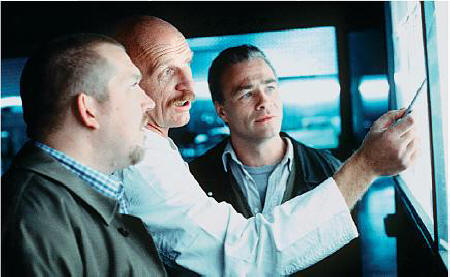
Tatort Köln: Freddy Schenk (Dietmar Bär), Joseph Roth (Josef Bausch-Hölterhoff) und Max Ballauf (Klaus J. Behrendt, von links) sind ein eingespieltes Team. Foto:WDR
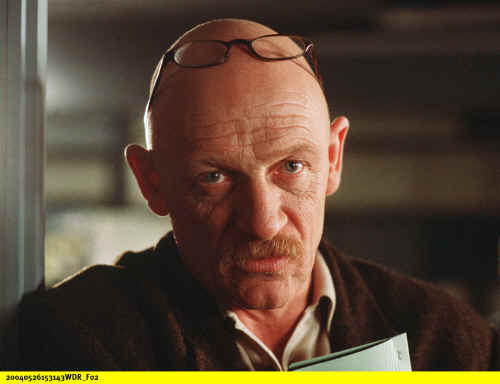
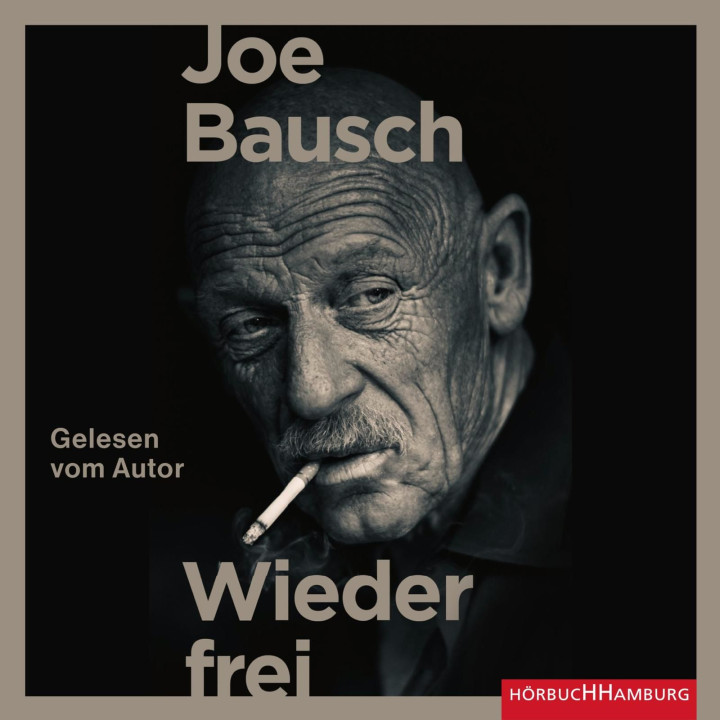
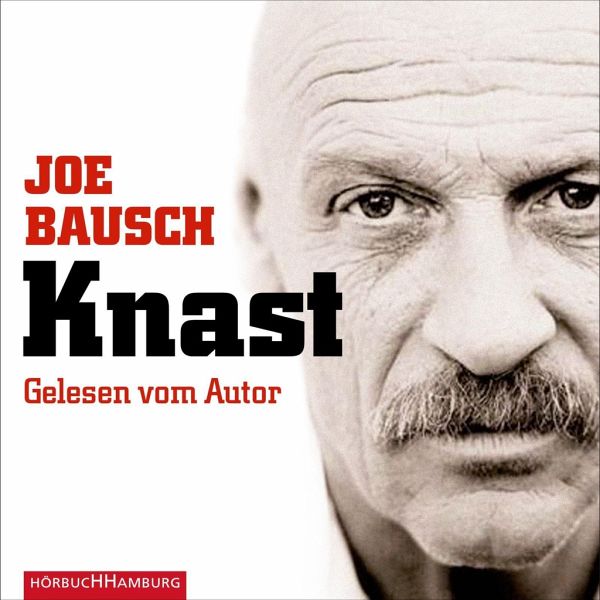
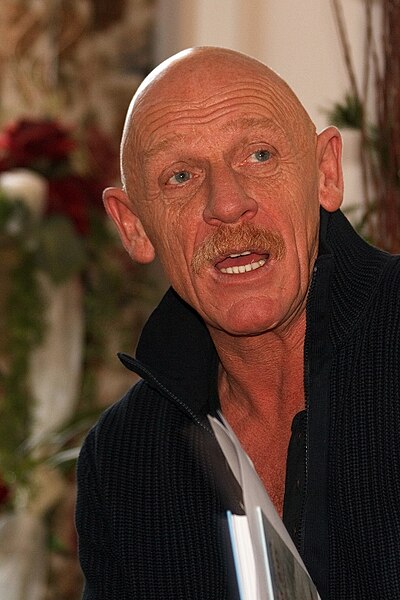
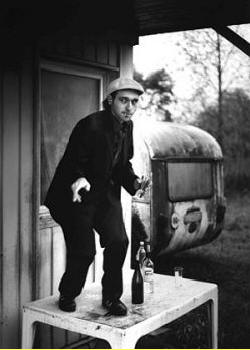
Joe Bausch (Hermann-Joseph Bernhard Anton Maria Bausch-Hölterhoff; * 19. April1953 in Ellar) is a German MD, author, actor and speaker of audio books.
Bausch-Hölterhoff was born in the Westerwald as son of a farmer, later studied theatre sciences, politicc, germanistics and law, in 1985 he got his medical degree.
During his studies he founded a theatre group “TPI – theatre pathologic institute” and wrote the librettos of Mister Buffo nach Dario Fo, Mein Traum …, Hotel der verlorenen Träume, Und sie legten den Blumen Handschellen an nach Fernando Arrabal.
He also acted in the Prinzregententheater Bochum.
Joes first appearance in the German criminal series “Tatort” in “Manila” underlined the problems of Philippinian children living in the streets. He and his colleagues founded the association “Tatort – Straßen der Welt” which is engaged for children´s rights world-wide.
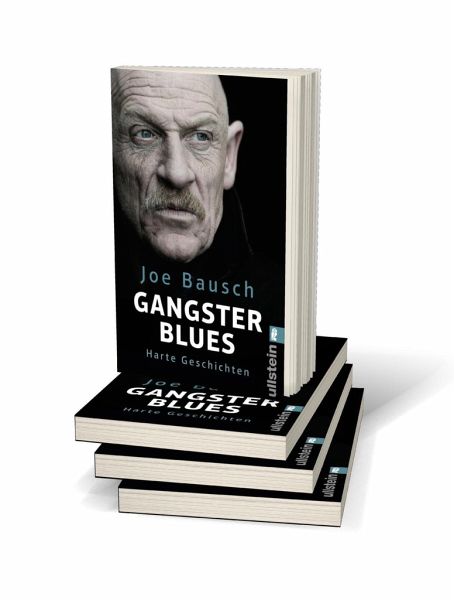
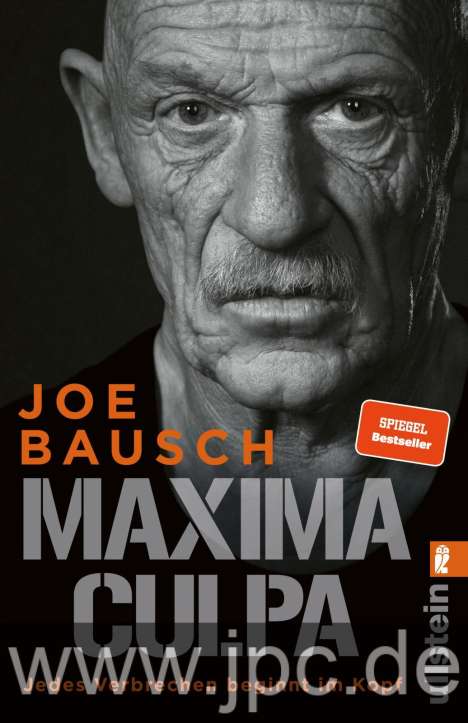
Having worked in the jail hospital of Werl he wrote som books about his experiences (see gallery).
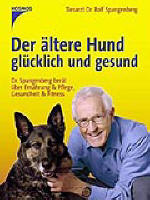
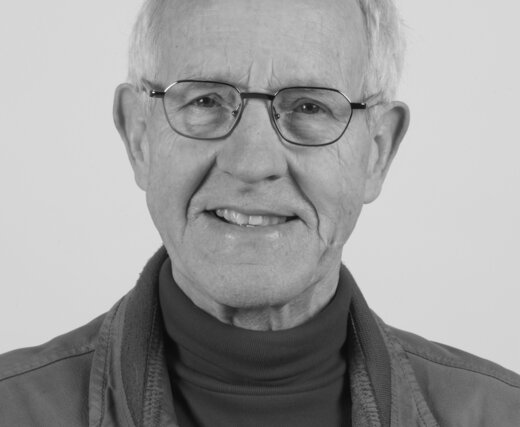
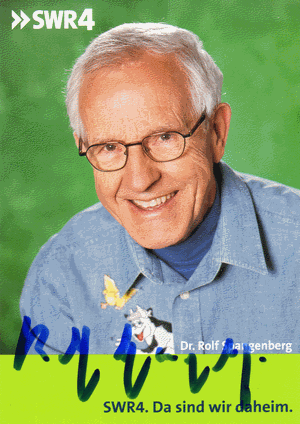
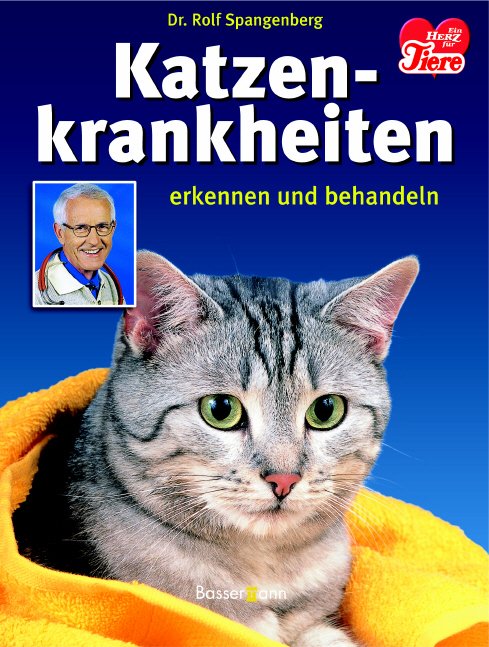
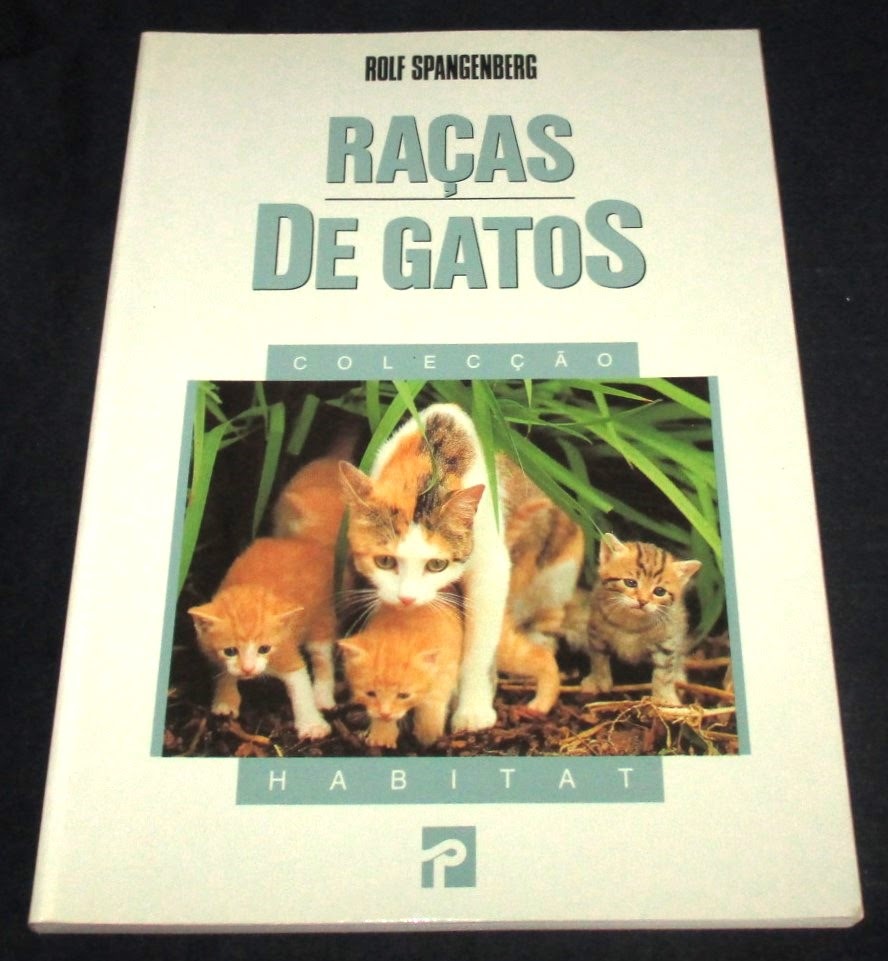
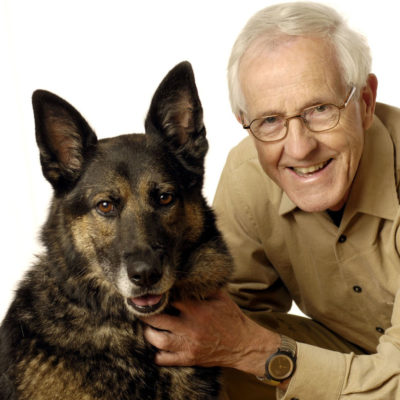
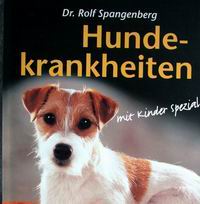
Rolf Spangenberg (February 7, 1932 – 7 January 2020) was born in Hamburg and wanted to become veterinarian when he was 6 years old. After his “Abitur” (high school degree) he studied veterinary medicine in Gießen, Hannover and Berlin. Besides his work as veterinarian and his engagement in the protection of animals he worked as a journalist and wrote several books. Today he gives tips in a bunch of papers and magazines as well as in TV and radio broadcasts. If he has some time left over he goes travelling and hiking with his wife and goes biking with his motor bike just besides his participation in marathon runs. Apart from sharks and certain insects there is no animal race he does not like. At home he has a snake (“Kornnatter”) named Karoline as pet and likes its beauty and its tolerance when he is out of house so often.
“It is proof that I wanted to become veterinarian at age 6. For a child in an established Hamburg family rather unusual. After studies in Gießen, Hannover and Berlin this target was reached at age 25.
When assisting at births of animals I often had to entertain the people standing around so they would not go away and would be at disposition to help out a little. Often the farmers’ wives said: “Doctor your sutures are much better than those on my belly!”
My first microphone was in my hands at RTL (radio) talking about “all my animals” with Rainer Holbe. After this RTL-TV called and we made “simply animalistic” for three years. In the early 80-ies I began the “veterinarian visit” at SWR 4 radio and felt like home there besides TV productions with 3sat and ZDF. Then SWR-TV produced “Rat & Tat” and our team worked like a big family. WHERE is it possible to continue a production for nearly 20 years??”
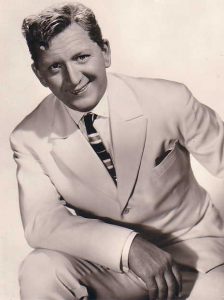
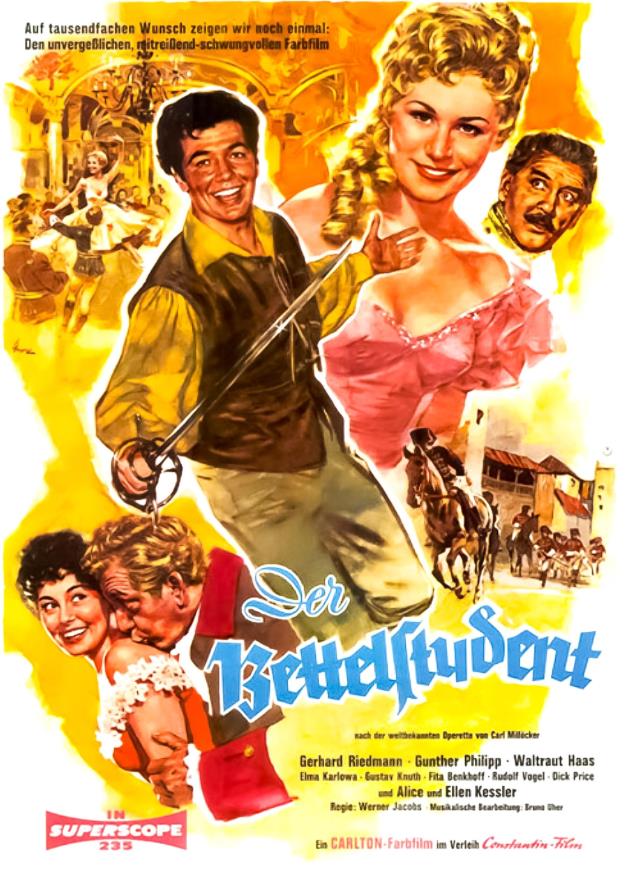
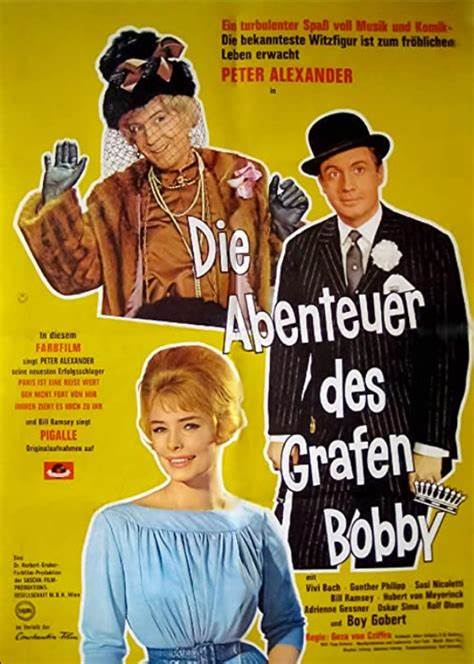
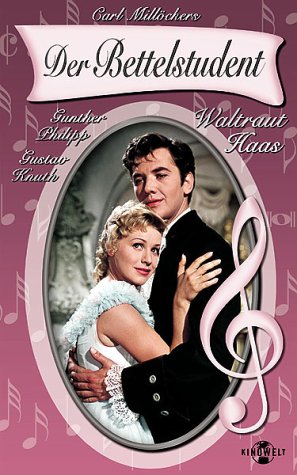
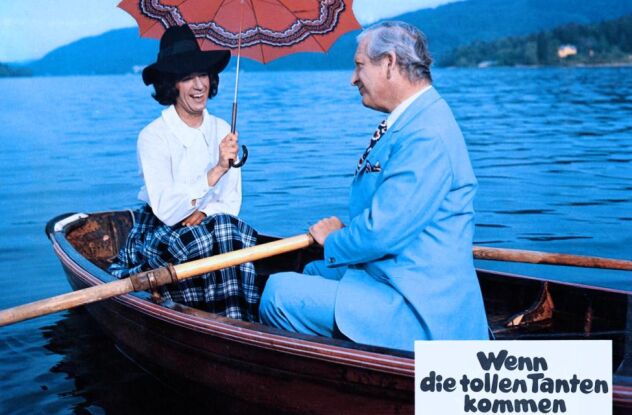
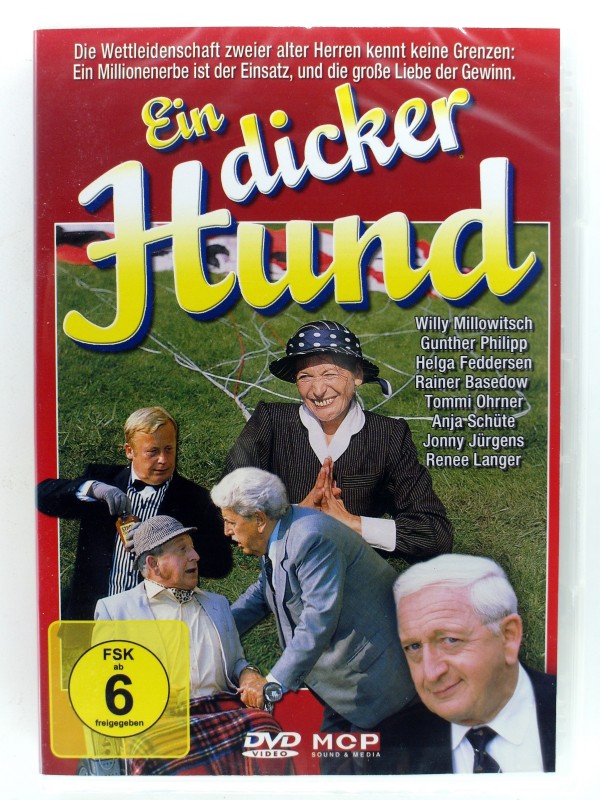
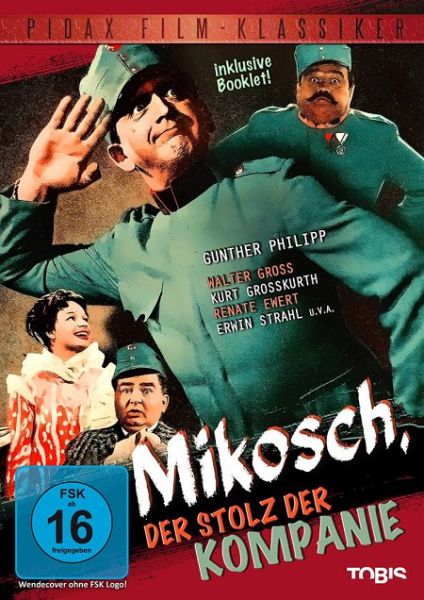
Gunther Philipp (8 June 1918 – 2 October 2003) was an Austrianfilm actor, physician and swimmer.[2]
From 1949 to 2002 he appeared as an actor in 147 movies for cinema and television, mainly in comic roles. As an author, Philipp wrote 21 film scripts.
https://www.youtube.com/watch?v=37YfeJ6MoBY
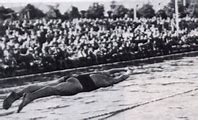
During World War II, Philipp studied acting at the Max Reinhardt Seminar and at the University of Vienna philosophy, majoring in psychology and then medicine. In 1943 he received his doctorate in medicine (Dr. med. univ.) He held the Austrian record in the 100-meter breaststroke for 14 years. He was also in the squad of the Austrian Olympic team in Berlin in 1936, but was not nominated for political reasons because he did not want to join the National Socialist-dominated “First Vienna Amateur Sports Club”. After the war, he ran a practice in Eberstalzell in Upper Austria and was active until in the 1990s at the Vienna University Clinic for Neurology and Psychiatry.
1939 the Austrian record in the 100 m breaststroke (at the same time European year best performance: 1:11,3)
1939 academic world record at the German University Championships in Schrießheim Mannheim / year highs 100 m breaststroke (second in the world rankings)
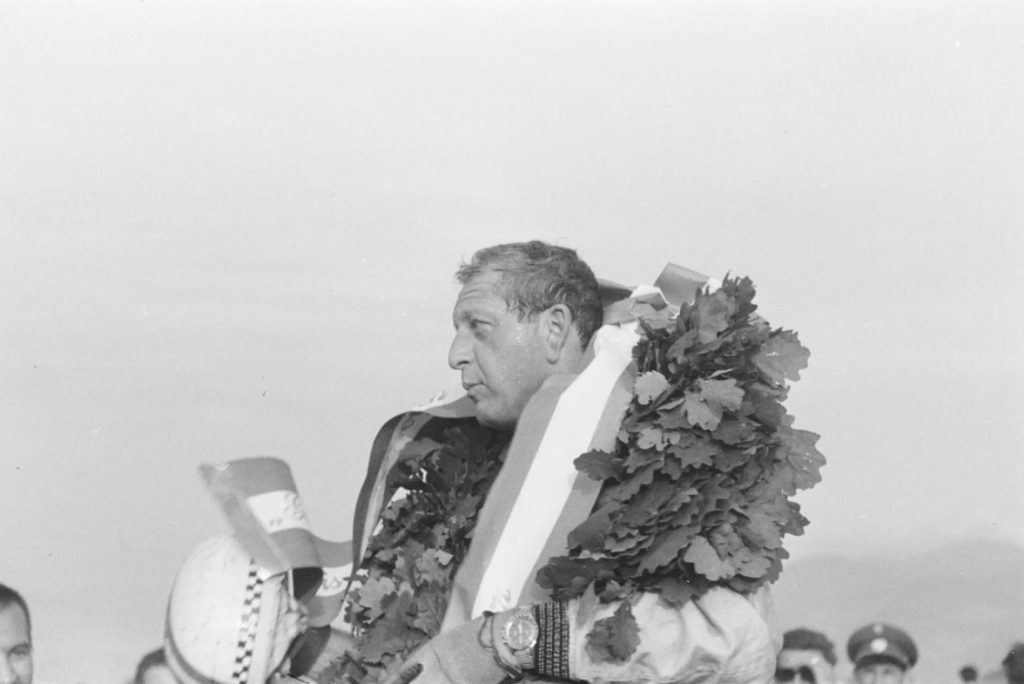
1962 Austrian State Championship on Ferrari 250 GT
1963 Austrian State Championship on Ferrari GTO
1963 four times first in the Grand Prix of Austria (Zeltweg)
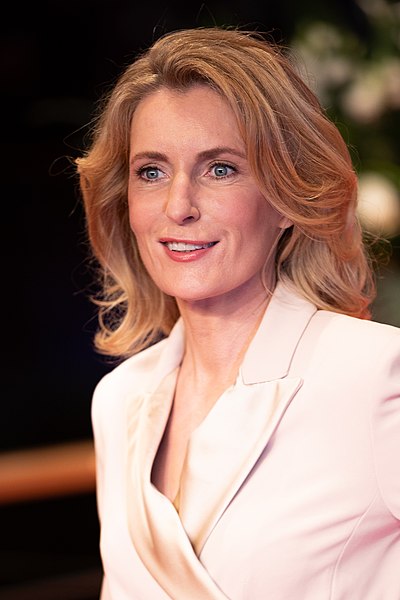
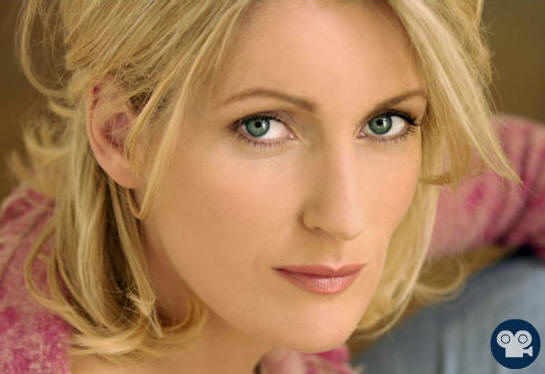
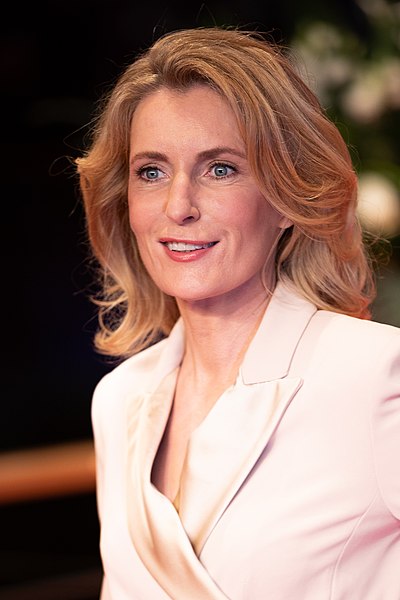
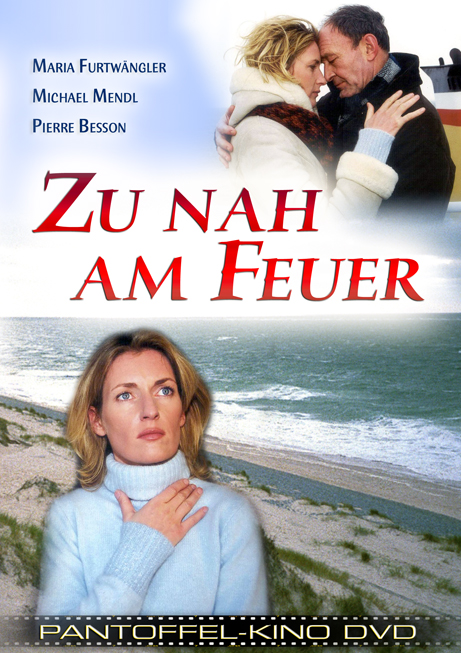
Maria Furtwängler-Burda (short version: German: [maˈʁiːa ˈfʊʁtvɛŋlɐ]ⓘ; born 13 September 1966) is a German physician and television actress.
Maria Furtwängler-Burda is a daughter of architect Bernhard Furtwängler and actress Kathrin Ackermann, great-niece and step-granddaughter of conductor Wilhelm Furtwängler, and granddaughter of politician Katharina von Kardorff-Oheimb. She has two older brothers, David and Felix. She was given her first movie role, for which she earned a bike, at the age of seven in Zum Abschied Chrysanthemen, produced by her uncle Florian Furtwängler. Her mother taught her acting and she later took acting classes in Germany and other countries.[1]
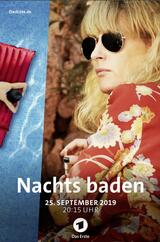
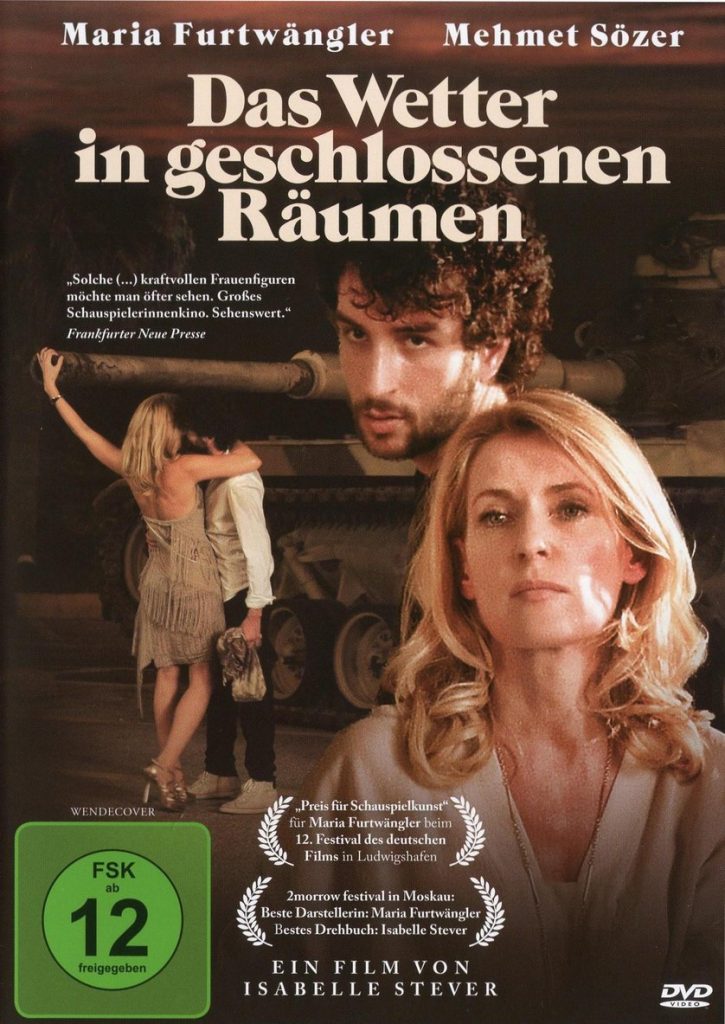
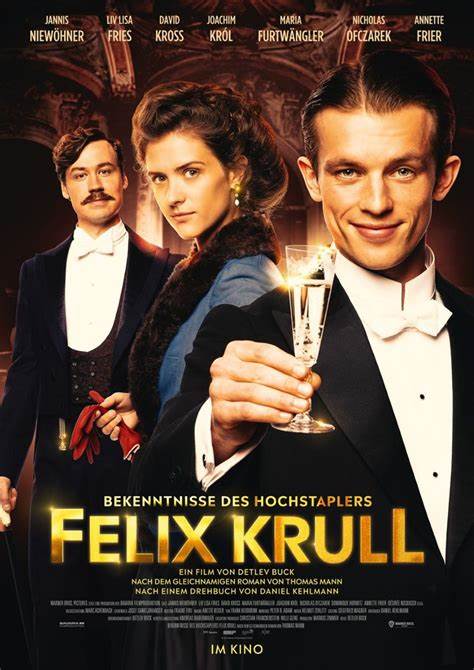
Furtwängler began her acting career in the mid-1990s. Since then, she has acted in German television series and productions such as the Tatort series, as Hanover-based police detective Charlotte Lindholm since 2002, the successful television movies March of Millions, and Die Schicksalsjahre and cinema production The Weather Inside [de] (Das Wetter in geschlossenen Räumen).[4]
For her work in Tatort and March of Millions, Furtwängler was honored with Germany’s most important award in the field of acting. With the movie The Weather Inside she won best actress at the 2morrow festival in Moscow; she was shortlisted in the Deutscher Filmpreis (German film prize). The film opened at the 2016 German Film Festival in New York City.
Since its inception in 2005, Furtwängler has been involved in the Burda-sponsored Digital Life Design (DLD) conference series. She annually hosts a joint Burda/DLD networking reception at the World Economic Forum meeting in Davos.
In 2010 Furtwängler founded the MALISAhome in the Philippines. For the ONE Campaign, she became a goodwill ambassador for Women, Girls and Child Health. In 2015 she co-signed the ONE Campaign’s open letter to ChancellorAngela Merkel and Nkosazana Dlamini-Zuma, urging them to focus on women. Also in 2015, she interviewed Merkel on development policy issues for the Chancellor’s weekly podcast.[6]
In 2013, after a meeting with Eve Ensler in Berlin, Furtwängler became more involved campaigning to end violence against women and girls in Germany. She is particularly interested in the role of the media in perpetuating harmful gender stereotypes. She has been inspired by the Geena Davis Institute and by the Women’s Media Center in the US.[7]
On International Women’s Day 2016, Furtwängler supported the call of UN Women‘s German National Committee for a reform of the German legislation on sexual violence, based around the No Means No consent principle, which is currently not recognised in Germany. Also on International Women’s Day 2016, she co-authored an op-ed with Manuela Schwesig, the German Minister for family, older people, women, and youth, highlighting the need for a stronger sexual violence law and for an end to stereotyping of women and men, particularly in the media.[8]
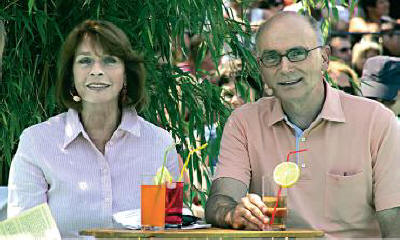
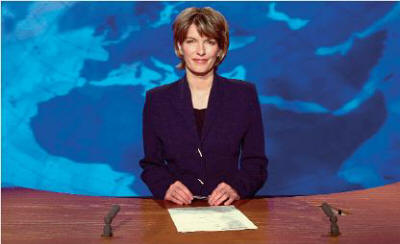
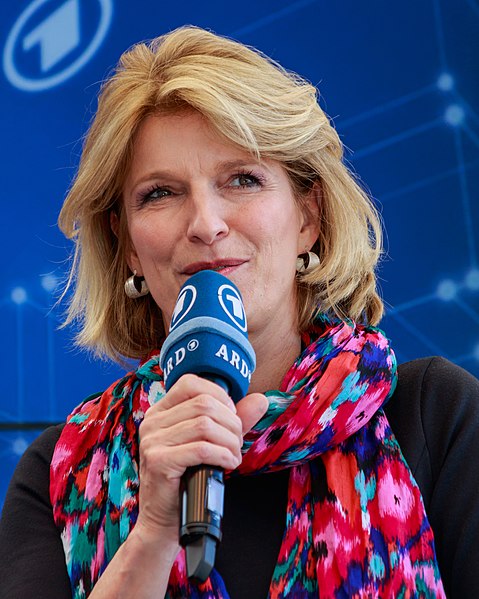
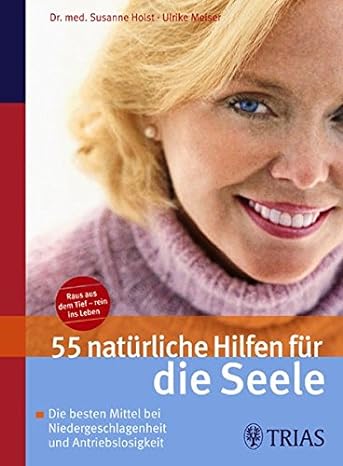
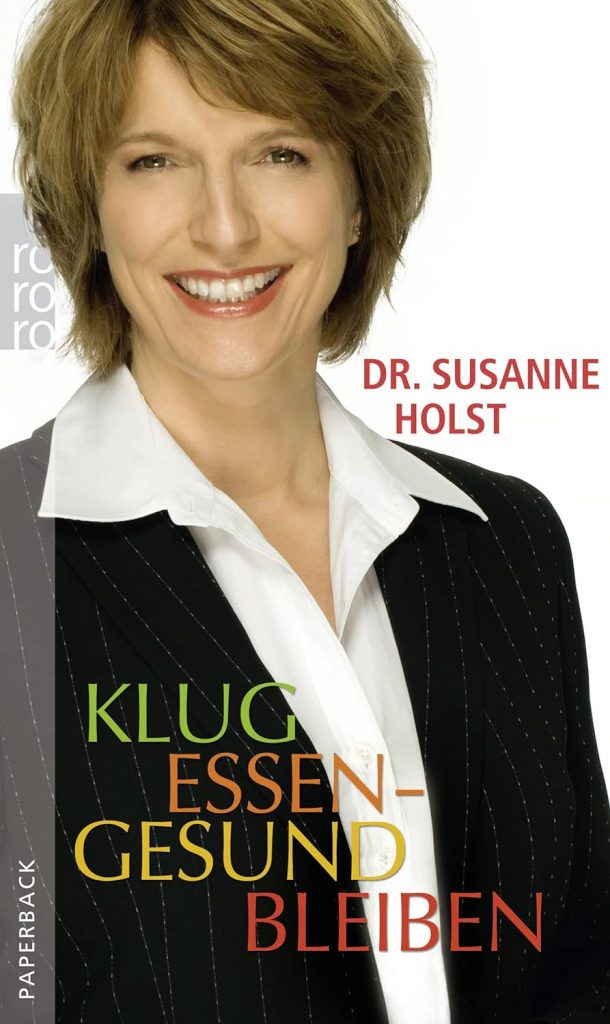
Susanne Holst (* 19. September1961 in Hamburg) is a German MD, medical journalist, author and TV moderator.
She worked as moderator for Sat1 morning magazine, then a health magazine and other productions.
Since 2001 she moderates the German news magazine Tagesschau and Tagesthemen.
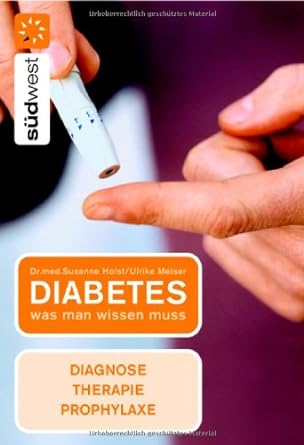
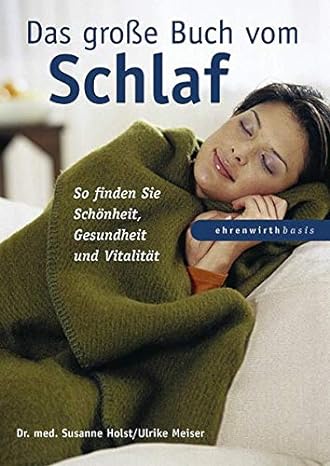
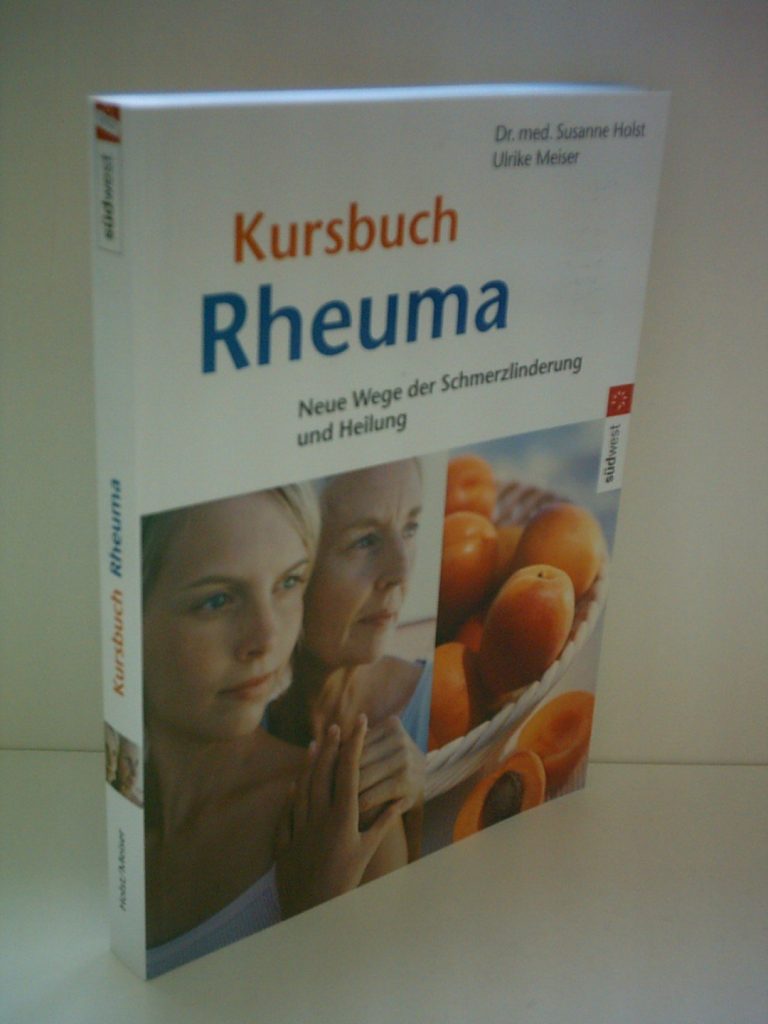
She has written several medicine books about diabetes, pain therapy, sleep and rheumatic diseases.
She is married with Halko Weiss since 1992, a psycho-therapist and specialist for Hakomi, they have twins (see book title!) but live separated actually.
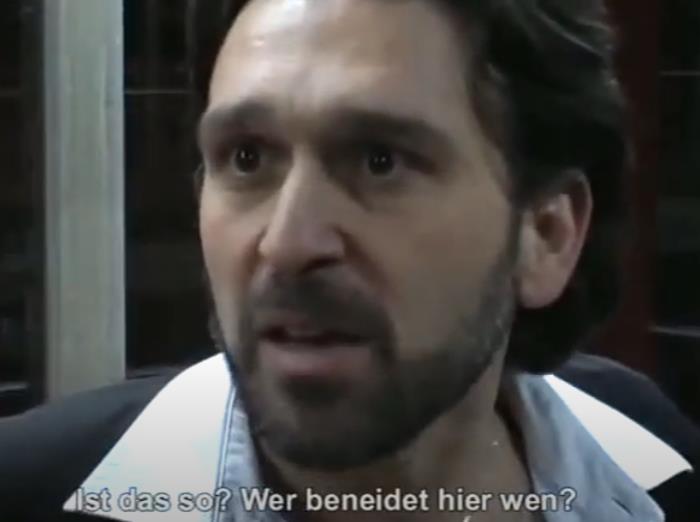
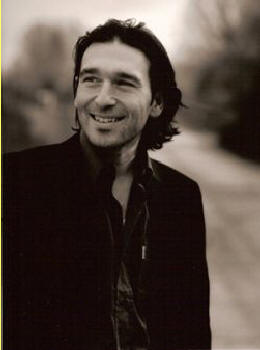
Tuğsal Moğul (* 1969 in Neubeckum) is a German-Turkish director, theatre author and MD.
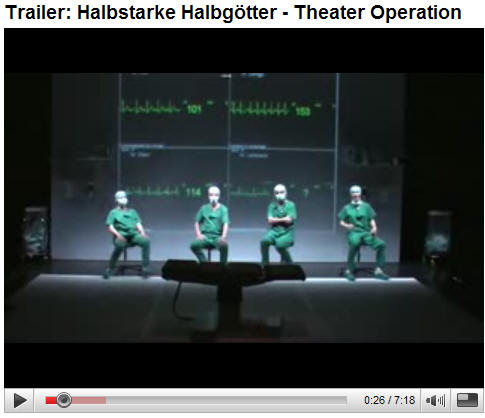
Parallel to his medical studies in Lübeck he studied acting in Hannover. Working as MD in Berlin he began writing works about medical questions as “Halbstarke Halbgötter” (2008), “Somnia” (2010) und “Die Angehörigen” (2014) which he realised with he realized with his ensemble THEATER OPERATION (Bettina Lamprecht, Carmen Dalfogo, Stefan Otteni, Dietmar Pröll und Ariane Salzbrunn).
Besides medical themes he worked about migration and racism as about the NSU killings:
Report in WDR about an actual film about the killings of Hanau:
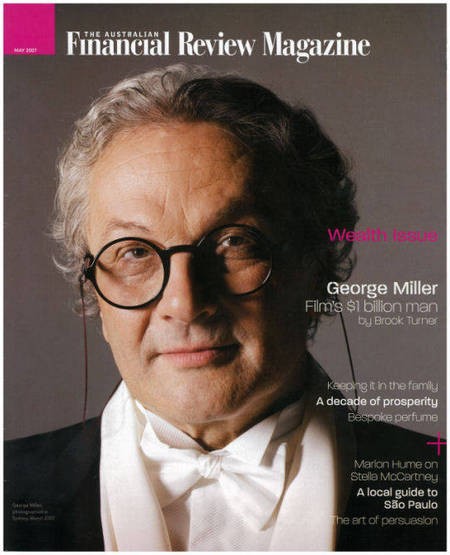
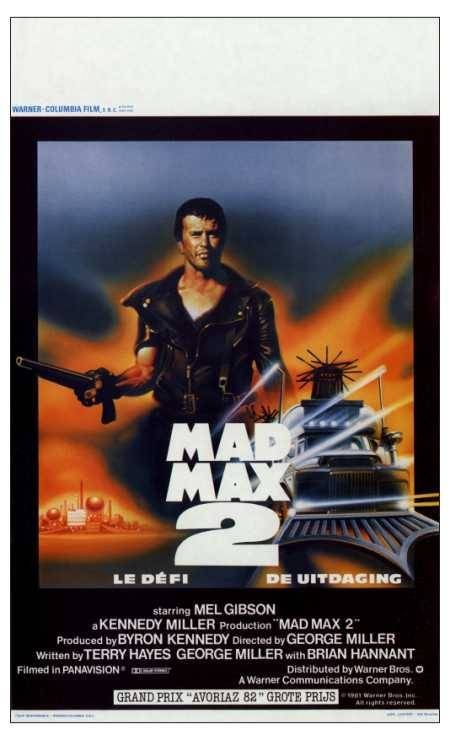
Miller’s first work, the short film Violence in Cinema: Part 1 (1971), polarised critics, audiences and distributors so much that it was placed in the documentary category at the 1972 Sydney Film Festival due to its matter-of-fact depiction of cinematic violence.[7] In 1979, Miller made his feature-length directorial debut with Mad Max. Based on a script written by Miller and James McCausland in 1975, the film was independently financed by Kennedy Miller Productions and went on to become an international success.[5] As a result, the film spawned the Mad Max series with two further sequels starring Mel Gibson: Mad Max 2 also released as The Road Warrior (1981) and Mad Max Beyond Thunderdome (1985). The third film in the series Mad Max: Fury Road (2015) stars Tom Hardy and Charlize Theron.
In 1987, Miller directed The Witches of Eastwick, starring Jack Nicholson, Susan Sarandon, Cher and Michelle Pfeiffer. The film proved to be a troubling experience for Miller. “I quit the film twice and Jack [Nicholson] held me in there,” said Miller. “He said, ‘Just sit down, lose your emotion, and have a look at the work. If you think the work is good, stick with the film.’ And he was a great man. I learnt more from him than anybody else I think I’d worked for – he was extraordinary.”[9] Nicholson also coached Miller to exaggerate his needs during the production, asking for 300 extras when he only needed 150, knowing that his producers would give him less than he requested.[10] The award-winning production designer Polly Platt also collaborated closely with Miller on The Witches of Eastwick. Cher later said that prior to working on the film, Miller called her at home, the day after her 40th birthday, to inform her that he and Nicholson didn’t want her in the film. She was deemed “too old and not sexy”.[11]
Following The Witches of Eastwick, Miller focused primarily on producing Australian projects.[12] His role as producer of Flirting, Dead Calm and the TV miniseries Bangkok Hilton and Vietnam, all starring Nicole Kidman, was instrumental in the development of her career.
In 1993, Miller was hired to direct Contact based on the story by Carl Sagan and Ann Druyan.[14] After working on the film for over a year, Warner Bros. and Miller mutually agreed to part ways and Robert Zemeckis was eventually brought on to direct.[15]
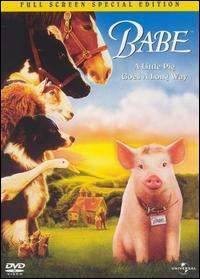
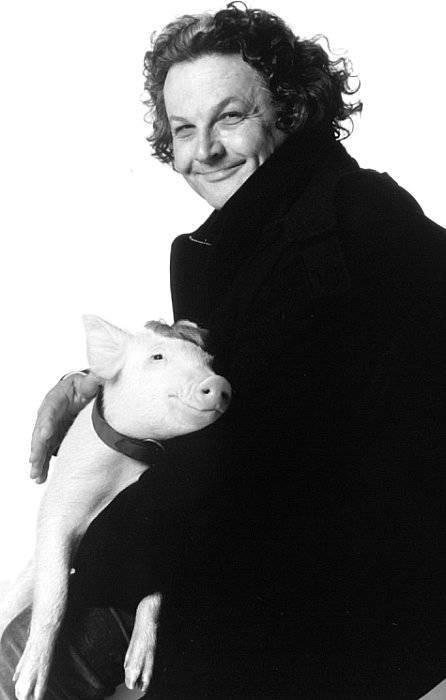
Miller also co-wrote the comedy-drama Babe (1995) and wrote and directed its sequel Babe: Pig in the City (1998).[16]
https://www.youtube.com/watch?v=Gch2Mm1wPEE
Miller was also the creator of Happy Feet, a musical epic about the life of penguins in Antarctica.[17] The Warner Bros.-produced film was released in November 2006. As well as being a runaway box office success, Happy Feet also brought Miller his fourth Academy Award nomination, and his first win in the category of Best Animated Feature.
In 2011, the Happy Feet sequel Happy Feet Two was released.[21] The following year, Miller began principal photography on Mad Max: Fury Road, the fourth film in the Mad Max series, after several years of production delays.[22]Fury Road was released on 15 May 2015.[23] The film was met with widespread critical acclaim and received 10 Academy Award nominations including Best Picture, while Miller himself was nominated for the Academy Award for Best Director.[24]
In April 2017, Miller said that he and co-writer Nico Lathouris have finished two additional post-Fury Road scripts for the Mad Max series. The Fury Road lead, Tom Hardy, is committed to the next sequel.[27] In 2015, and again in early 2017, Miller said “the fifth film in the franchise will be titled Mad Max: The Wasteland.”[27][28] In 2020, it was reported that Miller would next direct the Mad Max spinoff Furiosa.[29]
interview
Miller was married to actress Sandy Gore from 1985 to 1992; they have a daughter. He has been married to film editor Margaret Sixel since 1995; they have two sons. The two initially met during the production of Flirting,[dubious – discuss] and Sixel has since worked on all of Miller’s directorial efforts in some capacity.
Miller has said on multiple occasions that the 1940 version of Pinocchio is one of his favourite films.
Miller is a feminist, having told Vanity Fair in May 2015, “I’ve gone from being very male dominant to being surrounded by magnificent women. I can’t help but be a feminist.”
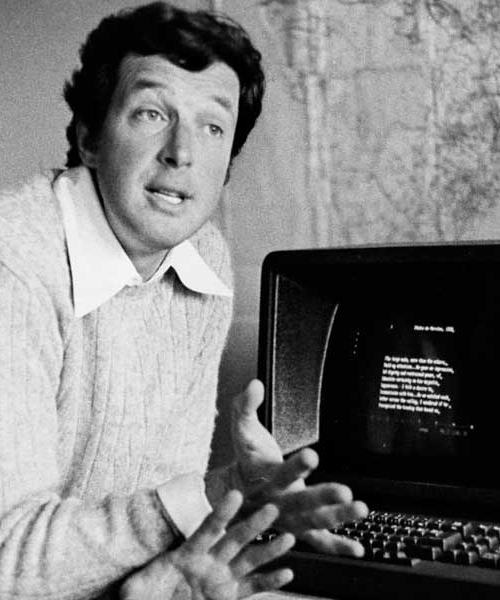
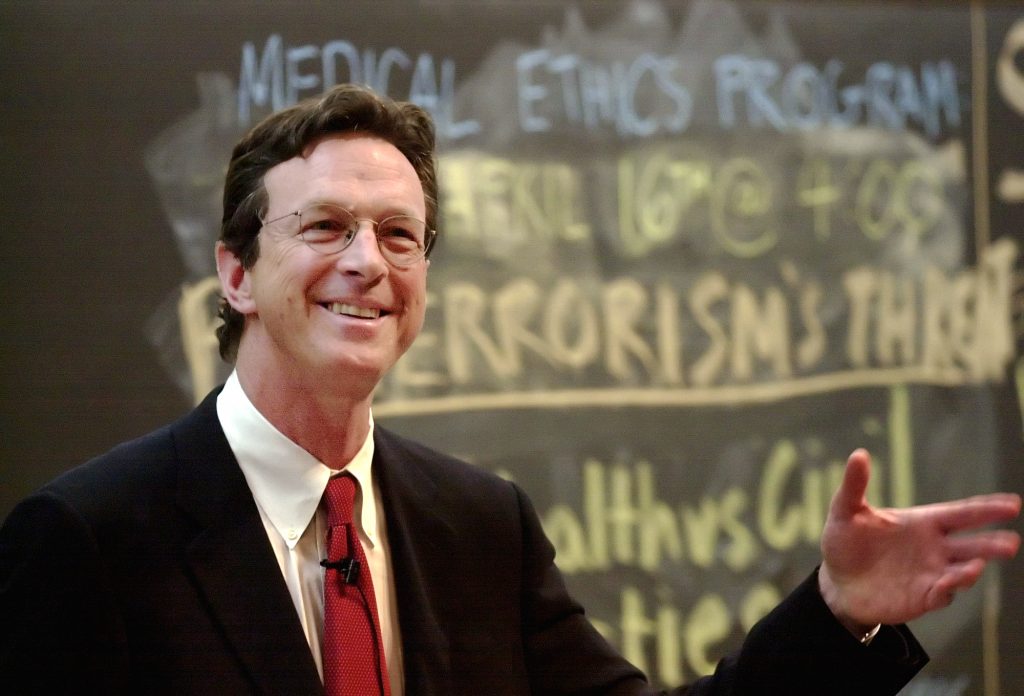
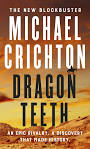
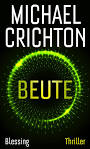
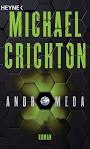
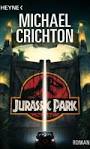
4/11/02 Michael Crichton ’64, HMS ’69 speaks on “The Media and Medicine” at Harvard Medical School in Boston, MA on Thursday, April 11, 2002. staff photo by Jon Chase/Harvard University News Office
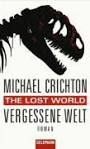
John Michael Crichton (/ˈkraɪtən/; October 23, 1942 – November 4, 2008) was an American writer and filmmaker. His books have sold over 200 million copies worldwide, and over a dozen have been adapted into films. His literary works heavily feature technology and are usually within the science fiction, techno-thriller, and medical fiction genres.
John Michael Crichton[1] was born on October 23, 1942, in Chicago, Illinois,[2][3][4][5] to John Henderson Crichton, a journalist, and Zula Miller Crichton, a homemaker. He was raised on Long Island, in Roslyn, New York,[1] and he showed a keen interest in writing from a young age; at 16, he had an article about a trip he took to Sunset Crater published in The New York Times.[6][7]
Crichton later recalled, “Roslyn was another world. Looking back, it’s remarkable what wasn’t going on. There was no terror. No fear of children being abused. No fear of random murder. No drug use we knew about. I walked to school. I rode my bike for miles and miles, to the movie on Main Street and piano lessons and the like. Kids had freedom. It wasn’t such a dangerous world… We studied our butts off, and we got a tremendously good education there.”[8]
Crichton had always planned on becoming a writer and began his studies at Harvard College in 1960.[6] During his undergraduate study in literature, he conducted an experiment to expose a professor who he believed was giving him abnormally low marks and criticizing his literary style.[9]: 4 Informing another professor of his suspicions,[10] Crichton submitted an essay by George Orwell under his own name. The paper was returned by his unwitting professor with a mark of “B−”.[11] He later said, “Now Orwell was a wonderful writer, and if a B-minus was all he could get, I thought I’d better drop English as my major.”[8] His differences with the English department led Crichton to switch his undergraduate concentration. He obtained his bachelor’s degree in biological anthropologysumma cum laude in 1964[12] and was initiated into the Phi Beta Kappa Society.[12] He received a Henry Russell Shaw Traveling Fellowship from 1964 to 1965 and was a visiting lecturer in anthropology at the University of Cambridge in the United Kingdom in 1965.[12] Crichton later enrolled at Harvard Medical School.[9][page needed] Crichton later said “about two weeks into medical school I realized I hated it. This isn’t unusual since everyone hates medical school – even happy, practicing physicians.”[13]
According to Crichton’s brother Douglas, Crichton was diagnosed with lymphoma in early 2008.[118] In accordance with the private way in which Crichton lived, his cancer was not made public until his death. He was undergoing chemotherapy treatment at the time of his death, and Crichton’s physicians and relatives had been expecting him to recover. He died at age 66 on November 4, 2008.