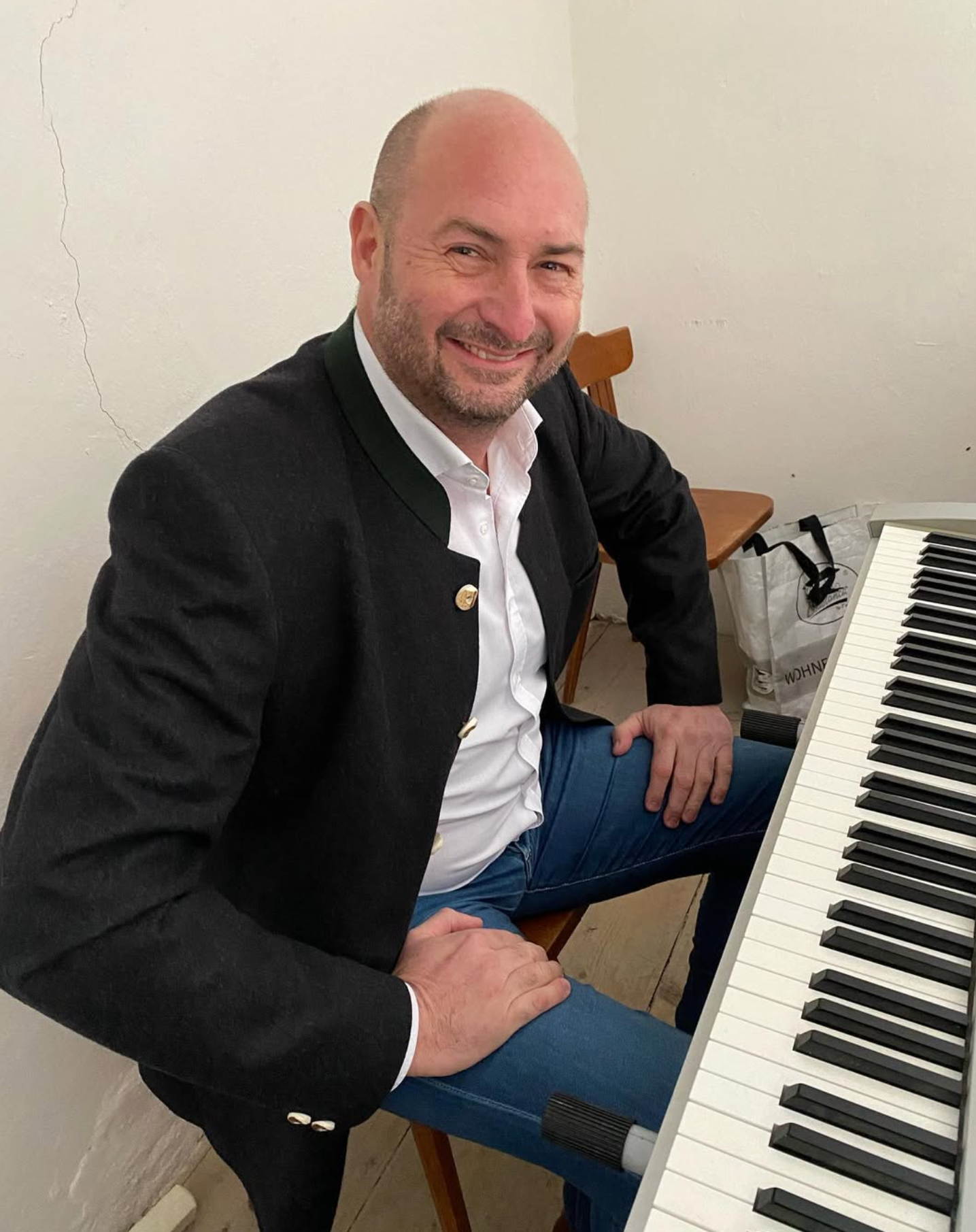
Thomas Löffler
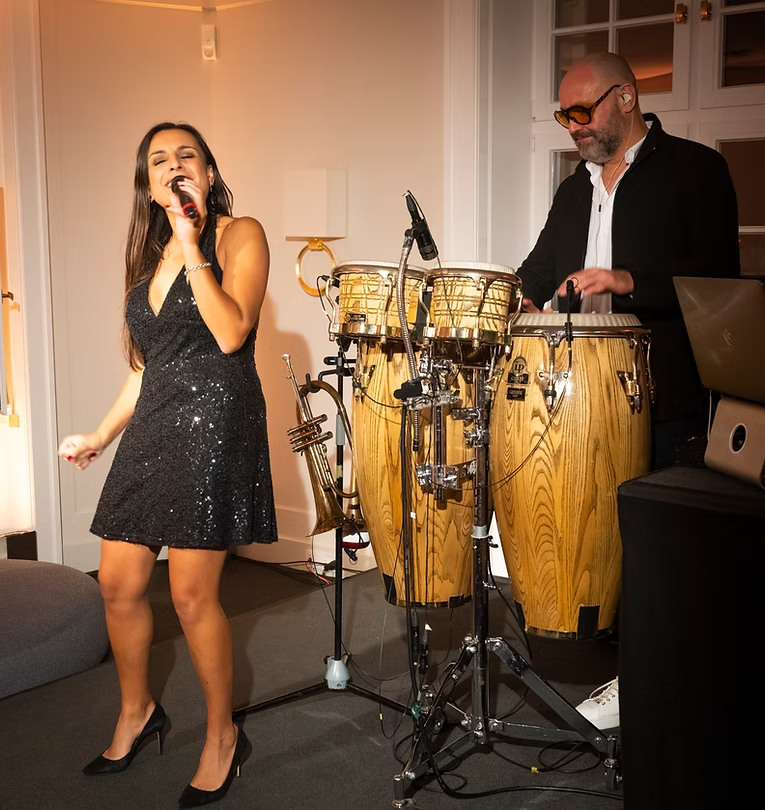
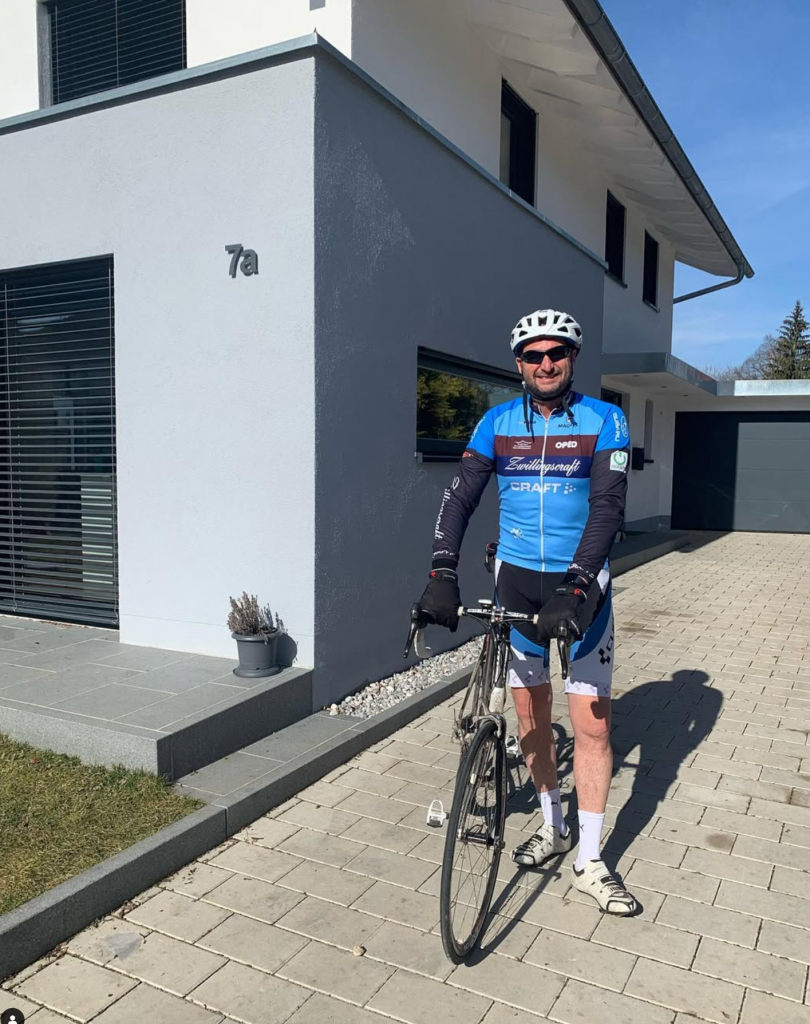
Category : (water-)skiingDocs , BicycleDocs , percussionDocs , PianoDocs
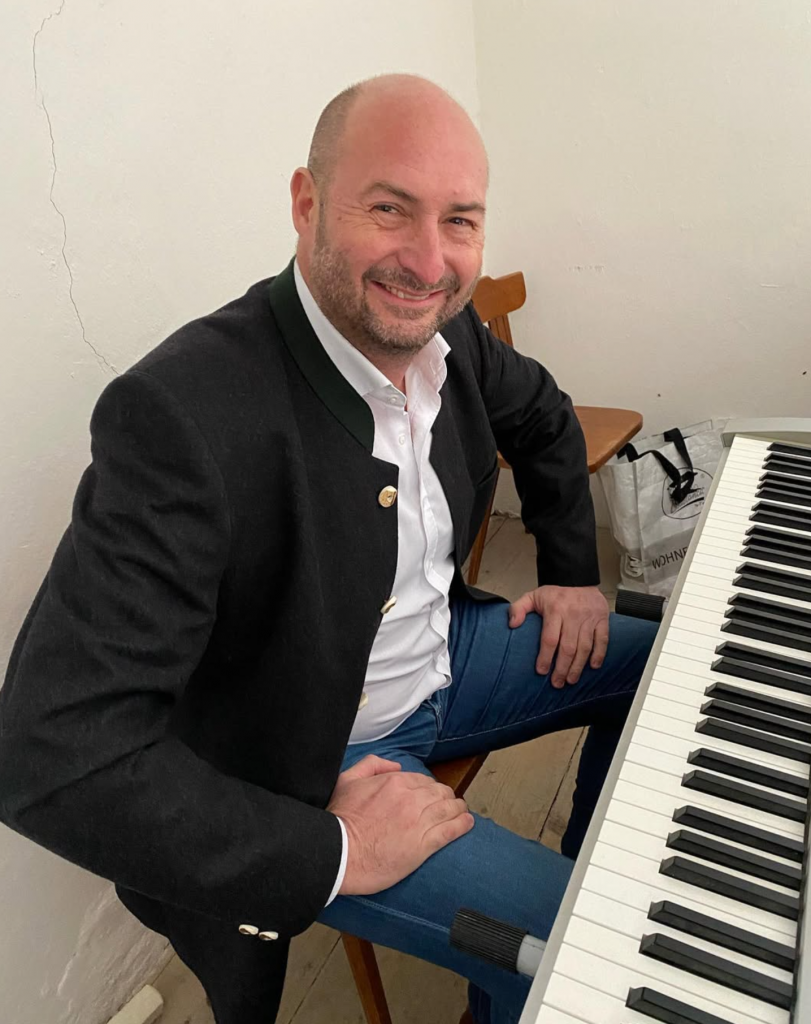
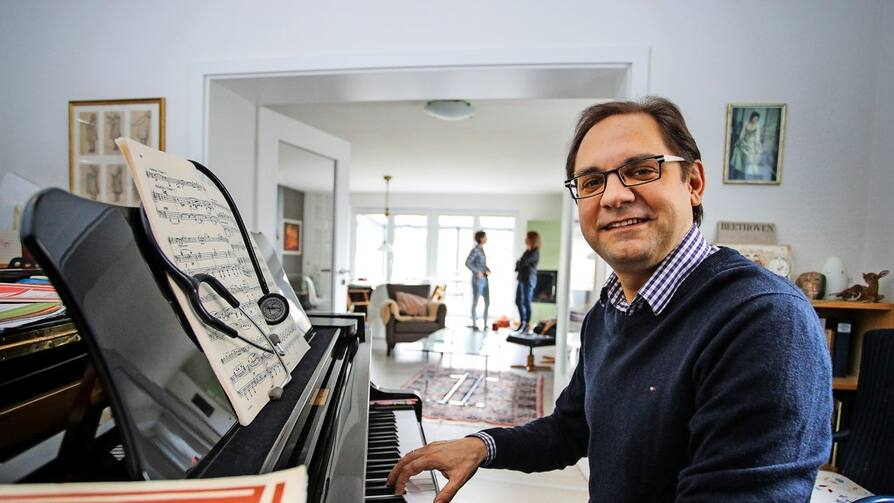
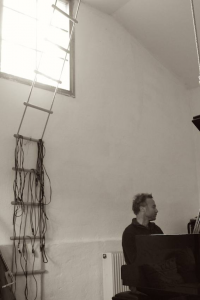
Playing the piano is my passion and I am happy that I can still practice it today, even though I decided to study medicine rather than music.
Blackjack Spielen Kostenlos Ohne Anmeldung Die Casinos, die wir überprüft und empfohlen haben, bieten großartige Boni ohne Einzahlung, Freispiele, modernste Software, sehr schnelle Auszahlungen und jede Menge neue Spiele, von neuen Casino-Slots bis hin zu neuen Live-Casino-Angeboten, die Sie umhauen werden. Welcher Online Slot Zahlt Am Besten Doug Polk Poker für Sie empfohlen. Online Casino Keine Einzahlung Bonus
Category : (water-)skiingDocs , BicycleDocs , percussionDocs , PianoDocs
Playing the piano is my passion and I am happy that I can still practice it today, even though I decided to study medicine rather than music.
Category : PianoDocs , TeacherDocs
Alexander Schmidt (born January 15, 1977 in Kiel) is a German neurologist and musician. He has been Professor of Musician Medicine at the Hanns Eisler Academy of Music in Berlin since 2014, where he directs the Kurt Singer Institute for Music Physiology and Musician Medicine (KSI), and since 2015, Director of the Berlin Center for Musician Medicine (BCMM) at the Charité. He has been a board member of the German Society for Music Physiology and Musician Medicine (DGfMM) since 2017 and its president since November 2019.
Alexander Schmidt completed his piano studies with Vladimir Krainew at the Hanover University of Music, Drama and Media, graduating with a diploma in music education, and subsequently studied medicine at the Hanover Medical School. He wrote his dissertation on the pathophysiology of musician’s dystonia: neuroplasticity and clinical genetics at the Institute for Music Physiology and Musician’s Medicine in Hanover under Eckart Altenmüller. After receiving his doctorate in 2009, he completed a neurological residency at the Department of Neurology at the University of Lübeck and the Ameos Clinic for Psychiatry and Psychotherapy in Lübeck. At the same time, as a research associate at the Institute of Neurogenetics, he headed the research group on endophenotypes of movement disorders. In 2016, he completed his habilitation in “Experimental Neurology” at the University of Lübeck on the topic of genetic and environmental causes of musician’s dystonia and other dystonia syndromes.
Schmidt conducts research in the field of musicians’ neurophysiology and neurological movement disorders, with a focus on focal dystonia in musicians. He is married to the pianist Saskia M. Schmidt-Enders and has six children.
https://de.wikipedia.org/wiki/Alexander_Schmidt_(Mediziner)
https://www.ln-online.de/kultur/regional/wenn-musik-krank-macht-JWGYNT36EK46PZ7IRXFQR3QWNQ.html
Category : (dragon-)boatDocs , PianoDocs , travelDocs
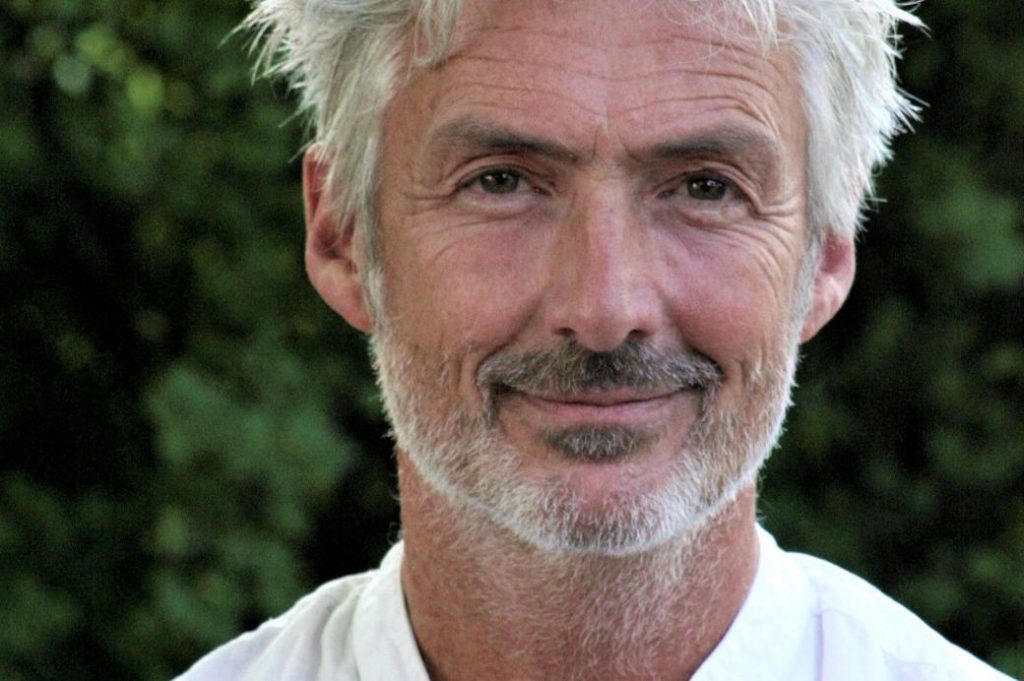
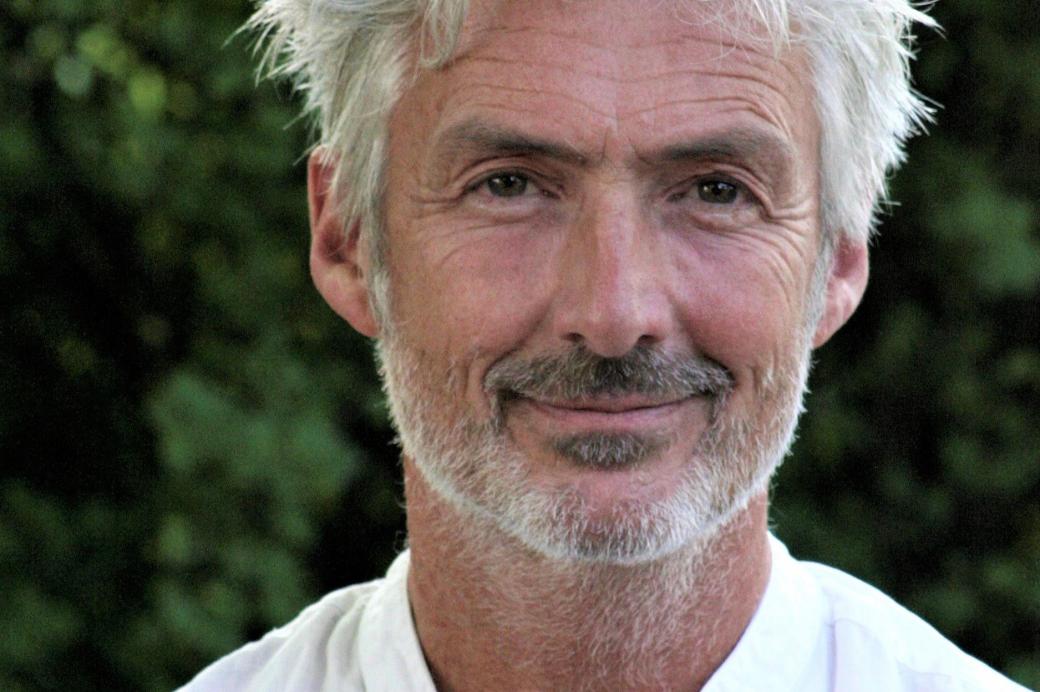
The son of an architect and a teacher, he began playing the piano at the age of five and considered pursuing a career as a pianist as a young man. But ultimately, he found that too uncertain. Music remains a favorite hobby to this day.
In addition to his music, which he enjoys pursuing with his children, he and his wife are often out in nature and, whenever possible, take outdoor trips in their vintage VW bus. They camp in the wilderness, cook soup and other delicacies on a gas stove, and canoe on lakes and rivers. This is why Sweden is one of his favorite countries, which he has often explored with his family. Sometimes, the Elbe River – or another body of water in Lower Saxony – is enough for a few days. Dr. Tom Steinmetz is connected to the region.
Category : PianoDocs , WriterDocs
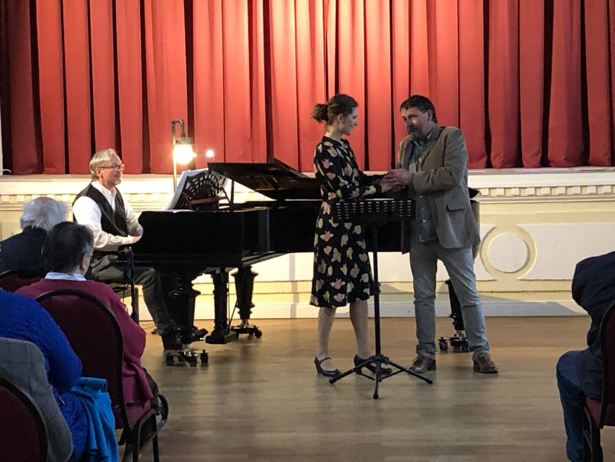
Rüdiger Penthin, a member of the Music Working Group and the board, introduces himself below:
Born in 1959. Born in Cologne. Father of three children. He received his first piano lessons at the age of 6. At 17, he received a scholarship as a junior student at the Cologne University of Music, specializing in piano. At 18, however, he decided to study medicine from 1980 to 1986 at the University of Cologne. He received his doctorate in 1989.
After completing his specialist training (University Children’s Hospital Aachen) and working as a senior physician at the Satteldüne Children’s Pulmonology and Allergology Clinic (Amrum), he established his own pediatrician practice in Schönberg, Holstein, in 1993, specializing in behavioral problems in childhood and adolescence. He completed additional training in psychotherapy from 1992 to 1996. He is the author of several books on children and parents. He is the co-founder of the Probstei Parents’ Workshop, a parent education center.

In 2000, after a long break from performing as a soloist, he made his solo debut with a piano recital at “Schönberg Kulturell” featuring works by Bach, Mozart, Beethoven, Schubert, Chopin, and Brahms. In the following years, he presented a variety of chamber music programs, including the Mozart Piano Concerto in F major with the Kiel Chamber Orchestra in 2004, and song recitals with Matthias Klein since 2006. He has performed the major Schubert and Schumann song cycles jointly. In 2006, he founded the fusion jazz band “Delicious Date,” which was awarded the Bechstein Prize in 2008. Since 2018, he has been a member of the board of the Probstei Cultural Association.
https://www.kinderaerzte-im-netz.de/aerzte/sch%C3%B6nberg/drsleupen/hauptseite.html
Category : HorrorDocs
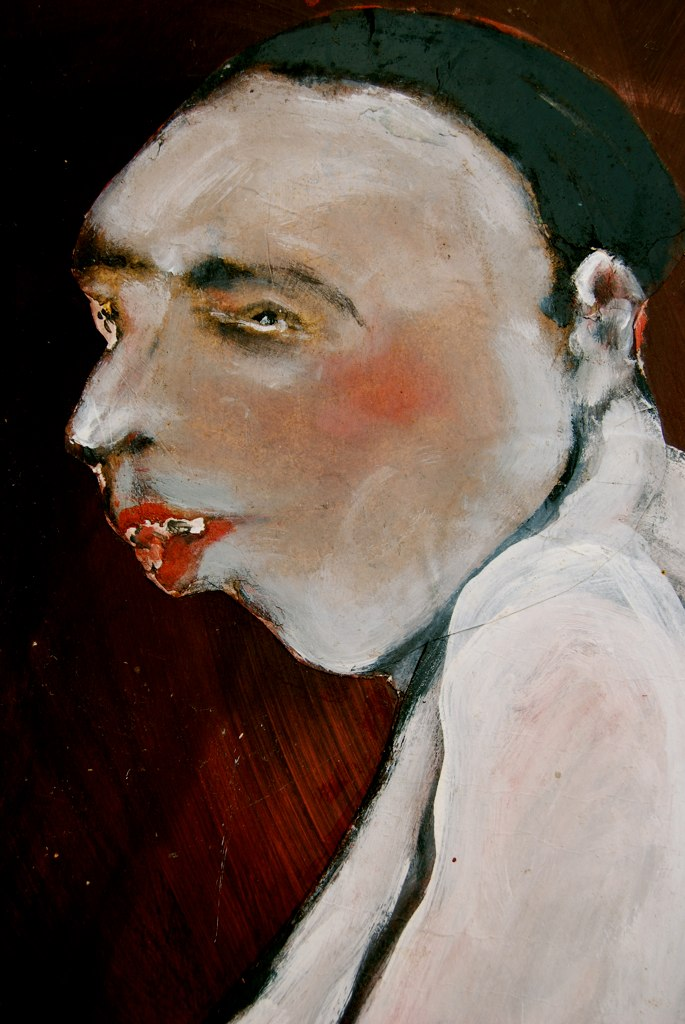
Carl Clauberg (September 28, 1898 in Witzhelden-Wupperhof; August 9, 1957 in Kiel) was a German gynecologist who, as an SS doctor, performed forced sterilizations on hundreds of female concentration camp prisoners. Due to his research into hormone-based contraceptive methods, which he also conducted in the Auschwitz extermination camp using brutal human experiments, Clauberg is considered one of the fathers of the birth control pill.
Political Activity
Clauberg joined the Nazi Party (NSDAP) (membership number 2,733,970)[10] and the SA on May 1, 1933.[1][2] In the SA, Clauberg held the rank of Sanitätsobersturmführer.[9] He was also a member of the NS Lecturers’ Association and the NS Doctors’ Association.[2] In 1940, Clauberg became an honorary SS-Gruppenführer of the Reserve.

“Clauberg’s brutal actions soon became known throughout the camp – at one point, female SS guards arrived because they wanted to see what he was actually doing with the women whose screams echoed through the camp.”[4] Due to the advance of the Red Army, he continued his experiments on at least 35 other women in the Ravensbrück concentration camp.[4] In total, Clauberg carried out between 550 and 700 forced sterilizations. Among his victims was Ilse Arndt.
Am 8. Juni 1945 wurde Clauberg in Eckernförde (Schleswig-Holstein) festgenommen. Er wurde nach Anerkennung seiner Schuld im Juli 1948 in der Sowjetunion wegen der Ermordung sowjetischer Staatsbürger im KL Auschwitz zu 25 Jahren Haft verurteilt. Am 11. Oktober 1955 wurde er aus der Kriegsgefangenschaft im Rahmen der „Heimkehr der Zehntausend“ als „Nichtamnestierter“ entlassen.[9] Initially, he returned to work as a gynecologist[19] at his old university hospital. He was celebrated there as a “late returnee” and martyr.[20] The Central Council of Jews in Germany filed a criminal complaint for continued grievous bodily harm. On November 21, 1955, an arrest warrant was issued in Kiel, shortly after he had been admitted to the psychiatric clinic in Neustadt in Holstein at the request of his wife for threats of murder and manslaughter. At the beginning of February 1956, the experts determined his sanity, but certified that he had an “abnormal” personality. He was imprisoned in Neumünster prison, and charges were not brought until December 1956 – “no leading gynecologist (such as Martius, Philipp, etc.) could be found who would have wanted to act as an expert witness in court.”[21] Ralph Giordano wrote of the indictment:[22]
“Although I have attended many Nazi trials before West German jury courts, the indictment against Clauberg is among the most unbearable reading I have ever undergone in the study of Nazi crimes.”
Due to the charges against him, Clauberg was denied membership in the German Society of Gynecology in 1956 and banned from practicing his profession in March 1957.[23] Before the trial could begin – the defense had thwarted the opening[24] and the Kiel Regional Court, staffed with many former Nazi lawyers, had dismissed the joint plaintiff, Henry Ormond – Clauberg died of a stroke in custody in August 1957. At only 155 cm tall, he was severely obese and considered an alcoholic. Because there were doubts about natural death, an autopsy was performed by the Kiel Institute for Forensic Medicine. It revealed early stages of brain softening (encephalomalacia).
Category : ComposerDocs , PianoDocs , PublisherDocs , SingerDocs , SpiritualDocs , SportDocs , TeacherDocs , WriterDocs
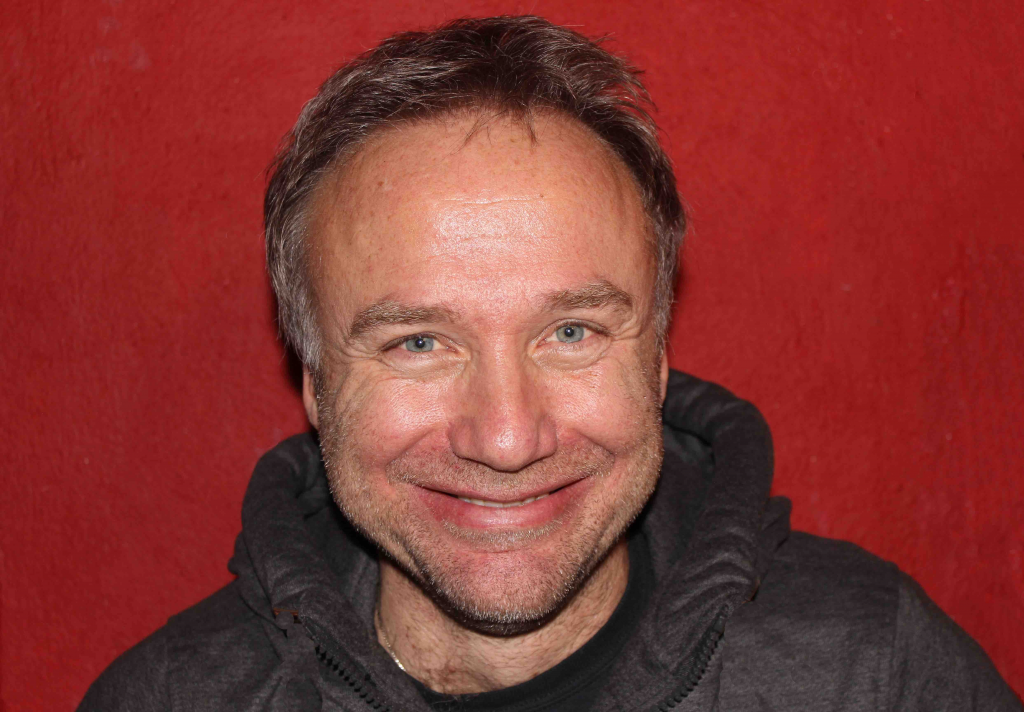
Since 1994, freelance composer and pianist, giving lectures on his own work and the Iannis Xenakis-Stochastics connection between scientific thought and composition, and lecturing on Traditional Chinese Medicine.
Since 1996, practicing as a physician.
In 1998, he founded the label “klaviermusik.at” and has released numerous CDs since then.
In 2000, the CD “Vienna Concert 2000” was released by Extraplatte.
Since 2002, he has had his own practice for Traditional Chinese Medicine in Vienna.
2004 CD “Quiet Nights” released on Ö1
2009 CD “Bright Side” released on Ö1
2011 Book “The Healing of the Center”
2013 Practice relocated to Wiener Neustadt
2014 Book “Daily Healing” and CD “Music for Healing the Center” (Ennsthaler)
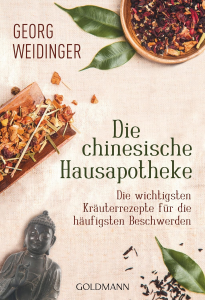
2015 Book “The Chinese Medicine Cabinet”; founding of the Austrian Society for Traditional Chinese Medicine in Wiener Neustadt, President of the OGTCM

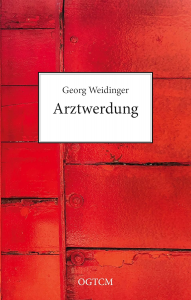

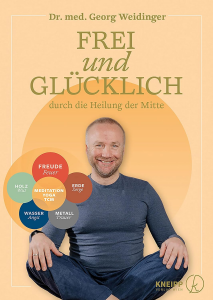
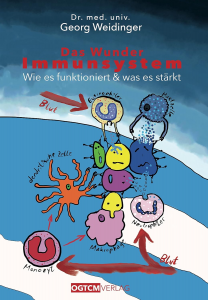
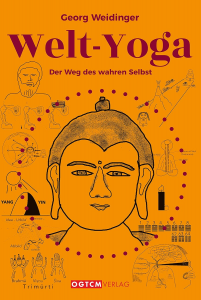
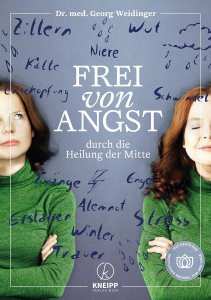
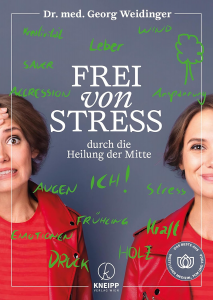

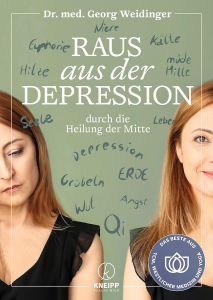


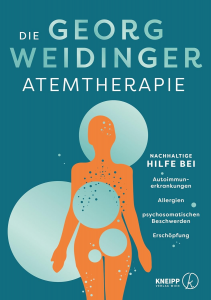
2016 Own TCM courses in Wiener Neustadt, CD “Quiet Moments”
2017 CD “Bach-Hindemith” on klaviermusik.at; book “The Golden Way of the Center” (self-published)
2018 Practice in Bad Sauerbrunn, CDs “Blossoms of Romanticism” and “Requiem for Franziska” and book “Cookbook for Healing the Center”
2019 CD “SONATA”, book and CD “The Sound of the Center”, CD “Games of Orchestra”, String Quartet I & II, Symphony No. 1 (“DISTROFIA”), debut novel “LAUFHAUS” with audio CD “LAUFHAUS Book Music”
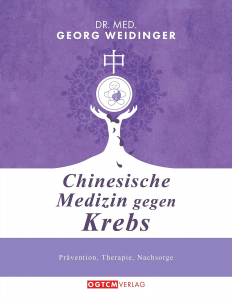
2020 CD “Mozart Plus”, CD “Vienna Calling”, Symphony No. 2 (“FANFARA”); books: “Chinese Medicine Against Cancer”, “World Yoga”
2021 CD “Vienna Calling”, books: “The Miracle of the Immune System”, “Cookbook for Healing the Center II”
AWARDS AND RECOGNITIONS
1995: Lower Austrian Music Factory Prize and commission for a choral-orchestral piece
1996 and 1998: First Austrian to win the Luigi Russolo International Composition Competition in Varese, Italy.
Category : WriterDocs
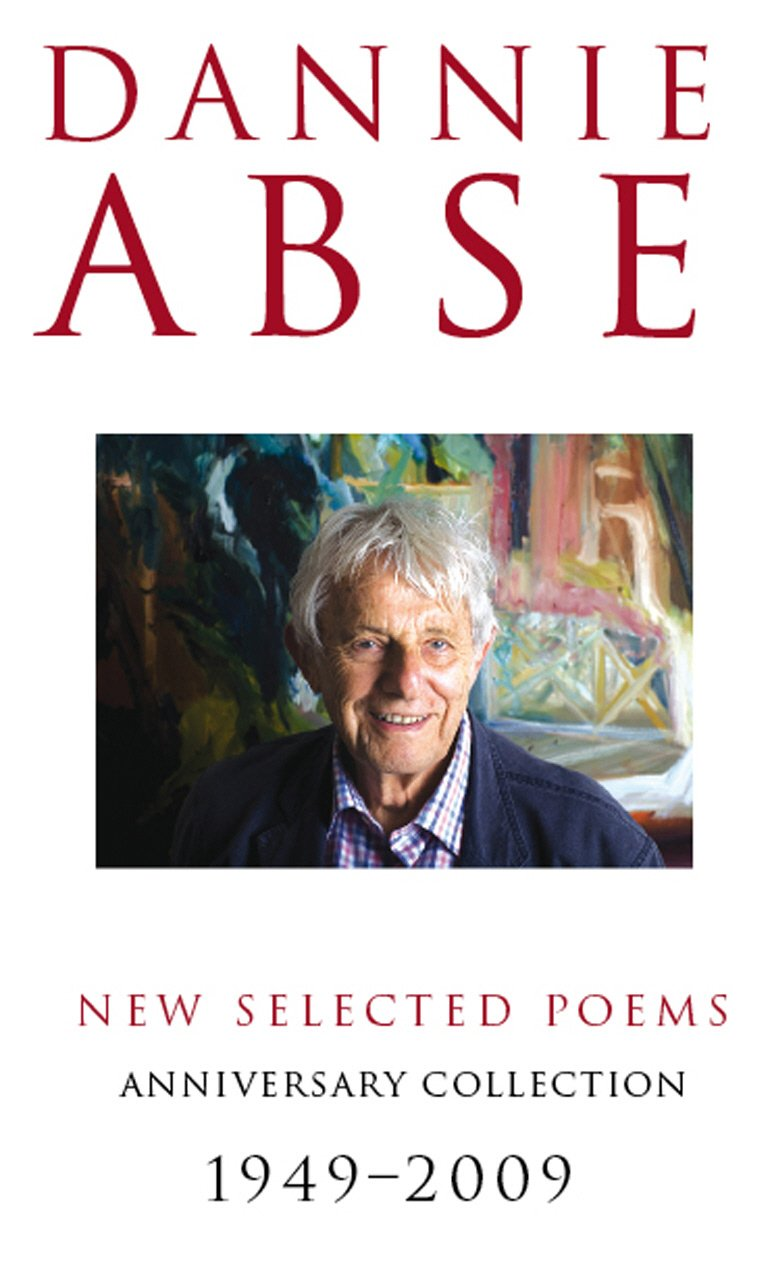
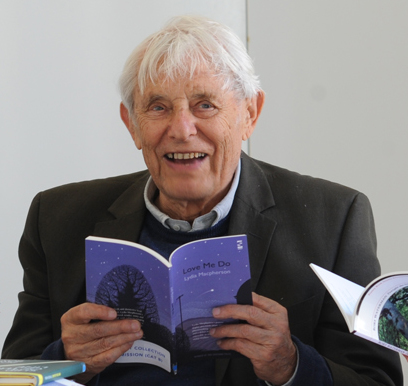
Dannie Abse, CBE (born Daniel Abse on 22 September 1923 in Cardiff, Wales; died on 28 September 2014[1] in Golders Green, London) was a British author and poet.
Dannie Abse grew up in his Jewish family with his brothers Leo Abse (1917–2008; lawyer, politician, author) and Wilfried Abse (1915–2005; psychoanalyst), who were about ten years older than him.[2] After successfully completing school in his hometown, he studied medicine at the University of Wales College of Medicine, the Westminster Hospital Medical School and at King’s College London. He received his doctorate in 1950. From 1954 to 1989 he worked in the breast clinic of the Central Medical Establishment in London. In 1989 he received an honorary doctorate from the University of Wales.
In 1954, his autobiography, Ash on a Young Man’s Sleeve, was published, in which he recounted his childhood experiences. He received the Welsh Arts Council Award and the Cholmondeley Award in 1985. Abse was a member of the British Poetry Society and had been a member of the Royal Society of Literature since 1983. Abse wrote several volumes of poetry—his first, After Every Green Thing, in 1949—as well as novels, plays, and essays. He was awarded the Commander’s Cross of the Order of the British Empire in the 2012 New Year Honours List.
Abse was married to art historian Joan Abse, née Mercer (1923–2005), with whom he had three children. She died in a car accident in which Dannie Abse broke a rib.
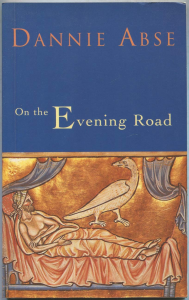
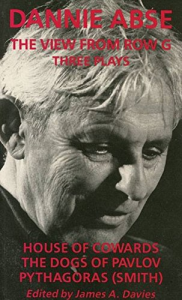
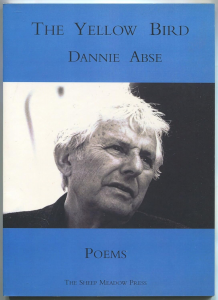

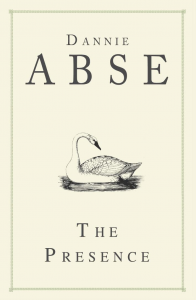





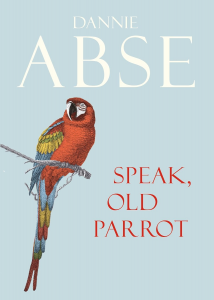

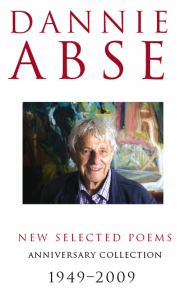
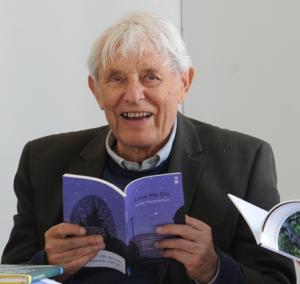
Dannie Abse was a lifelong fan of Cardiff City Football Club. He saw the first match in 1934; he references football in many of his works.
Category : PoliticianDocs
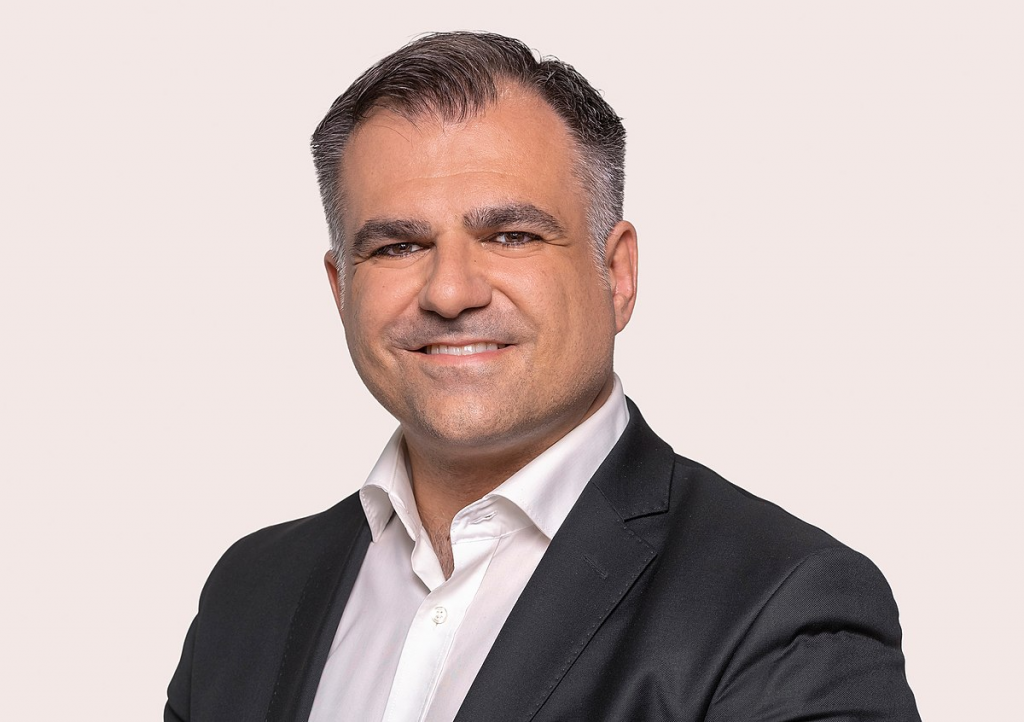
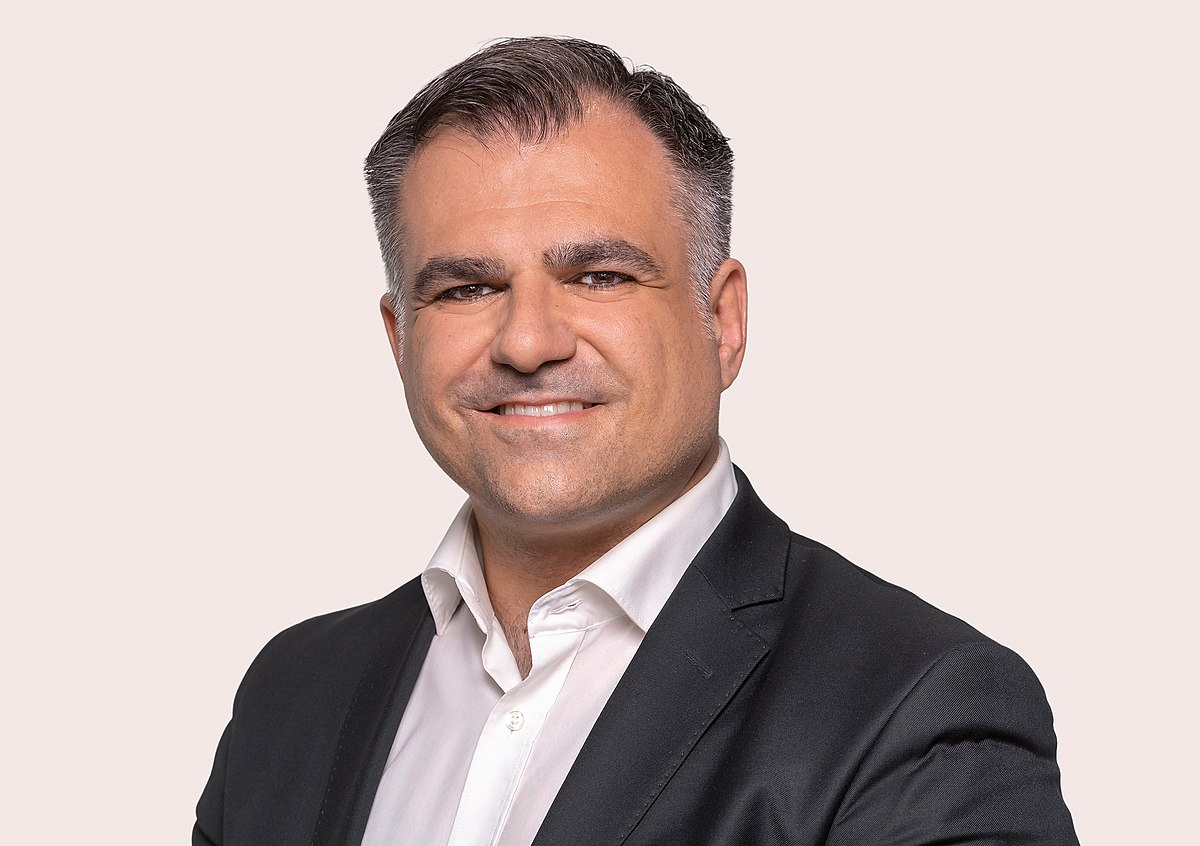
Christos Pantazis (born October 9, 1975 in Hanover)[1] is a German physician and politician (SPD). He has been a member of the German Bundestag since October 26, 2021. Previously, he was a member of the Lower Saxony State Parliament from February 2013 to November 2021 and deputy chairman of the SPD parliamentary group there from November 2017.
1998 Joined the SPD
2001 – 04 Elected to the Seelze local council (where he was parliamentary group leader)
2003 – 05 Spokesperson for the Jusos in the SPD district of Hanover
2003 – 04 Deputy Chairman of the Jusos Lower Saxony
2009 Member of the Executive Board of the SPD Braunschweig
2011 – 15 Deputy Chairman of the SPD Braunschweig
2011 Member of the Executive Board of the SPD parliamentary group in the city council
2012 – 13 Chairman of the SPD Bebelhof – Viewegsgarten
2013 – 21 Member of the Lower Saxony State Parliament for constituency 1 | Braunschweig-Nord
2015 Chairman of the SPD Braunschweig | Member of the Executive Board of the SPD district Braunschweig
2016 – 21 Member of the Association Assembly in the Greater Braunschweig Regional Association
2017 – 21 Deputy Chairman of the SPD parliamentary group in Lower Saxony State Parliament
2017 – 21 Spokesperson for the Braunschweig Group at the state level
2019 Deputy Chairman of the SPD Braunschweig District
2021 Member of the German Bundestag for the constituency | Braunschweig
2022 Deputy Health Policy Spokesperson for the SPD parliamentary group
2022 Spokesperson for the Braunschweig Group at the federal level
2023 Member of the Executive Board of the SPD Braunschweig District
2023 Deputy Chairman of the Lower Saxony/Hanover State Group in the SPD parliamentary group
Category : TranslatorDocs , WriterDocs
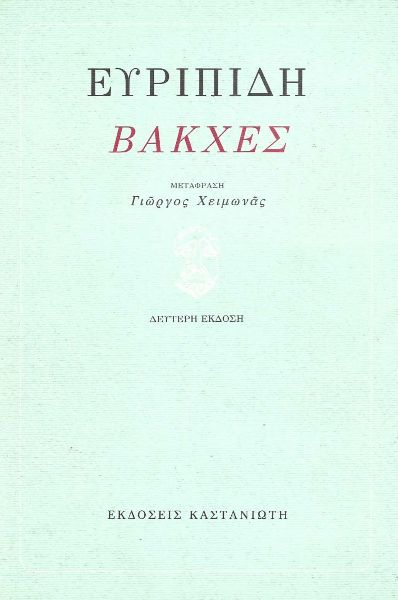
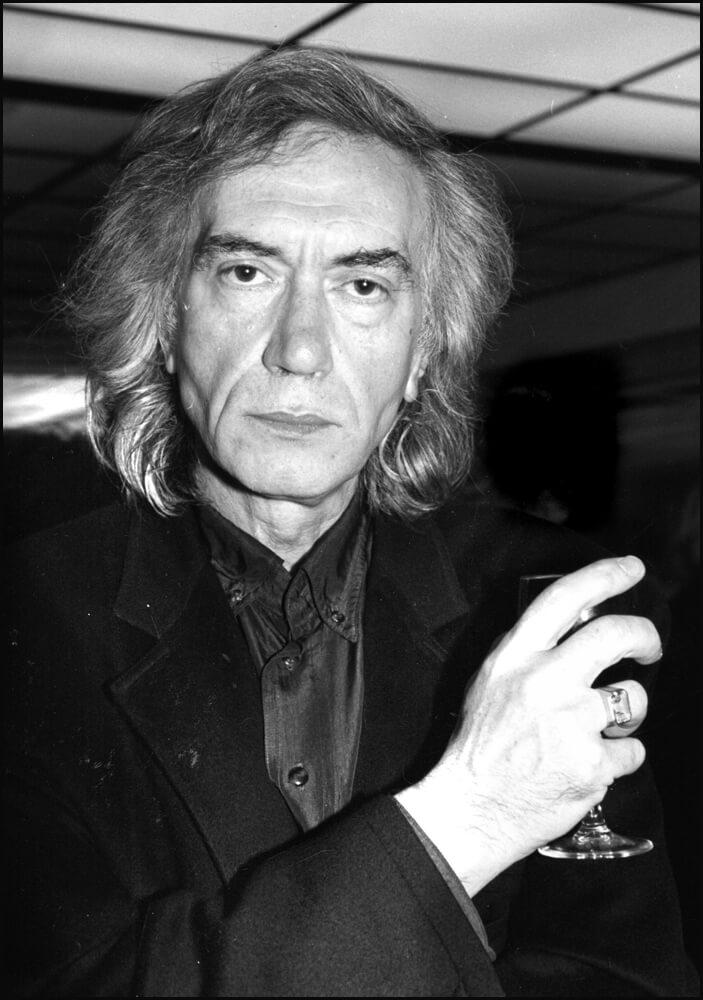
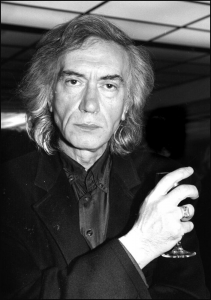
Giorgos Chimonas (Kavala, March 17, 1938 – Paris, February 27, 2000) was a Greek prose writer, translator and psychiatrist who became known and distinguished in the field of Greek literature in the 1960s.
Giorgos Himonas was born in Kavala in 1938 and grew up in Thessaloniki. There he studied medicine. He continued his studies in Paris, specializing in psychiatry and neurolinguistics. After completing his studies, he returned to Greece and lived in Athens.
In 1960, he published his first book, Peisistratos. He worked in prose, translation, and essay writing. He was married to the playwright Loula Anagnostaki, and together they had a son, the writer Thanasis Heimonas. He died on February 27, 2000, in Paris at the age of 61. He was buried in the First Cemetery of Athens.
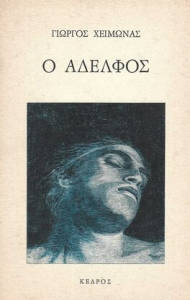
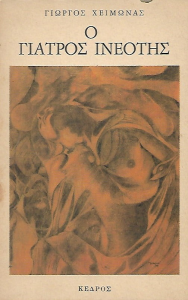
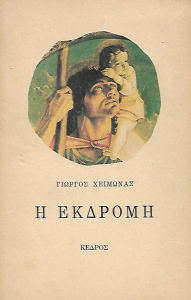
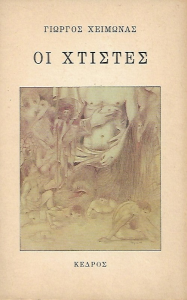
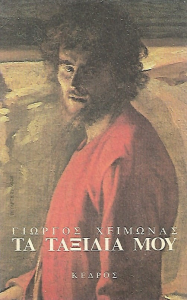
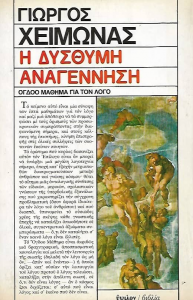
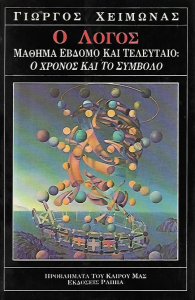
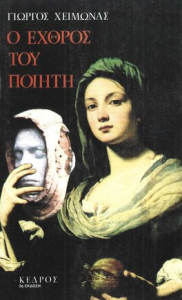
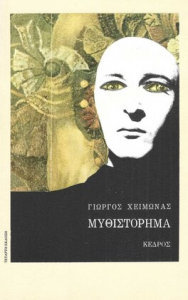
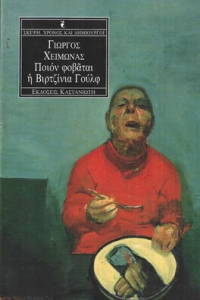
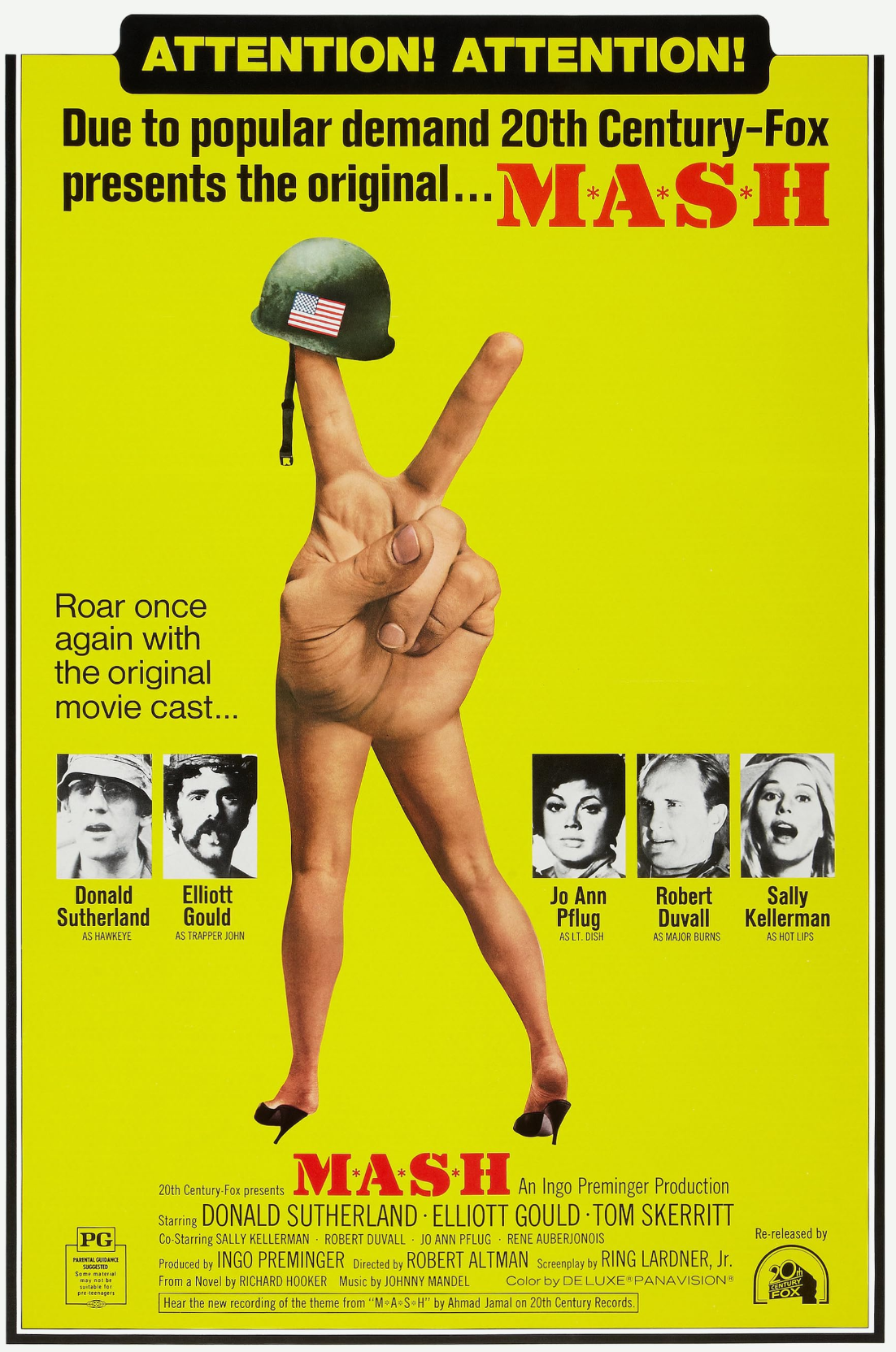
His writings explore the inner aspects of consciousness in a psychoanalytic manner and are characterized by their modern style and many elements borrowed from the anti-novel, such as a flat writing style and the absence of dialogue. Professor Linos Politis describes him as “a writer who is not easy to understand.”
https://www.hartismag.gr/hartis-30/afierwma/o-giwrgos-xeimwnas-metaxy-monternismoy-kai-metamonternoy
There is no doubt, in my opinion, that Giorgos Himonas embodies the purest and at the same time sharpest modernist spirit of modern Greek prose. His wild imagination, his fragmentary syntax, his broken words, the incessant, dreamlike flow of his sentences, but also his paranoid, demented, or even inherently aphasic expression. These characterize his work from the first moment to the last page, not only subverting numerous narrative conventions but also establishing a permanent and profound literary experimentation on his part.
[2] From whatever perspective we view his work and however we understand his language, his images, and his human forms, Heimonas is a convinced modernist who subjects things to multiple tests: from overcoming sequence, rational expression, and regulated (universally accepted and recognizable) meaning to disrupting the inductive order, but also releasing the unconscious with the consequent displacement and burial of the subject. There are certainly not many prose writers in post-war Greece who adhere so passionately to the dictates of formalism. Himonas transforms his texts into a mirror of his writing workshop, taking care to place all materials on a free-floating trajectory. Metaphorical transcendences and historical references, delusional monologues and an inner concentration laden with the speeches and phrases of others (on an ego inflamed by archaic passions and mystical fears or visions), incessant reversals and relapses of an always pretentious plot, unexpected (imaginary and apocalyptic) explosions of an apparently diffuse and perforated plot, surprising metonymies, and games of dazzling reflections through the intense interweaving of identities and heteroidentities make Heimonas’s prose resemble a lonely island in the vast sea, a literary act identified with a relentless struggle—the struggle to eliminate any regularity of meaning, to deprive its reception and acceptance of any legitimacy. And such an attitude naturally results in writing emerging as a concept without any genre label and assuming its function as a completely reduced and at the same time autonomous means of investigating the conditions of the production and creation of art in a regime of complete questioning.
Category : movieDocs , TV-doc , WriterDocs
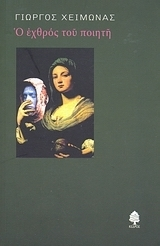
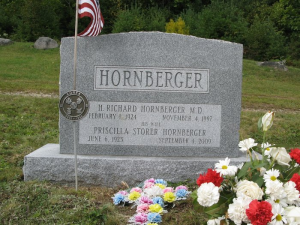
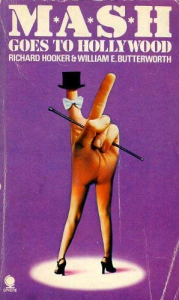
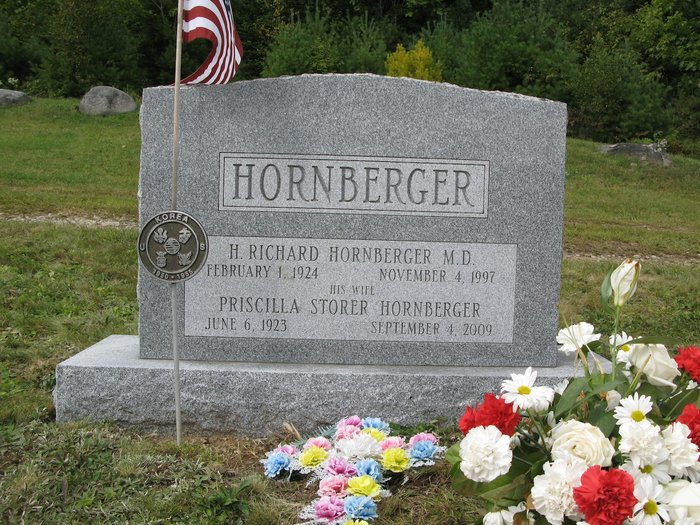
Hiester Richard Hornberger Jr. (February 1, 1924 – November 4, 1997) was an American writer and surgeon who wrote under the pseudonym Richard Hooker. Hornberger’s best-known work is his novel MASH (1968), based on his experiences as a wartime United States Army surgeon during the Korean War and written in collaboration with W. C. Heinz. It was used as the basis for the award-winning, critically and commercially successful movie M*A*S*H (1970) — and two years later, the acclaimed long running television series of the same title.
After graduating from medical school, he was drafted into the Korean War and assigned to the 8055 Mobile Army Surgical Hospital (M.A.S.H.). According to one doctor assigned to the unit, M.A.S.H. units “weren’t on the front lines, but they were close. They lived and worked in tents. It was hot in the summer and colder than cold in the winter.”[3] The operating room consisted of stretchers balanced on carpenter’s sawhorses.[4]
Many of the M.A.S.H. doctors were in their twenties, with few having advanced surgical training.[5] During battle campaigns, units could see “as many as 1,000 casualties a day”. “What characterized the fighting in Korea”, one of Hornberger’s fellow officers recalled, “was that you would have a period of a week or ten days when nothing much was happening, then there would be a push. When you had a push, there would suddenly be a mass of casualties that would just overwhelm us.” There were, another surgeon recalled, “‘long periods when not much of anything happened’ in an atmosphere of apparent safety—plenty of time to play … When things were quiet we would sit around and read. Sometimes the nurses would have a little dance.” Hornberger’s later assessment of his unit’s behavior was: “A few flipped their lids, but most just raised hell in a variety of ways and degrees.”
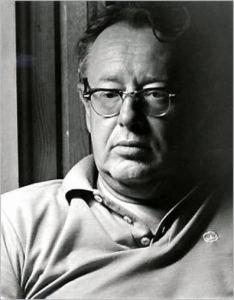
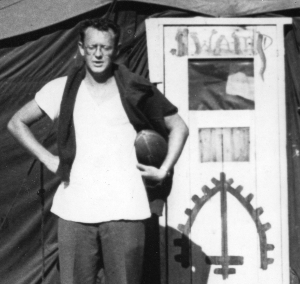
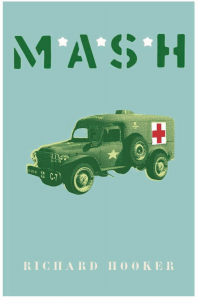
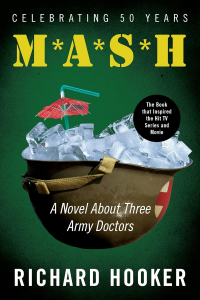
A colleague described Hornberger as “a very good surgeon with a tremendous sense of humor.” Hornberger did label his tent “The Swamp” as do the characters in the novel
After the success of his book and its screen adaptations, Hornberger continued to practice as a surgeon in Waterville until his retirement in 1988. During the later years of his practice, Hornberger did medical research and published his research in peer-reviewed medical journals. He died at the age of 73 on November 4, 1997, of leukemia.
https://en.wikipedia.org/wiki/Richard_Hooker_(author)
https://www.saturdayeveningpost.com/2020/01/five-things-you-didnt-know-about-the-4077th-mash

