Keno spielprinzip

  1. Casino Mit Echtgeld: Wenn ihr bisher nur im Desktop Casino gespielt habt, werdet ihr euch auf dem mobilen Glücksspielportal sehr schnell zurechtfinden.
  2. Roulette Kann Man Gewinnen - Sie können überall spielen und die edlen Dealer von zu Hause aus beobachten.
  3. Casino Erfahrungen: Wenn ich ganz ehrlich sein muss, habe ich noch nie von dieser englischen Rockband gehört und musste sie vor dieser Rezension googeln.

Bibel glücksspiel verboten

Roulette Lernen
Möglicherweise müssen Sie die Druckersoftware herunterladen, bevor Sie fortfahren.
Online Roulette Verdopplungsstrategie
Echtgeldspiel bietet wertlose virtuelle Münzen zum Anpassen von Wetten.
Die Größe des Deckschuhs verändert die Wahrscheinlichkeiten um einige Hundertstel Prozent.

Poker karte

Slots Um Echtgeld
Es gibt viele Vorteile, kostenlose Casinospiele zu spielen, für den Anfang können Sie all die komplizierten oder risikoreichen Casinospiele ausprobieren, die Sie normalerweise meiden würden.
Online Slots Echtgeld
Aus diesem Grund ist es wichtig, dass Sie unserer Website erlauben, Sie in die richtige Richtung zu führen.
Roulette Live Online Kostenlose

  • -

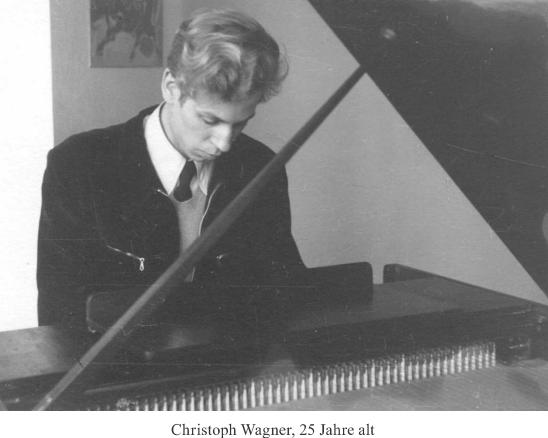
Christoph Wagner

Few people know the musician Christoph Wagner. Anyone who listened to him improvise on the piano understood that it was this immediate proximity to music that motivated and drove him to create a science for musicians.

Born on May 20, 1931, in Marburg, Christoph Wagner grew up in Weilburg/Lahn in a culturally diverse and stimulating home. Despite only sporadic piano lessons due to the war, the boy soprano developed into a sensitive pianist who mastered the great works of piano and violin literature. Even as a young man, he was a sensitive chamber music partner and accompanist. From early childhood, improvisation was also second nature to him. Throughout his life, it remained a source of spiritual balance – later in a musical language that was partly reminiscent of Bach, but often also of Brahms or Schumann.

1958 – 1963Music studies in Detmold – majoring in conducting with Martin Stephani, piano with Renate Kretschmar-Fischer, composition with Günter Bialas

Christoph Wagner’s longing for music was so constant that in 1958, after studying medicine (“out of reason”) and subsequently obtaining his doctorate, he began studying music with a major in conducting. In Detmold, he enjoyed a musically fulfilling time—but on the other hand, doubts crept in:
“The idea for a systematic investigation into the physiological foundations of music performance arose during my music studies, which followed my medical studies. Given the conceptual background of natural science, with its efforts to objectively validate insights and decisions as much as possible, it seemed strange that musical education relied solely on subjective experience, despite obvious contradictions in methods and results. Successes were admired, failures were usually explained away as a lack of talent, but their causes were not investigated. The increasing incidence of tendonitis and similar complaints remained consistently silent. It was obvious that many of my fellow students were unsure of themselves and suffered from self-doubt. As my studies progressed, it became increasingly clear to me that this dilemma could be significantly improved if the work of musicians and its physiological prerequisites were scientifically investigated. In 1963, at the end of his music studies in Detmold, he predicted to his then piano teacher Renate Kretschmar-Fischer while out for a walk: “There will be an institute dedicated to this task full-time.” – Eleven years later, the time had come.
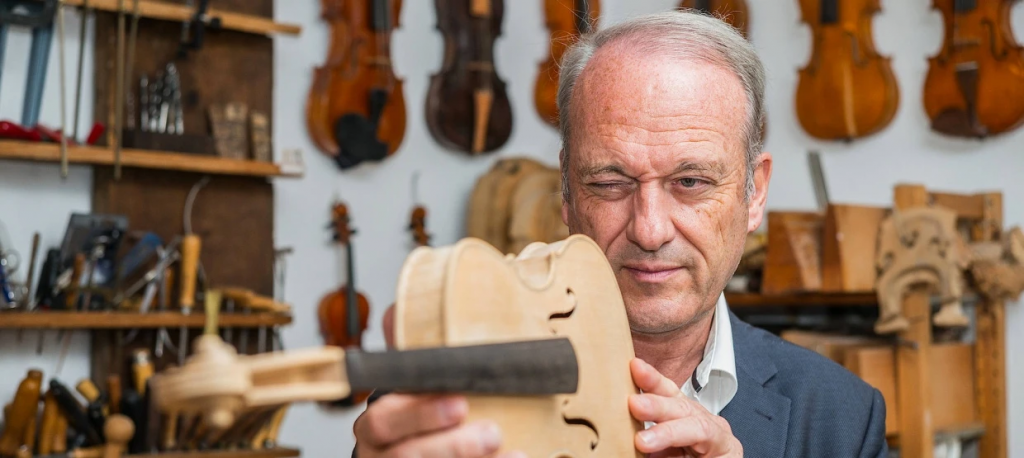
http://www.christoph-wagner-musikphysiologie.de

https://dgfmm.org/nachruf-christoph-wagner


  • -

Jochen Blum

Jochen Blum (born January 22, 1959 in Ludwigshafen) is a German specialist in surgery and trauma surgery, professor of music physiology, and author of specialist books.

He is a co-founder and long-standing board member of the German Society for Music Physiology and Musicians’ Medicine (DGFMM).

Excerpt from an interview:

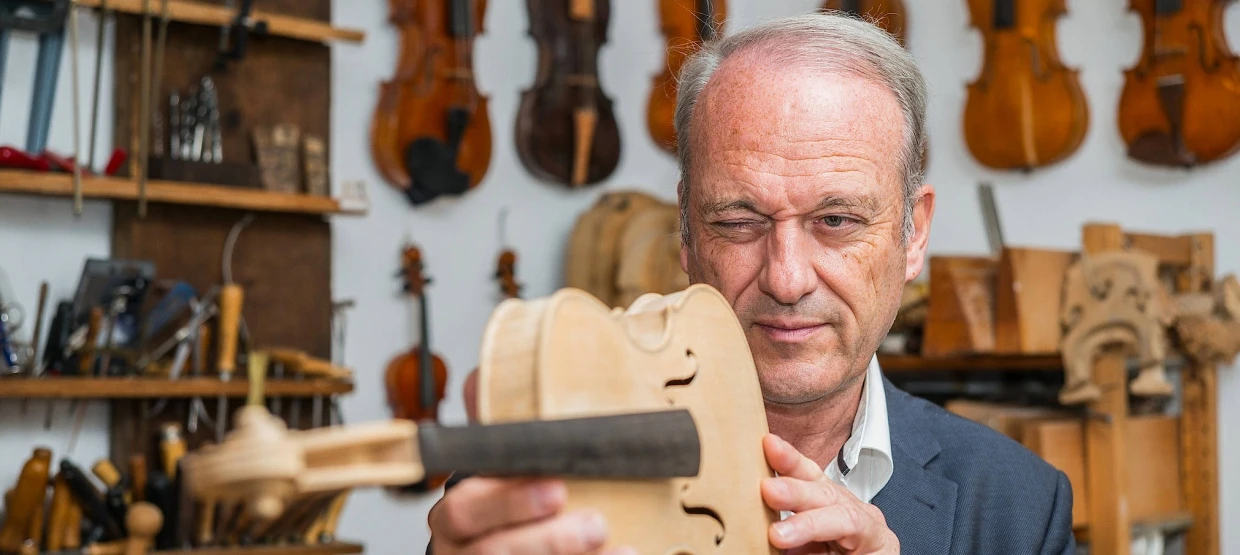
Back then, a violin maker and now chief physician for trauma surgery, orthopedics, and hand surgery, what motivated you to become a doctor—the decision to ultimately pursue a career in medicine?

It’s been around for a while; it was already an idea when I was at school. They’re two parallel worlds. I also studied instrument making during my school years.

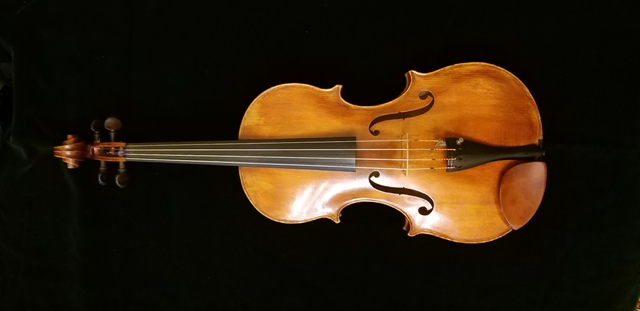
I trained with Stelio Rossi in Siena; this is what his instruments sound like:

Towards the end of this time, I also considered possibly going into music therapy, because I was an avid musician. However, I was already aware that working at a professional level, as a professional musician, was something I had a different view of. I didn’t necessarily want to eke out a life in the back row of a small orchestra, and I didn’t really have the skills to pursue a major solo career.

In addition to classical music, I did indeed play rock and jazz in bands, but that was simply for the joy of playing rather than the idea of ​​making it a career. But I knew that after finishing school and graduating from high school, I didn’t want to immediately continue on to university the next day, so to speak, but rather wanted to deepen my knowledge of this practical area, and I had the opportunity to learn the craft of violin making from a luthier in Italy.

Viola Stelio Rossi

Although it was already clear to me back then that I wanted to go on to university again, and that’s exactly what happened. During my time as a violin maker, I had a few customers – in this case, they weren’t patients, but customers who wanted things changed – and I asked myself whether it wasn’t more of a medical problem that was bothering them. But of course it was all a bit vague, so I’d say the roots of both were there early on, but ultimately it developed in such a way that after completing my violin making training, I definitely wanted to study medicine, and I was then able to combine the two areas a bit later on.

https://www.medpertise.de/musikerkrankheiten-krankheitsbilder-prof-blum

https://dgfmm.org/blum

https://de.wikipedia.org/wiki/Jochen_Blum


  • -

Thomas Scherb

Friday, April 18, 2025, 3 p.m.
Xenia Preiseberger, Thomas Scherb, Wolfgang Heilmann (piano)
Kurt-Laurenz Theinert (light installation)
Angela Fabian, Dietmar Zoller (liturgy)

Erik Satie’s “Vexations” is a very short work. However, the composer demands that the piece be repeated 840 times. The three pianists alternate every two hours, and the church will be open all night. It is possible to enter and leave the church at any time. In addition to the music and the two services, a slowly changing light installation bathes the Marktkirche in a new glow and illustrates the events. At the hour of death (Good Friday, 3 p.m.), the music fades into silence.
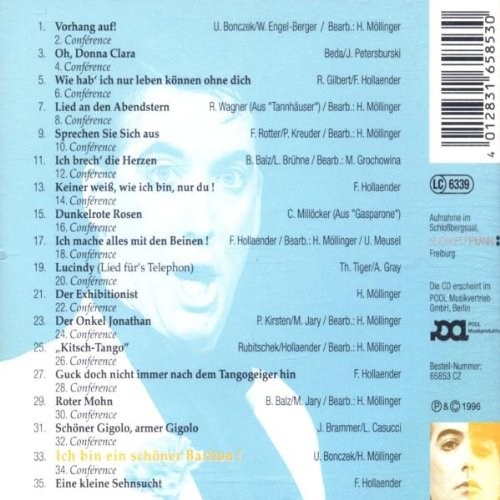
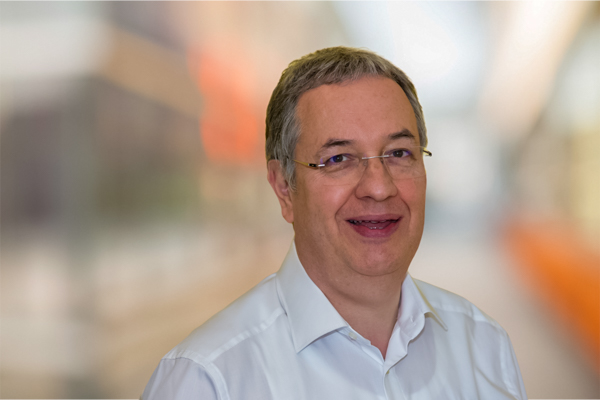
District Cantor Wolfgang Heilmann invites you to this musical-liturgical experiment on Maundy Thursday and Good Friday. Good Friday, a new imposition every year. This man on the cross. The world’s suffering is concentrated on him. Again and again the question of “why.” Endurance and compassion, vigil and prayer. That is the task.
Precisely this liminal experience is also intended to be conveyed by the liturgical format. The two services with Holy Communion in the Marktkirche Bad Bergzabern on Maundy Thursday (April 17, 7 p.m.) and Good Friday (April 18, 10 a.m.) will be unusual, disconcerting, reduced, and set to music by Erik Satie (1866-1925).

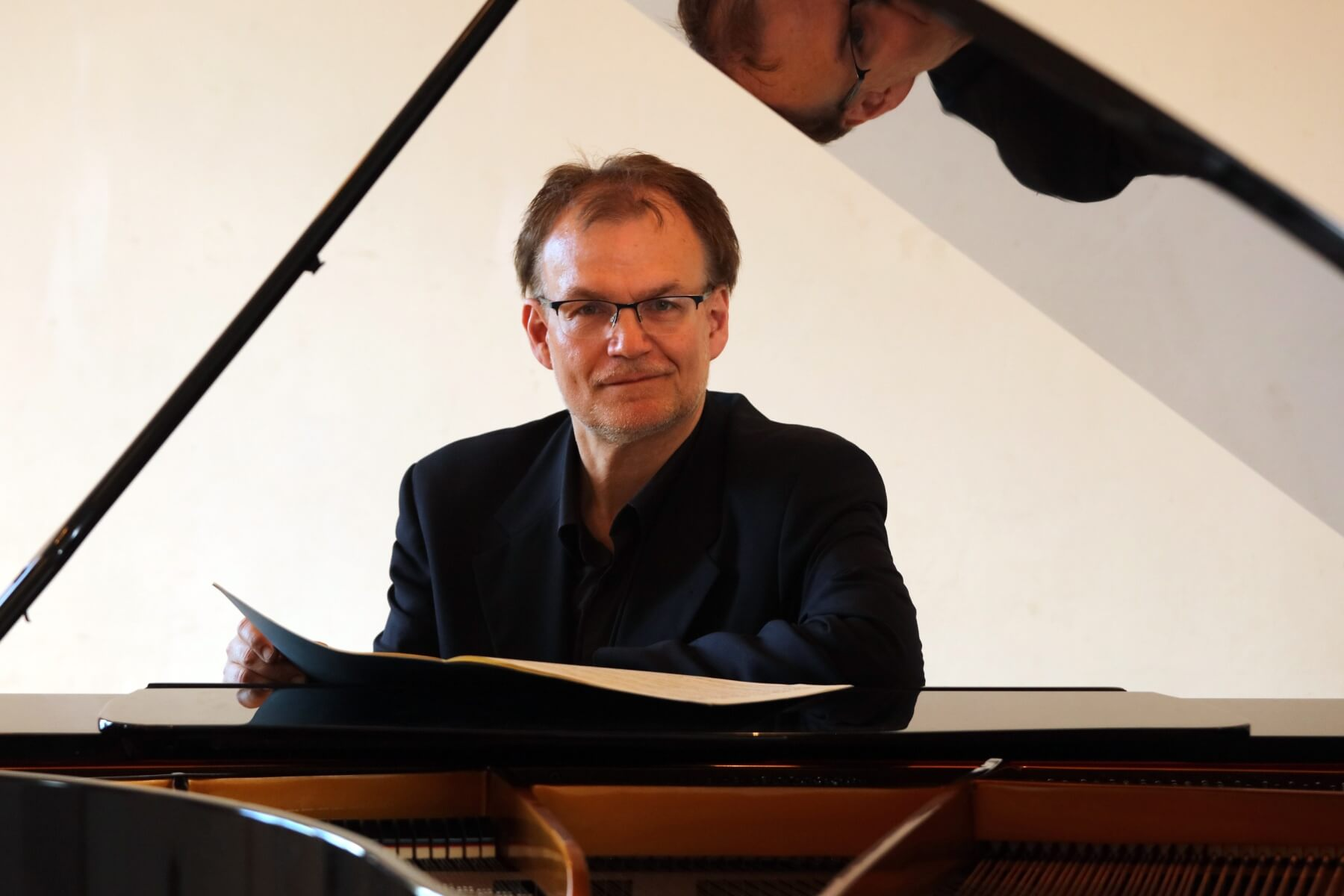
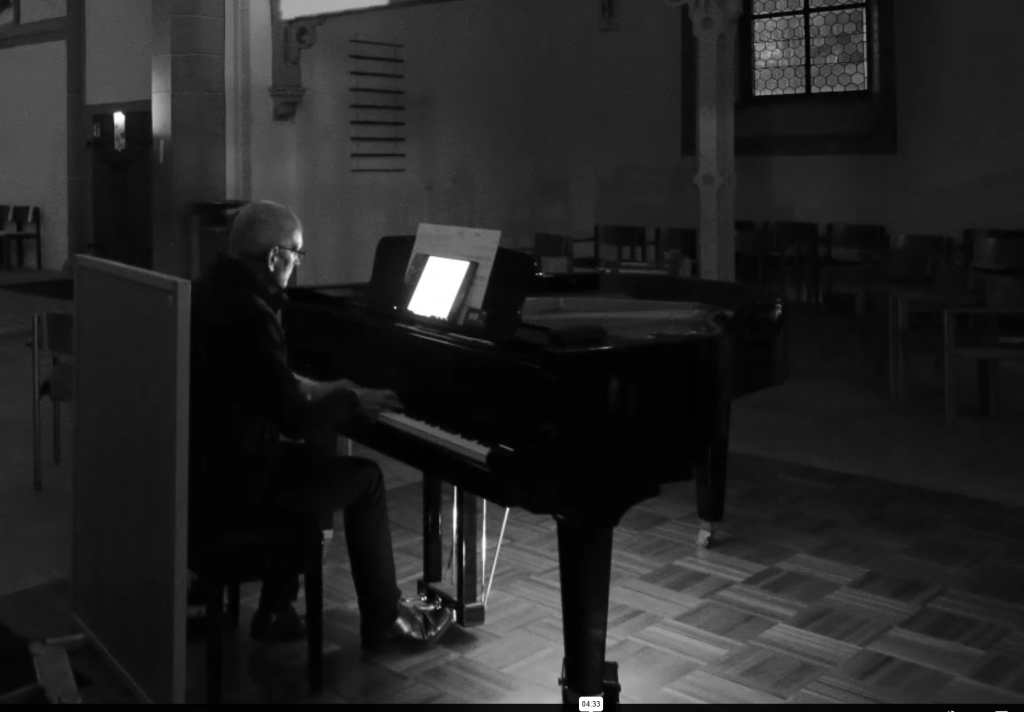
The doctor and medical journalist Thomas Scherb returned late but very successfully to his youthful profession as a pianist.

https://www.rheinpfalz.de/startseite_artikel,-thomas-scherb-mit-dem-ehrenamt-zur%C3%BCck-im-eigentlichen-leben-_arid,5503878.html

Programm 2024 mit vielen Beiträgen von Thomas Scherb


  • -

Kwame Boaten

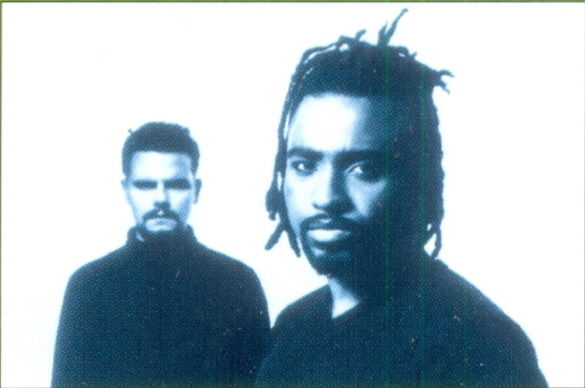
Kwame is something quite unusual, a collaboration between an African trumpeter and metal musician (Kwame Boaten) and a Swedish guitarist who has previously devoted himself primarily to classical music (Carl Ljungström). They met a few years ago in a music student dormitory in London. This would be the beginning of “Volatile.”

On the album cover, I see a blurry image of a dark-haired guy with dreadlocks. Yes, I think it’s another Swedish hip-hop artist hanging out with Ken and the guys. Oh, what a mistake I made. Ghanaian-born Kwame Boaten has brought new light into the pop fog with his calm, captivating music. After a few years, he found Calle Ljungström, a former metal musician, at music school in London. The two began a slow and cautious collaboration, and now we hear the final result. It quickly becomes clear: when you bring two musicians with such different backgrounds into a studio, it works really well.

The album Volatile is difficult to describe precisely, as it differs so markedly from other productions in this genre. Calle Ljungström is responsible for the beautiful strings and guitars, and Kwame for his wonderfully beautiful, bright voice. Also in the studio are names like Magnus Frykberg, Pontus Olsson, and Lars Halapi, who have also never performed in similar contexts before. An exciting collaboration that I’d like to learn more about. If it’s long enough for another album.

The danger of rehashing unbearable, sleazy music is in the air when a classical guitarist of Ljungström’s caliber is about to release an album. But to be blunt, that’s not a good way to get off. The sound is a bit too clean and suitable for a living room at times, but it also avoids unnecessary gimmicks.

Furthermore, this could probably be described as music for adults, and some songs have an almost baroque touch at times, but it never becomes intrusive. Ljungström, on the other hand, provides striking tones with his six nylon strings, which, together with Boaten’s tasteful voice, create cool, slightly melancholic songs of the quiet variety. One danger of this restrained music is that certain elements tend to become repetitive. This is partly the case here, as the same mood runs through almost the entire album. And it’s nice, isn’t it, but a little more variety wouldn’t have hurt.

The vocals are at times Jeff Buckley-esque and at least as intense and captivating. The fact that the strings also play a fairly large role makes the whole thing even more exquisite, and it’s impossible not to curl up and enjoy it—as is usually the case.

1993 he has worked at the theatre of Kiel / Germany.

https://www.smp.se/artikel/kwame-volatile

https://www.hungama.com/song/volatile/35229063

https://www.puls.no/937.html

https://ng.se/recensioner/musik/volatile


  • -

Richard Bauer

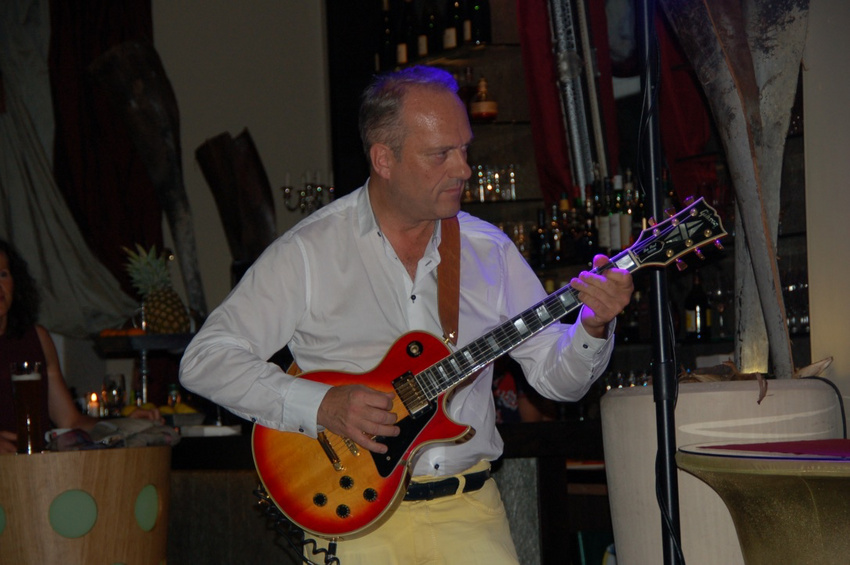
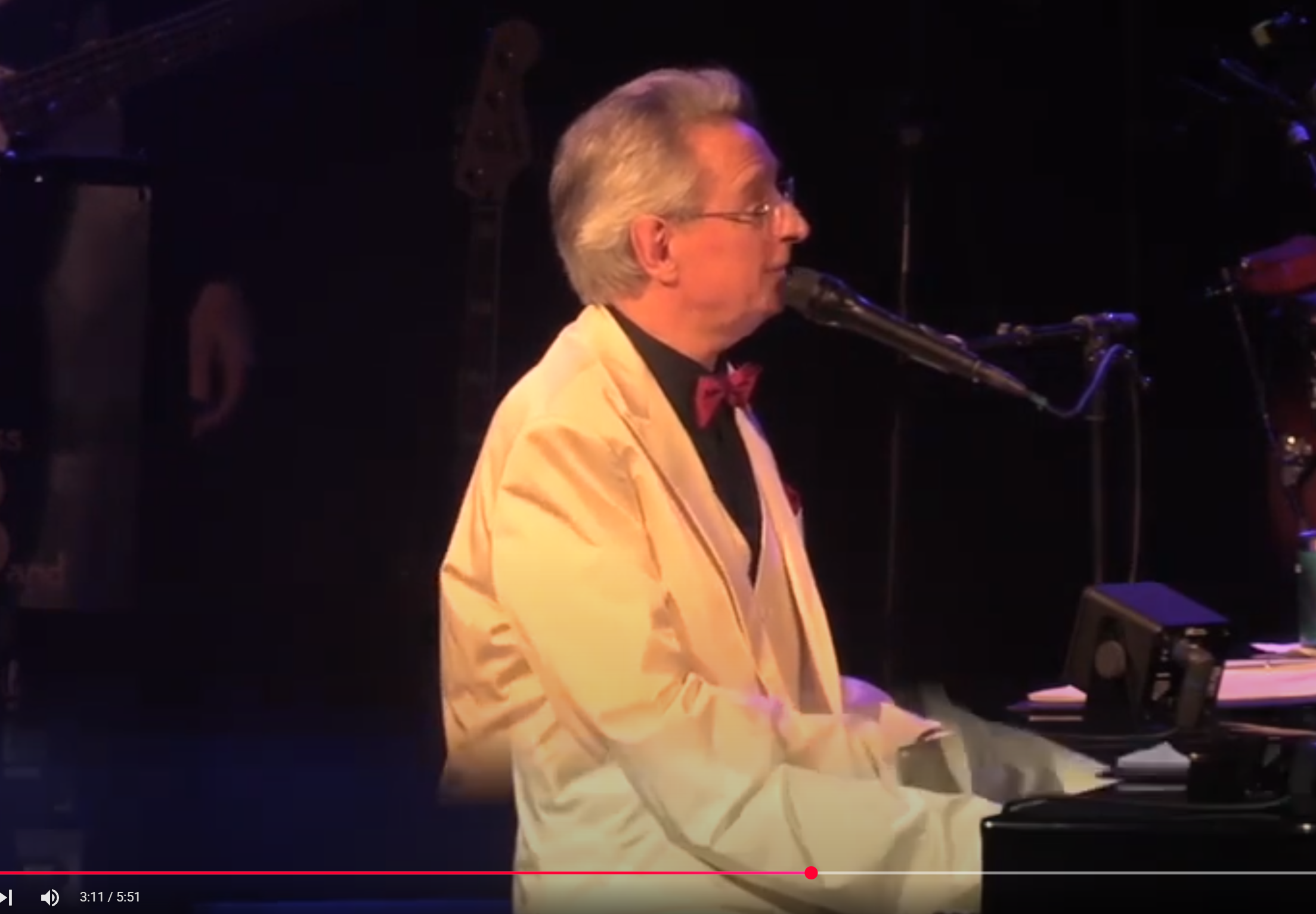
Seine erste Liebe, sagt der heute (2025) 72-Jährige, war jedoch immer die Musik. Und das begann schon im Kindesalter. Wenn seine älteren Schwestern Klavierunterricht hatten, dann hörte er zu und spielte die Melodien später selbst nach – ohne Noten, nur nach Gehör. Aber auch an der Gitarre war Richard Bauer talentiert: Schon 1972 hatte er einen Auftritt in der Saarlandhalle in Saarbrücken, mit der damals in der Region bekannten Band „Studio 64“.

Hauptberuflich ging es dann zwar mit der medizinischen Karriere weiter, aber daneben blieb die Kultur für Richard Bauer immer eine „Parallelwelt“, in die er sich gerne zurückzog. Nicht nur musikalisch, auch kabarettistisch war er aktiv, mit Programmen wie „Strapsodie in Bluff“. Jetzt, nachdem er seine Laufbahn als Arzt beendet hat, kann er sich ganz der Musik widmen.

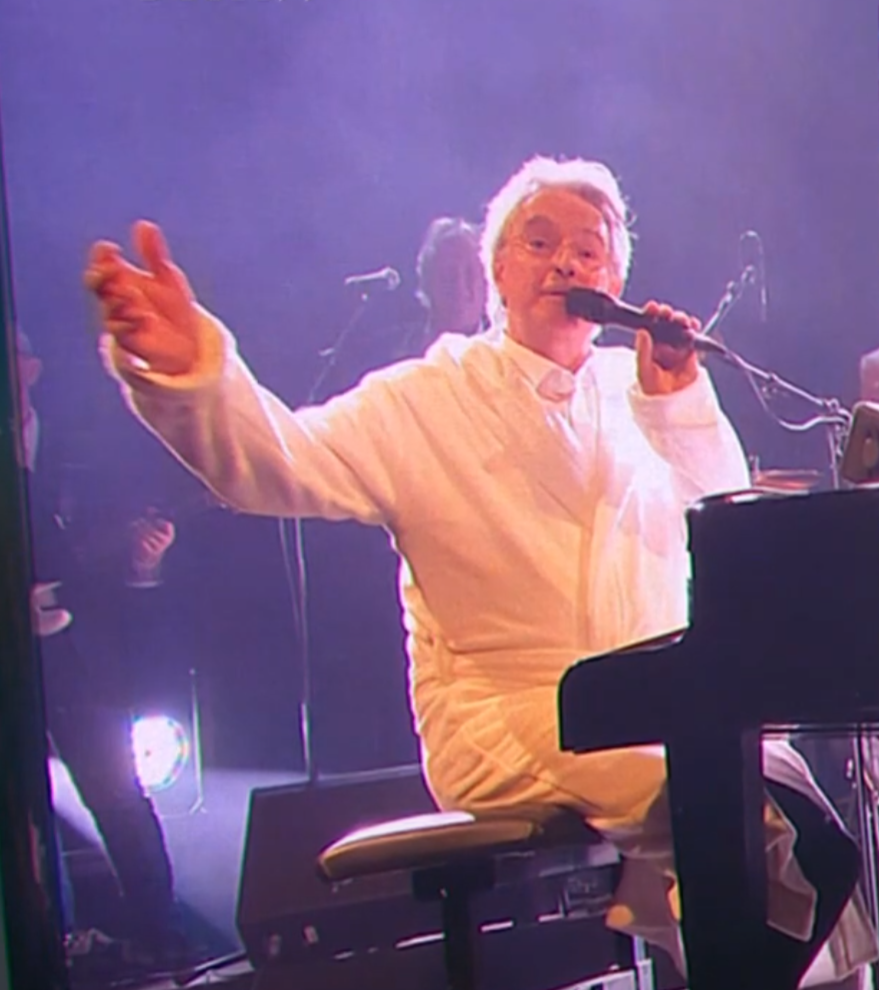
Für sein aktuelles Projekt hat Richard Bauer den Arztkittel gegen den Bademantel eingetauscht, das Markenzeichen von Udo Jürgens. Am 11. November 2014 besuchte er eines der letzten Konzerte des österreichischen Sängers.

„Sechs Wochen später die Todesnachricht von Udo, den ich zuvor noch zu präsent auf der Bühne erlebte. Der Wunsch, seine großen Lieder live mit meiner 2012 gegründeten BAUERS BRASS BAND in Szene zu setzen, wurde immer stärker gefühlvoll und authentisch interpretieren Udo, ich bin Deiner Meinung: „Die Welt braucht Lieder.“

Mit der im Jahr 2012 gegründeten Bauers Brass Band machte er sich daran, den Titel für sein neunköpfiges Ensemble zu bearbeiten. 2019 war es dann so weit: Zum fünften Todestag von Udo Jürgens erblickte das Programm „Hallo Udo“ in der Saarburger Stadthalle das Licht der Welt. „Der Saal war zum Brechen voll“, erinnert sich Richard Bauer. Alle Konzerte ausverkauft. „Wir hätten doppelt so viele Karten verkaufen können.“ In Richard Bauers Band spielt an der Querflöte auch seine Tochter Katharina. Mit ihr singt er natürlich auch das Duett „Liebe ohne Leiden“, das schon Udo Jürgens mit seiner Tochter sang.

https://www.halloudo.de/ueber-uns

https://www.volksfreund.de/die-woch/bademantel-statt-arztkittel-von-dr-bauer-zu-hallo-udo_aid-125740523

https://www.volksfreund.de/region/konz-saarburg-hochwald/saarburger-arzt-dr-richard-bauer-geht-in-ruhestand_aid-81820633


  • -

Matthias Weikert

Dr. Weikert ist im Amateurbereich als Geiger- und Kammermusiker engagiert und in dieser instrumentalen Ausübung u.a. Mitglied des Bayerischen Ärzteorchesters (ehem. unter der Leitung von Prof. Dr. R. Steinberg; jetzt Projektorchester mit wechselnden Dirigenten) und des Orchesters am Singrün Regensburg (Dirigent Michael Falk).

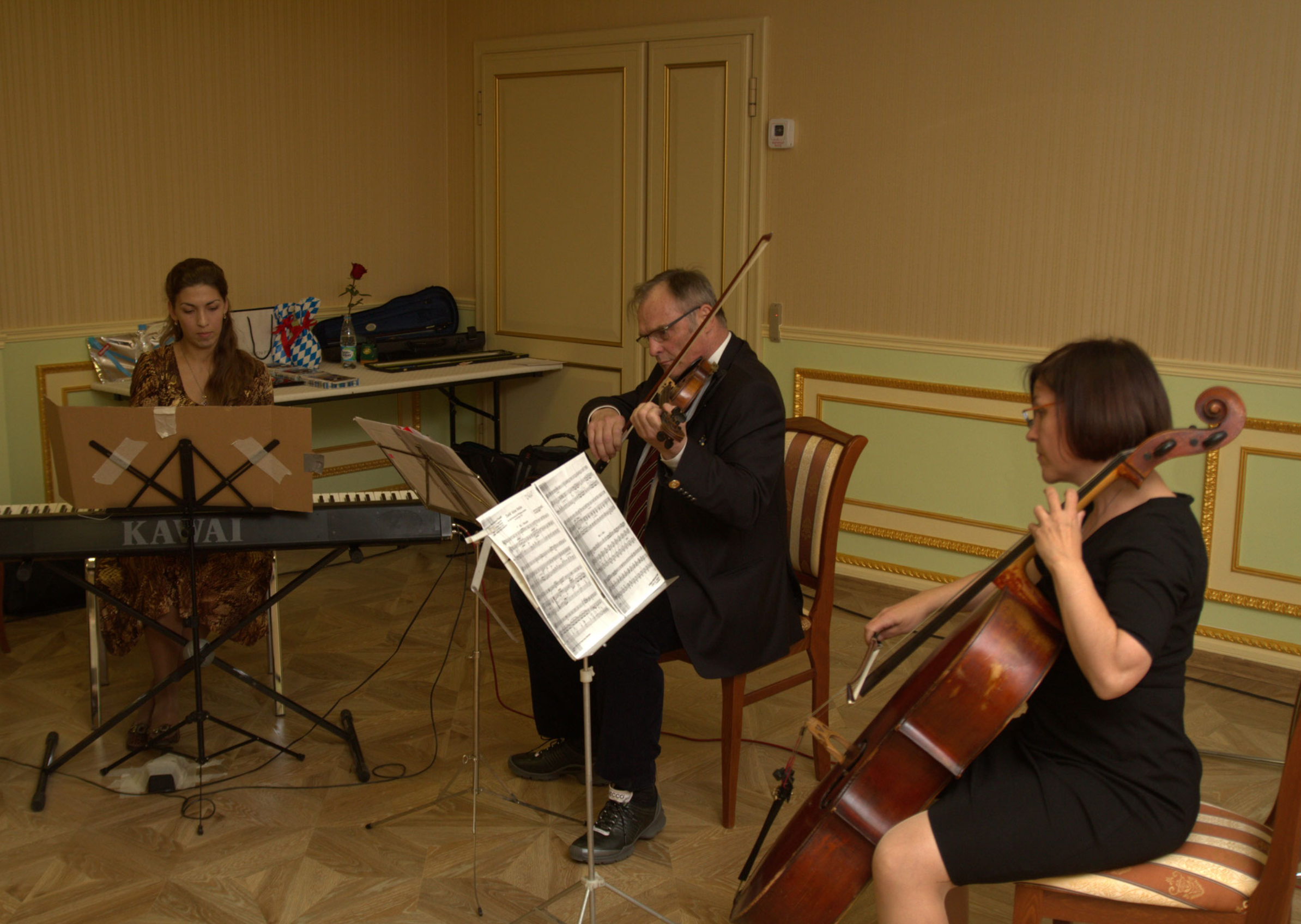
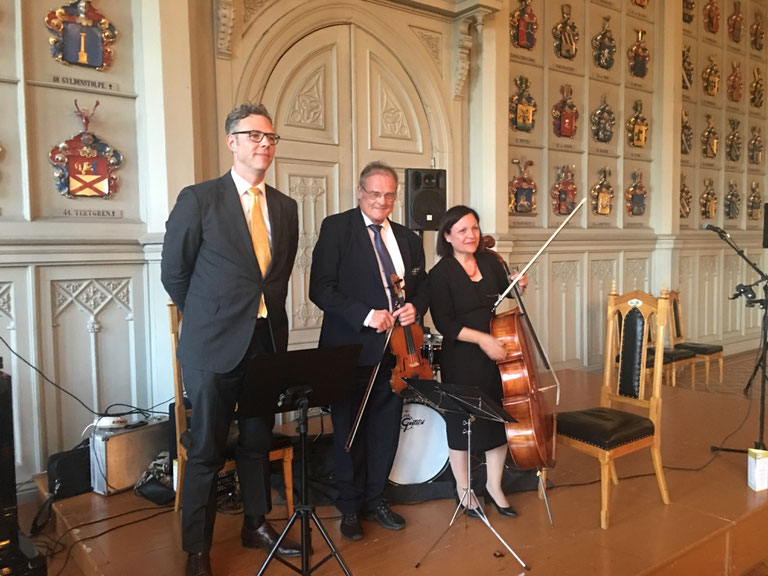
Klaviertrio der UEP (Union Europäischer Phoniater), 2019 im Galakonzert Helsinki, House of Gentlemen.
Prof. Dr. Dirk Deuster, Münster (Klavier), Dr. Matthias Weikert, Regensburg (Violine) und Frau Kathrin Neumann, Münster (Violoncello).

https://der-stimmarzt.jimdofree.com

https://www.youtube.com/@matthiasweikert2362


  • -

Claudia Spahn

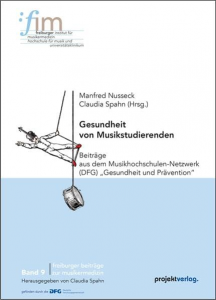
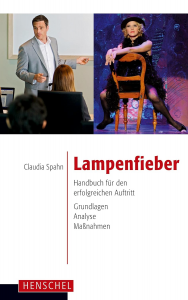
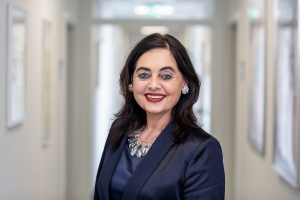
Claudia Spahn (*1963) is a German musician’s medicine specialist and director of the Freiburg Institute for Musicians’ Medicine. She is a leading researcher in the development of music physiology and musicians’ medicine, particularly in the field of stage fright and performance anxiety.

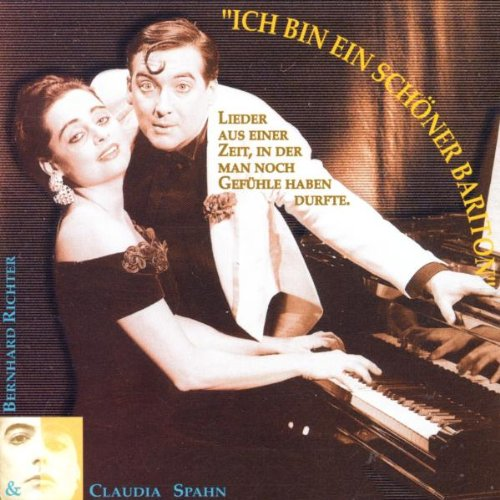
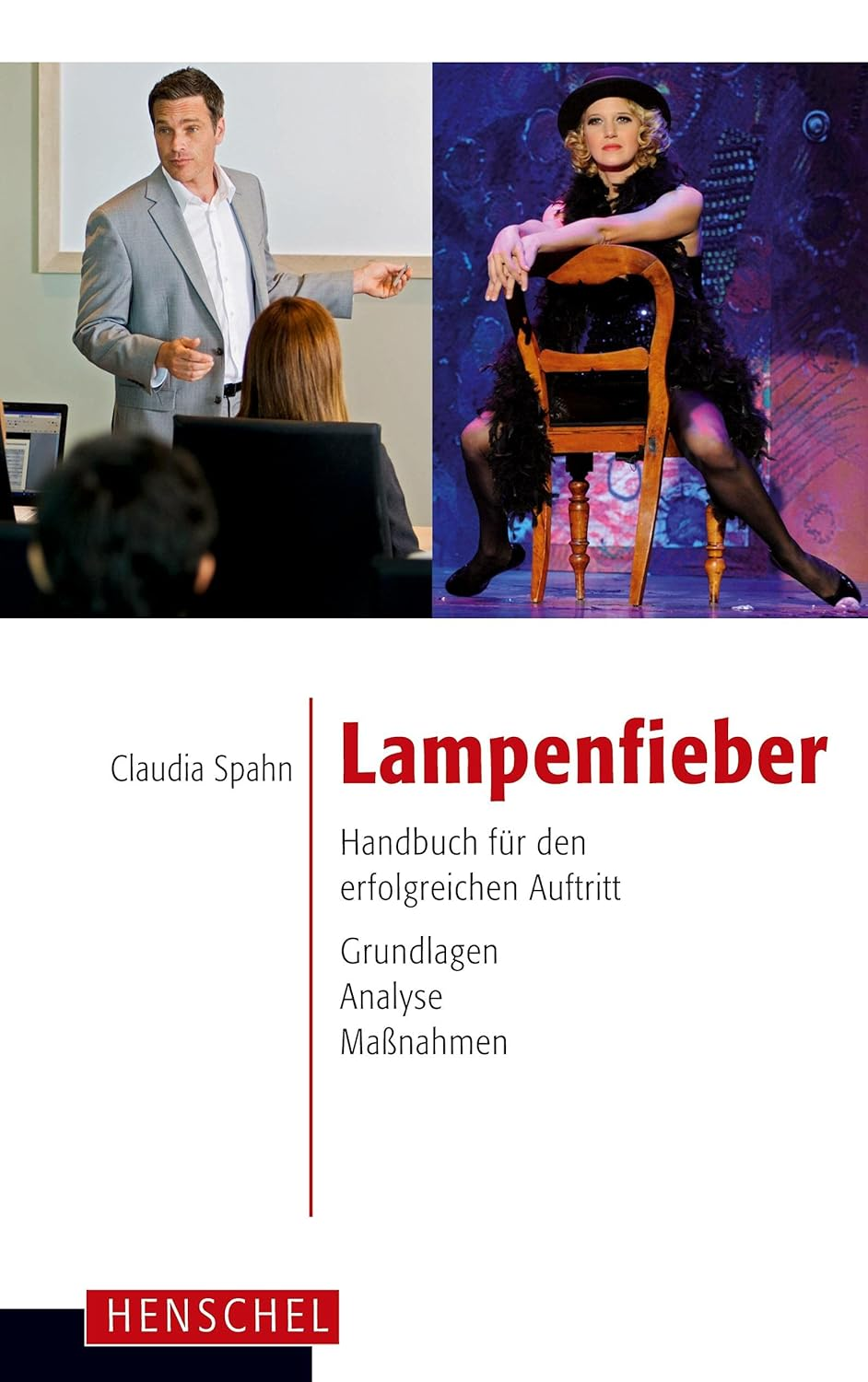
Claudia Spahn has received artistic training in recorder as a solo instrument, piano and violin since childhood. With the recorder and piano, she has won several prizes at the state competition Jugend musiziert. She has also trained in classical ballet, modern dance and tap dancing. Spahn studied medicine at the Albert Ludwig University in Freiburg, as well as in Paris and Switzerland. From 1986 onwards, she has also studied music teaching at the Freiburg University of Music, majoring in recorder, graduating in 1991 with a diploma in music teaching. Since 1992, Claudia Spahn has made numerous appearances as a pianist in the music cabaret duo Die schönen Baritons – together with baritone Bernhard Richter. From 1994 to 2004, she performed as a pianist and recorder player in musical theaters in France.

In 1992, Spahn began her medical training in the fields of psychosomatic medicine, internal medicine, and psychiatry. In 1993, she received her doctorate in medicine, and in 1999 she became a specialist in psychotherapeutic medicine. In 2004, she completed her habilitation at the Medical Faculty of the University of Freiburg on the topic of prevention in higher education for musicians. In the winter semester of 2005/2006, Claudia Spahn was appointed professor of musicians’ medicine at the Freiburg University of Music. Since then, she has headed the Freiburg Institute for Musicians’ Medicine (FIM) – an institution of the University of Music and the Medical Faculty of the Albert Ludwigs University of Freiburg – together with Bernhard Richter. In 2017, Claudia Spahn became Vice Rector for Research and International Relations at the Freiburg University of Music. In 2020, she received her doctorate in systematic musicology.

Claudia Spahn has significantly advanced the field of music physiology and musicians’ medicine, both structurally and in terms of content. She has written and edited several standard textbooks. She teaches music students the physical and psychological foundations of music-making, preventative body-oriented approaches, and how to deal with stage fright. Music physiology can be studied as a standalone minor at the Freiburg Research and Teaching Center for Music. She also teaches medical students in the preclinical and clinical study phases at the Freiburg Medical Faculty.

In the outpatient clinic of the Freiburg Institute for Musicians’ Medicine at Freiburg University Hospital, Spahn treats musicians with the full range of musicians’ medical conditions, particularly pain and strain syndromes. She offers a special consultation for patients with psychological problems, particularly performance anxiety.

https://www.mh-freiburg.de/personen/details/prof-dr-med-dr-phil-claudia-spahn

https://www.uniklinik-freiburg.de/musikermedizin/mitarbeiter/prof-dr-claudia-spahn.html

https://de.wikipedia.org/wiki/Claudia_Spahn

https://www.aerzteblatt.de/archiv/interview-mit-prof-dr-med-claudia-spahn-musikermedizinerin-lampenfieber-ist-ein-positives-phaenomen-ad161952-9c89-4068-91f4-536cb689f027


  • -

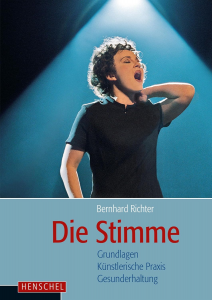
Bernhard Richter

Bernhard Richter (* 1962) is a German physician-musician and director of the Freiburg Institute for Musicians’ Medicine.

Richter received his musical training as a singer with the Stuttgart Hymnus Boys’ Choir and through violin lessons with Hedwig Pahl. He studied medicine at the universities of Freiburg im Breisgau, Basel, and Dublin. Parallel to his studies, Richter studied singing with Beata Heuer-Christen at the Freiburg University of Music from 1986 to 1991, culminating in a concert exam. Since 1992, Bernhard Richter has performed numerous times as a singer, including with pianist Claudia Spahn in the musical cabaret duo Die schönen Baritons.

After receiving his doctorate in medicine and completing two specialist training courses as an ENT specialist and a phoniatrist, Bernhard Richter qualified as a professor in 2002. In 2005, he was appointed professor of musician’s medicine with a focus on artistic voice training at the Faculty of Medicine at the Albert Ludwig University of Freiburg. He teaches voice physiology and hearing physiology at the University of Music and the Faculty of Medicine at the Albert Ludwig University.

Since its founding in 2005, Bernhard Richter has directed the Freiburg Institute for Musicians’ Medicine together with Claudia Spahn. He is responsible for the medical care of singers and musicians. He also cares for voice patients in speaking professions, such as actors and teachers.

The qualified psychosomaticist with a full range of recorder skills and the singing speech therapist with the greasy curls love performing late at night and in small groups. Their late-night performances in front of a maximum of 150 guests feature irony, chansons, and also Lieder and Schubert evenings with classical music.

Although neither Spahn nor Richter come from families of musicians or doctors, they pursued a dual career from an early age.

Recorder, piano, and violin, and before graduating from high school, they also received a scholarship to the Würzburg Conservatory of Music with her, joined the boys’ choir (Hymnus Chorknaben Stuttgart) from eight until his high school graduation, and simultaneously took singing lessons for him as a community service paramedic.

https://de.wikipedia.org/wiki/Bernhard_Richter_(Mediziner)

https://www.uniklinik-freiburg.de/musikermedizin/mitarbeiter/prof-dr-bernhard-richter.html

https://www.aerztezeitung.de/Panorama/Die-schoenen-Baritons-angehende-Professoren-mit-Hang-zur-leichten-Muse-379039.html

http://swisscharts.com/album/Burkhard-Richter-&-Claudia-Spahn/Ich-bin-ein-schoener-Bariton-37988

https://www.sack.de/spahn-richter-musik-mit-leib-und-seele/9783867391146

Auftritt bei Psychotherapietagen https://www.facebook.com/watch/?v=3167883983283721


  • -

Uwe Ochs

1982 Passed the C-level examination in church music (choir conducting, organ, piano, vocals)

1984–2000 Organist and pianist of the Daimler-Benz Choir Stuttgart, the Esslingen Police Department Choir, and the Swabian Singers’ Selected Choir.

1976–2000 Temporary organist and choir director (St. Ulrich, Maria Königin, Kreuz- und Thomaskirche Kirchheim-Teck)

Singing, organ and piano playing, classical music, swimming, water polo, cycling, badminton, collecting model trains and old tin toys, model making (remote-controlled airplanes, trains)


  • -

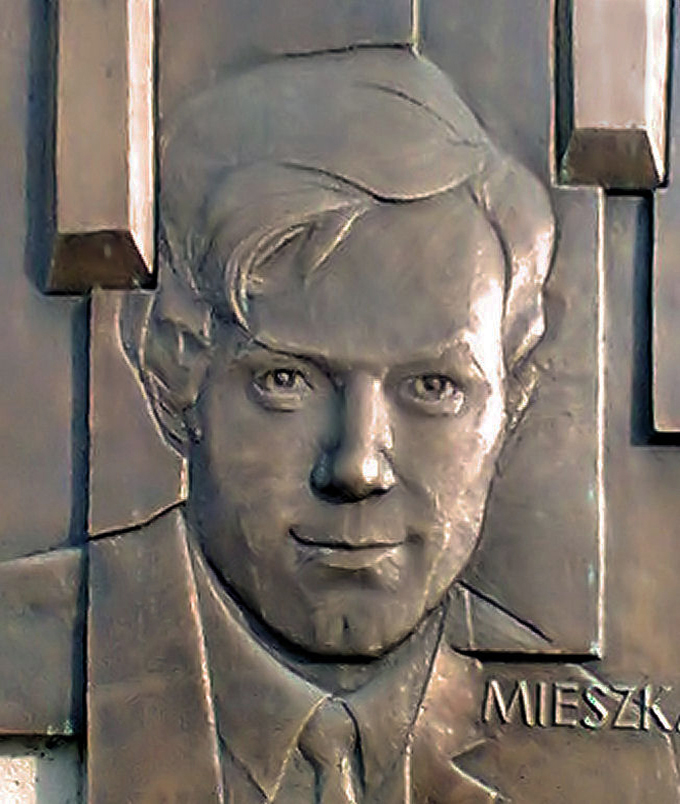
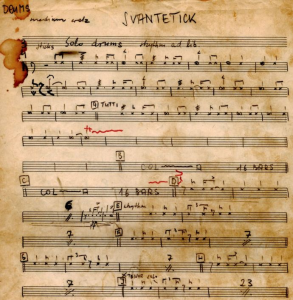
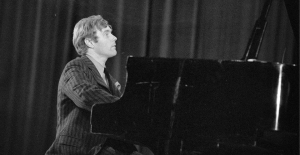
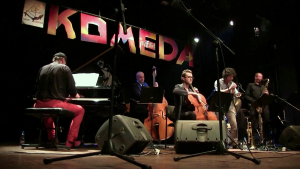
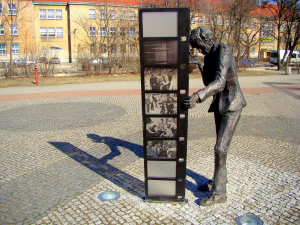
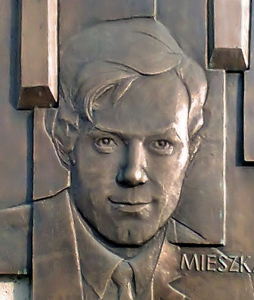
Krzysztof Komeda

Krzysztof Komeda (born Krzysztof Trzciński; April 27, 1931 in Poznań – April 23, 1969 in Warsaw) was a Polish jazz pianist and composer of jazz and film music of international renown. According to Jan Wróblewski, Komeda occupies a similar musical rank in Poland to Chopin.

In his youth, he received piano lessons in Ostrów Wielkopolski (German: Ostrowo), where he lived from 1946 to 1951. Later, he became a student at the Conservatory in Poznań (piano lessons and music theory). He then decided to study medicine. His father, Mieczysław Trzciński, was a banker and took over the position of branch director of the National Bank of Poland in Poznań in December 1952. During his studies, he lived there with his parents from 1952 to 1956[2] and had his own piano.[3] As a student, he made contact with the Krakow underground jazz scene. They met in private apartments or nightclubs, the “catacombs of jazz”.[3] His interest in popular and dance music shifted from Dixieland to bebop and finally to contemporary jazz.

Komeda-Trzciński celebrated her first national success in August 1956 at the first jazz festival in Sopot with the Komeda Sextet. News of a jazz festival had spread like wildfire throughout Poland. The completely improvised event attracted approximately 30,000 to 50,000 young Poles, who spent the night on lawns, in parks, or in beach chairs.

The festival began with a parade similar to the New Orleans orchestra parades at Mardi Gras. The Komeda Sextet, in two boxes, symbolically buried the traditional Dixieland jazz and dance music. Since all the newspapers reported on the first free jazz festival, jazz music could no longer be banned from public view as easily as before.

https://de.wikipedia.org/wiki/Krzysztof_Komeda

https://en.wikipedia.org/wiki/Krzysztof_Komeda


[pms-account]