Casino Einzahlung Bonus 2026: Um mit der Platzierung von Sportwetten in Ghana zu beginnen, müssen zuerst einige Dinge getan werden.
Kostenlos Spielen Hot To Burn Hold And Spin Freispiele Ohne Einzahlung - In der versenkten Rechnung, Lizenzen für Sportwetten wären an die sechs Casinos der Staaten gegangen, Marylands Pferderennbetreiber, das State Fairgrounds in Timonium, möglicherweise OTBs, und möglicherweise an ein Stadion der Washingtoner Fußballmannschaft, wenn in Maryland ein neues gebaut worden wäre.
Eine Sache, die High Roller beim Britains Got Talent Slot vermissen könnten, ist das Fehlen eines progressiven Jackpots.
Sie erhalten 15 Freispiele bei verdreifachten Auszahlungen.
Online kartenspiele kostenlos deutsch
Casino Austria Geburtstagsbonus
Wenn Sie jemals in einem US-Casino gespielt haben, sind Sie sicherlich auf ihre Spiele gestoßen, aber da sie in immer mehr Casinos weltweit angeboten werden, werden immer mehr Spieler mit diesem Anbieter vertraut.
Online Casino Paysafe Ohne Anmeldung
Das Feueropal-Logo belohnt Sie mit dem 2,000-fachen Ihres Linieneinsatzes, was 100,000 Münzen entspricht, wenn Sie mit dem optimalen Einsatzwert von 50 spielen würden.
Ohne Anmeldung Kostenlos Roulette Spielen
Bernhard Ehlen SJ (born March 5, 1939 in Berlin) is a German Jesuit and founder of Doctors for Developing Countries (now German Doctors).
Ehlen entered the Jesuit order in 1958. After graduating from Canisius College in Berlin, he studied philosophy, theology, and education. After his ordination in 1968, he taught religion at Canisius College from 1970 to 1971. He then worked as a youth pastor in Hanover until 1975, as well as a religion teacher at the Bismarck School and Tellkampf School high schools[2], and as a teacher and youth worker in Berlin until 1981. From 1982 to 1983, he was a teacher and youth pastor at the Sankt Ansgar School in Hamburg.
In 1981, he also joined the Cap Anamur Committee and worked as a project coordinator in refugee camps in Somalia. These experiences gave rise to the idea for the aid organization “Doctors for Developing Countries,” which he founded in 1983. He served on its management board until 2006. His order released him for this role in the spirit of the option for the poor. From 1986 to 2010 (he resigned), he was a member of the four-member board of “Doctors for Developing Countries.”
From 1984 to 2010, he lived in the Ignatiushaus in Frankfurt am Main[3] and now lives in the Jesuit Caritas retirement home in Cologne-Mülheim, and since 2022 in the Rupert Mayer Community in Munich.
The International Society for Arts and Medicine (ISfAM) was established in 2023 with the primary aim to highlight the important connection of arts and medicine.
Our mission is to create a forum and hub for scientists, medical doctors, artists, therapists, as well as any individuals, organizations, and supporters working or interested in the field of arts and medicine. Our shared interest is improving and sustaining health through the arts including visual arts, music, dance, other performing arts, literature, and architecture.
The International Society for Arts and Medicine (ISfAM) will foster growth, cooperation, education, policy advice, and visibility of the field.
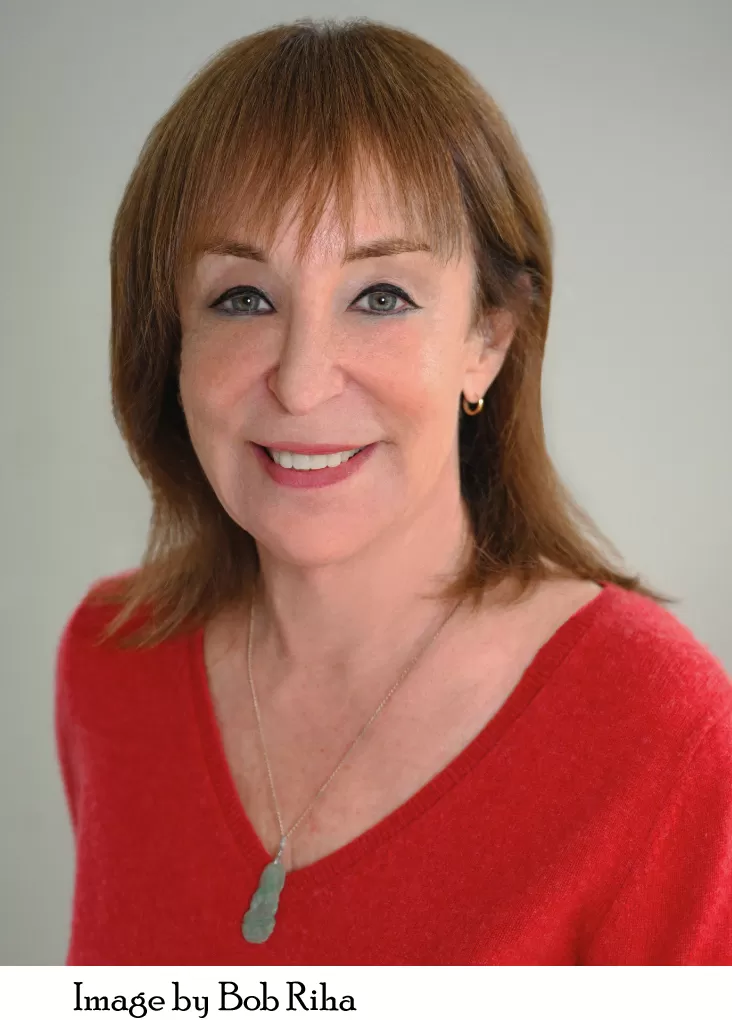
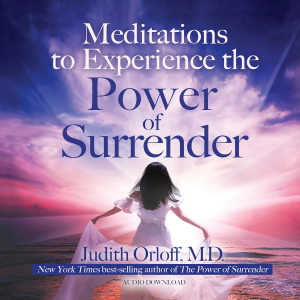
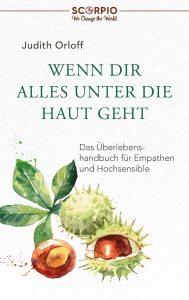
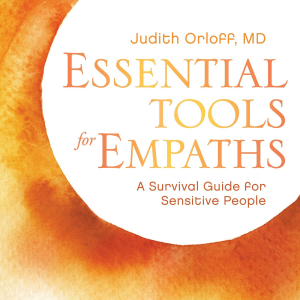
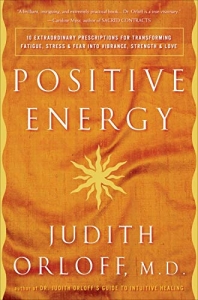
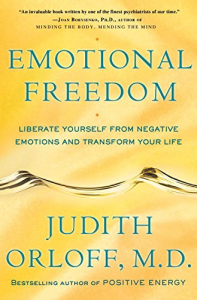
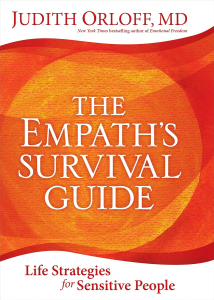
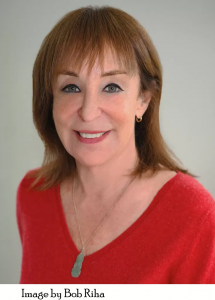
Judith Orloff MD is the NY Times bestselling author of The Genius of Empathy and The Empath’s Survival Guide. Her upcoming children’s book The Highly Sensitive Rabbit, helps sensitive kids embrace their empathic gifts as a strength. Dr. Orloff is a psychiatrist, an empath and intuitive healer, and is on the UCLA Psychiatric Clinical Faculty. She synthesizes the pearls of traditional medicine with cutting edge knowledge of intuition, energy, and spirituality and passionately believes in the power of integrating this wisdom for total wellness.
https://www.youtube.com/watch?v=KqBmJe5KMQI
Dr. Orloff has been called “the godmother of the empath movement.” She specializes in treating empaths and highly sensitive people in her private practice. Dr. Orloff’s work has been featured on The Today Show, CNN, Oprah Magazine, the New York Times and USA Today. She has spoken at the American Psychiatric Association, Fortune Magazine’s Most Powerful Women’s Summit, Google, TEDx U.S. and TEDx Gateway Asia. The New England Journal of Medicine writes, “Dr. Judith Orloff advises physicians on improving their intuitive powers. Her simple but powerful message is ‘Listen to your patients.’”
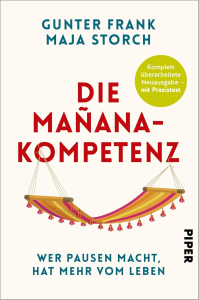
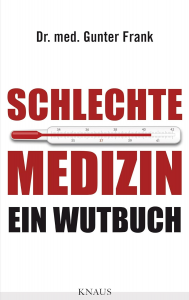
Gunter Frank (born 1963 in Buchen (Odenwald)) is a German physician and non-fiction author.
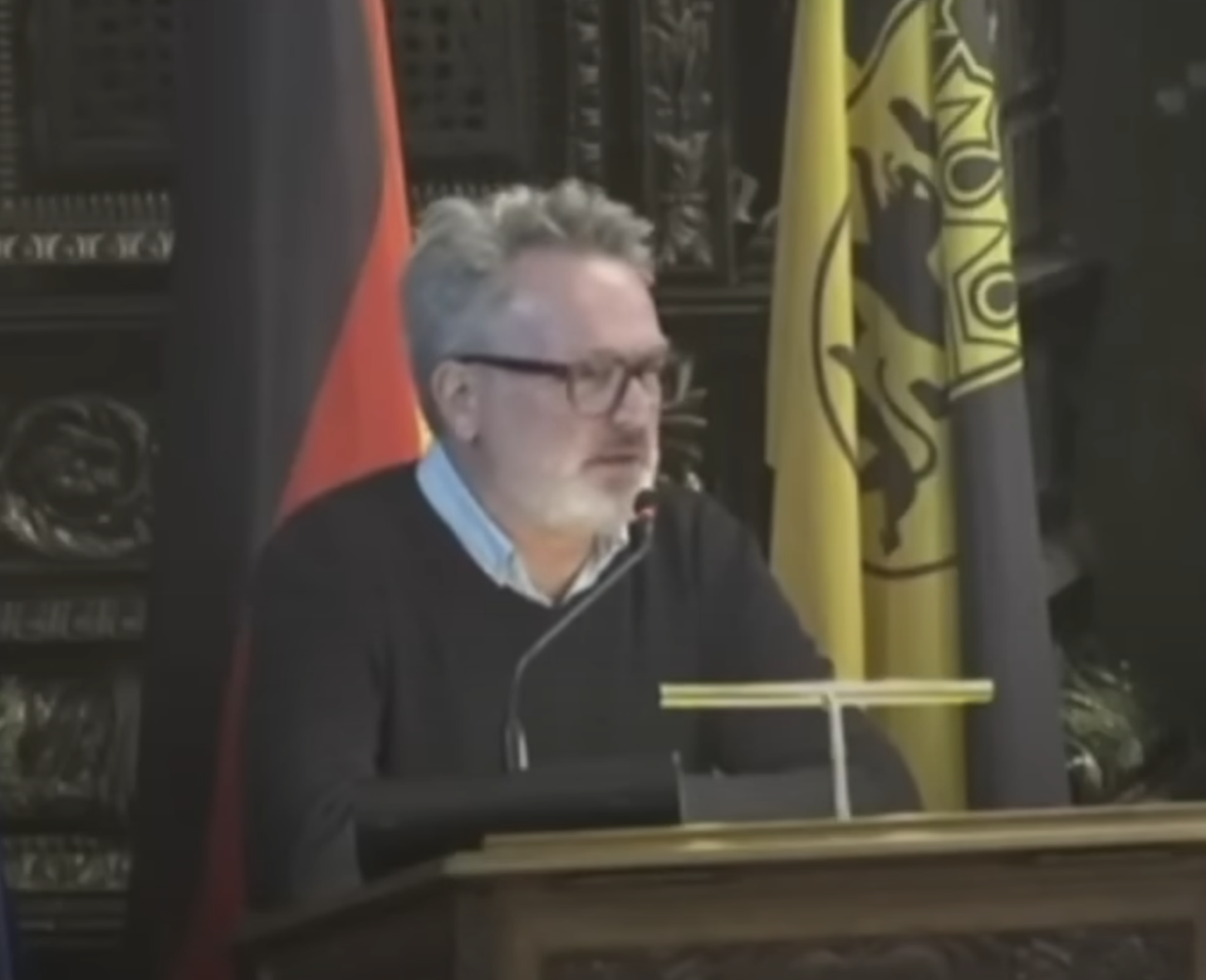
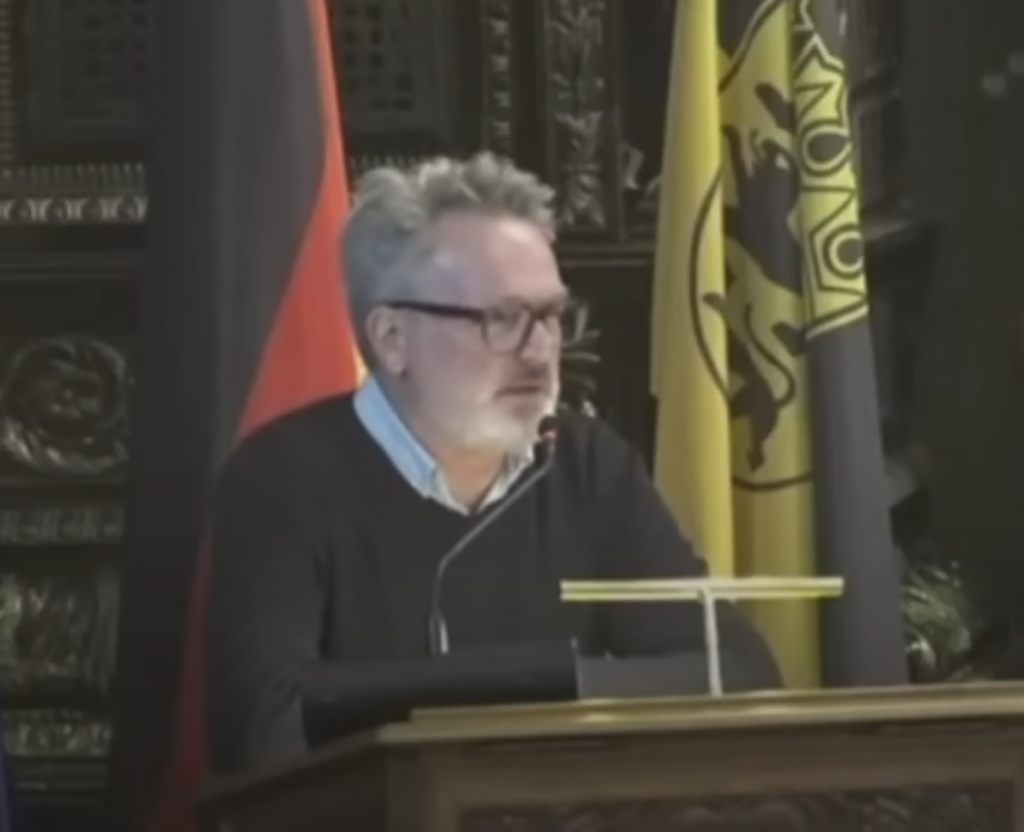
Frank studied medicine in Heidelberg and Chicago. He runs his own general practice in Heidelberg. He is a member of the Heidelberg City Council.
Frank is a lecturer at the Business School St. Gallen,[1] a private provider of executive education seminars, and the author of several books on health and nutrition. He is a public critic of the German healthcare system.[2]
He publishes his theses on the political blog “Achse des Guten” (Axis of Good).[3] At the invitation of the AfD parliamentary group, he said in committee hearings that the COVID vaccinations were a “thalidomide scandal by a factor of ten.”
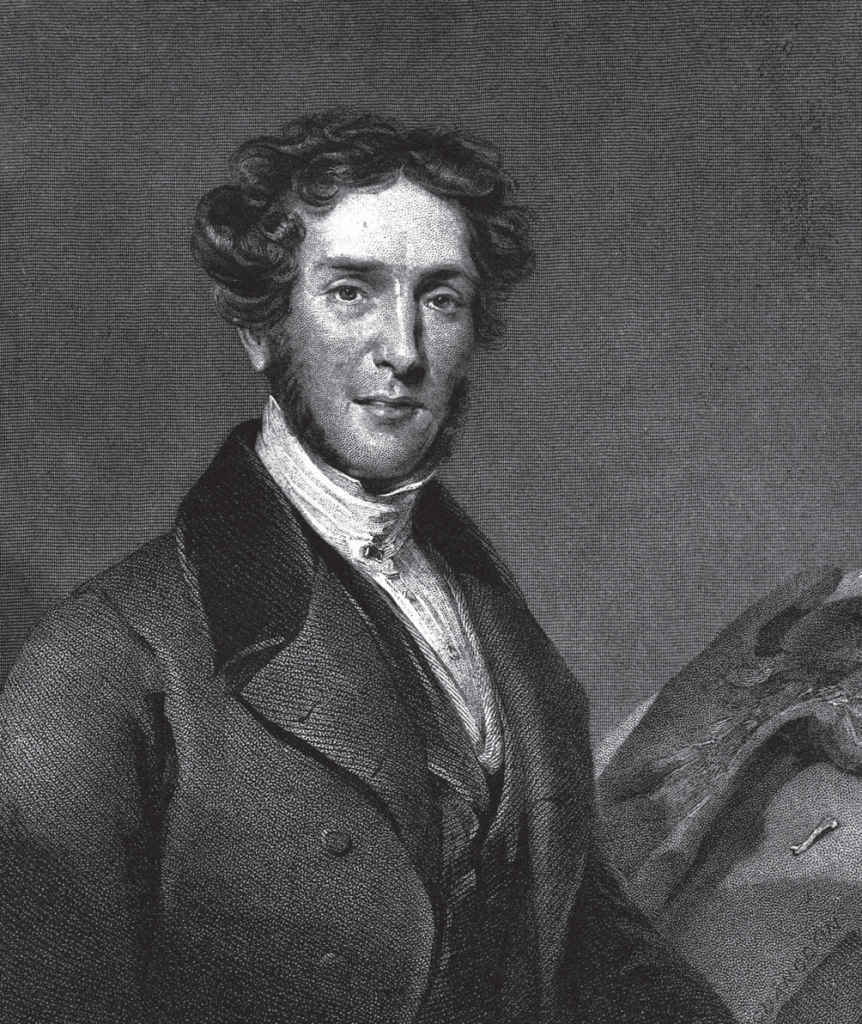
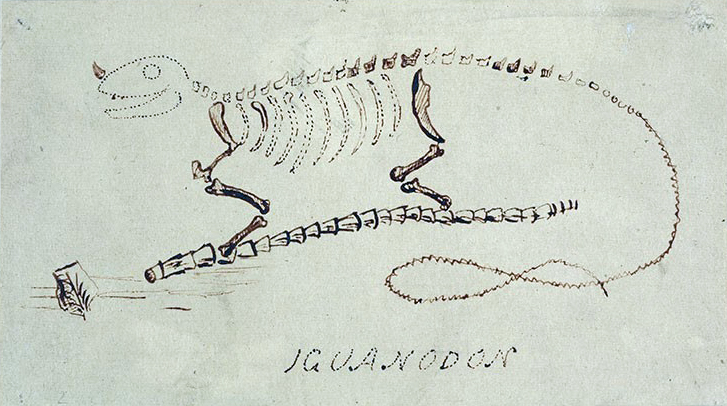
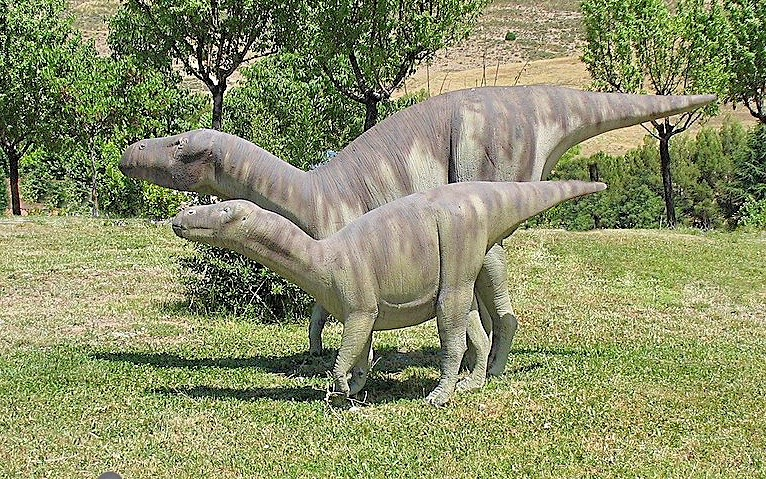
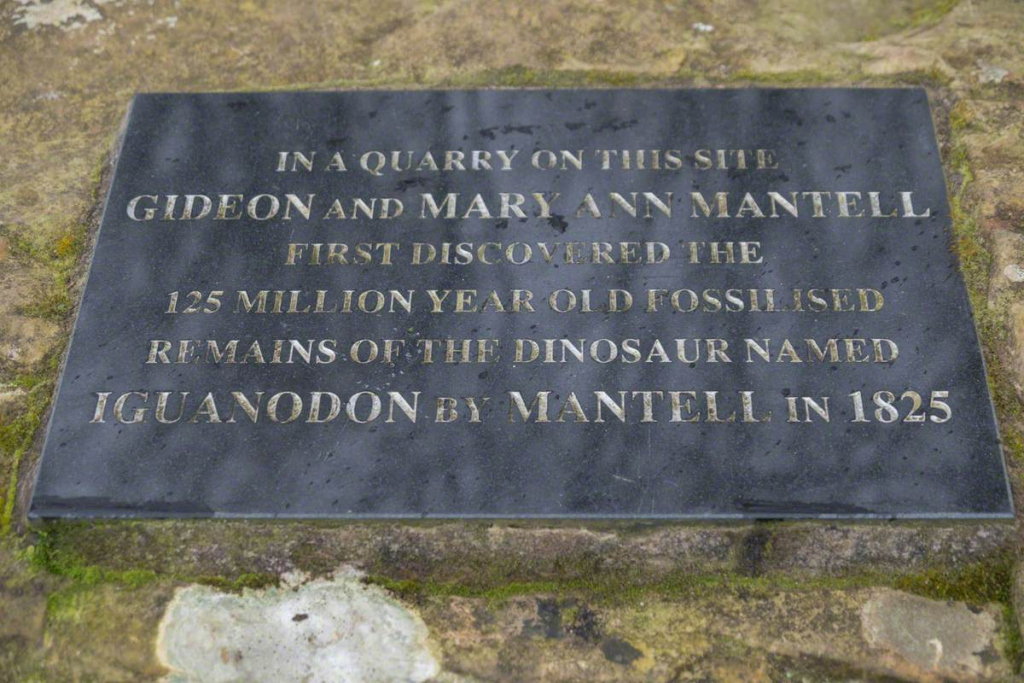
Gideon Algernon MantellMRCSFRS (3 February 1790 – 10 November 1852) was an English obstetrician, geologist and palaeontologist. His attempts to reconstruct the structure and life of Iguanodon began the scientific study of dinosaurs: in 1822 he was responsible for the discovery (and the eventual identification) of the first fossil teeth, and later much of the skeleton, of Iguanodon. Mantell’s work on the Cretaceous of southern England was also important.
Mantells eigene Rekonstruktion von Iguanodon wurde nie von ihm veröffentlicht.
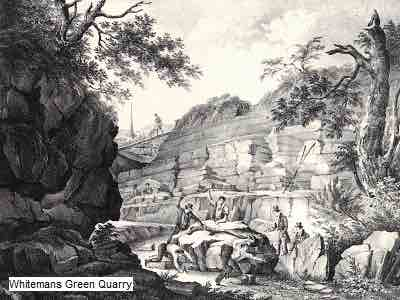
Inspired by Mary Anning‘s sensational discovery of a fossilised animal resembling a huge crocodile (later identified as an ichthyosaur) at Lyme Regis in Dorset, Mantell became passionately interested in the study of the fossilised animals and plants found in his area. The fossils he had collected from the region, near The Weald in Sussex, were from the chalk downlands covering the county. The chalk is part of the Upper CretaceousSystem and the fossils it contains are marine in origin. But by 1819, Mantell had begun acquiring fossils from a quarry, at Whitemans Green, near Cuckfield. These included the remains of terrestrial and freshwaterecosystems, at a time when all the known fossil remains from Cretaceous England, hitherto, were marine in origin. He named the new strata the Strata of Tilgate Forest, after an historical wooded area and it was later shown to belong to the Lower Cretaceous.
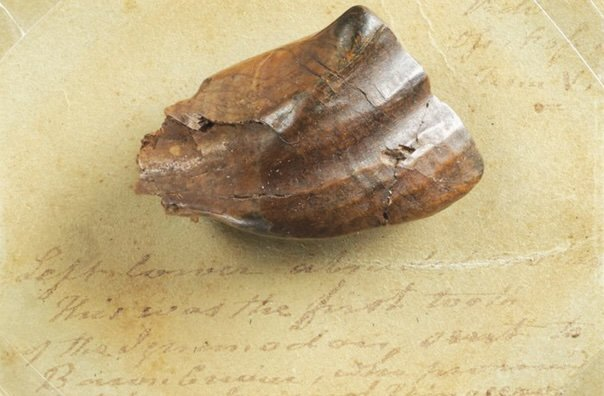
By 1820, he had started to find very large bones at Cuckfield, even larger than those discovered by William Buckland, at Stonesfield in Oxfordshire. Then, in 1822, shortly before finishing his first book (The Fossils of South Downs), his wife found several large teeth (although some historians contend that they were in fact discovered by himself), the origin of which he could not ascertain. In 1821 Mantell planned his next book on the geology of Sussex. It was an immediate success with two hundred subscribers including King George IV at Carlton House Palace, who wrote a letter stating, “His majesty is pleased to command that his name should be placed at the head of the subscription list for four copies.”[This quote needs a citation]
How the king heard of Mantell is unknown, but Mantell’s response is known. Galvanised and encouraged, Mantell showed the teeth to other scientists but they were dismissed as belonging to a fish or mammal and from a more recent rock layer than the other Tilgate Forest fossils. The eminent French anatomist, Georges Cuvier, identified the teeth as those of a rhinoceros.
Although according to Charles Lyell, Cuvier made this statement after a late party and apparently had some doubts when reconsidering the matter when he awoke, fresh in the morning. “The next morning he told me that he was confident that it was something quite different.” Strangely, this change of opinion did not make it back to Britain where Mantell was mocked for his error. Mantell was still convinced that the teeth had come from the Mesozoic strata and finally recognised that they resembled those of the iguana, but were twenty times larger. He surmised that the owner of the remains must have been at least 60 feet (18 metres) in length.
On 10 November 1852, Mantell took an overdose of opium and later lapsed into a coma. He died that afternoon. His post-mortem by William Adams showed that he had been suffering from severe lumbar scoliosis, leading to the Adams Forward Bend Test as a diagnostic tool. A section of Mantell’s spine was removed, preserved and stored on a shelf at the Royal College of Surgeons of England. It remained there until 1969 when it was destroyed due to lack of space.[19]
Mantell’s surgery, on the south side of Clapham Common, is now a dental surgery.
At the time of his death Mantell was credited with discovering four of the five genera of dinosaurs then known.[20]
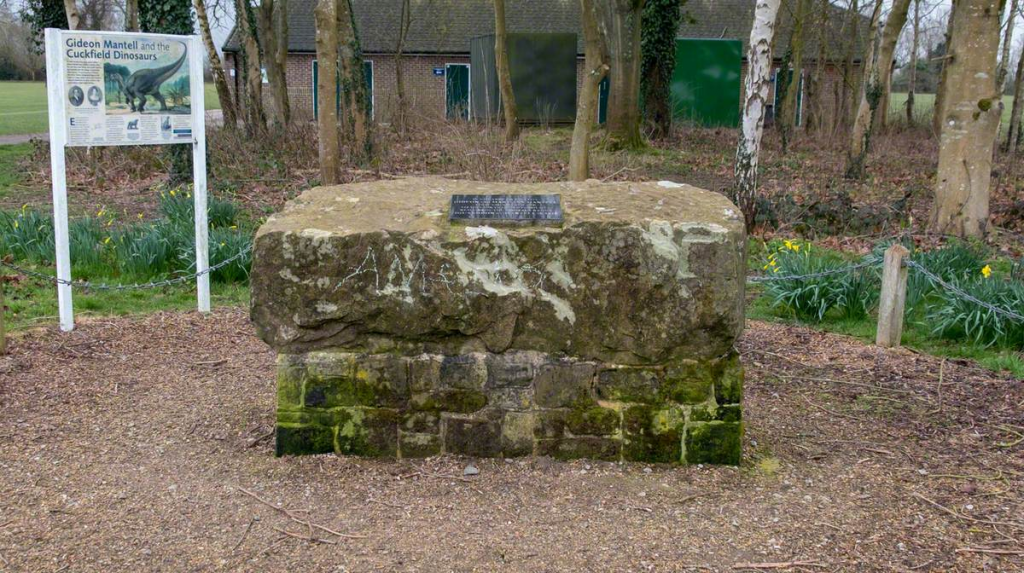
In 2000, in commemoration of Mantell’s discovery and his contribution to the science of palaeontology, the Mantell Monument was unveiled at Whiteman’s Green, Cuckfield. The monument has been confirmed as the location of the Iguanodon fossils that Mantell first described in 1822.
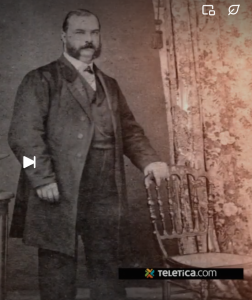
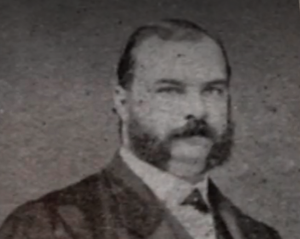
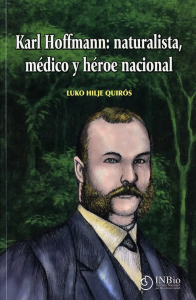
Karl Hoffmann (7 December 1823 – 11 May 1859) was a German physician and naturalist.
TV-film
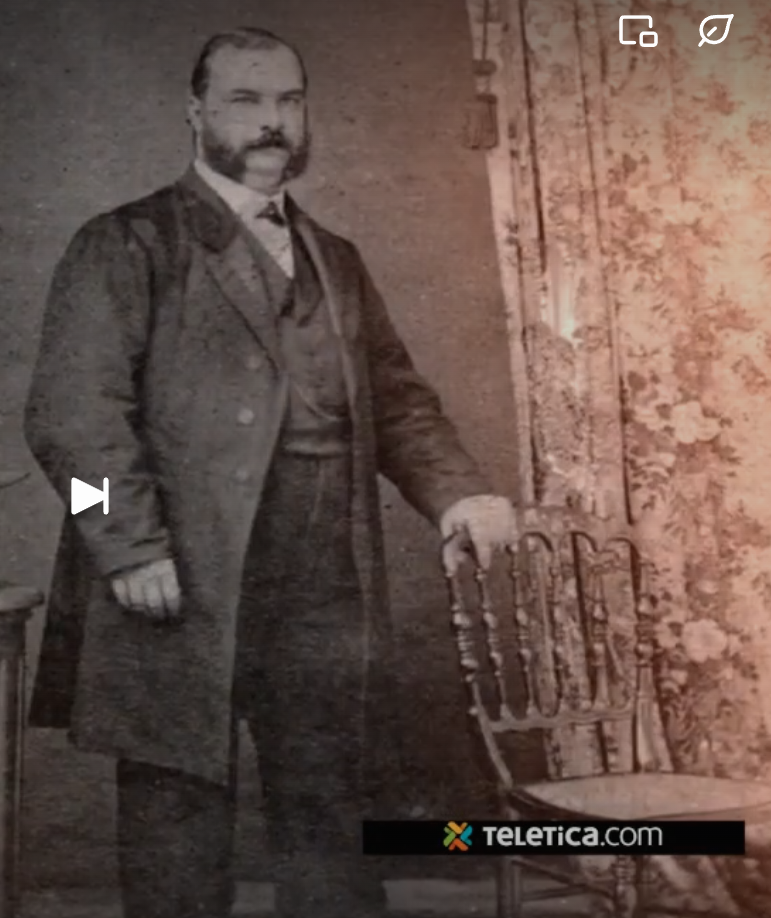
Hoffmann was born in Stettin, Kingdom of Prussia and studied at Berlin University. In 1853 he travelled to Costa Rica with Alexander von Frantzius to collect natural history specimens. With his wife, Emilia Hoffmann, he settled in San José, where he operated a consultation clinic and small pharmacy from his home. In order to supplement his income, he sold wine and liquor. He served as a doctor in the Costa Rican army during the invasion of William Walker in 1856.[1] He died of typhoid in Puntarenas.
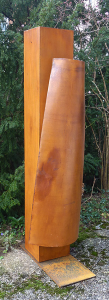
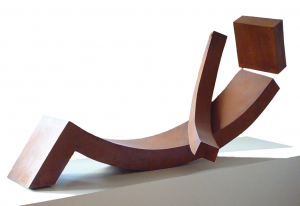
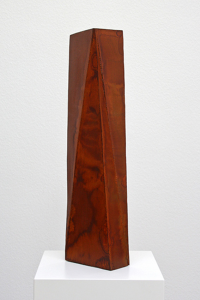
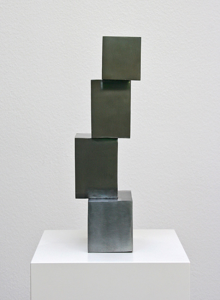
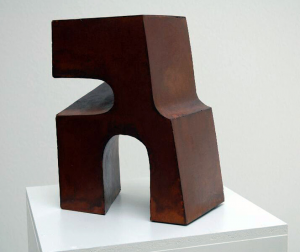
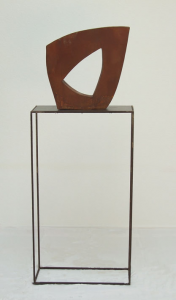
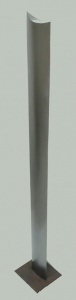
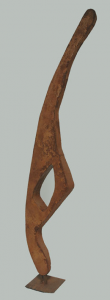
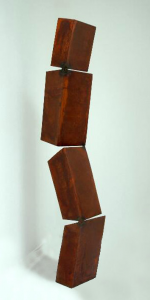
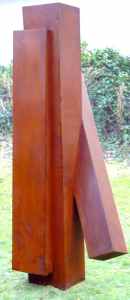
On numerous trips through America, he explored pre-Columbian art, as well as the art of the Aztecs, Incas, and Mayans in Mexico, Peru, and Guatemala. During his travels through the United States and Europe, he studied modern sculpture and sculpture at venues such as the Getty Museum in Los Angeles, the Museum of Modern Art in New York, the Guggenheim Museum in Bilbao, and the Tate Gallery of Modern Art in London.
Took a welding course in 1990. First outdoor sculpture in 1993. 2006 Exhibition “Szene Bühl 2006” at Volksbank Bühl. 2008 Exhibition at CUBUS Gallery in Bühl. 2009 Exhibition of Art and Culture at the Baden-Baden Regional Court.
Since 2005, he has shared a studio with Christine Faust in Hasengarten (Bühl).
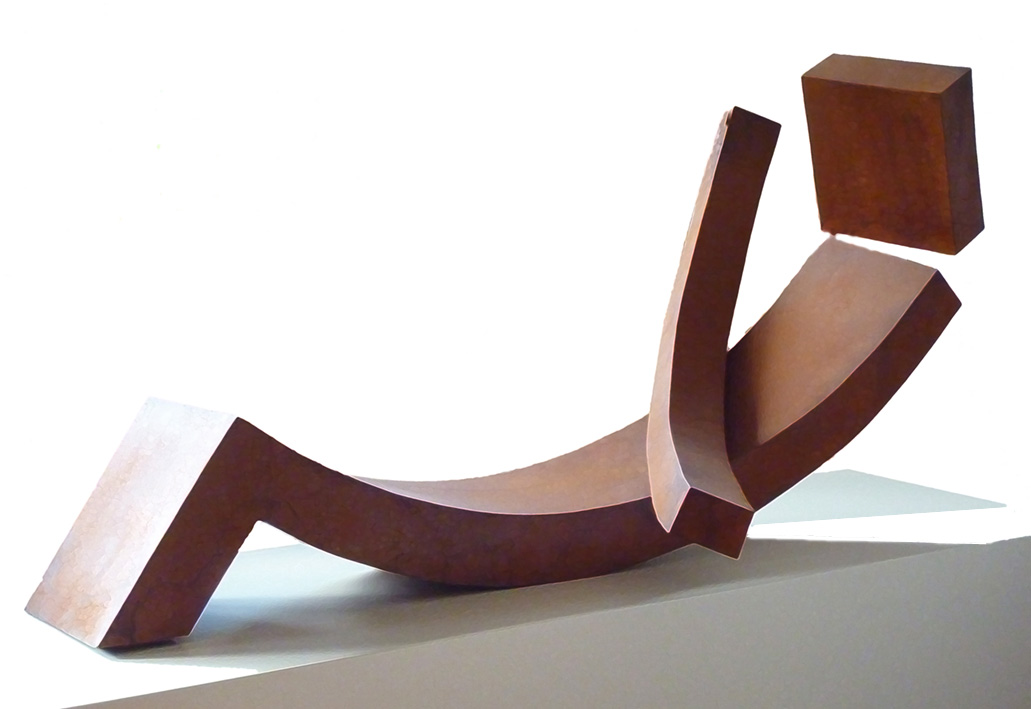
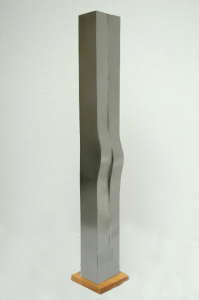
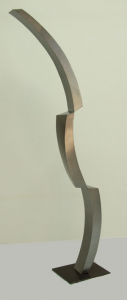
The artist’s iron works are distinguished by their clear formal language, reduction to essential elements, and emphasis on the organic material iron and its interaction between mass and space.
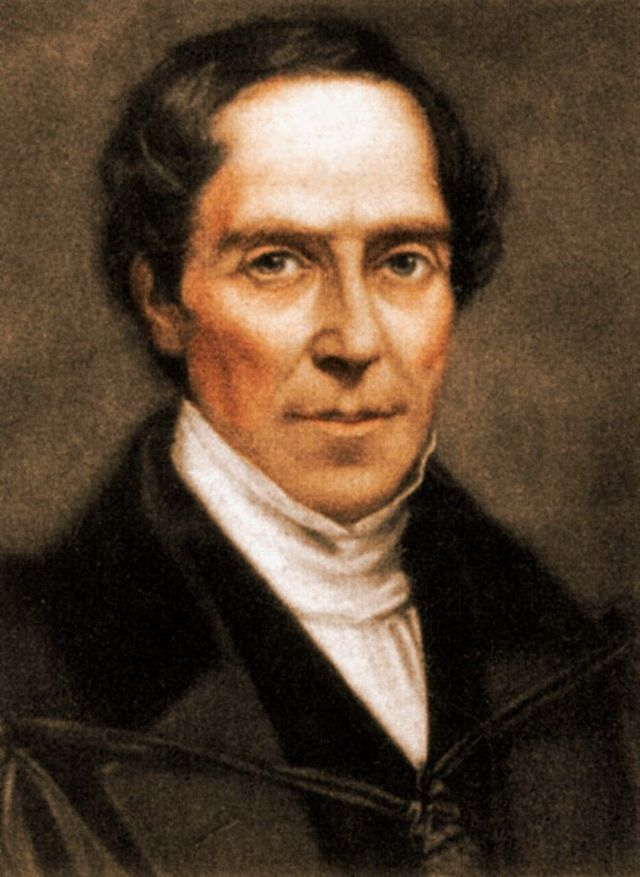
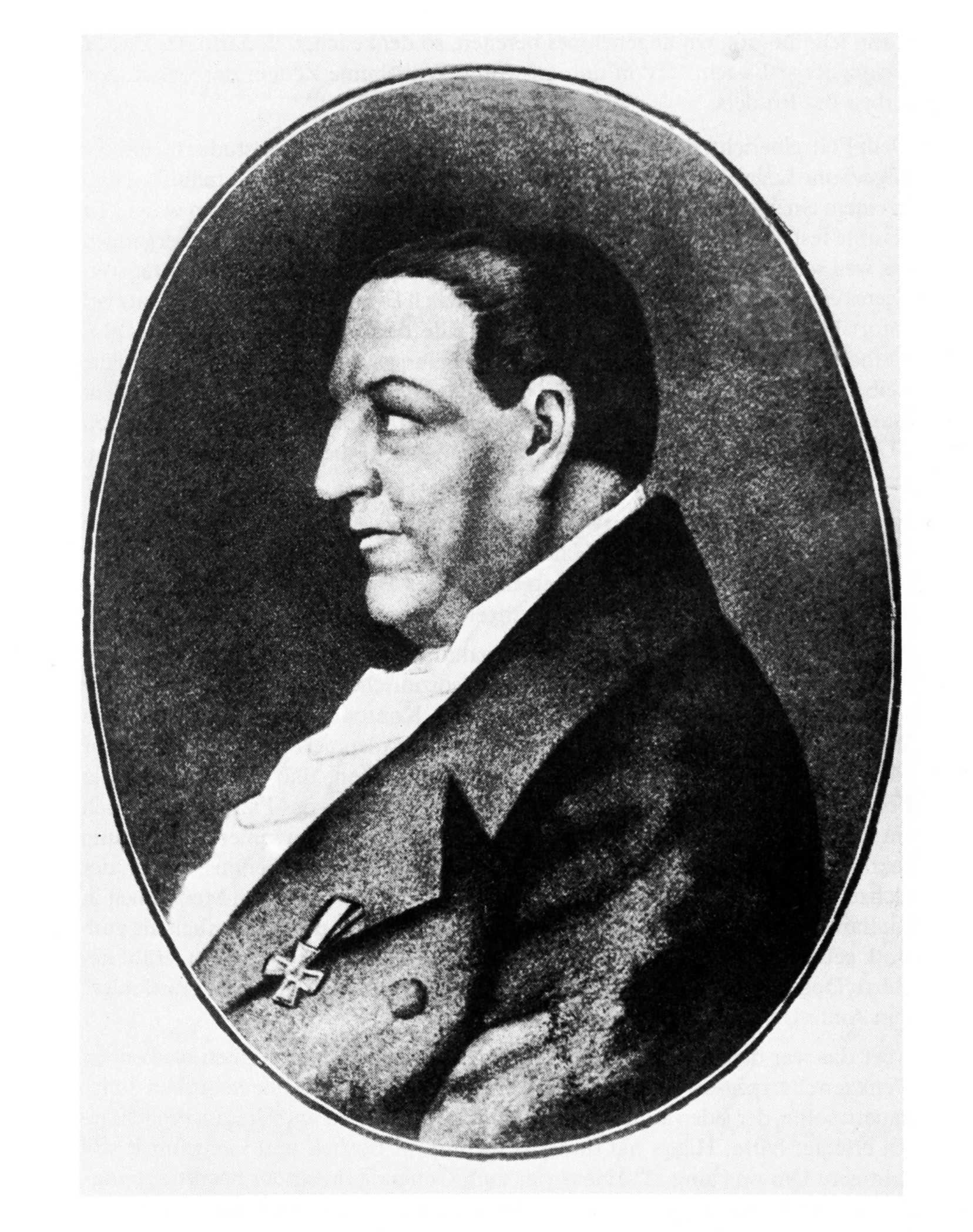
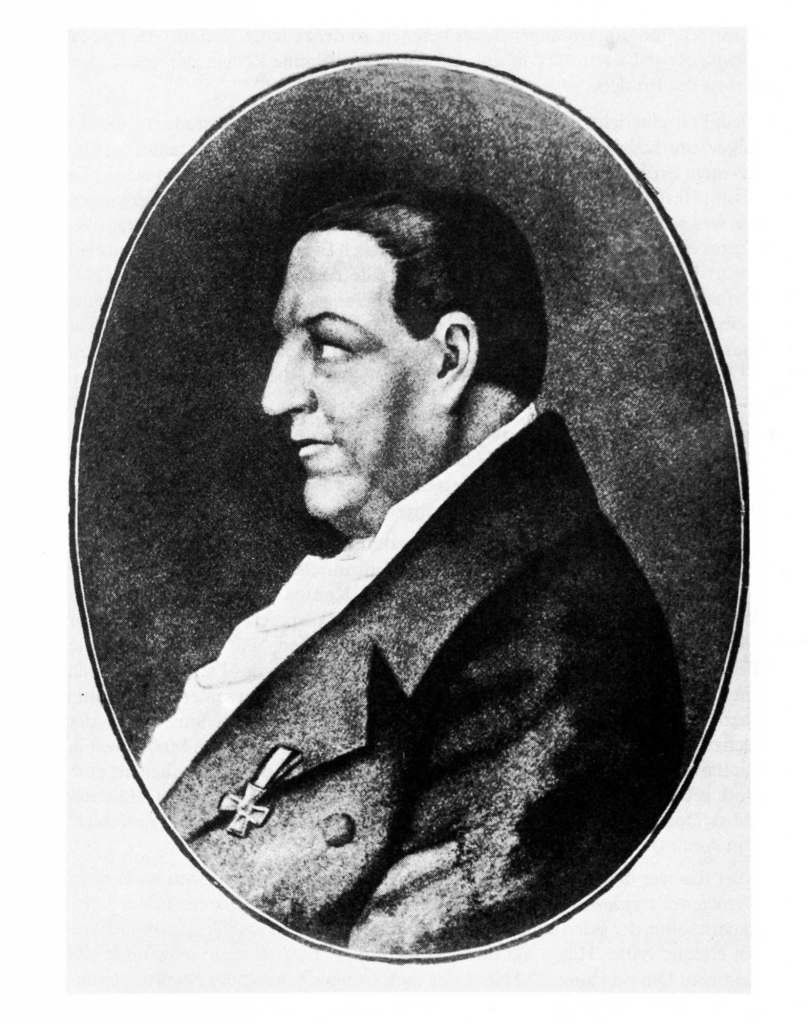
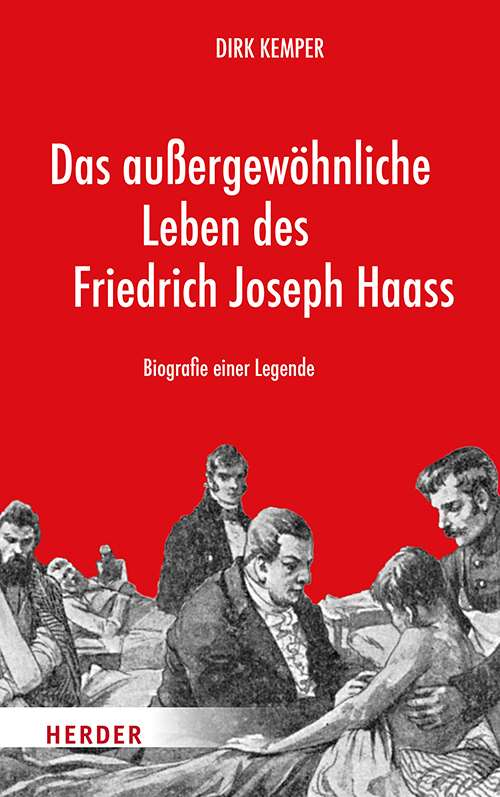
Dr. Friedrich Joseph Haass (Russian: Фёдор Петрович Гааз, Fyodor Petrovich Gaaz; 10 August 1780 – 28 August [O.S. 16 August] 1853) was the “holy doctor of Moscow”.[1][2] Born in Bad Münstereifel, as a member of Moscow’s governmental prison committee, he spent 25 years until the end of his life to humanize the penal system.[1] During the last nine years before his death, he spent all of his assets to run a hospital for homeless people. He died in Moscow. Twenty thousand people attended his funeral at the Vvedenskoye Cemetery, which was paid for by the state as he had no more money.
Haass, son of the pharmacist Peter Haass and grandson of the “surgeon on the Thurnmarkt” in Cologne, Wilhelm Anton Haass, studied German, philosophy and medicine after finishing school at the Ecole Centrale in Cologne, founded under Napoleon, and at the universities in Jena and Göttingen. In Göttingen he received his doctorate in medicine and surgery. In Vienna he trained as an ophthalmologist. One of his first patients as family doctor to the Russian Princess Varvara Alekseevna Repnin was her father, who suffered from a serious eye disease.[1] The latter recognized Haass’ talent and invited the young doctor to Russia. In 1806 he appeared in Moscow as Fyodor Petrovich Gaas. As early as 1807 he was appointed chief physician of the renowned Pavlovskaya Clinic (Paul’s Hospital).
From 1828, as a member of the Moscow Prison Protection Committee, he devoted himself for 25 years to caring for prisoners exiled to Siberia.[3] He was firmly convinced that man is good by nature because God created him in his own image. Therefore, a person who has strayed from the right path is nothing more than an unhappy, sick person who can only be healed through humanity. He learned this positive view of humanity primarily through Francis of Assisi and Francis de Sales, whose writings he counted among his favorite books, especially his main theological work, “Treatise on the Love of God.” In a letter to the philosopher Friedrich Wilhelm Joseph von Schelling dated December 31, 1843, he urgently recommended that he read the works of Saint Francis de Sales. In it, he calls Schelling “my beloved German teacher” and Francis de Sales “my beloved mentor and educator.” His will states that Haass was in possession of relics of Saint Francis de Sales, which he bequeathed to a Catholic church in Irkutsk.
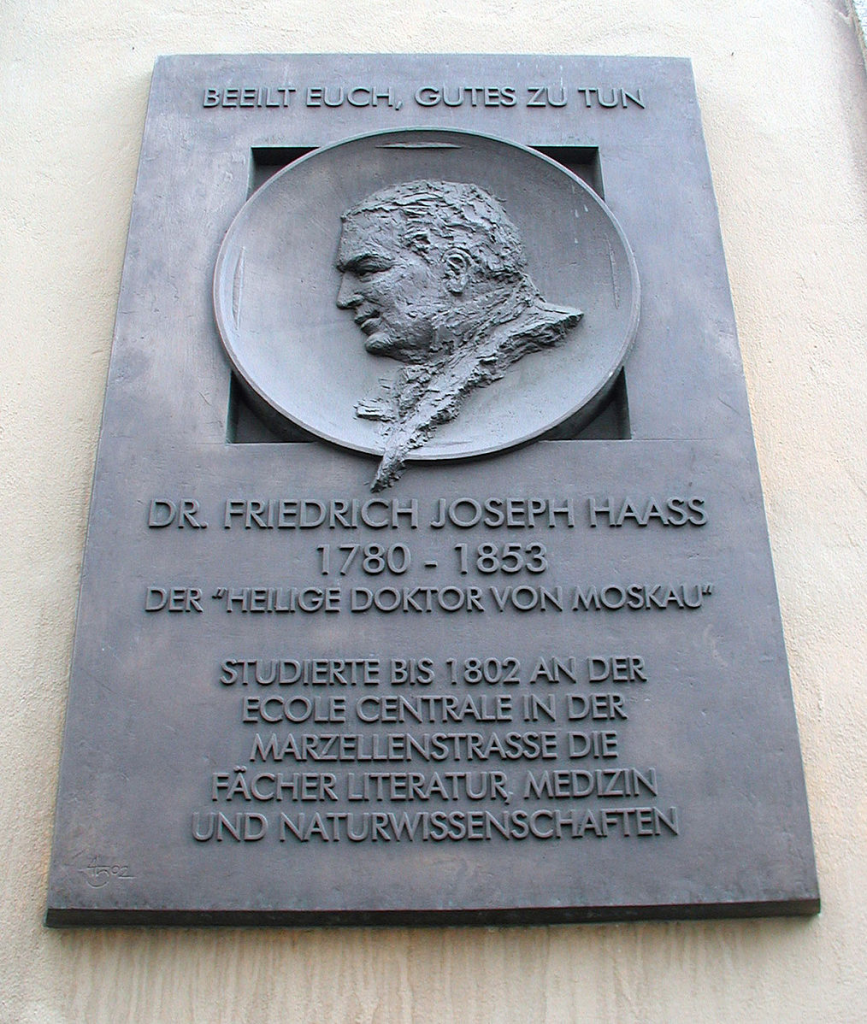
Gedenktafel für Friedrich-Joseph-Haass Memorial plaque for Friedrich-Joseph-Haass at the Archbishop’s General Vicariate building at Marzellenstrasse 32 in Cologne. Design: Herbert Halfmann, Düren. Height 140 cm. Erected in 2002.
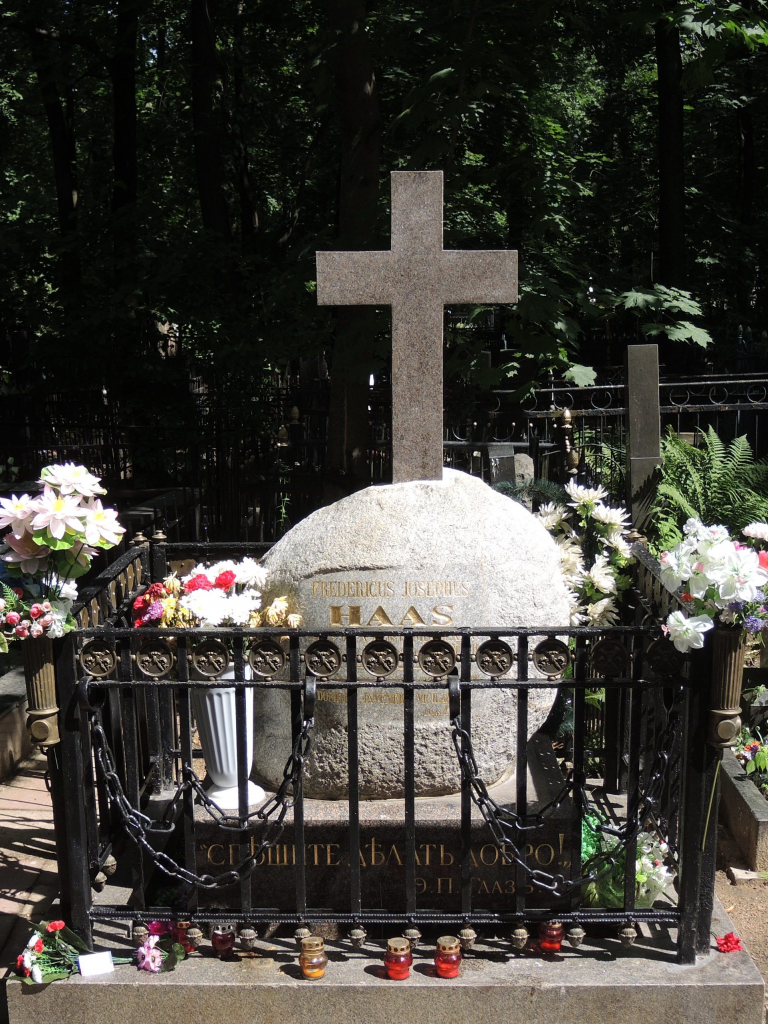
In 1836, he implemented a decree replacing prisoners’ heavy iron shackles with lighter, leather-lined ones that no longer rubbed their feet dry. These shackles are called Haass’s shackles. The oversized metal shackles on his grave are a reminder of this. In 1841, he wrote an ABC of Christian Decency […], which he had printed and distributed to deported criminals. In 1843, a police prisoner hospital for the homeless, later called the “Alexander Hospital,” was opened. It was financed entirely from Haass’s personal fortune and private donations. During the 1848 cholera epidemic in Moscow, he and the philanthropist Sofia Stepanovna Shcherbatova organized the Nikolskoye Community to provide assistance to the needy. Sisters of this community continued their work during the Crimean War.[4] Haass lived and worked in this hospital, popularly known as the “Haass Hospital” or “Haassovka,” until the end of his life.[5] At the end of July 1853, Haass fell ill and wrote a detailed will. He died on August 16, 1853, and was buried on August 19.[6] 20,000 people attended his funeral at Moscow’s Vvedenskoye Cemetery. The gravestone is inscribed in Latin and bears Haass’s quote in Russian: “Haste to do good.”
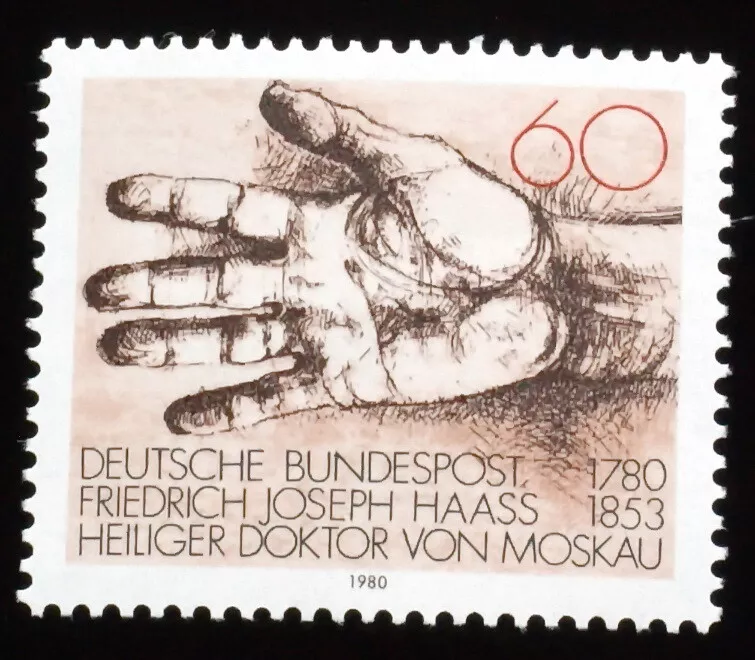
To mark the physician’s 200th birthday, the German Federal Post Office issued a commemorative stamp worth 60 pfennigs.
The German School Moscow has been named “German School Moscow – Friedrich Joseph Haass” since May 27, 1989.
The German-Russian Forum has awarded the Dr. Friedrich Joseph Haass Prize annually since 1995 to individuals who have made outstanding contributions to German-Russian relations. Award winners include Mikhail Sergeyevich Gorbachev and Egon Bahr.
The Russian Lev Zinovyevich Kopelev, a promoter of German-Russian reconciliation and himself a Gulag prisoner from 1947 to 1954, who lived in Cologne after his expatriation and until his death, wrote a book about Haass in 1984.
On April 16, 2016, an opera collage entitled Doctor Haas, consisting of 11 episodes, premiered at Moscow’s Helikon Opera. The composer was 27-year-old Alexei Sergumin, and the libretto was written by the writer Lyudmila Ulitskaya.
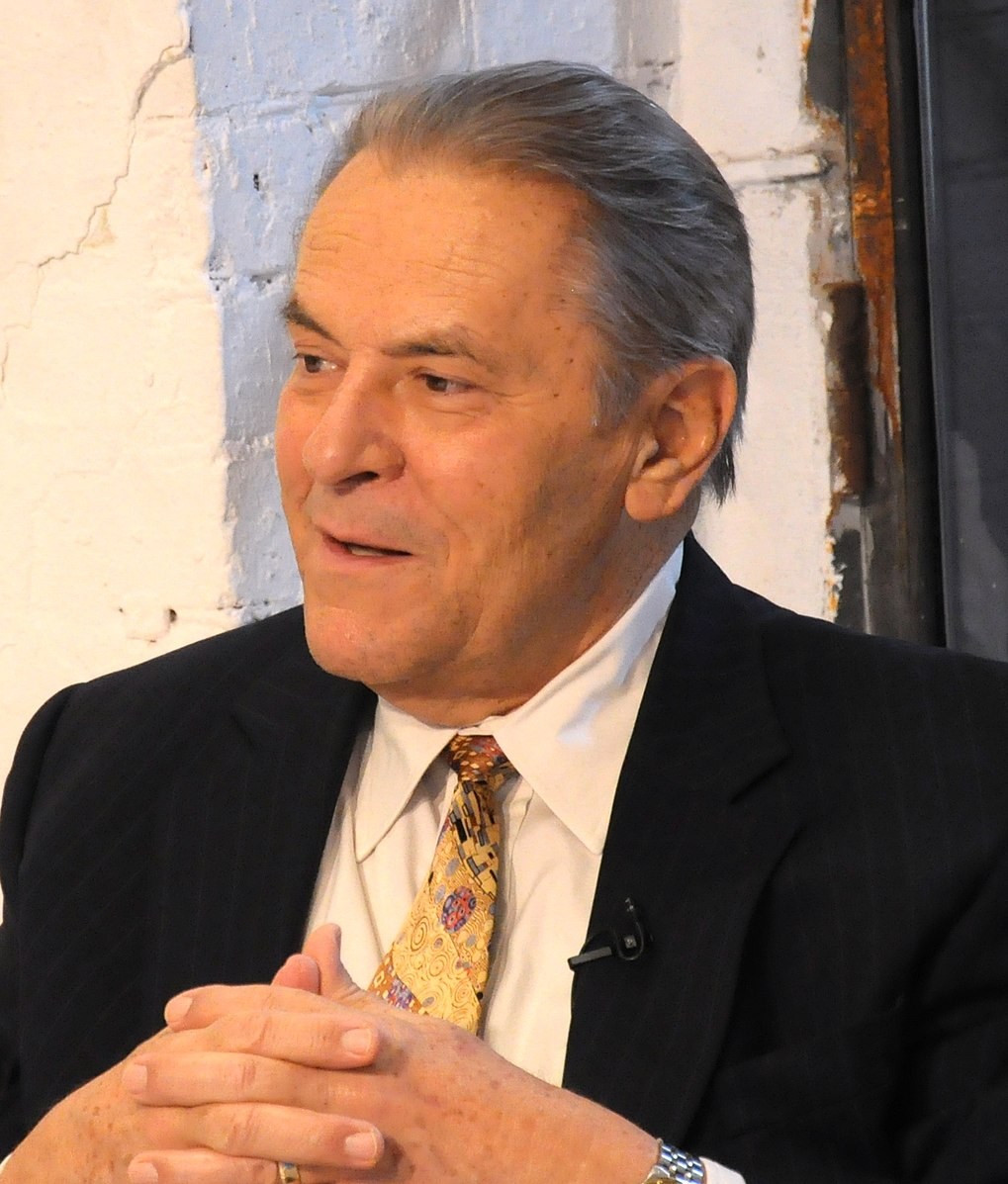
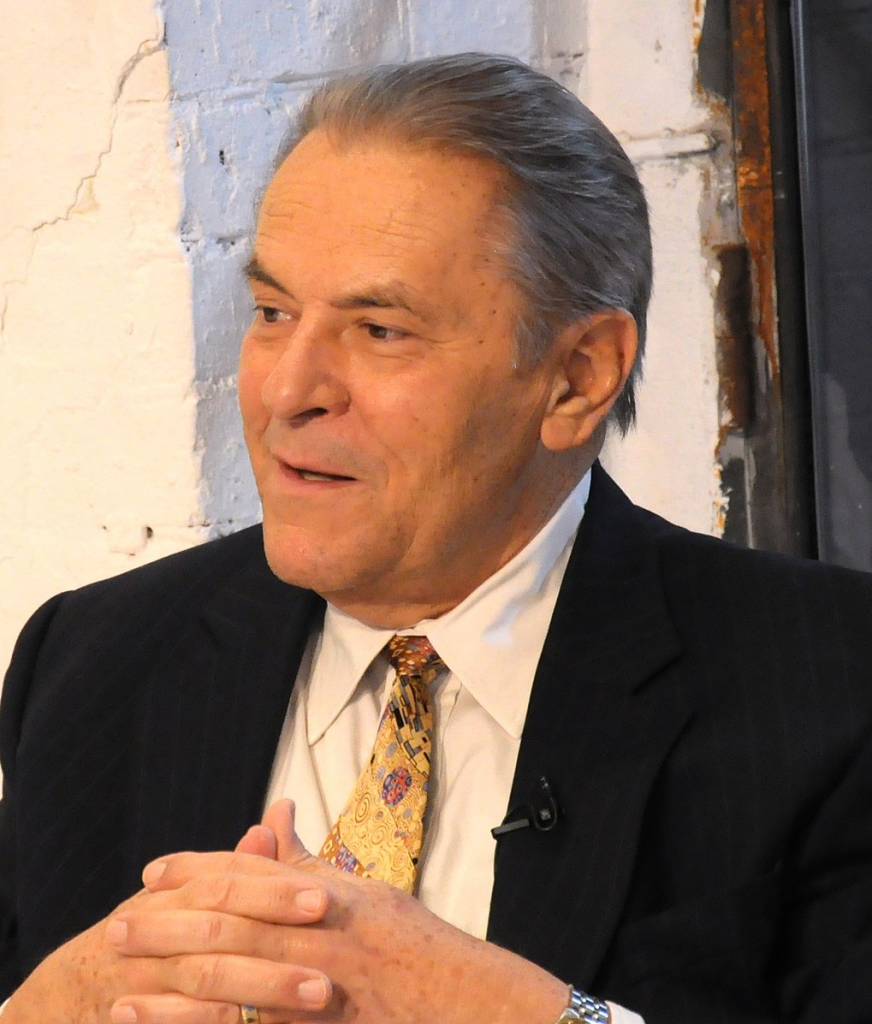
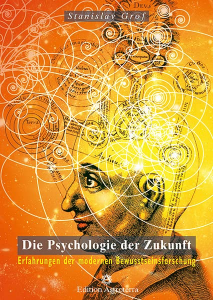
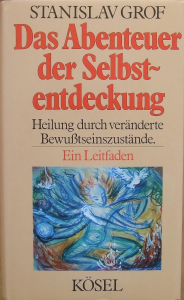
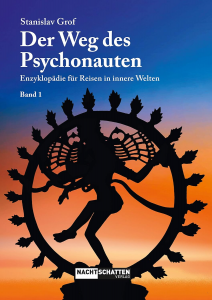
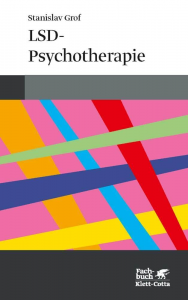
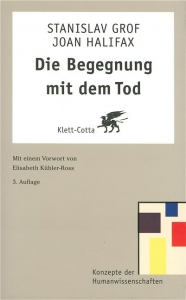
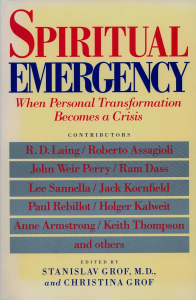
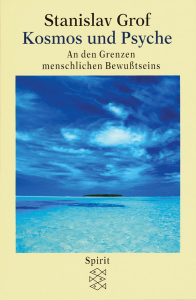
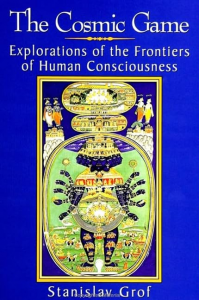
Stanislav Grof (born July 1, 1931) is a Czech-born American psychiatrist. Grof is one of the principal developers of transpersonal psychology and research into the use of non-ordinary states of consciousness for purposes of psychological healing, deep self-exploration, and obtaining growth and insights into the human psyche.
Czechoslovakia was the centre of psychedelic research behind the Iron Curtain during the 1950s and 1960s. Grof’s early research in the clinical uses of psychedelic substances was conducted at the Psychiatric Research Institute in Prague, where he was principal investigator of a program that systematically explored the heuristic and therapeutic potential of LSD and other psychedelic substances.[
In 1973 he was invited to the Esalen Institute in Big Sur, California, and lived there until 1987 as a Scholar-in-Residence, developing his ideas and conducting month-long workshops.[citation needed] In 1977, Grof was the founding president of the International Transpersonal Association, serving as president for several subsequent decades. He went on to become distinguished adjunct faculty member of the Department of Philosophy, Cosmology, and Consciousness at the California Institute of Integral Studies, a position he remained in until 2018.
In May 2020, he launched, with his wife Brigitte Grof, a new training in working with holotropic states of consciousness, the international Grof Legacy Training
Lukas Grafenauer has positioned himself at the forefront of tennis in Austria.
Tenniskarriere und Tennisausbildung
In addition to my medical training, I also completed the highest level of training in ÖTV tennis teaching to become a state-certified tennis instructor and state-certified tennis coach at the Austrian Federal Sports Academy. I have also achieved valuable tennis successes myself and, as a counterbalance to my medical activities, I still keep myself fit through sport. Discipline, punctuality, taking personal responsibility, commitment, consistency, stamina, focus, the ability to overcome obstacles, resilience, resistance to stress, dealing with disappointment and defeat, accepting defeat, not becoming arrogant because of victories, setting goals and working consistently towards them, practicing teamwork, lifelong friendships, and staying calm and overview in critical situations are positive aspects that I have also learned through tennis and that help me a lot in my professional and private life. For an incredible 40 years, from the age of 16, I played for the SV Sparkasse Leobendorf men’s tennis team in the general league (interrupted by three years of championship play for UTC Stockerau). I also served as team captain for several years and enjoyed great success in championship competitions, including in the state league. I’m still very active in sports, fortunately in top shape, passionate about skiing, and, of course, still playing tennis, as well as extensive, exciting bike rides.
1994 and 1995: Men’s Singles Tennis: National Physicians’ Championship in Schladming and Bad Waltersdorf
2001-2003: Men’s Singles Tennis: Bronze medalist at the World Medical Games in Evian, France, Tihany, Hungary, and Stirling, Scotland
2001-2003: Mixed Doubles Tennis: World Physicians’ Championship