Category Archives: TV-doc

  • -

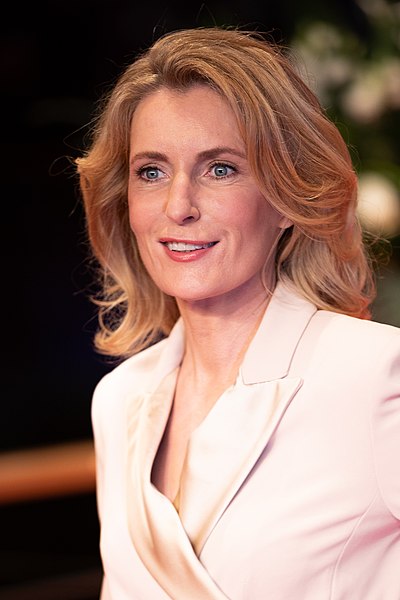
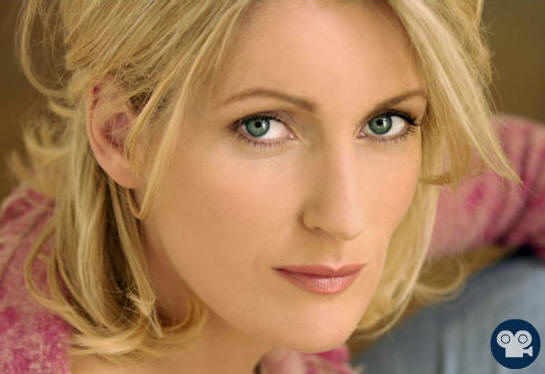
Maria Furtwängler

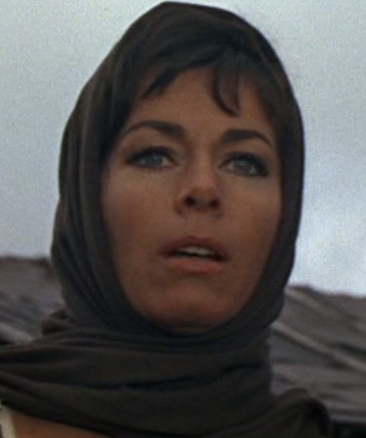
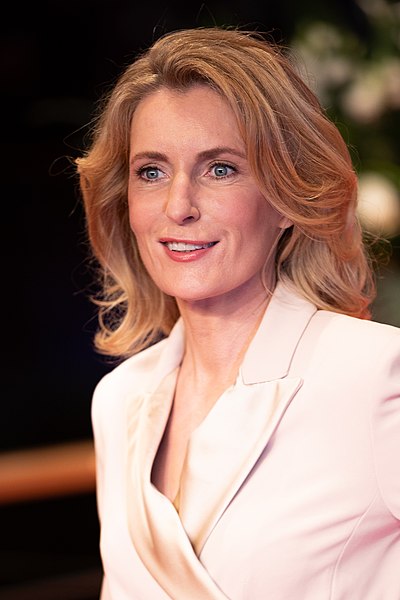
Maria Furtwängler-Burda (short version: German: [maˈʁiːa ˈfʊʁtvɛŋlɐ] ; born 13 September 1966) is a German physician and television actress.

Maria Furtwängler-Burda is a daughter of architect Bernhard Furtwängler and actress Kathrin Ackermanngreat-niece and step-granddaughter of conductor Wilhelm Furtwängler, and granddaughter of politician Katharina von Kardorff-Oheimb. She has two older brothers, David and Felix. She was given her first movie role, for which she earned a bike, at the age of seven in Zum Abschied Chrysanthemen, produced by her uncle Florian Furtwängler. Her mother taught her acting and she later took acting classes in Germany and other countries.[1]

After leaving secondary school, Furtwängler studied medicine at the University of Montpellier, France, and graduated from the Ludwig Maximilian University of Munich in Germany. Afterwards she trained and worked as a medical doctor.

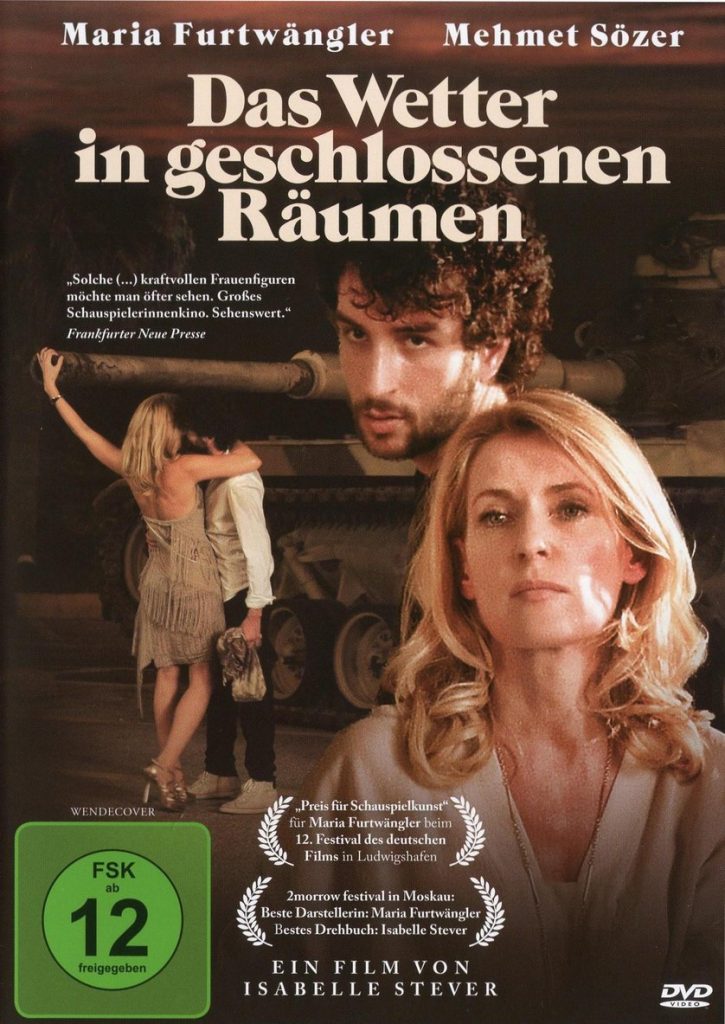
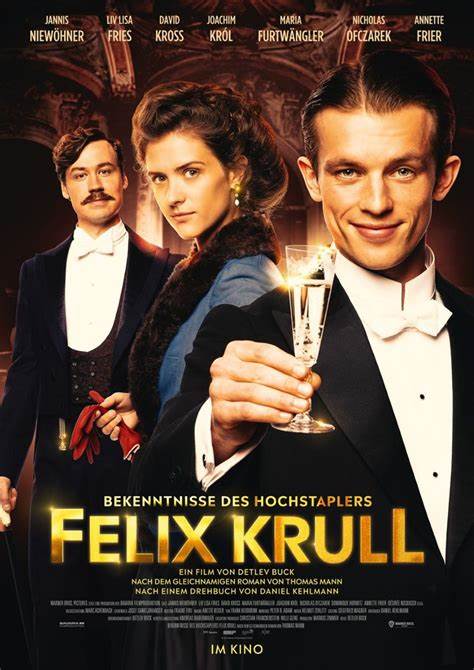
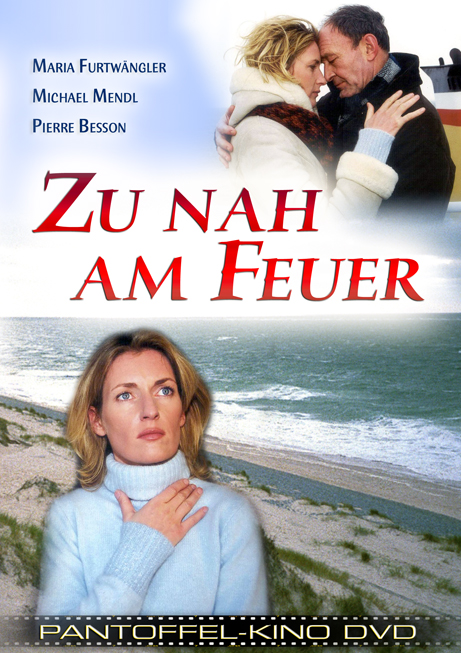
Furtwängler began her acting career in the mid-1990s. Since then, she has acted in German television series and productions such as the Tatort series, as Hanover-based police detective Charlotte Lindholm since 2002, the successful television movies March of Millions, and Die Schicksalsjahre and cinema production The Weather Inside [de] (Das Wetter in geschlossenen Räumen).[4]

For her work in Tatort and March of Millions, Furtwängler was honored with Germany’s most important award in the field of acting. With the movie The Weather Inside she won best actress at the 2morrow festival in Moscow; she was shortlisted in the Deutscher Filmpreis (German film prize). The film opened at the 2016 German Film Festival in New York City.

In 2022, Furtwängler chaired an independent jury that selected Edward Berger’s All Quiet on the Western Front in the race for the 95th Academy Awards in the Best International Feature Film category.[5]

Since its inception in 2005, Furtwängler has been involved in the Burda-sponsored Digital Life Design (DLD) conference series. She annually hosts a joint Burda/DLD networking reception at the World Economic Forum meeting in Davos.

In 2010 Furtwängler founded the MALISAhome in the Philippines. For the ONE Campaign, she became a goodwill ambassador for Women, Girls and Child Health. In 2015 she co-signed the ONE Campaign’s open letter to Chancellor Angela Merkel and Nkosazana Dlamini-Zuma, urging them to focus on women. Also in 2015, she interviewed Merkel on development policy issues for the Chancellor’s weekly podcast.[6]

In 2013, after a meeting with Eve Ensler in Berlin, Furtwängler became more involved campaigning to end violence against women and girls in Germany. She is particularly interested in the role of the media in perpetuating harmful gender stereotypes. She has been inspired by the Geena Davis Institute and by the Women’s Media Center in the US.[7]

On International Women’s Day 2016, Furtwängler supported the call of UN Women‘s German National Committee for a reform of the German legislation on sexual violence, based around the No Means No consent principle, which is currently not recognised in Germany. Also on International Women’s Day 2016, she co-authored an op-ed with Manuela Schwesig, the German Minister for family, older people, women, and youth, highlighting the need for a stronger sexual violence law and for an end to stereotyping of women and men, particularly in the media.[8]
wikipedia DE
wikipedia EN

ONE Kampagne |campaign

Botschafterin | messager German Doctors


  • -

Susanne Holst

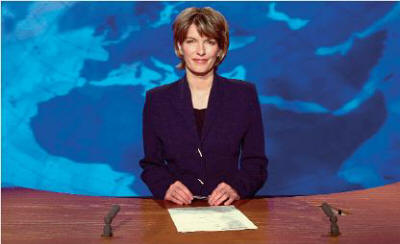
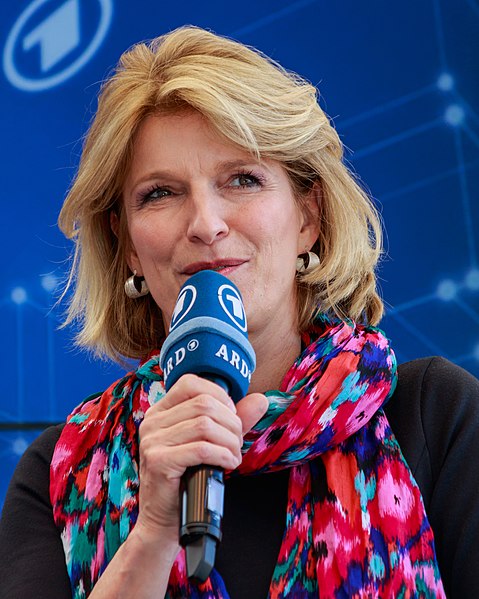
Susanne Holst (* 19. September 1961 in Hamburg) is a German MD, medical journalist, author and TV moderator.

She worked as moderator for Sat1 morning magazine, then a health magazine and other productions.

Since 2001 she moderates the German news magazine Tagesschau and Tagesthemen.

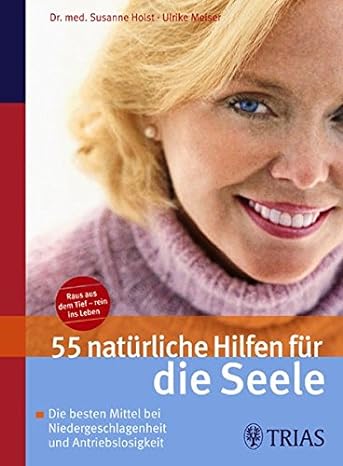
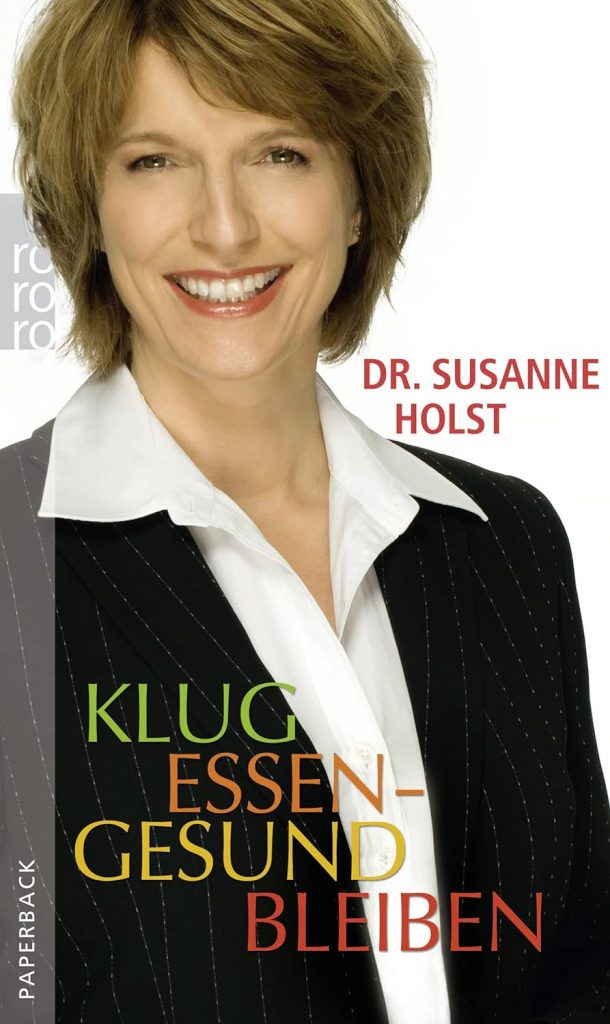
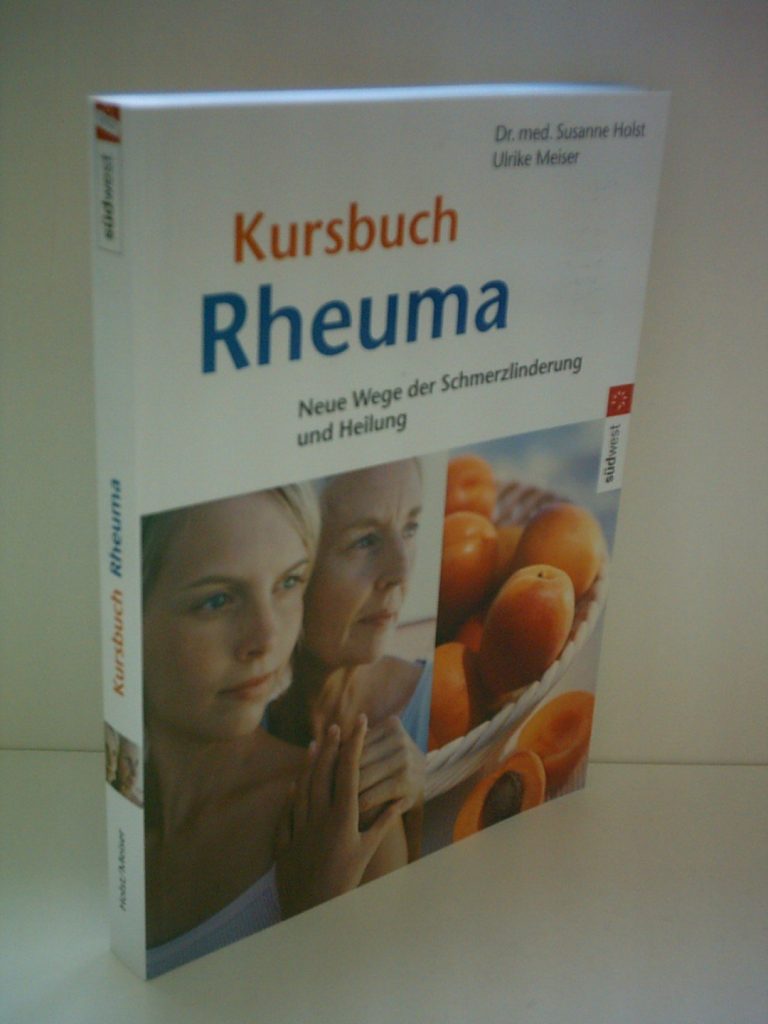
She has written several medicine books about diabetes, pain therapy, sleep and rheumatic diseases.

She is married with Halko Weiss since 1992, a psycho-therapist and specialist for Hakomi, they have twins (see book title!) but live separated actually.

She is engaged in the foundation Kindergesundheit.

wikipedia DE

youtube selection

Artikel | article Deutsches Ärzteblatt


  • -

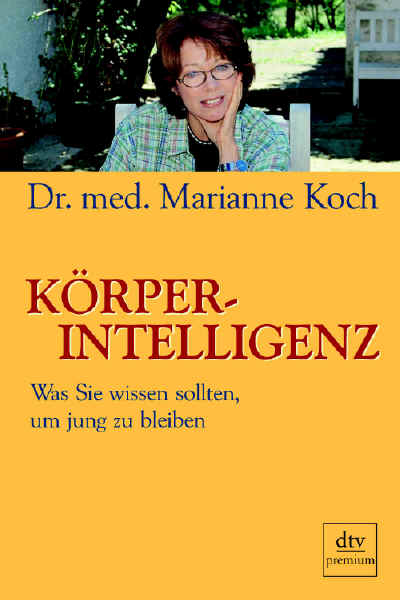
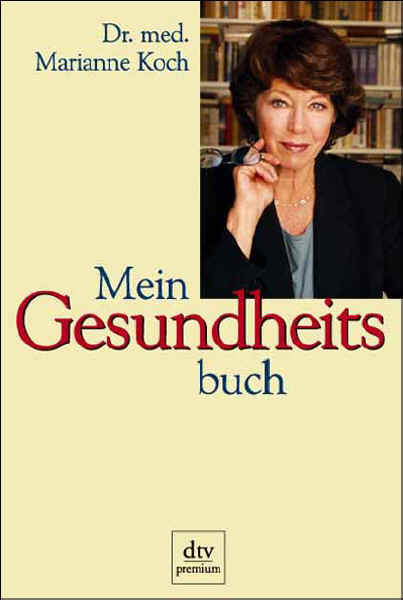
Marianne Koch

Marianne Koch (German: [maˈʁi̯anə ˈkɔx]; born 19 August 1931) is a German actress of the 1950s and 1960s, best known for her appearances in Spaghetti Westerns and adventure films of the 1960s. She later worked as a television host and as a physician.

Frau im Besten Mannesalter | KOLORIERT | Marianne Koch | Deutsche Komödie – YouTube

Between 1950 and 1971, Koch appeared in more than 65 films. She had numerous leading roles in the German cinema of the 1950s and 1960s. In the 1954 American thriller Night People, she appeared in a supporting role alongside Gregory Peck. Koch also had major roles in the Hollywood films Four Girls in Town and Interlude, both released in 1957. She remains perhaps best known internationally for Sergio Leone‘s 1964 production A Fistful of Dollars, which showcased her with Clint Eastwood as a civilian tormented by ruthless local gangsters, torn between her husband and child and the villains.

In Germany, she was probably best known for her many years of participation as one of the regular panelists in the highly popular TV game show Was bin ich?, the German adaption of the American TV show What’s My Line?, which ran from the 1950s until 1988 and achieved ratings of up to 75% at its peak.

In 1971, she resumed the medical studies she had broken off in the early 1950s to become an actress.[1] In 1974, she earned her degree and practiced medicine until 1997 as a specialist for internal medicine in Munich. Also in 1974, she was one of the initial hosts of Germany’s pioneering talk show 3 nach 9 (Three After Nine), for which she was awarded the Grimme-Preis, one of the most prestigious awards of the German television industry. She also hosted other television shows, and in 2014, still had a medical advice program on radio.
https://www.youtube.com/watch?v=FXpXEKO7ORQ
interview in TV BR

youtube

wikipedia DE

wikipedia EN


  • -

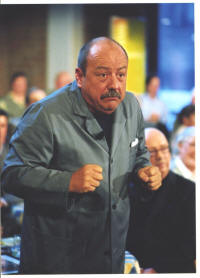
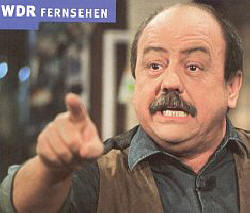
Ludger Stratmann

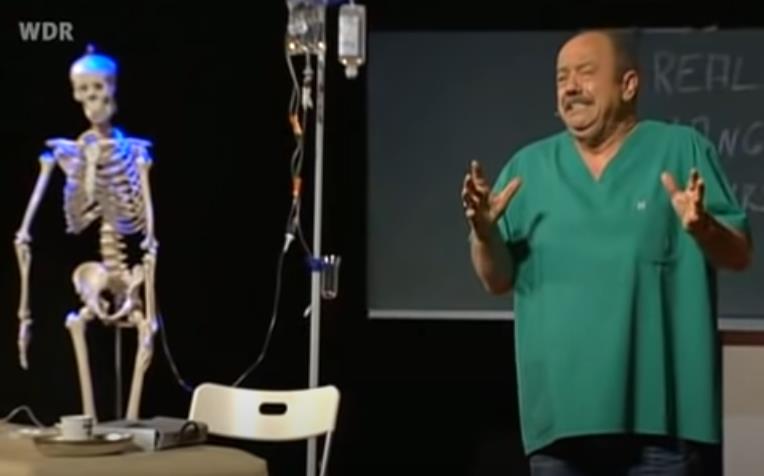
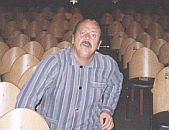
Ludger Stratmann (* 23. Juli 1948 in Verl; † 25. August 2021 in Bottrop) was a German Comedian and MD.

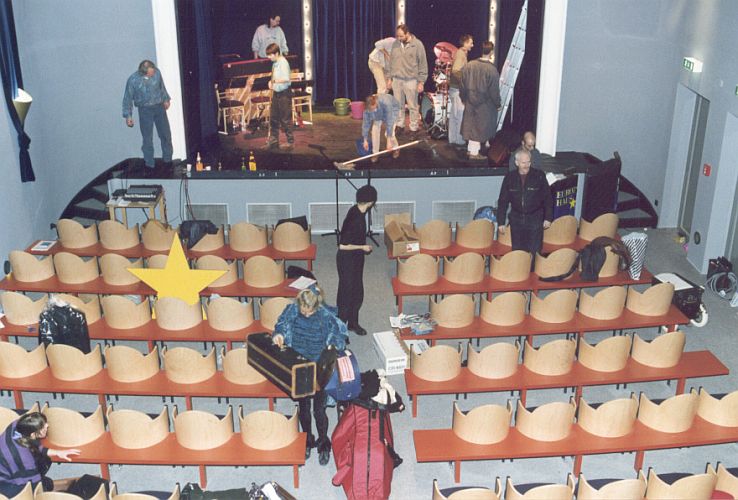
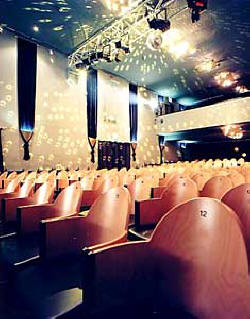
Together with his brother Christian he opened an own theatre in Essen and performed since 1995 with his comedy program. After retiring from his medical job and closing his doctors office he only performed there and in a TV series or the WDR.

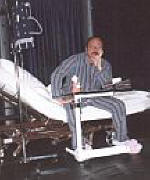
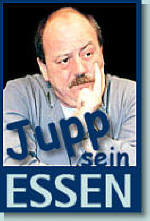
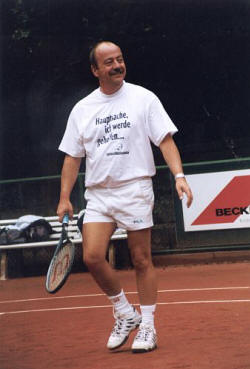
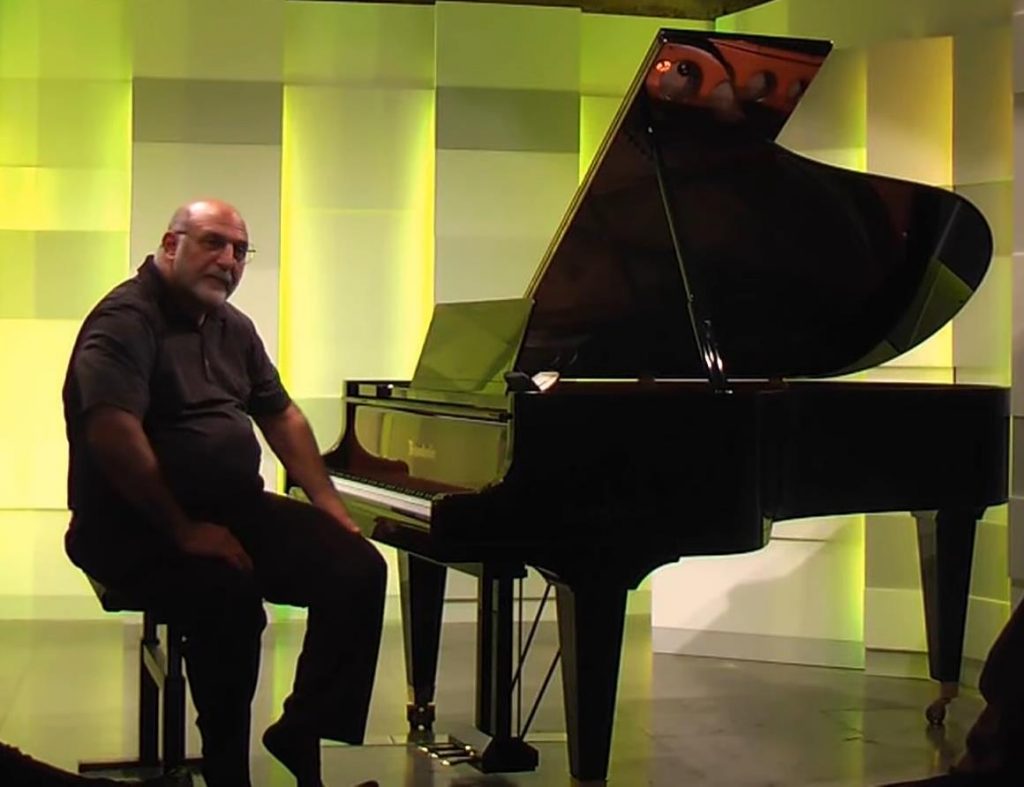
(DE): Seit 1995 schrieb Ludger Stratmann, der in der Kabarettszene als „der Doktor“ bekannt wurde, etwa alle zwei Jahre ein neues Solobühnenprogramm und spielte seine Programme auf der Bühne zunächst gemeinsam mit dem Pianisten Hagen Rether. Ab 2005 trat er solo auf. Die Titel der Programme lauten: Hauptsache, ich werde geholfen! (1995), Heute komm’ ich mal mit mein’ Bein! (1997), Hauptsache nich fettich … (1999), Machensichmafrei, bitte! (2005), Kunstfehler (2009) und Pathologisch (2015). Insgesamt besuchten diese Bühnenprogramme bis 2007 ca. 1,2 Millionen Menschen live in seinem Theater sowie auf Bühnen von Flensburg bis München. Stratmann gehörte zu den erfolgreichsten Kabarettisten und Livekomikern Deutschlands. Die ersten drei Programme übertrug der Fernsehsender WDR in voller Länge. Mehrfach füllte Ludger Stratmann die Grugahalle mit bis zu 4500 Zuschauern. Im Jahr 2003 spielte er vor jeweils 1500 Zuschauern in der Stadthalle Hagen an drei aufeinanderfolgenden Abenden die drei verschiedenen Zweistundenprogramme. Er verkörperte hier stets den Hypochonder, Bühnenarbeiter und Kleingartenpräsidenten Josef Kwiatkowski „Jupp“, der über Krankheitsverläufe pseudowissenschaftlich referiert und amüsante Milieubeschreibungen abliefert, wobei sich Stratmann an seinem Arbeitsplatz, im Wartezimmer oder dem Krankenbett befindet.

theatre website

original website

wikipedia DE

youtube

article | Artikel DIE WELT


  • -

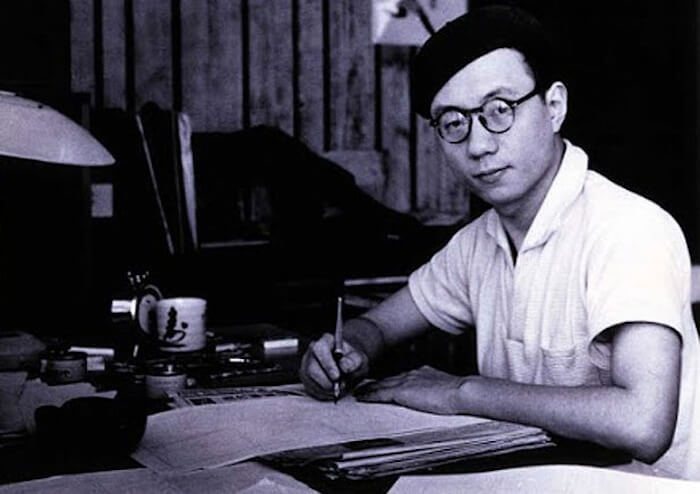
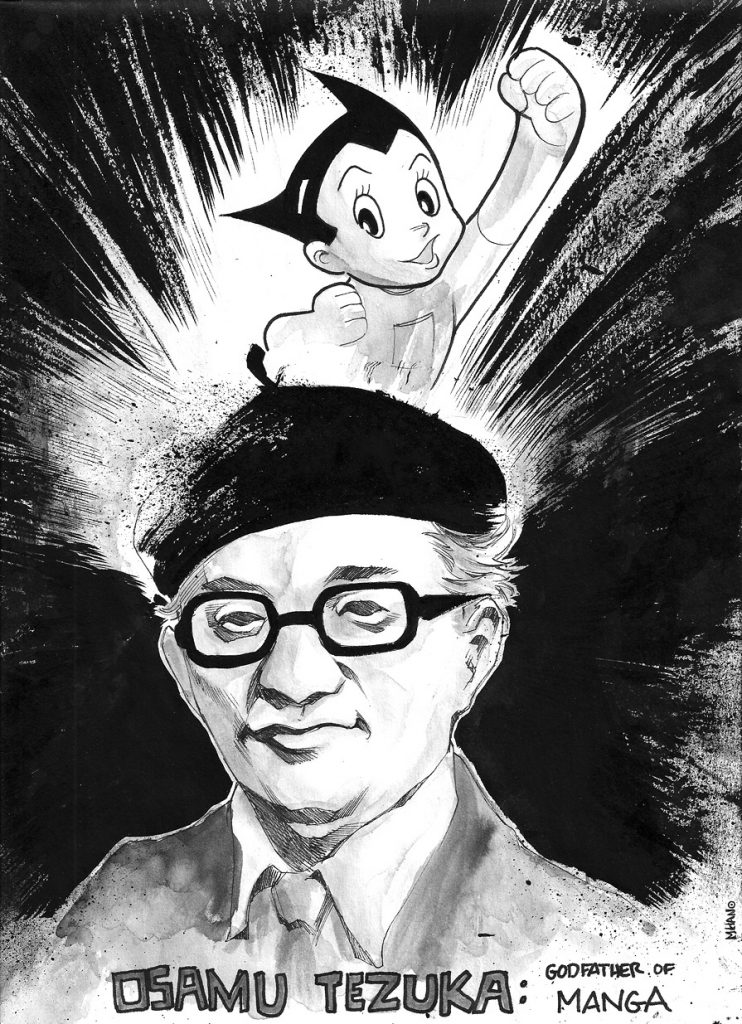
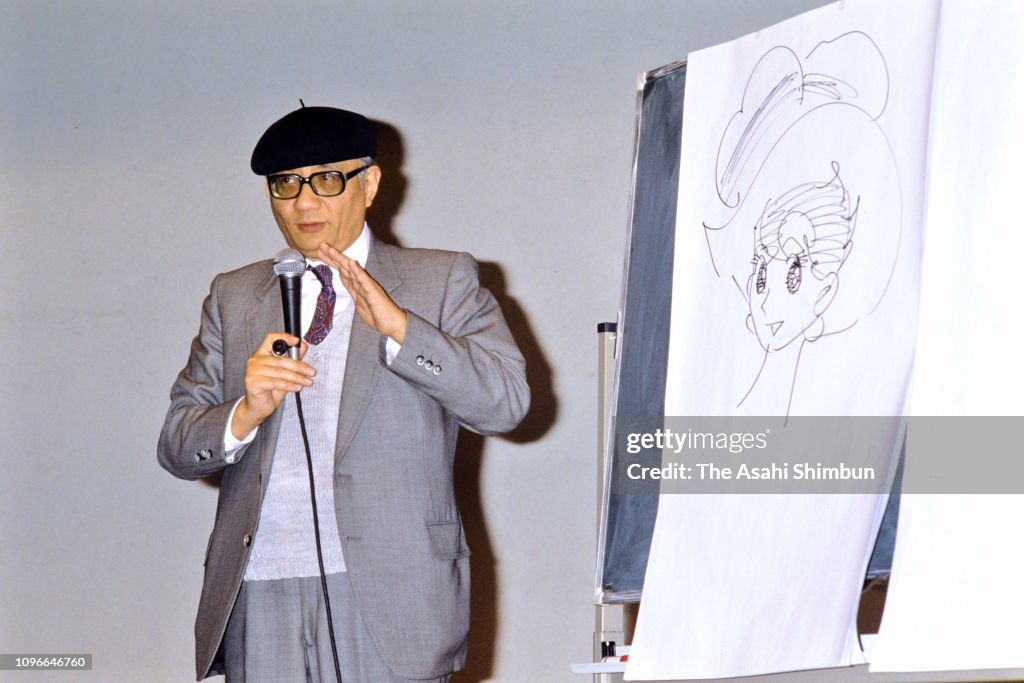
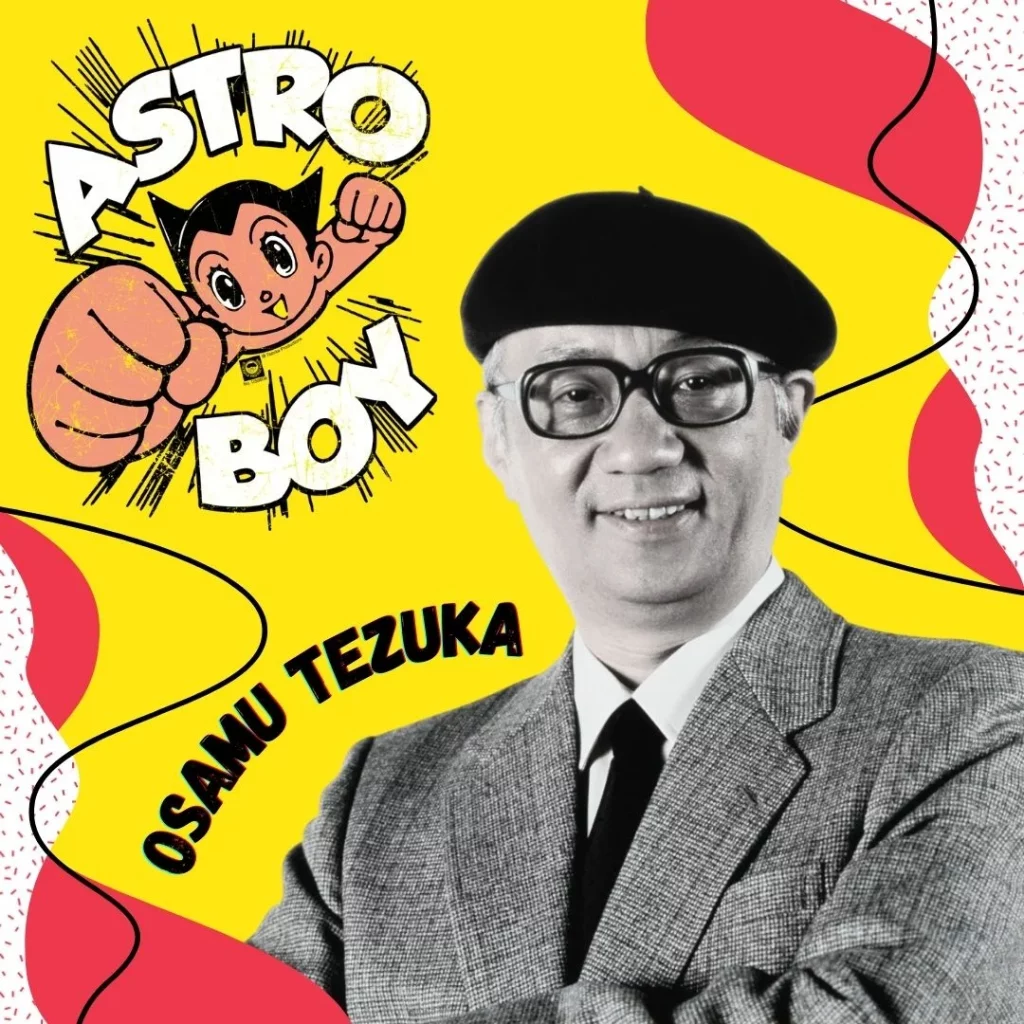
Osamu Tezuka

Osamu Tezuka (手塚 治虫, born 手塚 治, Tezuka Osamu; 3 November 1928 – 9 February 1989) was a Japanese manga artistcartoonist, and animator. Born in Osaka Prefecture, his prolific output, pioneering techniques, and innovative redefinitions of genres earned him such titles as “the Father of Manga” (マンガの父, Manga no Chichi), “the Godfather of Manga” (マンガの教父, Manga no Kyōfu) and “the God of Manga” (マンガの神様, Manga no Kami-sama). Additionally, he is often considered the Japanese equivalent to Walt Disney, who served as a major inspiration during Tezuka’s formative years.[2] Though this phrase praises the quality of his early manga works for children and animations, it also blurs the significant influence of his later, more literary, gekiga works.

Tezuka began what was known as the manga revolution in Japan with his New Treasure Island published in 1947. His output would spawn some of the most influential, successful, and well-received manga series including the children mangas Astro BoyPrincess Knight and Kimba the White Lion, and the adult-oriented series Black JackPhoenix, and Buddha, all of which won several awards.

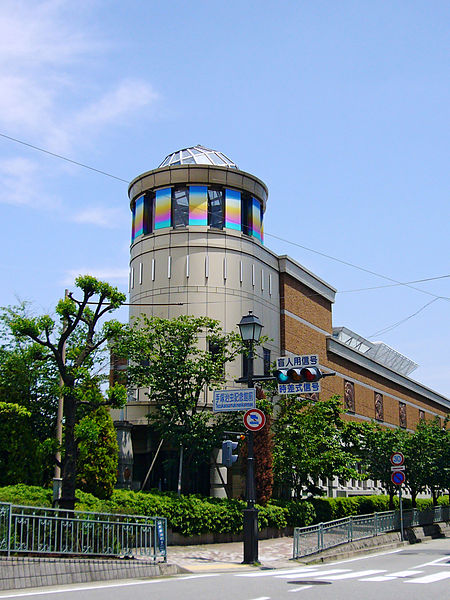
Tezuka died of stomach cancer in 1989. His death had an immediate impact on the Japanese public and other cartoonists. A museum was constructed in Takarazuka dedicated to his memory and life works, and Tezuka received many posthumous awards. Several animations were in production at the time of his death along with the final chapters of Phoenix, which were never released.

Osamu Tezuka (手塚 治虫, born 手塚 治, Tezuka Osamu; 3 November 1928 – 9 February 1989) was a Japanese manga artistcartoonist, and animator. Born in Osaka Prefecture, his prolific output, pioneering techniques, and innovative redefinitions of genres earned him such titles as “the Father of Manga” (マンガの父, Manga no Chichi), “the Godfather of Manga” (マンガの教父, Manga no Kyōfu) and “the God of Manga” (マンガの神様, Manga no Kami-sama). Additionally, he is often considered the Japanese equivalent to Walt Disney, who served as a major inspiration during Tezuka’s formative years.[2] Though this phrase praises the quality of his early manga works for children and animations, it also blurs the significant influence of his later, more literary, gekiga works.

Tezuka began what was known as the manga revolution in Japan with his New Treasure Island published in 1947. His output would spawn some of the most influential, successful, and well-received manga series including the children mangas Astro BoyPrincess Knight and Kimba the White Lion, and the adult-oriented series Black JackPhoenix, and Buddha, all of which won several awards.

Tezuka died of stomach cancer in 1989. His death had an immediate impact on the Japanese public and other cartoonists. A museum was constructed in Takarazuka dedicated to his memory and life works, and Tezuka received many posthumous awards. Several animations were in production at the time of his death along with the final chapters of Phoenix, which were never released.

about | über AstroBoy https://tezukaosamu.net/en/anime/30.html

Tezuka was a descendant of Hattori Hanzō,[69] a famous ninja and samurai who faithfully served Tokugawa Ieyasu during the Sengoku period in Japan.

Tezuka’s childhood nickname was gashagasha-atama: “messy head” (gashagasha is slang for messy, atama means head).[citation needed] As a child, Tezuka’s arms swelled up and he became ill. He was treated and cured by a doctor, which made him also want to be a doctor. At a crossing point, he asked his mother whether he should look into doing manga full-time or whether he should become a doctor. At the time, being a manga author was not a particularly rewarding job. The answer his mother gave was: “You should work doing the thing you like most of all.” Tezuka decided to devote himself to manga creation on a full-time basis. He graduated from Osaka University and obtained his medical degree, but he would later use his medical and scientific knowledge to enrich his sci-fi manga, such as Black Jack.[50][70]

Tezuka enjoyed insect collecting and entomology (even adding the character  ‘bug’ to his pen name), Disney, and baseball—in fact, he licensed the “grown up” version of his character Kimba the White Lion as the logo for the Seibu Lions of the Nippon Professional Baseball League.[71][72] A fan of Superman, Tezuka was honorary chairman of Japan’s Superman Fan Club.[73]

In 1959 Osamu Tezuka married Etsuko Okada at a Takarazuka hotel.[citation needed]

Tezuka met Walt Disney in person at the 1964 New York World’s Fair. In a 1986 entry in his personal diary, Tezuka stated that Disney wanted to hire him for a potential science fiction project.[citation needed]

In January 1965, Tezuka received a letter from American film director Stanley Kubrick, who had watched Astro Boy and wanted to invite Tezuka to be the art director of his next movie, 2001: A Space Odyssey (which was eventually released in 1968). Although flattered by Kubrick’s invitation, Tezuka could not afford to leave his studio for a year to live in England, so he had to turn down the offer. Although he was not able to work on 2001, he loved the film, and would play its soundtrack at maximum volume in his studio to keep him awake during long nights of work.[74][75]

Tezuka’s son Makoto Tezuka became a film and anime director.[71]

wikipedia DE

wikipedia EN

anime-profile EN

anime profile DE

article | Artikel Deutsches Ärzteblatt


  • -

Tara Jamieson

Tara Jamieson is a musical multi-talent and became semi-finalist in Ireland´s got Talent.

web

wikipedia DE – wikipedia EN – wikipedia XY

youtube – vimeo – soundcloud

facebook – twitter – instagram – XING – LinkedIn

work


  • -

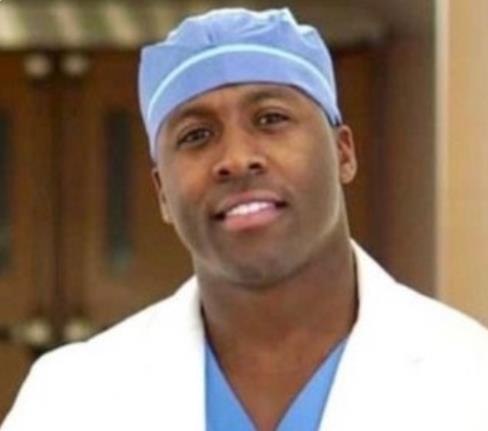
Elvis Francois

Elvis Francois, M.D. (born 1985[1][2]), also known as Dr. Elvis,[1] is an American orthopedic surgeon and amateur singer known for making inspirational viral videos of his singing before and during the COVID-19 pandemic.

Francois was named after Elvis Presley, of whom his mother was a fan.[3]

In April 2020, Francois released an EP titled “Music is Medicine” to raise funds for COVID-19 relief.[1][4] It was recorded, mixed and mastered at Carpet Booth Studios in Rochester, Minnesota.[1][4]

Francois and Dr. William Robinson, known as the “Singing Surgeons”, performed “God Bless America” during the NBC Special “Back Home Again” on May 24, and performed “The Star-Spangled Banner” at the 2020 Indianapolis 500.[5]

Francois completed a 5-year residency at the Mayo Clinic in June 2020, and completed a 3-month spine surgery fellowship at Harvard Medical School in November 2020.[2]

In 2020, Francois appeared in season four of The Masked Singer as “Serpent” who was the first character with animatronic parts. He was eliminated in the eighth episode alongside Lonzo Ball as “Whatchamacallit”.[6]

Francois was named to the People Magazine “Sexiest Man Alive” list for 2020.

web – reportcelebritiesspeaker-agencyLippman agency

wikipedia DE – wikipedia EN – wikipedia XY

youtube– vimeo – soundcloud

facebooktwitterinstagram – XING

work


  • -

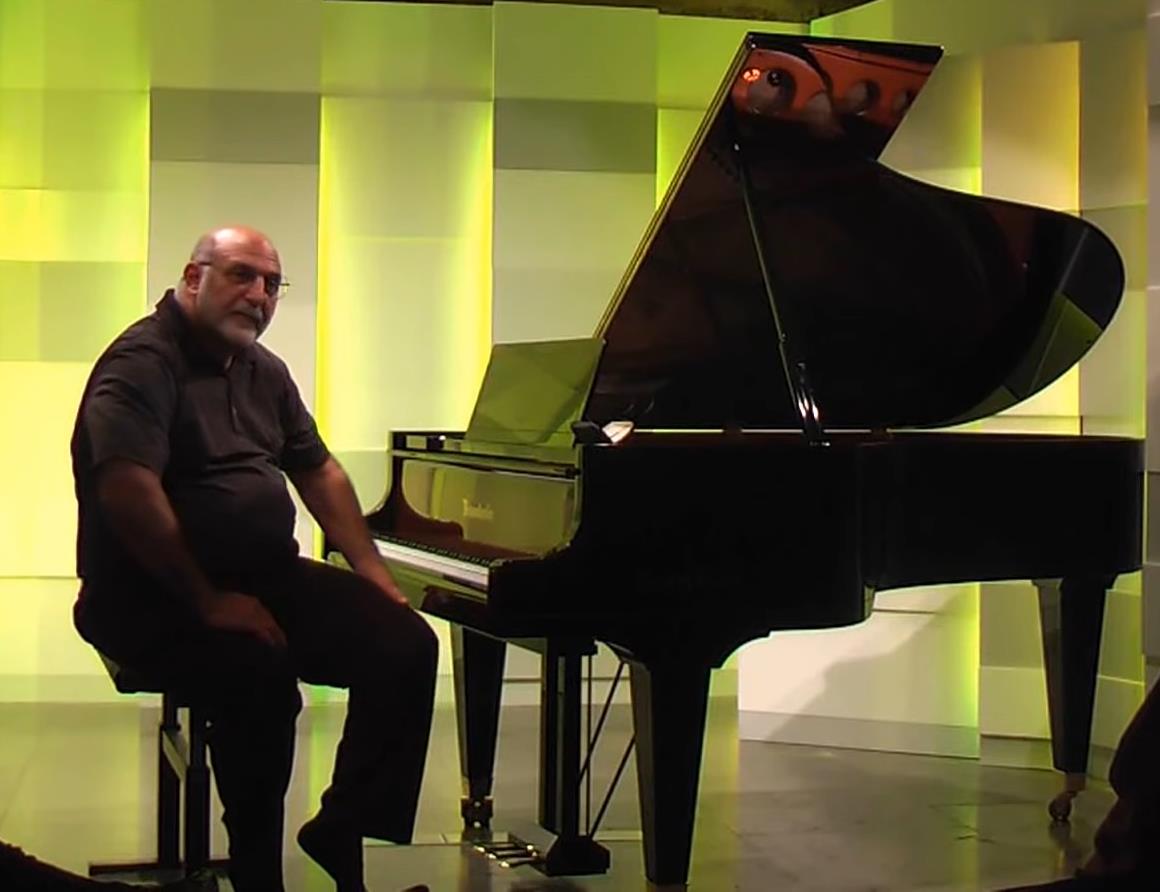
Tony Cicoria

Tony Cicoria after being struck by a lightning had an out-of-body-experience and in this status was inspired with a lightning piano sonata. Later he took up piano lessons, wrote down the piece, played and recorded it and last-not-least played it in the Vienna Mozart House at the recital of a PianoMusicDocs master-class. ( www.pianoforte.best )
This is a very special overcoming of an essential trauma!

If you click on the youtube link below you see lots of TV-shows and interviews with him. He became president of a “near-death-experience-association”.

web

wikipedia DE – wikipedia EN – wikipedia XY

youtube – vimeo – soundcloud

facebook – twitter – instagram – XING

work


  • -

Rainer Erlinger

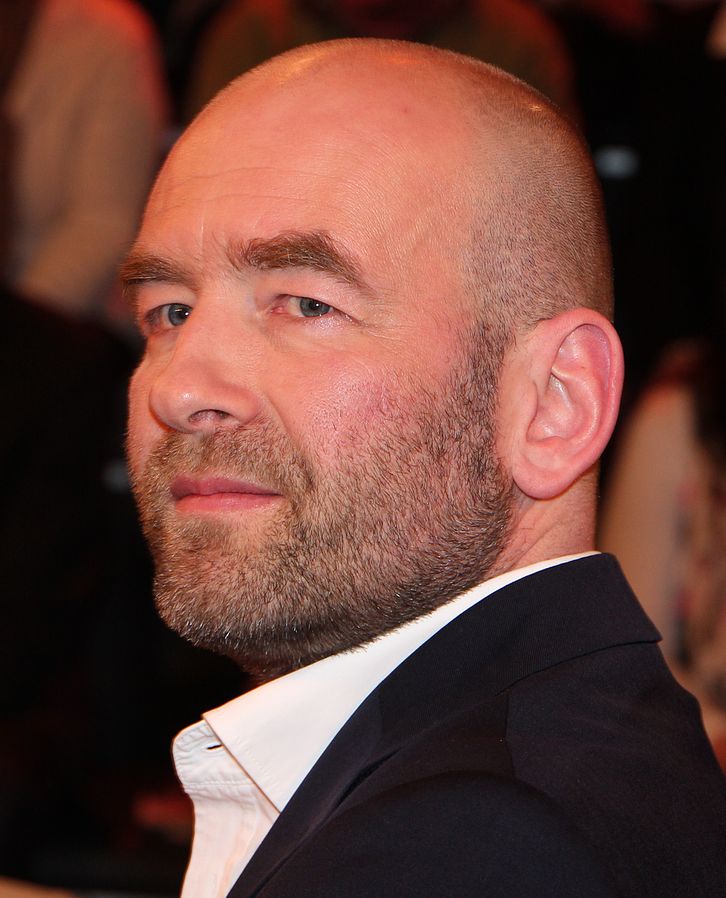
Rainer Erlinger (* 1965 in Deggendorf) is a German MD, lawyer, column writer and book author

He studied law, then interrupted this and finished his medical studies in 1992. After working in medicine he took up his law studies and works as lawyer in Munich since 1999.

He became well known writing a column for Süddeutsche Zeitung Magazin .

Since 2006 he was moderator in a TV show.

With another columnist Harald Martenstein (Die Zeit) he performed in the Deutschen Theater Berlin.

He published Nachdenken über Moral as book.

Erlinger lives and works in Berlin.

wikipedia DE

Arbeit | work


  • -

Jonathan Miller

Sir Jonathan Wolfe Miller CBE (21 July 1934 – 27 November 2019) was an English theatre and opera director, actor, author, television presenter, humourist and physician. After training in medicine and specialising in neurology in the late 1950s, he came to prominence in the early 1960s in the comedy revue Beyond the Fringe with Peter CookDudley Moore and Alan Bennett.

Miller began directing operas in the 1970s. His 1982 production of a “Mafia“-styled Rigoletto was set in 1950s Little Italy, Manhattan. In its early days, he was an associate director at the National Theatre. He later ran the Old Vic Theatre. As a writer and presenter of more than a dozen BBC documentaries, Miller became a television personality and public intellectual in Britain and the United States.

DE: http://de.wikipedia.org/wiki/Jonathan_Miller
EN: http://en.wikipedia.org/wiki/Jonathan_Miller

Profile @ Speakers agency