Category Archives: PianoDocs

  • -

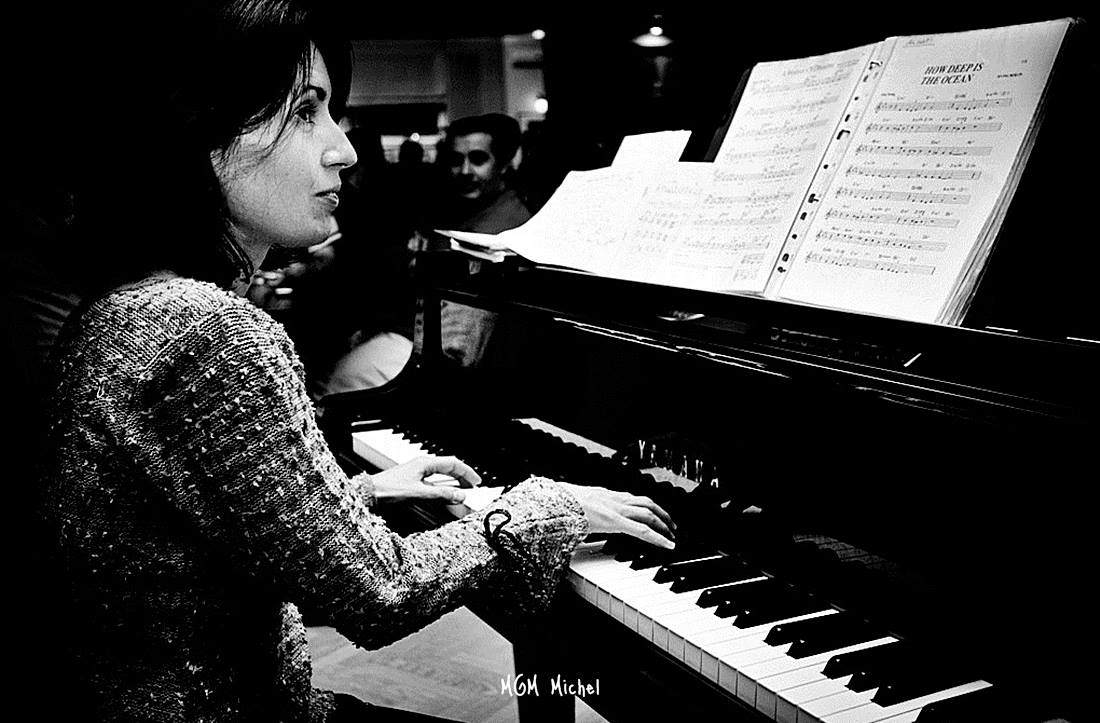
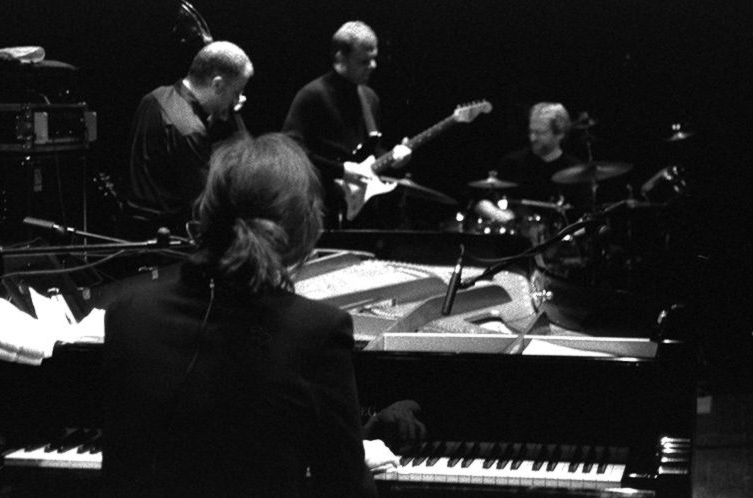
Rupa Marya

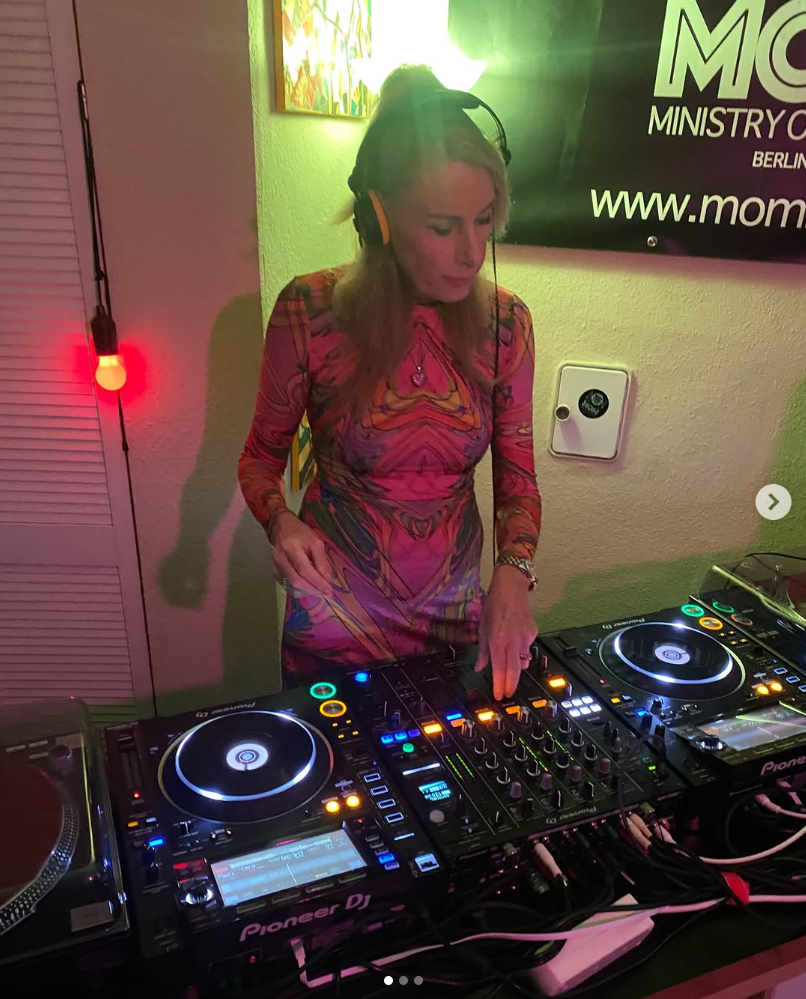
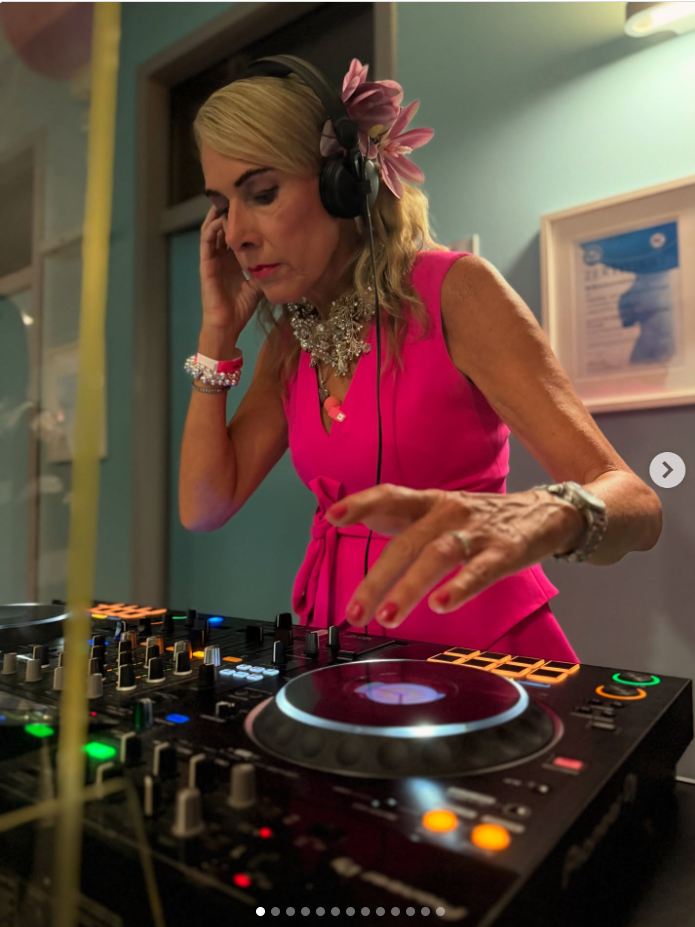
Rupa Marya is a doctor, activist, musician and writer based in San Francisco. She is a professor of medicine at the UCSF School of Medicine[1] and co-author of the book Inflamed: Deep Medicine and the Anatomy of Injustice (with Raj Patel).[2] She is currently suspended from teaching and banned from the UCSF campus after what the university described as the “targeting” of a first-year student from Israel in a social media post. The post cited speculation from the Israeli student’s classmates about potential service in the Israel Defence Forces and possible involvement in Israeli war crimes.

Marya was born in California to immigrant Indian parents. Her childhood was spent in the US, France, and India.[3] She attended the University of California San Diego, earning degrees in theater and molecular biology, before attending medical school at Georgetown University. It was during her residency at UCSF that she began writing and performing music.

Marya is the composer and front-woman of the band Rupa & the April Fishes[20] and was a lead plaintiff in the lawsuit that brought the song “Happy Birthday to You” back to the public domain.[21][22]


Rupa & the April Fishes’ debut album, “Extraordinary Rendition“, reflects on the societal impact of the September 11 attacks, while her subsequent album, “Este Mundo,” draws from her interactions with undocumented immigrants facing severe health challenges.[23] In “Este Mundo,” Rupa’s lyrics explore themes of longing, loss, and love, maintaining a thoughtful and intimate perspective.[24] Her music incorporates influences from jazztangoklezmerLatin American, and Balkan music.[25]

Marya has said her sense of justice was awakened in childhood as she witnessed class differences in India, and learned about colonization and genocide perpetrated against Native Americans in the United States.[5] She is involved in numerous organizations working at the intersection of social justice and health, including the Do No Harm Coalition[6] and Deep Medicine Circle.[7] She was recognized in 2021 with the Women Leaders in Medicine Award by the American Medical Student Association. She was a reviewer of the American Medical Association’s Organizational Strategic Plan to Embed Racial Justice and Advance Health Equity. In 2019, Marya was among the physicians appointed by Governor Newsom to the Healthy California for All Commission.[8][9]

Marya has been vocal on social media as well as in her capacity as a medical professional regarding violations of Palestinian human rights.[10] After Dr. Avromi Kanal sent an email to hospital staff arguing against a cease-fire resolution, Marya publicly described this email as an “expression of anti-Arab hate” that prompted doctors of South Asian and North African descent “to say they do not feel safe in his presence.”

https://rupamarya.org

https://www.theaprilfishes.com

https://www.youtube.com/@theaprilfishes/featured

https://en.wikipedia.org/wiki/Rupa_Marya

https://de.wikipedia.org/wiki/Rupa_%26_the_April_Fishes

https://en.wikipedia.org/wiki/Rupa_%26_the_April_Fishes

https://www.facebook.com/drrupamarya

PianoDoc Rupa
  • -

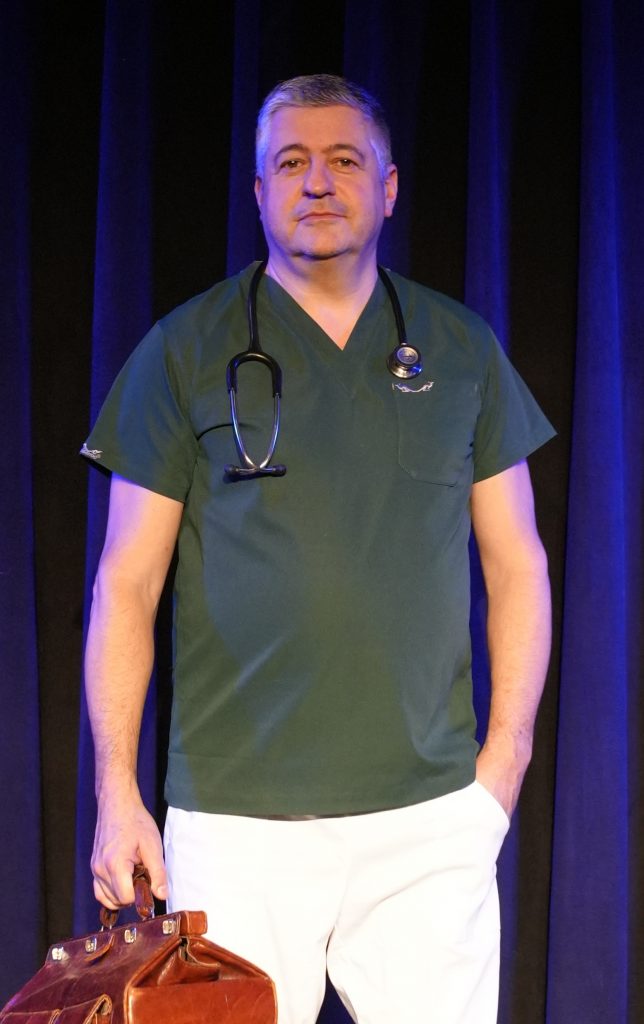
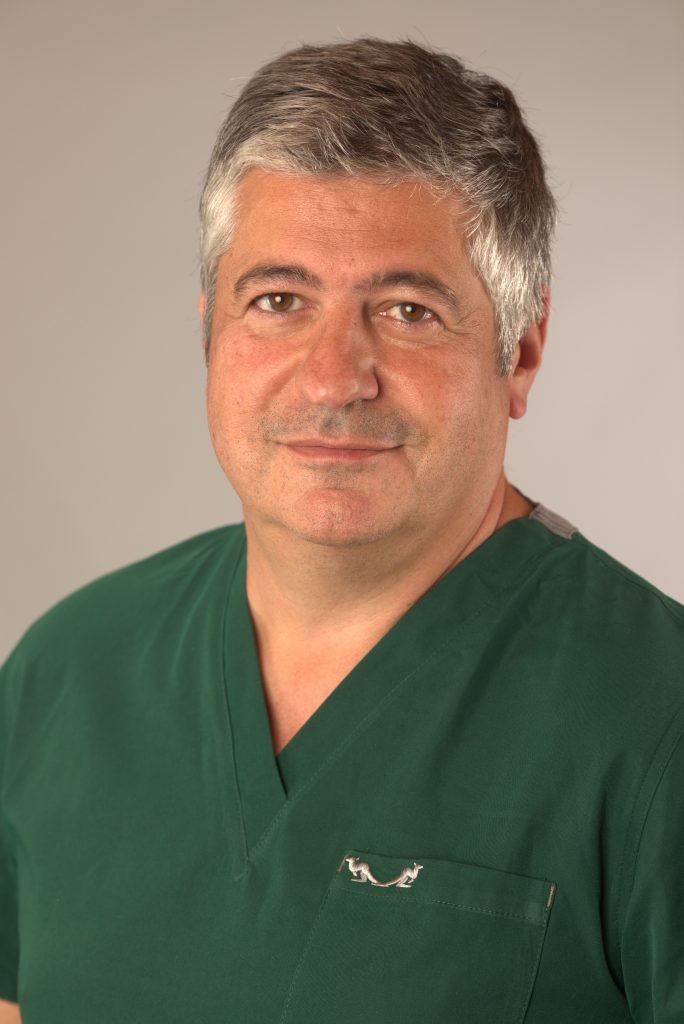
Balazs Fabinyi

Mit dem Pianisten Dr.Balazs Fabinyi und dem Bariton Joseph Schlömicher-Thier bei einem Liederabend in St.Pölten

https://www.facebook.com/balazs.fabinyi


  • -

Willem Kersing

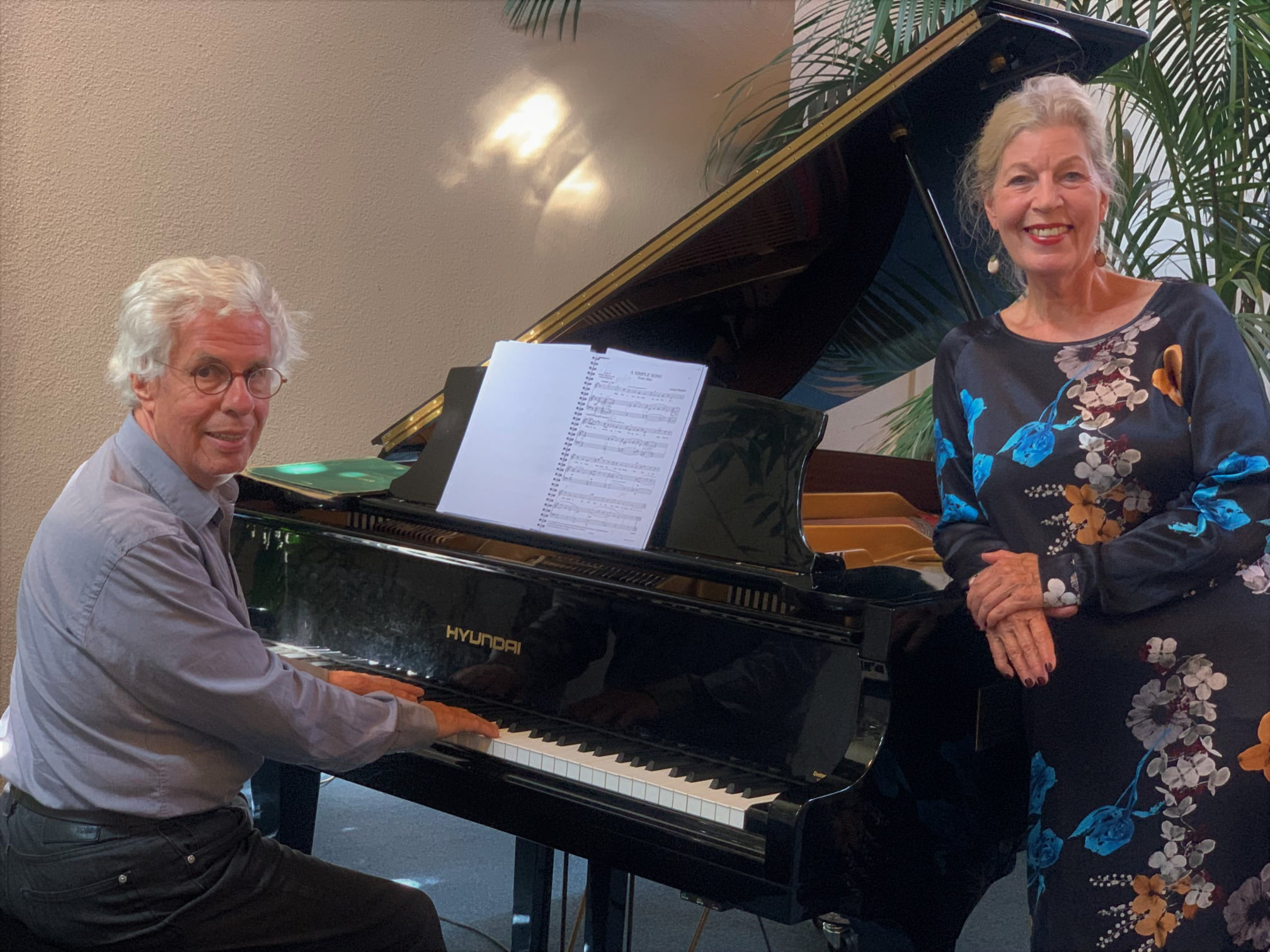
Willem Kersing has been playing the piano since he was five years old. His teachers have included George van Renesse, Johan Patist, Jerome Lowenthal, and Herman Strategier. He studied at the conservatories in Utrecht and Enschede. He accompanies many singers, including members of the Nationale Reisopera, and has collaborated with Ank Reinders. For several years, he has accompanied singers coached by Marion van den Akker. He plays chamber music in many ensembles and, after retiring from teaching medicine there, organizes a music festival at Burg Feistritz in Austria. Several recordings of him are available on YouTube.

Willem Kersing is married to the author Hebrina Blok (see www.hebrinablok.nl). They have two children and five grandchildren.

In a benefit concert at the Salzburg Residence with singer-songwriter Joseph Schlömicher-Thier:

https://www.youtube.com/@willemkersing9041/featured

https://www.linkedin.com/in/willem-kersing-2a22a3a

https://www.facebook.com/willem.kersing.7

https://www.linkedin.com/in/willem-kersing-2a22a3a


  • -

Gabriela Kieser

Dr. Gabriela Kieser studied medicine at the University of Zurich and earned her MBA from the Universities of Rochester, USA, and Bern. In 1990, the first European medical practice for medical strength therapy opened in Zurich. The practice demonstrated effective synergy with Kieser Training, located in the same building. Together with her husband, Werner Kieser (†), she developed the concept of health-oriented strength training and thus expanded internationally. Today, 280,000 customers train in 154 Kieser Training studios in five countries.

After more than twenty years in management and on the supervisory board, and since the sale of the company as part of an MBO in early 2017, she now conducts medical training consultations at three studios in Zurich. She also gives lectures on the preventative and therapeutic benefits of health-oriented strength training. She lives in Zurich and in the mountains with her dog.

Since she and her husband sold Kieser Training to their two successors, Michael Antonopoulos and Nils Planzer, Gabi Kieser has been working as an employee. She takes it in her stride. “I let the company consume me. Now I’m enjoying the new freedom and looking forward to wonderful years with Werner.” She’s just started learning Tai Chi. “The movements are so beautiful. It really helps you unwind.” She also wants to take up piano again. “You don’t play much,” Werner interrupts. “Let me finish,” she counters. “It’s on my agenda.” Does she argue well? “Well, yes. I come from a culture of debate. Werner is above things. That’s why things rarely escalate. But we have heated discussions. And we don’t always agree.”

Gabi Kieser loves spending time with her husband and dogs at their holiday home at 2,000 meters above sea level in Graubünden. Just as arguments are the spice of their relationship, she doesn’t always like sunshine when it comes to the weather. She raves about the fog in the mountains. “The fog is beautiful here. You simply feel peaceful. A fire by the fireplace. A good book. That’s all you need for happy moments with Werni and the dogs. You’re not alone, but you’re alone.”

https://www.kieser.de/50-starke-jahre/gabriela-kieser


  • -

Ronny Tekal

Ronny Tekal (born Ronny Teutscher on July 23, 1969 in Vienna) is an Austrian physician, cabaret artist, medical journalist, radio producer, author and co-founder of the medical cabaret Peter & Tekal.

Dr. Ronny Tekal is a general practitioner, medical cabaret artist, radio producer, and author. His satirical columns appear in “Ärzte-Woche,” “Ärztemagazin,” the Swiss “Weltwoche,” and various health magazines.
He is the Ö1 radio doctor for Austrian Broadcasting. He is a frequently booked keynote speaker, communications trainer, and moderator at medical symposia and conferences.

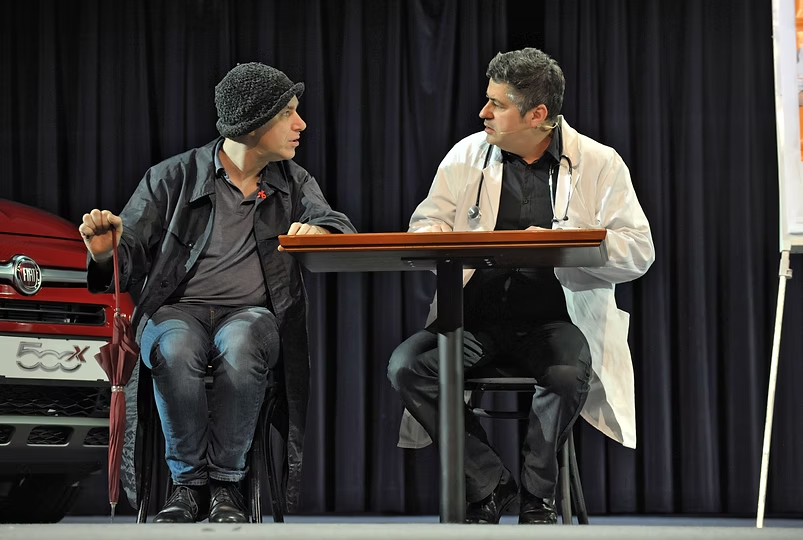
With the medical cabaret comedy duo Peter & Tekal, which he co-founded, he has brought laughter to around 500,000 patients (sorry, it’s a habit!) and audiences. He lives near Vienna.

Tekal studied medicine at the University of Vienna and received his doctorate in medicine in 1995. He has been a general practitioner since 2000. He lives in Mauerbach near Vienna.

Even during his studies, he composed sing-alongs for school classes, as well as the musical “Hospital,” which premiered in Vienna in 1992. This was followed by compositions for musicals by the children’s theater group “Die Stachelbären” at the Vienna Theater am Alsergrund, under the direction of Andreas Hutter, and for the play “Coccinella” by the Theater Impetus.

In 1995, he founded the cabaret duo Peter & Teutscher with communications scientist Norbert Peter. Since 2006, the group has focused exclusively on medical topics, choosing the name “Medical Cabaret.” Similar to the work of German physicians and cabaret artists Eckart von Hirschhausen, Lüder Wohlenberg, and Ludger Stratmann, their work focuses on satirical explorations of doctors, patients, and the medical system. Elements of the seminar cabaret created by Austrian psychologist Bernhard Ludwig also appear.

In 2000, they won the audience vote as the best Austrian participants at the Vienna Goldener Kleinkunstnagel (Golden Cabaret Nail) and twice received the Munich Kabarett Kaktus (Cabaret Kaktus). In 2013, the cabaret duo’s name was changed to Peter & Tekal.[2]

A portrait of the artists with excerpts from their programs was shown several times on ORF and 3sat in 2001, and the program Seitensprung (Side Jump) was also broadcast on Premiere Austria. In 2013, the program Patientenflüsterer (Patient Whisperer) was broadcast on ORF III as part of the Hyundai Cabaret Days. In 2016, he appeared on ORF with Echt krank! (Really Sick!) as part of Kabarett im Turm (Cabaret in the Tower).

Tekal is a member of the ORF radio science editorial team, an author, speaker, and creator of contributions for Ö1, primarily for Ö1 Radiodoktor.

His satirical column, “Side Effects,” has been published weekly in Ärzte-Woche (Springer-Verlag) since 2008.

As a founding member of PULS – Association for Combating Sudden Cardiac Death, Tekal headed the organization between 2008 and 2013. During this time, as part of this initiative, in addition to major first aid events in Vienna, the first publicly accessible defibrillators for laypersons (AEDs) were installed. The goal of making Vienna heart-safe was implemented jointly with the City of Vienna and the major emergency services. In 2013, there were over 300 defibrillators registered in the defibrillator network in Vienna at subway stations, shopping centers, the airport, public buildings, and police stations.[4] At the 4th German Interdisciplinary Emergency Medicine Congress in 2013, the presentation of the PULS campaign “Vienna Becomes HEART-Safe” was awarded first place.

Tekal, together with the second PULS founder, emergency physician Roman Fleischhackl, received the Vienna Helper Prize 2013 from the Vienna city government.

https://www.ronnytekal.com

https://www.medizinkabarett.at/peter-tekal

https://www.youtube.com/@petertekal6051/featured

https://www.youtube.com/@peterundtekal

https://de.wikipedia.org/wiki/Ronny_Tekal


  • -

Daniela Nicolae

Daniela Nicolae graduated from the Jazz Department with a Master’s degree in Jazz and Popular Music Cultures at the Bucharest University of Music and Performing Arts. She studied with Marius Popp and Mircea Tiberian. She received a scholarship from Berklee College of Music, Boston (1995). She has performed at jazz festivals in Costinești, Brașov, Cluj, Timișoara, Bucharest, and Sibiu, and in clubs. She has recorded audio for the Romanian Radio and Television Corporation. She has a registered trademark, “Jazz Collection,” a weekly radio program broadcast since 2000 (in Bucharest, Cluj, Târgu-Mureș, and Chișinău). She has also interviewed major jazz musicians, preserved in the Jazz Collection archives: Jancy Korossy, Edmond Deda, Johnny Răducanu, Stefan Berindei, Alin Constantiu, Anca Parghel, Marius Popp, and Adrian Enescu. Collaboration in concerts with jazz musicians: Anca Parghel, Teodora Enache, Ozana Barabancea, Tom Smith, Rick Conditt, Jean Louis Rassinfosse, Alin Constanțiu, Garbis Dedeian, Liviu Butoi, Dan Ionescu, Cătălin Răsvan, Eugen Nichiteanu, Lucian Maxim, Pedro Negrescu, Cătălin Rotaru, Sorin Romanescu, Berti Barbera, Vadim Tichișan, Mihai Iordache, Cătălin Milea.

Specialist Physician – Clinical Pharmacology; Medical Journalism.

How Insensitive by Antônio Carlos Jobim. Band: Daniela Nicolae – piano, Cătălin Răsvan – contrabass, Eugen Nichiteanu – drums. Recorded at Art Jazz Club. Video art by Gabi Stamate.
JournalistDoc
Playing Harpsichord in Vivaldi Violin concerto with Romanian Doctors Orchestra

https://www.facebook.com/daniela.nicolae

wonderful track collection on Soundcloud https://soundcloud.com/daniela-nicolae-2?fbclid=IwY2xjawJ22e5leHRuA2FlbQIxMABicmlkETBEckhUU2ZFZzlxdWNvZjBPAR4PUN8ooxiyN2-7mAxiFnQZYpLpg1JLc2XnnGl-h5UPJt_BkVs3iwG0GB7y1w_aem_RxJ5iInn15Jx3CpeyaAHRg

Jazz Collection for Radio Bucharest https://www.romania-muzical.ro/emisiuni/esp-index.htm?sh=18&fbclid=IwY2xjawJ22e9leHRuA2FlbQIxMABicmlkETBEckhUU2ZFZzlxdWNvZjBPAR4UqSGVrNdvkCY4Tlqex-sWUv1YvaegIMWAtHxt17OdwcH5C9DZYW43m25yJQ_aem_IHZbdv7KWofIPHossHHJEA

https://www.youtube.com/user/DanielaNicolae

https://www.linkedin.com/in/daniela-nicolae-84686227


  • -

  • -

Hans Prinzhorn

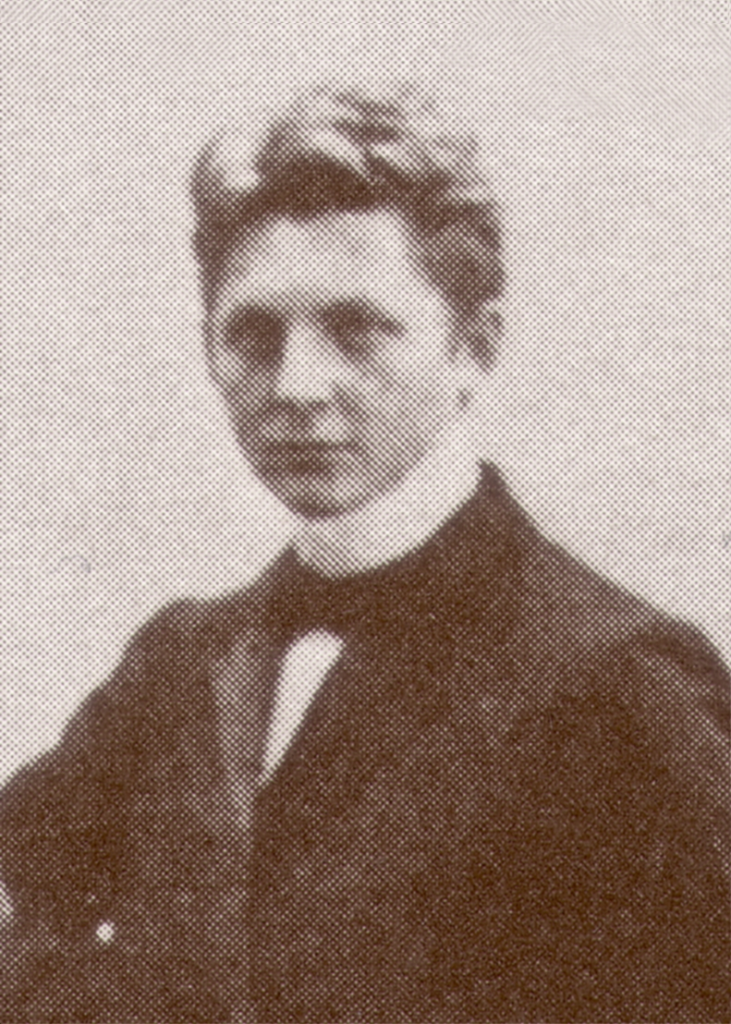
Hans Prinzhorn (6 June 1886 – 14 June 1933) was a German psychiatrist and art historian.

Hans Prinzhorn als Abiturient (1904)

Born in HemerWestphalia, he studied art history and philosophy at the universities of Tübingen, Leipzig and Munich, then receiving his doctorate under Theodor Lipps with the dissertation “Gottfried Semper’s basic aesthetic views” in 1908. He then went to the Leipzig Conservatory in 1909 and received lessons in music theory and piano. Afterwards he went to London to pursue his desire of becoming a singer, however his voice was ultimately not good enough for an artistic career. During the First World War, he assisted a military surgeon and in 1913 he finally started studying medicine, receiving his training at the universities of Freiburg and Strasbourg. He completed his second doctorate (in medicine) in 1919 at the University of Heidelberg after an invitation from Karl Wilmanns, with the dissertation “The artistic capabilities of the mentally ill”.

Geburtshaus von de:Hans Prinzhorn in Hemer.

In 1919 he became assistant to Karl Wilmanns at the psychiatric hospital of the University of Heidelberg. His task was to expand an earlier collection of art created by the mentally ill and started by Emil Kraepelin. When he left in 1921 the collection was extended to more than 5,000 works by about 450 “cases”.

In 1922 he published his first and most influential book, Bildnerei der Geisteskranken. Ein Beitrag zur Psychologie und Psychopatologie der Gestaltung (Artistry of the mentally ill: A Contribution to the Psychology and Psychopathology of Configuration), richly illustrated with examples from the collection. While his colleagues were reserved in their reaction, the art scene was enthusiastic. Jean Dubuffet was highly inspired by the works, and the term Art Brut was coined.

The book is mainly concerned with the borderline between psychiatry and art, illness and self-expression. It represents one of the first attempts to analyse the work of the mentally ill.

Das ehemalige Hörsaalgebäude des Altklinikums Bergheim ist heute der Forschungssammlung Prinzhorn als Museum gewidmet

After short stays at sanatoriums in ZürichDresden and Wiesbaden, he began a psychotherapy practice in Frankfurt in 1925, but without much success. He published a follow up project to his first book, titled “Bildnerei der Gefangenen” (Artistry of Prisoners) in 1926, however it was met with little success. He also wrote poems, which were published by a private publisher after his death. He continued to write numerous other books which were mainly on the field of psychotherapy. He approached psychology with an original method where he combined philosophy, anthropology and psychoanalysis. He went on to give lectures over radio, and he was a sought-after speaker home and abroad. He went to an invitation-based lecture tour of US universities in 1929. His original approach was well respected within the German community, however it was largely forgotten due to the dominant force of experimental psychology. His hopes to find a permanent position at a university were never fulfilled. Disillusioned by professional failures, and after three failed marriages, he moved in with an aunt in Munich and retreated from public life, making a living from giving lectures and writing essays. He died in 1933 in Munich after contracting typhus on a trip to Italy.

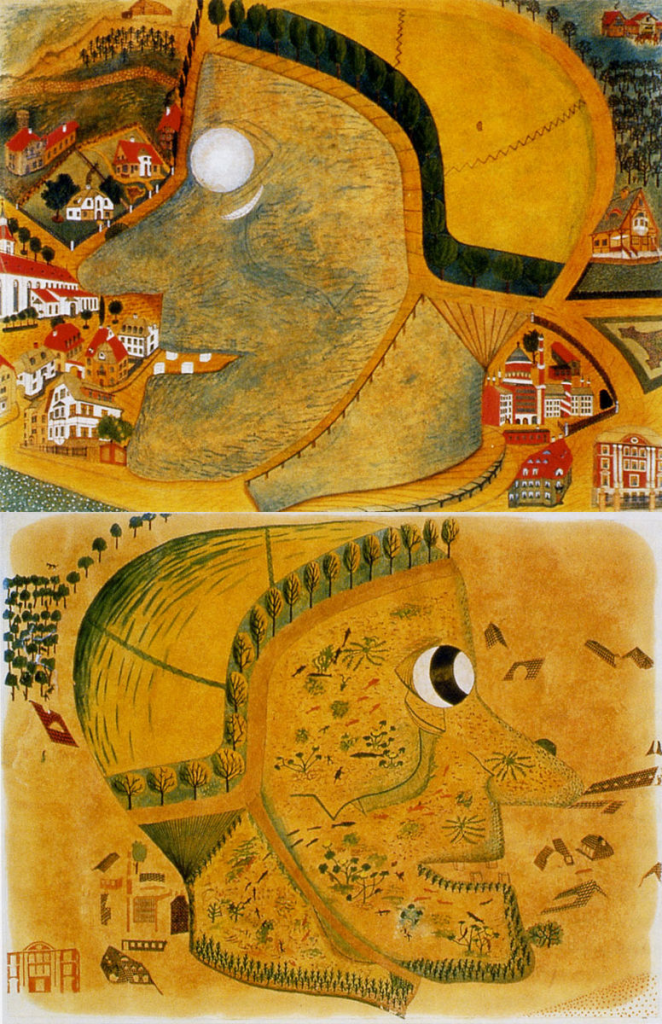
Aus der Sammlung Prinzhorn: August Natterer (Neter): „Hexenkopf“ (Vorder- u. Rückseite), ca. 1915

Shortly after his death the Prinzhorn Collection was stowed away in the attics of the university. In 1938 a few items were displayed in the Nazi propaganda exhibition Entartete Kunst (“Degenerate Art”). Since 2001 the collection has been on display in a former oratory of the University of Heidelberg.

Brief der Psychiatriepatientin Emma Hauck 1909, von Prinzhorn als Beispiel für „Kritzeleien“ angeführt, Sammlung Prinzhorn

In Hans Prinzhorn’s hometown of Hemer, the municipal secondary school and the local specialized clinic for psychiatry and psychotherapy are named after him. A clinic for differentiated treatment options in compulsory and full-service settings, the clinic is sponsored by the Regional Association of Westphalia-Lippe. The clinic also serves as a training and continuing education institution. The Felsenmeer Museum, run by the Citizens’ and Local History Association, houses a Prinzhorn archive, largely filled with copies. The literary scholar Yukio Kotani, influenced by Ludwig Klages, campaigned to raise awareness of Prinzhorn’s work in Japan.

https://de.wikipedia.org/wiki/Hans_Prinzhorn

https://en.wikipedia.org/wiki/Hans_Prinzhorn


  • -

  • -

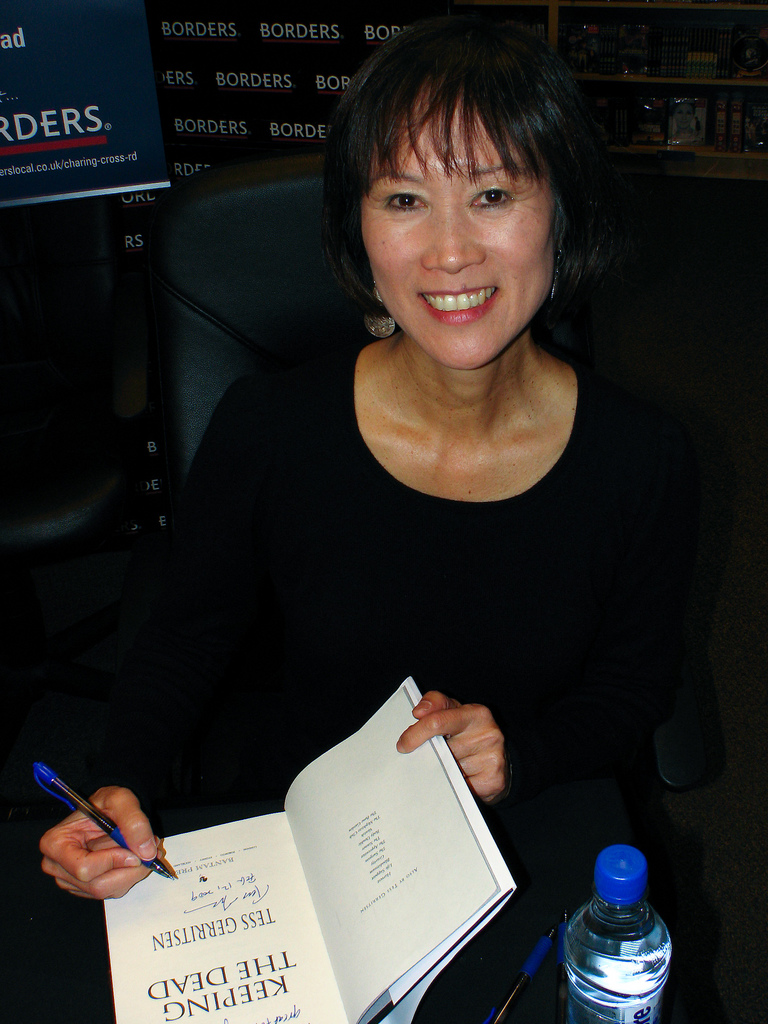
Tess Gerritsen

Tess Gerritsen (born Terry Tom; June 12, 1953[1]) is the pseudonym of Terry Gerritsen,[2] an American novelist and retired general physician.

Tess Gerritsen is the child of a Chinese immigrant and a Chinese-American seafood chef. While growing up in San Diego, California, Gerritsen often dreamt of writing her own Nancy Drew novels.[4] Her first name is Terry; she decided to feminize it when she was a writer of romance novels.[2] Although she longed to be a writer, her family had reservations about the sustainability of a writing career, prompting Gerritsen to choose a career in medicine.[5] In 1975, Gerritsen graduated from Stanford University with a BA in anthropology, intrigued by the ranges of human behavior.[6] She went on to study medicine at the University of California, San Francisco.[5] She received her medical degree in 1979 and started work as a physician in HonoluluHawaii.[7][8]

While on maternity leave, she submitted a short story to a statewide fiction contest in the magazine Honolulu. Her story, “On Choosing the Right Crack Seed“, won first prize and she received $500.[7][9] The story focused on a young male reflecting on a difficult relationship with his mother. Gerritsen claimed the story allowed her to deal with her own childhood turmoil, including the repeated suicide attempts of her mother.[7]

Inspired by the romance novels she enjoyed reading while working as a doctor, Gerritsen’s first novels were romantic thrillers.[7] After two unpublished “practice novels”, Call After Midnight was bought by publisher Harlequin Intrigue in 1986 and published a year later.[10] Gerritsen subsequently wrote eight romantic thrillers for Harlequin Intrigue and Harper Paperbacks.

In 1996, Gerritsen wrote Harvest, her first medical thriller.[10] The plot was inspired by a conversation with a retired homicide detective who had recently traveled in Russia. He told her young orphans were vanishing from Moscow streets, and police believed the kidnapped children were being shipped abroad as organ donors.[11] Harvest was Gerritsen’s first hardcover novel, and it marked her debut on the New York Times bestseller list at number thirteen.[12] Following Harvest, Gerritsen wrote three more bestselling medical thrillers: Life Support,[13] Bloodstream,[14] and Gravity.

In 2001, Gerritsen’s first crime thriller, The Surgeon, was published and introduced homicide detective Jane Rizzoli. Although a secondary character in The Surgeon, Rizzoli has been a central focus of 13 subsequent novels (see below) pairing her with medical examiner Dr. Maura Isles.[16] The books inspired the Rizzoli & Isles television series starring Angie Harmon and Sasha Alexander.[17] Gerritsen also made an appearance in the series’ final season as a writer who helps Isles establish herself in the literary field

Although most of her recent books have been in the Rizzoli/Isles series, in 2007 Gerritsen wrote a stand-alone historical thriller titled The Bone Garden. A tale of gruesome murders, the book is set primarily in 1830s Boston and includes a character based on Oliver Wendell Holmes.[19][20]

Gerritsen’s books have been published in 40 countries and have sold 25 million copies.

Film and television

Gerritsen co-wrote the story and screenplay for Adrift, which aired on CBS as Movie of the Week in 1993 and starred Kate Jackson and Bruce Greenwood

She is also the composer of the musical piece “Incendio” for violin and piano, a waltz that features in the plot of her novel “Playing With Fire”.[24] The composition has been recorded by violinist Susanne Hou.

Gerritsen’s mother told her traditional Chinese stories, e.g. about Monkey King. Her novel The Silent Girl uses Chinese martial arts and traditional motives in contemporary Boston. One of the victims is a Chinese chef.

web

wikipedia DE

wikipedia EN

youtube