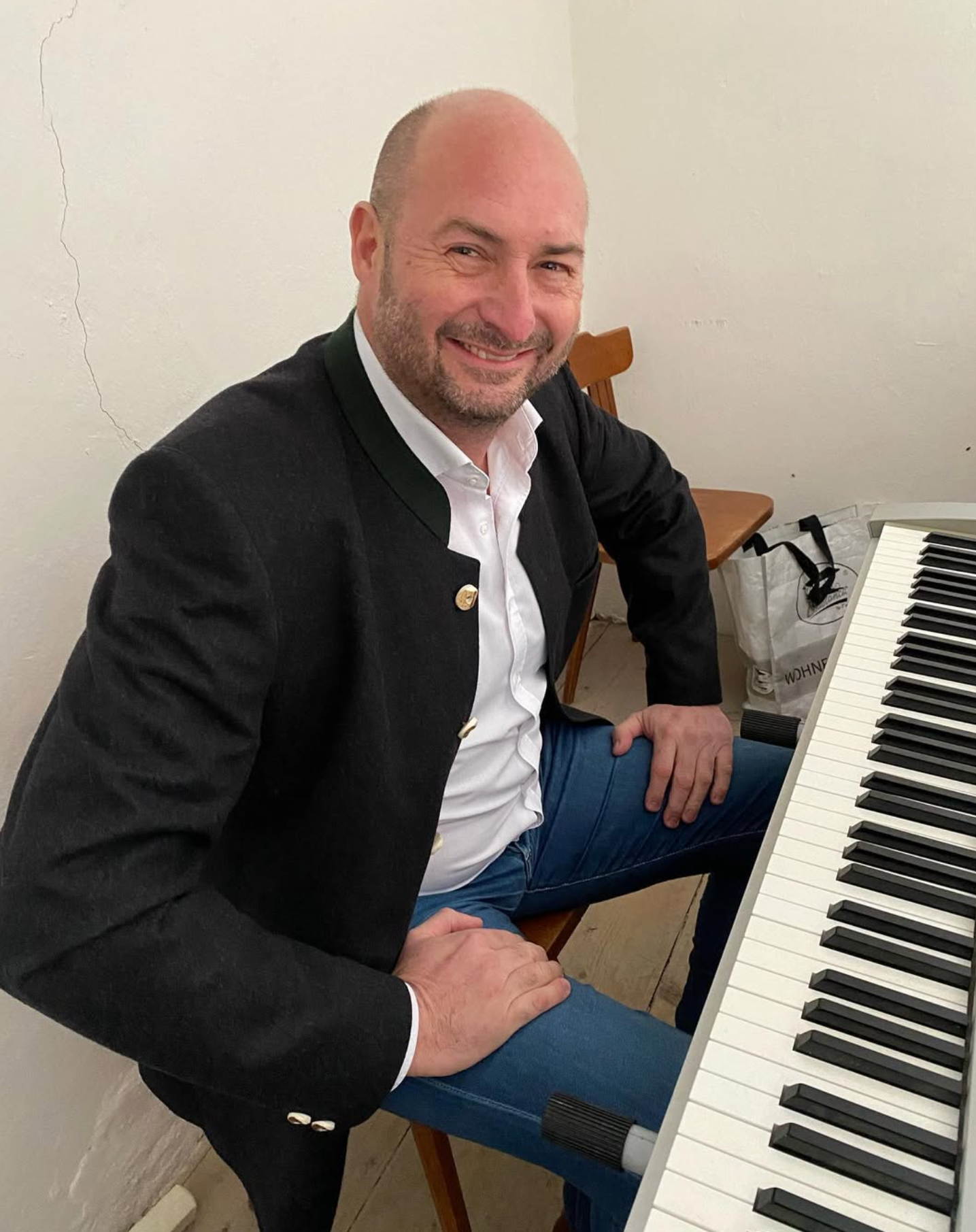
Thomas Löffler
Category : (water-)skiingDocs , BicycleDocs , percussionDocs , PianoDocs
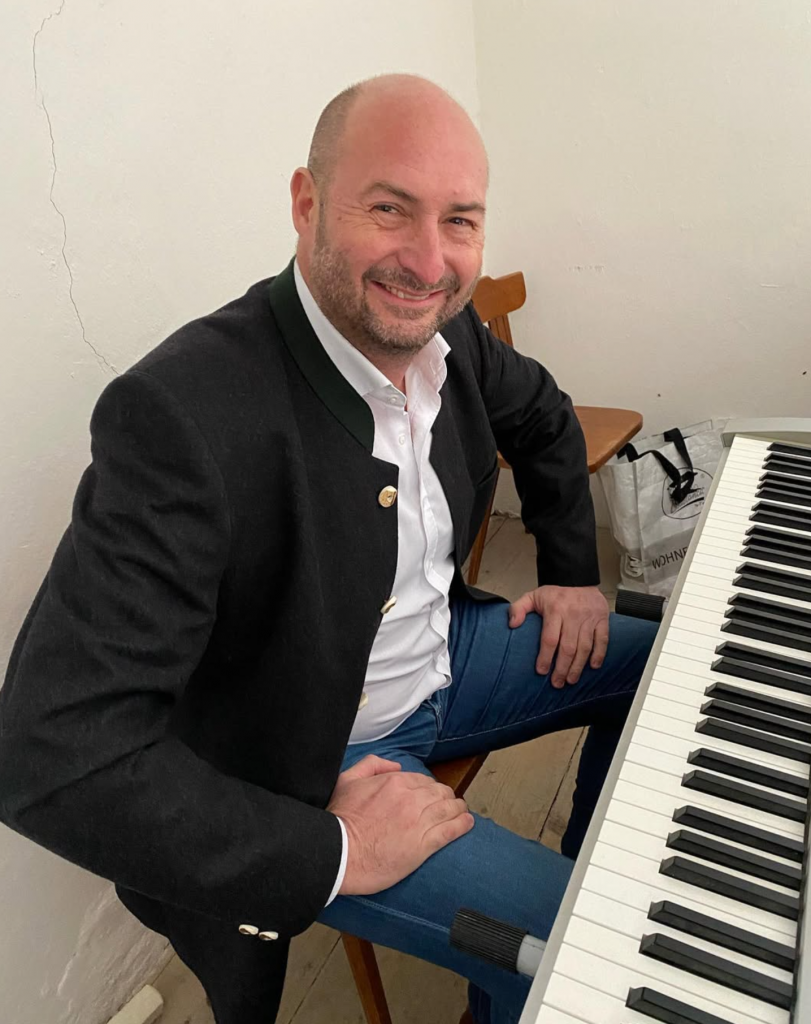
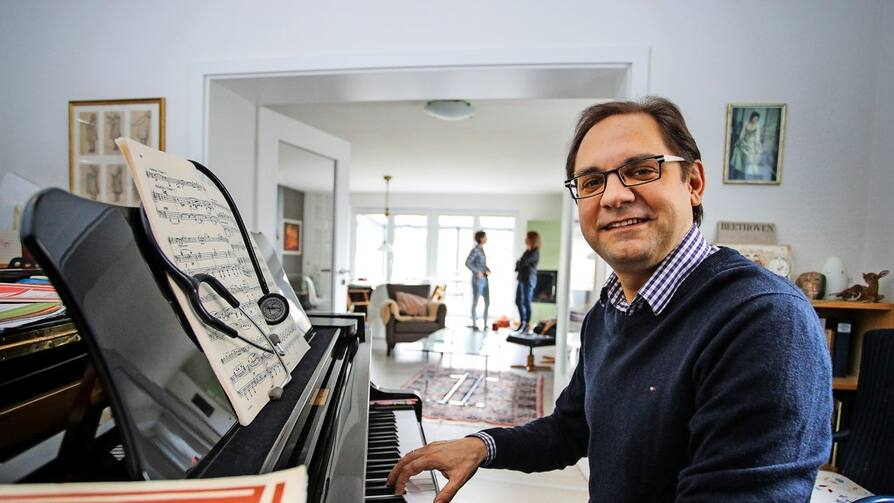
Playing the piano is my passion and I am happy that I can still practice it today, even though I decided to study medicine rather than music.
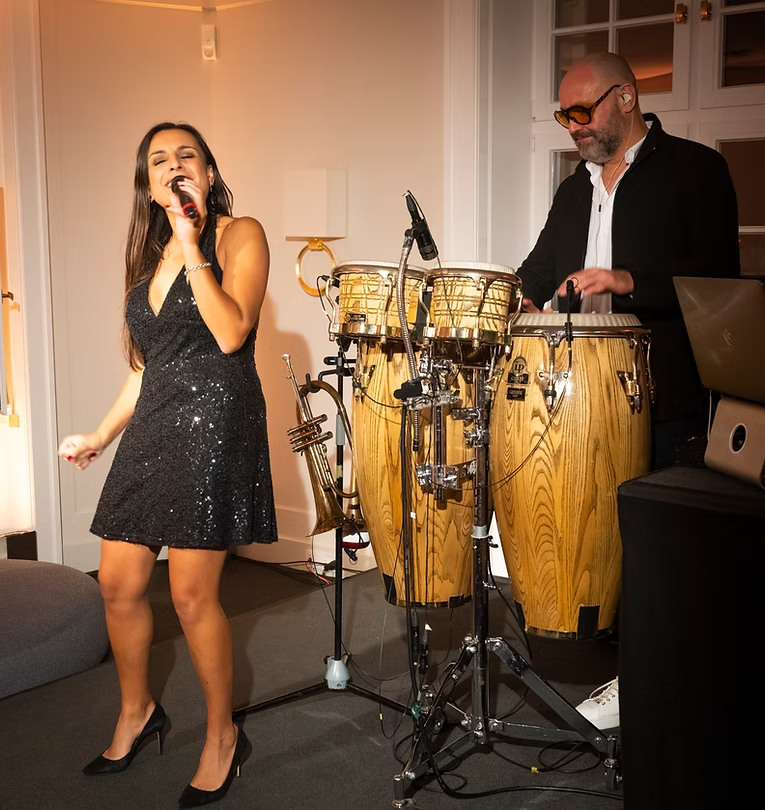
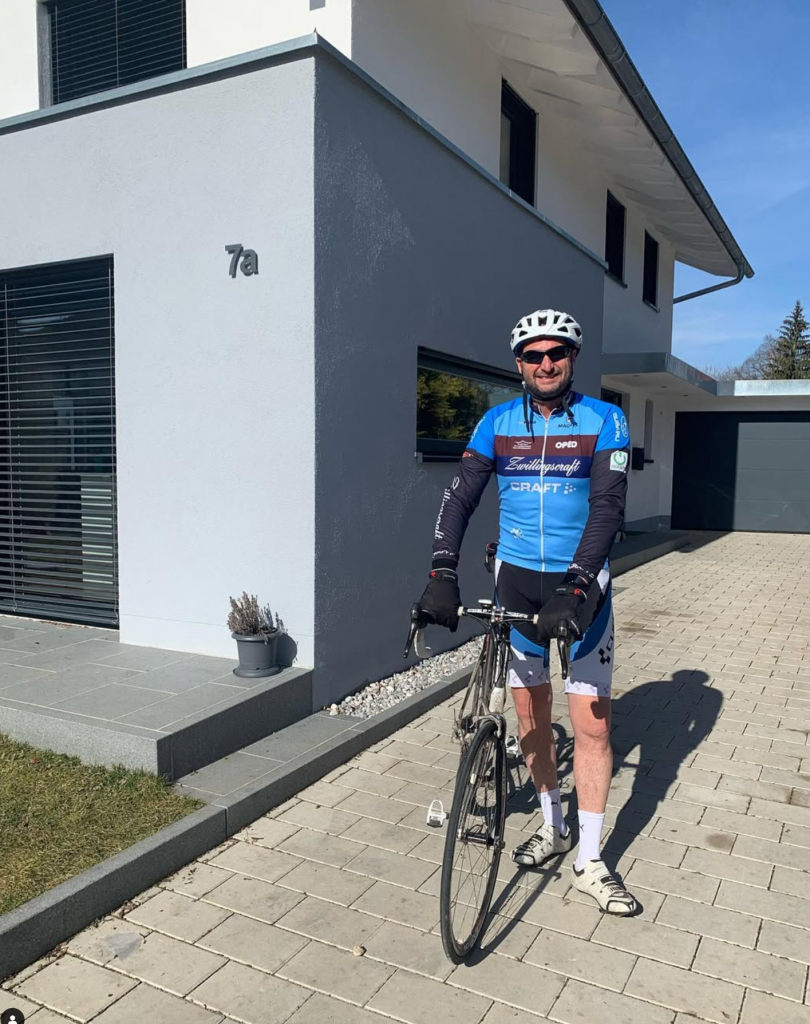
Category : (water-)skiingDocs , BicycleDocs , percussionDocs , PianoDocs
Playing the piano is my passion and I am happy that I can still practice it today, even though I decided to study medicine rather than music.
Category : PianoDocs , TeacherDocs
Alexander Schmidt (born January 15, 1977 in Kiel) is a German neurologist and musician. He has been Professor of Musician Medicine at the Hanns Eisler Academy of Music in Berlin since 2014, where he directs the Kurt Singer Institute for Music Physiology and Musician Medicine (KSI), and since 2015, Director of the Berlin Center for Musician Medicine (BCMM) at the Charité. He has been a board member of the German Society for Music Physiology and Musician Medicine (DGfMM) since 2017 and its president since November 2019.
Alexander Schmidt completed his piano studies with Vladimir Krainew at the Hanover University of Music, Drama and Media, graduating with a diploma in music education, and subsequently studied medicine at the Hanover Medical School. He wrote his dissertation on the pathophysiology of musician’s dystonia: neuroplasticity and clinical genetics at the Institute for Music Physiology and Musician’s Medicine in Hanover under Eckart Altenmüller. After receiving his doctorate in 2009, he completed a neurological residency at the Department of Neurology at the University of Lübeck and the Ameos Clinic for Psychiatry and Psychotherapy in Lübeck. At the same time, as a research associate at the Institute of Neurogenetics, he headed the research group on endophenotypes of movement disorders. In 2016, he completed his habilitation in “Experimental Neurology” at the University of Lübeck on the topic of genetic and environmental causes of musician’s dystonia and other dystonia syndromes.
Schmidt conducts research in the field of musicians’ neurophysiology and neurological movement disorders, with a focus on focal dystonia in musicians. He is married to the pianist Saskia M. Schmidt-Enders and has six children.
https://de.wikipedia.org/wiki/Alexander_Schmidt_(Mediziner)
https://www.ln-online.de/kultur/regional/wenn-musik-krank-macht-JWGYNT36EK46PZ7IRXFQR3QWNQ.html
Category : (dragon-)boatDocs , PianoDocs , travelDocs
The son of an architect and a teacher, he began playing the piano at the age of five and considered pursuing a career as a pianist as a young man. But ultimately, he found that too uncertain. Music remains a favorite hobby to this day.
In addition to his music, which he enjoys pursuing with his children, he and his wife are often out in nature and, whenever possible, take outdoor trips in their vintage VW bus. They camp in the wilderness, cook soup and other delicacies on a gas stove, and canoe on lakes and rivers. This is why Sweden is one of his favorite countries, which he has often explored with his family. Sometimes, the Elbe River – or another body of water in Lower Saxony – is enough for a few days. Dr. Tom Steinmetz is connected to the region.
Category : PianoDocs , WriterDocs
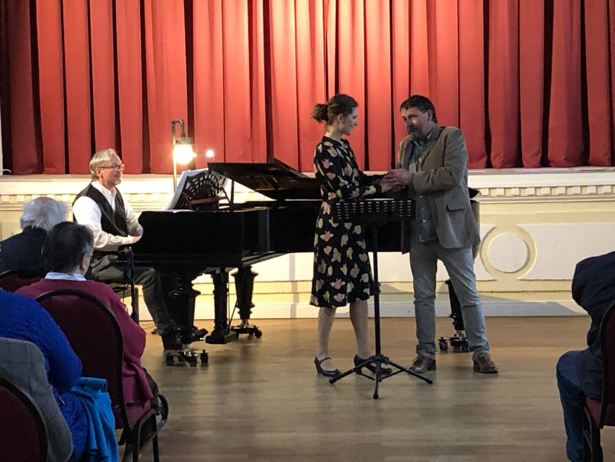
Rüdiger Penthin, a member of the Music Working Group and the board, introduces himself below:
Born in 1959. Born in Cologne. Father of three children. He received his first piano lessons at the age of 6. At 17, he received a scholarship as a junior student at the Cologne University of Music, specializing in piano. At 18, however, he decided to study medicine from 1980 to 1986 at the University of Cologne. He received his doctorate in 1989.
After completing his specialist training (University Children’s Hospital Aachen) and working as a senior physician at the Satteldüne Children’s Pulmonology and Allergology Clinic (Amrum), he established his own pediatrician practice in Schönberg, Holstein, in 1993, specializing in behavioral problems in childhood and adolescence. He completed additional training in psychotherapy from 1992 to 1996. He is the author of several books on children and parents. He is the co-founder of the Probstei Parents’ Workshop, a parent education center.
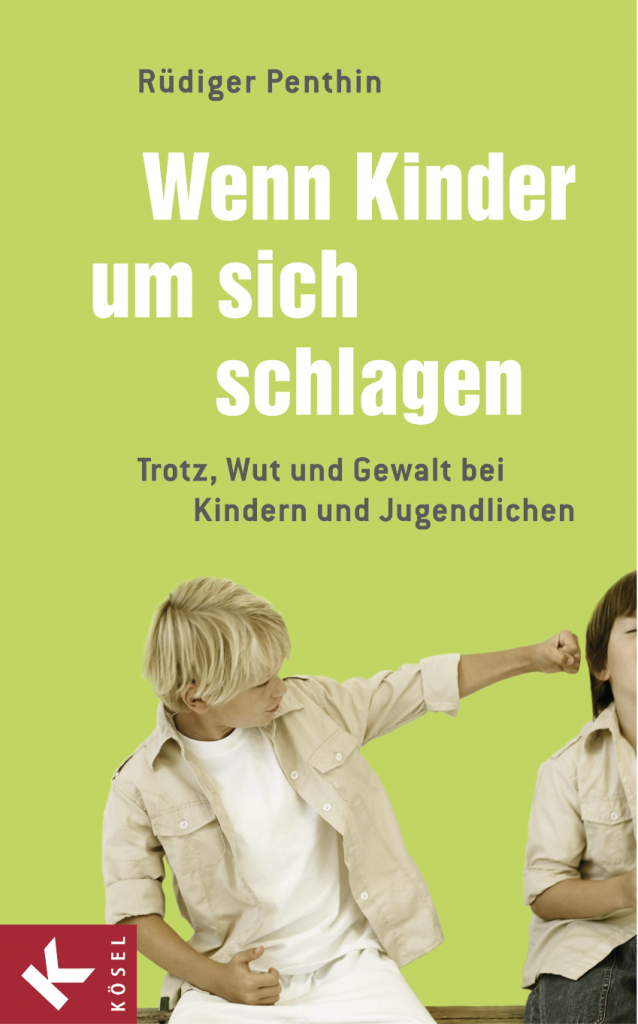
In 2000, after a long break from performing as a soloist, he made his solo debut with a piano recital at “Schönberg Kulturell” featuring works by Bach, Mozart, Beethoven, Schubert, Chopin, and Brahms. In the following years, he presented a variety of chamber music programs, including the Mozart Piano Concerto in F major with the Kiel Chamber Orchestra in 2004, and song recitals with Matthias Klein since 2006. He has performed the major Schubert and Schumann song cycles jointly. In 2006, he founded the fusion jazz band “Delicious Date,” which was awarded the Bechstein Prize in 2008. Since 2018, he has been a member of the board of the Probstei Cultural Association.
https://www.kinderaerzte-im-netz.de/aerzte/sch%C3%B6nberg/drsleupen/hauptseite.html
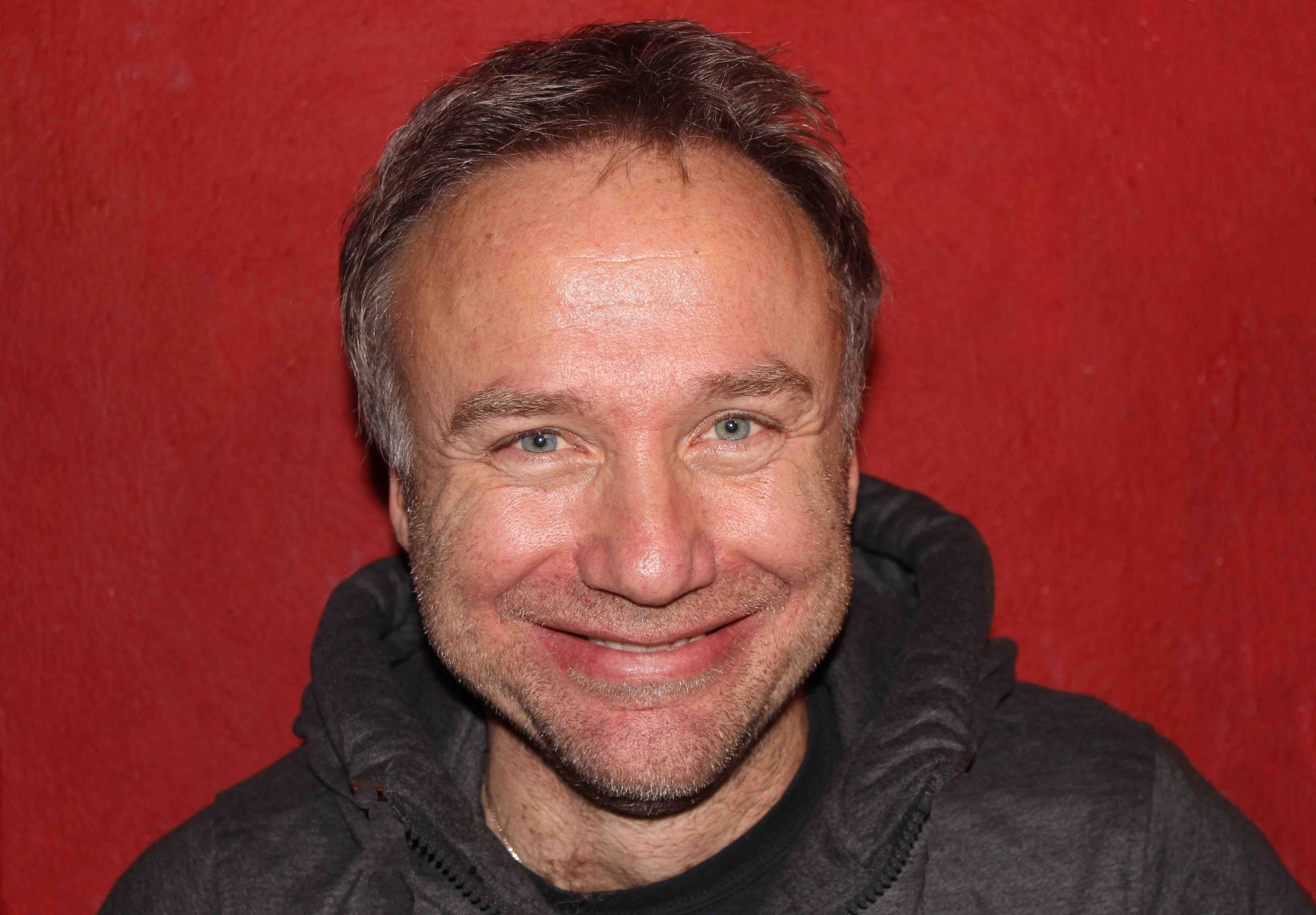
Category : ComposerDocs , PianoDocs , PublisherDocs , SingerDocs , SpiritualDocs , SportDocs , TeacherDocs , WriterDocs
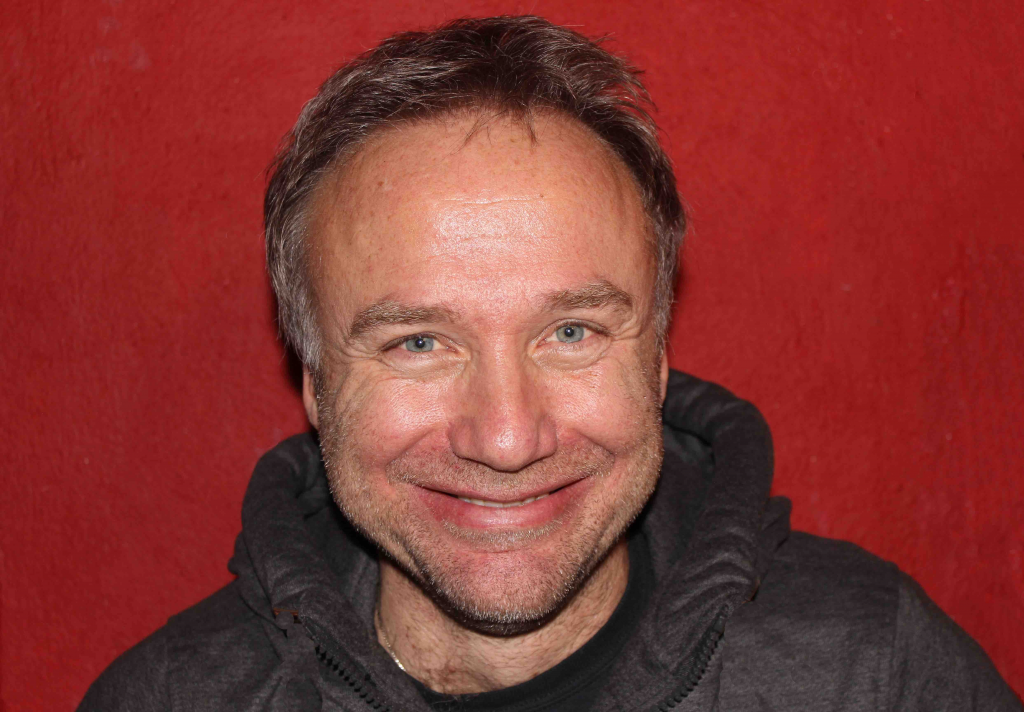
Since 1994, freelance composer and pianist, giving lectures on his own work and the Iannis Xenakis-Stochastics connection between scientific thought and composition, and lecturing on Traditional Chinese Medicine.
Since 1996, practicing as a physician.
In 1998, he founded the label “klaviermusik.at” and has released numerous CDs since then.
In 2000, the CD “Vienna Concert 2000” was released by Extraplatte.
Since 2002, he has had his own practice for Traditional Chinese Medicine in Vienna.
2004 CD “Quiet Nights” released on Ö1
2009 CD “Bright Side” released on Ö1
2011 Book “The Healing of the Center”
2013 Practice relocated to Wiener Neustadt
2014 Book “Daily Healing” and CD “Music for Healing the Center” (Ennsthaler)
2015 Book “The Chinese Medicine Cabinet”; founding of the Austrian Society for Traditional Chinese Medicine in Wiener Neustadt, President of the OGTCM



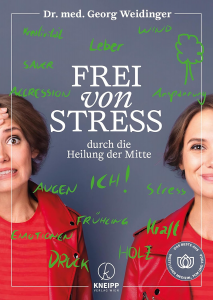
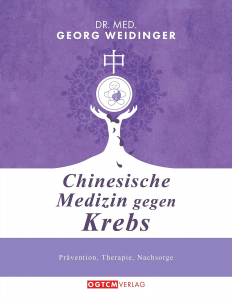


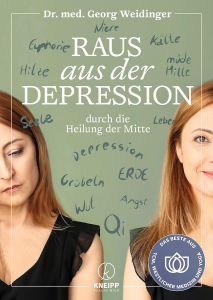
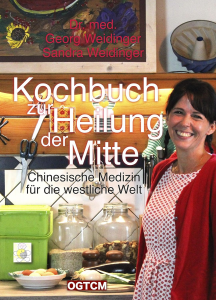

2016 Own TCM courses in Wiener Neustadt, CD “Quiet Moments”
2017 CD “Bach-Hindemith” on klaviermusik.at; book “The Golden Way of the Center” (self-published)
2018 Practice in Bad Sauerbrunn, CDs “Blossoms of Romanticism” and “Requiem for Franziska” and book “Cookbook for Healing the Center”
2019 CD “SONATA”, book and CD “The Sound of the Center”, CD “Games of Orchestra”, String Quartet I & II, Symphony No. 1 (“DISTROFIA”), debut novel “LAUFHAUS” with audio CD “LAUFHAUS Book Music”
2020 CD “Mozart Plus”, CD “Vienna Calling”, Symphony No. 2 (“FANFARA”); books: “Chinese Medicine Against Cancer”, “World Yoga”
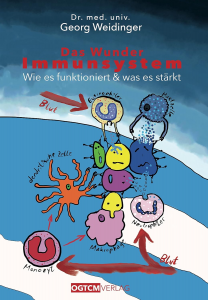
2021 CD “Vienna Calling”, books: “The Miracle of the Immune System”, “Cookbook for Healing the Center II”
AWARDS AND RECOGNITIONS
1995: Lower Austrian Music Factory Prize and commission for a choral-orchestral piece
1996 and 1998: First Austrian to win the Luigi Russolo International Composition Competition in Varese, Italy.
Category : musicologyDocs , PianoDocs , TV-doc , WriterDocs
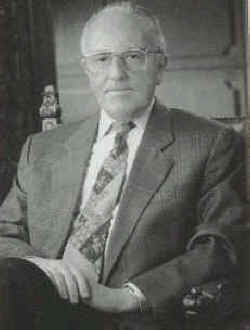
Hofrat University Professor Dr. Anton Neumayr Junior (* December 6, 1920 in Hallein; † March 18, 2017 in Vienna) was a specialist in internal medicine, chamber musician, and researcher.
As a historian, he studied the medical histories of famous musicians. He also hosted the television program “Diagnosis” from 1987 to 1994 and published numerous specialist publications.
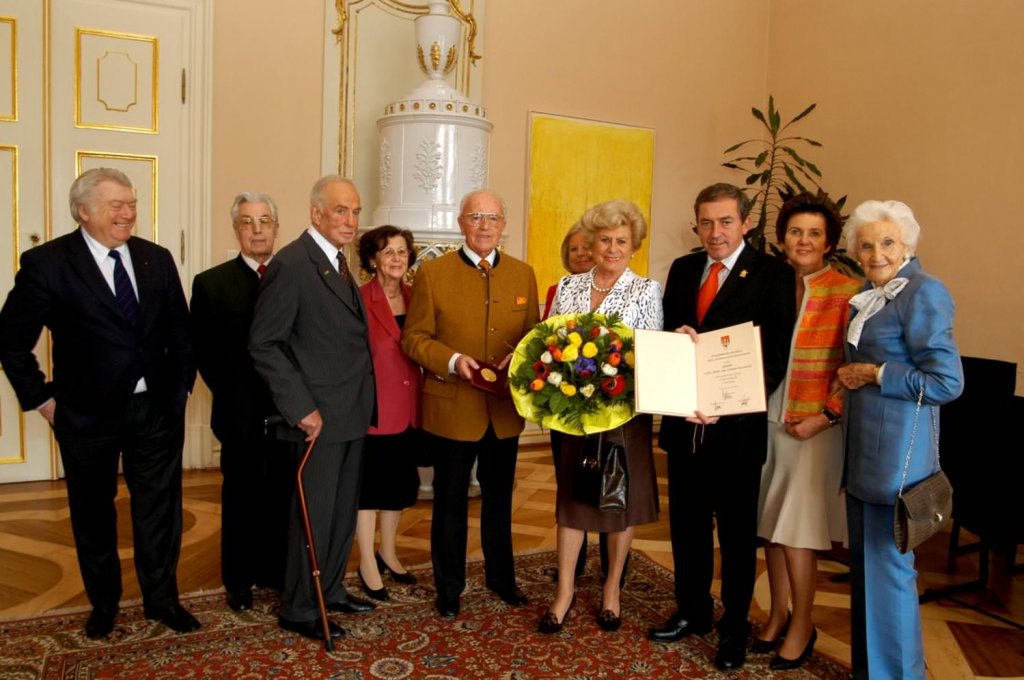
Born in 1920 as the son of Mayor Anton Neumayer, he was distinguished from his early youth by his high intelligence and musical talent. His life was shaped by his love of music and his fascination with medicine. After graduating from high school in 1938, he abandoned his first career choice of pianist and began studying medicine, which he completed while stationed as a marine in Berlin in 1944. During his studies, he succeeded in freeing his father, who had been interned in Dachau.
His successful medical career led Neumayer to the Rudolfsstiftung Hospital in Vienna, where he headed the First Medical Clinic from 1975 to 1991. From 1963, Neumayer worked as a university professor specializing in gastroenterology in Vienna. From 1985 to 2000, he headed the Ludwig Boltzmann Research Center for Clinical Geriatrics. His reputation as an internist extended far beyond the borders of Austria.
Anton Neumayer also cultivated his musical talent and became a pianist, trained at the Mozarteum Salzburg, a chamber musician, and a music historian.
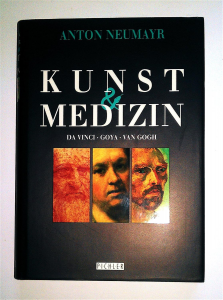
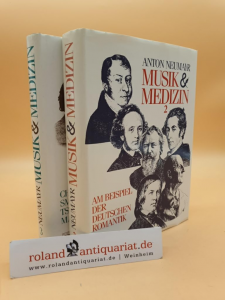
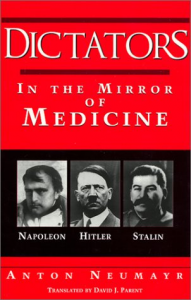
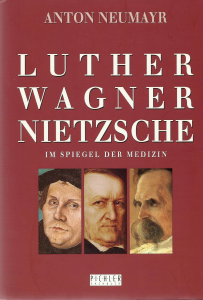
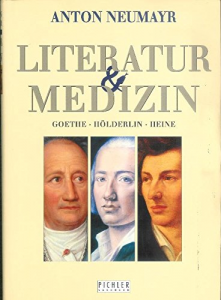
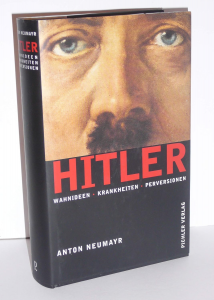
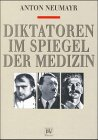
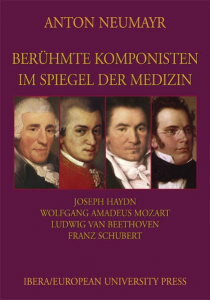
Since the 1990s, Prof. Neumayer has also published numerous books linking the worlds of art and medicine. Examples include his three-volume magnum opus “Music and Medicine” and “Literature and Medicine.” In “Dictators in the Mirror of Medicine,” he explored Hitler, Stalin, and Napoleon, among others. In “Hitler – Delusions, Illnesses, Perversions,” he created a biography from the perspective of a physician.
Neumayer always maintained close ties to Salzburg – for example, as president of the “Association of Salzburgers in Vienna.”
His personal biography:
It was advantageous for my life that I was involved with music from my earliest youth. As we only now know, music develops additional neural pathways in the brain even in pre-pubescent years, and such children also fare much better in school. I learned to play music from the age of four and received pianist training at the Mozarteum from the age of seven to seventeen. I still play with the Philharmonic Orchestra today, and this led to many useful social contacts that also helped me in my medical career (among other things, I played for Brezhnev in the Kremlin and at the Music Academy in Albania. This is how many of my contacts were networked). Due to the political circumstances, I was unable to pursue a musical career, so I began studying medicine, which I completed with a doctorate in 1944 at the Charité Hospital in Berlin. I then became a military doctor and in the autumn of 1945 I joined the 2nd Medical University Clinic, where I worked (as a lecturer and professor) until 1964.
In the context of scientific activity, it was important not only at home but also abroad to become known through lectures and scientific publications, which required the ability to present complex issues clearly and understandably. This meant that it was essential to acquire rhetorical skills. As early as the 1950s, I was a founding member of the European Society for Liver Research (EASL), and in 1963, I was the first European to deliver the SEARL Lecture (an event for hepatologists) in Chicago. This distinction immediately made me a household name worldwide. The numerous lectures I gave abroad meant that I was almost better known in Germany than in Vienna. In 1964, I became head of the internal medicine department at the Elisabeth Hospital. In 1965, I also became head of the internal medicine department at the Sophien Hospital. In 1975, I took over the First Medical Clinic in the newly built Rudolfs Hospital, where I remained head of the clinic until 1988.
Since 1980, I have been the director of the Ludwig Boltzmann Institute (Research Center for Clinical Geriatrics). However, success doesn’t just depend on being a respected physician among one’s (international) colleagues. Much more important is being well-received by patients. This requires behaving appropriately and in a friendly manner toward patients. Word gets around among the patients, and eventually, prominent patients come, and the income automatically follows. I was Kreisky’s personal physician for four and a half years and cared for a number of famous figures from politics (which, as a doctor, you have to stay out of—I cared for bishops as well as the leader of the Communist Party of Austria), business, culture, etc. My most famous patients included Franz Jonas, Curd Jürgens, Hans Albers, Oskar Werner, and Helene Thimig. This reputation also spread abroad, and in addition to Ibn Saud and his family, numerous Arab sheikhs and super-rich Greek clans consulted me.
Category : IronManDocs , musicDocs , PianoDocs , TriathlonDocs
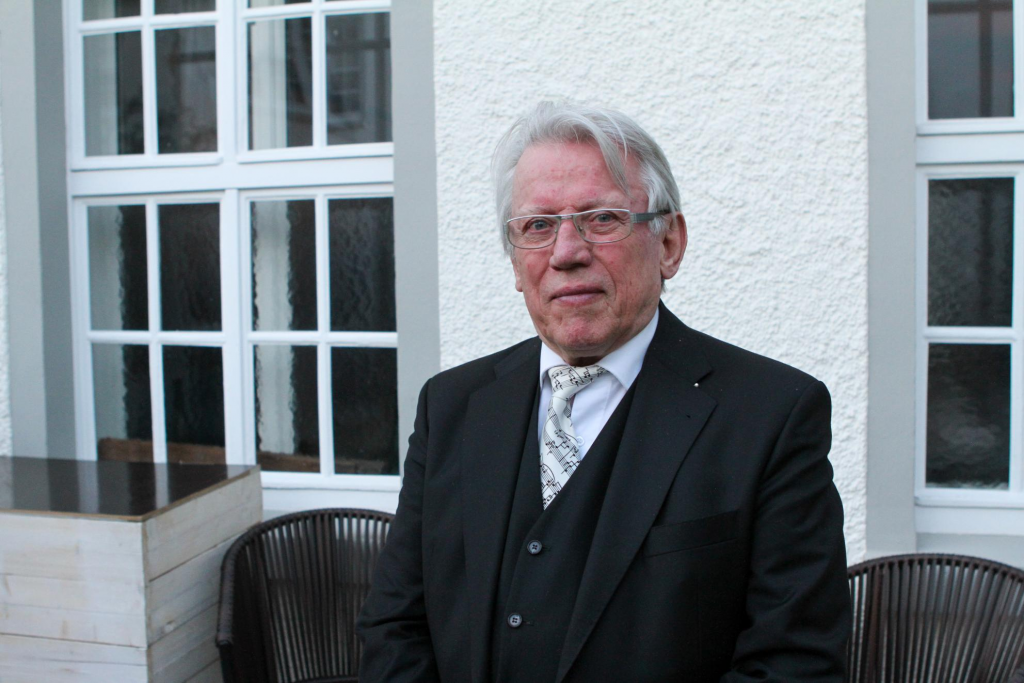
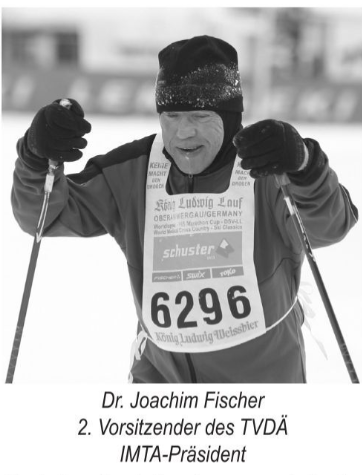
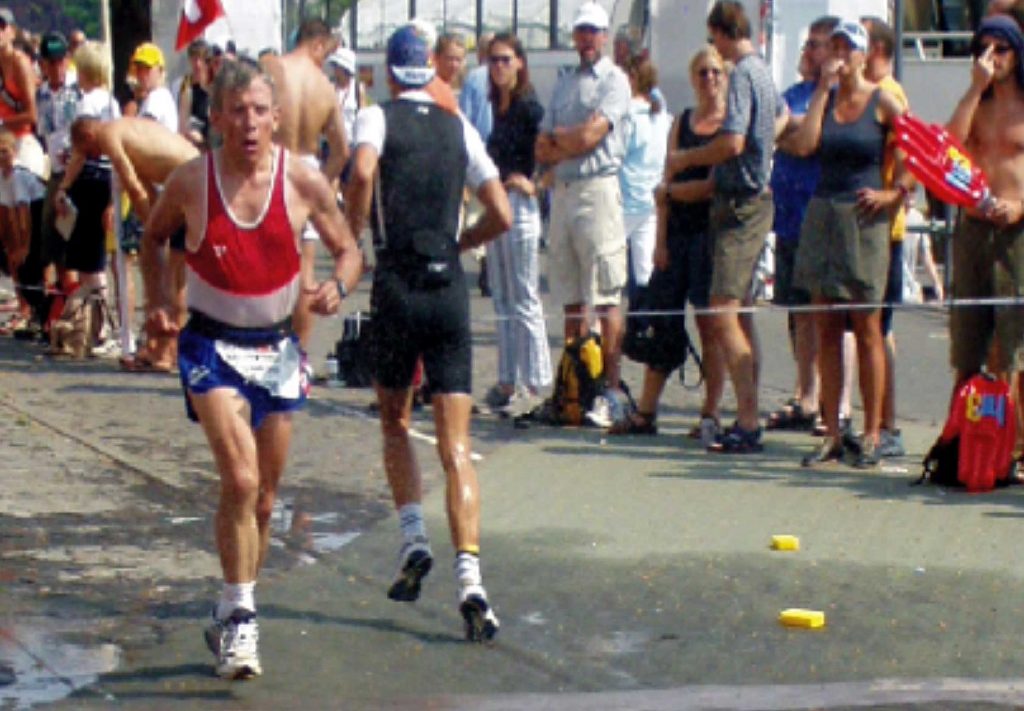
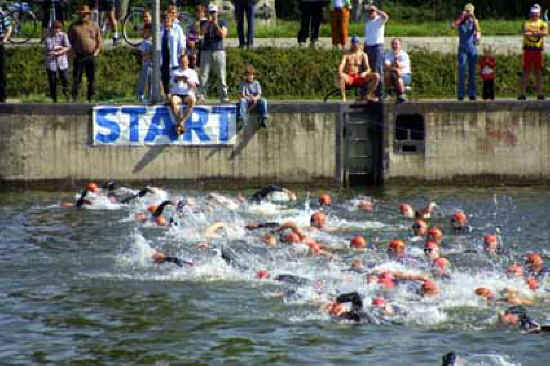
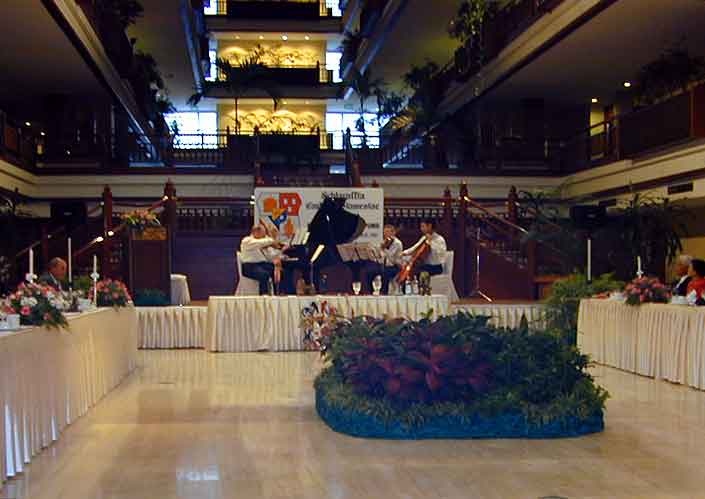
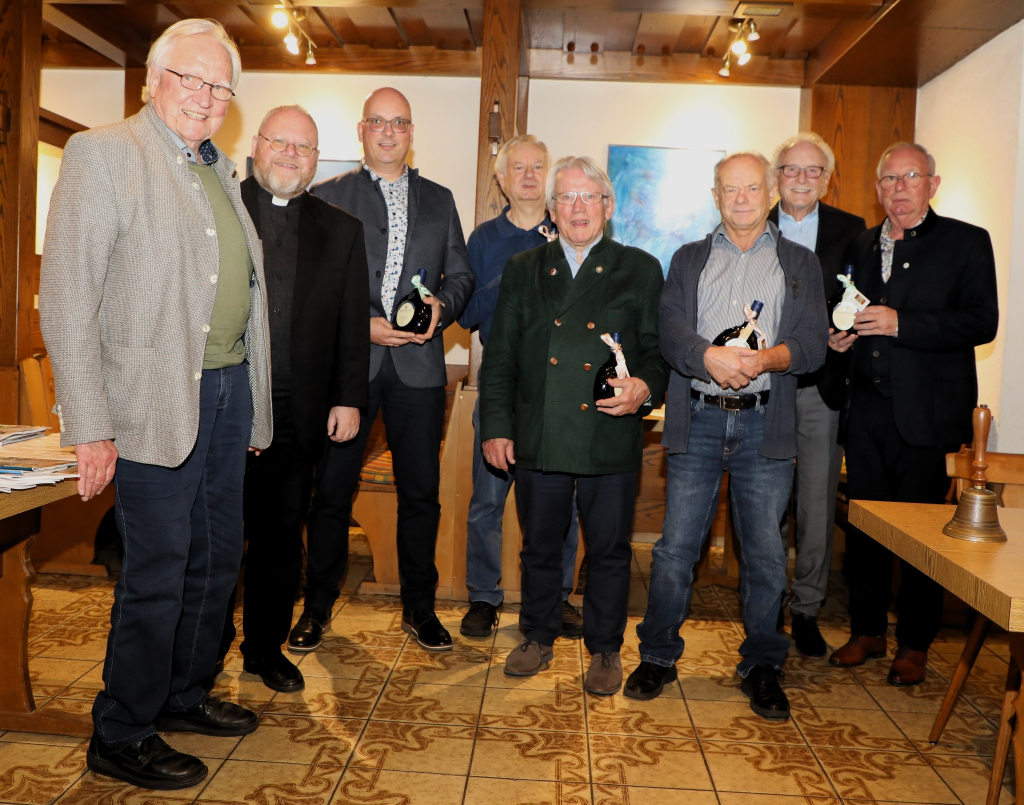
Joachim Fischer was president of the DTU German Triathlon Union, is involved in his local Heinatverein and in the Sterkel Society.
https://www.triathlondeutschland.de/aktuelles/03-2025/dr-joachim-fischer-zwei-verbaende-gingen-nicht
Category : (table-)tennisDocs , ClarinetDocs , PianoDocs
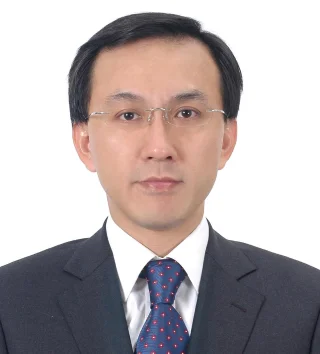
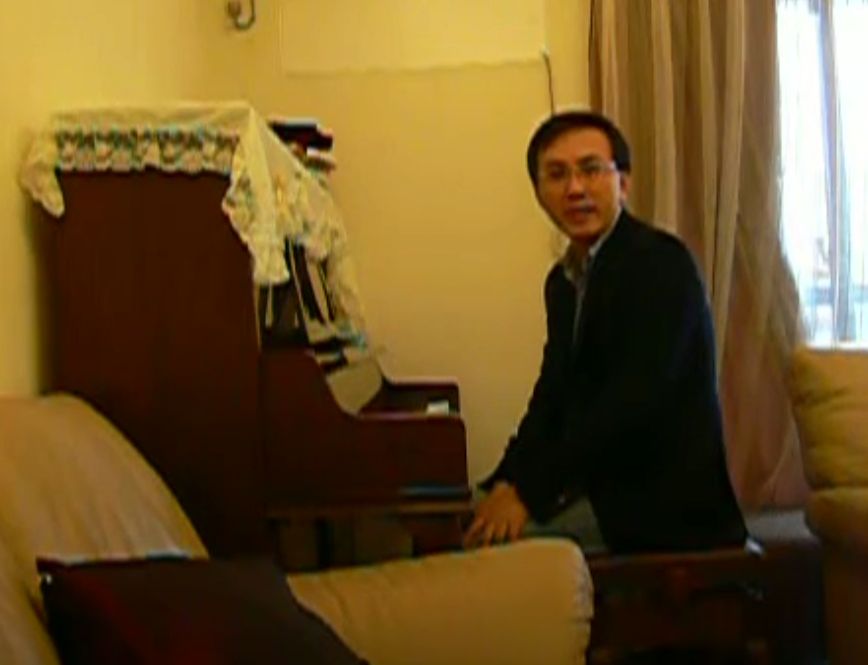
He is Pediatric Doc in Taipei, plays Table-Tennis and has played the clarinet, now obviously the piano, congrats!
_______________________________________________________________________________________________
Dear Dr. Ellenberger,
I have received your forwarded message from my hospital’s webmaster. I had been a member of the orchestra in Taipei Medical College (University now) but I have graduated from TMC for about 10 years. Currently, I still played table tennis and played digital cameras but no performance in Clarinet. Hoping that these can be helpful!
Best regards,
SB Fang
____________________________________________________
Shiuh-Bin Fang, M.D.
E-mail: sbfang@tmu.edu.tw
Category : bluesDocs , FluteDocs , FootballDocs , PianoDocs , SaxDocs
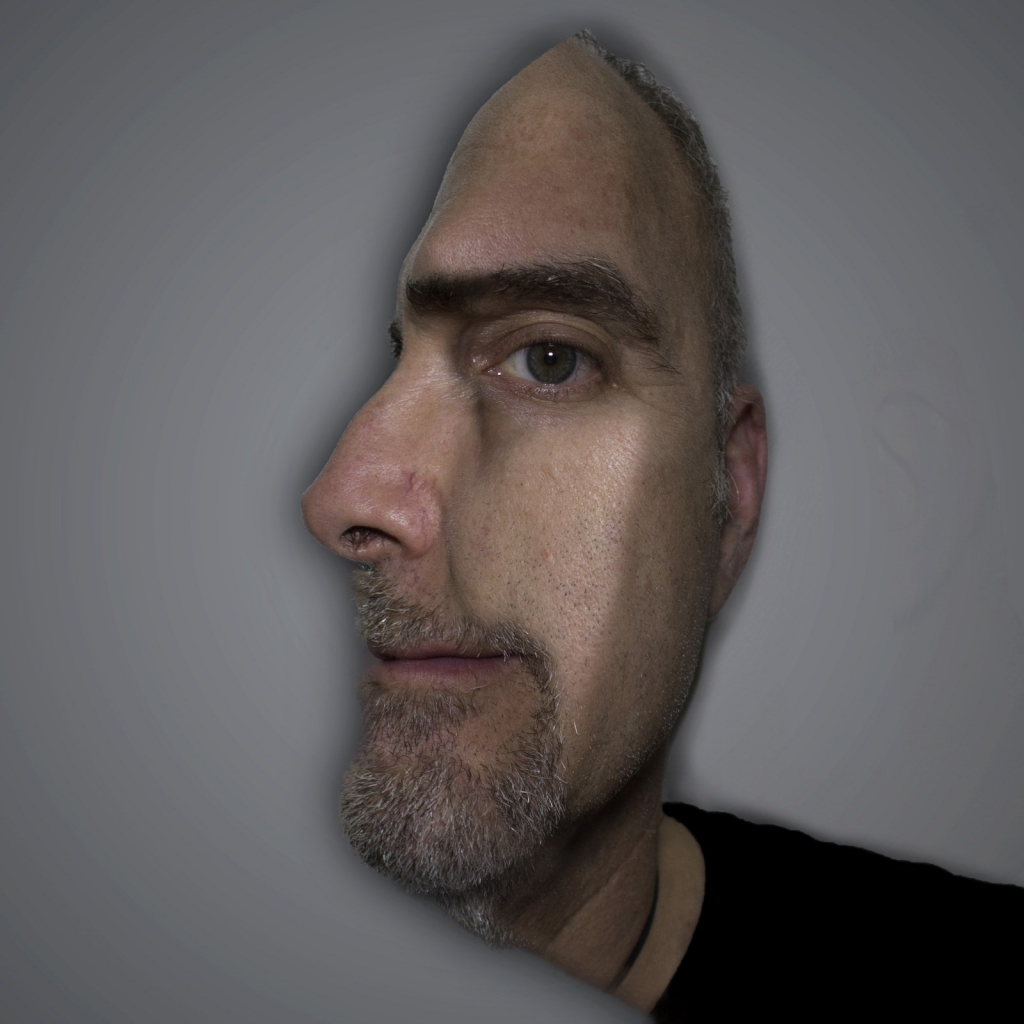
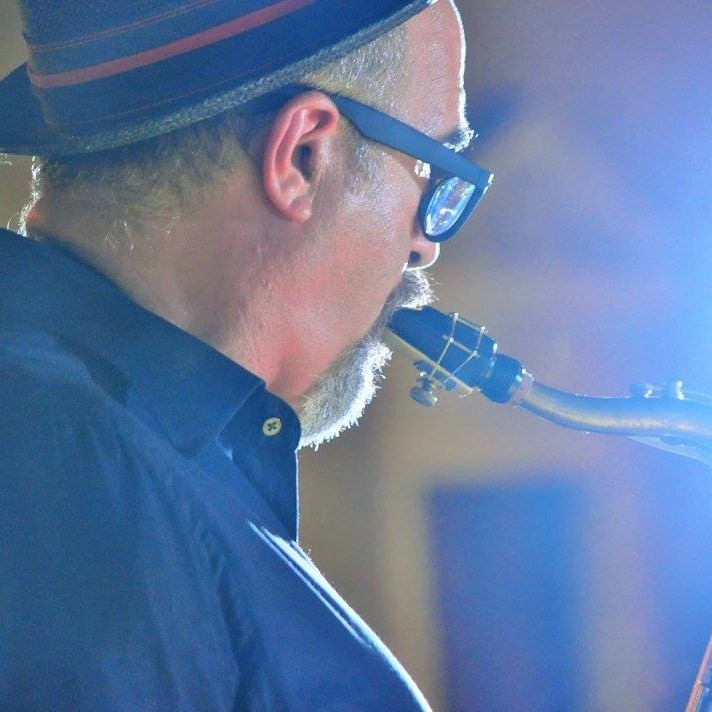
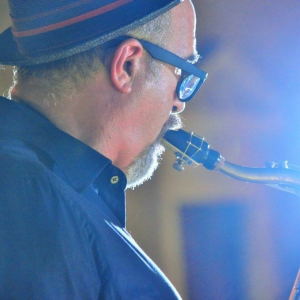
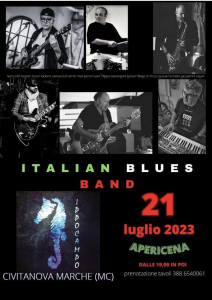
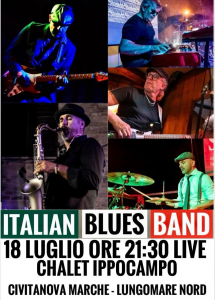
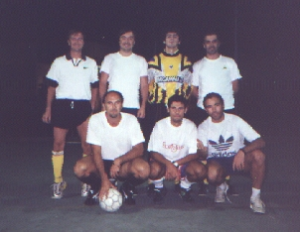
Massimo Peroni is BluesDoc and a multi-talent
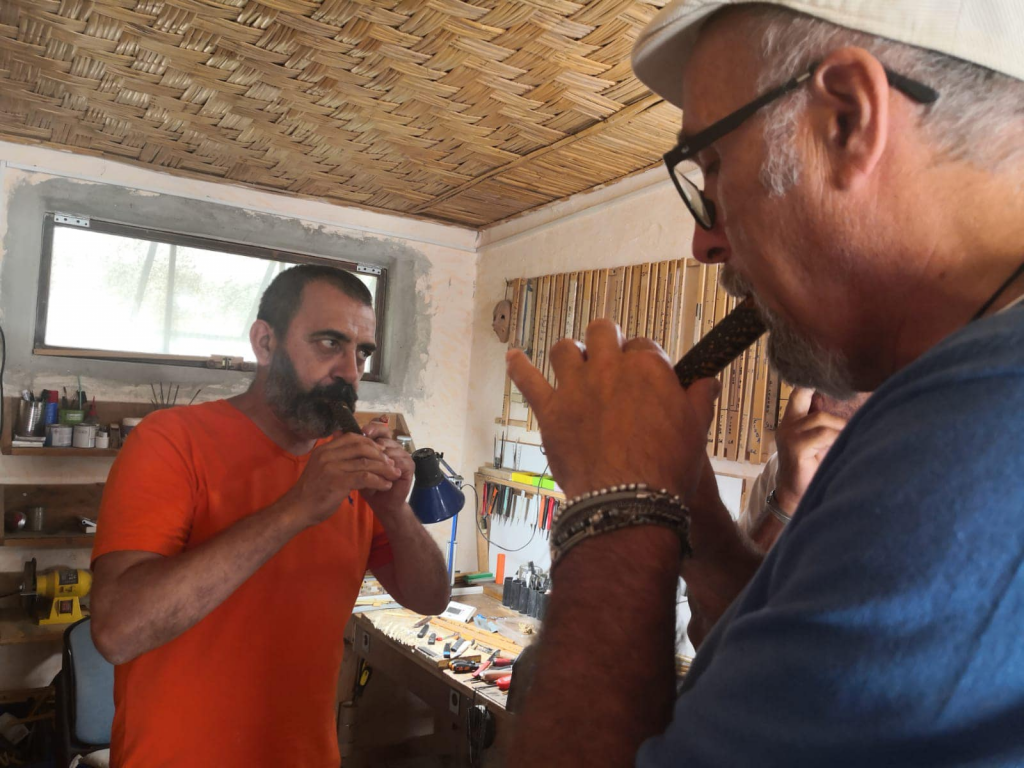
https://www.facebook.com/StudioDottMassimoPeroni
https://www.facebook.com/massimo.peroni.73
Italien Blues Band https://www.facebook.com/groups/420997709580852
https://www.youtube.com/@MaxSaxDoc
http://web.tiscali.it/reumhome/amioweb/curriculum.html
Category : MathematicsDocs , PianoDocs
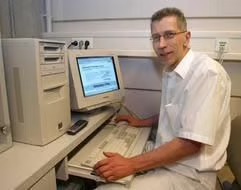
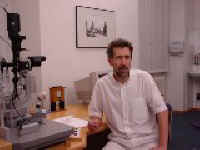
Incidentally, ophthalmologist Dr. Martin Nowak from Michelfeld near Schwäbisch Hall set a mathematical record on February 18, 2005: The 47-year-old doctor discovered the largest known prime number to date, with exactly 7,816,230 digits.
A standard computer completed the task. This computer is part of the worldwide Great Internet Mersenne Prime Search (GIMPS) network based in Orlando, Florida, in which tens of thousands of computers search for prime numbers.
The computer in the basement of Nowak’s eye center discovered the 42nd Mersenne prime number on February 18 after a computing time of 50 days – while Nowak was sleeping, treating patients, or cycling. The computer usually only controls an information display for patients, calculating prime numbers in the background. The idea behind the GIMPS project is to use free computing capacity to solve complex problems.
Nowak was enthusiastic about the idea, which he learned about in 1999. He first began calculating prime numbers with a computer; today, there are 24. At first, he was completely oblivious to his historic discovery. It wasn’t until an email from Orlando alerted him to his success. “At first, I didn’t even know which screen to look at,” Nowak recalls. After installing the small, free program, he barely paid any attention to it: “I didn’t really follow it.”
Nowak describes himself as an amateur mathematician. “I have a basic understanding of numbers, and I’m interested in their application in technical drawing.” Advanced mathematics, including calculus and mathematical proofs, however, aren’t his thing. He much prefers cycling across Europe or playing the piano.
No one knows whether there actually are other Mersenne numbers. Prime numbers go back to the French monk Marin Mersenne (1588-1648). They have the formula (2 to the power of n) – 1.
Nowak’s newly discovered Mersenne number has over half a million more digits than the previous prime number record. Written on graph paper, it forms a strip 39 kilometers long.
Martin also participated in the doctors’ piano courses.

