Category Archives: CharityDocs

  • -

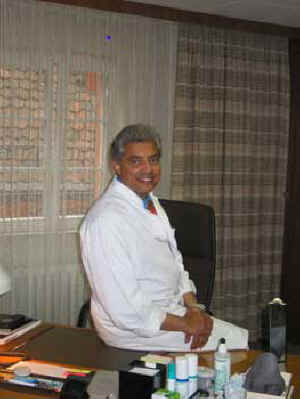
Rainer Katterbach

https://magazin.aekb.de/fileadmin/mitgliederzeitschrift/2015/b1506.pdf

from Deutsches Ärzteblatt 103, Ausgabe 51-52 vom 25.12.2006, Seite A-3467
THEMEN DER ZEIT: Portrait

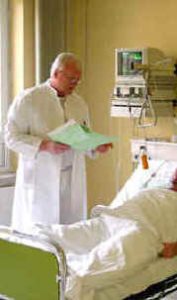
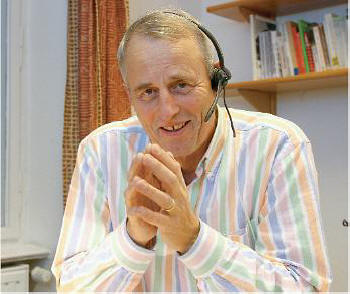
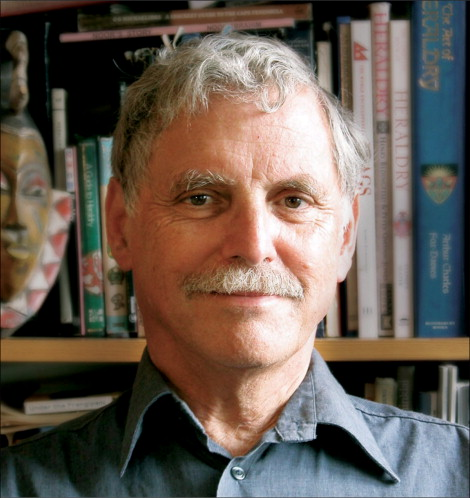
Rainer Katterbach is working as HonoraryDoc in the Samaritan telephone service since he is retired from his chief doctor of a Berlin hospital.
Two or three times per month he covers a service in the pastoral advice service for a 4 hrs shift. Most calls are 20 to 45 minutes. Even Katterbach as
experiences psychoanalyst says that the calls can consume a lot of energy. His “clients” are chronically ill persons or young mothers who have never worked and have trouble getting life organised. The basic principle is anonymity.

A friend made him curious to do this honorary job. Well, for 30 % of the calls his former job as psychiatrist and psycho-therapist helps a lot since they have some psychiatric disease. Though he does not like to reveal his professions during the calls. Others have practical problems and it is sort of difficult not to give advice at once but primarily to LISTEN. Then it is easier to guide the call partner to himself and find his/her personal solution.

A certain religious background is expected from the honorary helpers, Katterbach has now arrived at the hinduistic religion, but he claims that religious discussions are not the right tool in this samaritan telephone service – instead listening and finding solutions in the last comes out of it.

Katterbach himself had interest in psychology and psychiatry since he was a child. Born near Aachen/Germany he got the advice from a friend of his father to study medicine. The athmosphere of “Aufbruch” in Berlin made him live there. He had hard times studying, working and having a yougn family with three kids. The support of his wife was essential for him. HIs interest for samaritan telephone service has begun early for him after he read a book of the medical doctor, priest and psychotherapist Klaus Thomas and later he got inspiration by Viktor E. Frankl’s work “Ärztliche Seelsorge”.

https://www.aerzteblatt.de/search/result/acc0d970-0045-475d-b476-588d88a9baf2?q=Rainer+Katterbach+
  • -

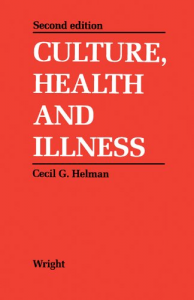
Cecil G. Helman

Cecil Helman (4 January 1944 – 15 June 2009) was a South African doctorauthor, and medical anthropologist.[1][2][3][4][5] He published poetryessays, and short stories, as well as academic books and papers.

Adam Kuper, a sometime professor of anthropology at Brunel University, was lecturing on the topic at UCL when he first got to know Helman. “It was very unusual then for a medical person to do a social science course”, he recalls. “But Cecil was always more than doctor. He wanted to develop a number of strands to his life.” These included painting and writing poetry and prose. It was Kuper who, in the late 1980s, hired Helman to work at Brunel on what was the first medical anthropology course in England. “As a teacher at Brunel he was very good. The course originally attracted mainly people with health backgrounds because health authorities had begun to struggle with the problems and ideas of immigrant groups with which they weren’t well equipped to deal. Cecil was particularly successful at Socratic teaching in small groups. He would get students to read things, talk about them, and then shape the discussion.”

https://en.wikipedia.org/wiki/Cecil_Helman

https://www.thelancet.com/journals/lancet/article/PIIS0140673609614033/fulltext

Dear Dr Ellenberger,
I am a doctor as well as a writer. You might be interested in my recent memoir: Suburban Shaman: Tales freom Medicine’s Frontline (see: www.hammersmithpress.co.uk/suburbanshaman ), which in March was selected for broadcast by the BBC as a ‘Book of the Week’.
Best wishes,
Cecil Helman


  • -

Claudia Czerwinski

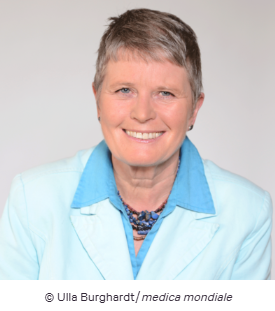
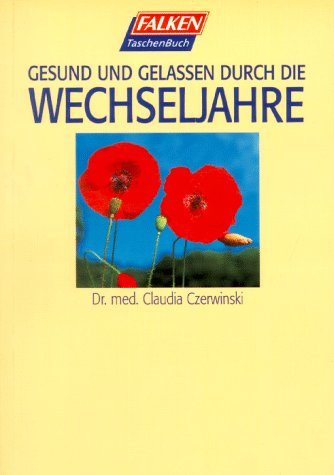
Claudia Czerwinski is a general practitioner who is committed to women-centered healthcare at various levels. She worked for many years as a doctor at pro familia and has published several books on women’s health. She was the managing director of the Medusana Foundation (Bünde), which held information and training events on health promotion, sexuality, and addiction prevention in the educational sector and with representatives of communities and municipalities. She now only provides support. Her focus is health promotion, particularly for children and adolescents, through interdisciplinary and gender-specific work. Claudia Czerwinski chaired the Federal Coordination of Women’s Health (BKF) project committee within the AKF. She was also on the board of www.medicamondiale.org

https://www.foerdersuche.org/foerderung/medusana-stiftung

https://www.linkedin.com/in/claudia-czerwinski-29b839155


  • -

Nidecker family

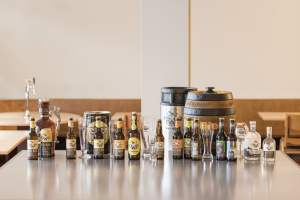
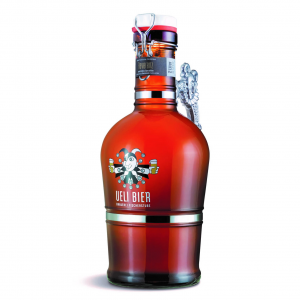
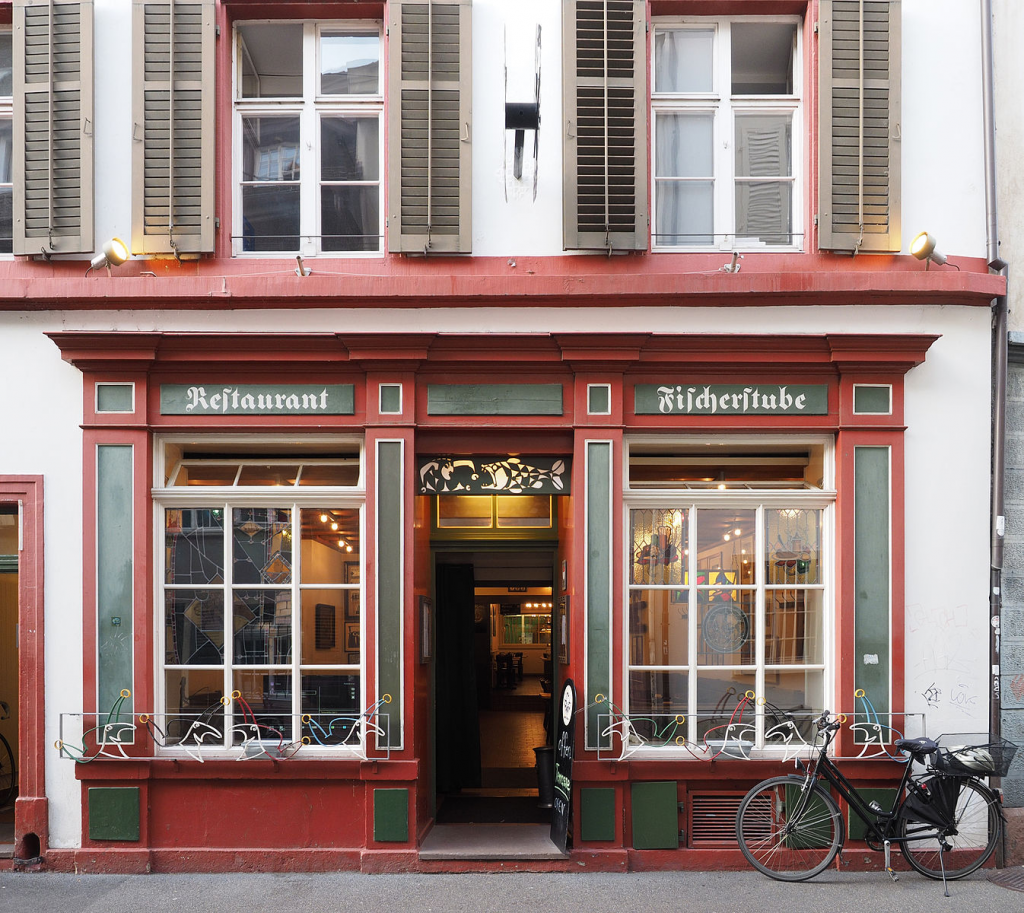
The Fischerstube Brewery AG is a Swiss brewery headquartered in Basel. It produces beer under the brand name “Ueli Bier.”

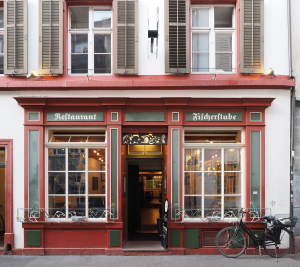
In 1974, the physician Hans-Jakob Nidecker (1919–2005)[4] acquired the Fischerstube restaurant at Rheingasse 45 in Kleinbasel, which had stood vacant for several years, in order to revive the local economy. Nidecker grew up on Rebgasse, had deep roots in Kleinbasel, and was a master of the Kleinbasel Rebhaus honorary society for several years. As early as 1970, Nidecker had rendered outstanding services to Basel’s traditions when he established a foundation specifically for the purpose of saving the Basel ferries from commercialization and an uncertain future. The first tenants of the newly opened Fischerstube were the innkeepers Silvia and Mike Künzli.

His son, Niklaus Nidecker, born in 1949, is a general practitioner and practices in Erlach on Lake Biel. He is married and has two adult daughters. His hobbies are beer and sailing. He serves as Chairman of the Board of Directors at the brewery and oversees customers and employees. The wife of another brother (a musician) is the managing director.

The other son, Dr. Andreas Nidecker, is a radiologist in Basel and a member of the brewery council. His presentation can be seen at the bottom of this page.

On November 13, 1974, the first beer flowed from the tap of the Fischerstube. Nidecker chose “Ueli” as the beer’s name,[8] a figure from the tradition of the three Kleinbasel honorary societies. The brewery began small, with an annual output of just 475 hectoliters, but with three varieties.[9] Nidecker quickly realized that he needed to hire a qualified master brewer. He hired Anton Welti, a native of Emmental, who had just returned from Ghana in West Africa, where he had worked for several years as a master brewer for a large brewery. The choice proved to be a stroke of luck, and Welti contributed significantly to the company’s success. He remained loyal to Ueli-Bier as a master brewer for 34 years and during this time repeatedly developed new and original beers until he retired in 2009.[10]  In 2010, Jürgen Pinke became master brewer.

https://de.wikipedia.org/wiki/Brauerei_Fischerstube

Radiobeitrag SRF https://www.srf.ch/news/schweiz/50-jahre-ueli-bier-wie-ein-basler-arzt-gegen-das-schweizer-bierkartell-kaempfte

Website der Brauerei Fischerstube

Dear colleague Ellenberger

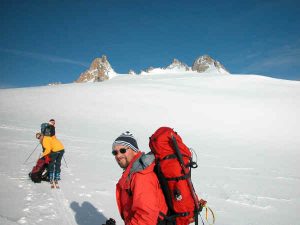
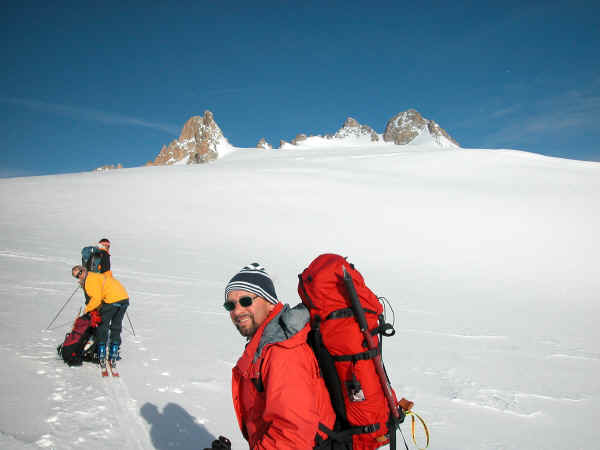
It is a pleasure for me to send you a photo for the DoctorsHobbies.com web. It has been shot in the Wallis Alps in the area of Trento.

My environmental activities consist of two groups, the medical doctors of environmental protection and with energy politics at the medical doctors of social responsibility. We are working against atomic war.

Even if not every colleague can be active politically it seems to be important to be active in one or another form. Since our profession still receives a lot of respect and doors open more easily we can achieve something!

Besides this I play tennis, sometimes also Alp Horn (!), I am singing as bass in the Basel Vocal Ensemble and I go jogging, apart from the mountain climbing. As founder and member of the Basel “association for medical cooperation” I visit our partner hospitals in Serbia and Zambia on a yearly basis and teach there. 

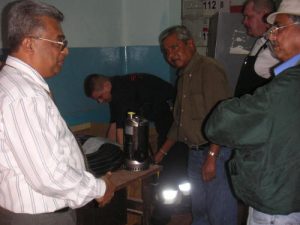
An actual project is to supply 70 egyptian hospitals with x-ray equipment. My special task is to assure not only the correct installation of the machines but also the correct use by the staff!

Hoping that these informations are useful I send my warmest greetings

Andreas Nidecker

Prof. Dr. med. A. Nidecker
Universität Basel

Thank you, Prof. Nidecker!
This nice e-mail with information about your NON-medical activities is perfectly the spirit of DoctorsHobbies.com

Let us hope many others will think and act the same way!
Yours

Wolfgang E.


  • -

Hans Georg und Claudia Zechel

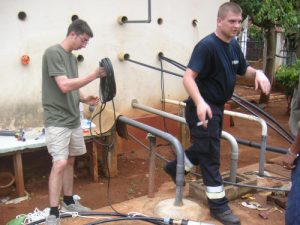
>25 years they have realised a hospital project in North India!

youtube


  • -

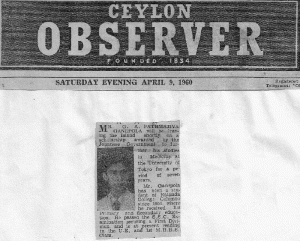
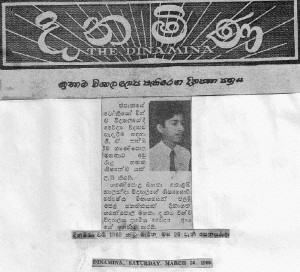
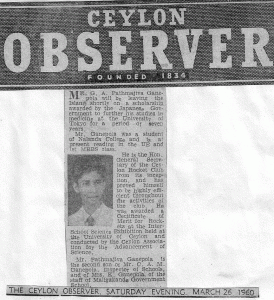
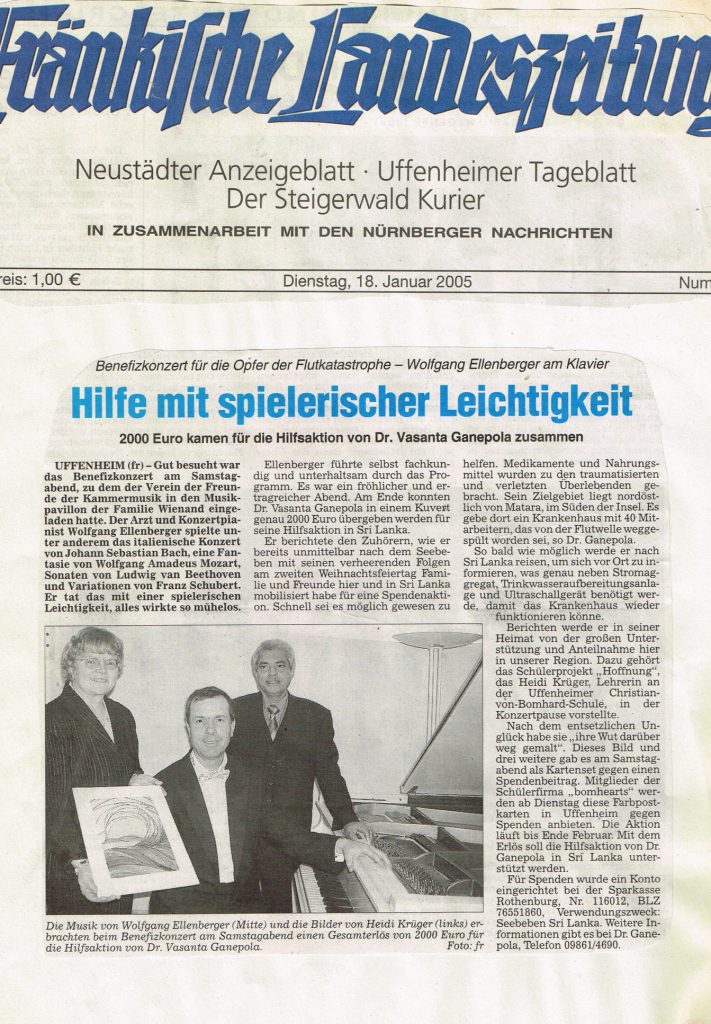
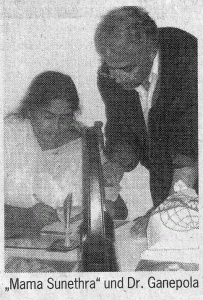
Vasanta Ganepola

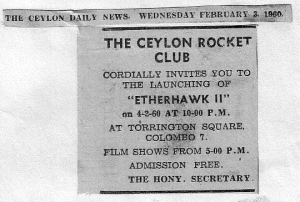
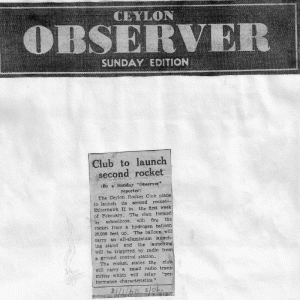
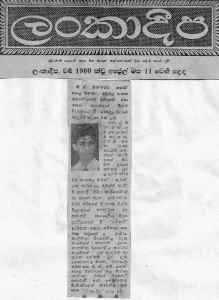
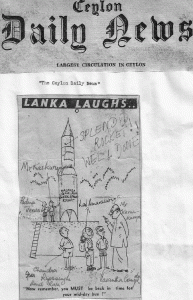
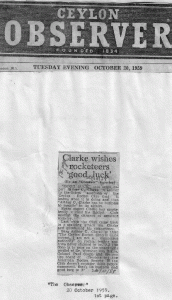
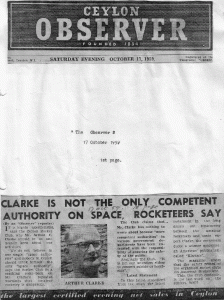
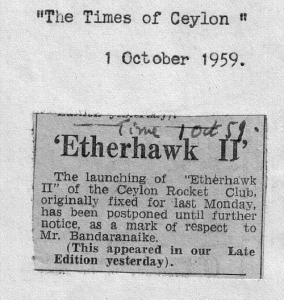
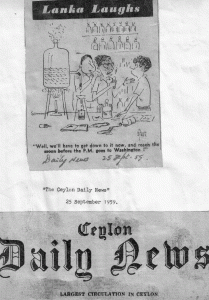
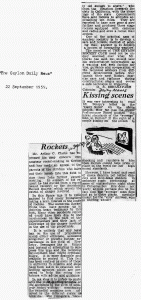
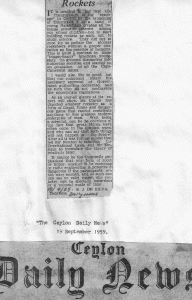
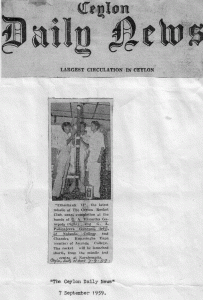
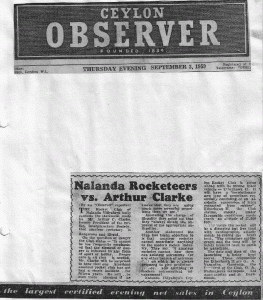
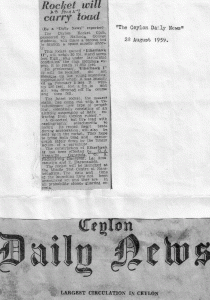
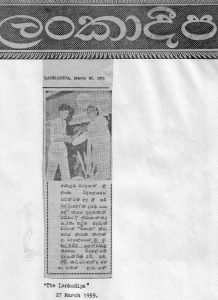
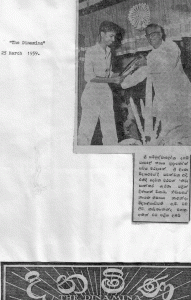
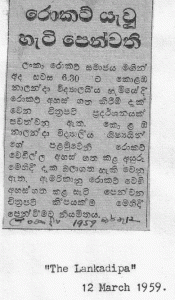
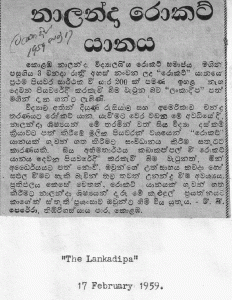
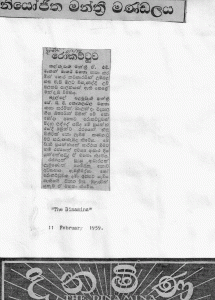
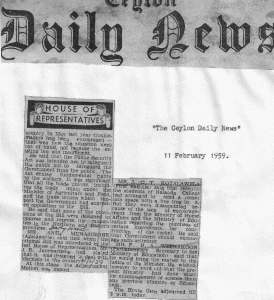
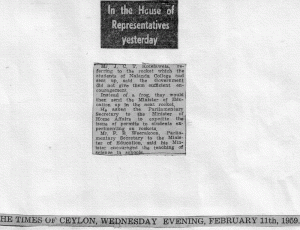
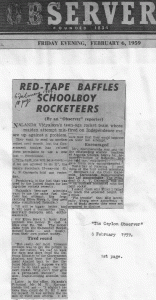
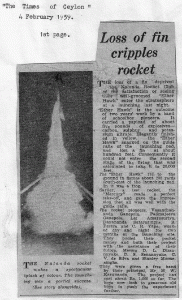
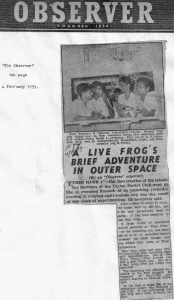
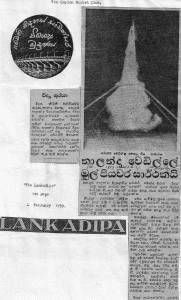
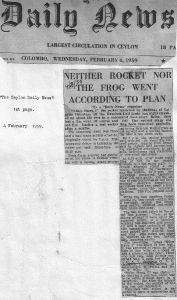
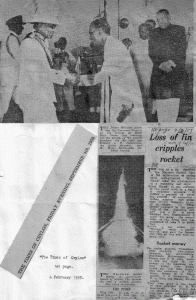
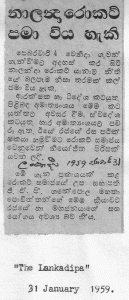
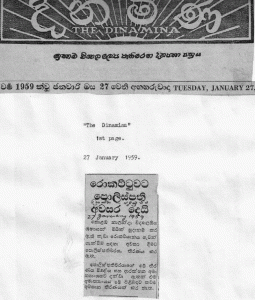
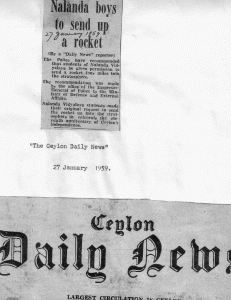
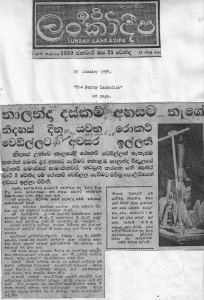
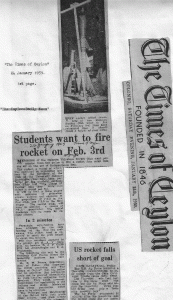
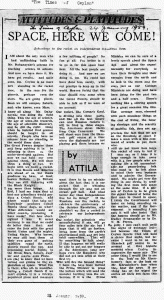
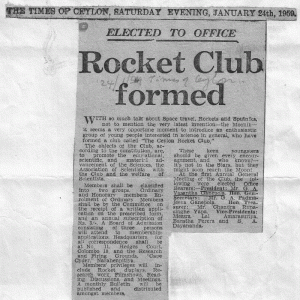
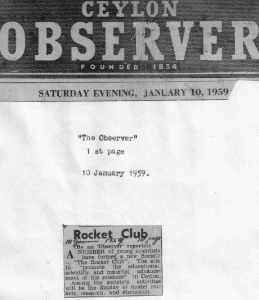
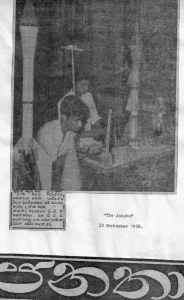
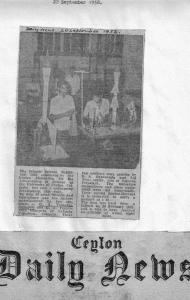
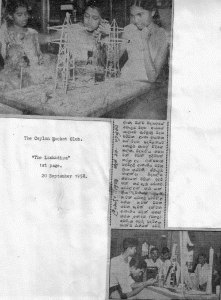
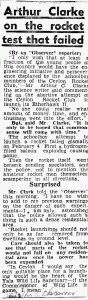
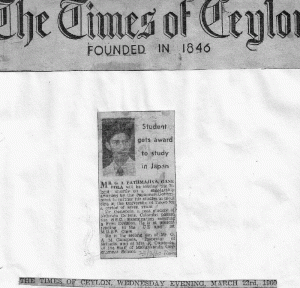
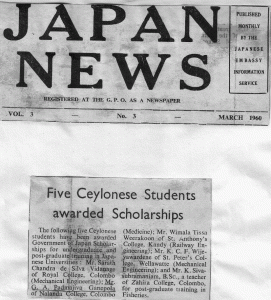
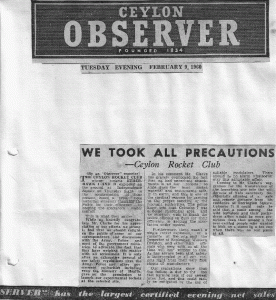
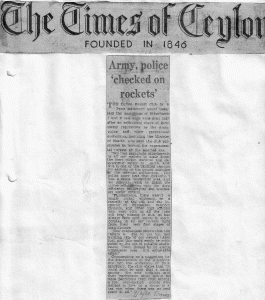
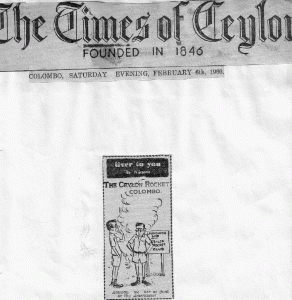
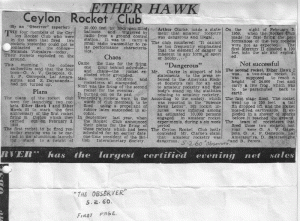
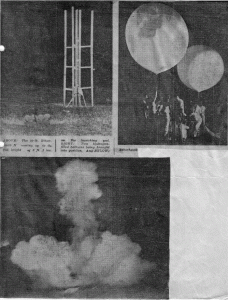
In his youth he built rockets with his brother!

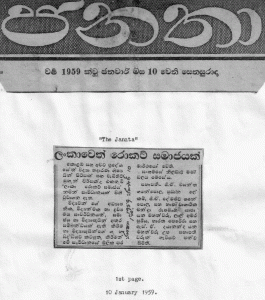
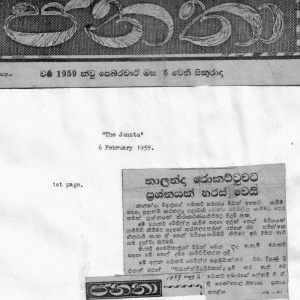
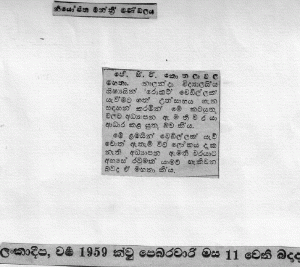
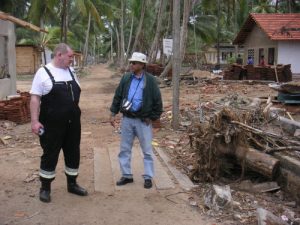
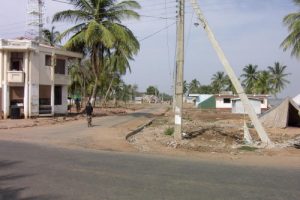
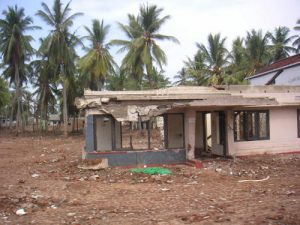
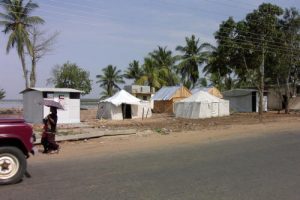
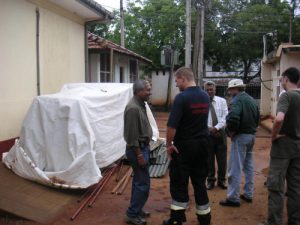
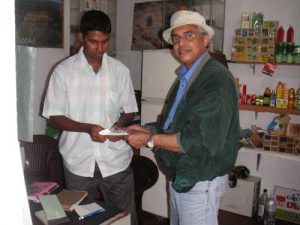
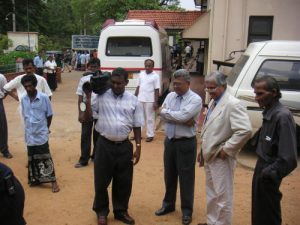
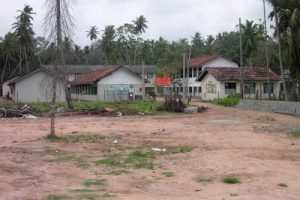
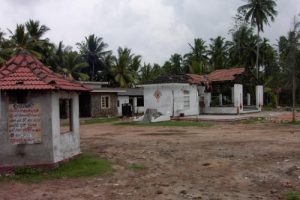
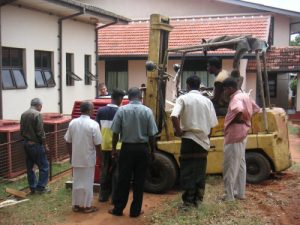
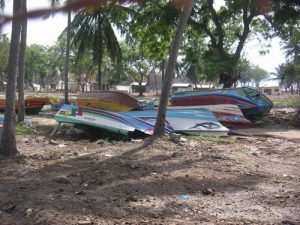
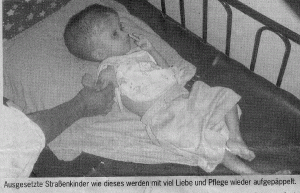
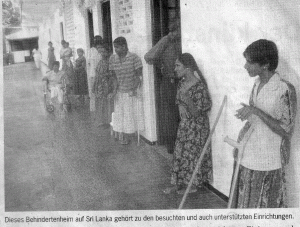
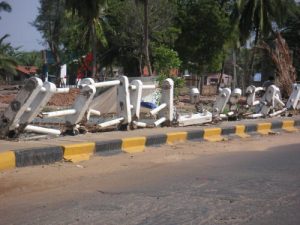
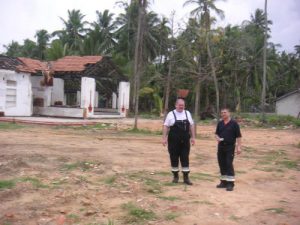
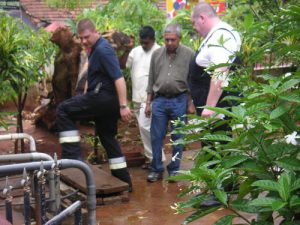
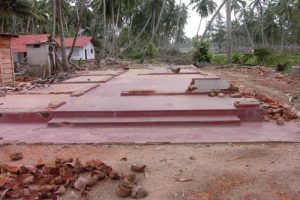
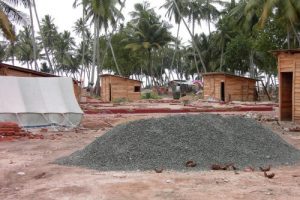
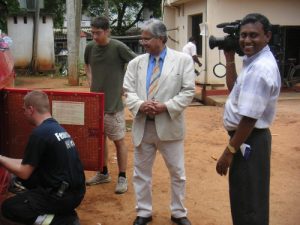
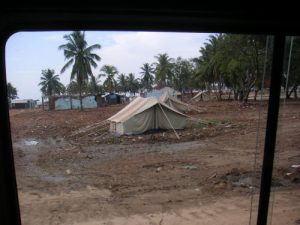
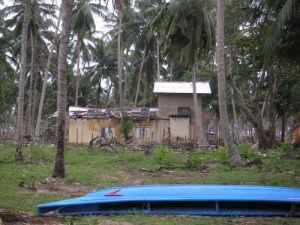
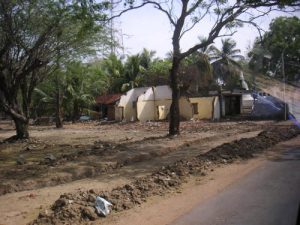
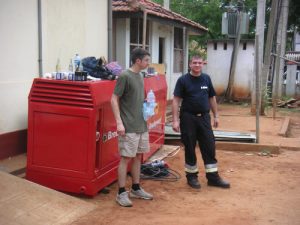
In 2005, a benefit concert for the tsunami victims in Sri Lanka took place at his practice in Uffenheim, and he personally donated 100% of the proceeds to this event:


  • -

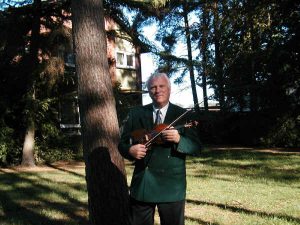
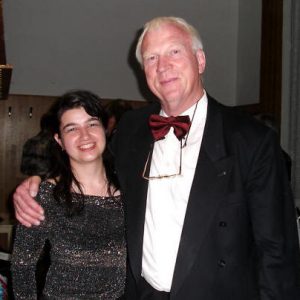
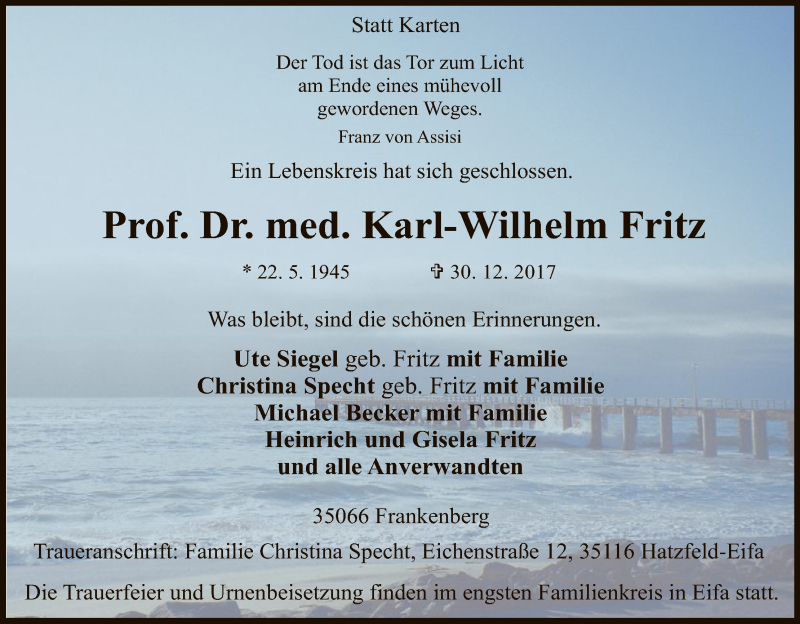
Karl-Wilhelm Fritz

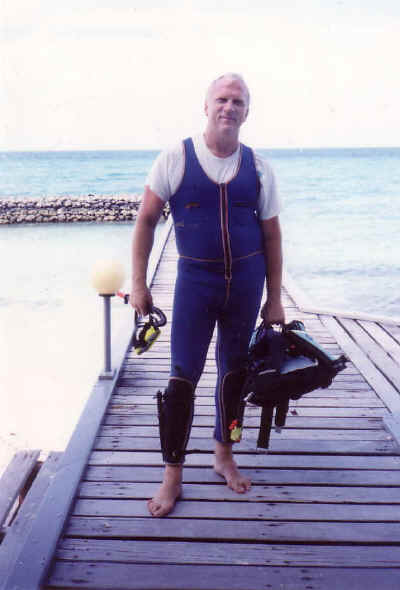
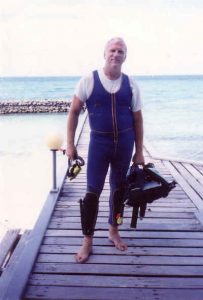
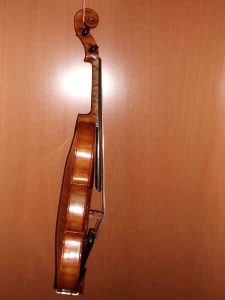
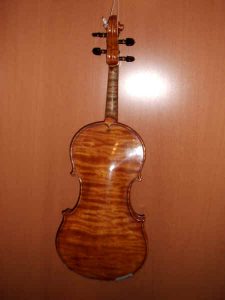
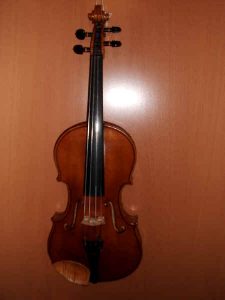
He is DivingDoc, ViolinDoc, CollectorDoc, PoliticDoc, BenefizDocHobbies:
-classical literature
-history
-politics
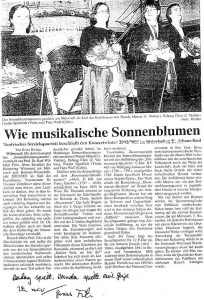
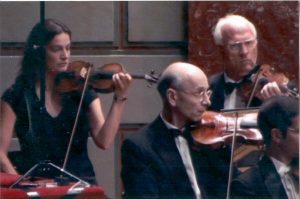
-classical music (viola and violine in several orchestras:
–Gehrdener Chamber Orchestra until 1993-1-31
–New Wilhelmshaven symphony orchestra
–Hamburg doctors orchestra
–German doctors orchestra
— participating at the EDO (European Doctors Orchestra) from Nov 2004
-Sports: surfing, diving (5 times as medical doctor on Maledives for TUI), bicycle

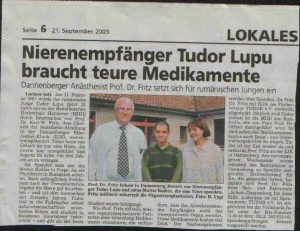
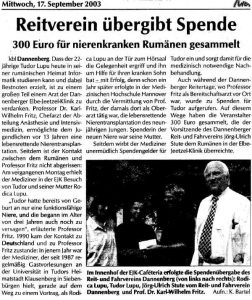
Newspaper Liver transplant story


  • -

Bernhard Ehlen

Bernhard Ehlen SJ (born March 5, 1939 in Berlin) is a German Jesuit and founder of Doctors for Developing Countries (now German Doctors).

Ehlen entered the Jesuit order in 1958. After graduating from Canisius College in Berlin, he studied philosophy, theology, and education. After his ordination in 1968, he taught religion at Canisius College from 1970 to 1971. He then worked as a youth pastor in Hanover until 1975, as well as a religion teacher at the Bismarck School and Tellkampf School high schools[2], and as a teacher and youth worker in Berlin until 1981. From 1982 to 1983, he was a teacher and youth pastor at the Sankt Ansgar School in Hamburg.

In 1981, he also joined the Cap Anamur Committee and worked as a project coordinator in refugee camps in Somalia. These experiences gave rise to the idea for the aid organization “Doctors for Developing Countries,” which he founded in 1983. He served on its management board until 2006. His order released him for this role in the spirit of the option for the poor. From 1986 to 2010 (he resigned), he was a member of the four-member board of “Doctors for Developing Countries.”

From 1984 to 2010, he lived in the Ignatiushaus in Frankfurt am Main[3] and now lives in the Jesuit Caritas retirement home in Cologne-Mülheim, and since 2022 in the Rupert Mayer Community in Munich.

Jesuiten-Portal

Deutsches Ärzteblatt

https://de.wikipedia.org/wiki/Bernhard_Ehlen


  • -

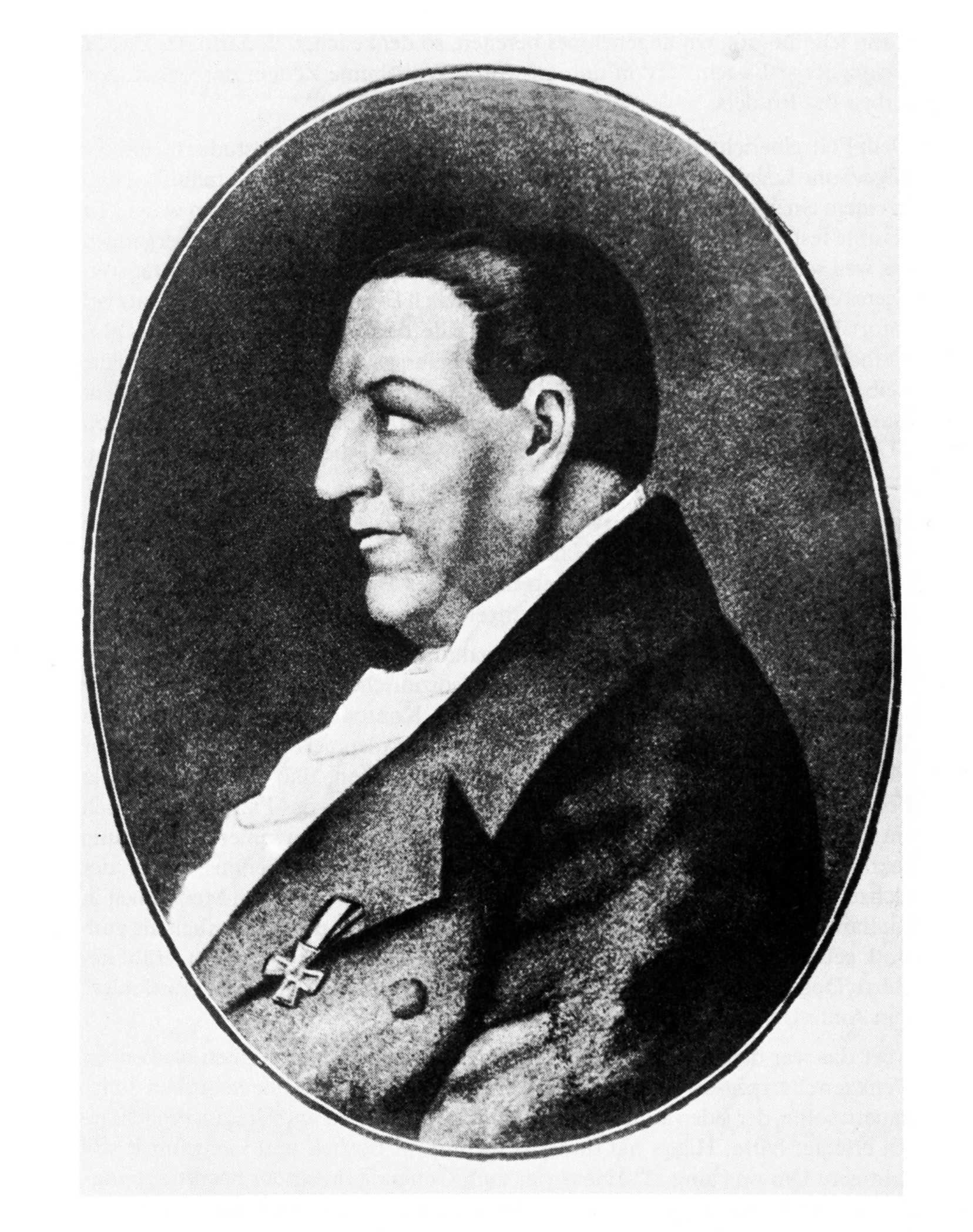
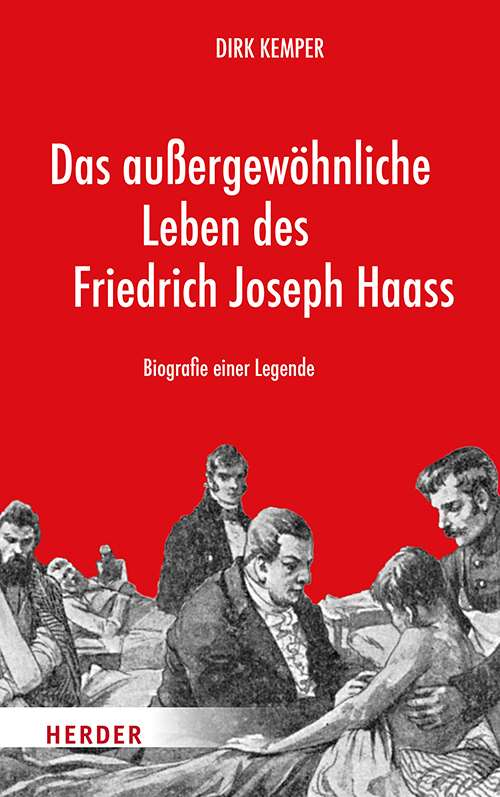
Friedrich Joseph Laurentius Haass

Dr. Friedrich Joseph Haass (Russian: Фёдор Петрович Гааз, Fyodor Petrovich Gaaz; 10 August 1780 – 28 August [O.S. 16 August] 1853) was the “holy doctor of Moscow”.[1][2] Born in Bad Münstereifel, as a member of Moscow’s governmental prison committee, he spent 25 years until the end of his life to humanize the penal system.[1] During the last nine years before his death, he spent all of his assets to run a hospital for homeless people. He died in Moscow. Twenty thousand people attended his funeral at the Vvedenskoye Cemetery, which was paid for by the state as he had no more money.

Haass, son of the pharmacist Peter Haass and grandson of the “surgeon on the Thurnmarkt” in Cologne, Wilhelm Anton Haass, studied German, philosophy and medicine after finishing school at the Ecole Centrale in Cologne, founded under Napoleon, and at the universities in Jena and Göttingen. In Göttingen he received his doctorate in medicine and surgery. In Vienna he trained as an ophthalmologist. One of his first patients as family doctor to the Russian Princess Varvara Alekseevna Repnin was her father, who suffered from a serious eye disease.[1] The latter recognized Haass’ talent and invited the young doctor to Russia. In 1806 he appeared in Moscow as Fyodor Petrovich Gaas. As early as 1807 he was appointed chief physician of the renowned Pavlovskaya Clinic (Paul’s Hospital).

From 1828, as a member of the Moscow Prison Protection Committee, he devoted himself for 25 years to caring for prisoners exiled to Siberia.[3] He was firmly convinced that man is good by nature because God created him in his own image. Therefore, a person who has strayed from the right path is nothing more than an unhappy, sick person who can only be healed through humanity. He learned this positive view of humanity primarily through Francis of Assisi and Francis de Sales, whose writings he counted among his favorite books, especially his main theological work, “Treatise on the Love of God.” In a letter to the philosopher Friedrich Wilhelm Joseph von Schelling dated December 31, 1843, he urgently recommended that he read the works of Saint Francis de Sales. In it, he calls Schelling “my beloved German teacher” and Francis de Sales “my beloved mentor and educator.” His will states that Haass was in possession of relics of Saint Francis de Sales, which he bequeathed to a Catholic church in Irkutsk.

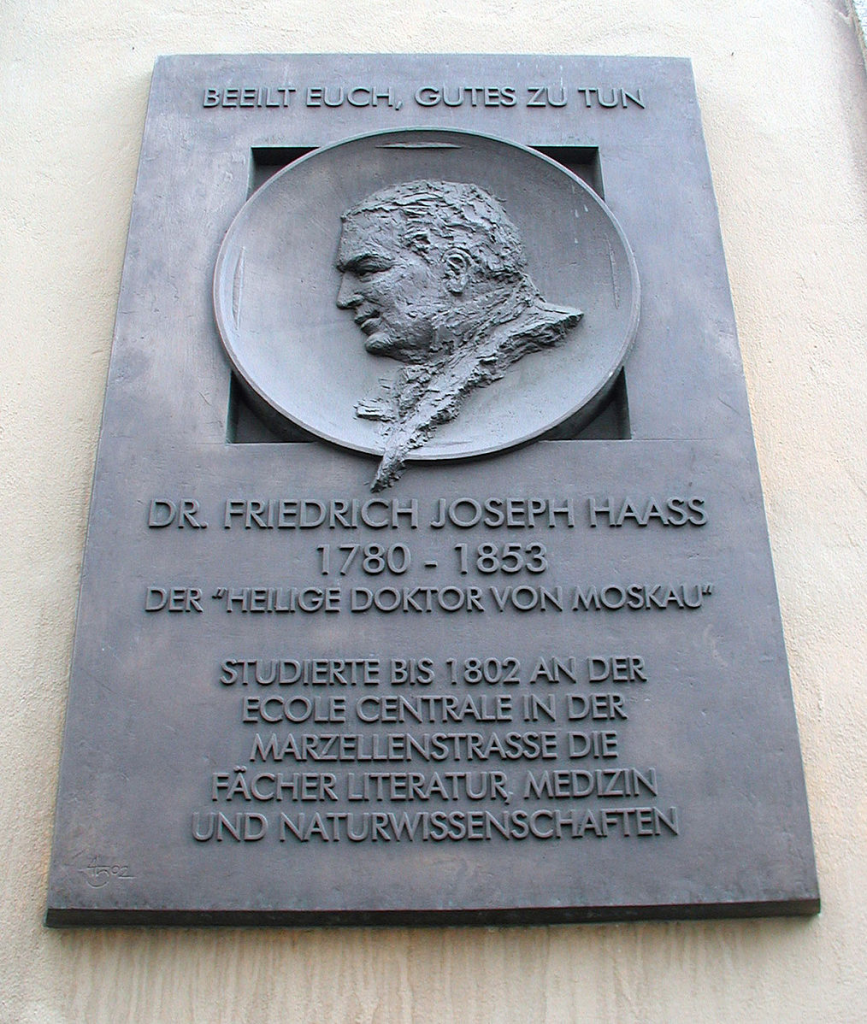
Gedenktafel für Friedrich-Joseph-Haass Memorial plaque for Friedrich-Joseph-Haass at the Archbishop’s General Vicariate building at Marzellenstrasse 32 in Cologne. Design: Herbert Halfmann, Düren. Height 140 cm. Erected in 2002.

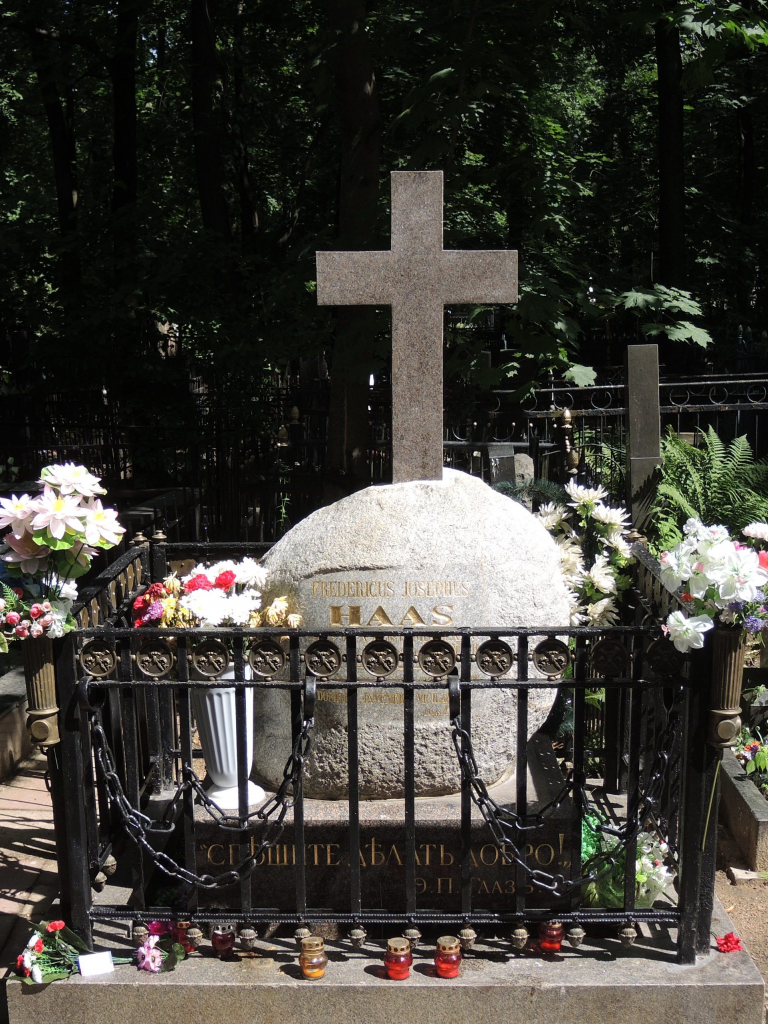
In 1836, he implemented a decree replacing prisoners’ heavy iron shackles with lighter, leather-lined ones that no longer rubbed their feet dry. These shackles are called Haass’s shackles. The oversized metal shackles on his grave are a reminder of this. In 1841, he wrote an ABC of Christian Decency […], which he had printed and distributed to deported criminals. In 1843, a police prisoner hospital for the homeless, later called the “Alexander Hospital,” was opened. It was financed entirely from Haass’s personal fortune and private donations. During the 1848 cholera epidemic in Moscow, he and the philanthropist Sofia Stepanovna Shcherbatova organized the Nikolskoye Community to provide assistance to the needy. Sisters of this community continued their work during the Crimean War.[4] Haass lived and worked in this hospital, popularly known as the “Haass Hospital” or “Haassovka,” until the end of his life.[5] At the end of July 1853, Haass fell ill and wrote a detailed will. He died on August 16, 1853, and was buried on August 19.[6] 20,000 people attended his funeral at Moscow’s Vvedenskoye Cemetery. The gravestone is inscribed in Latin and bears Haass’s quote in Russian: “Haste to do good.”

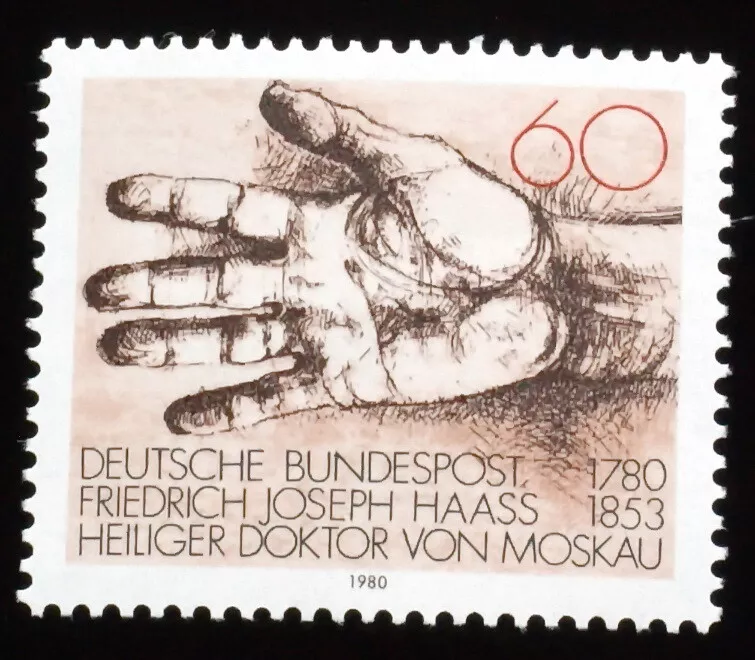
  • To mark the physician’s 200th birthday, the German Federal Post Office issued a commemorative stamp worth 60 pfennigs.
  • The German School Moscow has been named “German School Moscow – Friedrich Joseph Haass” since May 27, 1989.
  • The German-Russian Forum has awarded the Dr. Friedrich Joseph Haass Prize annually since 1995 to individuals who have made outstanding contributions to German-Russian relations. Award winners include Mikhail Sergeyevich Gorbachev and Egon Bahr.
  • The Russian Lev Zinovyevich Kopelev, a promoter of German-Russian reconciliation and himself a Gulag prisoner from 1947 to 1954, who lived in Cologne after his expatriation and until his death, wrote a book about Haass in 1984.
  • On April 16, 2016, an opera collage entitled Doctor Haas, consisting of 11 episodes, premiered at Moscow’s Helikon Opera. The composer was 27-year-old Alexei Sergumin, and the libretto was written by the writer Lyudmila Ulitskaya.

https://de.wikipedia.org/wiki/Friedrich_Joseph_Haass

https://en.wikipedia.org/wiki/Friedrich_Joseph_Haass


  • -

Fabian Unteregger

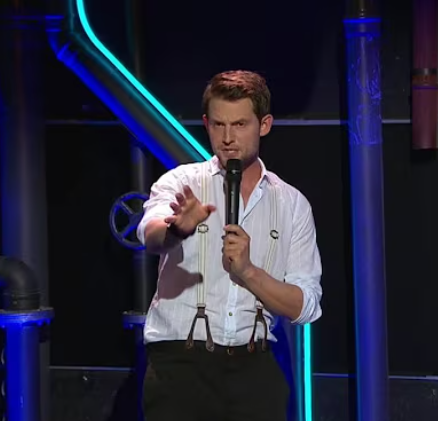
Fabian Unteregger (* 28. März 1977 in Zürich) is a Swiss comedian and moderator.

Fabian Unteregger graduated from ETH Zurich with a MSc in Food Science in 2003 and received his ETH teaching credential in 2004. From 2008 to 2014, he studied human medicine at the University of Zurich. He received his doctorate in medicine in 2017.

Unteregger can be found in theater sports, as an impersonator, or as a presenter on various stages. He imitates well-known Swiss personalities from politics and sports. In 2007, he answered viewer questions once a week on Radio Top as National Councilor Christoph Mörgeli. In 2008, he became known to a broad national audience with appearances on the Swiss TV satire show Giacobbo/Müller on SF 1. In addition to Mörgeli, he also parodies other Swiss personalities such as Roger Federer, Köbi Kuhn, and Moritz Leuenberger, the latter in his weekly radio column Moritz explains German on Radio 24 and Capital FM. From 2009, he toured cabaret stages in German-speaking Switzerland with his first solo show Showbiss. Since July 4, 2013, he has also been a weekly presenter of the TV comedy show Metzgete – Heiteres Prominentenraten on SRF 1. His second stage show premiered on October 7, 2015.

  • 2005, 2007: Second place at the Swiss Theater Sports Championships (with Improvenös)
  • 2008: European Theater Sports Champion[2]
  • 2008: Winner of Best of Swiss Web Gold, Best Football Marketing Site (for Natifans.ch)[3]
  • 2016: Prix Walo in the Comedy category

In December 2010, Fabian Unteregger organized the first “Christmas Medical Lecture” at the University of Zurich for the benefit of the ALS Association Switzerland and was subsequently appointed its ambassador.

web

wikipedia DE

IMDB