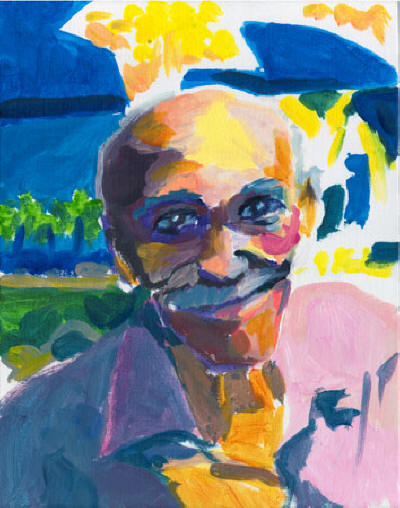
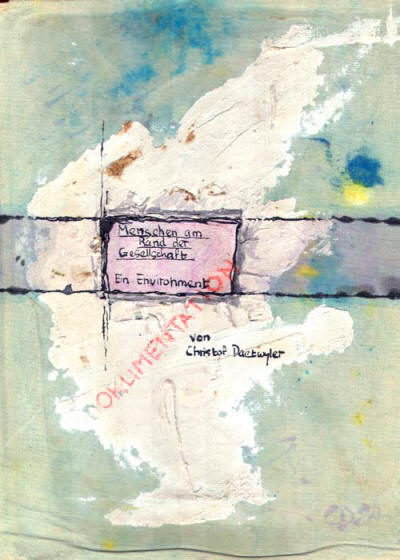
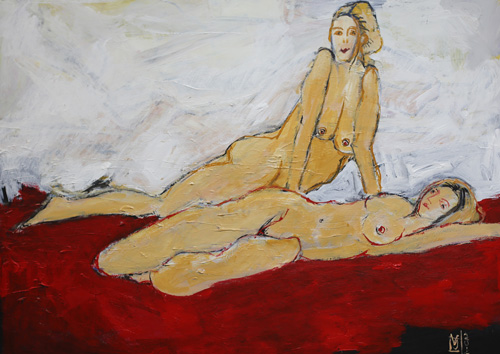
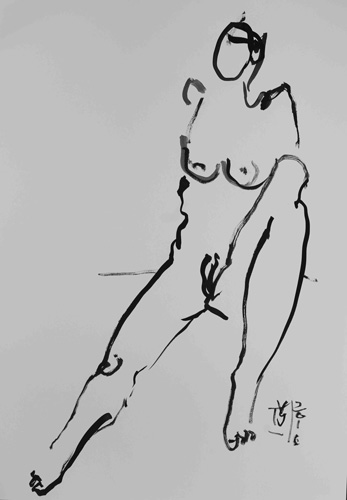
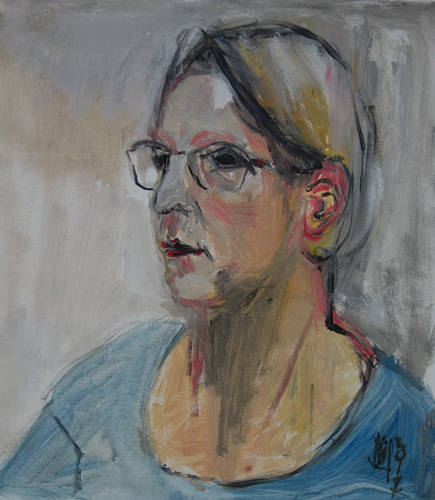
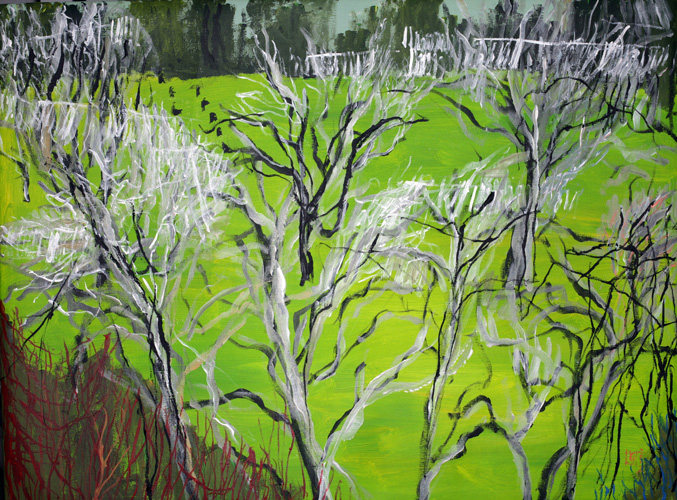
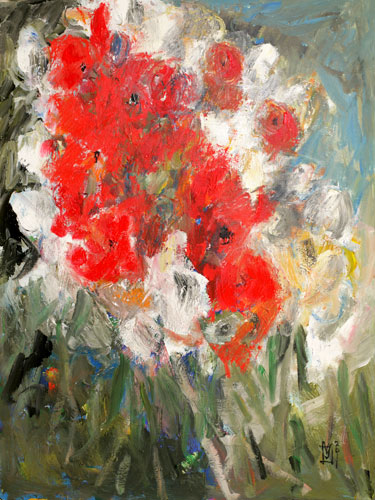
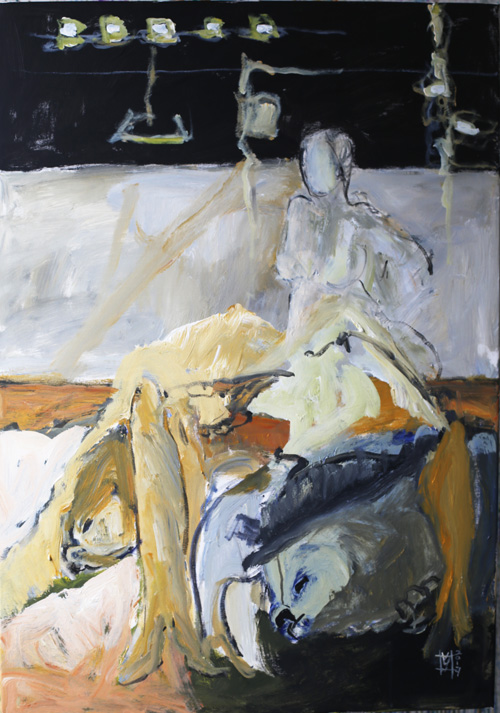
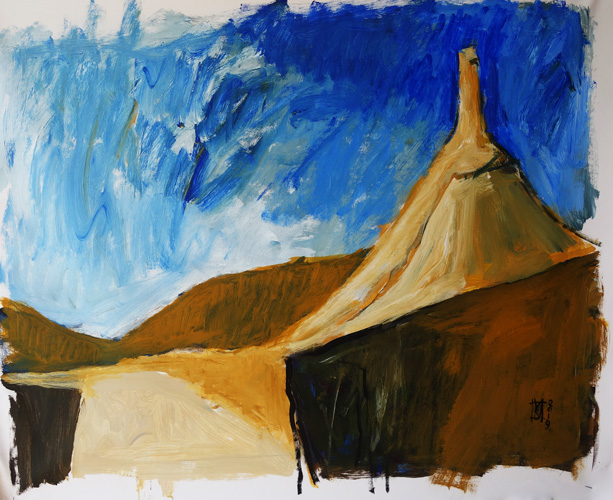
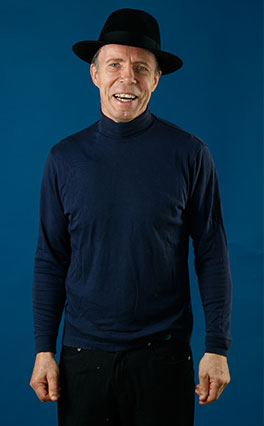
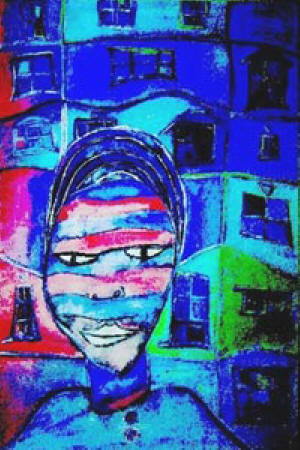
Abitur in Mannheim wishing to become art teacher 1950 art lessons at Kunsthalle Mannheim (Ursula Krebs) 1951 art lessons at Volkshochschule Mannheim (Walter Stallwitz) 1960-1961 “Freie Akademie Mannheim” class Paul Berger-Bergner 1983 Medical degree with doctorate degree
specialisation for obstetrics 1975 to 2005 working in own office in Neckargemünd art lessons with Glyn Forster in Dossenheim Yearly classes at European Art Academy Trier and artist association Artefact in Bonn
1998 own Atelier in Langenzell free-lance professionals since January 2006
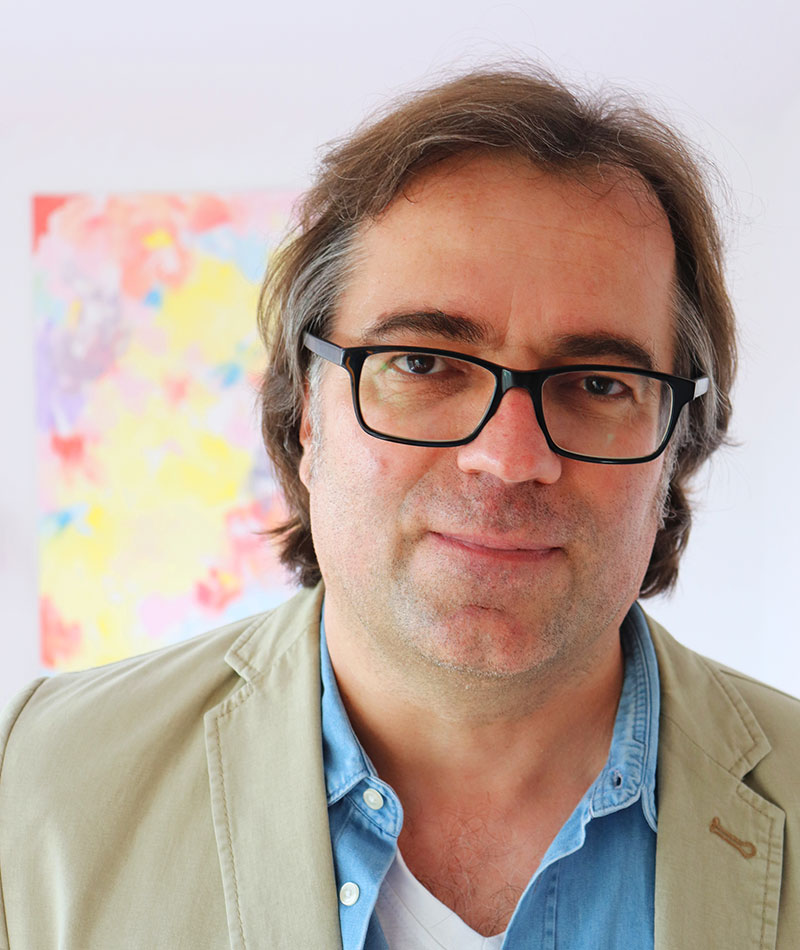
1974 Studium der Biologie, Bonn, Rheinische Friedrich-Wilhelms-Universität 1976 Studium der Medizin, Bonn, Rheinische Friedrich-Wilhelms-Universität mit Examen 1981 1982 Beginn der Assistenzarzt-Tätigkeit in den Fächern Innere Medizin und Chirurgie 1982 Promotion im Fachbereich Medizin, Medizinische Mikrobiologie 1985 Niederlassung als Ärztin in einer Gemeinschaftspraxis 1999 – 2005 Studium im Studiengang freie Kunst an der Kunstakademie Münster, bei Paul Isenrath und Guillaume Bijl 2015 Beendigung der ärztlichen Praxistätigkeit
Michelangelo didn’t have it. Renoir was missing it. As for Picasso, luck didn’t deal it to him.
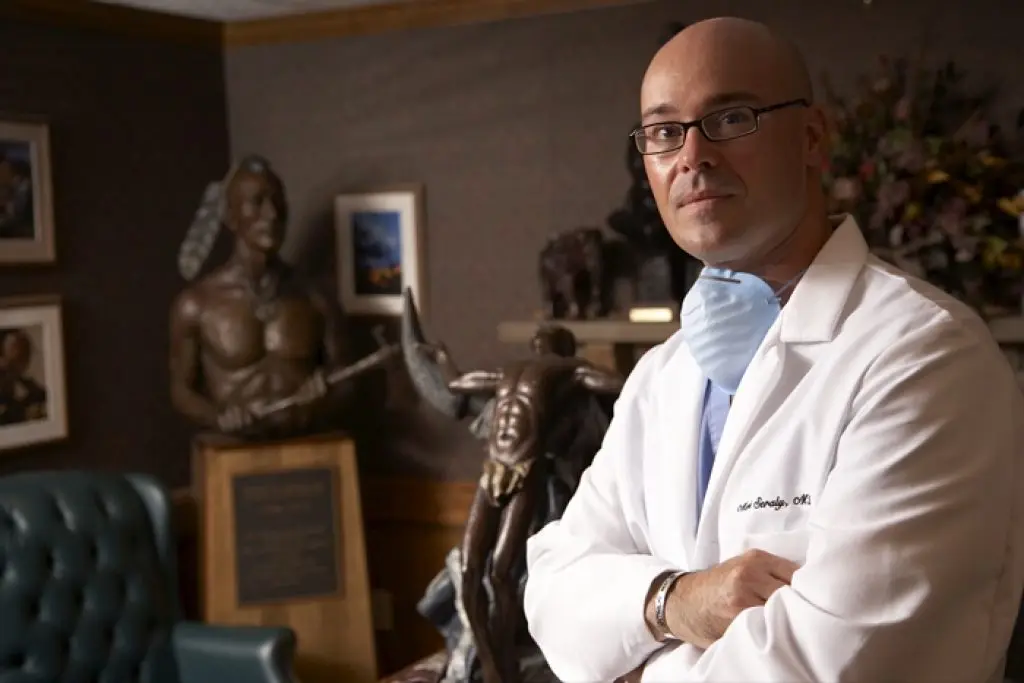
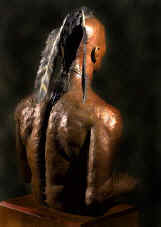
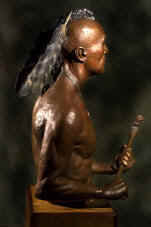
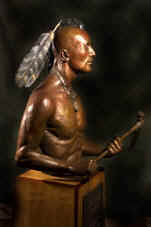
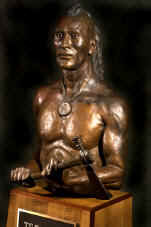
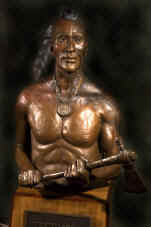
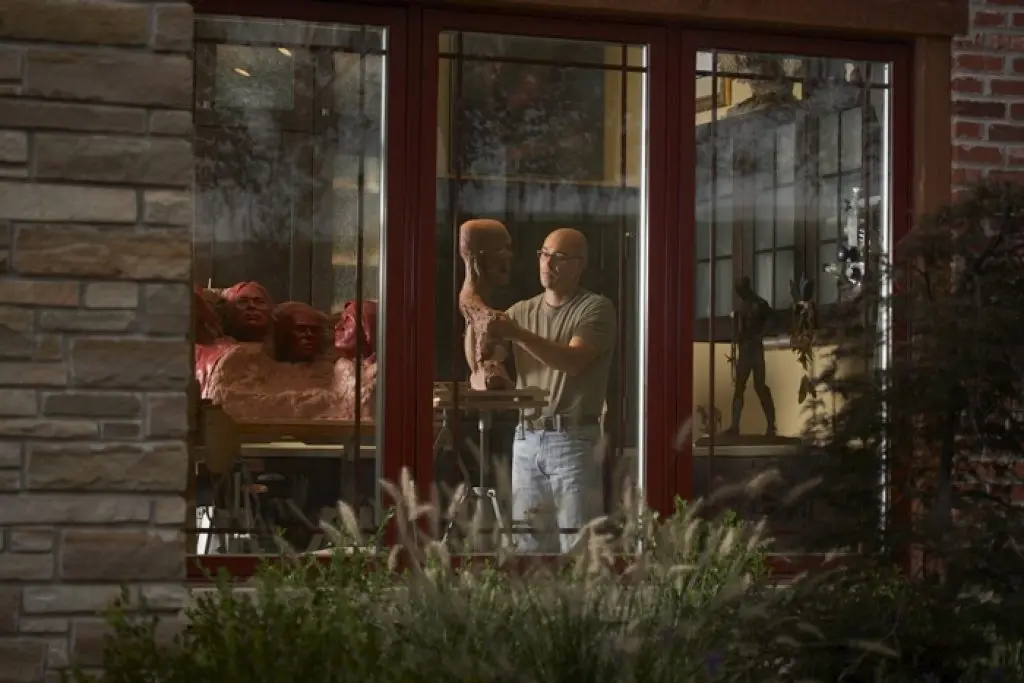
But self-made sculptor Dr. Mark Seraly has it—a day job that delivers his subject matter in a steady stream of people. True, they were all inspired, but inspiration comes from a subject he knows best—the human body.
The 46-year-old Canonsburg dermatologist, of course, treats patients with conditions of the skin, but when he’s out of his scrubs and in his studio, he creates bodies of art.
It was just 14 years ago that Seraly first touched the cold moist clay to blaze a trail to this surprising and fruitful second career. In 1996, he was at the University of Pittsburgh working on his dermatology and chief residency when he commented on a patient’s earrings.
“It turns out she made them and then asked me if I had any interest in art. I told her I liked sculpture,” he said.
Then she hooked him up with well-known sculptor Susan Wagner. Her pieces adorn PNC Park with the likes of Willie Stargell, Bill Mazeroski and Roberto Clemente. Not a bad hook-up.
From there he took a class at the Center for the Arts where he says he was “the only bald guy in the room with a bunch of backpacking kids.” By the time he completed the class, his instructor told him he ought to be a professional sculptor.
Since then he has worked tirelessly in an eternal pursuit to understand the human form. “I never grew up thinking I was an artist. Things I’ve gravitated toward are right brain. This is a natural fit with things I do as a doctor,” he said.
Seraly attributes his role as a dermatologist to his success in sculpting.
“I get to study the human form. I see smiles, tears, the changing of body posture,” all which translate into his attention to detail on his pieces. “What I’ve learned in my career goes hand-in-hand with my art. Not a lot of sculptors can have that,” he said.
Born in Brunswick, Maine, where his father served at the Naval Air Base, he was raised a Navy child. He claims his father’s influence, along with a certain dose of his maternal grandfather’s OCD (obsessive compulsive disorder) tendencies, have likely helped him along the way.
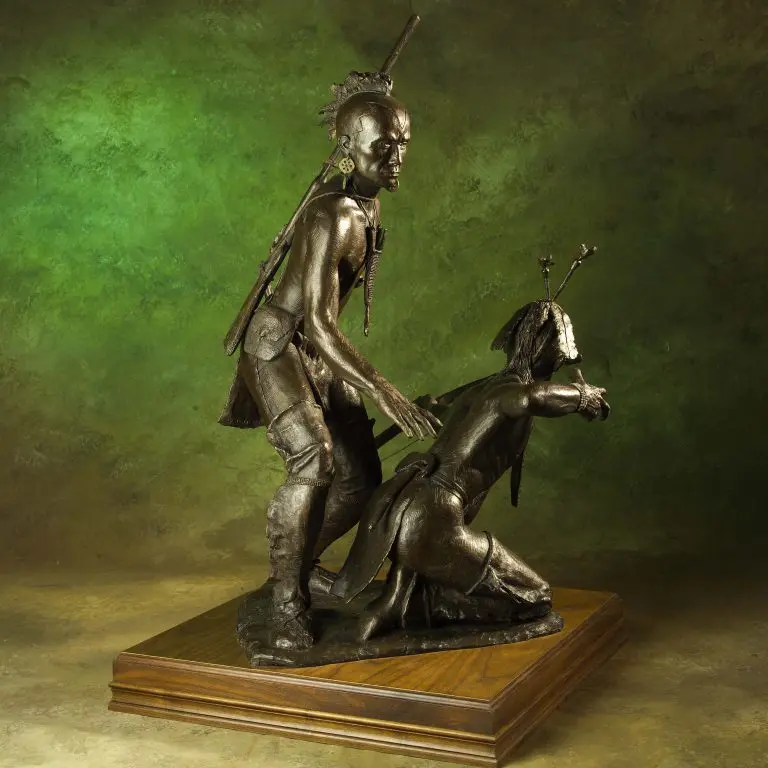
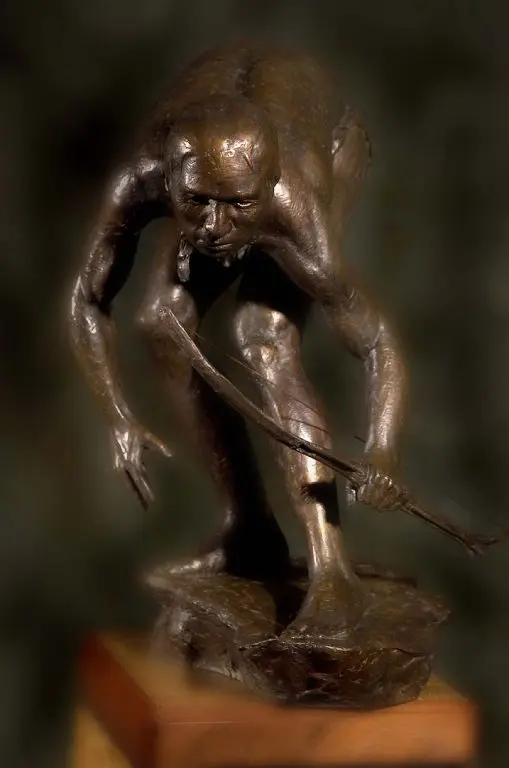
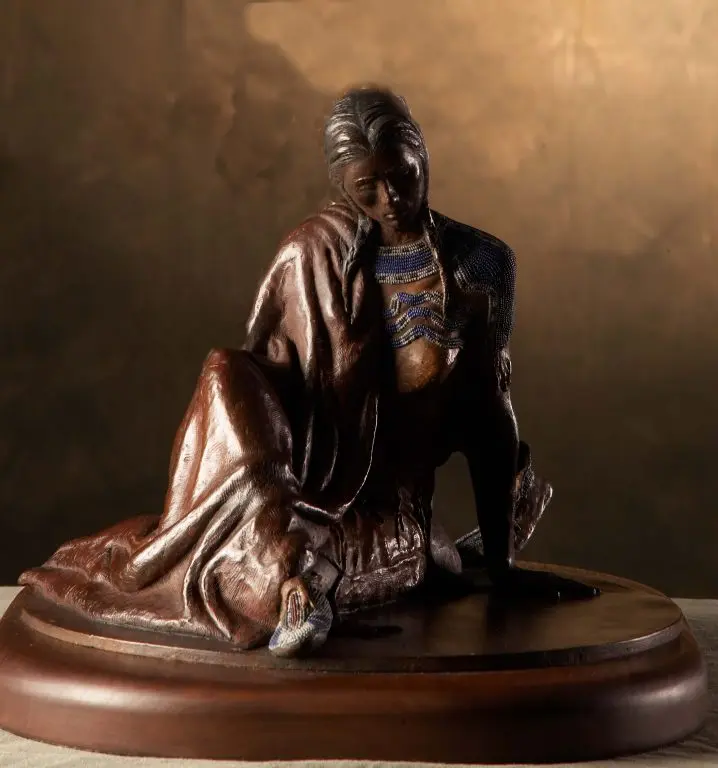
He spent grade school through high school in Succasunna, New Jersey, where he developed his love for the West and Native American traditions. He studied, collecting American Indian artifacts, and always fueling his passion. He takes that history and applies it directly to his pieces where the observer can take in the accuracy of his work and place himself alongside Chief Gall at the Victory Dance, the Hopi Girl or Ishi, in the spirit of the hunt.
His latest piece, Indian on Horseback Fighting Bear, is almost complete.
Seraly will hand deliver it to Coopermill Bronzeworks in Zanesville, Ohio where it will undergo the casting and molding process. He’s come to know the foundry owner Charlie Leasure, who has taught him yet another phase of the artistic process, allowing Seraly to see his pieces through to the finished product.
Seraly’s work surrounds his patient waiting area, office and home, but never did he dream his pieces would be included in private, public and corporate art collections.
A bust of Peter Rossin was commissioned by the Rossin family and sits in the Rossin Campus Center at his alma mater, Washington and Jefferson College in Washington, PA.
Given the choice of whether to practice as a dermatologist or spend his days sculpting, he answered, “Both. I tell my patients my commitment to them is 150 percent. I’m not just a doctor with a hobby.”
Without his patients, his work wouldn’t have the edge it does.
I am a word-art-lyric and you can see part of my works at the page of Dr. Herold, since I am co-author of his work about internal medicine.
As well I am co-author of school books for the subject “German” and I am writing in several Doctors Magazines if I have the time for it besides my practice…..
Cordially
Angelika Demel
liebe
trink mein glas und gib mir die scherben zurück nachdem dein herz es leise zerschlagen hat.
liebesschweigen
das schweigen und die liebe ohne haus ohne hut nur die hand die sie hält auf dem langen weg zu dir
mund
der lärm der lüfte in meinem seelengarten
der lärm der autos die ins leben starten
der lärm meines mundes lässt dich sehnsüchtig warten.
liebestod
bin zerschellt am zelt. kein held der mich hielt. die einsamkeit hat mich gefressen. mein geruch war wohl zu gut. ob’s geschmeckt hat weiß ich nicht. still ist’s geworden – die vögel schrillen von den nestern, bis die hecke bebt. rot rot rot war ihr blut habt ihr’s gesehen!
hässlich das grau der straße, als es zerfloß.
das grau ist heute hell – fast weiß – unsichtbar. das rot gibt es nicht es ist gestorben in jener nacht als das gelb die schloßallee passierte.
KIRSCHMUNDKUESSE
Ich lebe solange, bis ich ein Zicklein finde in deinem Bette, bis der Schnee meinen Hunger stillt und wie Milch schmeckt. Ich lebe, um aus dem Krug zu trinken der neben deiner Liebe steht die du zu mir hattest. Wir werden ihn gemeinsam trinken und in unser Tal schauen, das mit seinem Grün blendet – wie schoen es ist – und das uns den Wind schickt, der in den Wäldern wütet, um uns seine Botschaften zu hinterlassen, die ihm die Kraniche gaben, als wir uns noch so sehr liebten als die Tür noch nicht zugefallen war. Ich lebe, weil ich auf einem holprigen Karren liege inmitten von Blüten, Heu und Stroh, ganz warm und ohne Furcht fahre ich den Weg entlang, der Sonne, dem Licht entgegen, wo die Mutter auf mich wartet die Mutter des Herzens, die mir ihre Hand reicht und mich küsst auf den blutroten Kirschmund.
lebenswunden
mir sind die finger wund vom schreiben
der kopf ist wund vom denken
meine seele ist waidwund. verborgen.
hinten rechts am horizont neben dem kleinen bär kann man sie sehen bei klarer sicht mit hellem verstand.
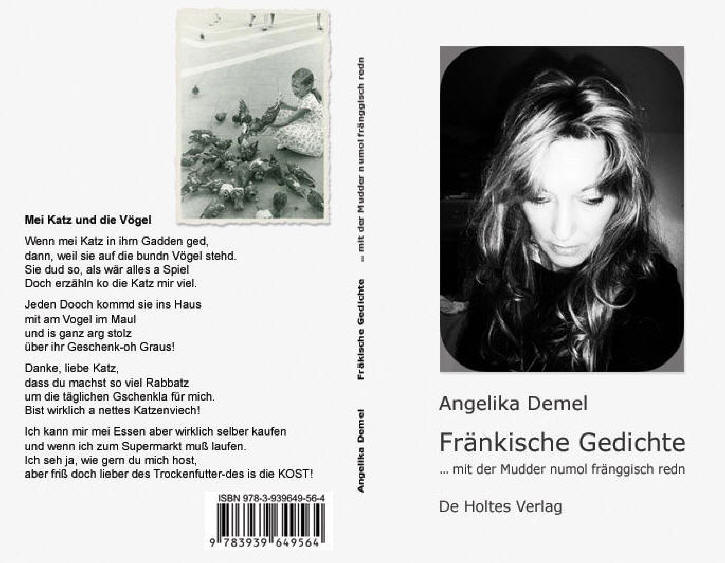
a poem about the “Osterhase” from the book “Fränkische Gedichte” (see above)osterhasn
vier hasn stehn vor maaner dür. a grosser a mittlerer und zwaa klaana.
sie friern und soong: “des is fei nix heuer mit die eier.”
“mir bleim do steh und beweng uns net. die leut vergessa des. mit die eier!”
des hot mer früher gmacht und hot an die kinnder docht. aber heut- do friern die leut, wecha dem geld des sie verdeiln in der welt.
und dann homs ka zeit und sin nimmer bereit die eier zum suchn die mir auf uns verbuchn.
“mei eier vom vorletzen johr”, socht der grosse hos “lieng nu nebem abflusssrohr.”
“meine eier hob ich in die heckn gstellt. aber des hot den nachborn verbrellt..” socht der kla hos.
der hot mich gjoocht und gsocht: “ich fang di und schlacht di morng, wennst net verschwindst mit deim gelumb.”
der mittler hot glacht. “des hob ich mir immer scho docht. dass kan mer intressiert und dann hob ich die eier selber probiert.”
“guuut worns die ostereier! die vom herrn meier an der eck sind die besten. des sin halt nu eier ausm westen.”
alla hosen schaun sich o und song, da mach mer uns jetzt selber dro. mir machen a barti im gatten essen eier und spilln dabei kaddn.
ja, des wed schö.
soong alla hosen.
She has studied as a teacher and passed the two state exams in Bamberg/Germany.
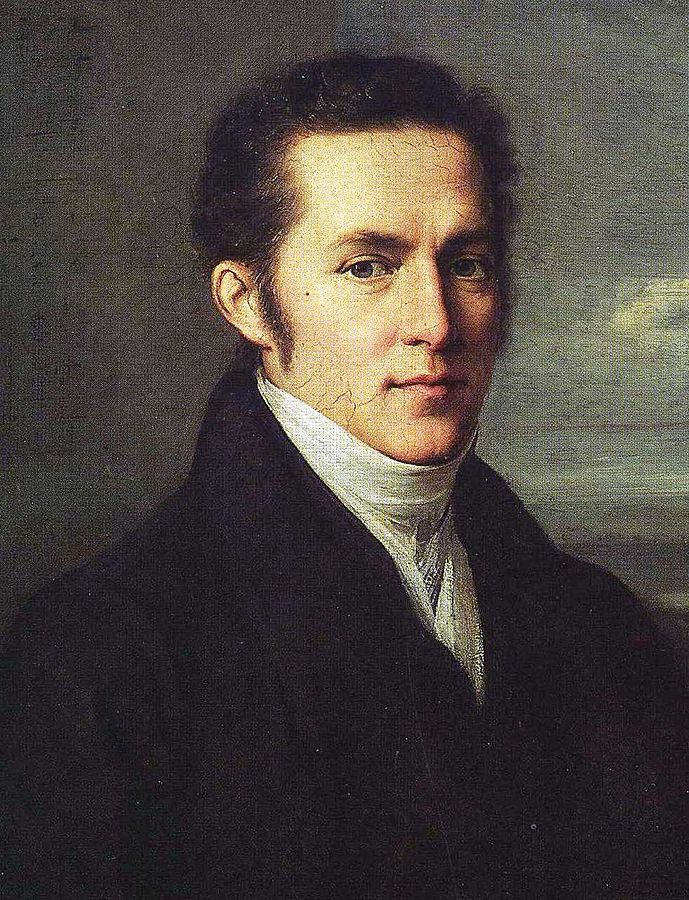
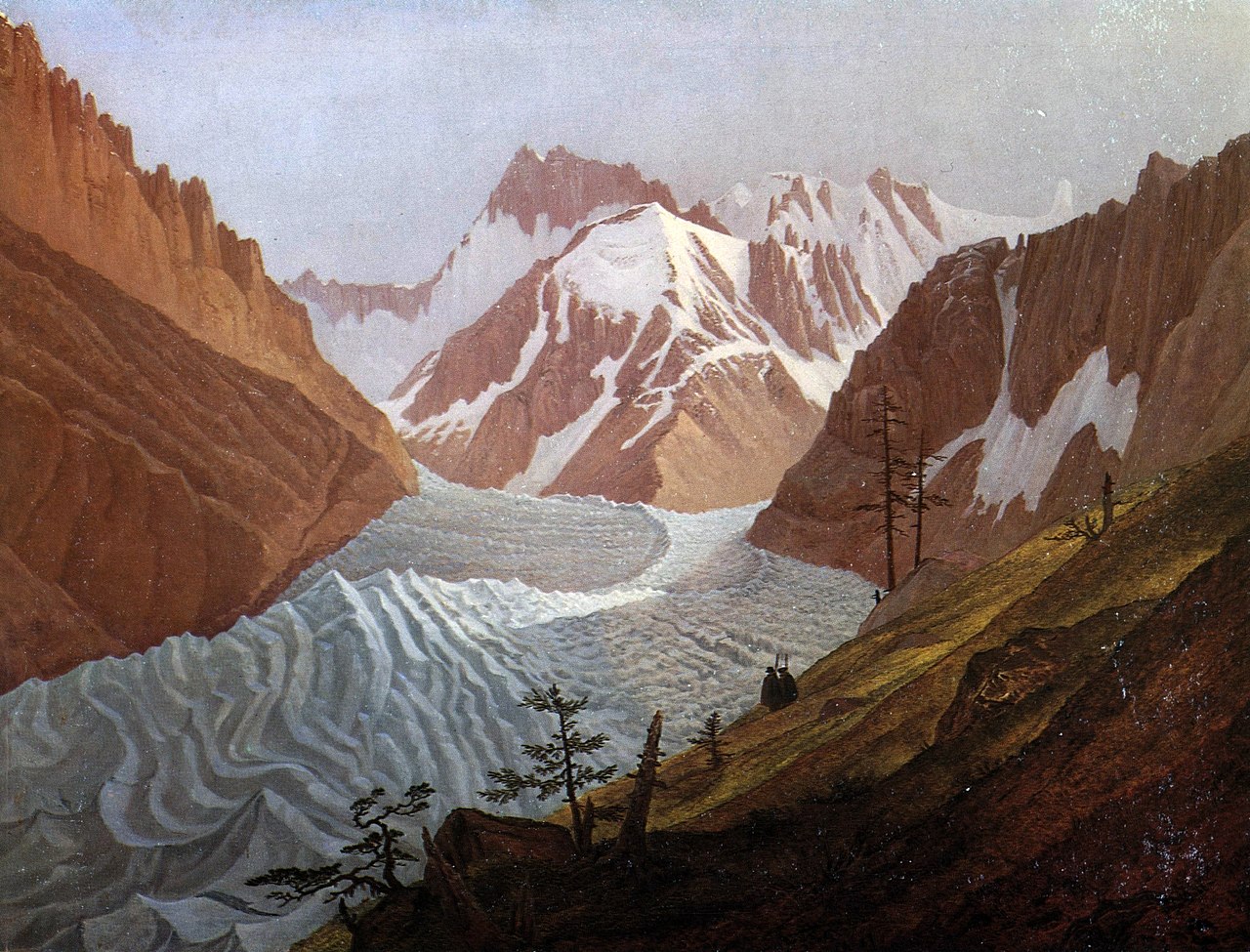
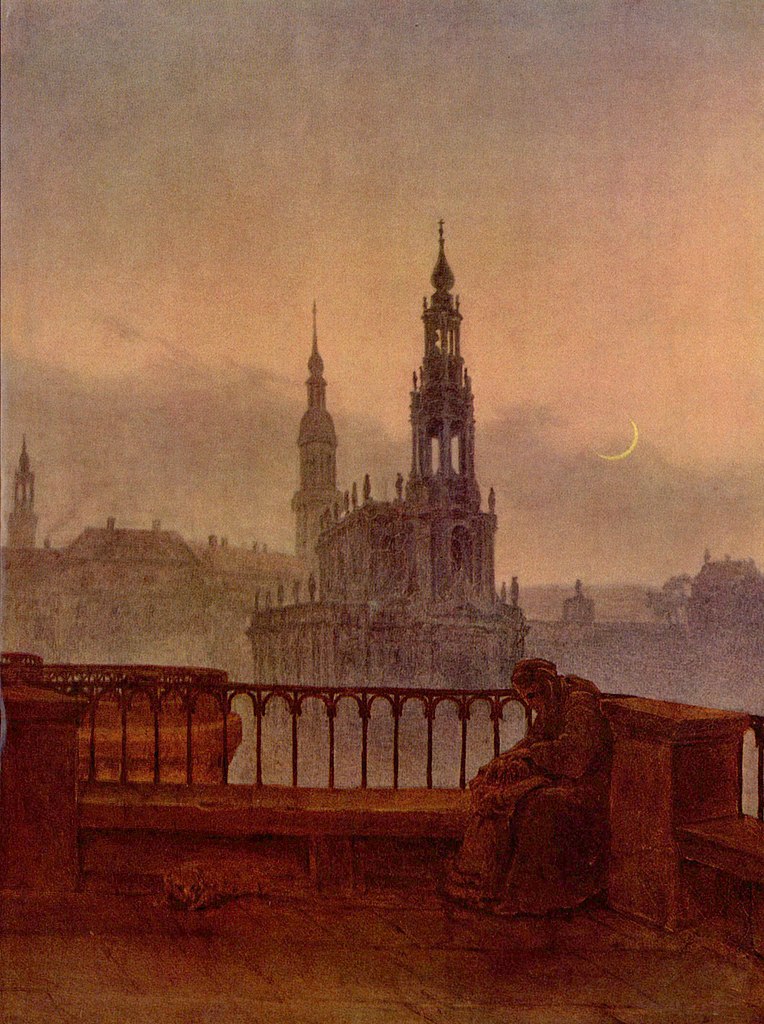
Carl Gustav Carus (3 January 1789 – 28 July 1869) was a German physiologist and painter, born in Leipzig, who played various roles during the Romantic era. A friend of the writer Johann Wolfgang von Goethe, he was a many-sided man: a doctor, a naturalist, a scientist, a psychologist, and a landscape painter who studied under Caspar David Friedrich.
In 1811 he graduated as a doctor of medicine and a doctor of philosophy. In 1814 he was appointed professor of obstetrics and director of the maternity clinic at the teaching institution for medicine and surgery in Dresden. He wrote on art theory. From 1814 to 1817 he taught himself oil painting working under Caspar David Friedrich, a Dresden landscape painter. Subsequently he studied under Julius Schnorr von Carolsfeld at the Oeser drawing academy.
When the King of Saxony, Frederick Augustus II, made an informal tour of Britain in 1844, Carus accompanied him as his personal physician. It was not a state visit, but the King, with Carus, was the guest of Queen Victoria and Prince Albert at Windsor Castle, and Carus was able to visit many of the sights in London and the university cities of Oxford and Cambridge, and meet others active in the field of scientific discoveries. They toured widely in England, Wales and Scotland, and afterwards Carus published, on the basis of his journal, The King of Saxony’s Journey through England and Scotland, 1844.[1]
He developed a theory of landscape painting whose objective was the visualization of the inner workings of geological phenomena, which he called “Erdlebenbildkunst” (pictorial art of the life of the earth).[4]
Carl Jung credited Carus with pointing to the unconscious as the essential basis of the psyche.
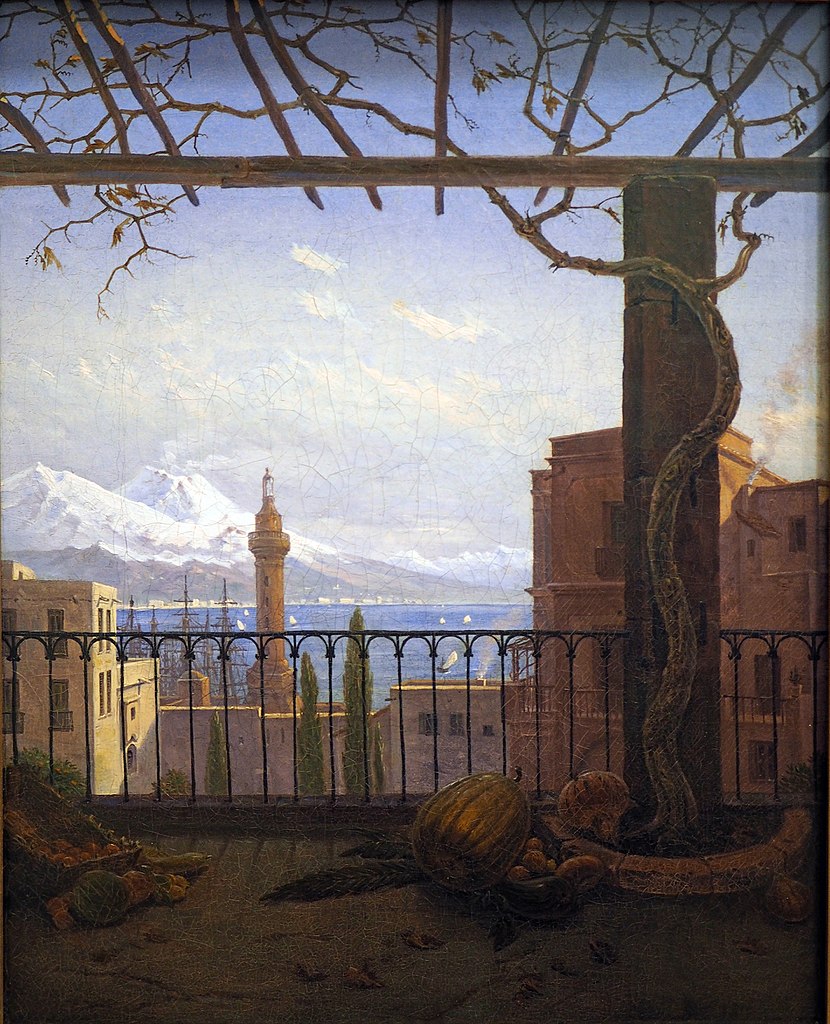
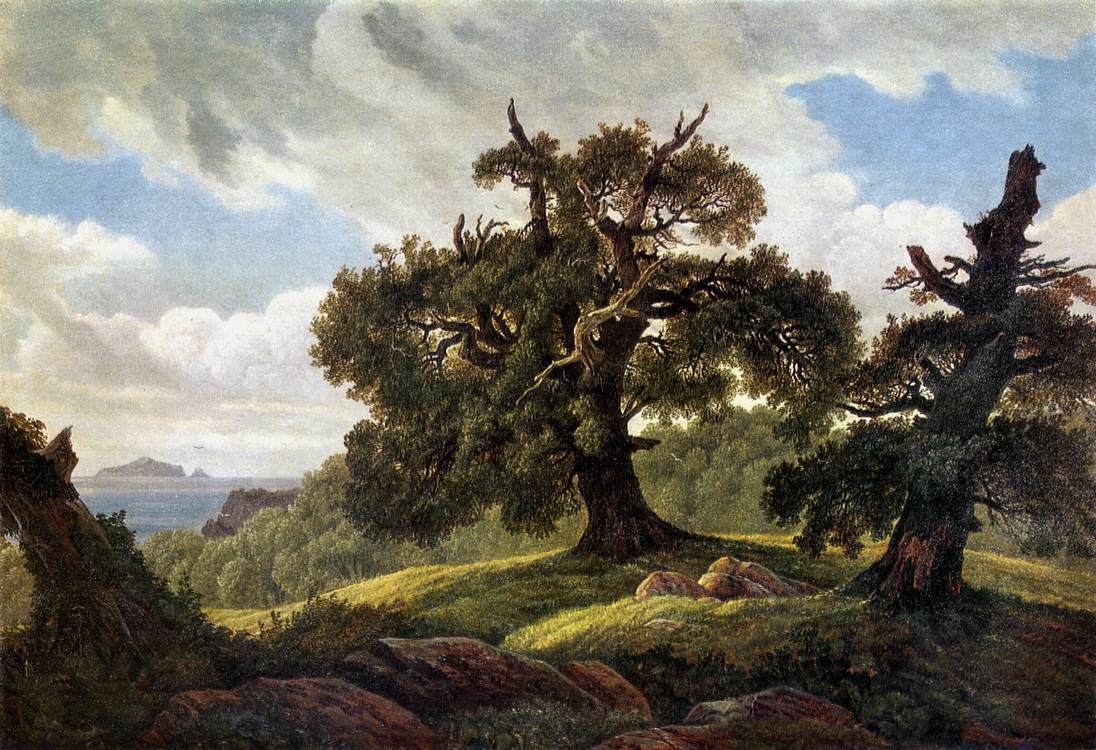
Neapel | NaplesEichen am Meer | Oaks at SeaDas Eismeer bei Chamonix | The Ice Sea at ChamonixBlick auf Dresden | View on Dresden
read German text about his art (and see the picture!):
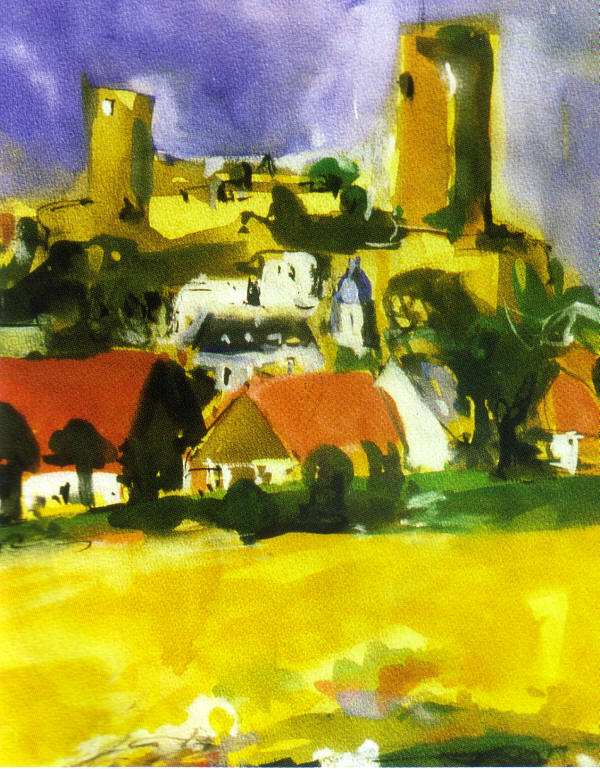
Axel Alexander Ziese nannte in der Zeitschrift „Aktuelle Kunst“ Austs Arbeiten „expressive Introversionen“. Jedes Bild, so schreibt er, hat ein singuläres Farbspektrum, das äußerst diffizil angelegt ist und dem Bild eine Emotion vorgibt, die sich dem Betrachter primär mitteilt bevor der Inhalt des Bildes erfasst werden kann. Unwesentliche Elemente des Draußens, so sieht es Wolfgang Halfar in dem „Künstlerportrait Wolfram Aust“, werden in seinen Bildern zugunsten der wesentlichen Grundzüge der Landschaft eleminiert. Zu der Welt der Formen tritt die der Farben, und auch hier sind diese nicht gegenstandsgebunden bzw. begrenzt.