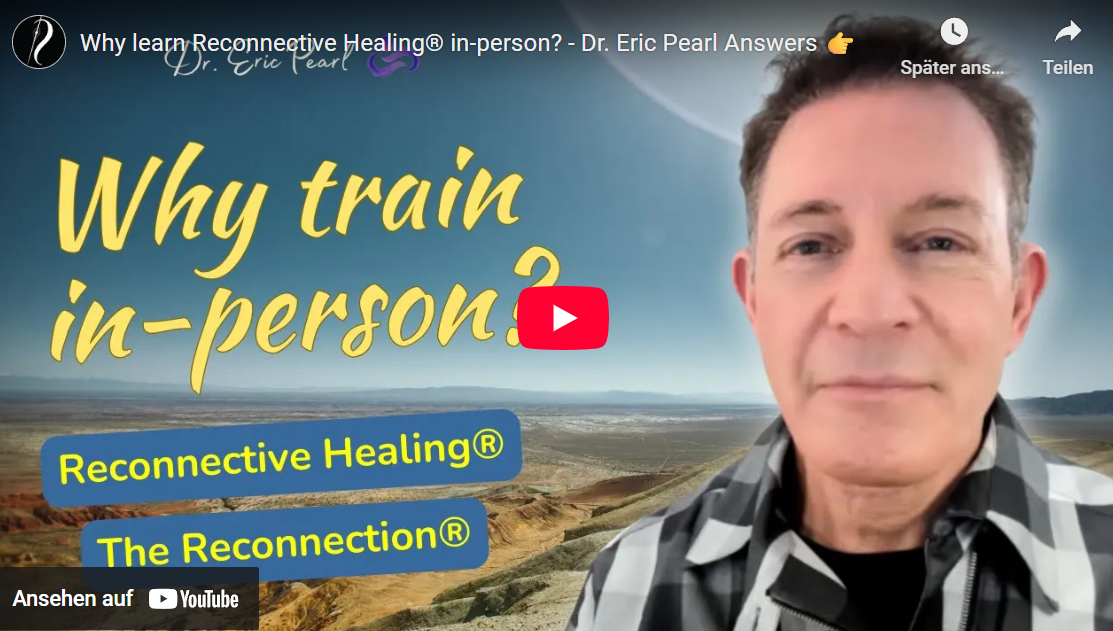
Over the past three decades Dr. Eric Pearl has shed a new light on the essence of healing. Undeniably, Reconnective Healing® and the Reconnective Healing Experience™ (RHE) have redefined both what healing is and how it is received. Through Jillian Fleer’s insights, it has become clear the RHE has shown us how our direct awareness connects us to the essence of healing itself. Moreover, it gives us a healing experience available to everyone and not limited to the physical, mental, emotional or spiritual: it is infinite. Additionally, it is devoid of tools, steps or rituals to follow. In brief, Reconnective Healing® is the direct path to healing.
since 2009 As an expert on ZDF, RTL, N24, Sat1, and HR for “Service:Gesundheit” and “Einfach gesund!”
2008 “Gesundheit!”, BR, working as an expert in nutritional medicine
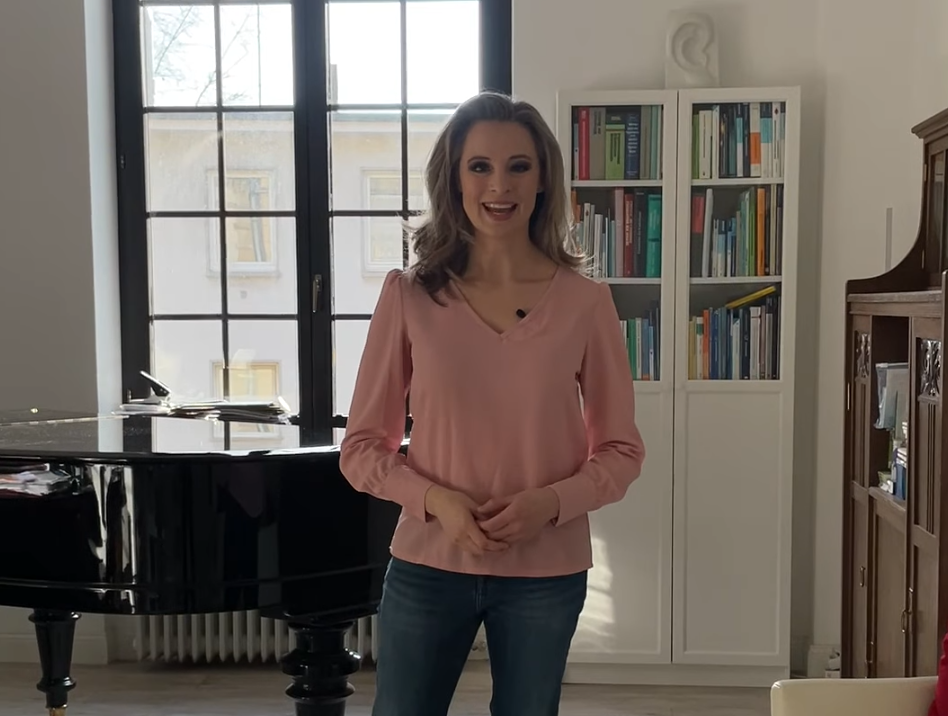
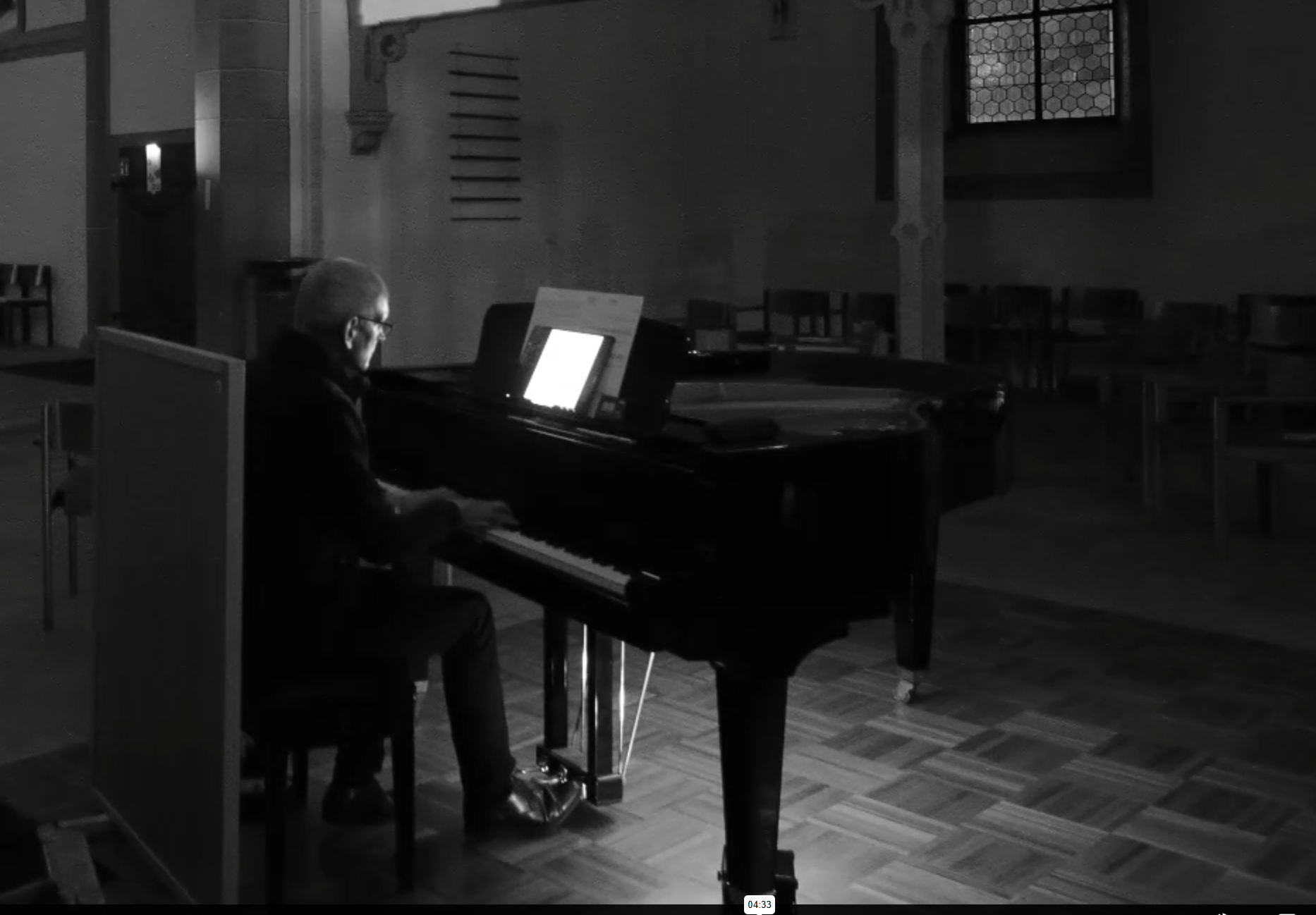
Explanatory video with self-played piano transitions
2006-2007 “Die Sprechstunde” (The Consultation Hour), BR, Engagement: Nutrition Expert
2006-2007 “Weck Up” (SAT.1), Engagement as a Consulting Physician
Kokew impresses with her naturalness and freshness, as well as her excellent screen presence… (Logo Institute) Member of the cabaret group “Comedizyniker” (KOMM-Kabarett) at the University Hospital Frankfurt; acting lessons
Simon Heiniger: Born in 1962 and raised in Emmental, he studied medicine in Bern. Thanks to a curriculum from the FIAM Bern, he trained as a general practitioner. Since 1994, he has been a family doctor in Olten. Married to a very understanding and patient wife, with three adult children. He writes like a writer:
I would like to tell you something about my hobby. I restore. From a medical perspective, the problem of restoration is not yet fully understood. It is suspected that a relatively rare spontaneous mutation on the Y chromosome occurs (so the female readership can breathe a sigh of relief). This deviation from the original genome forces the male psyche to fight against natural aging with all its might. If a man fails to do this for himself, he turns his energies to, for example, his car.
Divide and conquer – but be sure to make a sketch first!
The first symptoms appeared at an atypically young age, which I didn’t yet know how to interpret clearly at the time: I began restoring wooden furniture during my studies. I told everyone at the time that it was a mental balance, and I felt absolutely certain that I had found a survival tool and perhaps even a second source of income for future crises. After a few years, when our apartment looked like a stage set for a Gotthelf theater, my wife convinced me that it might not be very beneficial for the children to grow up in this antiquated living environment, and that, after all, something modern could also be very appealing. I recognized the seriousness of these objections and, somewhat offended, retreated to my workshop, gave away one piece after another, and patronizingly allowed modernity to slowly move into our household. I had the time and opportunity to choose a new hobby. For a brief moment, I even considered sports or reading.
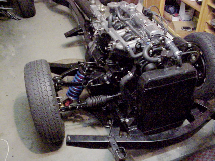
As with many chronic illnesses, one tends to delude oneself into believing one’s health during symptom-free periods. However, when I saw a Triumph Spitfire shortly after opening my practice (for the more interested reader: Mk IV, Jg 72), I quickly added the price tag to the total investment expenditure, and since this didn’t result in a significant difference, I drove the Spitfire home. This spontaneity, often typical of me and equally overwhelming for those around me, didn’t meet with much approval this time either. Since then, I always discuss a car purchase with my wife beforehand, or at least mention such a project sometimes. The Spitfire was a good purchase. The engine almost always started, and only rarely did it let me down on the road. Every now and then, I curiously unscrewed something, marveled at the (still) nameless part, and screwed it back on. Apparently, it was fine; everything worked. The problem with this car was that there was nothing to restore. On a later occasion, I complained about this plight to the Triumph dealer. I think he wrestled with himself for a moment before telling me that instead of ruining the good car, he had an idea. His suggestion was a rather dilapidated Triumph GT6 (for the still-interested reader: Mk I, 1968, also known as the “poor-man’s E-Type”), parked behind the garage years ago and left to rot and rust.
Runs, but doesn’t drive yet
My restoration heart leapt with pity, beat faster, and with much effort (I can’t go into the details, as the various violations may not have expired yet), I parked the “vehicle” in our backyard. I tried to counter my wife’s incomprehensible horror (had I really forgotten to inform her?) with arguments like “it’ll be a great car by spring” and “it looks terrible, but it’s solid.” Admittedly, spring had come several times, and the solidity wasn’t quite so great after all. To lend my determination a touch of credibility, I began the rather hectic disassembly that same day. This bold step in particular isn’t particularly suitable for imitation: even today, I still have a reproachful box of small parts for which, no matter how hard I tried to imagine, I simply couldn’t find room when putting them back together. Very quickly, an unexpected space problem arose. If the car, in drivable condition, has the dimensions of a small vehicle, the space required in a gutted state is about four times larger. I had to discreetly incorporate the now-modernized living space into the storage room, and even for this practical conversion of space, there was strangely no applause. Today I can talk about it; at that stage, I was almost desperate. Half the neighborhood was amused by the noise and chaos.
Give up? Those who restore cars don’t know that expression, and anyway, it’s part of the very nature of a family doctor to persevere, not to give up, even when no one believes in a happy ending anymore. I needed help and comfort, lots of comfort. The bookshelf was filled with specialist literature on British vehicles, rust treatment, engine construction, reports with tips and tricks from fellow sufferers. I discovered I wasn’t alone. Similar fates seem to be shared in many places, with many a self-proclaimed preserver of rusty cars suffering with brave perseverance in a small, unheated garage. The project progressed in small steps. There was a time when the various parts were spread out over a radius of many kilometers: the engine was at the cardiologist’s, the chassis at the orthopedist’s, and the body at the dermatologist’s. Our house was once again stress-free and livable. In this situation, I was once again able to benefit from my experience as a family doctor.
«Barba non facit philosophum», And a beautiful body doesn’t necessarily make a vehicle.
It took my persistent attention until my patient (still disassembled) was finally back home. Now all that was left was to reassemble it. With my now considerable experience and the painful experience of using many new tools, this should really only be the crowning achievement. The conclusion, and especially the crowning achievement, would have to wait for another spring. I became acquainted with the English understanding of precision. The majority of imported new parts rarely fit; where there should have been a recess, there wasn’t one. And the wiring harness had countless nerve endings that simply ended up somewhere without any reason (perhaps I should have paid more attention in neurology). Improvisation and courage were required. Once all the holes and recesses on the freshly veneered dashboard were covered, I had the part x-rayed in the office. With the old bronchoscope, I was sometimes able to get a better overview of the depths of the engine or the body. And all the useful surgical instruments were briefly put to a different use (and, of course, later sterilized again).
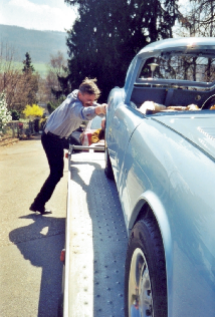
One fall, the Triumph was finally finished, previously in “British racing green,” now in a more conciliatory “powder blue.” Everything worked, and even the motor vehicle inspection gave it its veteran’s blessing. For a short time, the symptoms disappeared, and everyone rejoiced in the miraculous healing. If only the Moto Guzzi hadn’t been at the motorcycle dealer, or the sadly beautiful Saab on the internet, or the old Vespa in my father-in-law’s barn…
With time and experience, I’ve learned something very important. Before making any new purchase, I always talk to my wife first. She’s learned to live with my weakness and patiently stands by me (sometimes she still has a meltdown when there are so many vehicles in and around the house, so I just have to get rid of another restored object; never mind, I’ll find another one).
Dear reader, I have one final request: If you meet a man in a shiny, beautiful old car, be kind to him. He’s been through a lot.
PrimaryCare 2006;6: Nr. 51-52
Dr. med. Simon Heiniger Ziegelfeldstrasse 25 4600 Olten heiniger.simon@freesurf.ch
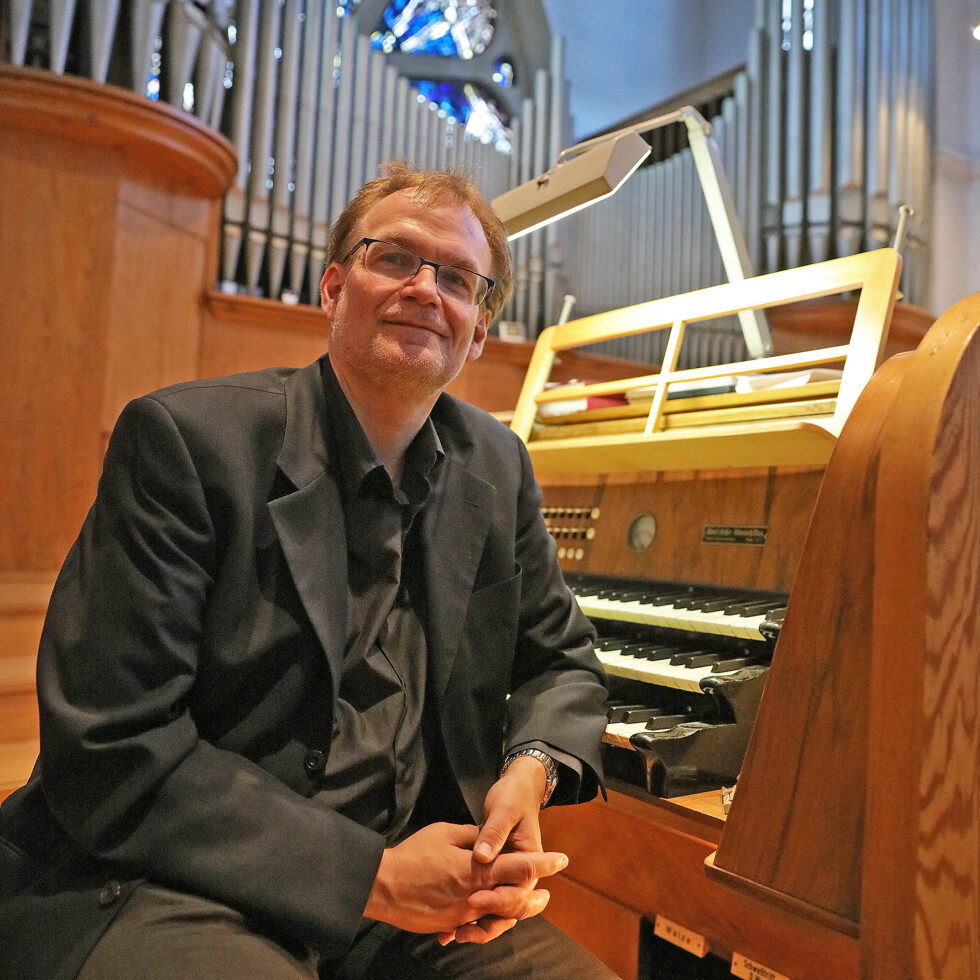
In addition to his work as a senior physician, Hans-Roman Kitterer leads an active musical life in and around Aalen as a pianist in the theater with solo and chamber music programs and on the organ solo or in ensembles such as here:
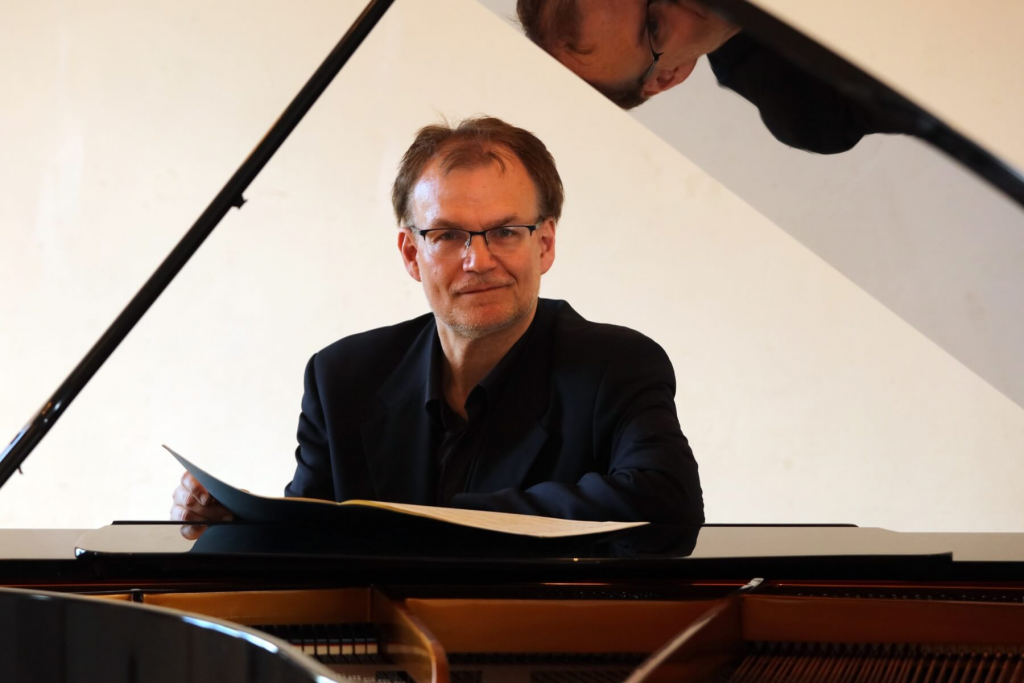
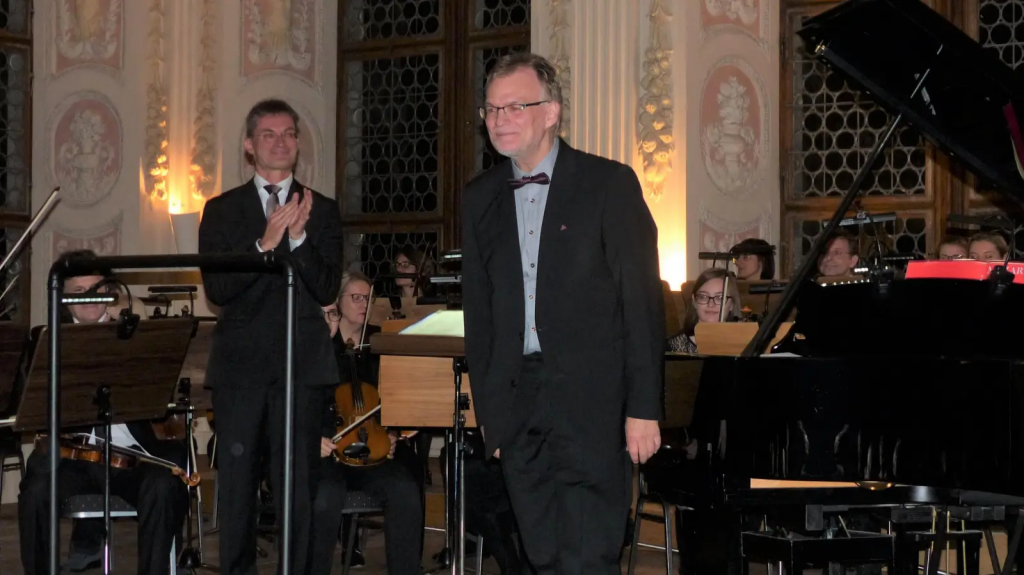
The Oettinger Residence Concerts Board concluded the concert season with a piano concerto by W. A. Mozart, played by Hans Roman Kitterer from Aalen and the Oettinger Chamber Orchestra under the direction of Günter Simon.
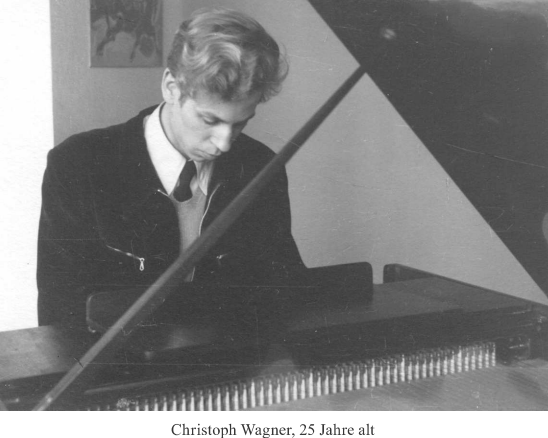
Few people know the musician Christoph Wagner. Anyone who listened to him improvise on the piano understood that it was this immediate proximity to music that motivated and drove him to create a science for musicians.
Born on May 20, 1931, in Marburg, Christoph Wagner grew up in Weilburg/Lahn in a culturally diverse and stimulating home. Despite only sporadic piano lessons due to the war, the boy soprano developed into a sensitive pianist who mastered the great works of piano and violin literature. Even as a young man, he was a sensitive chamber music partner and accompanist. From early childhood, improvisation was also second nature to him. Throughout his life, it remained a source of spiritual balance – later in a musical language that was partly reminiscent of Bach, but often also of Brahms or Schumann.
1958 – 1963
Music studies in Detmold – majoring in conducting with Martin Stephani, piano with Renate Kretschmar-Fischer, composition with Günter Bialas
Christoph Wagner’s longing for music was so constant that in 1958, after studying medicine (“out of reason”) and subsequently obtaining his doctorate, he began studying music with a major in conducting. In Detmold, he enjoyed a musically fulfilling time—but on the other hand, doubts crept in: “The idea for a systematic investigation into the physiological foundations of music performance arose during my music studies, which followed my medical studies. Given the conceptual background of natural science, with its efforts to objectively validate insights and decisions as much as possible, it seemed strange that musical education relied solely on subjective experience, despite obvious contradictions in methods and results. Successes were admired, failures were usually explained away as a lack of talent, but their causes were not investigated. The increasing incidence of tendonitis and similar complaints remained consistently silent. It was obvious that many of my fellow students were unsure of themselves and suffered from self-doubt. As my studies progressed, it became increasingly clear to me that this dilemma could be significantly improved if the work of musicians and its physiological prerequisites were scientifically investigated. In 1963, at the end of his music studies in Detmold, he predicted to his then piano teacher Renate Kretschmar-Fischer while out for a walk: “There will be an institute dedicated to this task full-time.” – Eleven years later, the time had come.
Jochen Blum (born January 22, 1959 in Ludwigshafen) is a German specialist in surgery and trauma surgery, professor of music physiology, and author of specialist books.
He is a co-founder and long-standing board member of the German Society for Music Physiology and Musicians’ Medicine (DGFMM).
Excerpt from an interview:
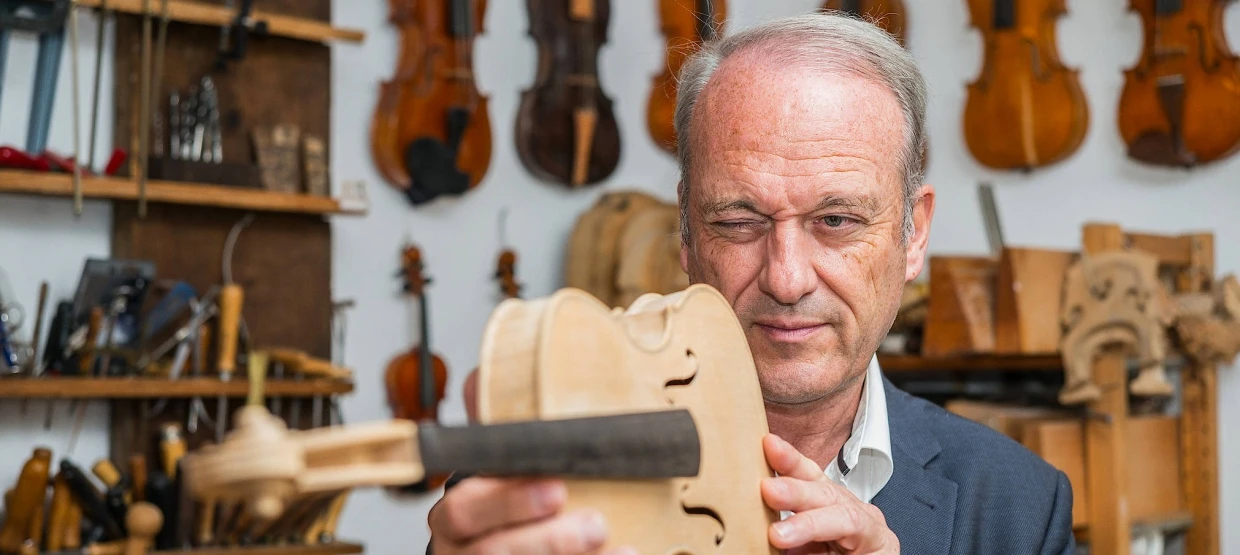
Back then, a violin maker and now chief physician for trauma surgery, orthopedics, and hand surgery, what motivated you to become a doctor—the decision to ultimately pursue a career in medicine?
It’s been around for a while; it was already an idea when I was at school. They’re two parallel worlds. I also studied instrument making during my school years.
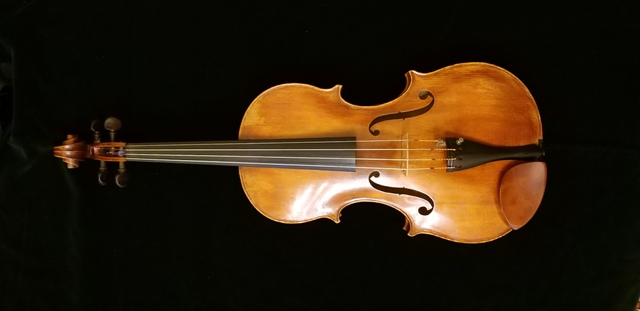
I trained with Stelio Rossi in Siena; this is what his instruments sound like:
Towards the end of this time, I also considered possibly going into music therapy, because I was an avid musician. However, I was already aware that working at a professional level, as a professional musician, was something I had a different view of. I didn’t necessarily want to eke out a life in the back row of a small orchestra, and I didn’t really have the skills to pursue a major solo career.
In addition to classical music, I did indeed play rock and jazz in bands, but that was simply for the joy of playing rather than the idea of making it a career. But I knew that after finishing school and graduating from high school, I didn’t want to immediately continue on to university the next day, so to speak, but rather wanted to deepen my knowledge of this practical area, and I had the opportunity to learn the craft of violin making from a luthier in Italy.
Viola Stelio Rossi
Although it was already clear to me back then that I wanted to go on to university again, and that’s exactly what happened. During my time as a violin maker, I had a few customers – in this case, they weren’t patients, but customers who wanted things changed – and I asked myself whether it wasn’t more of a medical problem that was bothering them. But of course it was all a bit vague, so I’d say the roots of both were there early on, but ultimately it developed in such a way that after completing my violin making training, I definitely wanted to study medicine, and I was then able to combine the two areas a bit later on.
Friday, April 18, 2025, 3 p.m. Xenia Preiseberger, Thomas Scherb, Wolfgang Heilmann (piano) Kurt-Laurenz Theinert (light installation) Angela Fabian, Dietmar Zoller (liturgy)
Erik Satie’s “Vexations” is a very short work. However, the composer demands that the piece be repeated 840 times. The three pianists alternate every two hours, and the church will be open all night. It is possible to enter and leave the church at any time. In addition to the music and the two services, a slowly changing light installation bathes the Marktkirche in a new glow and illustrates the events. At the hour of death (Good Friday, 3 p.m.), the music fades into silence.
District Cantor Wolfgang Heilmann invites you to this musical-liturgical experiment on Maundy Thursday and Good Friday. Good Friday, a new imposition every year. This man on the cross. The world’s suffering is concentrated on him. Again and again the question of “why.” Endurance and compassion, vigil and prayer. That is the task.
Precisely this liminal experience is also intended to be conveyed by the liturgical format. The two services with Holy Communion in the Marktkirche Bad Bergzabern on Maundy Thursday (April 17, 7 p.m.) and Good Friday (April 18, 10 a.m.) will be unusual, disconcerting, reduced, and set to music by Erik Satie (1866-1925).
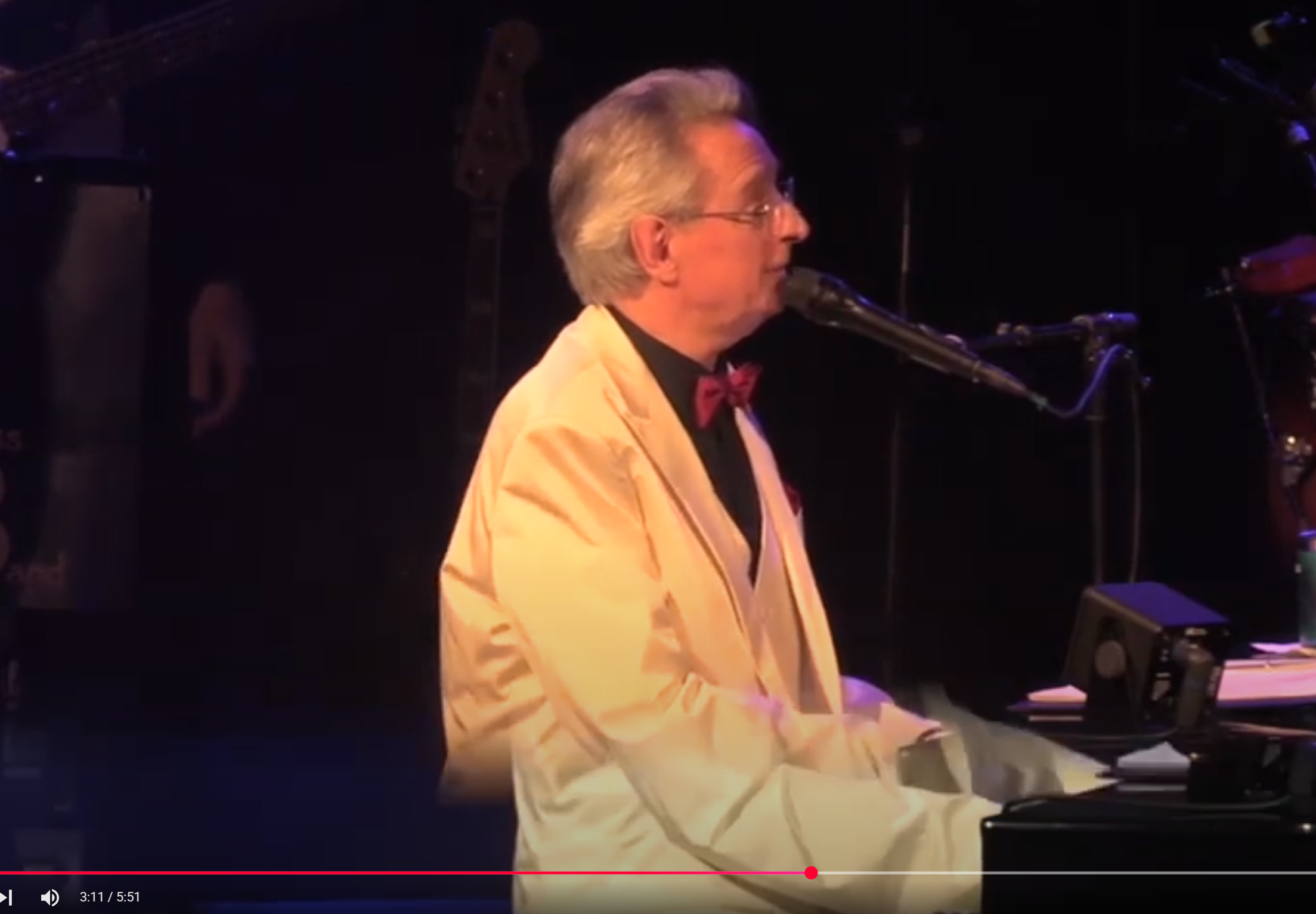
The doctor and medical journalist Thomas Scherb returned late but very successfully to his youthful profession as a pianist.
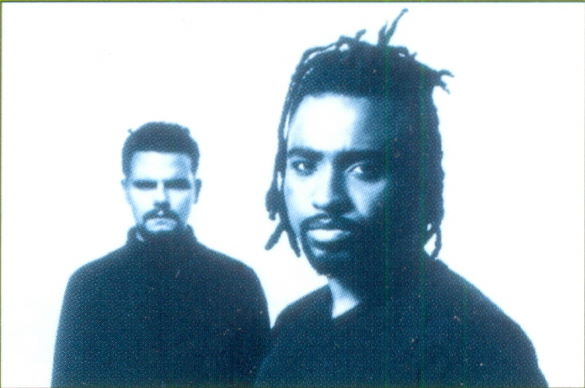
Kwame is something quite unusual, a collaboration between an African trumpeter and metal musician (Kwame Boaten) and a Swedish guitarist who has previously devoted himself primarily to classical music (Carl Ljungström). They met a few years ago in a music student dormitory in London. This would be the beginning of “Volatile.”
On the album cover, I see a blurry image of a dark-haired guy with dreadlocks. Yes, I think it’s another Swedish hip-hop artist hanging out with Ken and the guys. Oh, what a mistake I made. Ghanaian-born Kwame Boaten has brought new light into the pop fog with his calm, captivating music. After a few years, he found Calle Ljungström, a former metal musician, at music school in London. The two began a slow and cautious collaboration, and now we hear the final result. It quickly becomes clear: when you bring two musicians with such different backgrounds into a studio, it works really well.
The album Volatile is difficult to describe precisely, as it differs so markedly from other productions in this genre. Calle Ljungström is responsible for the beautiful strings and guitars, and Kwame for his wonderfully beautiful, bright voice. Also in the studio are names like Magnus Frykberg, Pontus Olsson, and Lars Halapi, who have also never performed in similar contexts before. An exciting collaboration that I’d like to learn more about. If it’s long enough for another album.
The danger of rehashing unbearable, sleazy music is in the air when a classical guitarist of Ljungström’s caliber is about to release an album. But to be blunt, that’s not a good way to get off. The sound is a bit too clean and suitable for a living room at times, but it also avoids unnecessary gimmicks.
Furthermore, this could probably be described as music for adults, and some songs have an almost baroque touch at times, but it never becomes intrusive. Ljungström, on the other hand, provides striking tones with his six nylon strings, which, together with Boaten’s tasteful voice, create cool, slightly melancholic songs of the quiet variety. One danger of this restrained music is that certain elements tend to become repetitive. This is partly the case here, as the same mood runs through almost the entire album. And it’s nice, isn’t it, but a little more variety wouldn’t have hurt.
The vocals are at times Jeff Buckley-esque and at least as intense and captivating. The fact that the strings also play a fairly large role makes the whole thing even more exquisite, and it’s impossible not to curl up and enjoy it—as is usually the case.
1993 he has worked at the theatre of Kiel / Germany.
Seine erste Liebe, sagt der heute (2025) 72-Jährige, war jedoch immer die Musik. Und das begann schon im Kindesalter. Wenn seine älteren Schwestern Klavierunterricht hatten, dann hörte er zu und spielte die Melodien später selbst nach – ohne Noten, nur nach Gehör. Aber auch an der Gitarre war Richard Bauer talentiert: Schon 1972 hatte er einen Auftritt in der Saarlandhalle in Saarbrücken, mit der damals in der Region bekannten Band „Studio 64“.
Hauptberuflich ging es dann zwar mit der medizinischen Karriere weiter, aber daneben blieb die Kultur für Richard Bauer immer eine „Parallelwelt“, in die er sich gerne zurückzog. Nicht nur musikalisch, auch kabarettistisch war er aktiv, mit Programmen wie „Strapsodie in Bluff“. Jetzt, nachdem er seine Laufbahn als Arzt beendet hat, kann er sich ganz der Musik widmen.
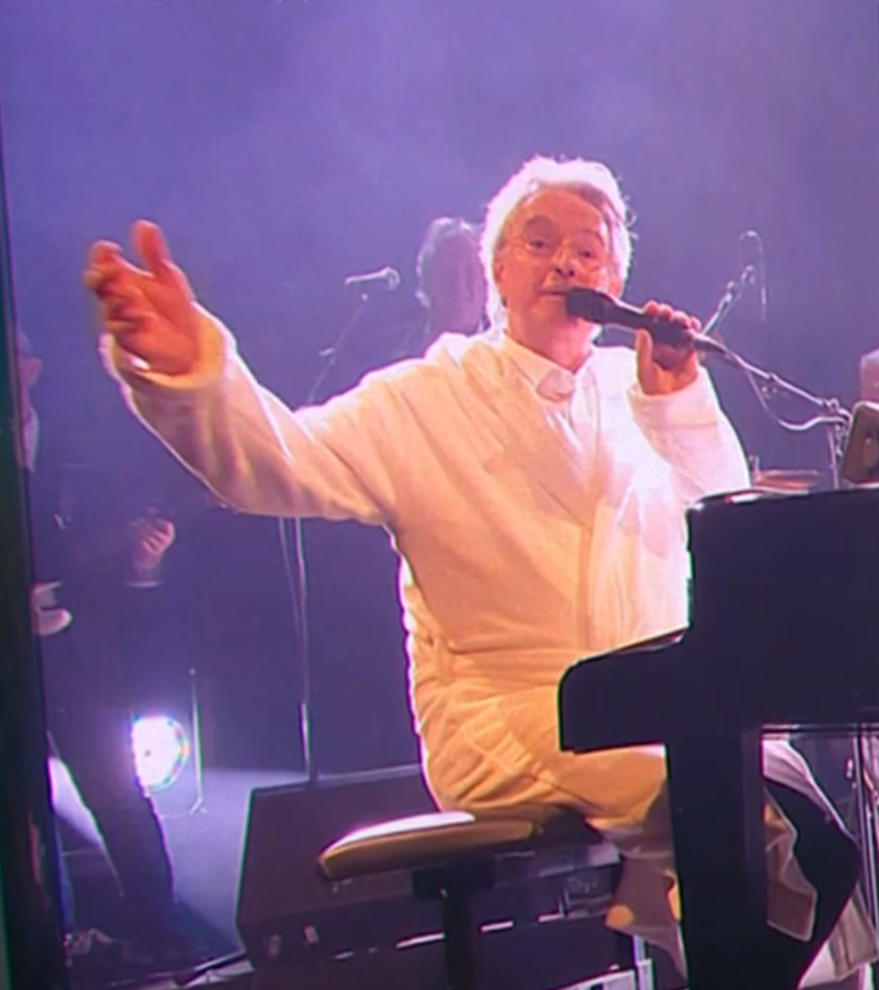
Für sein aktuelles Projekt hat Richard Bauer den Arztkittel gegen den Bademantel eingetauscht, das Markenzeichen von Udo Jürgens. Am 11. November 2014 besuchte er eines der letzten Konzerte des österreichischen Sängers.
„Sechs Wochen später die Todesnachricht von Udo, den ich zuvor noch zu präsent auf der Bühne erlebte. Der Wunsch, seine großen Lieder live mit meiner 2012 gegründeten BAUERS BRASS BAND in Szene zu setzen, wurde immer stärker gefühlvoll und authentisch interpretieren Udo, ich bin Deiner Meinung: „Die Welt braucht Lieder.“
Mit der im Jahr 2012 gegründeten Bauers Brass Band machte er sich daran, den Titel für sein neunköpfiges Ensemble zu bearbeiten. 2019 war es dann so weit: Zum fünften Todestag von Udo Jürgens erblickte das Programm „Hallo Udo“ in der Saarburger Stadthalle das Licht der Welt. „Der Saal war zum Brechen voll“, erinnert sich Richard Bauer. Alle Konzerte ausverkauft. „Wir hätten doppelt so viele Karten verkaufen können.“ In Richard Bauers Band spielt an der Querflöte auch seine Tochter Katharina. Mit ihr singt er natürlich auch das Duett „Liebe ohne Leiden“, das schon Udo Jürgens mit seiner Tochter sang.
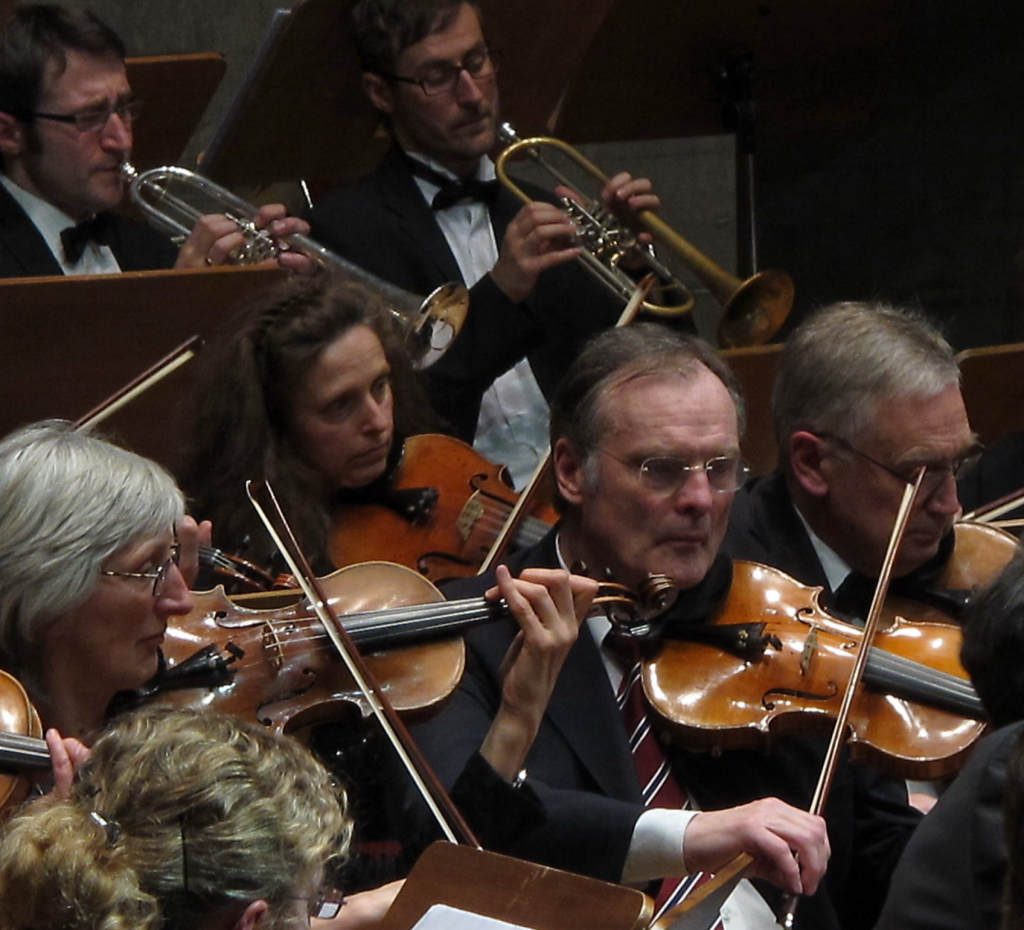
Dr. Weikert ist im Amateurbereich als Geiger- und Kammermusiker engagiert und in dieser instrumentalen Ausübung u.a. Mitglied des Bayerischen Ärzteorchesters (ehem. unter der Leitung von Prof. Dr. R. Steinberg; jetzt Projektorchester mit wechselnden Dirigenten) und des Orchesters am Singrün Regensburg (Dirigent Michael Falk).
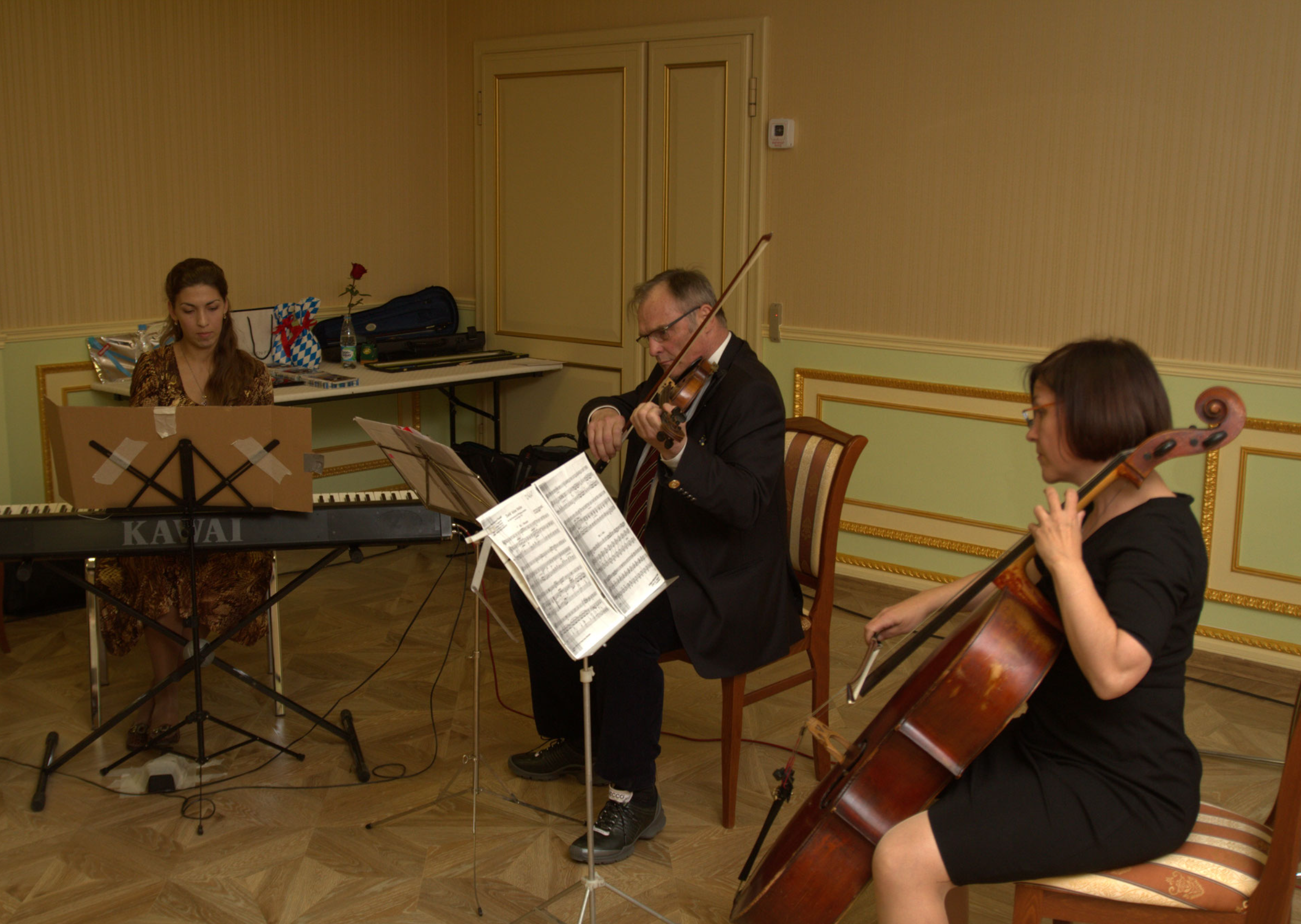
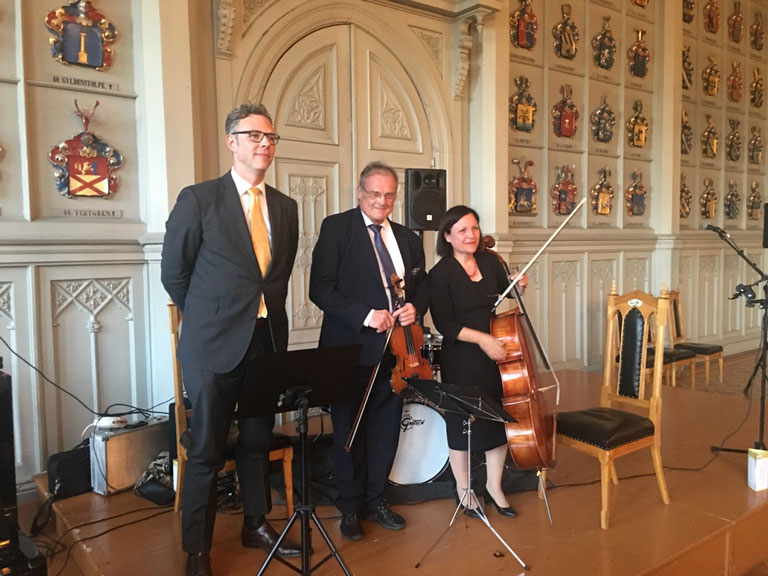
Klaviertrio der UEP (Union Europäischer Phoniater), 2019 im Galakonzert Helsinki, House of Gentlemen. Prof. Dr. Dirk Deuster, Münster (Klavier), Dr. Matthias Weikert, Regensburg (Violine) und Frau Kathrin Neumann, Münster (Violoncello).