Fritz Baars

  • -

Fritz Baars

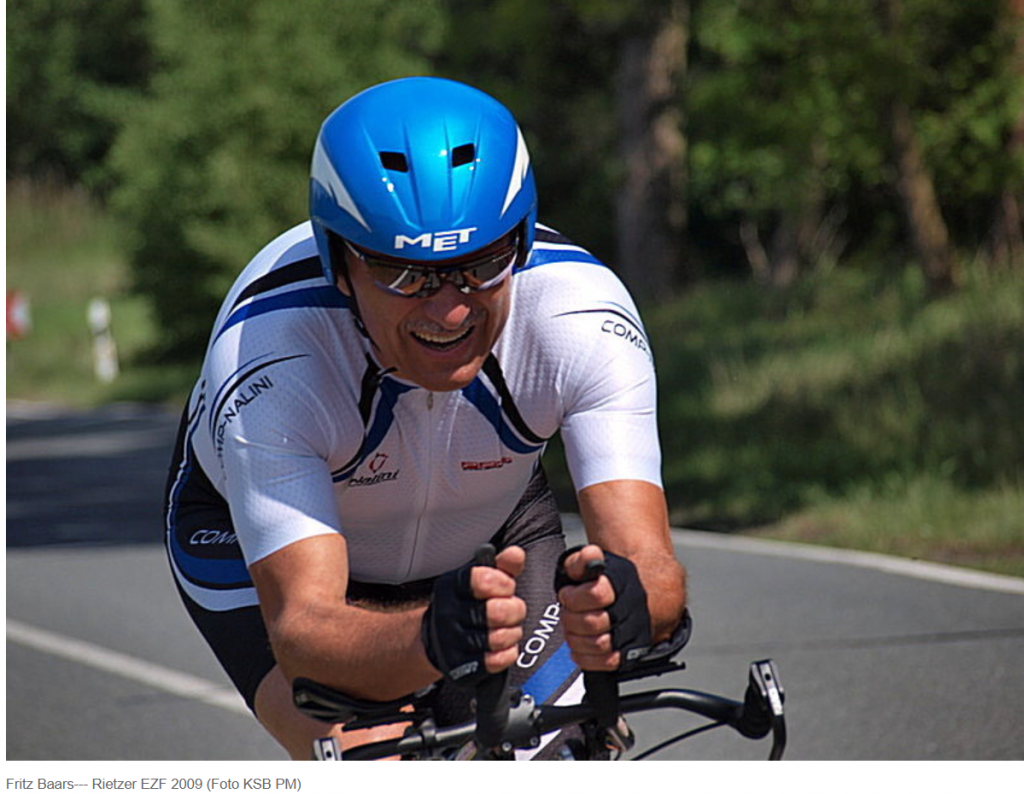
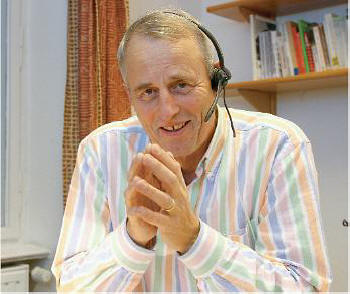
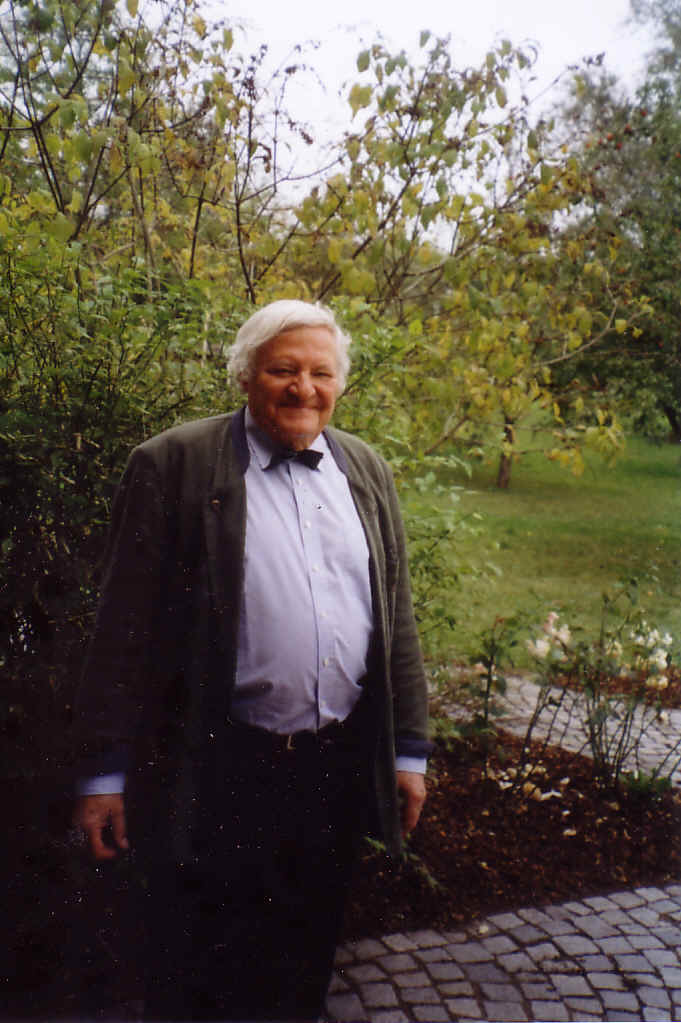
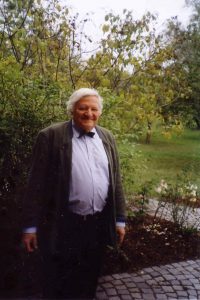
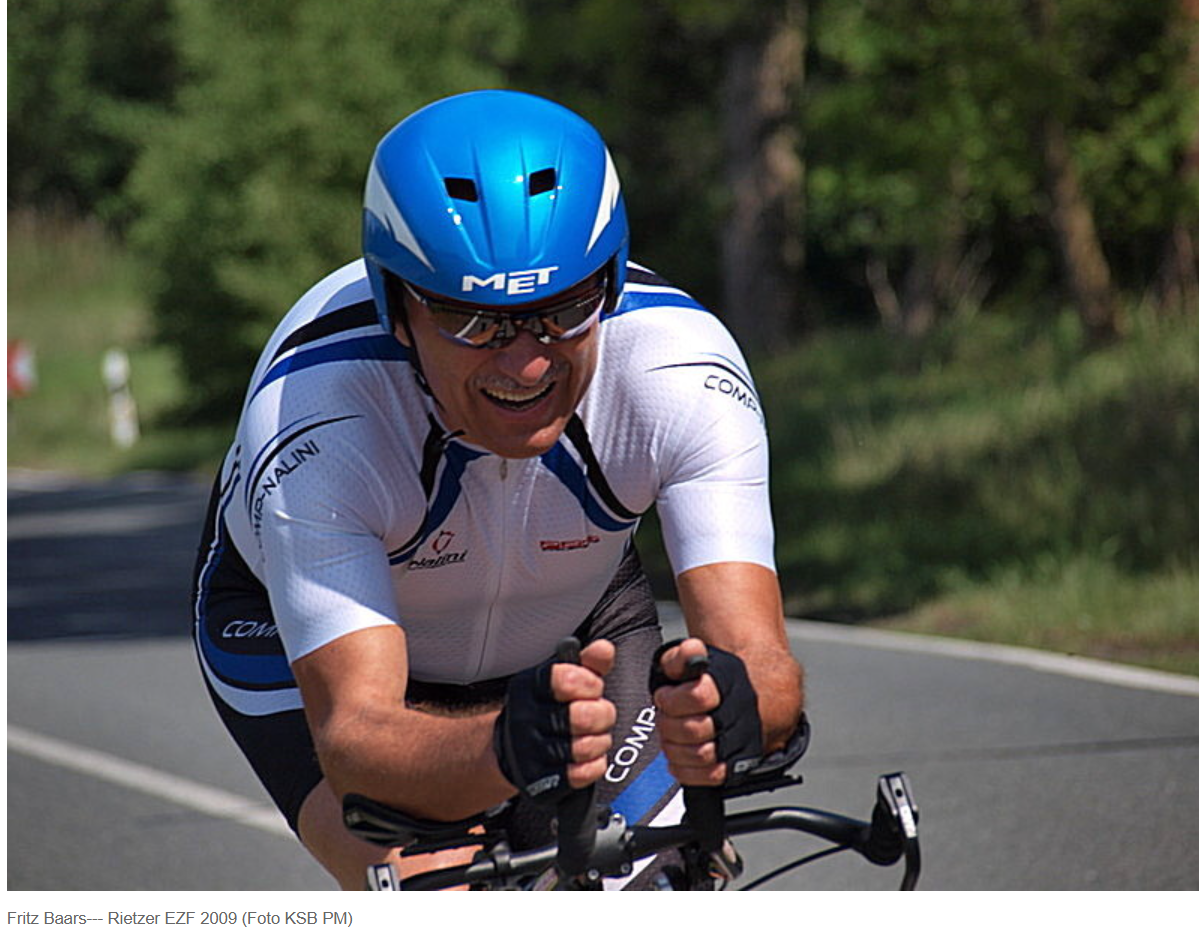
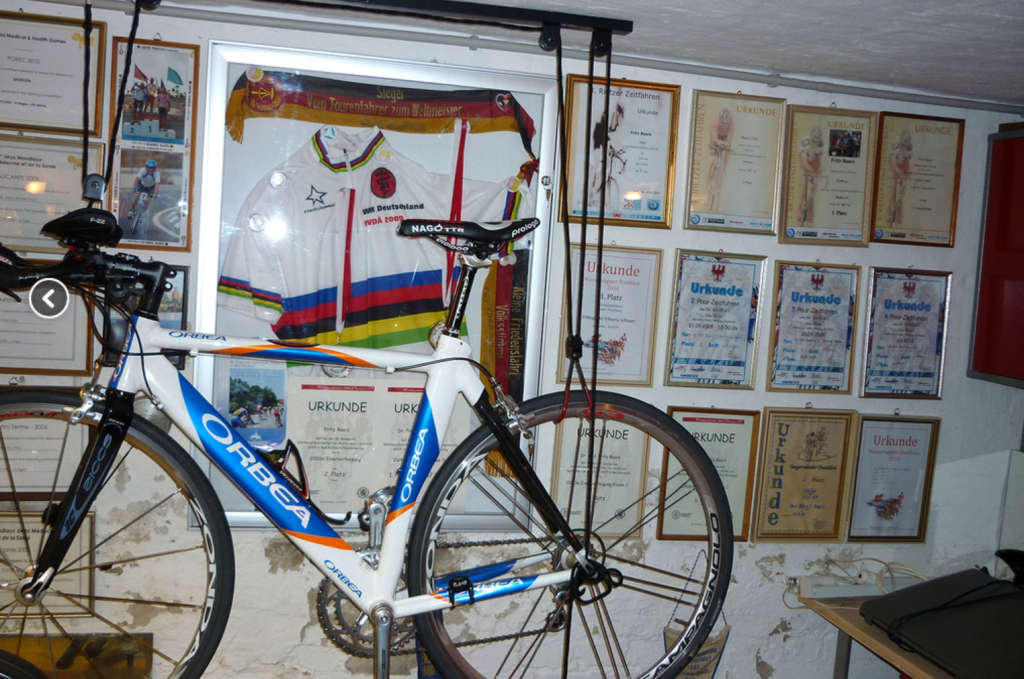
Fritz Baars is a cycling doctor. On his website, he reports extensively on the Cycling Association of German Doctors and Pharmacists.

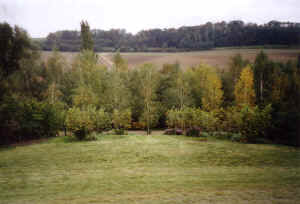
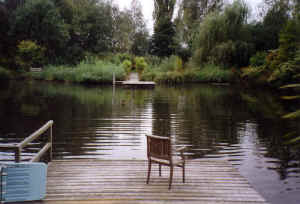
As of January 1, 2013, I am now enjoying my professional retirement. It was initially a huge adjustment after a busy, interesting professional life. But now I finally have enough time for my hobbies! Active cycling played and continues to play an important role in that. Maintaining my website and compiling facts and information also requires a lot of time. And then, of course, there’s our bungalow with the surrounding garden, which demands my attention year-round. During the winter months, I sift through and sort through the vast amount of photos and film material that has accumulated over the years. Most of it can safely be disposed of. I edit short videos of the most interesting events, complete with music and text information. Since television programs are mostly boring and apparently only exist on repeat, we can instead watch beautiful memories of holidays, family celebrations, etc. from our stored archives.
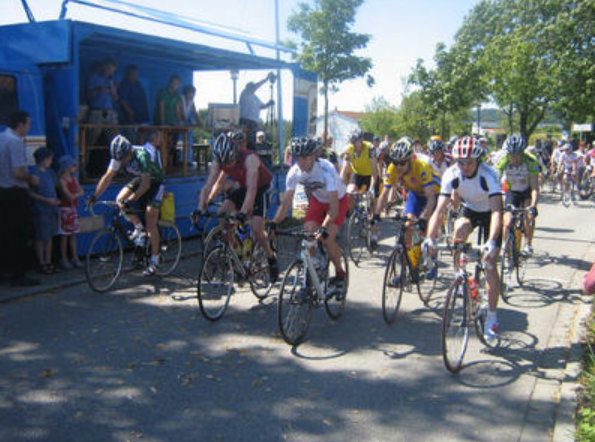
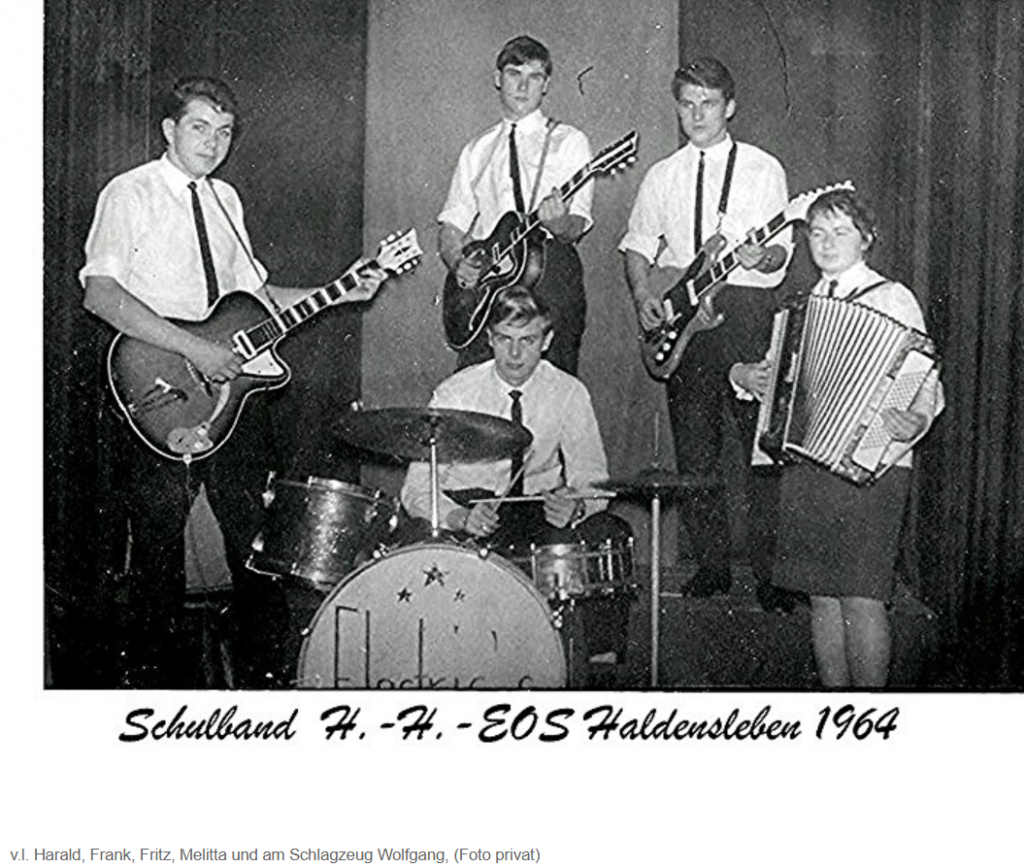
Other interests include: history, music, travel, occasional fishing, and ornithology near our bungalow. Favorite music: oldies, rock. Favorite films: historical and nature films. Languages: colloquial English, school-aged Russian (a bit of Arabic from a year-long stay in Libya).

Membership: RVDÄ (Cycling Association of German Doctors and Pharmacists) until its dissolution, which has now sadly disbanded after more than 30 years of existence. (Reports in Deutschen Ärzteblatt)
I also enjoy dancing. My wife and I took several dance classes after the fall of the Berlin Wall, which we really enjoyed. Dancing, by the way, is a physically demanding activity. Our dance teacher at the time told us that elite dancers in competitive sports often score better in sports medicine performance tests than athletes in other strenuous disciplines.
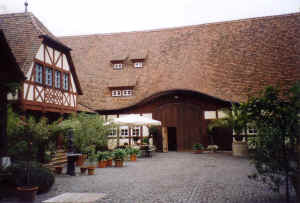
Since we spend a lot of time in our bungalow from March to October, hobby ornithology naturally developed. From morning to night, you can hear birdsong everywhere and see a variety of birds on the lawn, in the trees, bushes, and in the air. We count around 50 species throughout the year. Rarer specimens also occur. In 2004, we observed a pair of green woodpeckers foraging for food on our lawn for about 10 minutes, in a spot where there were lots of ants.

https://www.fritzbaars.de/mein-hobby-radsport/bungalow-und-garten

Haupt-Webseite https://www.fritzbaars.de/

  • -

German Association for Triathlon, Duathlon

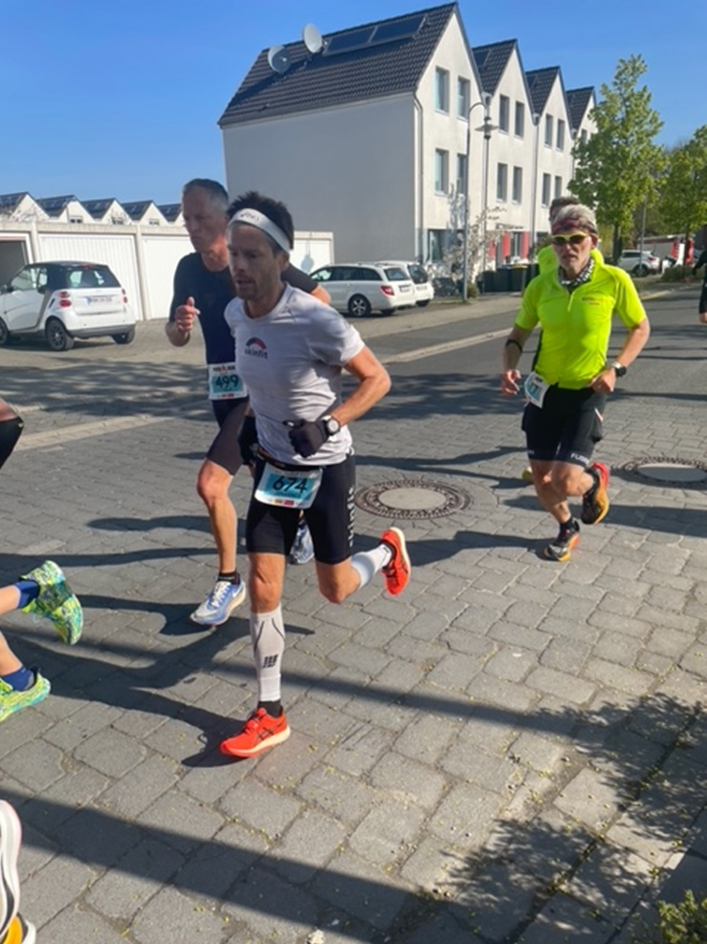
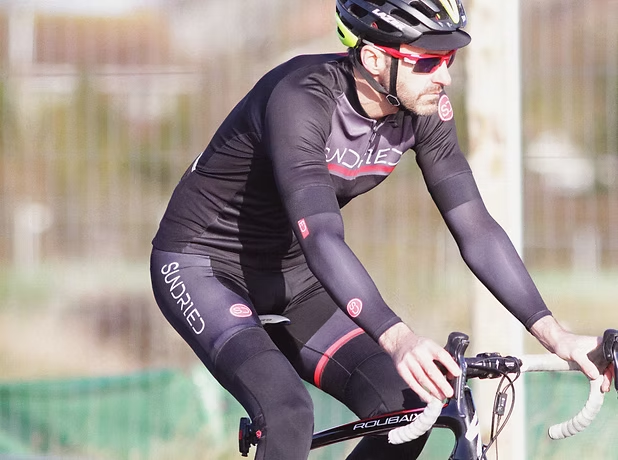
The Triathlon Association of German Doctors and Pharmacists (TVDÄ) was founded in 1985 in Großkrotzenburg. Doctors and pharmacists joined forces to promote triathlon, as well as duathlon and cross-country skiing (King Ludwig Run).

Compliments to the association for combining these three disciplines into one organization with a consistent website! This is something that is (still) lacking in other medical associations…

The president of the medical triathlon association Martin Engelhardt is also president of DTU – Deutschen Triathlon-Union since 2021
Triathlon

2024 – 39. Triathlonmeisterschaft Münster
2023 – 38. Triathlonmeisterschaft Aschaffenburg, Niedernberg
2019 – 35. Triathlonmeisterschaft Aschaffenburg, Niedernberg 13./14.07.19
2018 – 34. Triathlonmeisterschaft Dresden 23./24.06.18
2017 – 33. Triathlonmeisterschaft Leipzig 23./24.07.17
2015 – 31. Triathlonmeisterschaft Aschaffenburg, Niedernberg 12.07.15
2012 – 28. Triathlonmeisterschaft Aschaffenburg, Niedernberg 29.07.12
2010 – 26. Triathlonmeisterschaft Aschaffenburg, Niedernberg 25.07.10
2009 – 25. Triathlonmeisterschaft Darmstadt 28.06.09
2008 – 24. Triathlonmeisterschaft Erding 22.06.08

Duathlon

2023 – 26. Duathlonmeisterschaft Alsdorf 30.04.23
2019 – 25. Duathlonmeisterschaft Weyhe 05.05.19
2018 – 24. Duathlonmeisterschaft Weyhe 06.05.18
2017 – 23. Duathlonmeisterschaft Jena 07.05.17
2014 – 21. Duathlonmeisterschaft Falkenstein 18.05.14
2013 – 20. Duathlonmeisterschaft Beerfelden 15.09.13

https://www.tvdae.de


  • -

Nicole Schuster

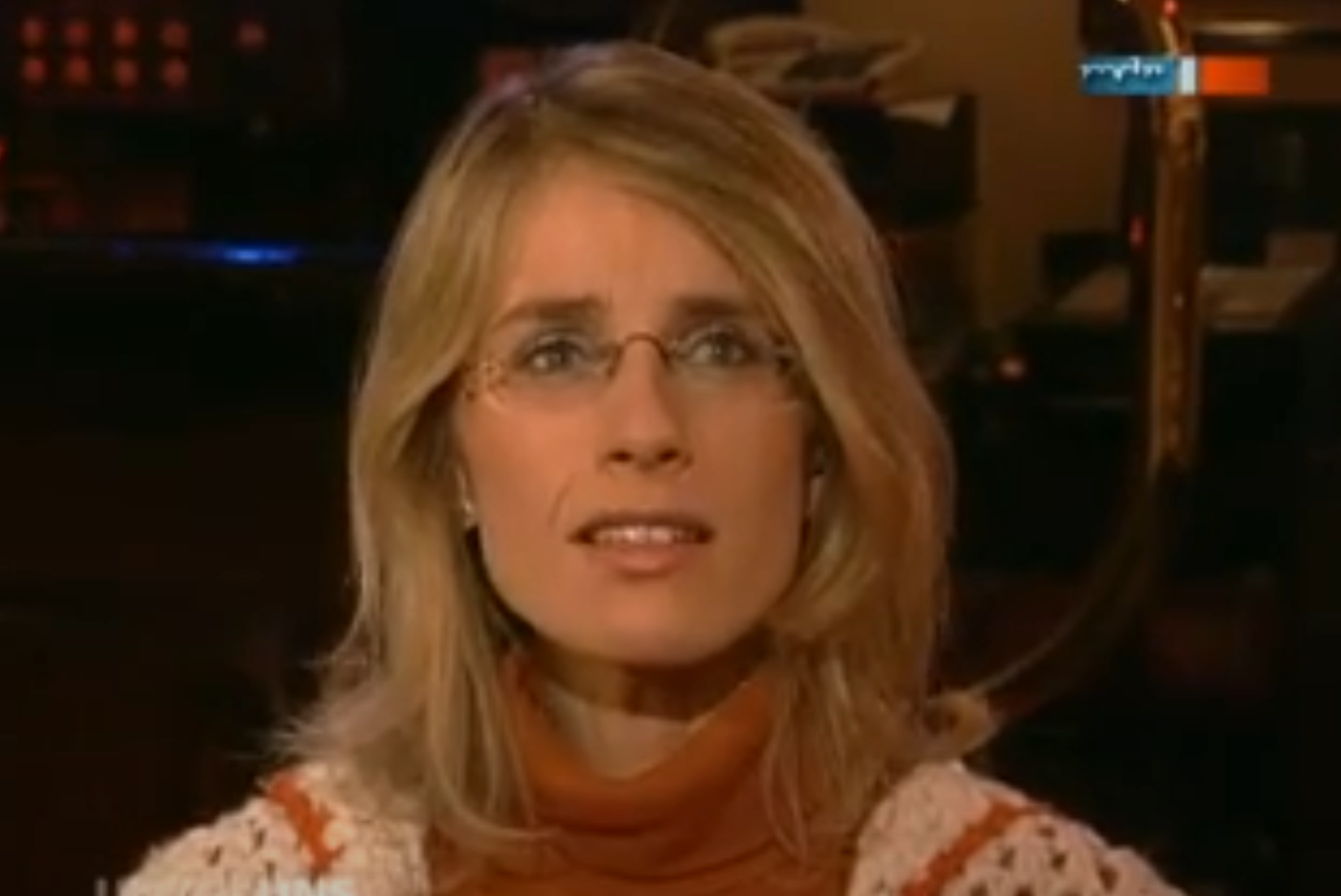
Nicole Schuster (born January 14, 1985 in Aachen[1][2]) is a German author and pharmacist. She was particularly active in the media in 2007 and 2008, raising awareness about Asperger syndrome.

She was diagnosed with Asperger syndrome in November 2005. From then on, she campaigned for awareness about this variant of autism.

Nicole Schuster made her media debut on July 24, 2007, in the ZDF television program “37 Grad” (37 Degrees).[3] On August 13 of the same year, she made her second television appearance on the SWR program “Leute” (People). A month later, Schuster was interviewed in the RBB cultural radio series “Gott und die Welt” (God and the World). Shortly afterward, she was interviewed by Stern magazine, which was published under the title “Und jeden Mittag gibt es Savoy cabbage” (And every lunchtime there’s savoy cabbage) in issue 44 of 2007.

On November 30, 2007, she appeared on the MDR program Unter uns. She also appeared on the SWR program Nachtcafé on March 7, 2008. On August 17, 2008, she made her second radio appearance in an interview on the WDR5 radio program Dok 5 – Das Feature: Der blinde Spiegel: Vom autistischen Weg ein Ich zu sein.[4] Three months later, she appeared on the WDR program Quarks & Co.[5]

In August 2008, she was honored in Cologne with the “International Intellectual Benefits Award” from the Mensa Education and Research Foundation for her efforts to “give autistic people a voice.”

From May 2016 to the end of 2016, she served as chairwoman of the Mensa association in Germany. As a licensed pharmacist, she manages the production of clinical trial medicinal products at a medium-sized pharmaceutical company.

In 2016, she received her doctorate from the Philipps University of Marburg with her thesis “A Herb Has Grown Against Fever.”

https://www.tagesschau.de/inland/autismus-ts-112.html

A beautiful picture with savoy cabbage in the arms.

https://de.wikipedia.org/wiki/Nicole_Schuster

https://www.xing.com/profile/Nicole_Schuster17

https://www.spiegel.de/lebenundlernen/uni/europas-superhirn-gipfel-invasion-der-intelligenzler-a-569413.html citation from this article: Author Nicole Schuster learned this the hard way. “As an autistic and gifted person, I was desperate for a long time, felt rejected as a child and adolescent, and felt like an outsider everywhere.” Her predisposition wasn’t discovered until she was 18, and then she went full throttle: “I have a photographic memory for details and I love writing,” she says. “During my pharmacy studies, I began giving lectures nationwide on giftedness and how to properly deal with highly intelligent children—especially for teachers, because they had done a lot of mistakes with me in the past.”


  • -

  • -

Rainer Katterbach

https://magazin.aekb.de/fileadmin/mitgliederzeitschrift/2015/b1506.pdf

from Deutsches Ärzteblatt 103, Ausgabe 51-52 vom 25.12.2006, Seite A-3467
THEMEN DER ZEIT: Portrait

Rainer Katterbach is working as HonoraryDoc in the Samaritan telephone service since he is retired from his chief doctor of a Berlin hospital.
Two or three times per month he covers a service in the pastoral advice service for a 4 hrs shift. Most calls are 20 to 45 minutes. Even Katterbach as
experiences psychoanalyst says that the calls can consume a lot of energy. His “clients” are chronically ill persons or young mothers who have never worked and have trouble getting life organised. The basic principle is anonymity.

A friend made him curious to do this honorary job. Well, for 30 % of the calls his former job as psychiatrist and psycho-therapist helps a lot since they have some psychiatric disease. Though he does not like to reveal his professions during the calls. Others have practical problems and it is sort of difficult not to give advice at once but primarily to LISTEN. Then it is easier to guide the call partner to himself and find his/her personal solution.

A certain religious background is expected from the honorary helpers, Katterbach has now arrived at the hinduistic religion, but he claims that religious discussions are not the right tool in this samaritan telephone service – instead listening and finding solutions in the last comes out of it.

Katterbach himself had interest in psychology and psychiatry since he was a child. Born near Aachen/Germany he got the advice from a friend of his father to study medicine. The athmosphere of “Aufbruch” in Berlin made him live there. He had hard times studying, working and having a yougn family with three kids. The support of his wife was essential for him. HIs interest for samaritan telephone service has begun early for him after he read a book of the medical doctor, priest and psychotherapist Klaus Thomas and later he got inspiration by Viktor E. Frankl’s work “Ärztliche Seelsorge”.

https://www.aerzteblatt.de/search/result/acc0d970-0045-475d-b476-588d88a9baf2?q=Rainer+Katterbach+


  • -

Uwe H. Krieger

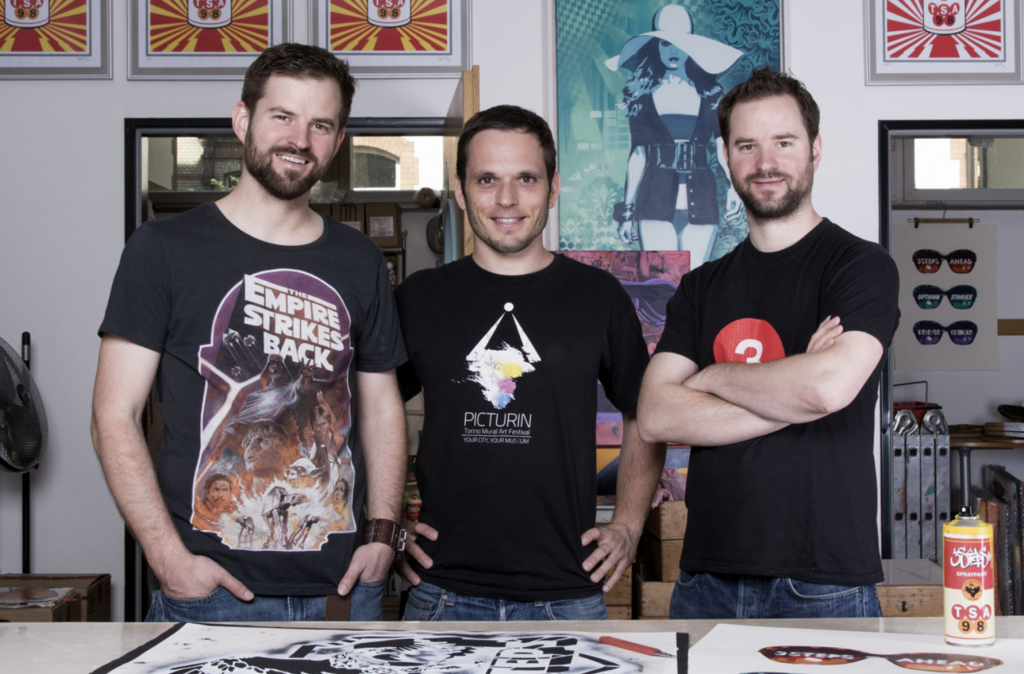
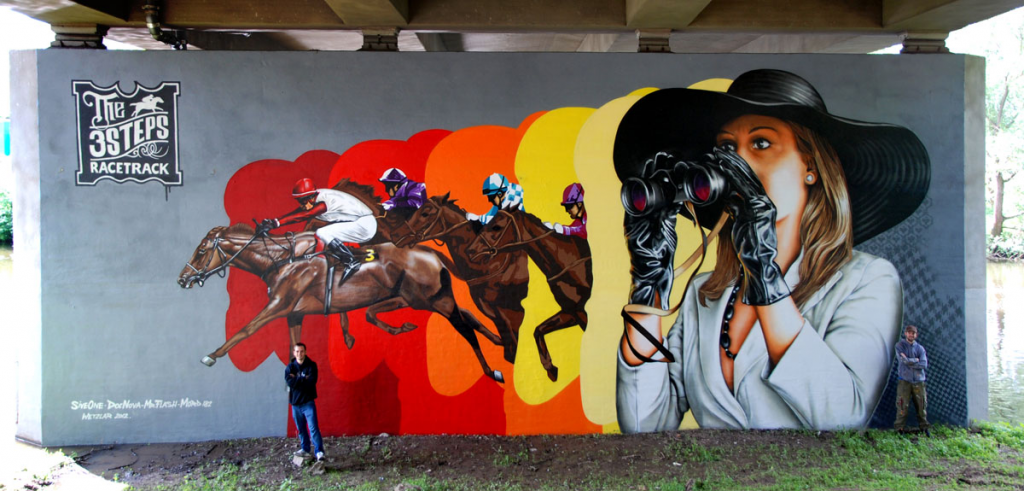
3Steps (Kai H. Krieger, Joachim Pitt and Uwe H. Krieger) in their Giessen studio (2014)

Uwe H. Krieger (right), alias Doc Nova, discovered his interest in graffiti and street art in 1997. In the mid-2000s, he established an agency for graffiti and mural art. He studied human medicine at the Justus Liebig University in Giessen and in Zurich from 2001 to 2008. From 2008 to 2011, he earned his doctorate in human medicine (Dr. med.) in 2012 from the Justus Liebig University in Giessen.[16] Uwe H. Krieger is a freelance artist, physician, co-founder of a creative agency, and co-curator of the cultural project River Tales.

3Steps [θriː stɛps] is an artist collective of the twins Kai Harald and Uwe Harald Krieger (born March 15, 1980 in Giessen) and Joachim Pitt (born December 8, 1980 in Giessen).

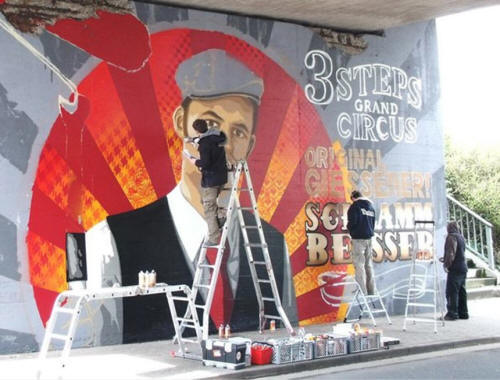
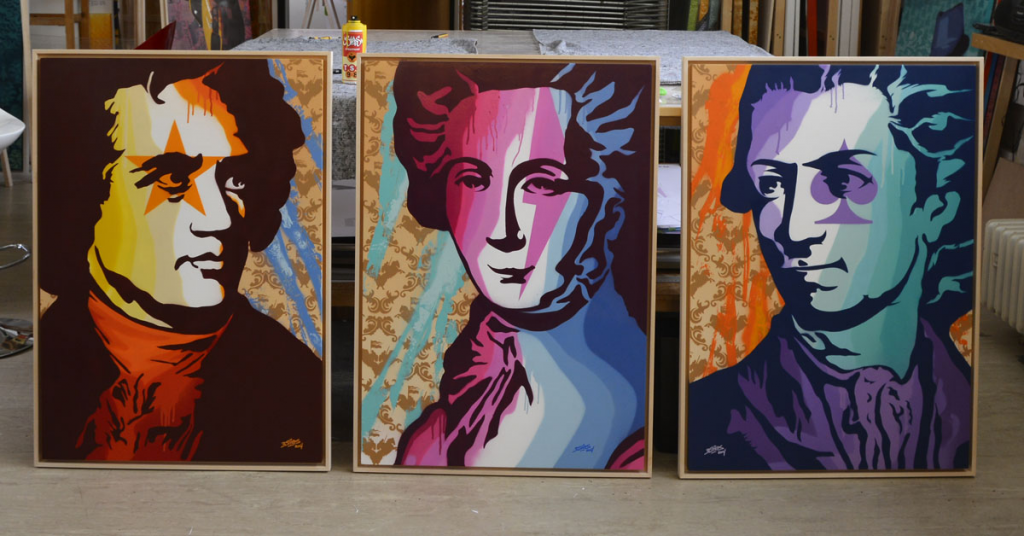
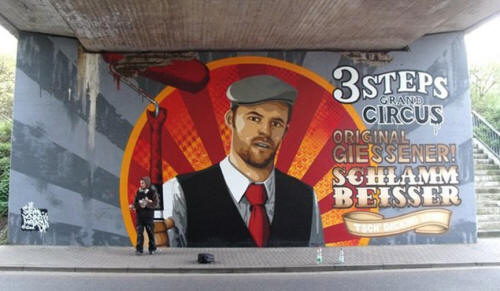
The works of 3Steps can largely be classified as mural art and street art.[1][2] Their works are characterized by bright colors and a contemporary reflection of modern society.

3Steps Telephone Gemälde, 2014.

In November 2014, 3Steps was awarded the prize and title of Culture and Creative Pilot Germany by the German Federal Government.[4][5] The 3Steps collective lives and works in Giessen (Hesse).

https://de.wikipedia.org/wiki/3Steps

https://en.wikipedia.org/wiki/3Steps


  • -

Georg Gosheger

Univ.-Prof. Dr. Georg Gosheger

Orthopäde/Orthopädin

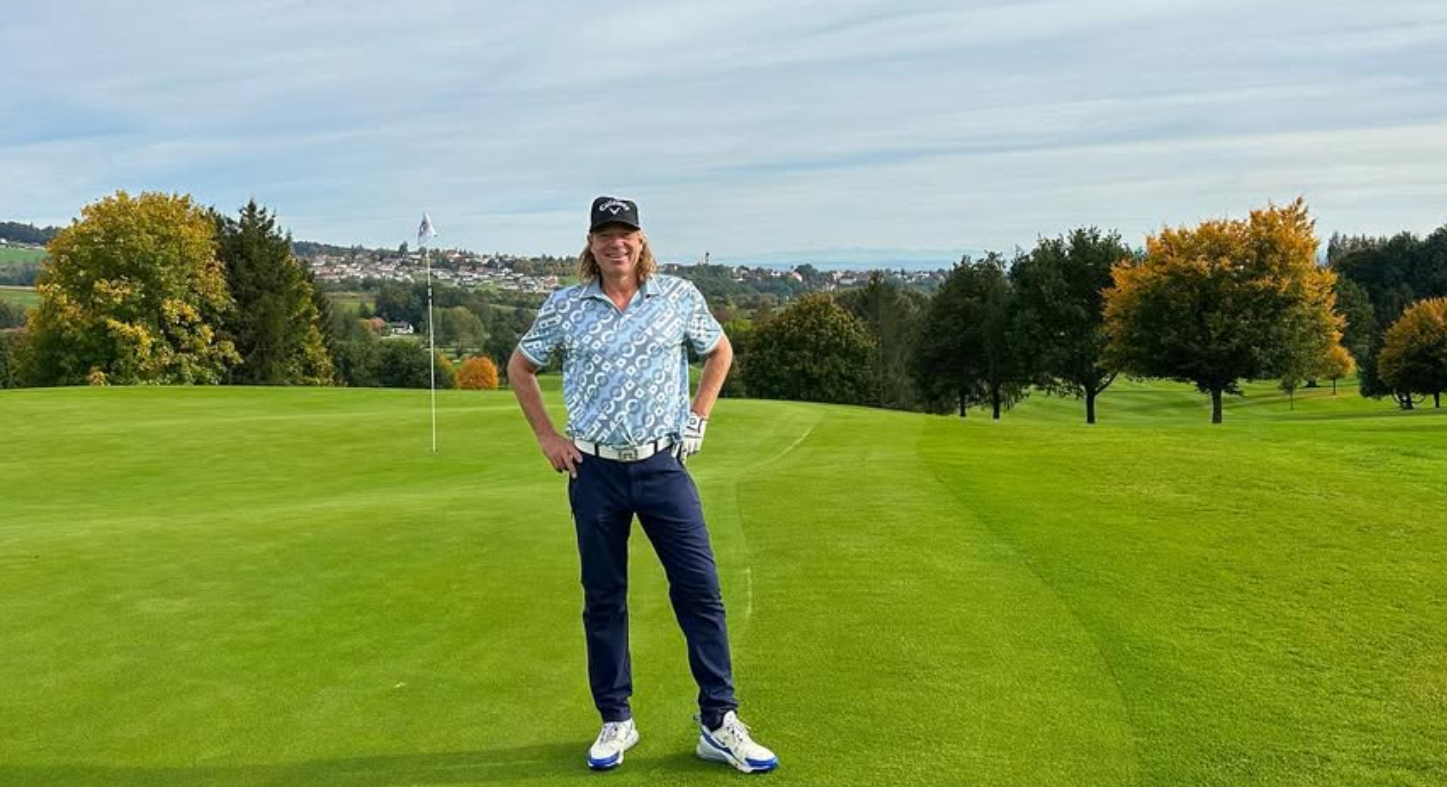
🏌️‍♂️Fully Qualified PGA Professional
⛳️ SAM Putting Instructor/🔝L3
💪Fitness+Personal Trainer
⛑️Ortho+Trauma Surgeon… 

https://www.ukm.de/kliniken/orthopaedie/schwerpunkte/golfsprechstunde


  • -

Medical Open Golf Tournament

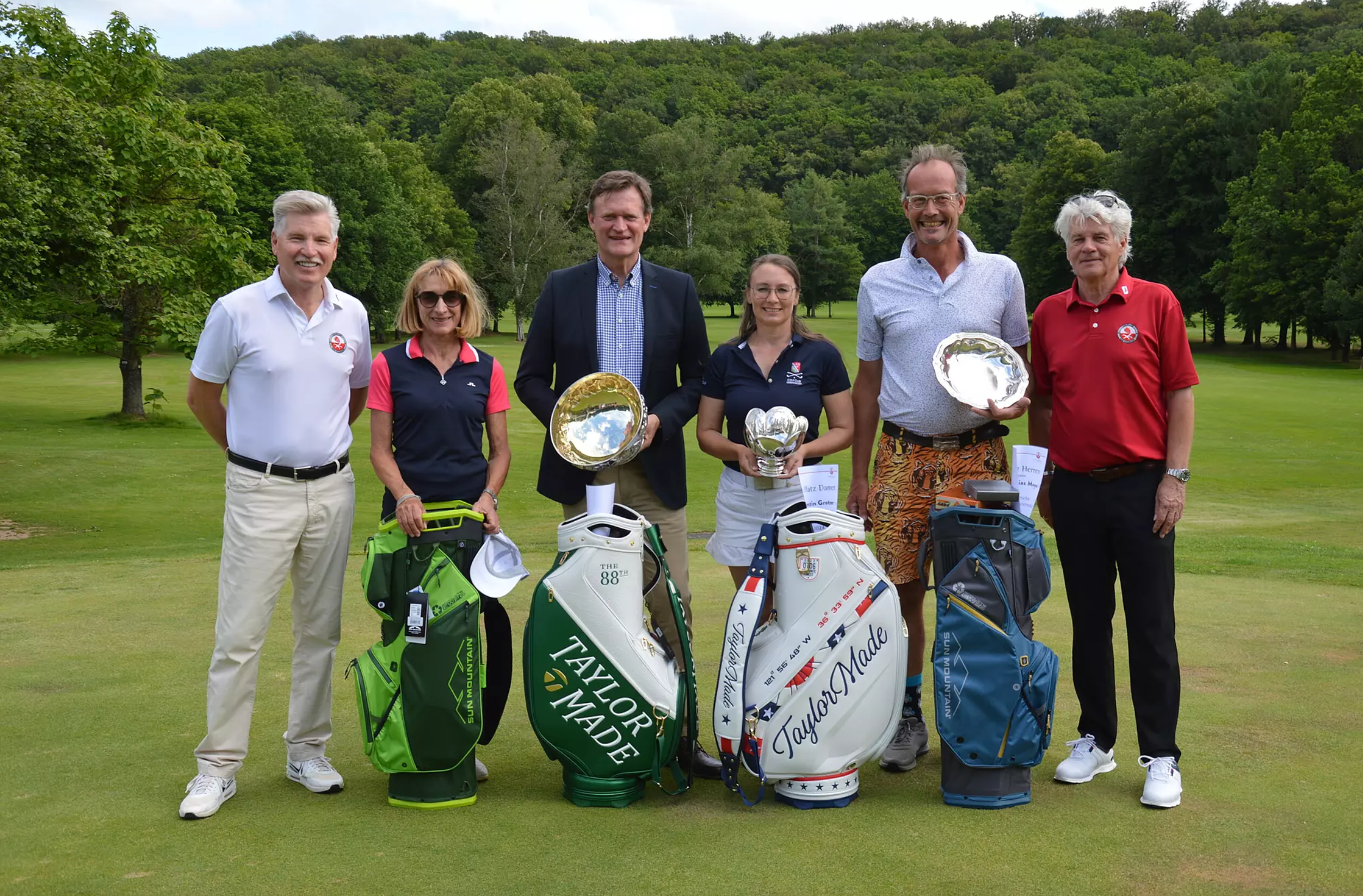
The first traces of doctors’ golf can probably be seen in the originally casual arrangements of physician friends who met to play golf around June 17th (then still a public holiday). Golf wasn’t quite “in” yet when the tournament was launched in 1955. Prof. Dr. Alfred Koch from Münster and Freudenstadt’s spa director Dr. Weidenbach officially invited the first German Doctors’ Golf Tournament to Freudenstadt on the reopened 9-hole course.

A few years later, in 1961, Dr. Hans-Georg Dehnhardt (d. 2001) established the International Golf Tournament for Doctors in Bad Kissingen. And after that, there were also open doctors’ golf games in Bad Salzuflen. For many years, these three independent, supra-regional golf tournaments for doctors remained essentially the same. Until the desire arose to determine the German Champion among all doctors’ golfers.

Since 1982, Bad Kissingen has been the permanent host of the German Doctors’ Golf Championship, thanks to its then-only 18-hole golf course and its excellent infrastructure. To increase the tournament’s advertising and sponsorship opportunities, the championship will be held in even closer cooperation with GC Bad Kissingen—as the permanent host venue—starting in 2014.

The registered logo of the Association of Golfing Doctors

http://www.aerzte-golf.de/anfaengen.html

https://www.facebook.com

https://www.aerztezeitung.de/Politik/Schon-wieder-mit-dem-Golfschlaeger-unterwegs-231522.html

https://www.fraenkischertag.de/sport/lokalsport-bad-kissingen/50-deutsche-aerzte-golfmeisterschaft-in-bad-kissingen-art-362682


  • -

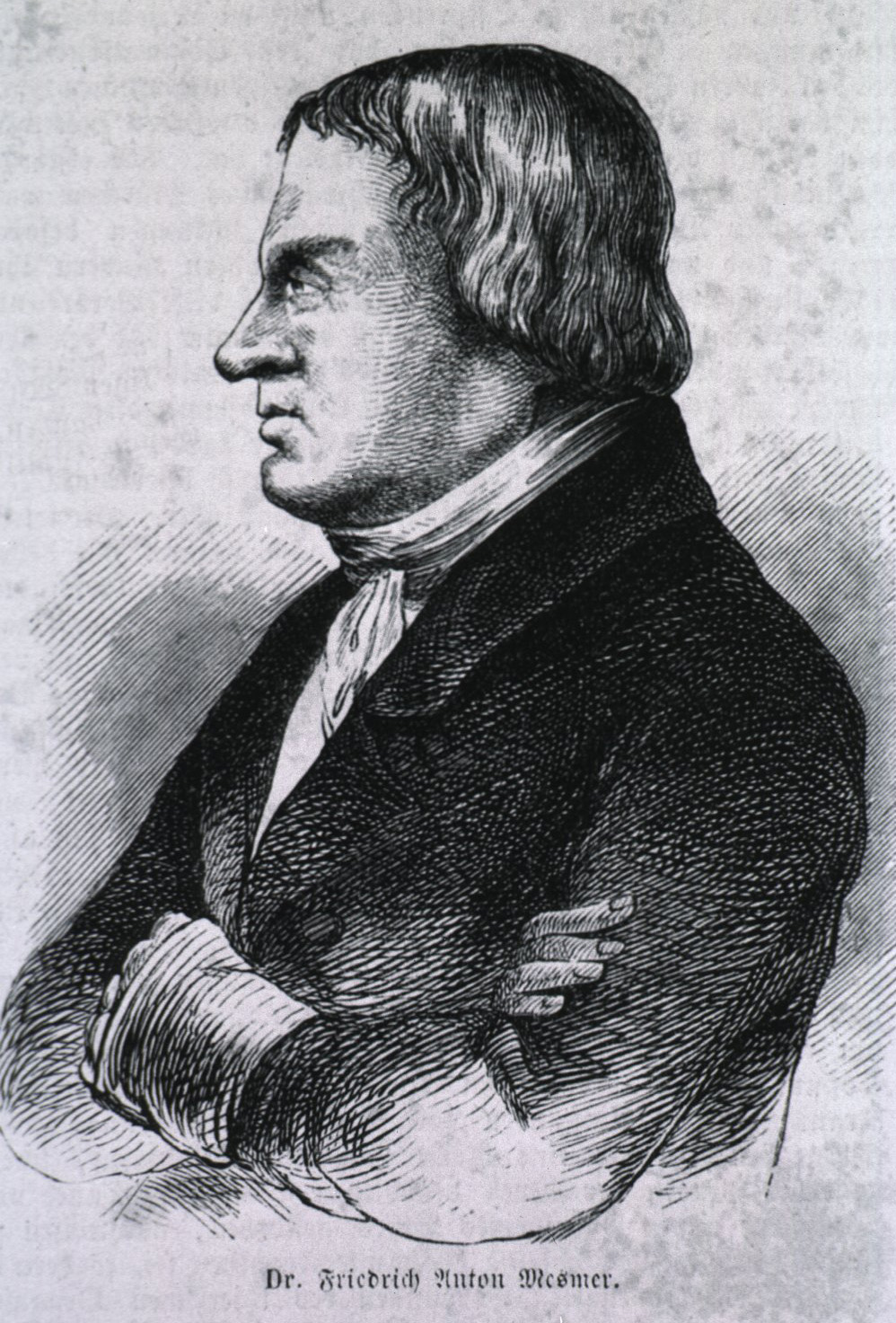
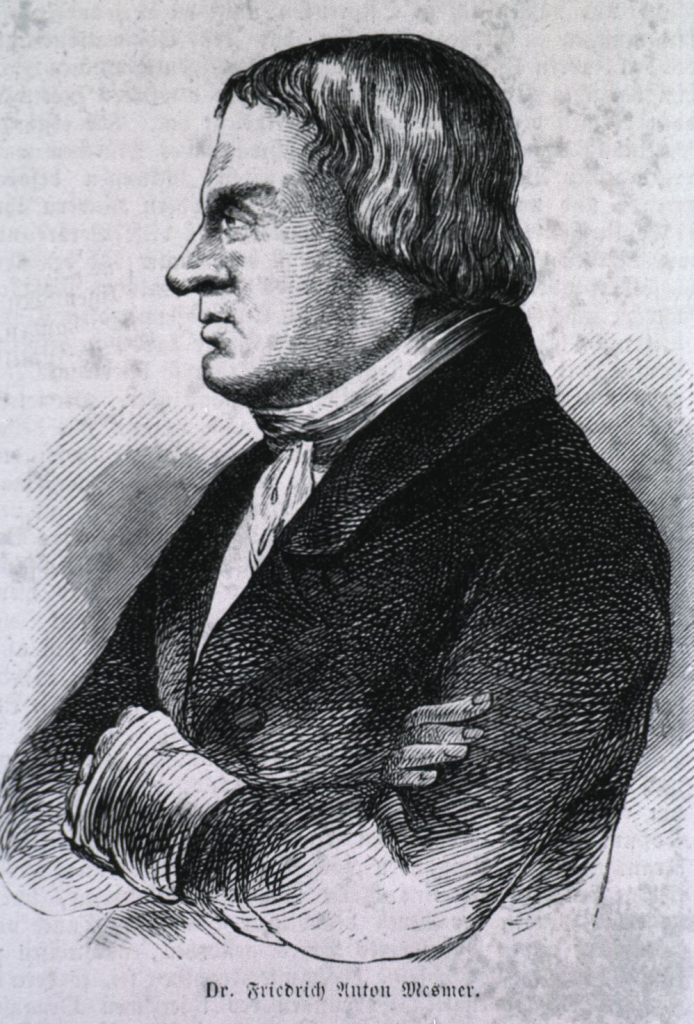
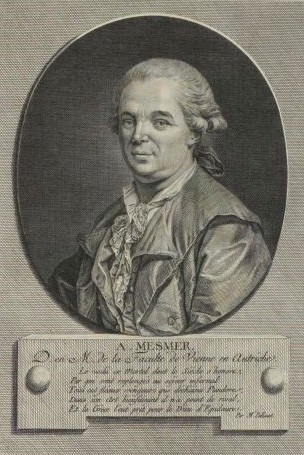
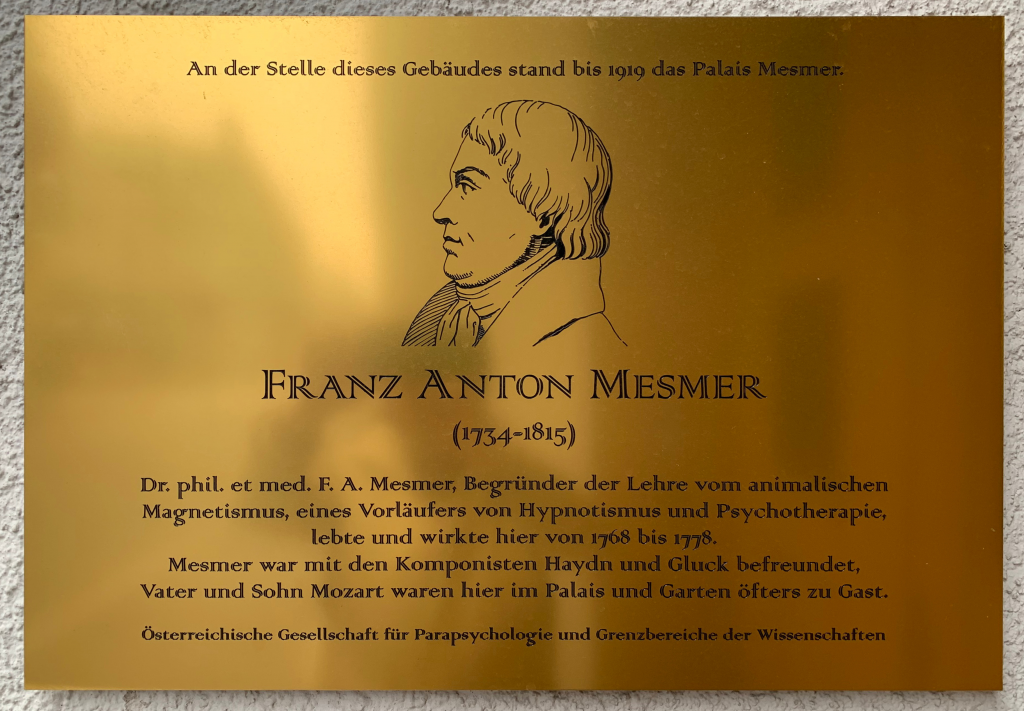
Franz Anton Mesmer

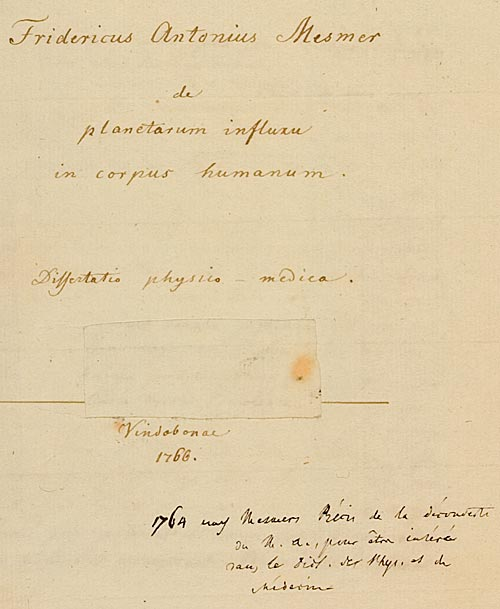
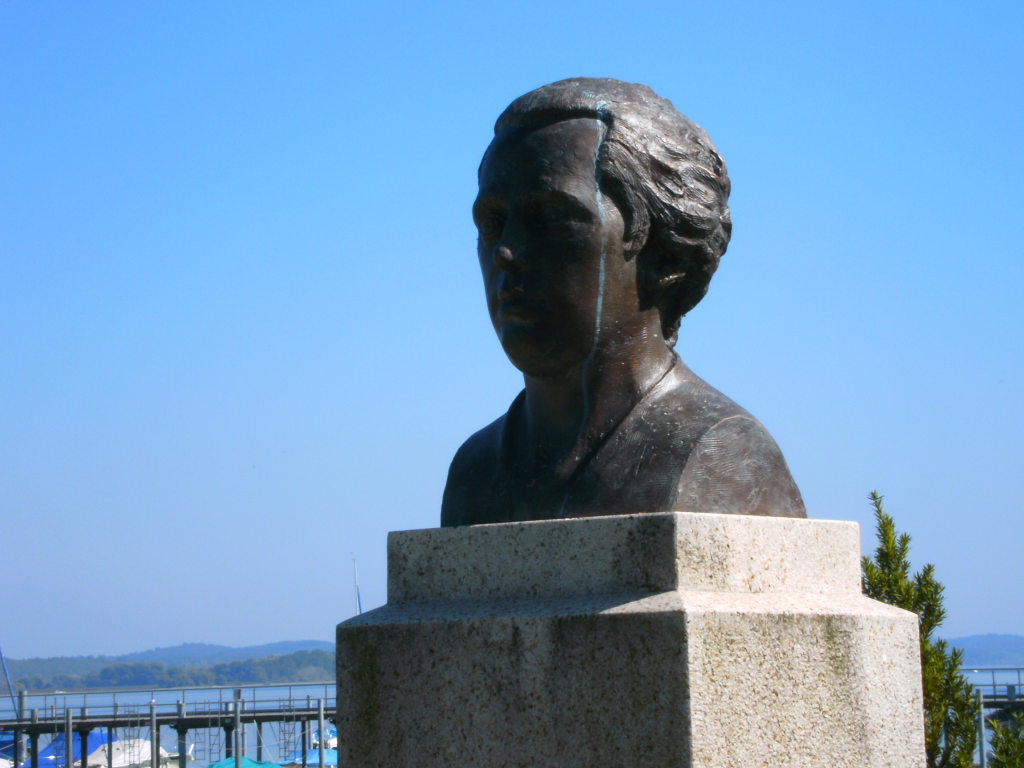
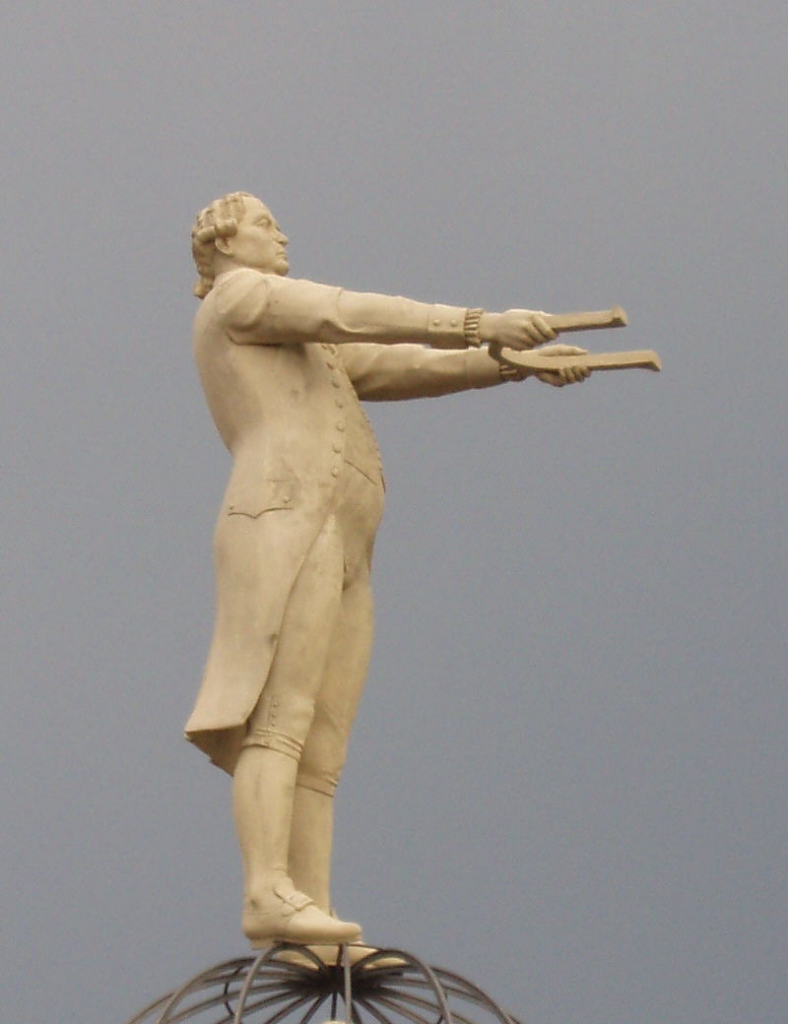
Franz Anton Mesmer (/ˈmɛzmər/ MEZ-mər;[1] German: [ˈmɛsmɐ]; 23 May 1734 – 5 March 1815) was a German physician with an interest in astronomy. He theorized the existence of a process of natural energy transference occurring between all animate and inanimate objects; this he called “animal magnetism“, later referred to as mesmerism. Mesmer’s theory attracted a wide following between about 1780 and 1850, and continued to have some influence until the end of the 19th century.[2] In 1843, the Scottish doctor James Braid proposed the term “hypnotism” for a technique derived from animal magnetism; today the word “mesmerism” generally functions as a synonym of “hypnosis”. Mesmer also supported the arts, specifically music; he was on friendly terms with Haydn and Mozart.

Mesmer would often conclude his treatments by playing some music on a glass harmonica.

Glassharfe | glassharp in Film “Mesmer”

https://de.wikipedia.org/wiki/Franz_Anton_Mesmer

https://en.wikipedia.org/wiki/Franz_Mesmer


  • -

Gerhard Hermann

Gerhard Hermann, a laboratory physician and owner of a laboratory company, is turning his garden dreams into reality at his home!

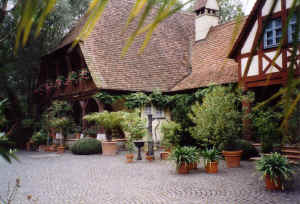
Forty years ago, the land surrounding the Zellesmühle farm in Weigenheim/Reusch near Uffenheim consisted of fields. Then Gerhard Hermann began planting the first trees. Over the years, the field became a true park. With its blend of Franconian landscape and English garden architecture, it is now one of the largest and most diverse private gardens in southern Germany.

https://labor-hermann.de/unser-labor/historie

https://www.management-krankenhaus.de/topstories/labor-diagnostik/30-jahre-institut-virionserion-dr-gerhard-hermann-im-interview