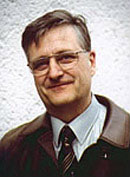
Wolfram Hackel studied medicine. In 1967, he received his doctorate from the Medical Academy in Dresden. He then ran a urology practice in Dresden-Plauen as a specialist.
Wolfram Hackel has published works on organs and churches since the 1970s. He soon became one of Saxony’s most important organ researchers. Wolfram Hackel is a long-standing member of the Society of Organ Friends.[1] He was a member of its Advisory Committee (1995–1998), Secretary (1998–2003), and a member of its Main Committee (2011–2021).
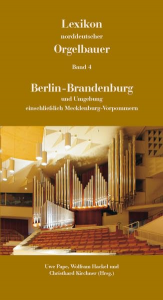
Wolfram Hackel was co-editor of the four-volume Lexicon of North German Organ Builders and published numerous texts on organs and organ builders, especially in Saxony.Wolfram Hackel was co-editor of the four-volume Lexicon of North German Organ Builders and published numerous texts on organs and organ builders, especially in Saxony.
Gerhard Aumüller (born November 19, 1942 in Arolsen) is a German physician and was a professor of anatomy and cell biology at the Philipps University of Marburg. He has also distinguished himself as an organ historian.
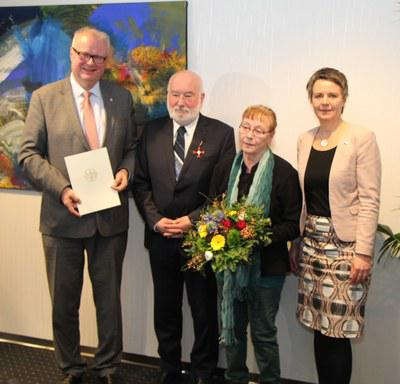
Aumüller has also researched historical organ building and published primarily on classical organ building in Hesse and Westphalia. He has been a member of the Historical Commission for Hesse since 2000 and was elected to the advisory board of the International Heinrich Schütz Society (ISG) in 2012. For his research in medical and music history, Gerhard Aumüller was awarded the Order of Merit of the Federal Republic of Germany (Federal Cross of Merit) in 2017.
Gerhard Aumüller, born in 1942, studied medicine and anthropology in Mainz, Würzburg, and Marburg. He then earned his doctorate and habilitation in the field of anatomy. After a research stay in the USA, the honoree took over the Chair of Experimental Morphology at Philipps University in Marburg. He later assumed the Chair of Anatomy II there, a position he held until his retirement in 2007. In addition to medical history, Professor Aumüller is actively involved in the Waldeck Historical Society. He has been a volunteer there since 2012. Since 2013, he has edited the extensive review section of the academic journal “Geschichtsblätter für Waldeck.” Professor Aumüller is also passionate about music history. This is expressed, among other things, in his commitment to preserving listed church organs. He has supported numerous organ restorations within the Evangelical Church of Kurhessen-Waldeck. In addition, he regularly serves as organist in parishes in the Marburg region.
The honoree was admitted to the Historical Commission for Hesse in 2000. In 2002, he was elected to its main committee, where he served until 2012. As a board member of the Historical Commission for Hesse and the Association for Hessian History and Regional Studies, he serves as co-editor of the Journal for Hessian History and Regional Studies.
Wolfgang Ellenberger was one of Prof. Holstein’s anatomy students and was able to provide the musical accompaniment for his 80th birthday.
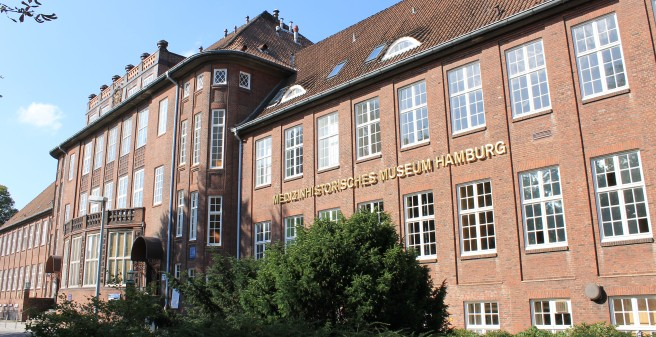
The history of the Hamburg Museum of Medical History began in 2007. The UKE board of directors asked the UKE’s Friends and Supporters Association to restore what is now the Fritz Schumacher House after the Institute of Pathology had moved out and to find a new use for it. The idea of establishing a medical history museum in the restored building was welcomed by all involved. Prof. Holstein, the then chairman of the Friends and Supporters Association, took on the task and initially sought funding for the upcoming work and the museum’s establishment. In close cooperation with the monument preservation authority, the individual construction phases were completed and presented to the public step by step. In 2010, the restored dissection room was unveiled, accompanied by an exhibition that provided an initial insight into the diversity of the exhibits. In October 2013, the first part of the permanent exhibition “The Emergence of Modern Medicine” opened. In December 2014, the museum opened the recently completed small dissection room and the rooms on the first floor.
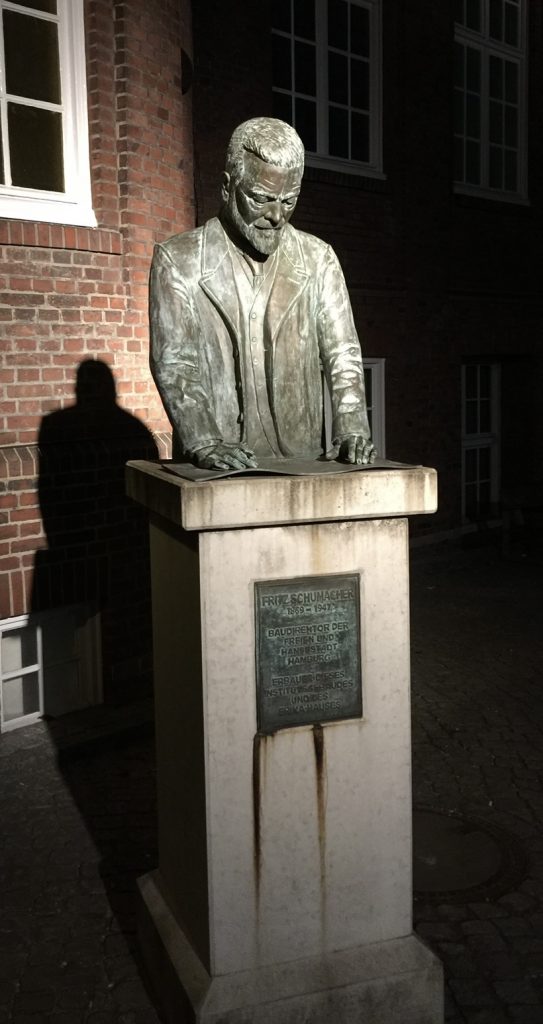
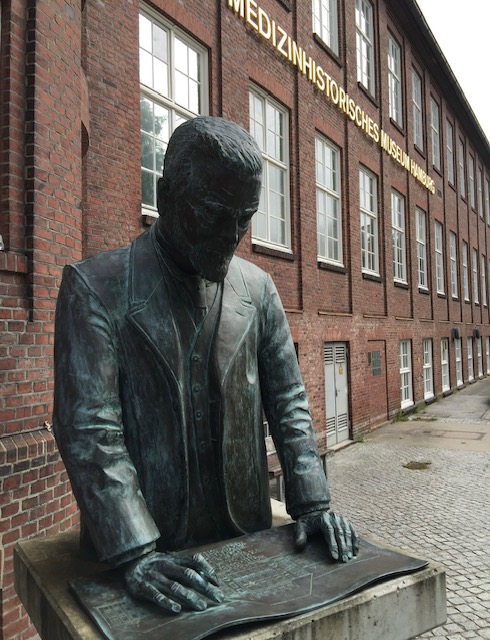
Sculpture of Fritz Schumacher, the builder of the building that now houses the Hamburg Museum of Medical History. Created by Adolf-Friedrich Holstein.
Dear Mr. Ellenberger,
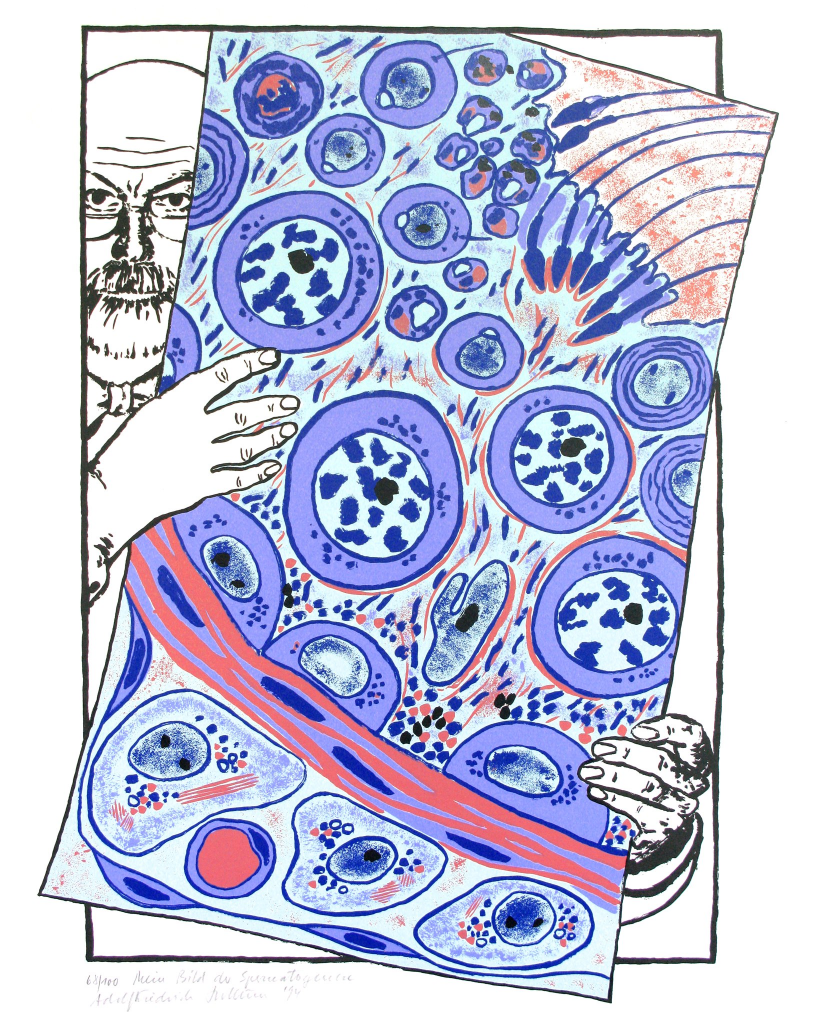
Thank you very much for your kind email. I am touched by everything you want to share about me. Of course, I agree. During my professional career, I was highly committed to medical teaching and research on spermatogenesis, and after my retirement, I devoted myself to monument preservation, painting, and sculpture. After restoring the rooms in the Erika House, I founded a center for communication and culture there. I then took over the task of restoring the pathology institute building from the medical director, Prof. Jörg Debatin. I created a new use for it as the Hamburg Museum of Medical History. At my request, the building was named Fritz Schumacher House after its builder, to house a new cultural institute. To illustrate this, I created a sculpture of the famous building director, which stands in front of the museum.
If you give me your address, I will be happy to send you a small booklet published by the Friends and Supporters Association for my 90th birthday.
But now I’d also like to know how you’re doing? How do music and medicine fit into your life?
Best regards
Adolf-Friedrich Holstein
Prof. Dr. Adolf-Friedrich Holstein Medizinhistorisches Museum Hamburg Martinistr.52 20246 Hamburg
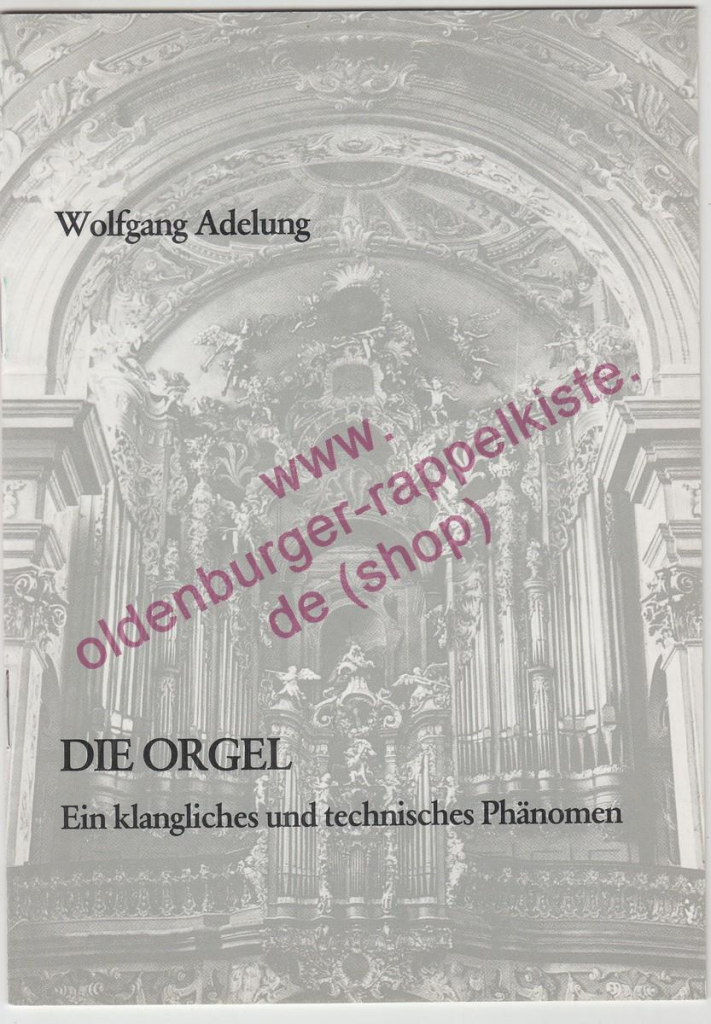
Wolfgang Adelung (1 October 1920 in Berlin; 15 November 1994 in Singen, Baden-Württemberg) was a German physician and organ researcher.
Wolfgang Adelung studied medicine. He received his doctorate in Freiburg in 1948. Later, he ran a dermatology practice in Singen (Hohentwiel).
Adelung also became an organist and was one of the most important members of the Society of Organ Friends during his time. In 1952, he co-founded its organ journal, Ars Organi. He subsequently became editor (1957–1972), chairman (1973–1983), head of the office (1983–1987), and a member of the Advisory Committee of the Society of Organ Friends (1987–1994).
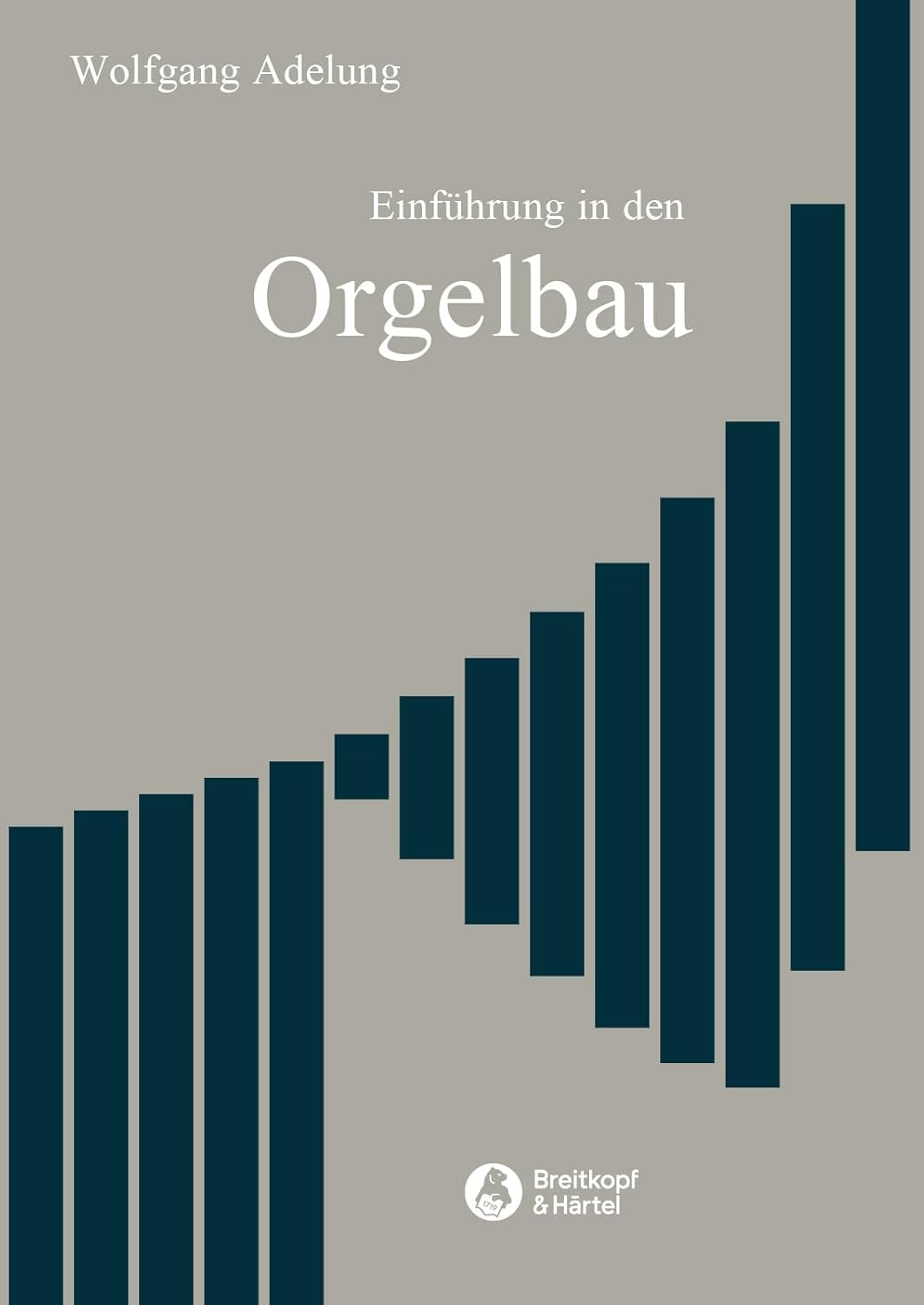
Wolfgang Adelung authored the standard work “Introduction to Organ Building,” which has been published in several revised editions. He also published other books and articles on organs. Monographs
Complete list
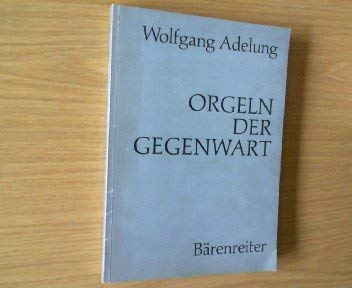
The Normal Blood Count of Freiburg, dissertation, Freiburg 1948 Introduction to Organ Building, Breitkopf & Härtel Leipzig 1955; subsequently six new editions, several of which have been expanded, most recently Introduction to Organ Building, Breitkopf & Härtel Wiesbaden 1991 Electron Instrument and Pipe Organ, Merseburger, Berlin 1956 The Elektrium, Merseburger, Berlin 1964 Organs of the Present, Bärenreiter, Kassel et al., 1972 The Organ, Orgelbau-Fachverlag, 1977
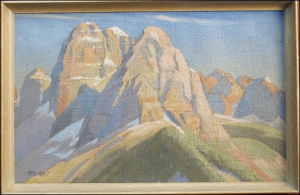
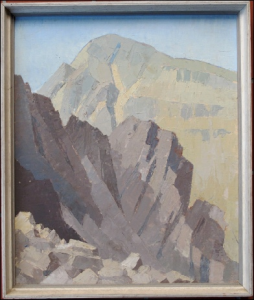
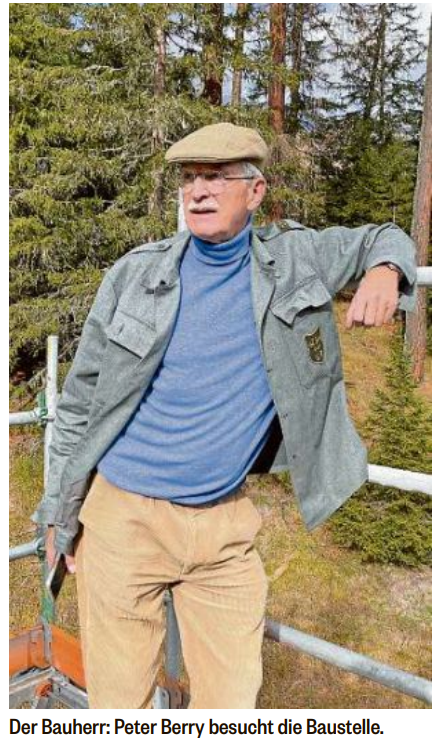
Peter Robert Berry (* September 11, 1864 in St. Moritz; † November 14, 1942 in St. Moritz) was a physician and painter from St. Moritz in the canton of Graubünden.
Peter Robert Berry was born the eldest son of the Chur physician Peter Berry I and his wife Cecilia Berry-Stoppani. Peter Berry came to St. Moritz on the advice of his brother-in-law, the hotelier Johannes Badrutt, and was one of the first spa physicians to work in the “New Kurhaus,” which opened in 1864.
Berry attended the cantonal school in Chur—together with Andrea Robbi. He then studied medicine at the universities of Zurich, Bern, Heidelberg, and Leipzig. After completing his dissertation, he worked for a short time at a London hospital; In 1892, he became chief physician of the “Heilquellen-Gesellschaft” (Healing Springs Society) in St. Moritz-Bad.
In 1895, he became engaged to the American Kitty Spalding, gave up his position as a spa doctor, and continued his education in Paris and Berlin. The engagement was broken off after a year, and Berry returned to the Engadine.
In November 1898, Berry vehemently opposed plans to develop the town into a health resort for tuberculosis sufferers in a detailed document addressed to the municipality of St. Moritz. He feared that the sophisticated, sports-loving public and other summer visitors would fear infection and stay away. Instead, he called for the “wellness offerings” such as spa treatments, which flourished in the summer, to be extended to the winter as well. The reputation of a sanatorium would ruin the upscale resort of St. Moritz: “Either sports or germs.”
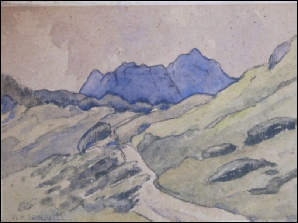
In 1898, Berry met the painter Giovanni Segantini, whose project for an Engadin panorama for the 1900 Paris World’s Fair he strongly supported. At that time, Berry developed the desire to paint himself. Unsatisfied with his own experiments with colored pencils and pastels, he turned to his friend Giovanni Giacometti in 1898 and asked him to introduce him to the art of oil painting. Giacometti, however, was unavailable and put Berry off until winter. He supported his friend’s desire to paint, which strengthened Berry’s resolve to become a painter.
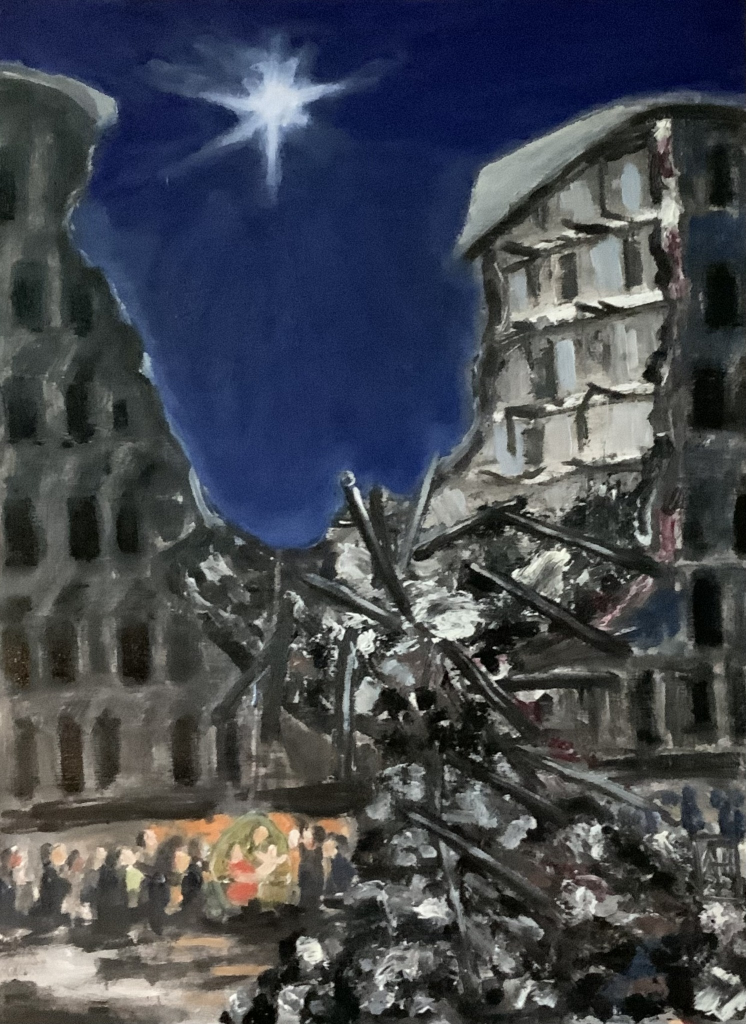
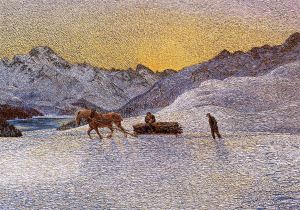
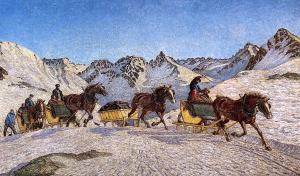
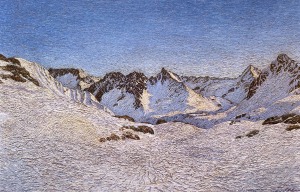
Between the winter of 1899 and 1901, one of Berry’s first large oil paintings was created. It is entitled “Christmas Eve” and, like other early works by Berry, is strongly influenced by Giovanni Segantini’s choice of motifs and divisionist painting technique.
In 1900, Berry began studying painting at the Académie Julian in Paris, presumably on the advice of his friends Giacometti and Andrea Robbi, who had previously attended the school. In 1901/1902, he learned precise drawing at Heinrich Knirr’s school in Munich and simultaneously took courses at the veterinary faculty, where he studied equine anatomy. In the following years, he continued his education in Paris at the Académie Julian and the Académie de Montparnasse.
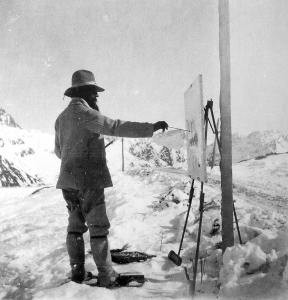
Between 1905 and 1914, Berry spent many winters on the Julier and Bernina Passes, painting in the open air and, in the evenings, playing the piano he had brought with him or reading in his hospice accommodations. He enjoyed works by Friedrich Nietzsche, whom he had met in St. Moritz. His brother often helped him carry his paintbox, paintings, and easel.
In 1907, Berry met Ferdinand Hodler, who was staying in the Engadine at the time. He, too, is said to have encouraged him to continue painting. In 1918, during the outbreak of the Spanish flu, Berry once again worked as a doctor, but otherwise devoted himself exclusively to painting.
Peter Robert Berry died on November 14, 1942, in St. Moritz. His works were not shown until after his death in 1945 as part of a memorial exhibition at the Graubünden Art Museum in Chur.
Berry had been married to Maria Rocco since 1908. One of his sons also worked as a doctor and painter in St. Moritz, and his granddaughter, Marietta Gianella-Berry, also became a painter.
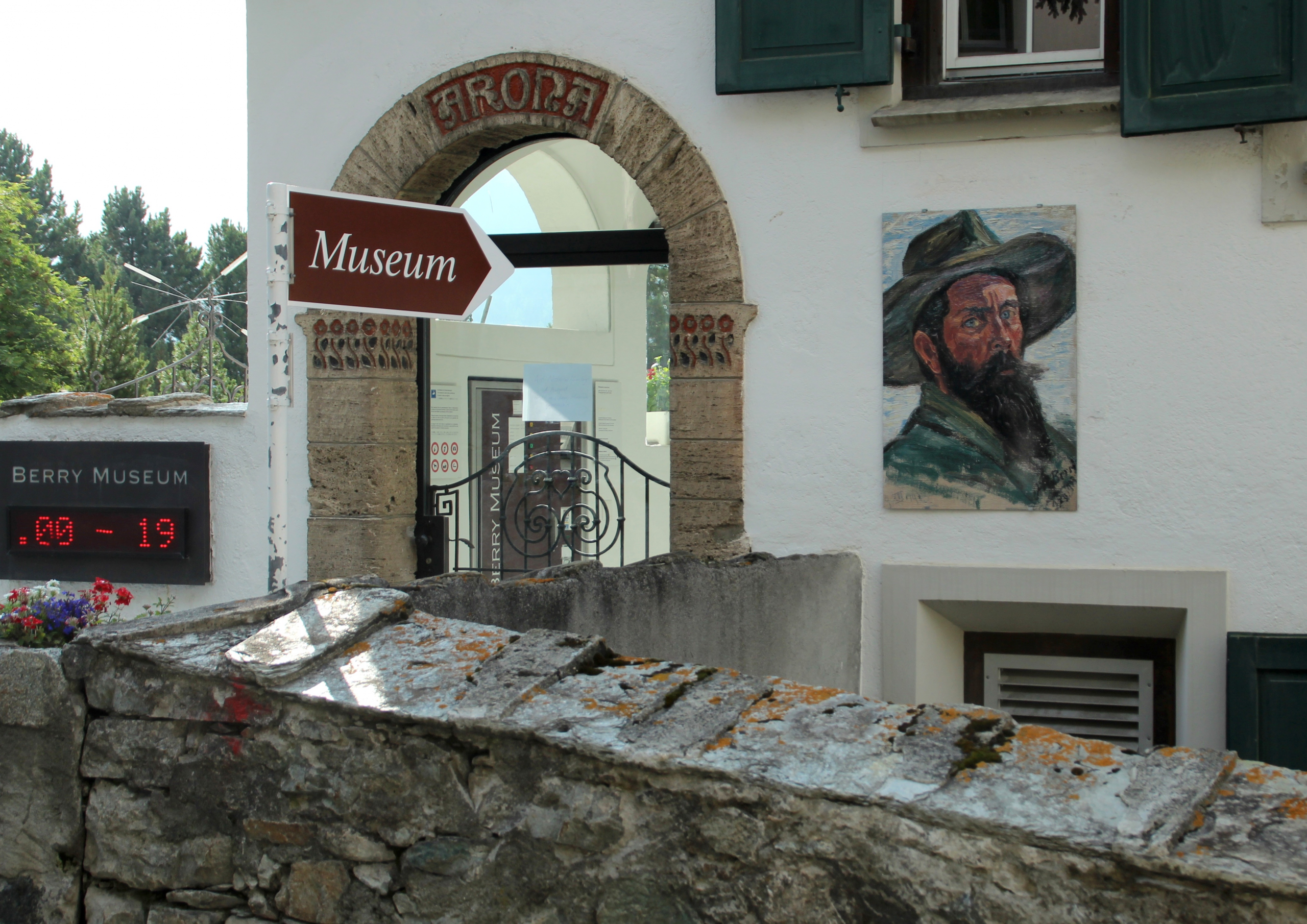
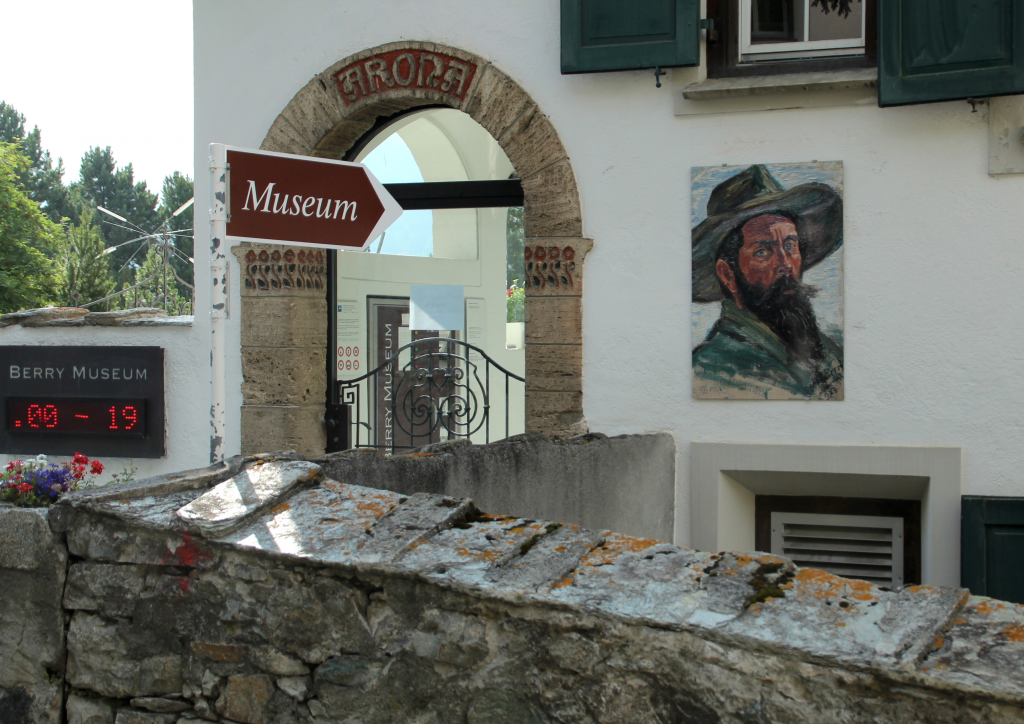
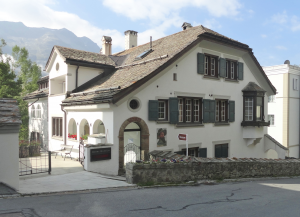
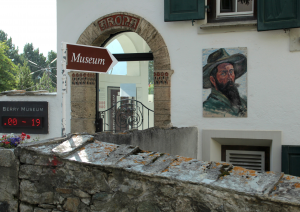
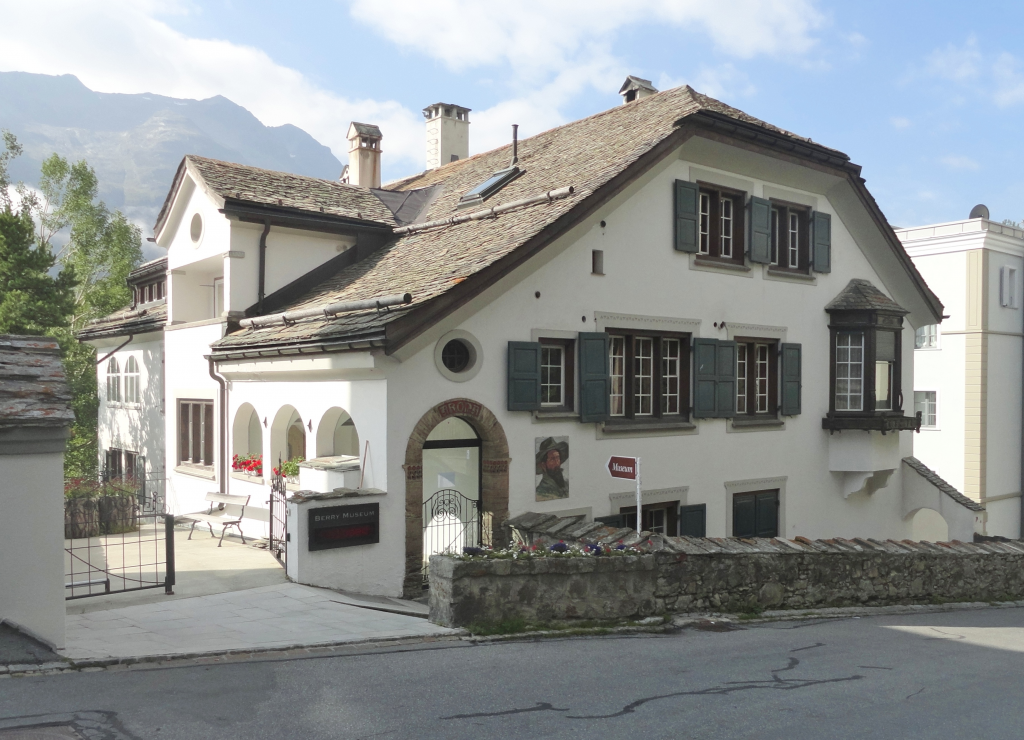
The “Villa Arona” in the center of St. Moritz was built around 1904[3] according to plans by Nicolaus Hartmann (1880–1956) by Berry’s brother Johannes, a dentist who lived there with his family.
The Berry Museum, which opened there in 2004, exhibits numerous works by Berry, most of them family-owned. In addition to the paintings, the museum also houses Berry’s extensive estate. This consists of books, letters, notes, diaries, musical scores, and numerous documents relating to the founding and development of the spa town of St. Moritz.
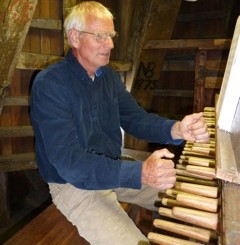
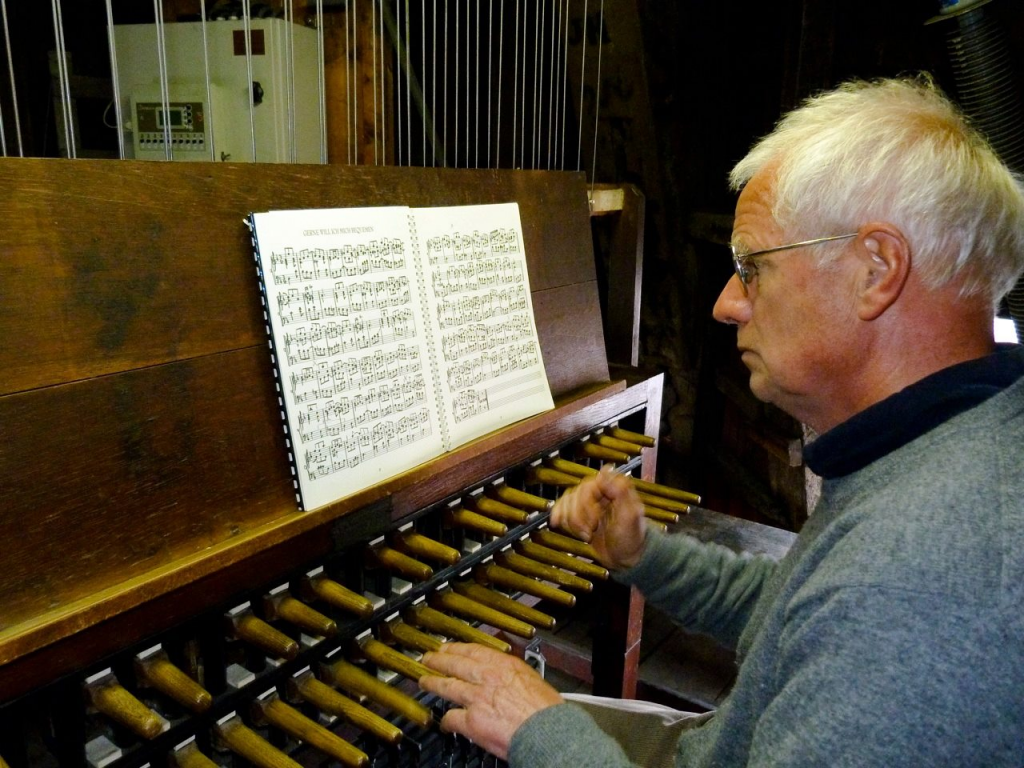
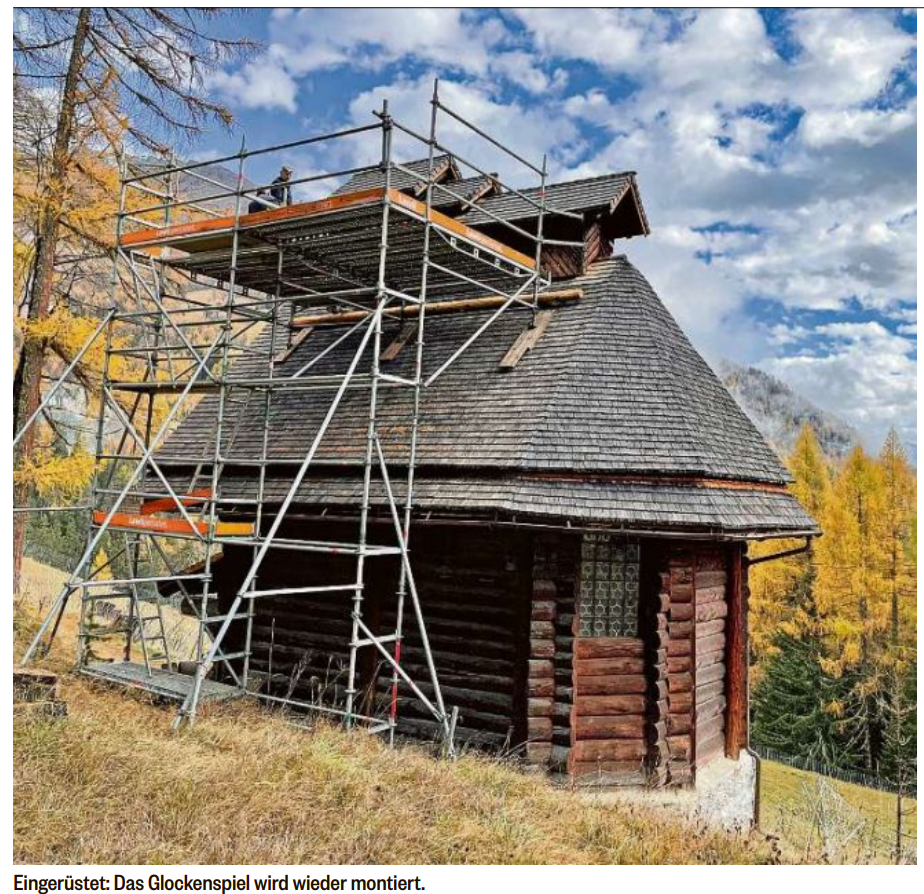
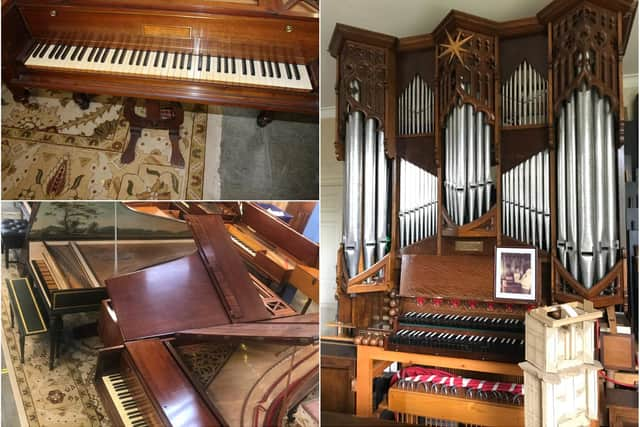
Peter Berry is a CarillonDoc of a special kind: he restored a historic carillon that was once built by Willem Mengelberg near St. Moritz in the mountains:
He also plays some songs himself and, of course, operates the carillon’s electronics!
From 1978 to 1986, assistant physician in Zurich, Chur, New York, and St. Moritz. Between 1986 and 2002, self-employed medical practice at the St. Moritz Rehabilitation Clinic, establishing the emergency services in the Upper Engadin region. Since 1991, entrepreneurial activity in the real estate sector. In 2003/2004, conceptual design and construction management for the renovation of the Berry Museum.
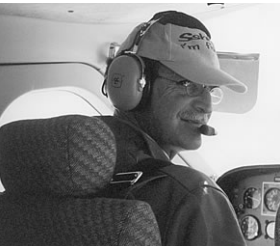
Membership in Swiss societies for internal medicine, emergency medicine, and nutritional science. Membership in the Hunters’ and Fishermen’s Association. Membership in Pro Natura. Membership in the Swiss Animal Welfare Association. AOPA pilots/aircraft owners. Private pilot since 2001.
The 49-bell Carillon of St Colman’s Cathedral in Cobh is the largest such instrument in Ireland and Britain.
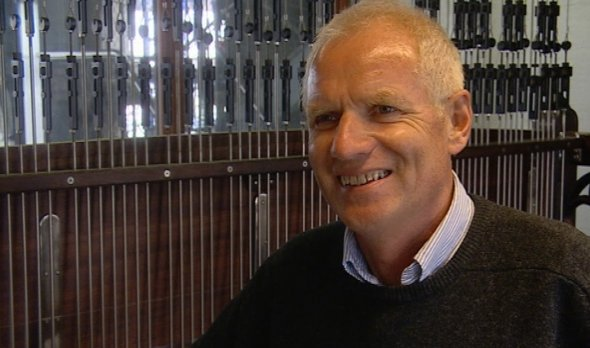
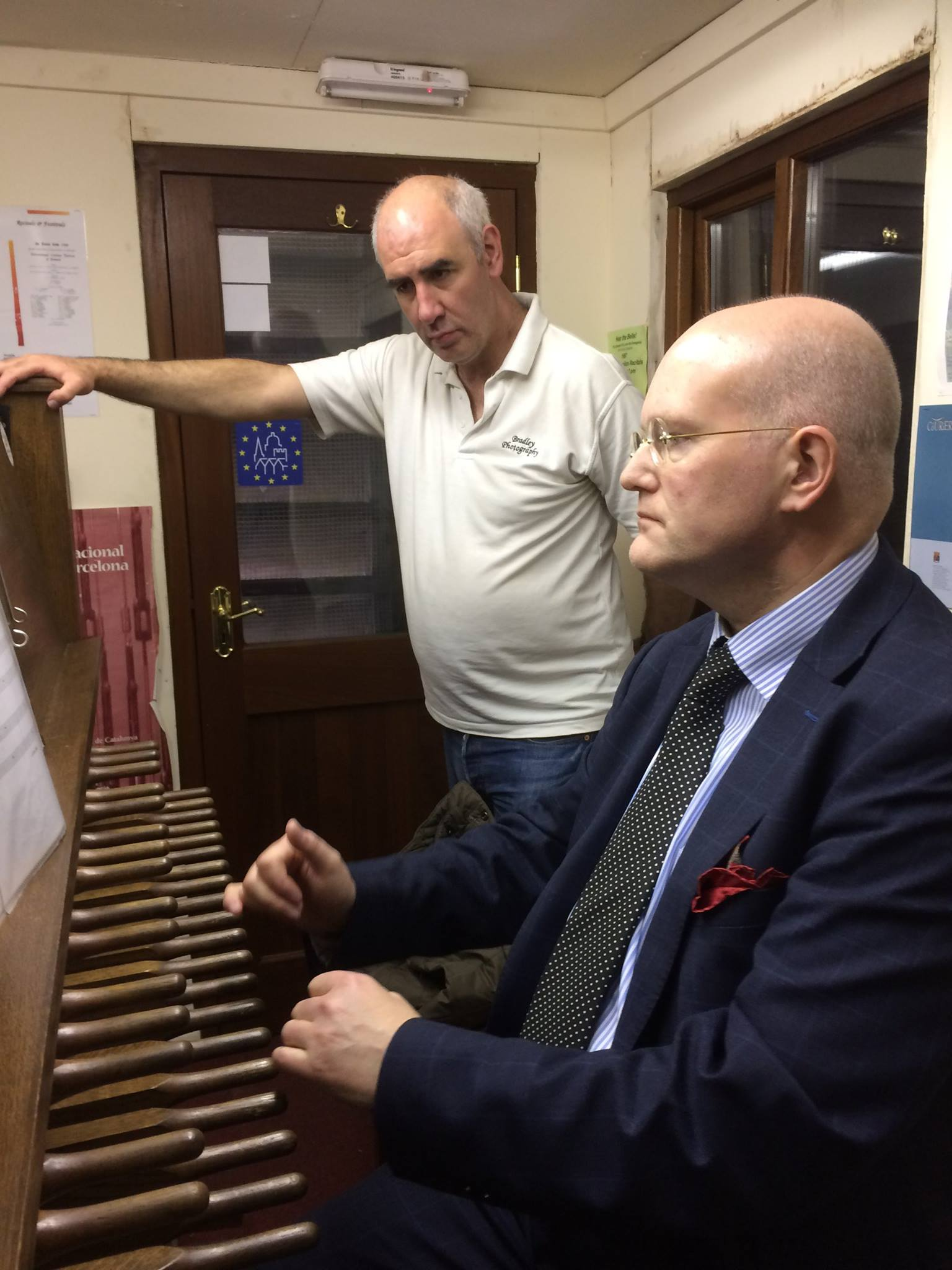
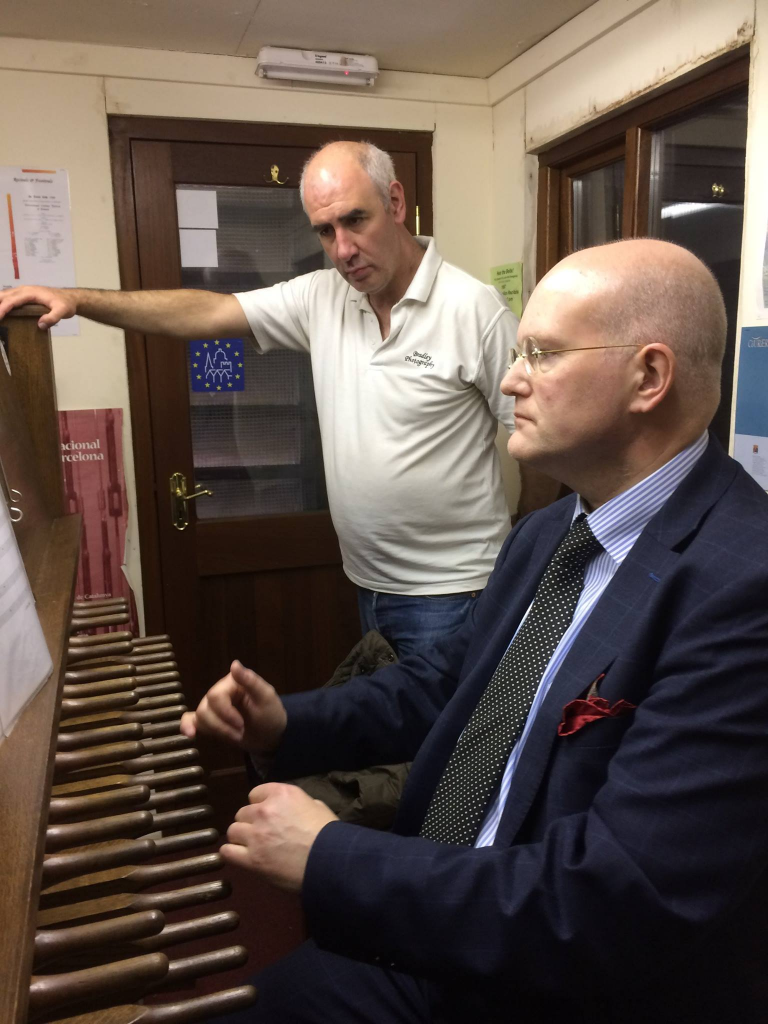
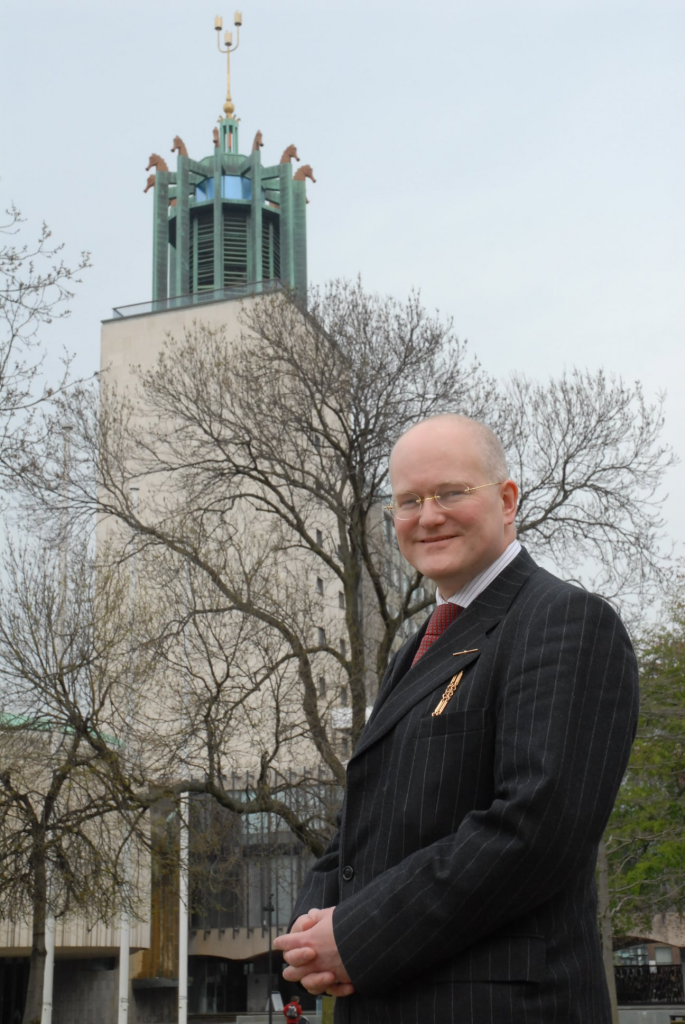
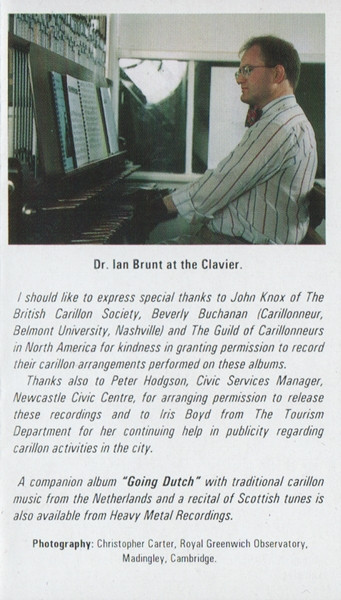
Dr Ian Brunt was Director of The Lanchester Early Music Festival and City Carillonneur of Newcastle Upon Tyne, regularly giving concerts and recitals on organ, carillon, harpsichord and fortepiano. He was a member of the National Youth Orchestra of Great Britain 1979- 1981 as flautist, composer and general musician and has specialised in the baroque flute for over thirty years. He performs with Hexham Collegium Musicum, Anglia Concertante, Durham Sinfonietta, Tyneside Baroque Players, Durham Baroque, The Hallgate Ensemble, among others, playing chamber music and giving concerto performances and has recorded six commercial solo albums on harpsichord, organ and carillon. Recent new music composed includes a pair of Notturni for classical guitar, a setting of George Herbert’s “My Words and Thoughts” and a solo organ concert piece “Fantazia on a Melody from the Scottish Psalter (1615).” In 2007 he was photographed for The North East Passion Archive project, the images held by Tyne and Wear Museums at The Discovery Museum, Blandford Square, Newcastle and also accessible on the Internet.
In a tribute to Dr Brunt, Michael Boyd of the British Carillon Society, wrote: “Ian was proud of his Northumberland heritage – he was an exceptionally competent player of the Northumbrian small pipes.
“I believe he wanted to instil a sense of community pride in the Edith Adamson memorial carillon, the first and only carillon to be installed in a civic centre of a major city in Britain. His repertoire also reflected his deep personal connection with the North of England.”
Dr Brunt championed the music of 18th-century Newcastle composer
Charles Avison and was an advocate of folk music on the carillon.
2021: News has just come through of the death this morning at the age of fifty-eight of Ian Brunt, Carillonneur of the Newcastle Civic Centre. Despite his busy workload as a G.P. and ongoing health issues, Ian was also dedicated to his beloved carillon art. He once described how he would swim seventy lengths five times a week in order to keep fit enough to play the carillon, which he claimed was “like going for a five-mile run”! He gave a memorable guest recital in Cobh in July 2007, when this photo was taken. This gentle and cultured man will be sorely missed and long remembered by his colleagues and friends. Requiescat in pace.
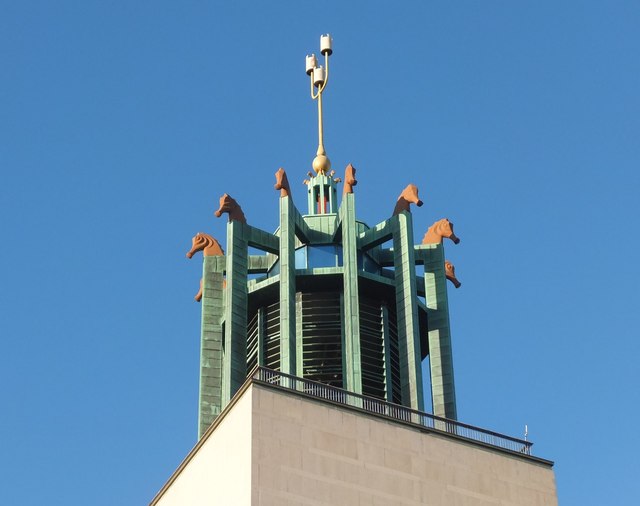
The Edith Adamson Memorial Carillon, Newcastle Civic Centre The Edith Adamson Memorial Carillon, constructed in 1966 by J.Taylor and Co and installed in 1967, was given to the city by James Wilfred Adamson in memory of his wife. James (‘Jimmy’) Adamson started his paints business from a horse and cart, and went on to be a driving force in the establishment of British Paints Ltd, see Link . The carillon, see Link has 25 bells, the largest of which weighs 71cwt, 1qr, 13lb – which if my maths serves me correctly is 825lb, or 374.214kg – and is tuned to A major. Recitals take place on Saturdays at 2pm and occasionally on Thursday at 7pm – the Carilloneur is Dr Ian Brunt, who swims 70 lengths five times a week in order to keep fit enough to play the carillon, which takes so much physical energy that he describes it as ‘like going for a five-mile run’, see Link . The carillon tower has twelve seahorses and is topped by the three castles of the Newcastle coat-of-arms, see Link .
Sjoerd Tamminga, born in 1947 in Goes, Netherlands, received his first carillon lessons at the age of eleven from his piano teacher, the then city carillonneur of Goes, Wilhelm Harthoorn. While studying dentistry in Amsterdam, he received further carillon lessons from the carillonneur of the Oudekerk in Amsterdam, Cees Roelofs, who had studied with Jef Denyn at the Carillon School in Mechelen, Belgium, and graduated there in 1933. Tamminga followed his example and earned his own carillon diploma “with great distinction” from the same school in 1976. That same year, he won first prize in the carillon competition at the Holland Festival in Tiel. In 1977, he became city carillonneur of Goes. He performs at carillon festivals in various European countries and records CDs. He specializes in popular melodies, evergreens, and jazz. Together with his son, the carillonneur and composer Jorrit Tamminga, he works on music for carillon and electronics.
Carillon der Maria MagdalenakerkGoes Niederlande
GOES – City carillonneur Sjoerd Tamminga has passed away at the age of 65. From 1977, he was the regular carillon player in Goes. With Tamminga’s death, the city loses a remarkable musician who dared to combine modern music with the ancient craft of carillonnage.
Tamminga first encountered carillon music at the age of 11 through piano lessons with city carillonneur Willem Harthoorn, whose successor he later became. From 1974, he studied at the Royal Carillon School in Mechelen, where he received his diploma with honors in 1976.
Lou Reed In 2009, Sjoerd Tamminga represented the Netherlands at the celebration of the 400th anniversary of relations between our country and New York. On Queen’s Day of the same year, he played the carillon of the Riverside Church in the metropolis, the largest carillon in the world. In the presence of singer Lou Reed, Tamminga performed his version of “Perfect Day.”
Anniversary Seven years earlier, the Goes native celebrated his 25th anniversary as the city’s carillonneur. On October 30, Sjoerd Tamminga would have celebrated his 66th birthday.
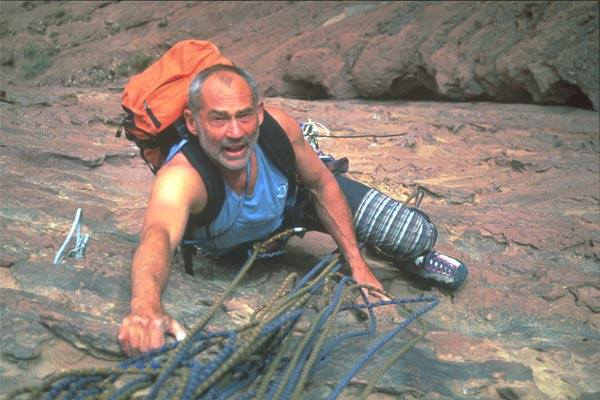
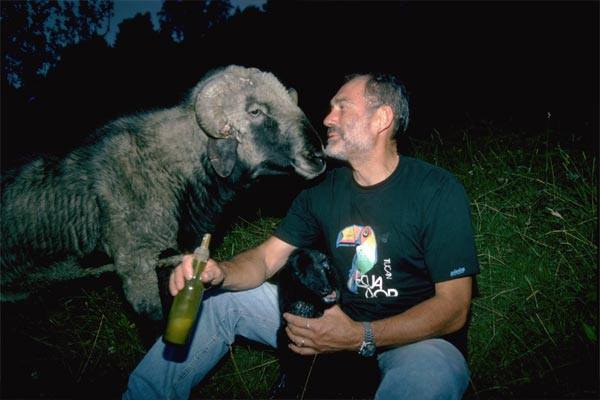
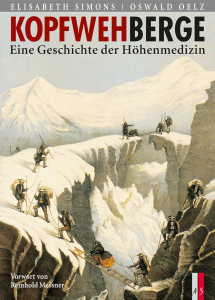
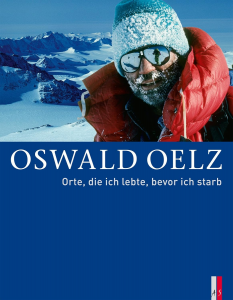
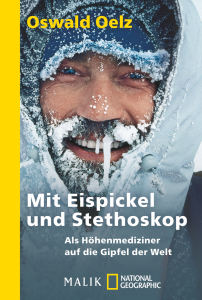
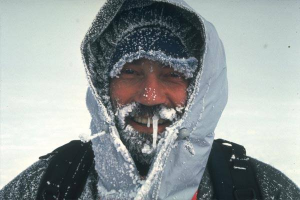
Oswald “Bulle” Oelz (born February 6, 1943 in Rankweil, Vorarlberg) is an Austrian-Swiss physician and mountaineer. From 1991 to 2006, he was chief physician at the Triemli City Hospital in Zurich. In addition to his medical work, the internist and high-altitude physician practiced extreme mountaineering, participated in numerous expeditions in the Himalayas, and gave slide presentations about his climbing tours. He breeds sheep.
As an expedition doctor, Oswald Oelz accompanied numerous expeditions in the Himalayas, including mountaineers such as Reinhold Messner, Peter Habeler, and Hans Kammerlander. In 1972, Oelz traveled to the Himalayas to climb Manaslu (8,163 m), but was unsuccessful.
In 1978, he was one of two doctors on the controversial expedition to Mount Everest (8,848 m), during which Messner and Habeler climbed the mountain for the first time without supplemental oxygen. Oelz and six other expedition members successfully completed the ascent using oxygen cylinders. He was thus the first Vorarlberg native to successfully climb Mount Everest.
During an expedition in 1979, he attempted to climb the Ama Dablam Northeast Ridge (6,856 m). He was unable to reach the summit due to a rescue operation. In 1981, he accompanied an expedition to Shishapangma (8,027 m), but in 1982, he failed to climb Cho Oyu (8,188 m) due to cerebral edema. In 1983, he survived an avalanche on Glacier Dome (7,193 m) in the Annapurna massif. In 1985, Oelz climbed Shishapangma, his second eight-thousander. A further attempt to climb Makalu (8,485 m) failed in 1986.
In 1990, Oswald Oelz became the third person to reach all of the Seven Summits according to the Carstensz version: Aconcagua (6,961 m, 1974 & 1986), Mount McKinley (6,190 m, 1976), Mount Everest (1978), Mount Vinson (4,892 m, 1986), Kibo (5,895 m, 1987), Mount Kosciuszko (2,228 m, 1989), Elbrus (5,642 m, 1989), and the Carstensz Pyramid (4,884 m, 1990).[3]
He reached the summit of Ama Dablam in 1995. In the Alps he climbed the three great north faces of the Alps: the Matterhorn North Face, the Eiger North Face (1995) and the Walker Pillar of the Grandes Jorasses.
In the documentary Höhenrausch: Die Entwicklung der Höhenmedizin (2022), Oelz states that he “lost a total of 29 friends with whom he climbed high peaks.” In 1978, in a personal experiment on Mount Everest, he reduced his hematocrit from 58 to 52% to reduce viscosity, but subsequently became seriously ill. After a week, he recovered and climbed the summit with oxygen. In 1986, he suffered high-altitude pulmonary edema on Aconcagua and was treated with nifedipine, with rapid improvement after 10 minutes.
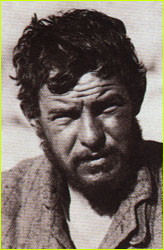
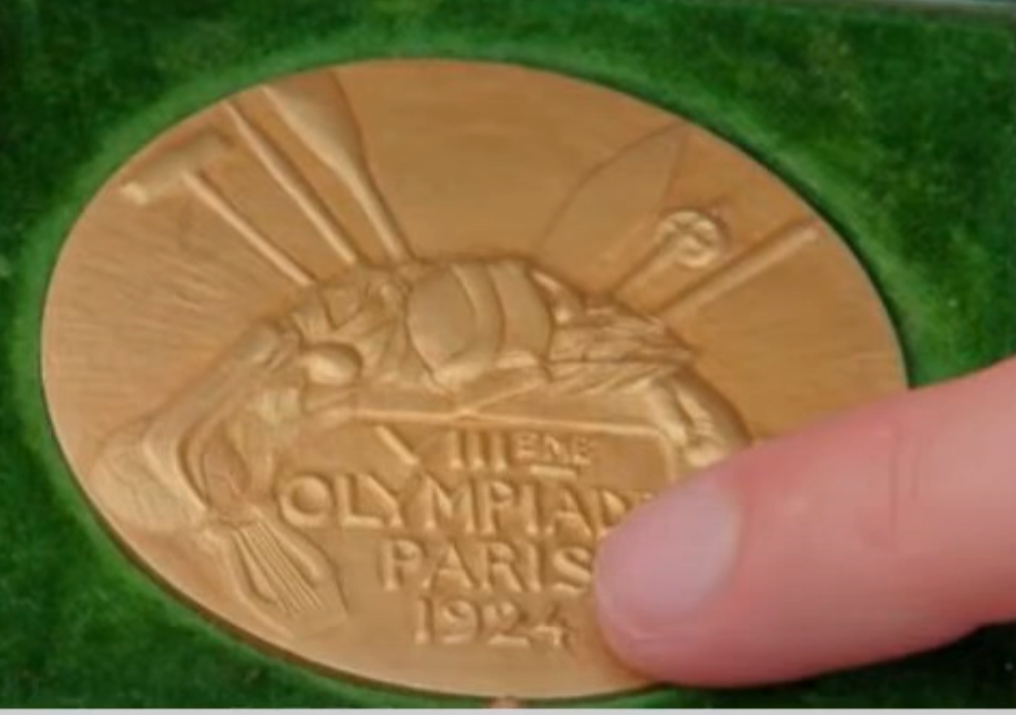
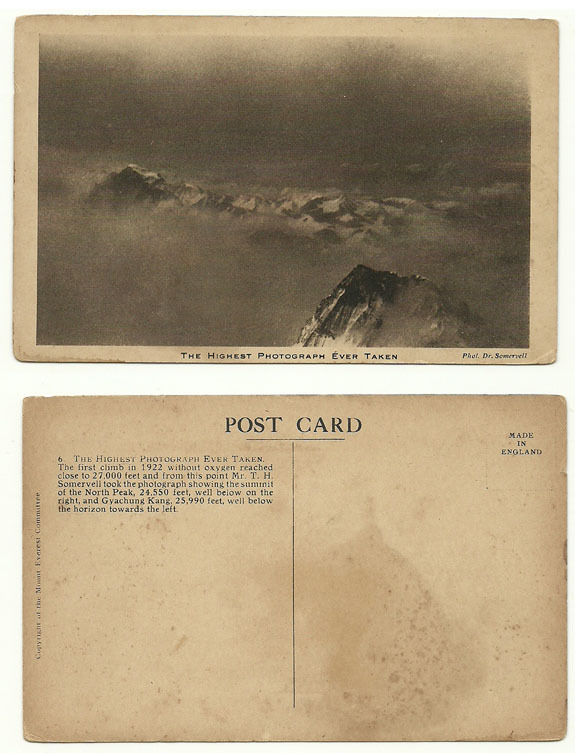
Theodore Howard SomervellOBE, FRCS (16 April 1890 – 23 January 1975) was an English surgeon, mountaineer, painter and missionary who was a member of two expeditions to Mount Everest in the 1920s, and then spent nearly 40 years working as a doctor in India. In 1924 he was awarded an Olympic Gold Medal by Pierre de Coubertin for his achievements in mountaineering (Alpinism).
He married Margaret Hope Simpson (1899–1993), daughter of Sir James Hope Simpson, the general manager of the Bank of Liverpool. With Margaret he had three sons: James, David, and Hugh.
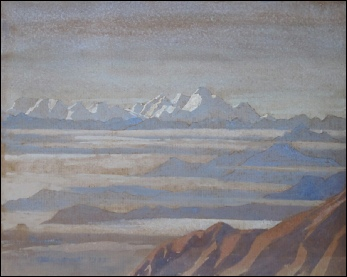
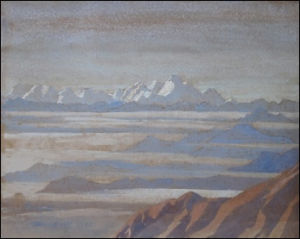
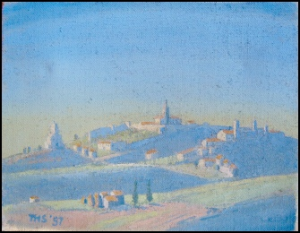
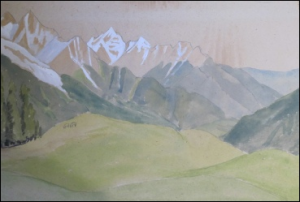
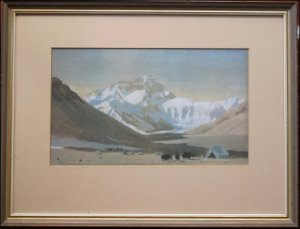
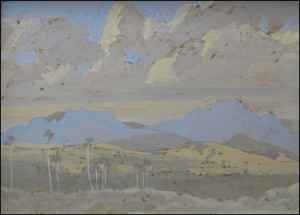
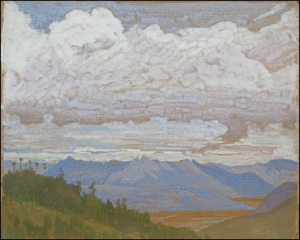
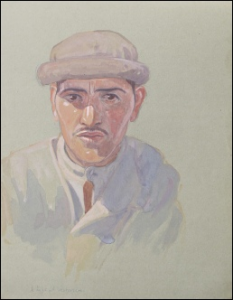
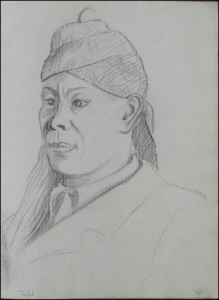
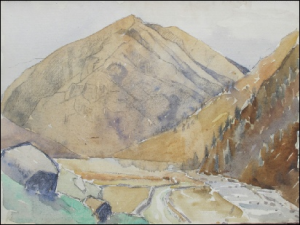
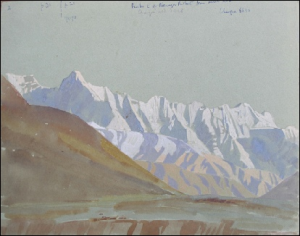
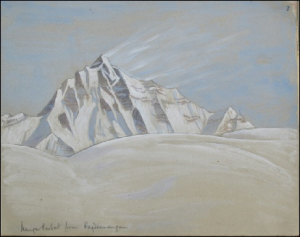
Somervell painted many hundreds if not thousands of paintings and has been described as a compulsive sketcher and painter.[23]The Himalayan Club identified some 600 titles, with at least 200 of them being representations of the Himalayas or Tibet. 126 of these relate to the 1922 and 1924 expeditions, many of which were exhibited at the Royal Geographical Society in April 1925 and at the Redfern Gallery, London, in 1926. He exhibited almost annually at the Lake Artists Society exhibitions in the Lake District after his return to England.
Many of his watercolours are painted on what has been described as no more than ‘cheap’ brown or off-white wrapping paper.[23] However, given that Somervell was a sometime commercial artist, this oft-repeated tale is largely apocryphal. He used this style of paper as early as 1913 and was still using it in the 1970s. It particularly lends itself to the dun colours of the Tibetan landscape. Other artists such as John Sell Cotman and Edith Collingwood[who?] used similar paper. He often used watercolour and body colour in preference to watercolour alone. He also used pastel, either alone or with watercolour. Watercolour seems to have been his favoured medium in Tibet, Himalaya and India.[citation needed]
The Alpine Club in London possesses thirty paintings by Somervell. The Abbot Hall Art Gallery in Kendal has thirteen Somervell watercolours and one oil painting while the Royal Geographical Society holds a large watercolour, Gaurisankar from the North West, dated 1924, although this may in fact be a painting of Menlungtse.[21] Somervell’s paintings of the Himalayas and of Westmorland were exhibited at the Abbot Hall Art Gallery in April 1979.
With the expedition over, Somervell set out to see India, travelling from the far north to Cape Comorin. He was shocked by the poverty he saw, and in particular the poor medical facilities. At the main hospital of the south Travancore medical mission in Neyyoor he found a single surgeon struggling to cope with a long queue of waiting patients, and immediately offered to assist. On his return to Britain, he abandoned his promising medical career, and announced his intention to work in India permanently after his next attempt on Everest. Most of his paintings sold today are from his travels in various parts of India. Even though most of his time was in Kerala where many landmarks to his name still remain.
A collection of his mountaineering equipment and other effects, including his 1924 Winter Olympics gold medal, and his sketchbooks and paintings, now in the possession of his grandson, was shown on an episode of the BBC Television programme Antiques Roadshow in April 2022.
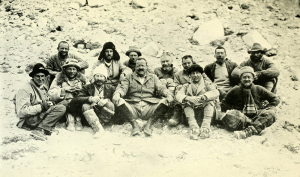
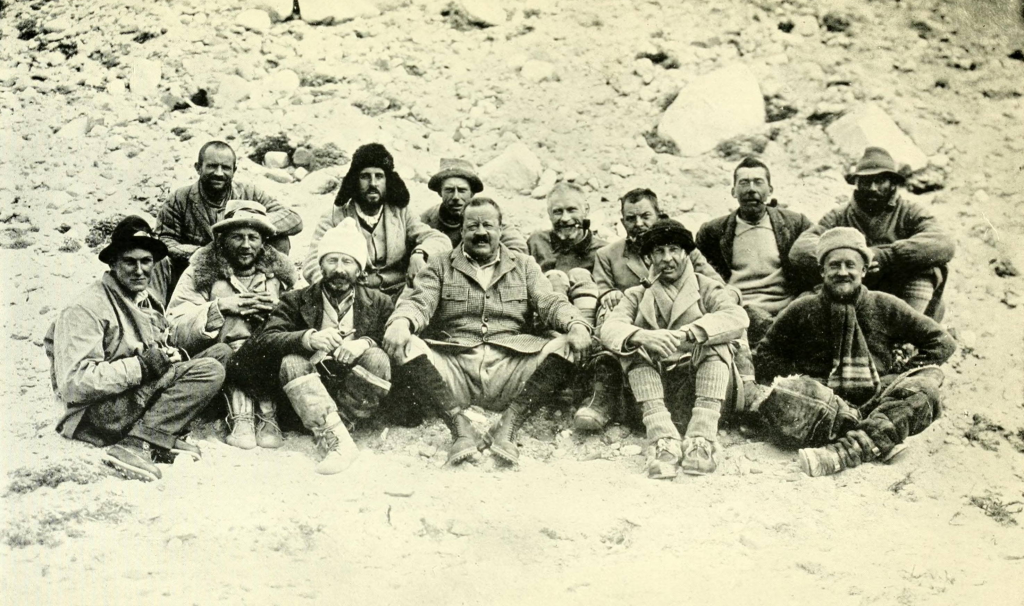
Expedition at Base Camp. Back row: Morshead, G Bruce, Noel, Wakefield, Somervell, Morris, Norton Front row: Mallory, Finch, Longstaff, General C Bruce, Strutt, Crawford
 . The carillon, see