Slots inferno

  1. Online Casino Beste Bewertung: Das einzig Vernünftige ist, behutsam damit umzugehen und Schritt für Schritt zu schauen, wie weit man Lockerungen oder Öffnungen beschließen kann.
  2. Tipico Online Casino Ohne Anzahlung Bonus - Das Casino Neuchatel ist einzigartig und gehört zu den schönsten in der Schweiz.
  3. Kostenlos Spielen Sahara Gold Freispiele Ohne Einzahlung: Dieser Anbieter ist dem Glücksspielpublikum größtenteils unbekannt, dennoch rühmen sich seine Pokies oft eines sehr erfreulichen Gameplays.

Chips beim pokern

Besten Freispiele Slots
Die Spieler müssen im Voraus wissen, welche Bankmethoden gefunden werden können und welche oder keine Einschränkungen bestehen, dh.
Alter Für Casino In österreich
Wie lange die Überweisung dauert, variiert je nach Anbieter.
Deine Spielhalle, Spielo oder Automatencasino in Beesten oder eine Spielhalle in der Nähe fehlt.

Neues casino Köln

Im Roulette Gewinnen
Im Sunmaker Casino wurde das geschmälerte Roulettespiel eingeführt und ist fortan unter Andere Spiele zu finden.
Online Slot Spiele
Ein solcher Schritt gab mir den Vorteil, sofortige Einzahlungen tätigen zu können.
One Casino Lizenz

  • -

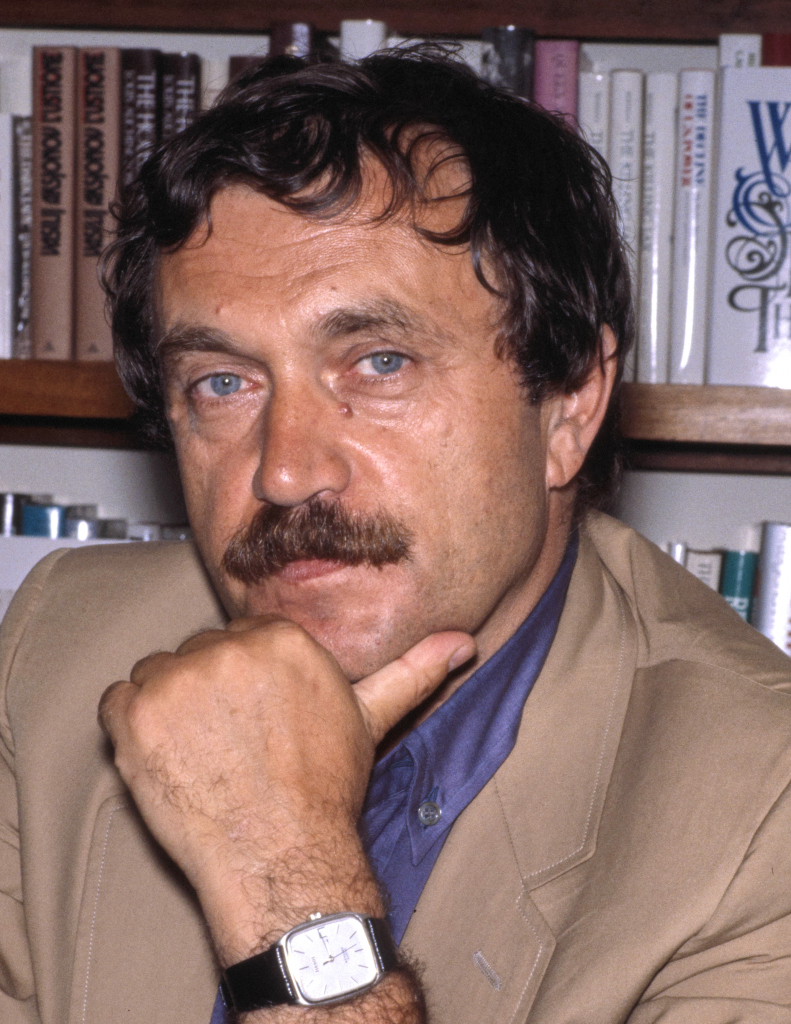
Wassili Pawlowitsch Aksjonow

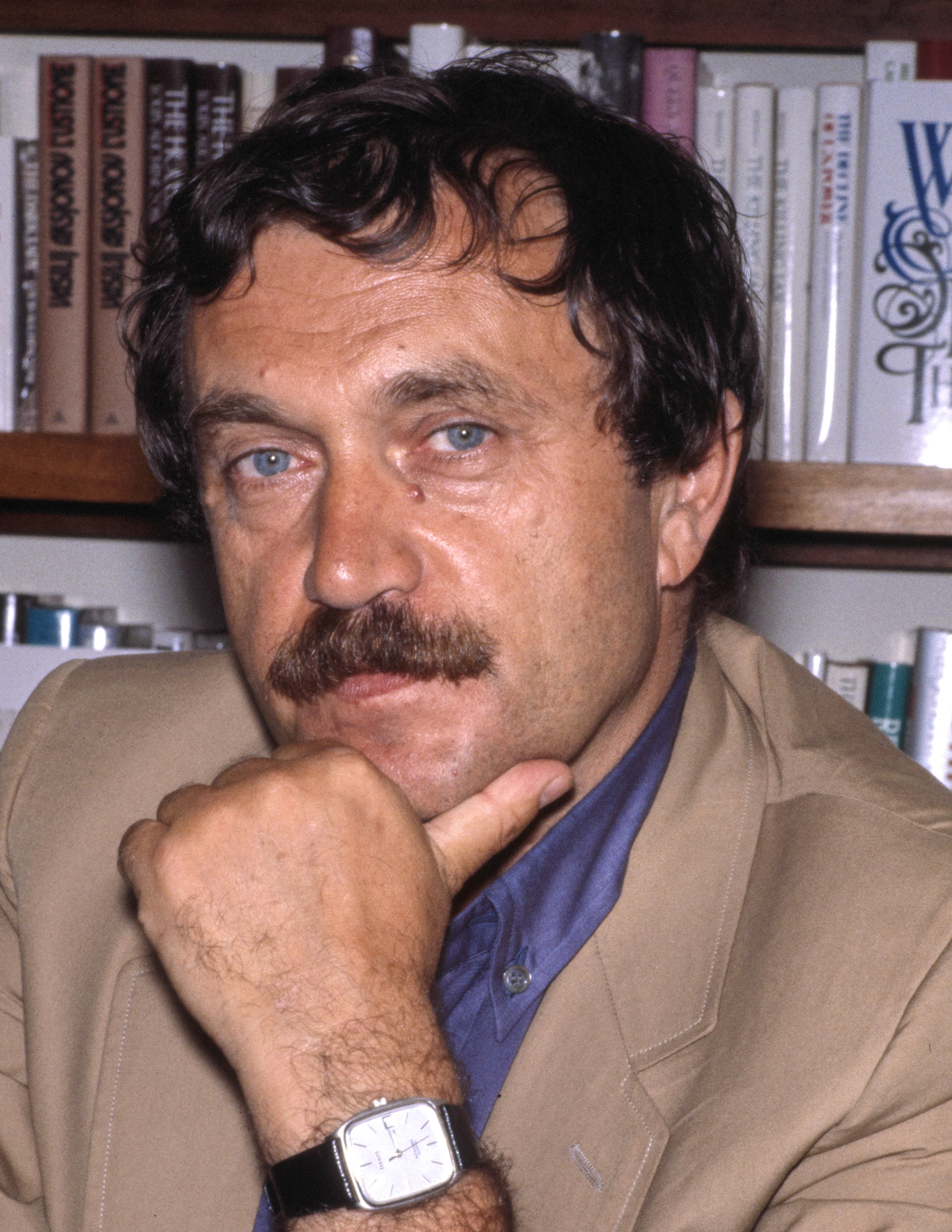
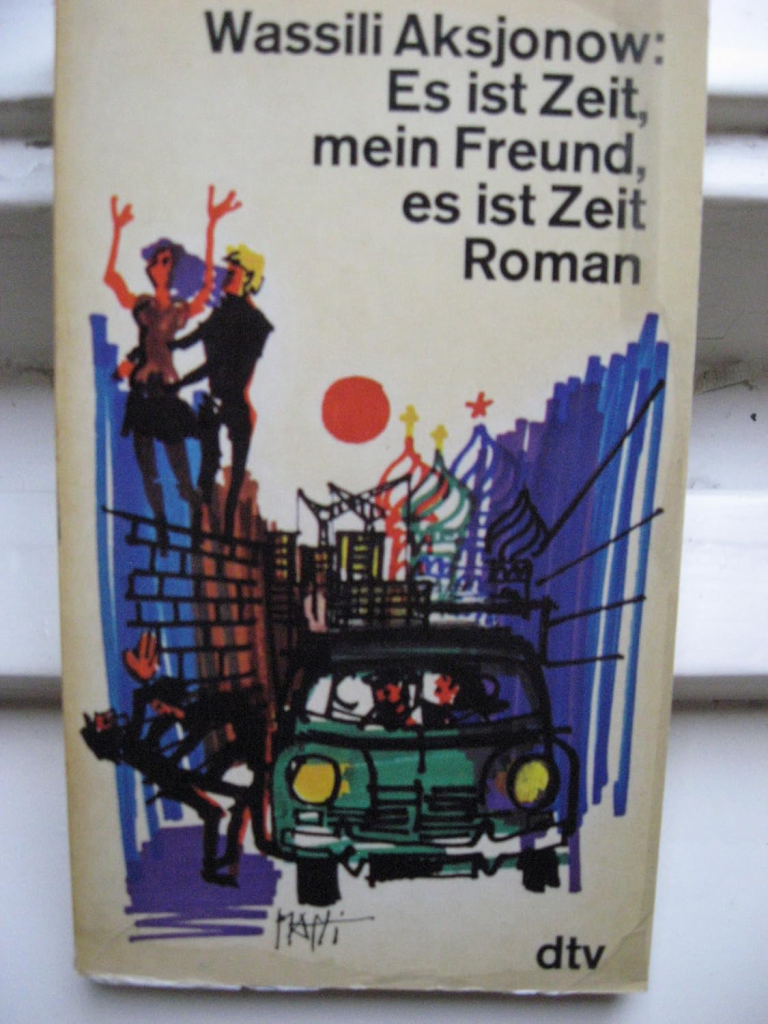
Vasily Pavlovich Aksyonov (Russian: Василий Павлович Аксёнов, scientific transliteration: Vasilij Pavlovič Aksënov, born August 20, 1932 in Kazan; died July 6, 2009 in Moscow) was a Russian writer. He began his career in the Soviet Union and later had to emigrate to the United States.
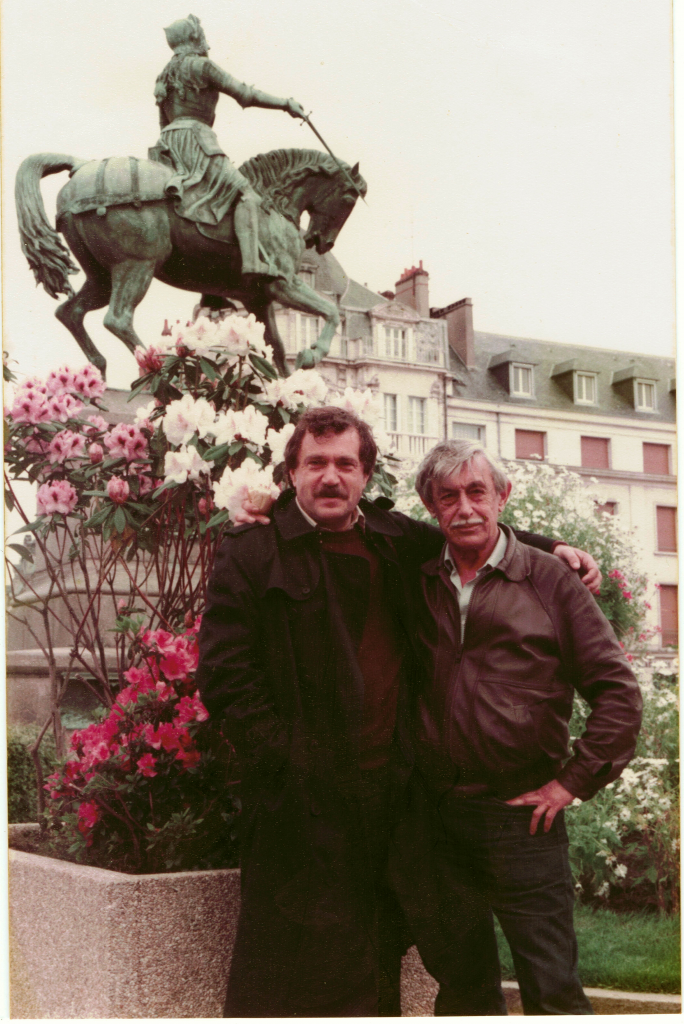
Wassili Aksjonow (left) with Viktor Nekrasov (in front of the equestrian statue of Joan of Arc, Place du Martroi, Orléans, 1983)

From 1956 to 1960, he worked as a doctor, but had already begun writing sketches and short stories while still a student. He published his first stories in the 1960s, which soon became very popular, especially among young readers. In 1979, he came under pressure for his collaboration on the underground literary almanac Metropol, along with Andrei Bitov, Fazil Iskander, Viktor Yerofeyev, and Yevgeny Popov.
In 1980, Aksyonov accepted an invitation from an American university and took up permanent residence in the United States, where he continued his writing career. Until 2003, he taught as a professor of Russian at George Mason University in Fairfax, Virginia. In 2004, he moved to Biarritz. He spent the following years alternating between France and Moscow, where he died in July 2009.[2] His grave is in the Vagankovo ​​Cemetery in Moscow.

In 1980, Aksyonov accepted an invitation from an American university and took up permanent residence in the United States, where he continued his writing career. Until 2003, he taught as a professor of Russian at George Mason University in Fairfax, Virginia. In 2004, he moved to Biarritz. He spent the following years alternately in France and Moscow, where he died in July 2009.[2] His grave is in the Vagankovo ​​Cemetery in Moscow.

Aksyonov’s first stories appeared in the magazine Yunost, on whose editorial board he was a member.
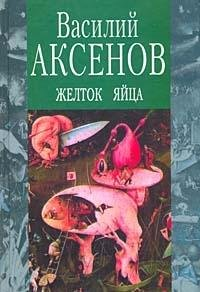
In his works, Aksyonov processed his family’s experiences during the Stalin era. The thaw that began in the political and intellectual life of the USSR in the 1960s allowed him to address this topic.

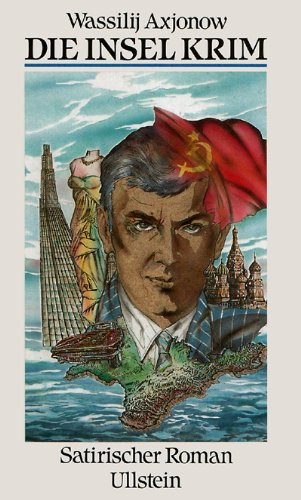
In 1981, while he was in exile, the novel The Island of Crimea (Остров Крым), written in 1979, was first published in English translation. It tells, among other things, how Crimea was “liberated” from the Moscow government through an invasion. In the English-speaking West, Aksyonov became known for his novel “The Burn” (Russian: “Ozhog,” 1975; German: “Gebrannt,” 1986) and the trilogy “Generations of Winter” (Russian: Московская сага, 1989–1993), works in which he explored the taboo subject of Stalinist persecution. “Generations of Winter” tells the story of the Gradov family of doctors from 1925 to 1953. The novel was adapted into a lavish television series in Russia in 2004.
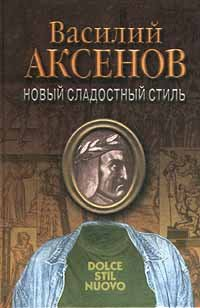
For his 2004 novel “Voltarians and Voltarian Women,” Aksyonov received the $15,000 Booker Prize for Literature – Open Russia. Aksyonov’s books have been translated into several languages. Film adaptations of his books have been made in Russia and France. He has also written plays.

https://de.wikipedia.org/wiki/Wassili_Pawlowitsch_Aksjonow

https://en.wikipedia.org/wiki/Vasily_Aksyonov
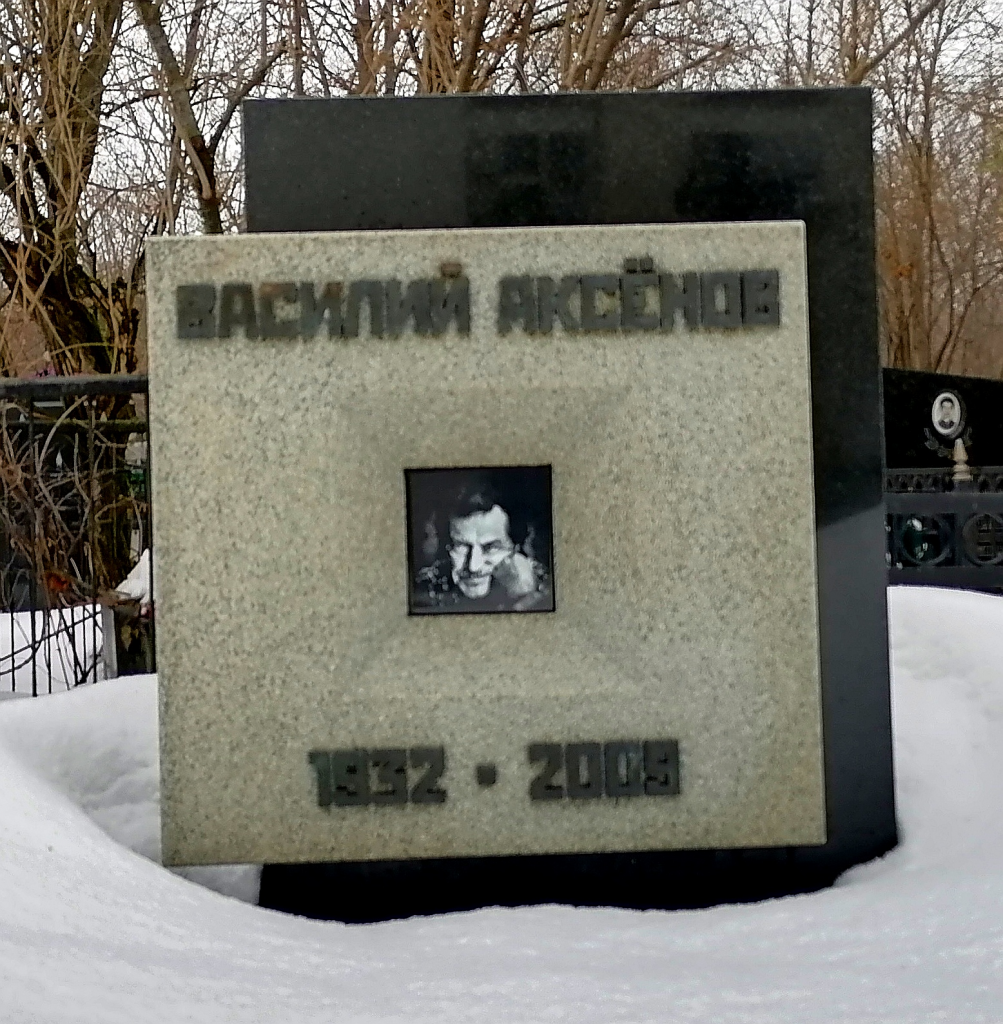
Grave of Vasily Aksyonov in Moscow

  • -

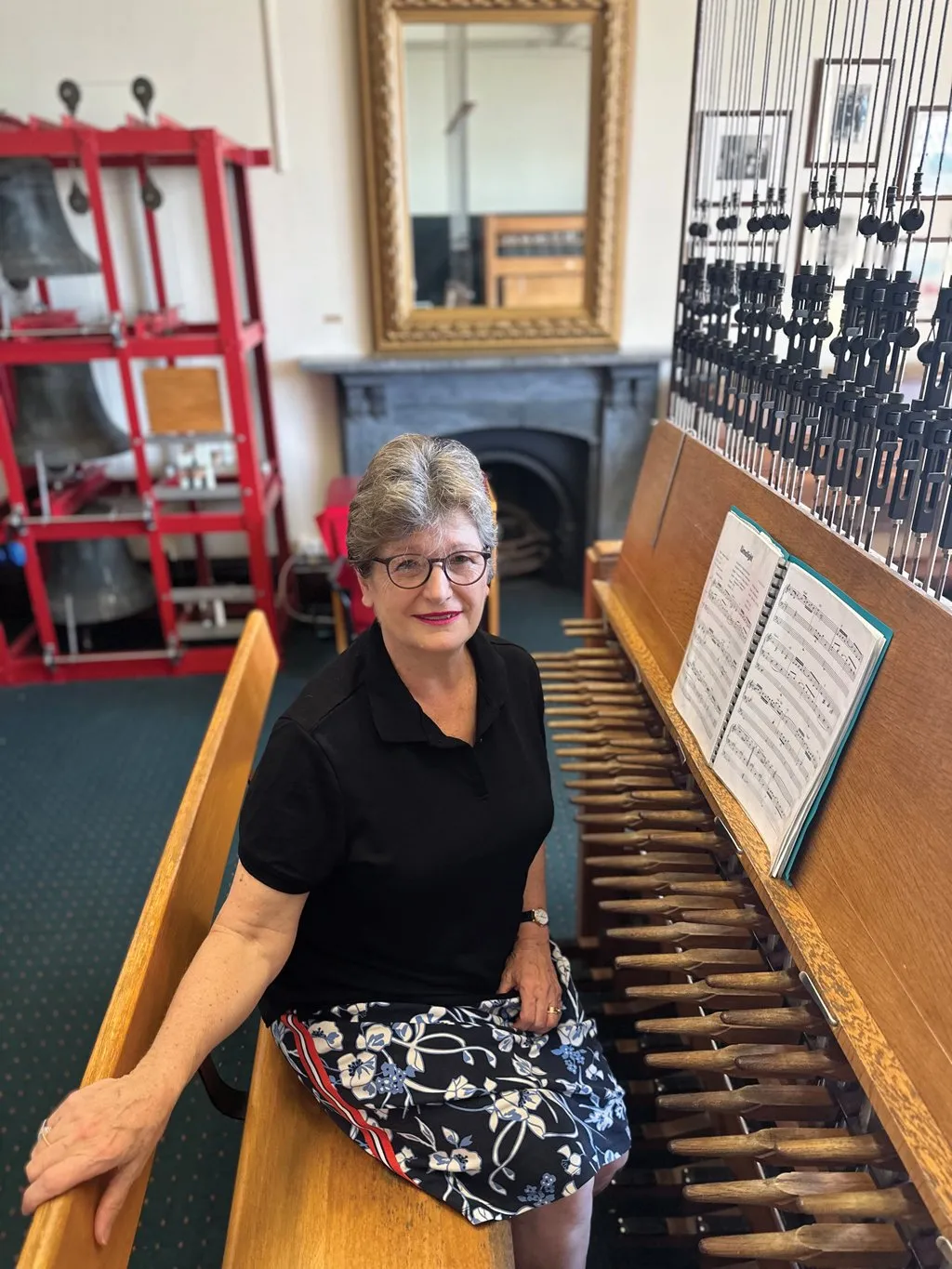
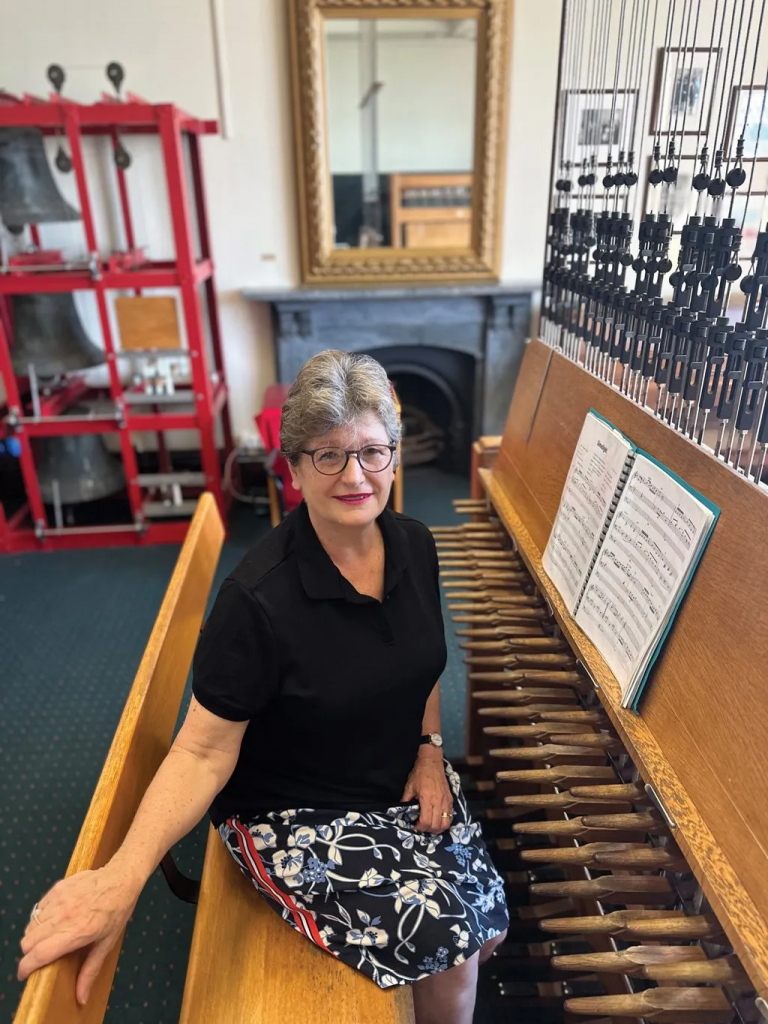
Veronica Lambert

“I find the sound of a carillon very beautiful. It’s a joy to be making such wonderful music. I also like that during a performance, no-one actually sees you up in the tower. The audience is outside, enjoying the day and listening to the music.

Dentist DoubleBay


  • -

Minako Uchino

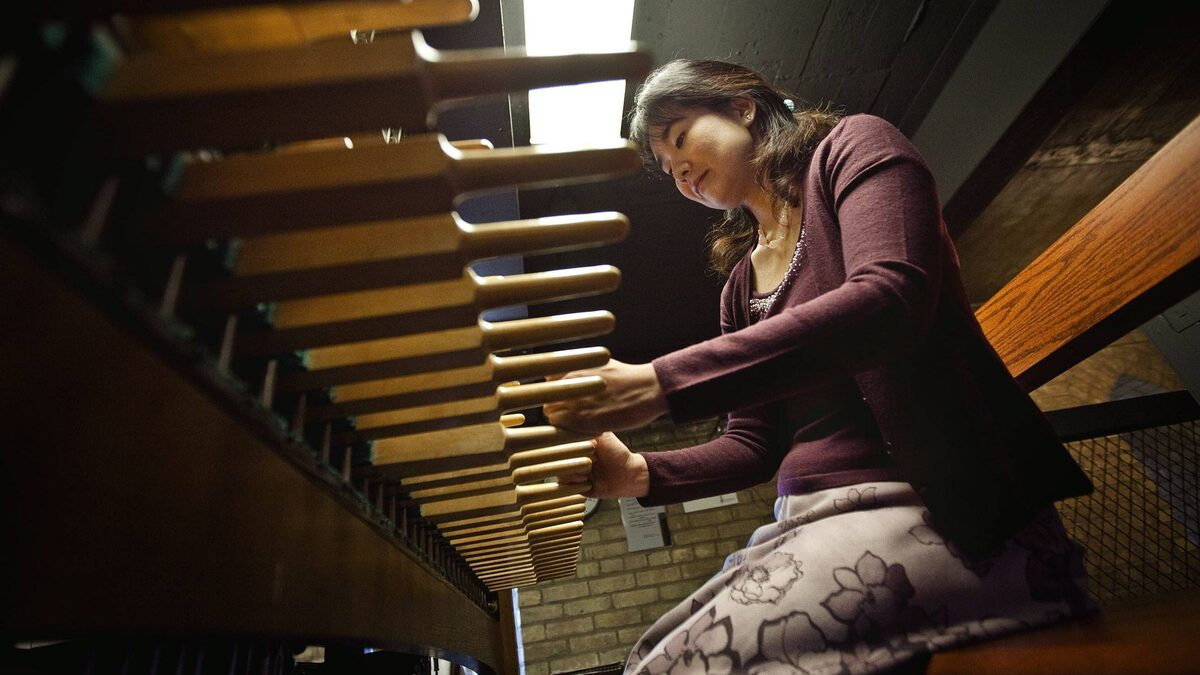
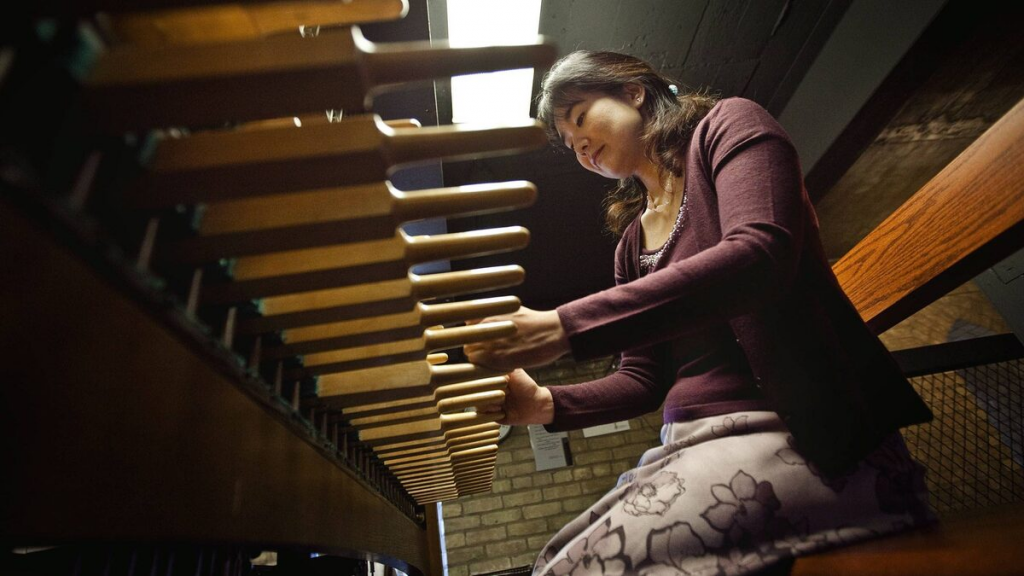
Minako Uchino began her music studies at age 4 in Tokyo and started playing organ in grade 8. She
pursued a medical career, completing her training as a radiation oncologist. In 2009, while studying
medical education at the University of Toronto, Dr. Uchino discovered the carillon at Soldiers’ Tower
and began studying under Roy Lee.

She has played recitals in Toronto, Ottawa, and Japan, including for the 150th Anniversary of Friendship between Japan and Belgium recital at the Belgian Embassy of Tokyo in 2017. In 2019, she became the first Japanese member of the Guild of Carillonneurs in North America. Since 2022, Dr. Uchino has studied carillon, organ and figured base full-time at Carleton University in Ottawa. She is currently at the Royal Carillon School in Belgium, pursuing her passion for music.

“Flying in the Sky” composed by Koichi Sugiyama.
“Flying in the Sky” is the song played during the flying scenes in the game “Dragon Quest.”
This piece was arranged for performance on a glockenspiel and recorder.
This piece was performed at Carillon Day (Beiarddag) in May 2024 in Mechelen with Japanese recorder player Gosuke Nozaki.
Please excuse the poor camera position, as only the glockenspiel is captured…
(I’m truly sorry, Mr. Nozaki.)
A musette piece entitled “Carillon” was performed by an ensemble consisting of a real carillon and musette.
Musette: Gosuke Nozaki; Glockenspiel: Minako Uchino
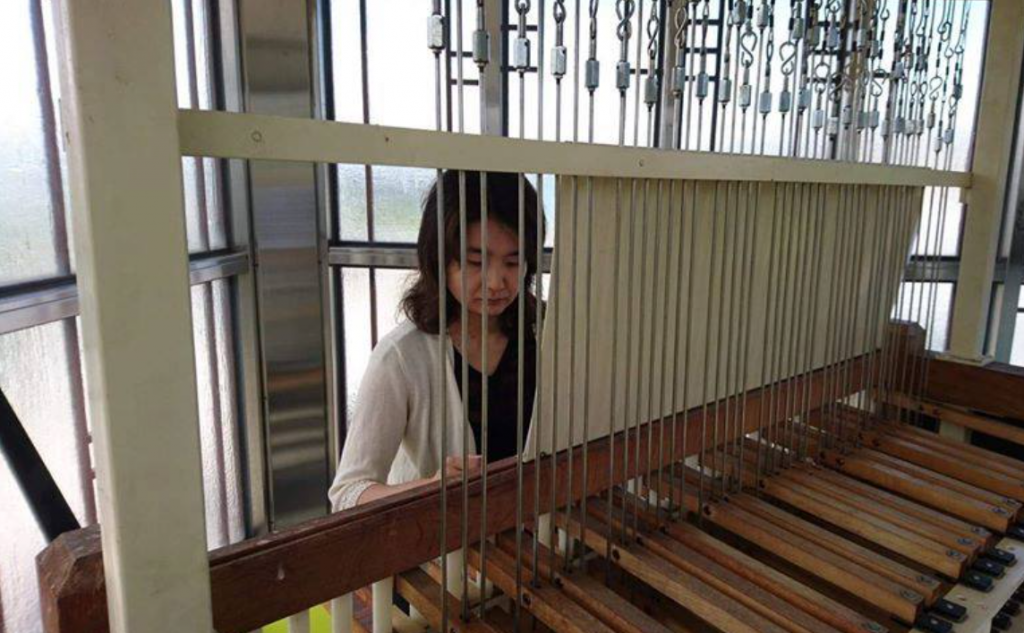
“Furusato” is one of the most popular songs from the Japanese children’s songbook. Performed by GCNA member Minako Uchino in Itami, Japan.

https://www.facebook.com/minako.uchino.3

https://www.linkedin.com/in/minakouchinomd

https://www.youtube.com/@beiaard_jp/featured

https://www.theglobeandmail.com/news/national/for-remembrance-day-a-tower-of-song/article4182456


  • -

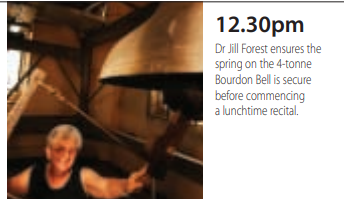
Jill Forest

Alongside her medical work, in 1978 Jill Forrest was appointed an Honorary Carillonist. In 1993 she was
appointed University Carillonist through to her retirement in 2010. In this position Jill Forrest and the carillon
have brought great prestige to the University.
The War Memorial Carillon is the ceremonial voice of the University of Sydney, the only University in
Australia to have such a splendid asset. It is played to celebrate festive occasions and to dignify solemn
occasions and serves all faculties and organisations of the University. Jill Forrest has treasured the carillon
and with distinction, made an outstanding contribution in her role as the University Carillonist. She is a highly
accomplished performer and has represented Australia at International Carillon Festivals in Europe and
America.
During her tenure she played the carillon for well over a hundred graduations, Sunday recitals and festive
occasions each year. She has maintained the fabric of the carillon, bell chamber and clavier at world
standards and fostered strong links between the University and all other countries with carillons. She also
founded and donated a library of carillon music, with the latest annual publications. She has published,
edited, arranged and composed a vast quantity of high quality carillon music, and has educated carillonists
to world standards, thus ensuring Australian carillonists for the future. She has hosted international
carillonists all of whom have been immensely impressed with the instrument and the art of carillon in
Australia. In addition, as Honorary Consultant to the Bathurst Council, she has advised on refurbishment and
upgrading of the Bathurst War Memorial Carillon. Her dedication to Medicine and Music for over 50 years
was recognised in 2011 by the Award of Member of the Order of Australia (AM).
Chancellor, I present Consultant Physician Emeritus and Emeritus University Carillonist Dr Jill Forrest AM
and invite you to confer the title of Honorary Fellow of the University upon her.

Full article from Sydney University as pdf

Interview: Katherine Connolly talks to Jill Forest, University Carillonist

So what exactly is a Carillon and how does it work?
Carillons are the largest musical instruments in existence. They consist of at least two chromatic octaves of tuned bells, made from an alloy of 80% copper and 20% tin, which sound when struck by internal clappers of soft iron. The Sydney carillon contains 54 bells (4 ½ octaves) that are hung in the clock tower in the main quadrangle. The bells are fixed in position; their clappers are connected by wires to a large keyboard in the room below the belfry. When the clapper strikes the inside of the bell, the bell’s diameter determines the frequency of the fundamental note. A number of overtones also sound, including the minor third; these add richness to the sound. The instrument is played from a keyboard of manual batons and pedals.

How did you get to become the University Carillonist?

In its early years, the carillon was played by a number of honorary carillonists. In 1944 John Douglas Gordon was appointed the first University Carillonist, a position that he held until his death in 1991. He taught me to play, and in 1978 I passed an exam and joined the group of enthusiasts who assisted him as Honorary Carillonists. Later I studied carillon in New Zealand and Holland. When John died senior Honorary Carillonist, Dr Reginald Walker, took over for a year, during which time auditions and interviews took place and I was fortunate enough to be appointed to the position.

What’s the history of the University’s Carillon?

The University of Sydney War Memorial Carillon commemorates the 197 undergraduates, graduates and staff who died in World War I. It was paid for by private subscription both inside and outside the university, and was dedicated on Anzac Day 25 April 1928. The original bells were cast in England by the famous bellfoundry of John Taylor and Co. of Loughborough, Leicestershire. In 1973, the Taylors recast the top bells, and in 2003 the top 33 treble bells were replaced by Whitechapel of London, the bellfoundry that cast Big Ben.

Is it difficult for players to access the Carillon to practice?

Yes, this certainly restricts the number of students. The Environmental Protection Act precludes playing the bells themselves before 8 am (if we were a chainsaw we could start at 7 am!), and of course during working hours and lectures they could be a distraction. So if you are jogging in the morning between 8 and 8.45 am, or in the evenings and weekends when there are no other functions in the vicinity, someone will be practicing.

What is the best time and place to hear the Carillon being played?

There are free recitals every Sunday afternoon at 2 pm, and every Tuesday at 1 pm, except when there are exams in the vicinity. However, to hear the bells at their joyful best one should listen on the front lawns or in the main quadrangle before and after each of the University graduation ceremonies because then, as the Ceremonial Voice of the University, the bells will rejoice with you.


  • -

Ippolyt Guarinoni

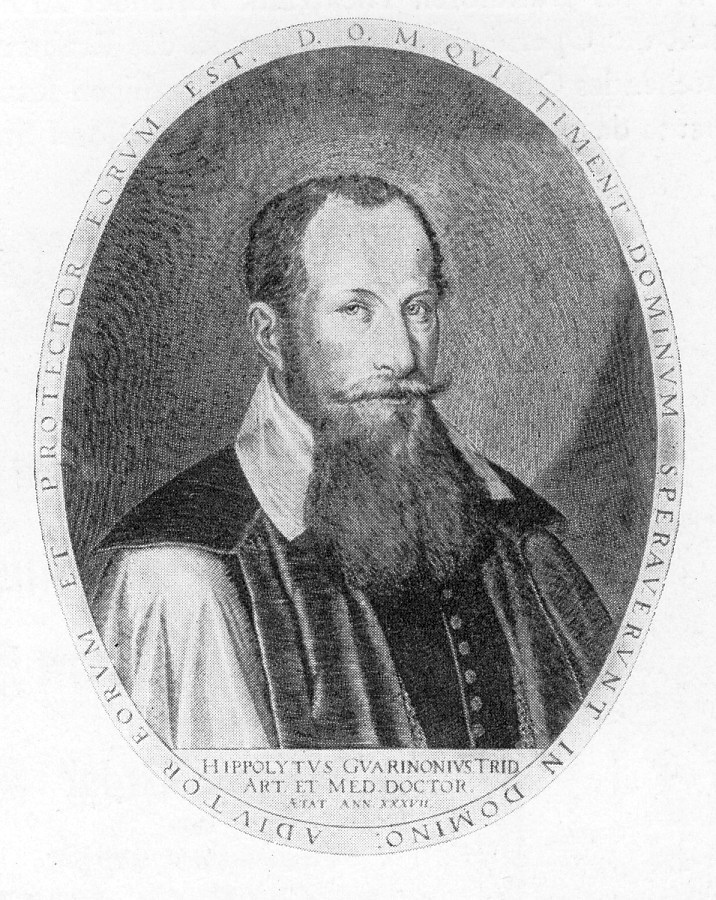
Hippolyt Guarinoni (also Ippolito Guarinoni and Hippolytus Guarinonius) (November 18, 1571 in Trento – May 31, 1654 in Hall in Tirol) was a physician and polymath who practiced in Hall. As a proponent of militant Catholicism, he was instrumental in the construction of St. Charles’s Church in Volders and founded the anti-Semitic Anderl von Rinn cult.

Hippolytus spent his childhood in Trento. He later moved with his father to Vienna and finally followed him to the court of Emperor Rudolf II in Prague in 1583, where he received a thorough and comprehensive education at the Jesuit Gymnasium there. The Jesuit education left a lasting impression on the inquisitive young man. From 1593 to 1597, Guarinoni studied medicine at the University of Padua; he also attended lectures in theology and philosophy.

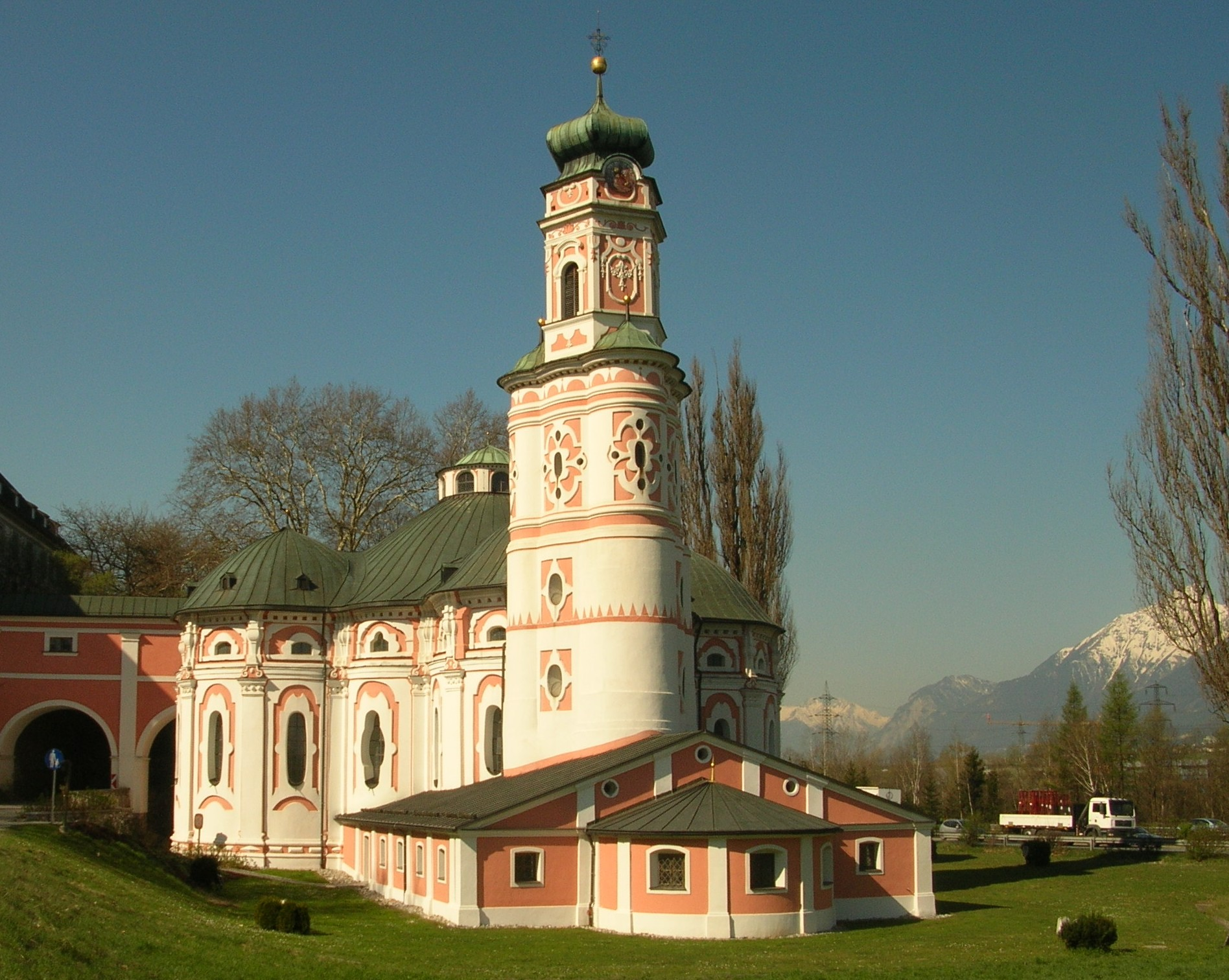
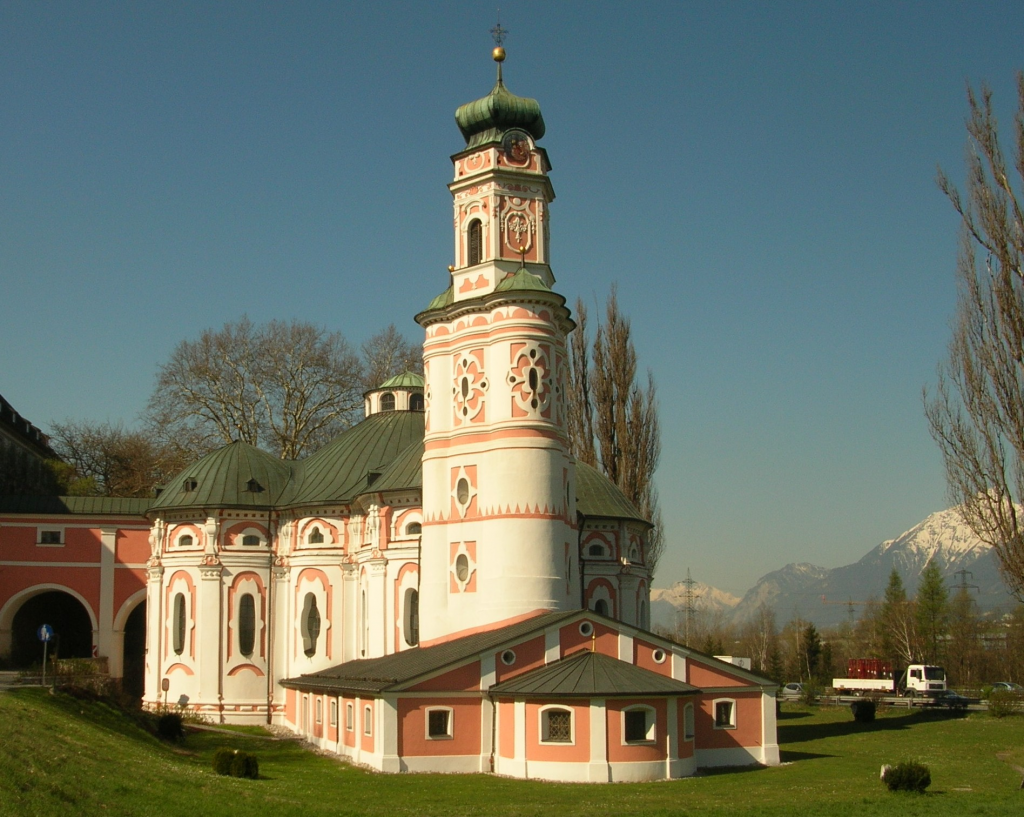
An outward symbol of Guarinoni’s religious zeal is St. Charles’s Church in Volders, which he had built according to his plans using his considerable fortune. The almost oriental-looking church – art historians describe its style as “Venetian Baroque” – is one of the most remarkable sacred buildings in Tyrol. Construction, whose floor plan is modeled on St. Peter’s Basilica in Rome, had to be repeatedly interrupted due to Guarinoni’s financial difficulties and was therefore only consecrated on July 25, 1654, 34 years after the laying of the foundation stone on April 2, 1620. Guarinoni did not live to see this joyous day, having died in Hall two months before the consecration. St. Charles’s Church also became his burial place. In front of the steps of the Epiphany Altar, a white marble plaque bearing the founder’s coat of arms indicates that Guarinoni, his wife, and two of his sons were laid to rest here, according to his last will.

Guarinoni also commissioned the construction of the chapel on the Stiftsalm in the Voldertal Valley and the Borgia Chapel in Volderwald (Tulfes). The chapel at the Volderer Wildbad (Wildbad) burned down several times, so the current building is only indirectly attributable to Guarinoni. Across the Inn Valley, he designed the plan for the Annenkirchlein church in Bad Baumkirchen.

Guarinoni is known in Tyrol not only for his architectural work, but even more so for his medical, religious, and rhetorical writings.

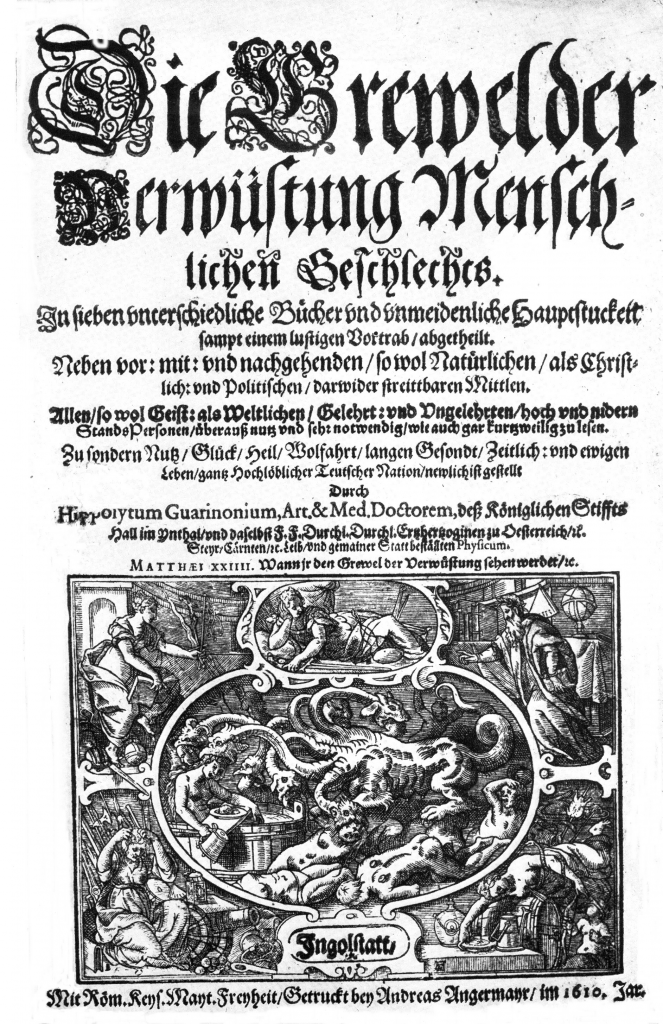
His most important work is Grewel der Verwüstung Menschenrechte (The Devastation of Human Sex), published in Ingolstadt in 1610. It is a voluminous tome whose prolixity in form and content defies clear classification. Among other things, Guarinoni deals with the following subjects in this work: “Doctor and Apothecary, Dück der Weiber. Dawung (digestion), Ebene (plains) and Birg (mountains), Eaters and Drinkers, English Comedians, Calendaric Foolishness, Anecdotes from Eulenspiegel, Foxtails, The Fencing Schools. Dog Law among the Germans, Jews and Heretics Like to Eat Meat. Praise of the Old Wives. Hymns of the Gerhaben (guardians), Marx and Lucas Brothers, Mill and Miller Fraud. The Nature of Geese and Women. Noodles and Plenten, Peasants’ Food. Predicants, Freßdeckanten, etc.” Guarinoni’s Grewel is also a treasure trove for German linguistics, especially for unusual provincial expressions, as it is a not inconsiderable source of provincial references of all kinds, rich in both genuine German proverbs and sayings, allusions, and similes.

The Botanist

A herbarium created by Guarinoni, which has been in the possession of the Ferdinandeum State Museum since 1876 through a donation from Wilten Abbey, is one of the oldest collections of its kind in Central Europe. Created between 1610 and 1630 in book form with a wooden cover and beveled edges, the collection begins with a 13-page Latin-German index and contains 633 pasted plants collected in the vicinity of Innsbruck on 106 pages.

https://en.wikipedia.org/wiki/Hippolytus_Guarinonius


  • -

Zdeněk Kostrouch

MUDr. Zdeněk Kostrouch
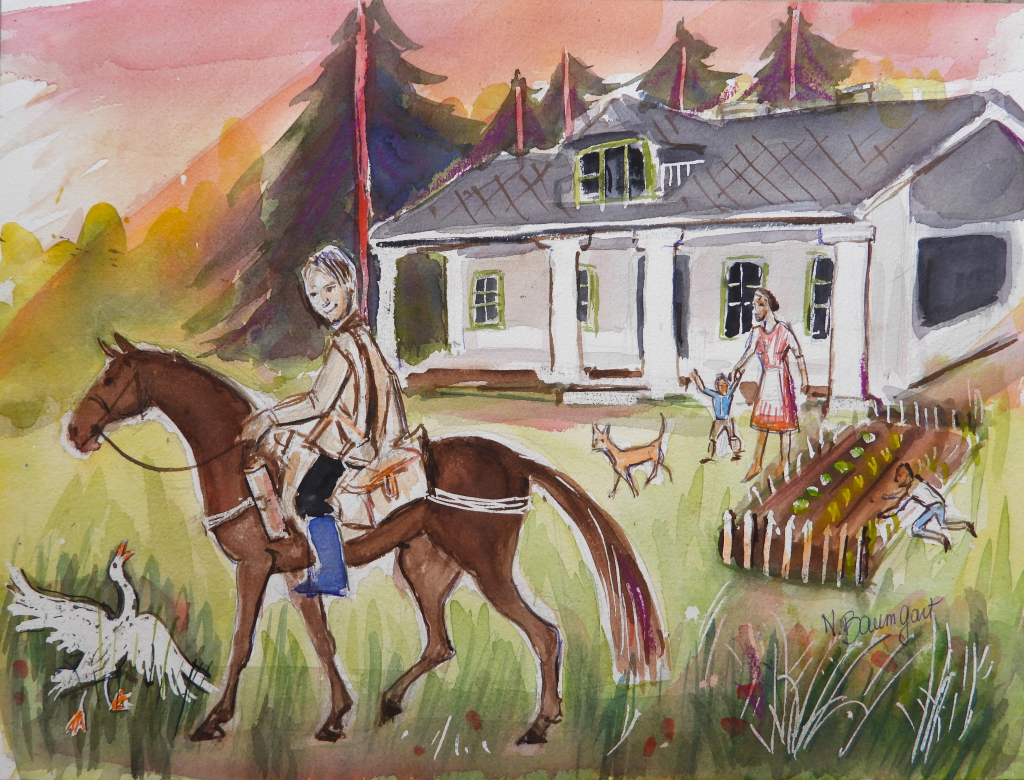
The Doctor on a Horse – A True Legend in the Bohemian Forest – Watercolor – Illustration

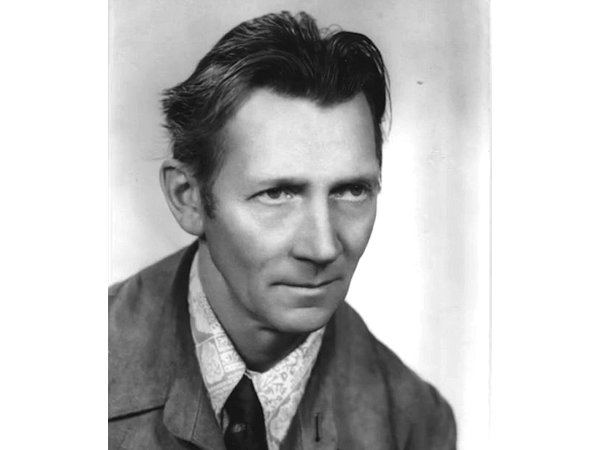
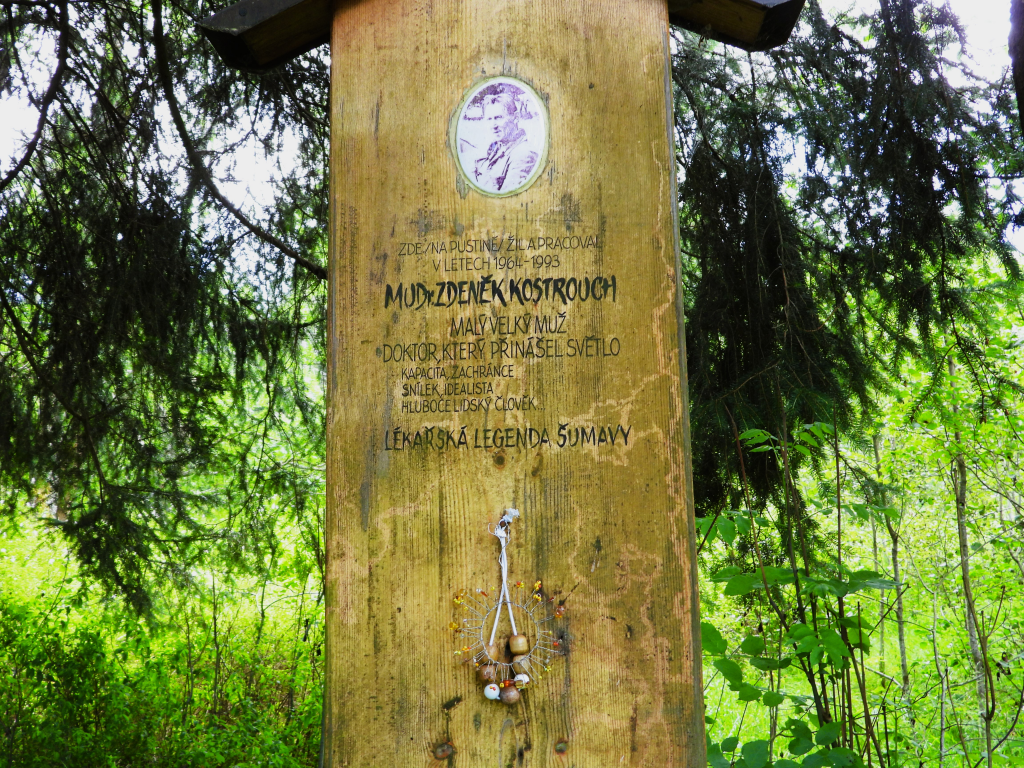
MD Zdeněk Kostrouch was a unique figure in the Bohemian Forest and was also called the “doctor on horseback.” From 1964 to 1993, he lived in Hájenko Pustina. Kostrouch originally wanted to go to Africa as a doctor, but ultimately stayed in the Bohemian Forest. He himself recounted how he came to own the horse: “I had an old piccolo flute that I always rode to patients with, and I always had two spare horses with me in case we got stuck. One day, they said to me, ‘Look, Doctor, you have a horse over there. Whisper in his ear that you want to go to Záluží, and he will take you there.’ The horse was then sold to me for 520 crowns, and I learned that horses can be driven easily in the Bohemian Forest.” The doctor recounted his first encounter with the Hermitage: “In the 1950s, I was driving from Hartmanice to Kašperské Hory and saw a column of smoke in my rearview mirror. A flash of lightning and it was gone. The Hermitage was then overgrown with nettles.

4CXJ+MXQ Hartmanice, Tschechien

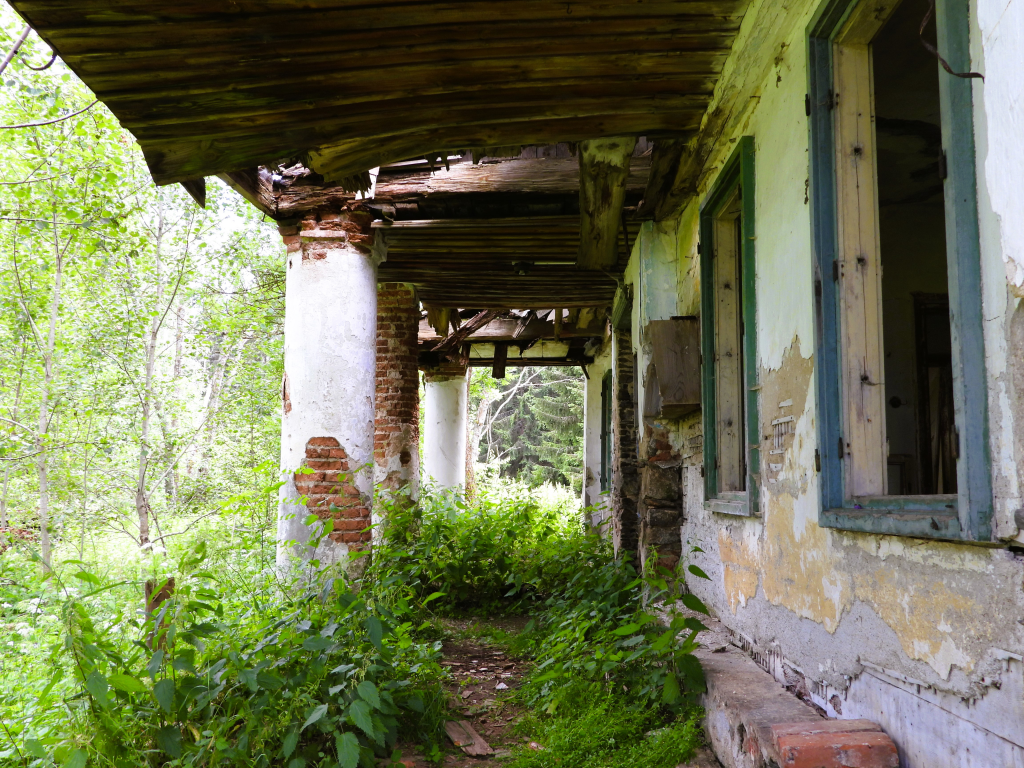
And in the spring of 1964, they wanted to demolish it because it was located in the Dobrá Voda military district. Thanks to my contacts, I was able to prevent the demolition order and moved in myself.” Kostrouch founded a farm in Pustina, established a library, and furnished one of the rooms with antique furniture. Since transport to his practice in Hartmanice was very difficult, especially in winter, Dr. Kostrouch owned horses, which he also used to transport patients. His sons also used horses. His first wife was MUDr. Helena Kostrouchová – a doctor in Kašperské Hory. She was the daughter of Ottla Davidová (Kafková), the sister of the writer Franz Kafka. Her sister, Věra Saudková, was the editor of Lidové noviny and the Odeon and Svoboda publishing houses. His retirement and his second marriage proved fatal for the famous doctor. After his death, everything was taken away or grew moldy. Within a few years, the farmstead fell into complete disrepair. A memorial plaque near the forester’s lodge commemorates his stay in Pustina, with the text: “Here in Pustina he lived and worked from 1964 to 1993, MUDr. Zdeněk Kostrouch, a small, great man, a doctor who brings light and ability, a savior, a dreamer, an idealist, a deeply human being… A medical legend of the Bohemian Forest.”

https://www.sumava.cz/rozcestnik/kultura-a-pamatky/osobnosti/kostrouch-zdenek-mudr


  • -

Stephanie Arndt

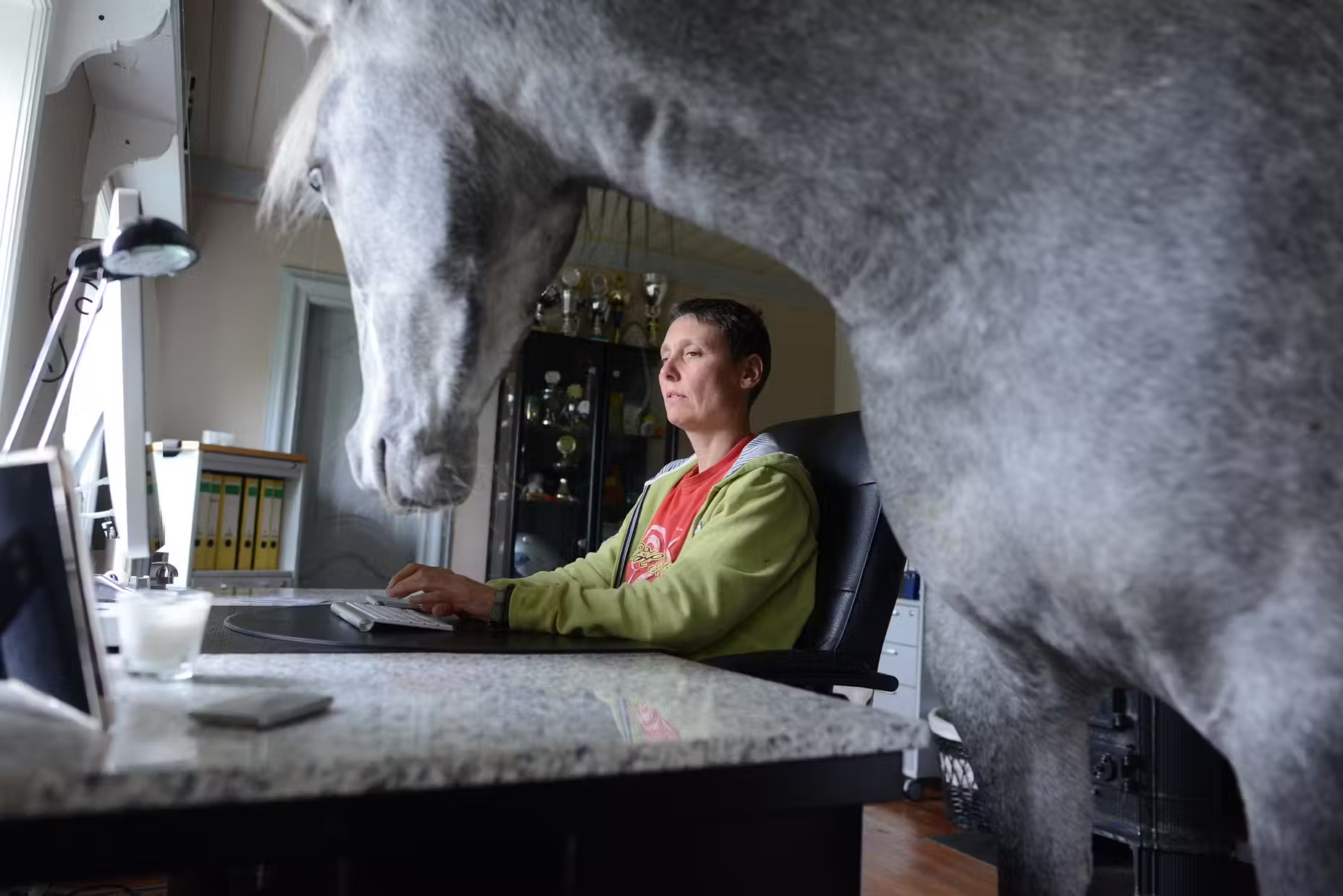
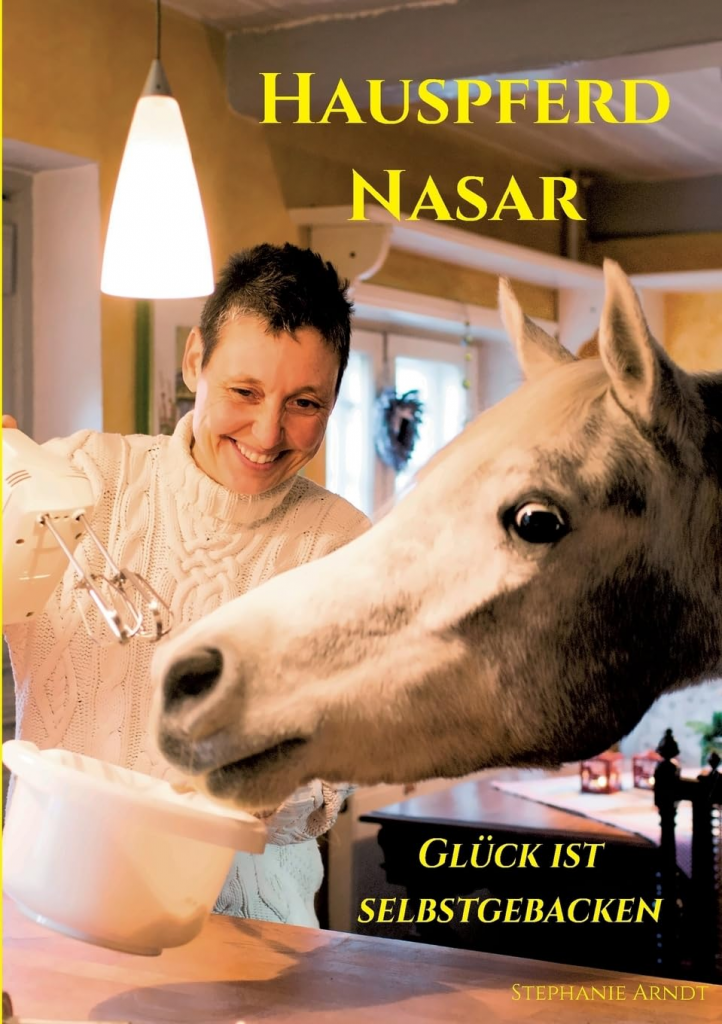
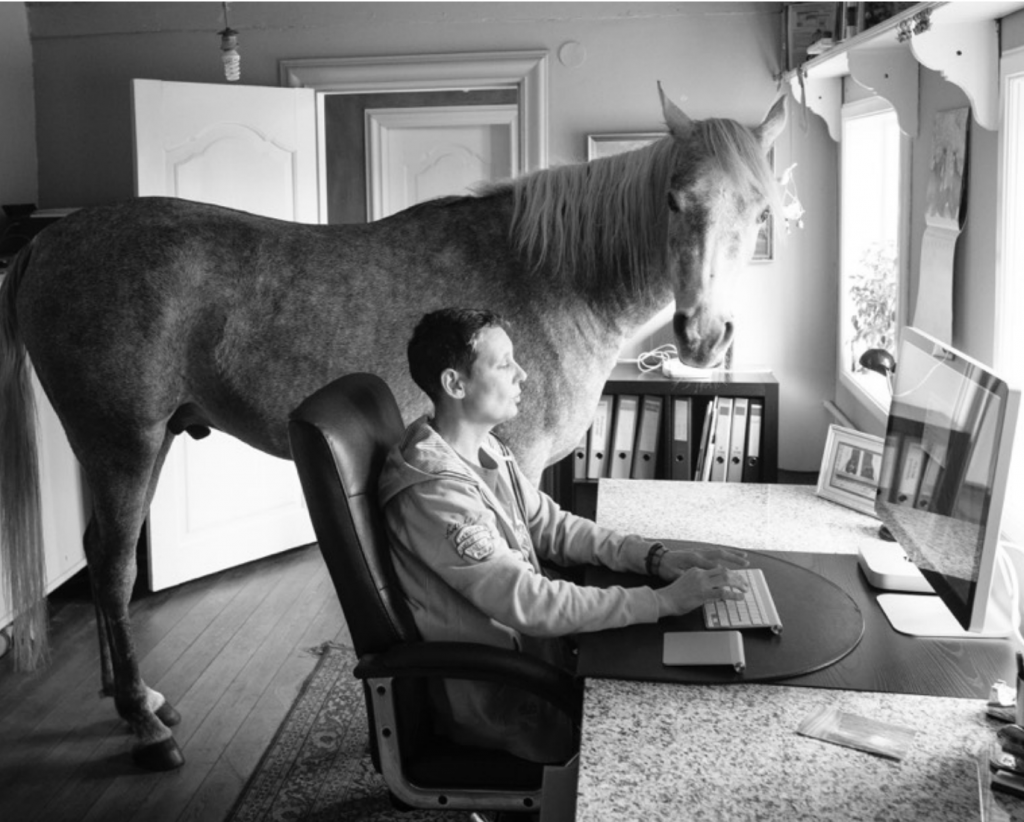
Stephanie Arndt studied human medicine, economics, and criminology. She was an officer in the German Armed Forces, a top athlete who participated in six world championships, and has lived in a shared house with her horse, Nasar, since Hurricane Xaver in December 2013. As the Pippi Longstocking of the 21st century – nonconformist, unconventional, self-sufficient – ​​Stephanie Arndt embodies the dream of an independent life, opens hearts, and enables fantasies and dreams. For young and old.

https://www.youtube.com/@HauspferdNasarNASARLAND/videos

https://nasar.land

https://shop.tredition.com/booktitle/Hauspferd_Nasar_-_Gl%3fck_ist_selbstgebacken/W-1_81964


  • -

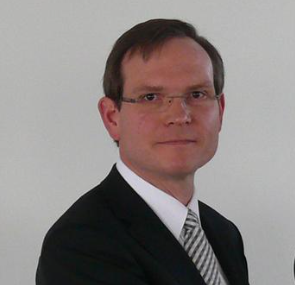
Olaf Zenner

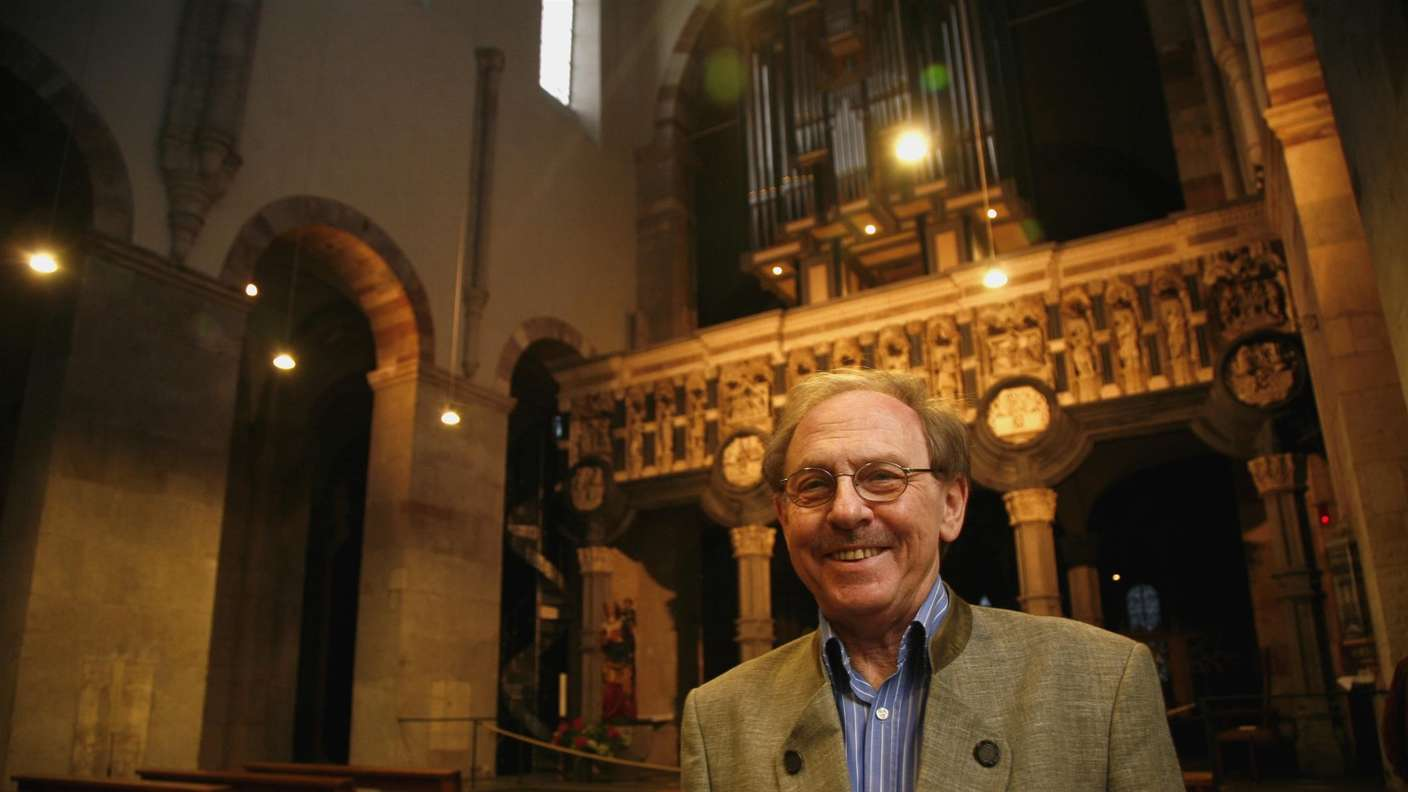
From the beginning of my medical studies, I had the desire to dedicate myself to both medicine and music. However, during my medical studies, I lacked the time for regular organ lessons. Therefore, I had no choice but to continue my education self-taught. After passing my medical state examination and receiving my doctorate, I began studying music in Cologne and completed my studies with a concert diploma in organ playing.

Artikel über sein Orgelspiel und seine Kurse.

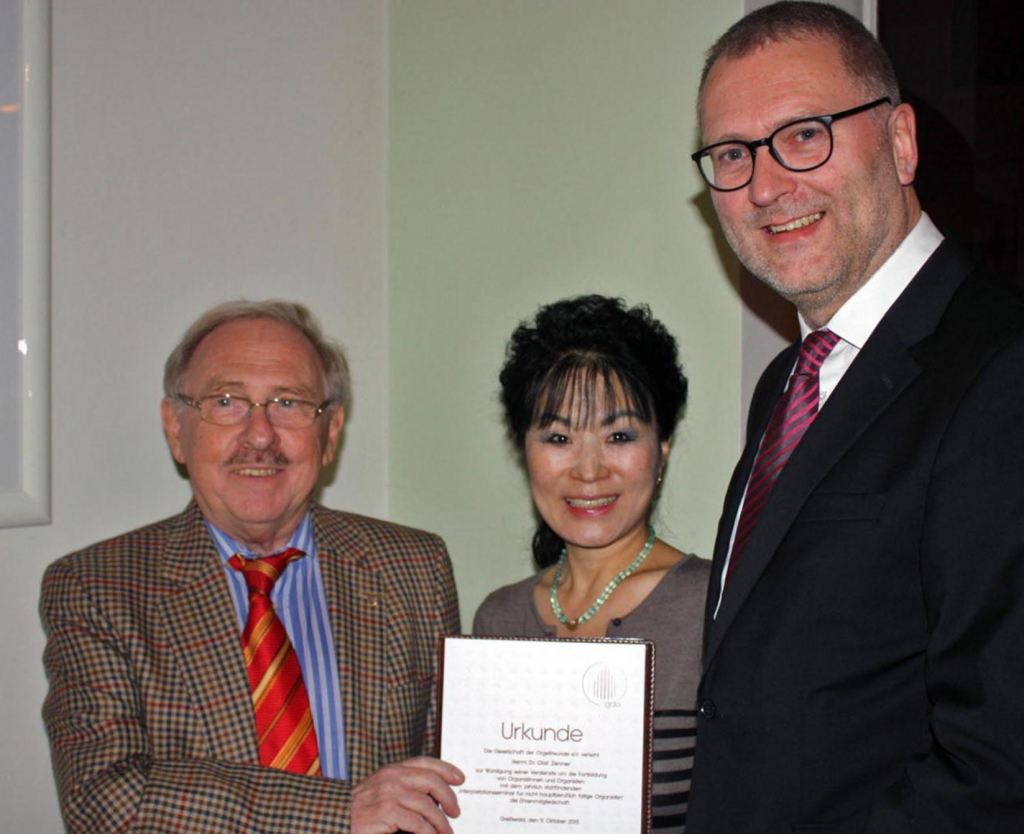
Dr. Olaf Zenner and his wife with the President of the GdO, Prof. Dr. Matthias Schneider, on the occasion of the award of honorary membership of the GdO. (Photo: Roland Behrens)

https://www.gdo.de/aktuelles/aktuelles-detail/dr-olaf-zenner-zum-ehrenmitglied-der-gdo-ernannt

https://www.wp.de/staedte/sundern/article12310006/dr-olaf-zenner-zeigt-umwerfende-spielfreude.html

https://www.wp.de/staedte/sundern/article12290763/bach-werke-erklingen-auf-sauer-orgel.html

http://www.operapoint.com/?page_id=5949


  • -

  • -

Wolfram Hackel

Wolfram Hackel (born April 25, 1942) is a German physician and organ researcher.

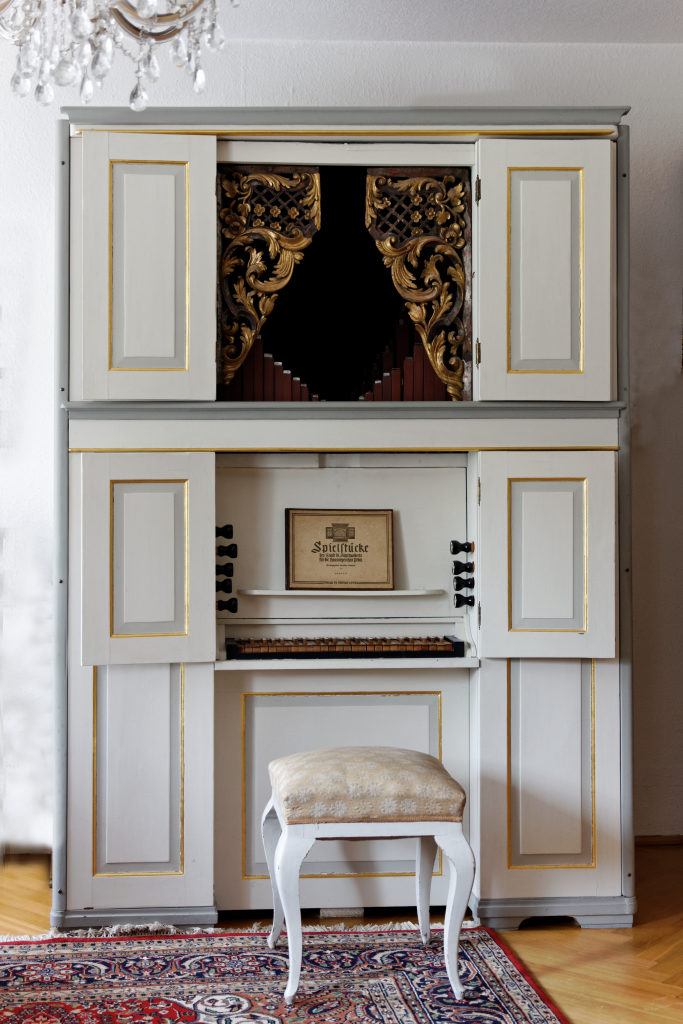
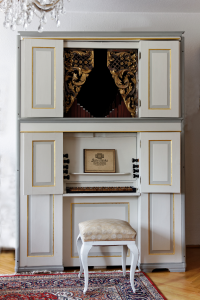
Hausorgel von Dr. Wolfram Hackel in Dresden/Plauen

Wolfram Hackel studied medicine. In 1967, he received his doctorate from the Medical Academy in Dresden. He then ran a urology practice in Dresden-Plauen as a specialist.

Wolfram Hackel has published works on organs and churches since the 1970s. He soon became one of Saxony’s most important organ researchers. Wolfram Hackel is a long-standing member of the Society of Organ Friends.[1] He was a member of its Advisory Committee (1995–1998), Secretary (1998–2003), and a member of its Main Committee (2011–2021).

Artikel über Orgeln in Neuengönna

Artikel über eine Silbermann-Orgel

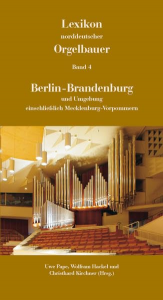
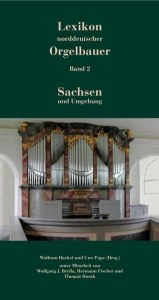
Wolfram Hackel was co-editor of the four-volume Lexicon of North German Organ Builders and published numerous texts on organs and organ builders, especially in Saxony.Wolfram Hackel was co-editor of the four-volume Lexicon of North German Organ Builders and published numerous texts on organs and organ builders, especially in Saxony.

https://de.wikipedia.org/wiki/Wolfram_Hackel

Bücher-Verzeichnis Wolfram Hackel

Funktionsträger bei der GdO Gesellschaft der Orgelfreunde

https://www.maenneraerzte.de/wolframhackel

http://www.pape-verlag.de/autoren.htm

https://persondata.toolforge.org/p/Wolfram_Hackel