Online Casino Ohne Personalausweis: Das bedeutet, dass nun Mac Spieler und andere, die es bevorzugen mithilfe der Flashtechnologie zu spielen, können nun die gesamte Spielerfahrung des Casinos erleben.
Roulette Kostenlos Spielen Ohne Download - Andere Teams nutzen die zusätzlichen Widrigkeiten von Roadtrips als Chance, sich als Einheit zu konzentrieren und zu binden und manchmal sogar auswärts besser zu spielen als vor ihren eigenen Fans.
Online Casino 15 Euro Bonus Ohne Einzahlung: Da es nur eine einzige Null auf dem Rad gibt, hat europäisches Roulette einen niedrigeren Hausvorteil als amerikanisches Roulette.
Das zeigt schon die zweite Grundregel, laut der gute Starthände eine Zwei enthalten.
Wenn drei oder noch ein paar mehr dieser Symbole auf dem Bildschirm erscheinen, erhalten Sie kostenlose Bonusfunktionen, die für diesen speziellen Slot im Grunde zwei sind.
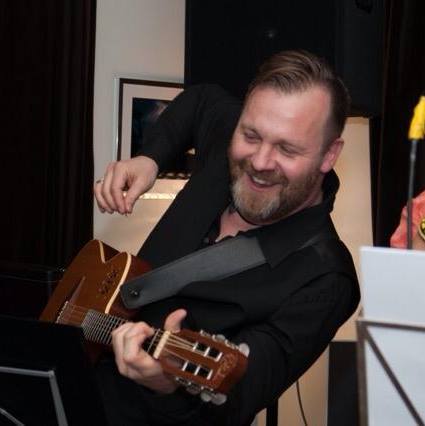
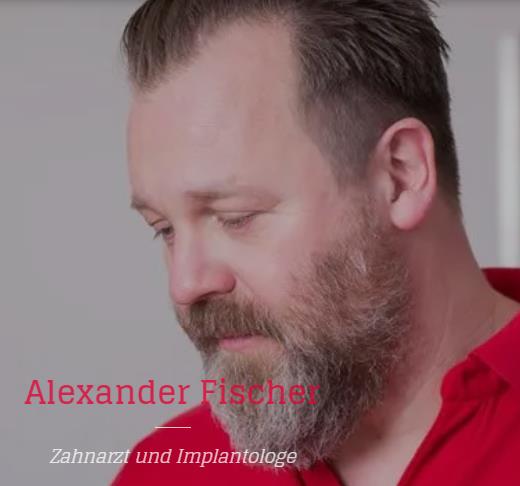
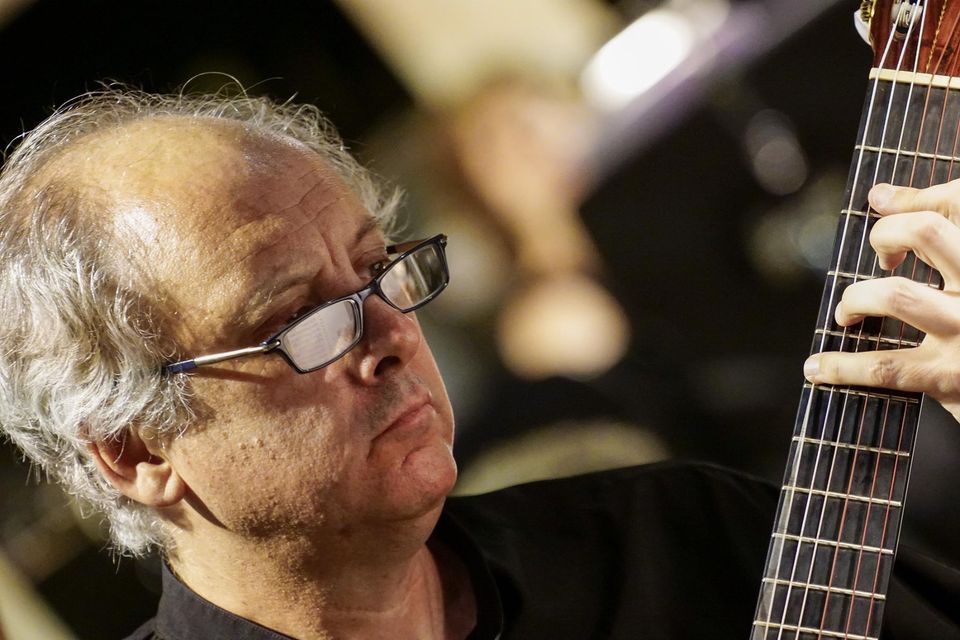
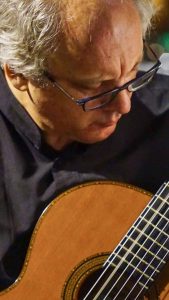
Alexander Fischer is born in Lindlar / Nordrhein Westfalen in 1967. Since 2008 he is married with Heike Fischer and they got a daughter in 2011.
After teeth his second big passion is the guitar and rock music. He is one of five members of the rock band Zenobia which was founded in 1993 and has published two CDs.
He writes to Wolfgang: “Apart from dental medicine my heart belongs to music! I play the guitar for decades now and compose since I am 10 and have a wonderful band playing old fashioned music in the style of Genesis, Yes, King Crimson and Pink Floyd – without a lot of success! 🙂 see www.zenobia-music.de (founded 1993, 2 CDs).
I collect guitars (last estimates: 22) and an old sports car from Stuttgart…. Let´s make friends here and have a coffee together!”
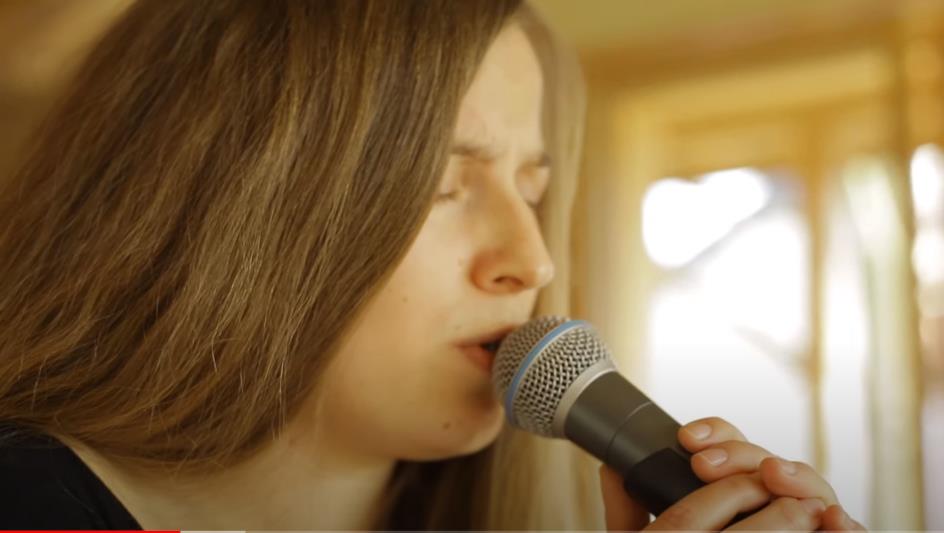
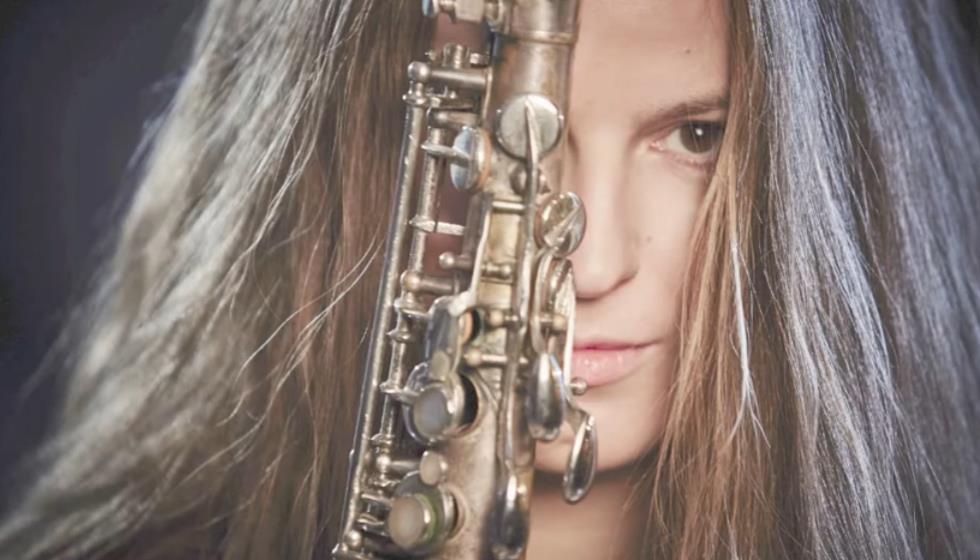
Jadźka Kłapa is a polish MD, jazz singer and saxophone player. She composes her own songs and accompanies herself on the Wurlitzer piano.
A tongue-in-cheek song that opens the album “Point Styku”. “Get Up” was created as a reaction to the fatigue of medical work. Responsibility, patterns, duties, who doesn’t want to be freed from their yoke every now and then? No wonder the stethoscope is a symbol of the song – it was created during one of my first hospital internships. I was a newly minted doctor who had just graduated from college. At the beginning of this journey, I was not convinced that I was in the right place and at the right time. I felt lost, wandering in the fog and struggling to survive. One day when my alarm went off early in the morning, I didn’t get up. Instead, I slept sweetly, dozed, dreamed, was silent and… wrote a song about it. In the morning no one noticed my absence, so you could say I got away scot-free. In addition to my vocals and saxophone, the recording features Paweł Zarecki on Steinway piano, Hammond, Moog, Maciek Szczyciński on double bass, Paweł Dobrowolski on drums and guest Mateusz Smoczyński on violin.
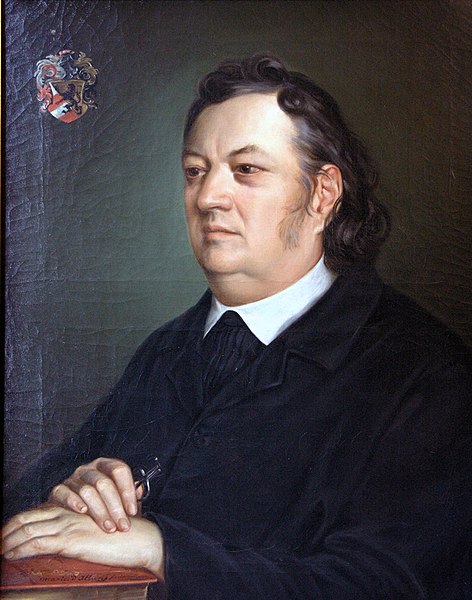
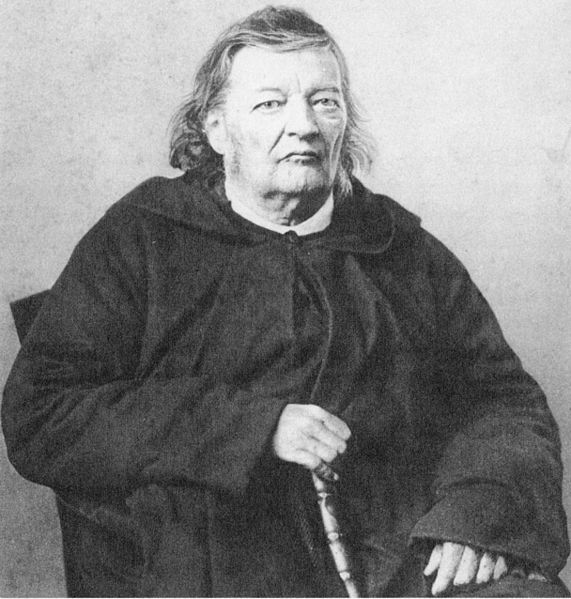
Justinus Andreas Christian Kerner (18 September 1786, in Ludwigsburg, Baden-Württemberg, Germany – 21 February 1862, in Weinsberg, Baden-Württemberg) was a German poet, practicing physician, and medical writer. He gave the first detailed description of botulism.
In Bilderbuch aus meiner Knabenzeit, Kerner recalls George Rapp‘s visits to his father, the Oberamtmann at Maulbronn. Kerner’s father had helped shield Rapp from religious prosecution by the authorities in Germany, and Kerner well remembered Rapp and his long black beard.[1] George Rapp and his followers eventually left Germany in 1803, settled in the United States, and started the Harmony Society. Die Seherin von Prevorst and its tale about Kerner’s relationship with Friederike Hauffe — the latter reputed to have visionary and healing powers, and who had produced a strange ‘inner’ language containing Hebrew-like elements — made quite an impression among the members of the Harmony Society in 1829, who saw it as confirmation of the approaching millennium and of their religious views.[2]
Robert Schumann set Kerner’s poems in his Opus 35, 12 Gedichte von Justinus Kerner, composed in 1840 and dedicated to “Dr. Friedrich Weber in London.” Schumann called the set a Liederreihe, or “row of songs.”
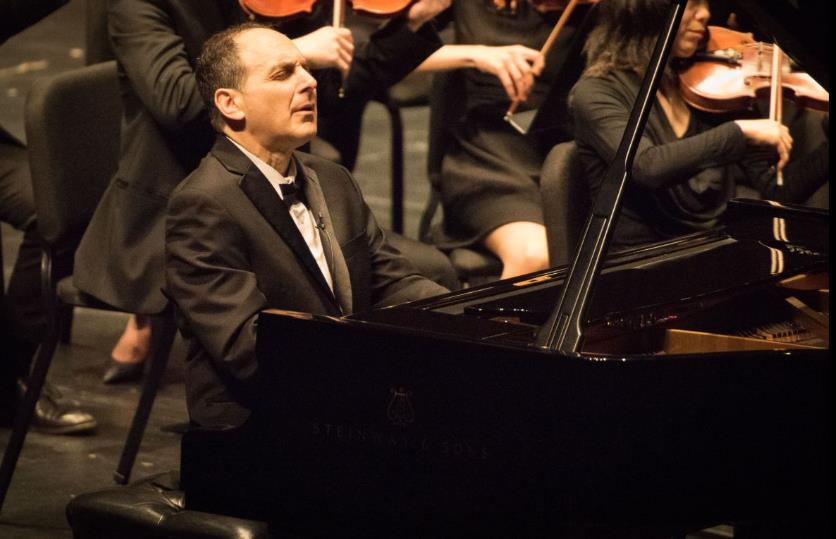
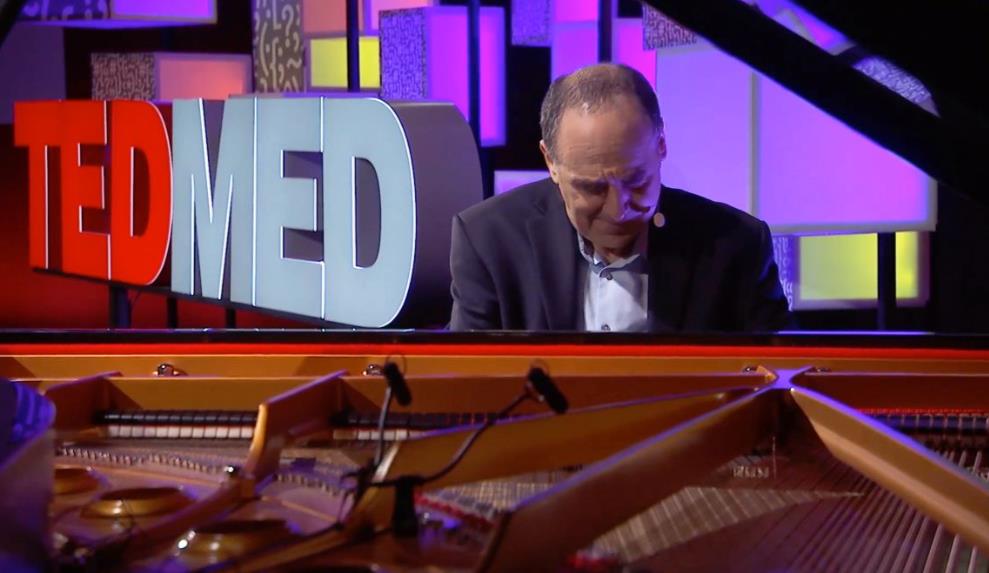
Richard Kogan has a distinguished career both as a psychiatrist and as a concert pianist. Clinical Professor of Psychiatry at Weill Cornell Medical College and Artistic Director of the Weill Cornell Music and Medicine Program, he has been praised for his “exquisite playing” by the New York Times, and the Boston Globe wrote that “Kogan has somehow managed to excel at the world’s two most demanding professions.”
Dr. Kogan has gained renown for his lecture/concerts that explore the role of music in healing and the influence of psychological forces and psychiatric illness on the creative output of the great composers. A master storyteller, he has captivated audiences at medical conferences, music festivals, universities and scholarly symposia throughout the world. He has been the recipient of numerous honors and awards in both psychiatry and the arts.
Dr. Kogan is a graduate of the Juilliard School of Music Pre-College, Harvard College, and Harvard Medical School. He has a private practice of psychiatry and lives in New York City.
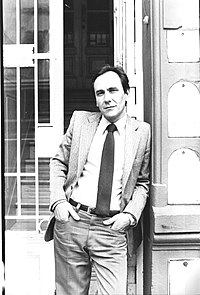
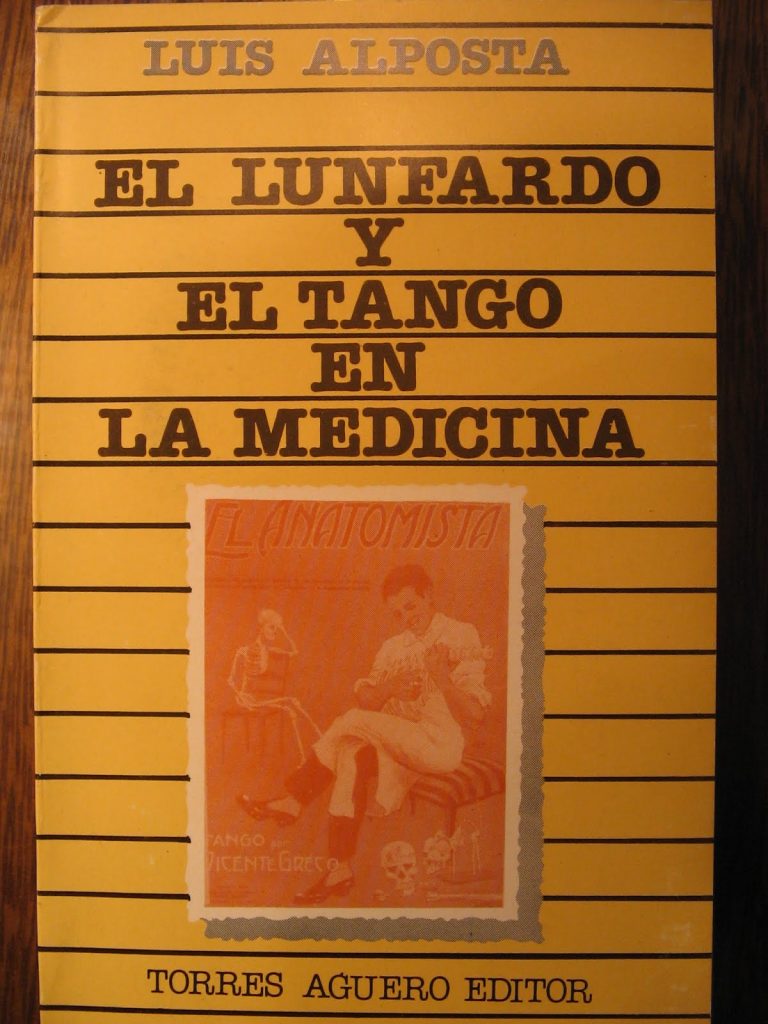
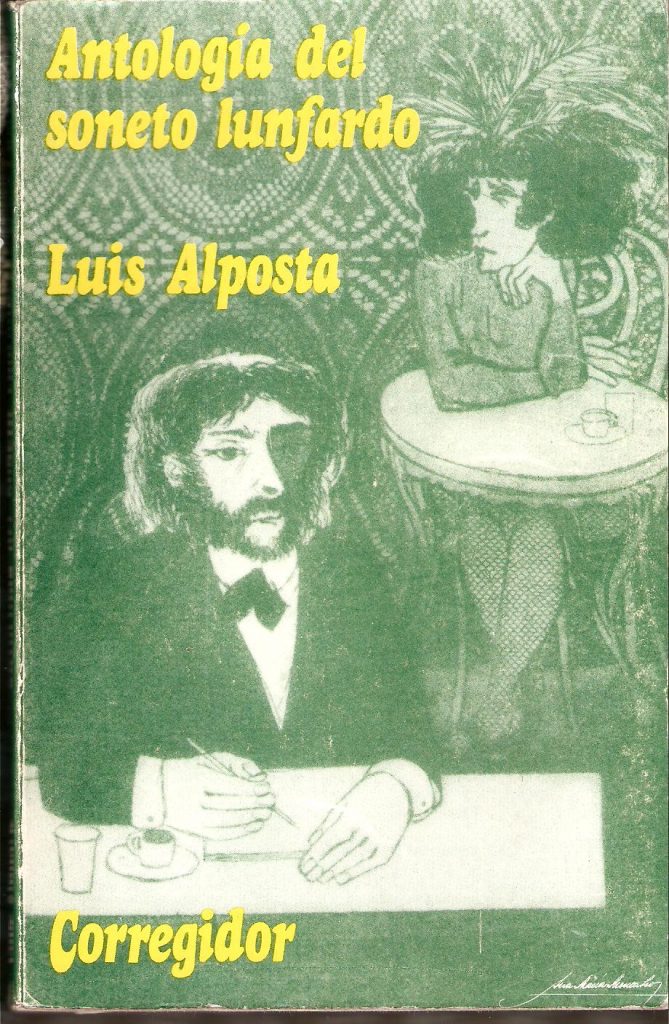
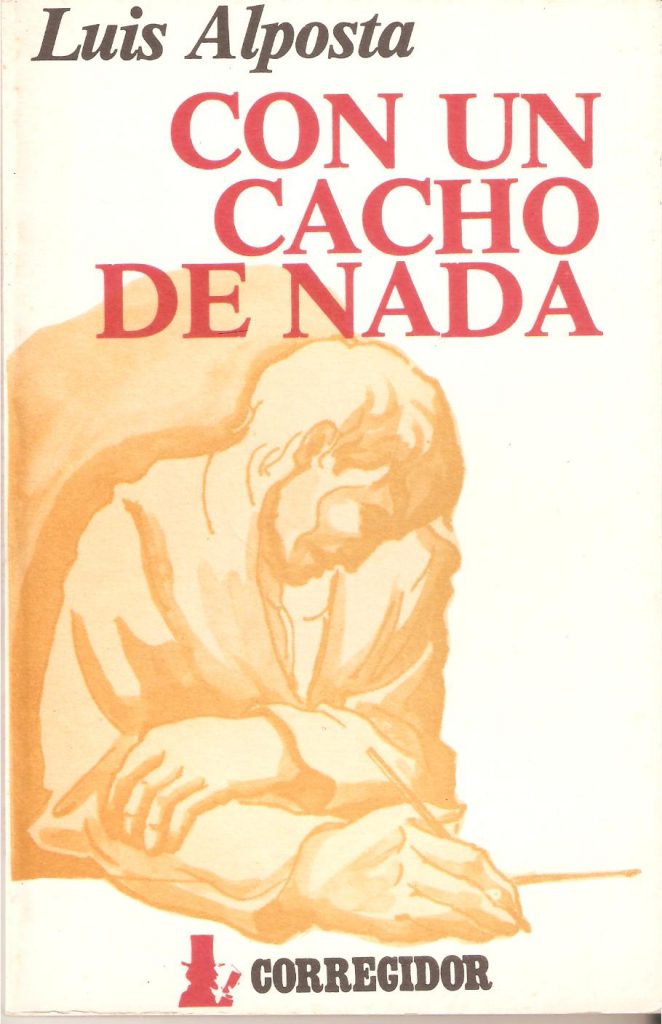
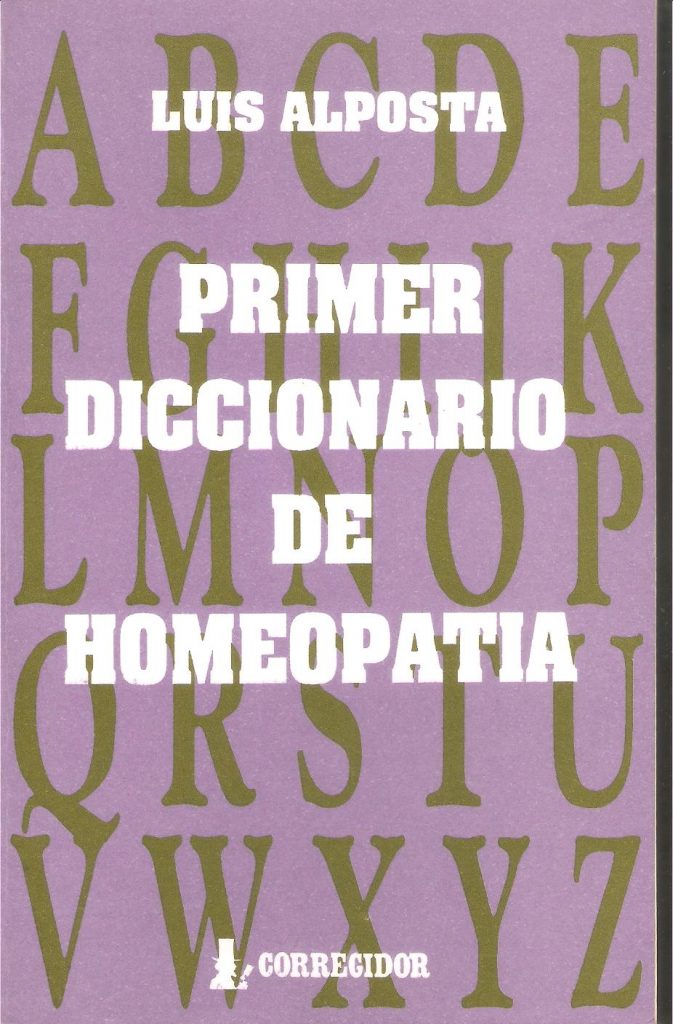
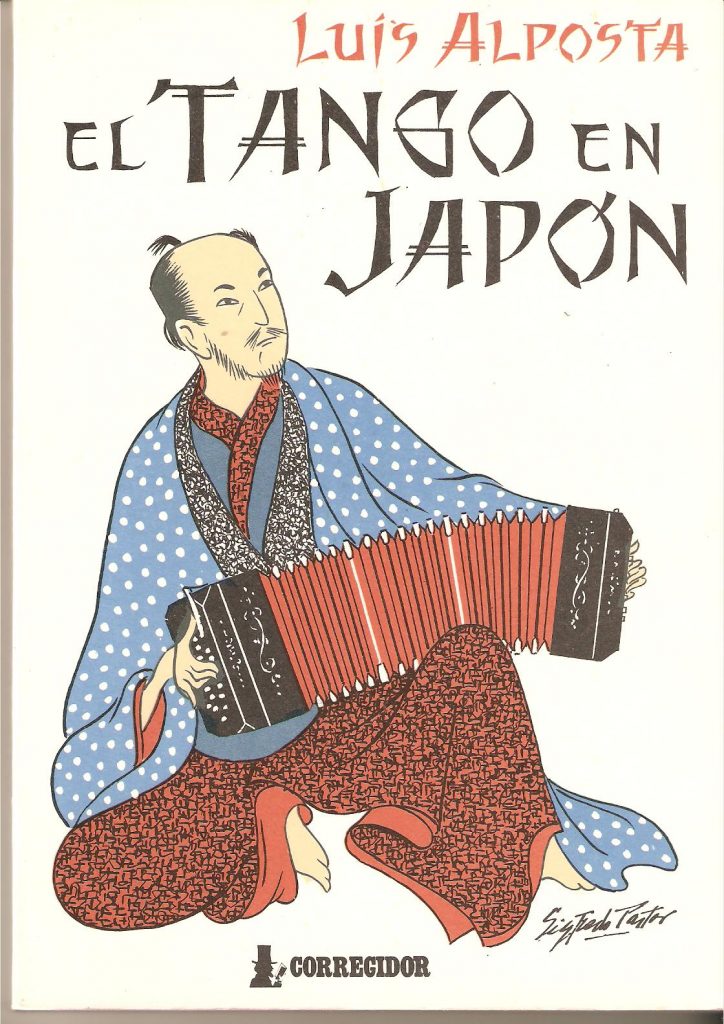
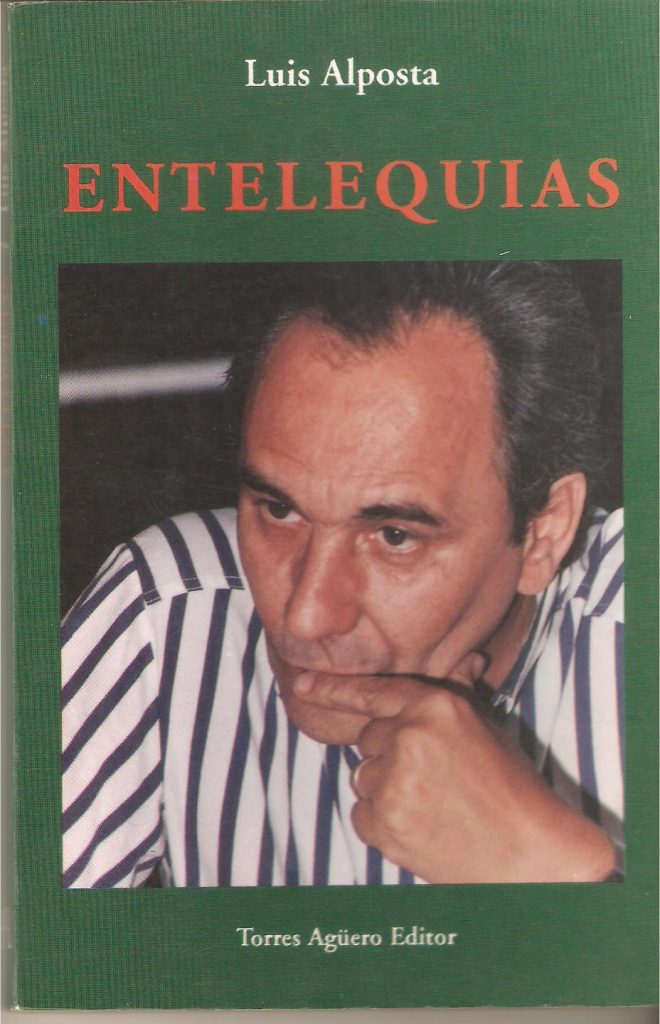
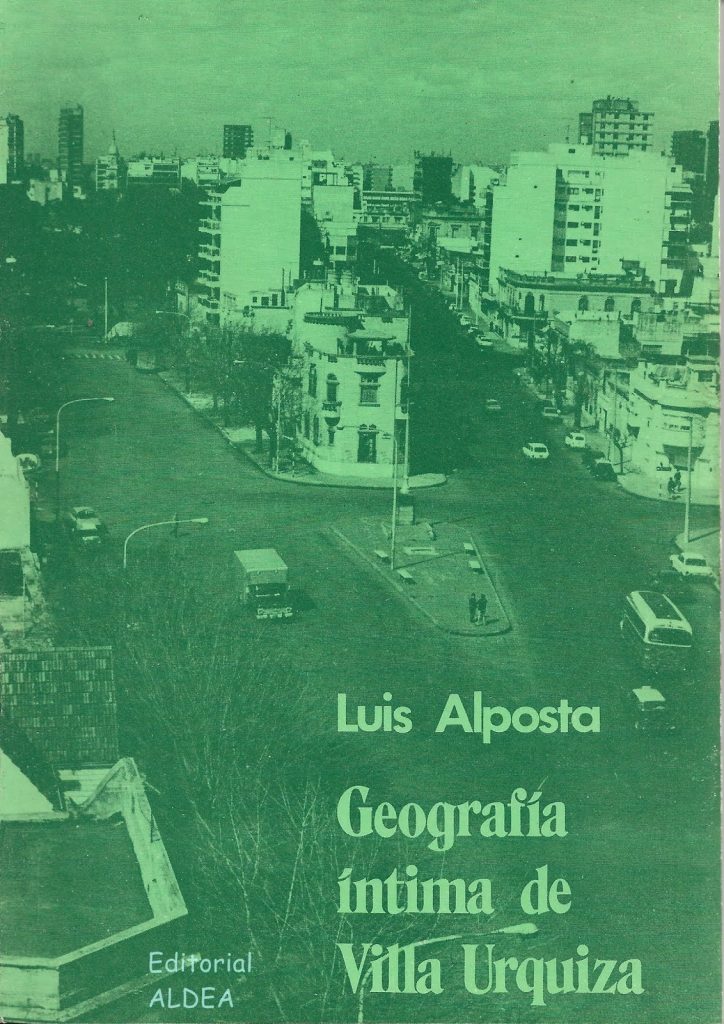
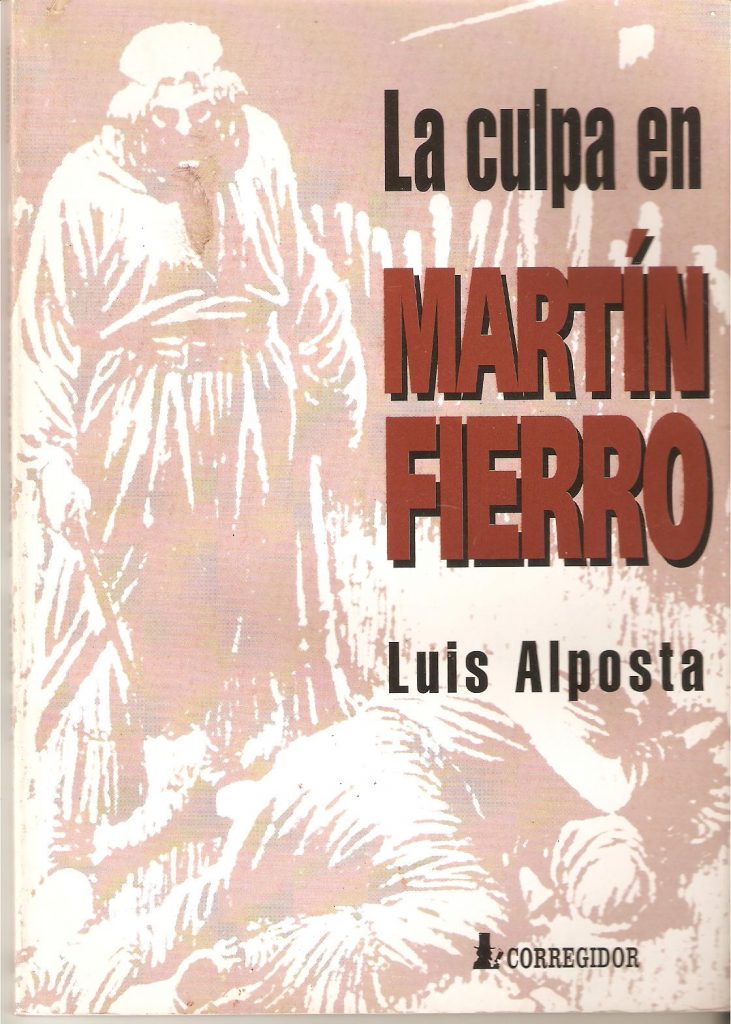
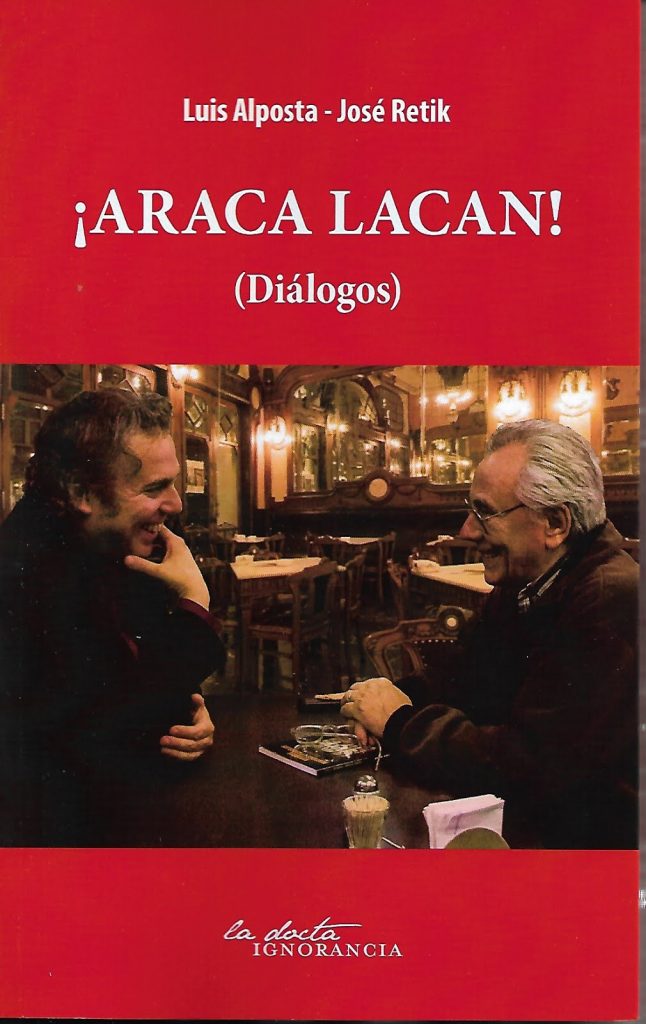
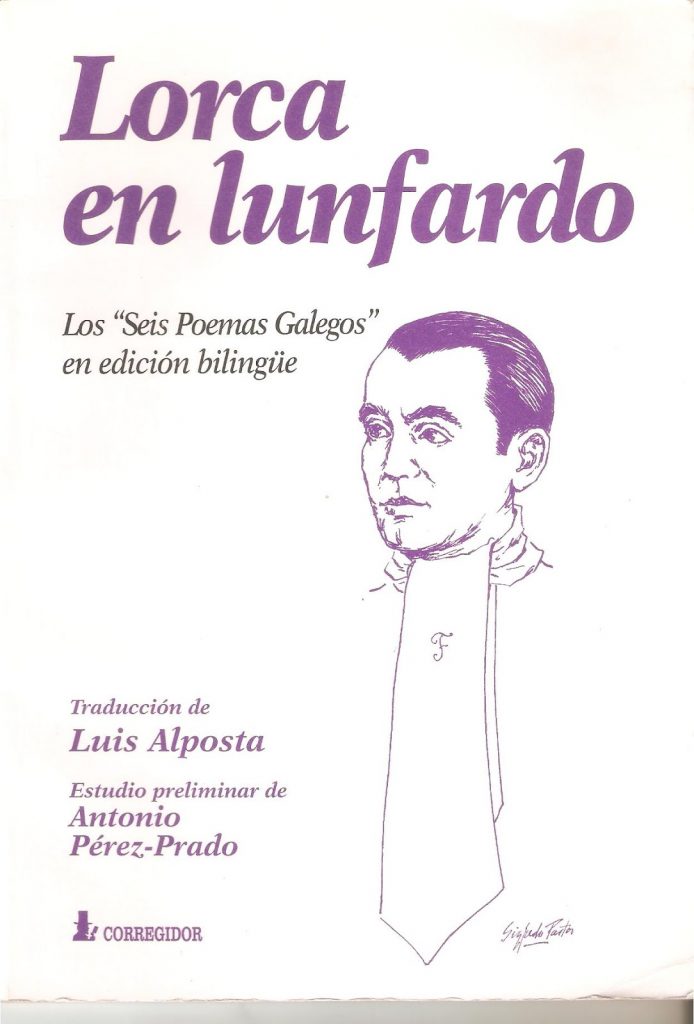
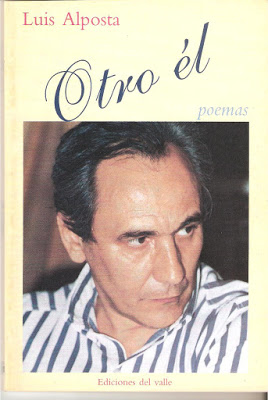
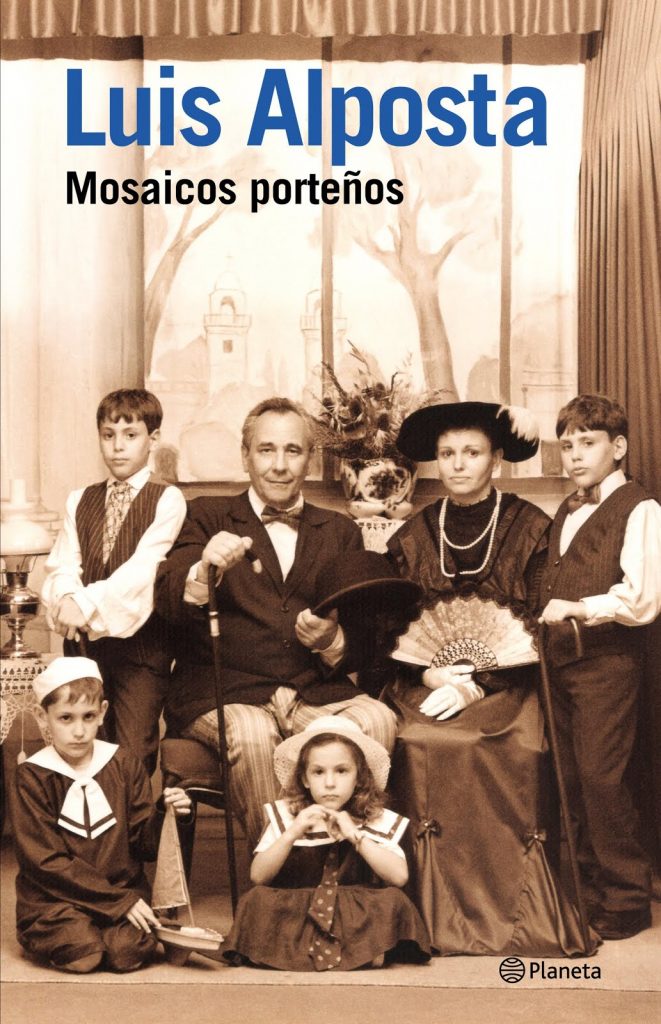
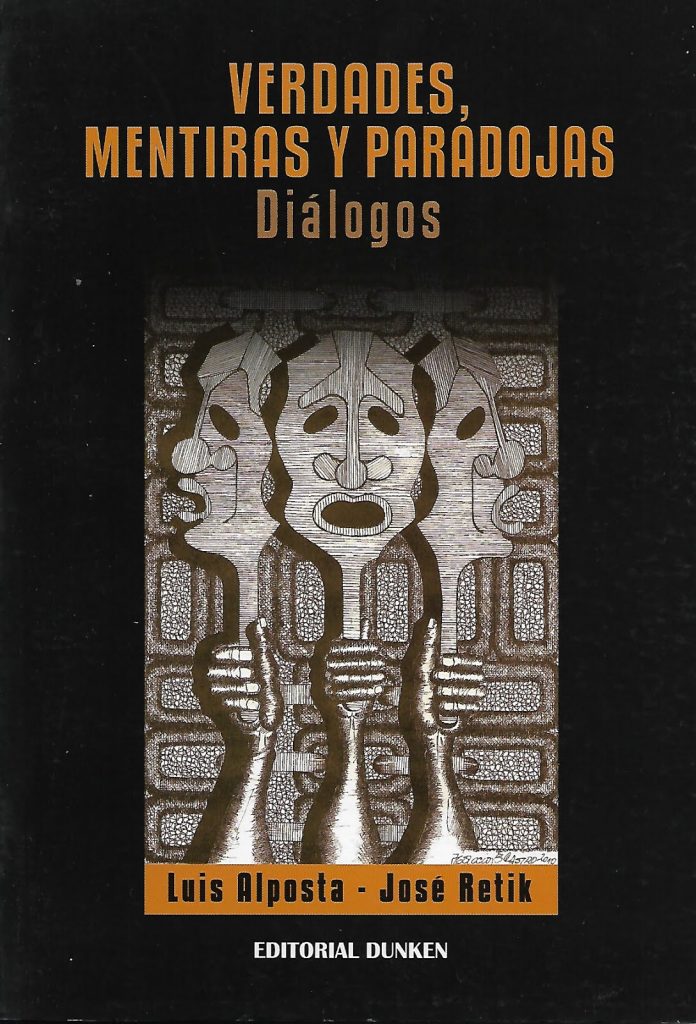
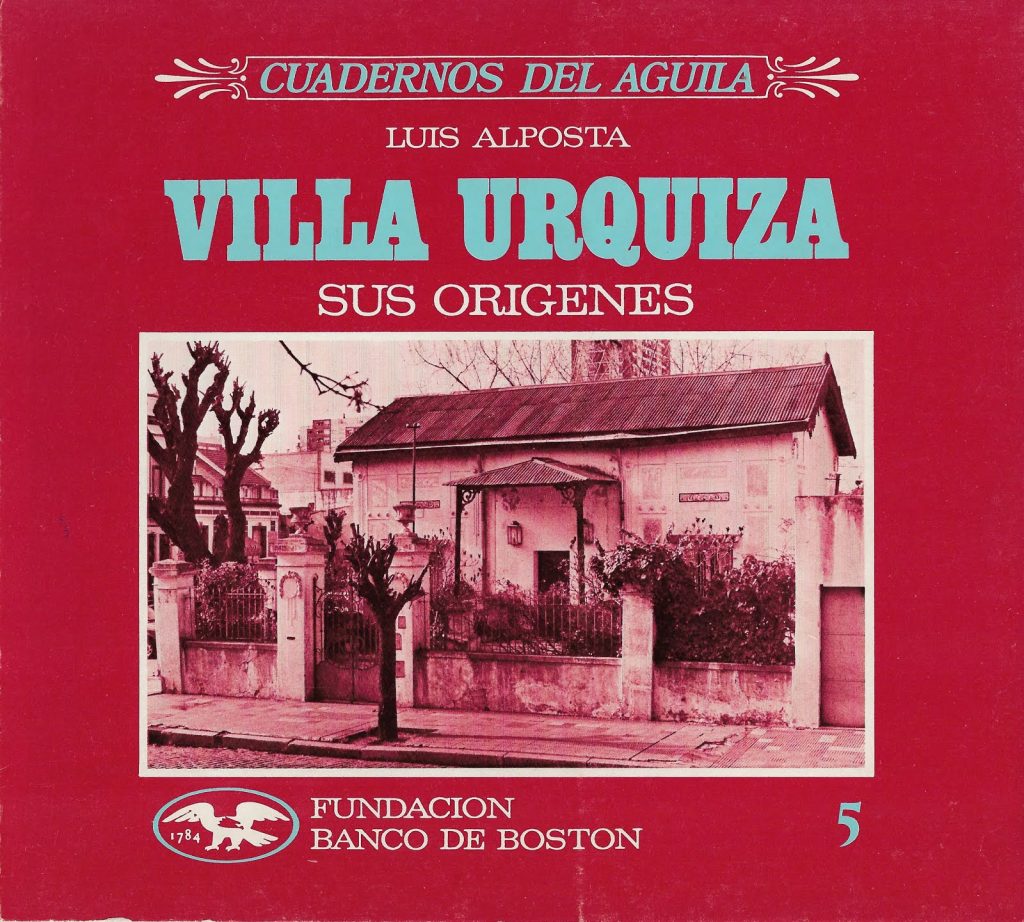
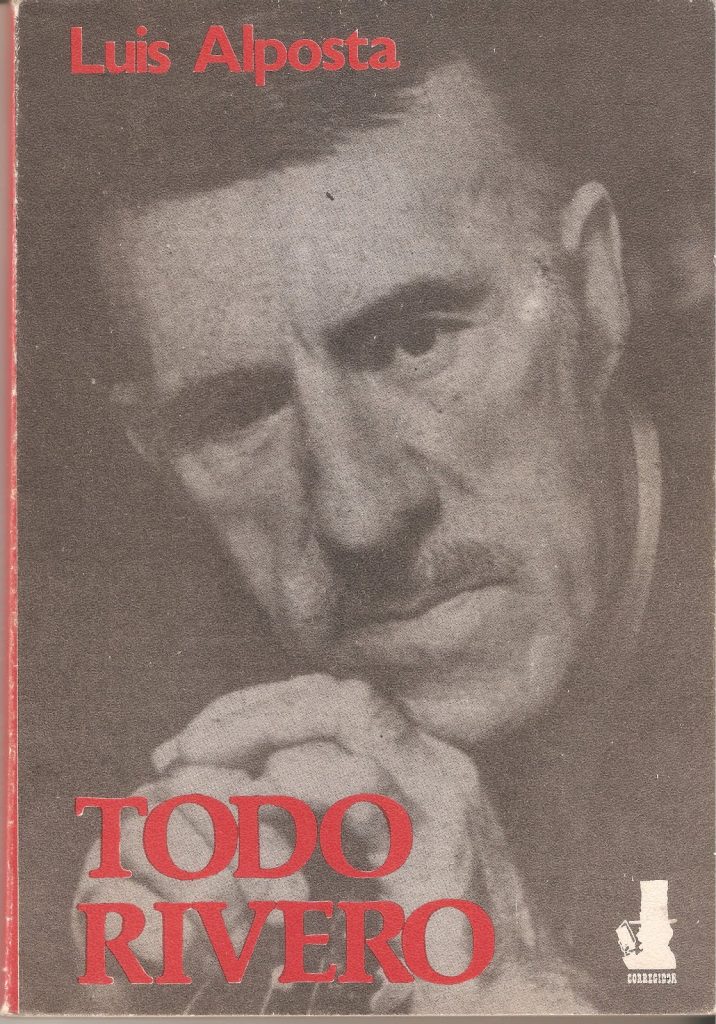
Luis Alposta has contributed to many radio programs, has written dozens of books and many of his poetry has been composed with music, mainly tango music. (see listing in wikipedia):
Tango del Vampiro – Letra de Luis Alposta – 22/X/98.
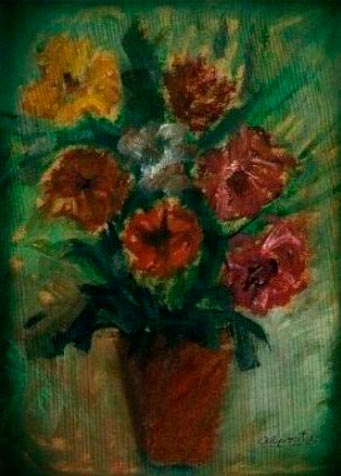
Luis Alposta (n. Buenos Aires el 30 de junio de 1937), médico, poeta y ensayistaargentino. Fueron sus padres Alejandro Alfredo Alposta y Ángela Dina Montanaro. En 1984 se casa con Leonor Virginia Castiglione, con quien tiene cuatro hijos: Luis, Ignacio, Emilio y Virginia. Sus poemas, traducidos al francés, inglés, italiano y japonés, figuran en numerosas antologías y han sido musicalizados por Edmundo Rivero, Rosita Quiroga, Osvaldo Pugliese y Daniel Melingo entre otros. Prologuista, conferencista, autor de numerosas comunicaciones académicas sobre el lunfardo y el tango y de colaboraciones varias en periódicos, revistas literarias y programas radiales.
Alvaro Cordoba was born 1961 in Montevideo, Uruguay. He began his guitar andmusical education at the age of fourteen under the tutorship of Master AtilioRapat and Antonio Pereira Arias from Uruguay . He started to performed concerts forthe first time in 1978 at Montevideo ; then he didn’t stop playing for more then 30 years in several countries and at important festivals and theaters of four continents.
Municipal Theatre, Athens / GreeceKulturhaus Mitte, BerlinCité Bleu Room, Geneva / SwitzerlandPalazzo Santa Croce, Roma
David Bettle Auditorium, Auckland / New ZealandSchool of Music, Canberra / AustraliaPaul Crowe Auditorium, Melbourne / Australia
Smetana Museum Theatre, Prague / Rep. Czech Zofin Palace, Prague / Rep. CzechPhilharmonic Hall of Targu-Mures, Romania“Slavia” of PragueConcert Hall Castle Nove Mesto Nad City Metuji, Czech RepublicBoards of “Il Tempietto”, Rome / ItalyIgnaz Paderewski Hall Museum, Warsaw / Poland. Opera House in Cairo.
Chamber hall Obuda • Budapest
Bösendorfer Saal Wien
Musikverein Wien, Brahms Saal
ORF Grossersendesaal Wien
Billroth-haus Wien
The Maestro Atilio Rapat leaves shaped his concept of expressing your studentinclude:
born artist with a special inner life … “
– Note for submission of Master Abel Carlevaro
“…
Dr. Alvaro Cordoba is a guitarist for his outstanding exception
conditions for the guitar and music … “
– Testimony of Master Peter Lynch
“… L find the playing very musical and full of conviction in many ways. Therecertainly a tremendous potential here …”
– Magazine “Current Music” in Bucharest / Romania (11/97)”….
Meaning colorful, rhythmic and expansive result … “
A quality interpreter (will be soloist with the Orchestra
Chamber Philharmonic next season).
Petre Codreanu.
–“… Prodigious show of guitar performance …”
The Spanish Herald, Sydney / Australia
Journal de France Sud-Ouest (9 / 96):
– “The recital of Alvaro Cordoba literally caught the public’s Festival
Biarritz International, becoming one of the strengths of it. “
–“Deployment guitar, deep folk roots …
We have seen a fair exponent of the discipline
“El País of Montevideo (20/10/1999)
“Uruguayan guitarist Prague applaud Alvaro Cordoba under
Pontes Festival’99 – Unesco, with excellent performances of works
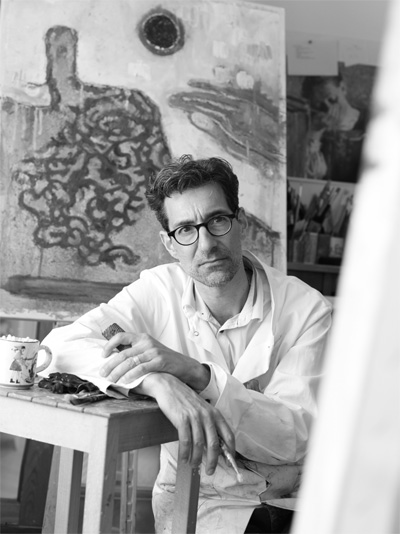
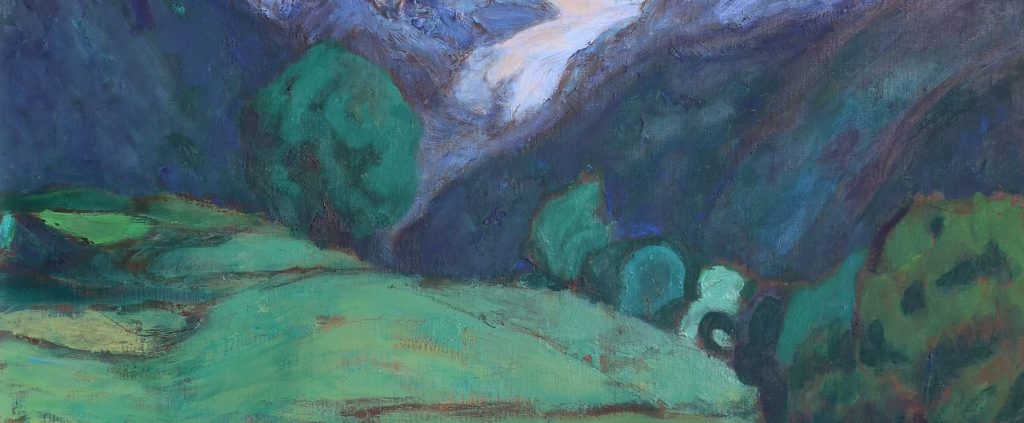
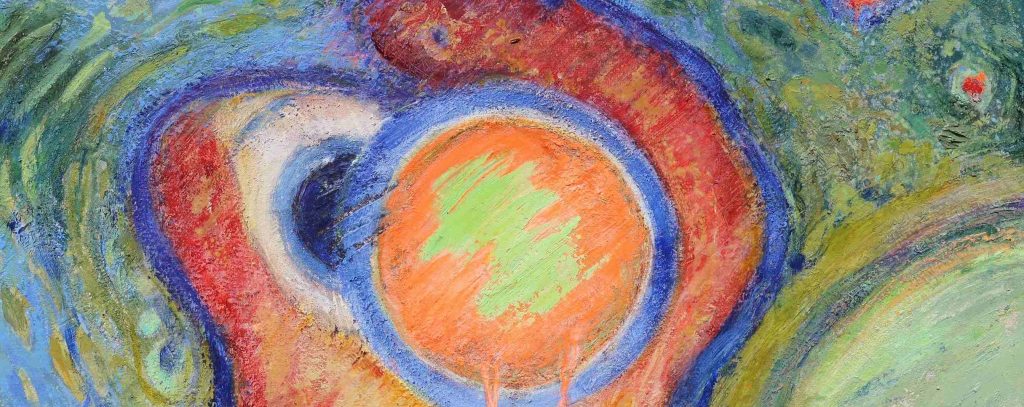
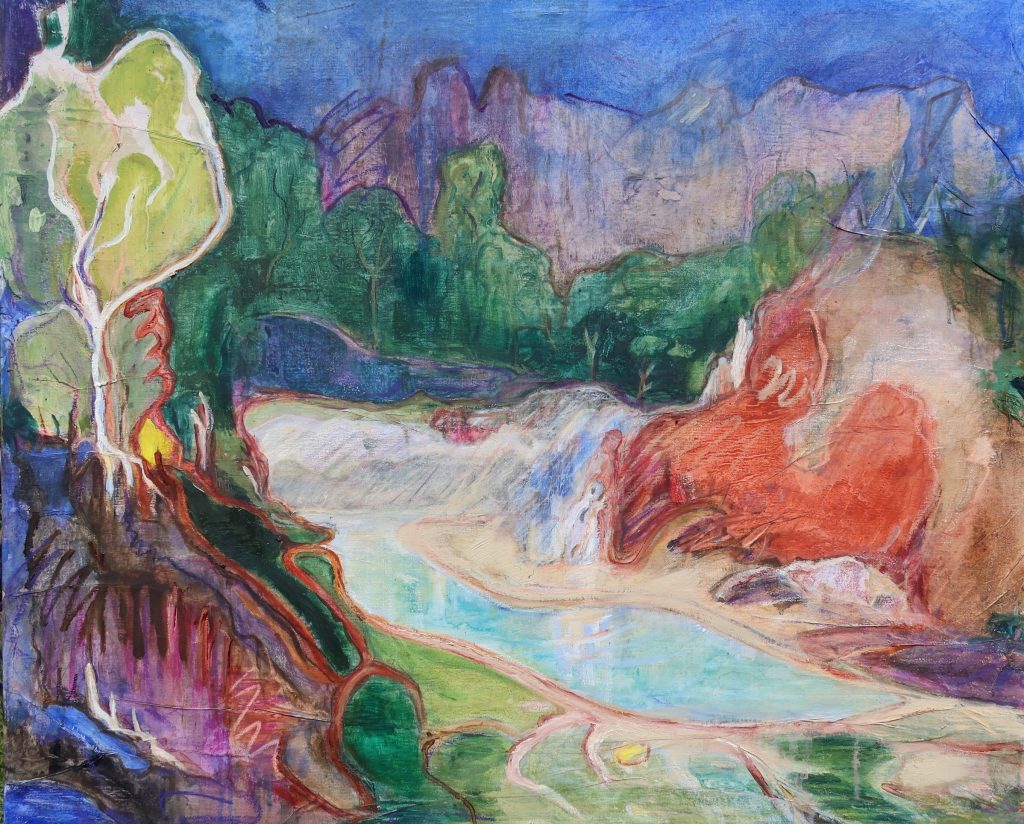
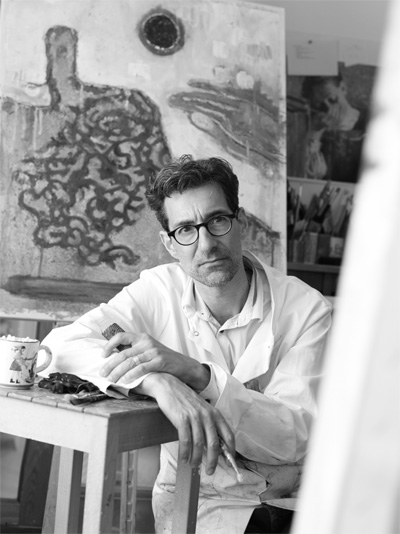
Was raised in St. Moritz and lives with his family in Lucerne. Despite an inner urge to paint and several awards at a young age, he decided to study medicine, followed by additional studies in history and biology. He worked as a family doctor, teacher and lecturer. As a Red Cross delegate, he carried out missions in countries hit by natural disasters and epidemics. He also worked as an illustrator and art assistant. In 2021, he gave up his practice and has been working as a freelance artist ever since. For one semester he attended courses in figure drawing and engraving at the École des Beaux-Arts in Paris.
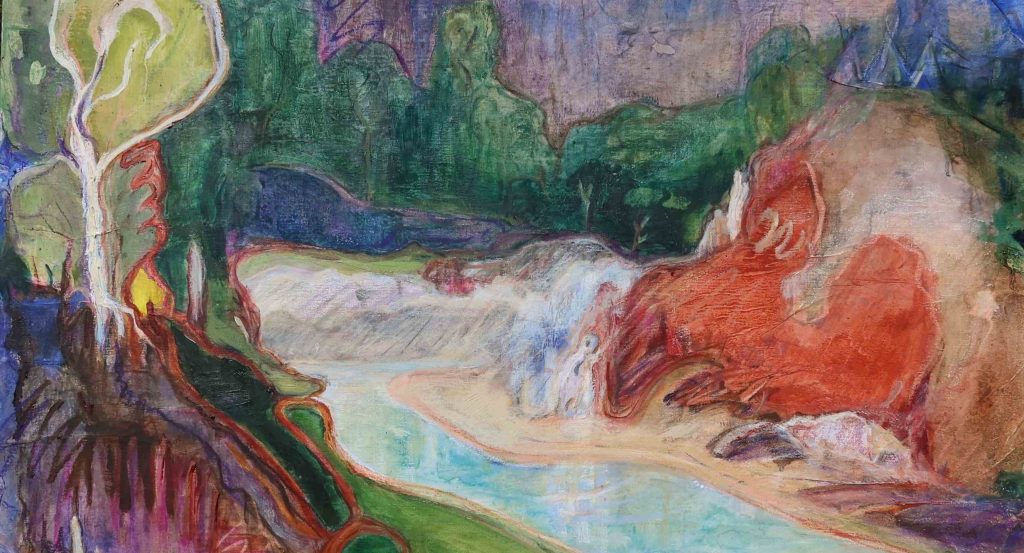
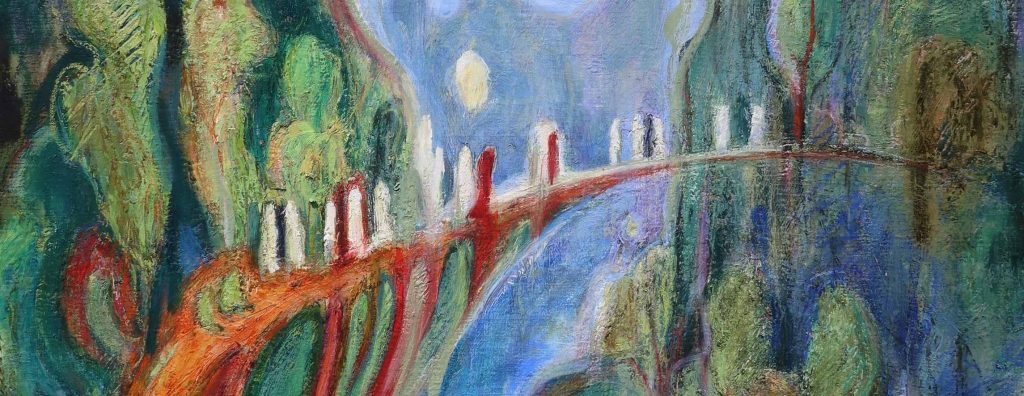
Reto Eberhard Rast intends his paintings as ‘poetic realism’, stylistically. His aim is to render the beauty of nature’s nuances and to express his appreciation of colour and form. Expressive chromatic harmonies are more important to him than naturalistic reproduction. He uses an impasto painting style, with patterns on textured surfaces, that are enhanced by the use of glazes.