Zoome Casino 50 Free Spins - Es ist ziemlich einfach, einfach einen Favoriten im Rucksack zu behalten und ihn anzuziehen, wenn Spieler etwas mehr Geld brauchen.
Mit Einsätzen in Höhe von wenigen Cents lassen sich die maximal 30 Gewinnlinien aktivieren, auf denen zahlreiche Symbole eines typisch amerikanischen Weihnachtsfests auf die Spieler warten.
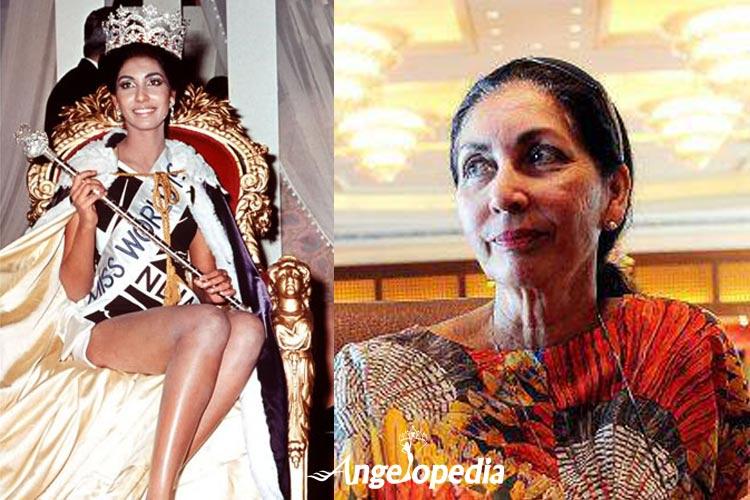
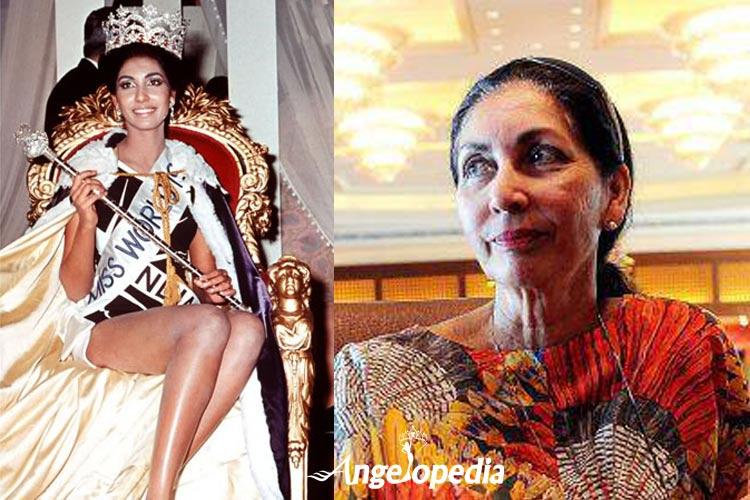
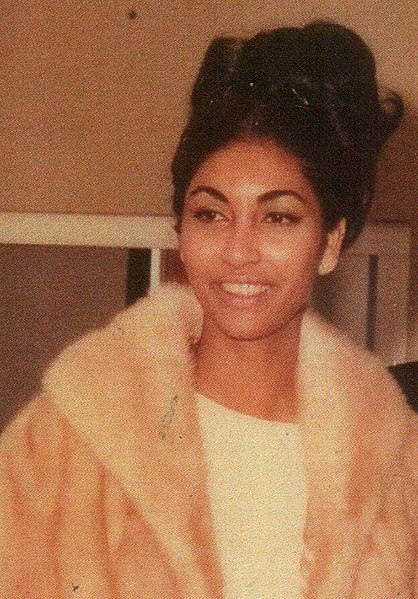
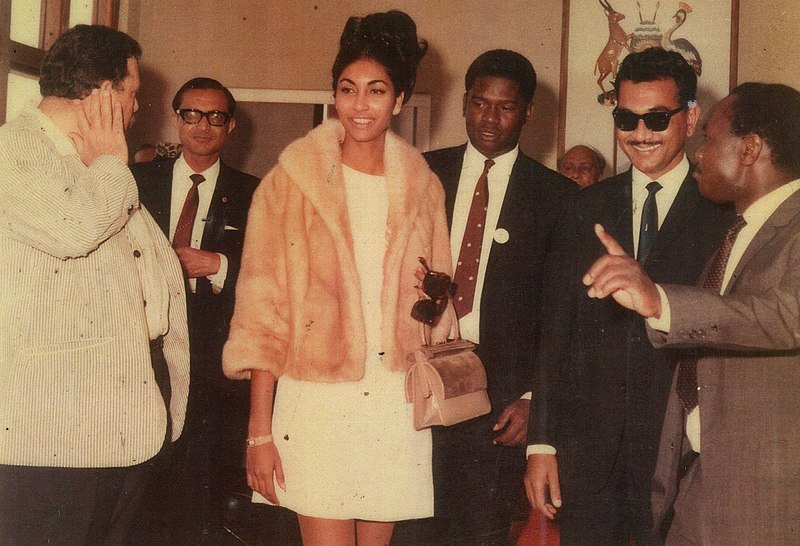
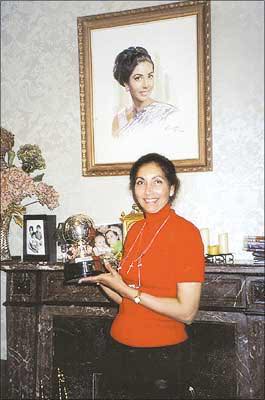
Reita Faria Powell[1] (néeFaria; born 23 August 1943)[2] is an Indian physician, former model and the winner of the Miss World 1966 pageant. She is also the first Miss World winner to be qualified as a physician.[3]
Her parents were Goan Catholics with her father John hailing from the village of Tivim and her mother Antoinette belonging to Santa Cruz.[4] Faria was the pairs second daughter after their eldest, Philomena. The family was a middle class one, with her father working in a mineral water factory and her mother running a salon.[5]
Reita Faria Miss World 1966 from India
Reita Faria from India won the Miss World 1966 title in the grand slam pageant held in London on November 17, 1966. She is the only Miss World who qualified as a doctor during her reign. At the age of 70, Reita still manages to look beautiful and can still be titled as one of the most beautiful women in the world
Reita Faria was born in Mumbai’s (then British India’s Bombay) Matunga district on 23rd August 1943.
Growing up, Faria, with an adult height of 5 feet 8 inches, was unusually tall for an Indian girl and made fun of by schoolboys who nicknamed her ‘mommy long legs’. Nevertheless Faria used her tall and lean build to her advantage in sports, playing ‘everything from throwball, netball and badminton’. Her first newspaper headlines were for scoring hat-tricks in hockey.[6]
Faria was born in Bombay. Soon after winning the Miss Bombay Crown, she won the Eve’s Weekly Miss India contest 1966 competition (not to be confused with the Femina Miss India, won by Yasmin Daji).
During the Miss World 1966 contest, she won the sub-titles ‘Best in Swimsuit’ and ‘Best in Eveningwear’ for wearing a saree. She eventually went on to win the Miss World 1966 crown at the climax of the event, beating 51 competing delegates from other countries.[7]
Reita Faria is the first Asian to win the Miss World title in the year of 1966. She is the only Miss World who qualified as a Doctor during her reign. Faria was a student at the Grant Medical College & Sir J. J. Group of Hospitals where she completed her M.B.B.S. degree. Thereafter she went on to study at King’s College Hospital, London. She married her mentor David Powell in 1971, and in 1973, the couple shifted to Dublin, where she started her medical practice.
After her one-year tenure as Miss World, she began receiving various offers to act in films. Faria refused lucrative modelling and acting contracts, and instead concentrated on medical studies. She was a student at the Grant Medical College & Sir J. J. Group of Hospitals, where she completed her M.B.B.S. degree. Thereafter she went on to study at King’s College Hospital, London. She married her mentor David Powell, in 1971, and in 1973, the couple shifted to Dublin, where she started her medical practice.[8]
Reita was a judge at Femina Miss India in 1998, and has come back to judge the Miss World competition on a few occasions. She was a judge along with Demis Roussos at the Miss World final of 1976 held in London where Cindy Breakespeare was crowned Miss World.
Faria currently[when?] lives in Dublin, Ireland, with her husband, endocrinologist David Powell, whom she married in 1971. She has two daughters,
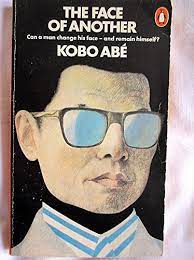
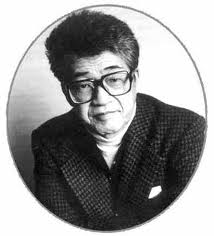
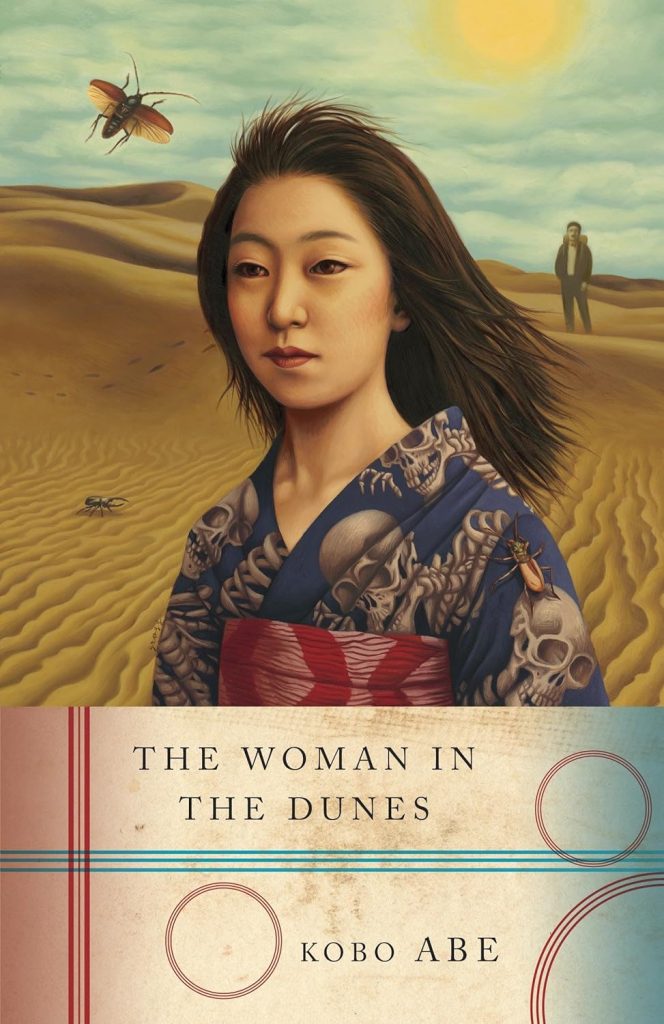
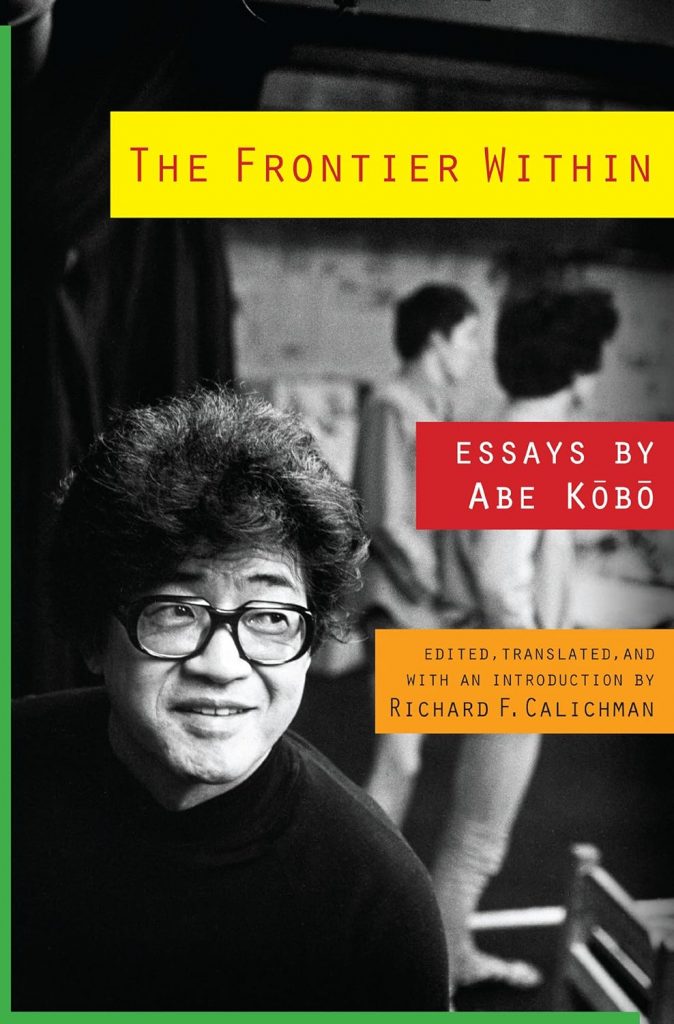
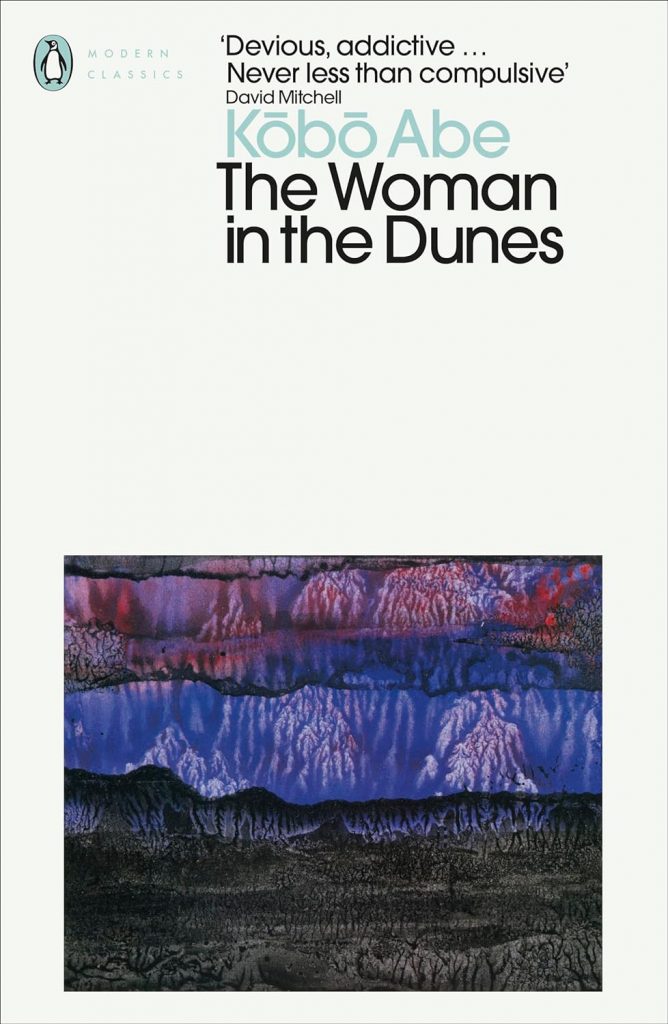
Kōbō Abe (安部 公房, Abe Kōbō), pen name of Kimifusa Abe (安部 公房, Abe Kimifusa, March 7, 1924 – January 22, 1993), was a Japanese writer, playwright, musician, photographer, and inventor. He is best known for his 1962 novel The Woman in the Dunes that was made into an award-winning film by Hiroshi Teshigahara in 1964.[2] Abe has often been compared to Franz Kafka for his modernist sensibilities and his surreal, often nightmarish explorations of individuals in contemporary society.
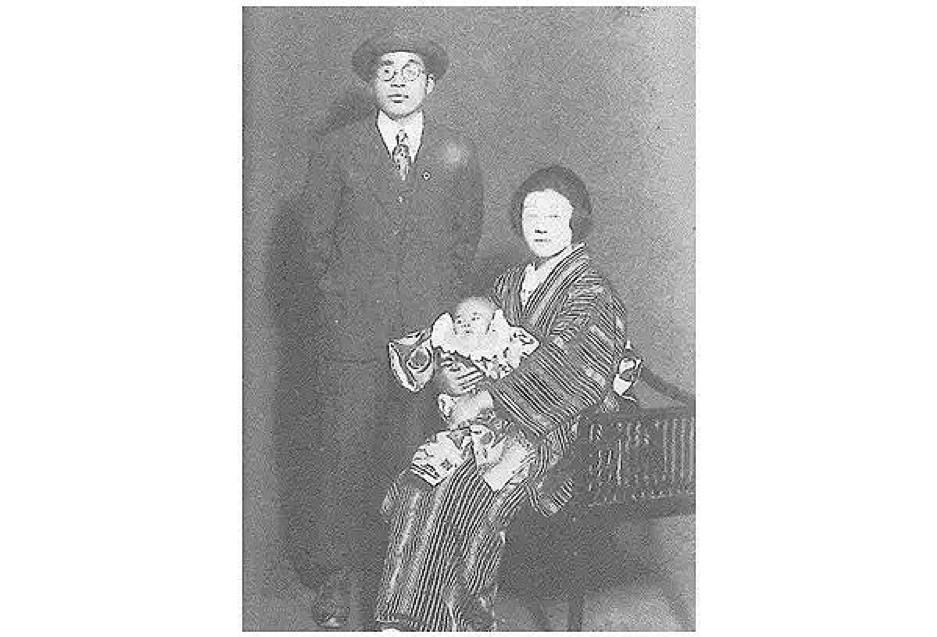
Abe was born on March 7, 1924[1][6] in Kita, Tokyo, Japan and grew up in Mukden (now Shenyang) in Manchuria.[2][1] Abe’s family was in Tokyo at the time due to his father’s year of medical research in Tokyo.[7] His mother had been raised in Hokkaido, while he experienced childhood in Manchuria. This triplicate assignment of origin was influential to Abe, who told Nancy Shields in a 1978 interview, “I am essentially a man without a hometown.[2] This may be what lies behind the ‘hometown phobia’ that runs in the depth of my feelings. All things that are valued for their stability offend me.”[7] As a child, Abe was interested in insect-collecting, mathematics, and reading. His favorite authors were Fyodor Dostoyevsky, Martin Heidegger, Karl Jaspers, Franz Kafka, Friedrich Nietzsche, and Edgar Allan Poe.
Abe returned to Tokyo briefly in April 1940 to study at Seijo High School, but a lung condition forced his return to Mukden, where he read Jaspers, Heidegger, Dostoyevsky, and Edmund Husserl. Abe began to study medicine at Tokyo Imperial University in 1943, partially out of respect for his father, but also because “[t]hose students who specialized in medicine were exempted from becoming soldiers. My friends who chose the humanities were killed in the war.”[7] He returned to Manchuria around the end of World War II.[1] Specifically, Abe left the Tokyo University Medical School in October 1944, returning to his father’s clinic in Mukden.[7] That winter, his father died of eruptive typhus. Returning to Tokyo with his father’s ashes, Abe reentered the medical school. Abe started writing novellas and short stories during his last year in university. He graduated in 1948 with a medical degree, joking once that he was allowed to graduate only on the condition that he would not practice.
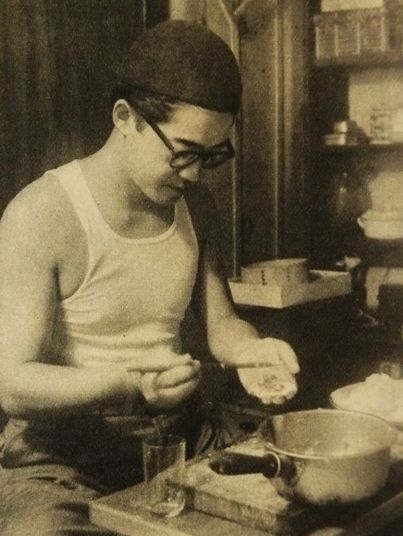
In 1945 Abe married Machi Yamada, an artist and stage director, and the couple saw successes within their fields in similar time frames.[7] Initially, they lived in an old barracks within a bombed-out area of the city center. Abe sold pickles and charcoal on the street to pay their bills. The couple joined a number of artistic study groups, such as Yoru no Kai (Group of the Night or The Night Society) and Nihon Bungaku Gakko (Japanese Literary School). Their daughter, Abe Neri, was born in 1954.[8]
https://www.youtube.com/watch?v=MXPDlRLTSpg
screenplay and adaptation: Kobo Abe
As the postwar period progressed, Abe’s stance as an intellectual pacifist led to his joining the Japanese Communist Party, with which he worked to organize laborers in poor parts of Tokyo. Soon after receiving the Akutagawa Prize in 1951, Abe began to feel the constraints of the Communist Party’s rules and regulations alongside doubts about what meaningful artistic works could be created in the genre of “socialist realism.”[7] By 1956, Abe began writing in solidarity with the Polish workers who were protesting against their Communist government, drawing the Communist Party’s ire. The criticism reaffirmed his stance: “The Communist Party put pressure on me to change the content of the article and apologize. But I refused. I said I would never change my opinion on the matter. This was my first break with the Party.”[7]: 35 [a] The next year, Abe traveled to Eastern Europe for the 20th Convention of the Soviet Communist Party. He saw little of interest there, but the arts gave him some solace. He visited Kafka’s house in Prague, read Rilke and Karel Čapek, reflected on his idol Lu Xun, and was moved by a Mayakovsky play in Brno.[7]
The Soviet invasion of Hungary in 1956 disgusted Abe. He attempted to leave the Communist Party, but resignations from the party were not accepted at the time. In 1960, he participated in the Anpo Protests against revision of the US-Japan Security Treaty as part of the pan-ideological Young Japan Society.[10] He later wrote a play about the protests, The Day the Stones Speak, which was staged several times in Japan and China in 1960 and 1961.[11] In the summer of 1961, Abe joined a group of other authors in criticizing the cultural policies of the Communist Party. He was forcibly expelled from the party the following year.[12] His political activity came to an end in 1967 in the form of a statement published by himself, Yukio Mishima, Yasunari Kawabata, and Jun Ishikawa, protesting the treatment of writers, artists, and intellectuals in Communist China.[7] According to translator John Nathan, this statement led to the falling-out between Abe and fellow writer Kenzaburō Ōe.[13]
His experiences in Manchuria were also deeply influential on his writing, imprinting terrors and fever dreams that became surrealist hallmarks of his works. In his recollections of Mukden, these markers are evident: “The fact is, it may not have been trash in the center of the marsh at all; it may have been crows. I do have a memory of thousands of crows flying up from the swamp at dusk, as if the surface of the swamp were being lifted up into the air.”[7] The trash of the marsh was a truth of life, as were the crows, yet Abe’s recollections of them tie them distinctively. Further experiences with the swamp centered around its use as a staking ground for condemned criminals with “[their] heads—now food for crows—appearing suddenly out of the darkness and disappearing again, terrified and attracted to us.” These ideas are present in much of Abe’s work.
Abe was first published as a poet in 1947 with Mumei-shishū (“Poems of an unknown poet”), which he paid for himself,[1] and as a novelist the following year with Owarishi michi no shirube ni (“The Road Sign at the End of the Street”), which established his reputation.[1] When he received the Akutagawa Prize in 1951, his ability to continue publishing was confirmed.[7] Though he did much work as an avant-garde novelist and playwright, it was not until the publication of The Woman in the Dunes in 1962 that Abe won widespread international acclaim.[14]
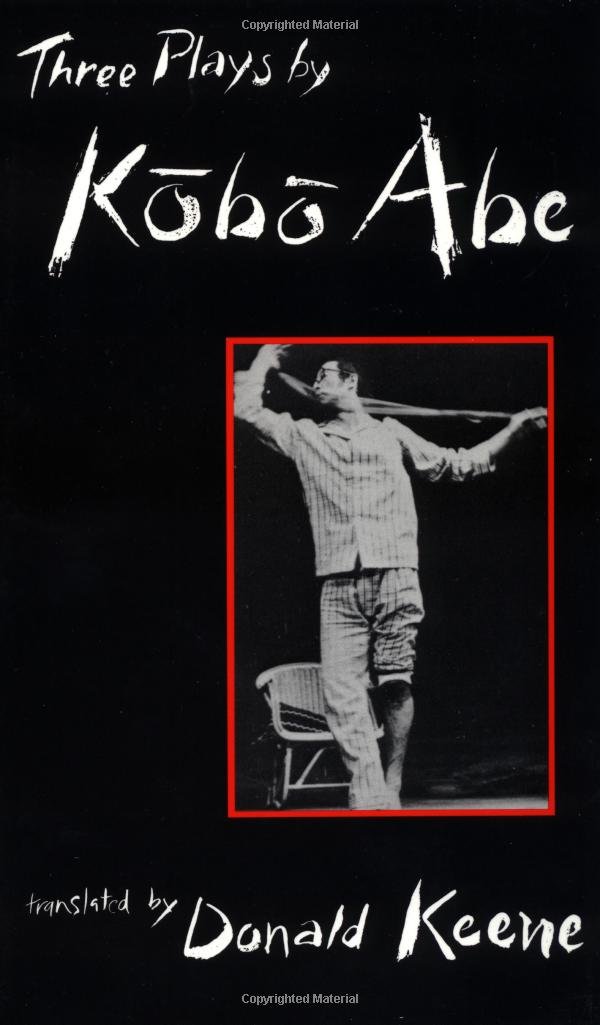
In 1971, he founded the Abe Studio, an acting studio in Tokyo.[7] Until the end of the decade, he trained performers and directed plays. The decision to found the studio came two years after he first directed his own work in 1969, a production of The Man Who Turned Into A Stick. The production’s sets were designed by Abe’s wife, and Hisashi Igawa starred. Abe had become dissatisfied with ability of the theatre to materialize the abstract, reducing it to a passive medium. Until 1979, he wrote, directed, and produced 14 plays at the Abe Studio. He also published two novels, Box Man (1973) and Secret Rendezvous (1977), alongside a series of essays, musical scores, and photographic exhibits.[7] The Seibu Theater, an avant-garde theater in the new department store Parco, was allegedly established in 1973 specifically for Abe, though many other artists were given the chance to use it. The Abe Studio production of The Glasses of Love Are Rose Colored (1973) opened there. Later, the entirety of the Seibu Museum was used to present one of Abe’s photographic works, An Exhibition of Images: I.[7]
The Abe Studio provided a foil for much of the contemporary scene in Japanese theater, contrasting with the Haiyuza‘s conventional productions, opting to focus on dramatic, as opposed to physical, expression. It was a safe space for young performers, whom Abe would often recruit from the Toho Gakuen College in Chofu City, on the outskirts of Tokyo, where he taught. The average age of the performers in the studio was about 27 throughout the decade, as members left and fresh faces were brought in. Abe “deftly” handled issues arising from difference in stage experience.
Miss Jamaica World 2015 Sanneta Myrie is one of the first to wear locs as a contestant in the Miss World pageant. Myrie follows in the footsteps of Jamaican Zahra Redwood, who was the first to wear locs in the Miss Universe pageant in 2007, In addition to slaying pageants with her beautiful locs, Myrie is a medical doctor and volunteer counselor for the University of West Indies. Not only is she beautiful, but she’s clearly got the brains to match.
Myrie, who mentors teens in inner-city communities and runs an after-school programme took home the crown, in a hotly contested competition this evening at the Montego Bay Convention Centre in St James.
A crowd favourite, Myrie outpaced 19 other contestants to win the crown.
she is also dancer!
She competed in the Miss World competition in China in December. 2015 and got to the TOP 5.
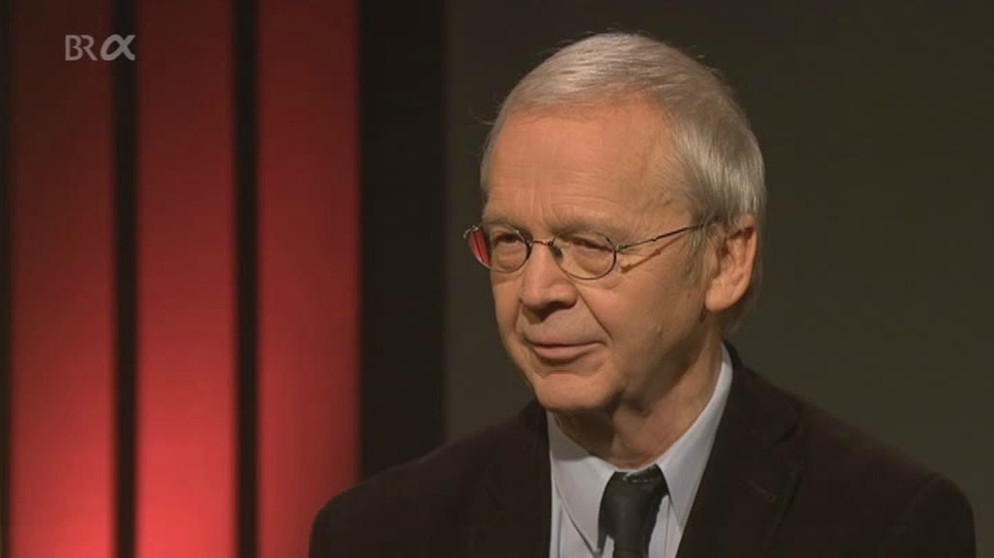
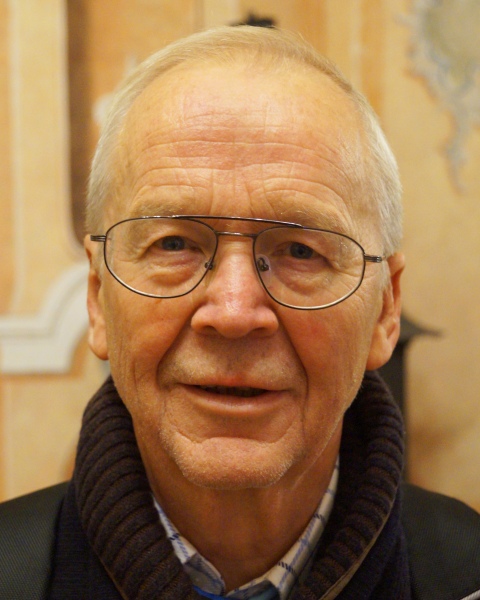
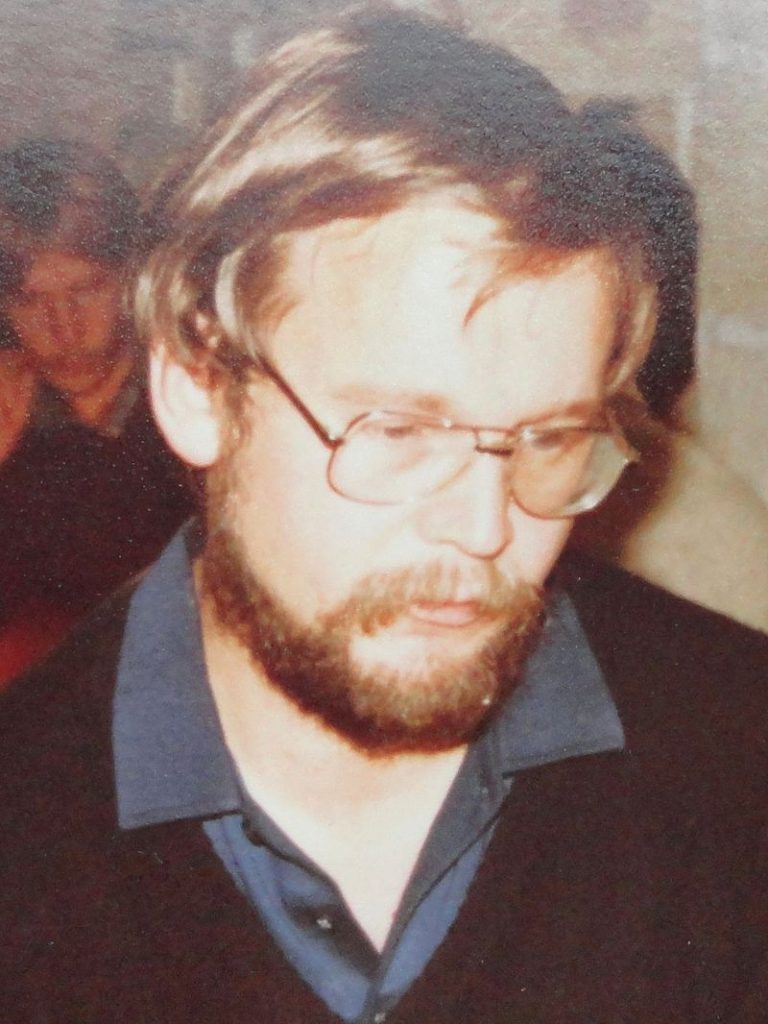
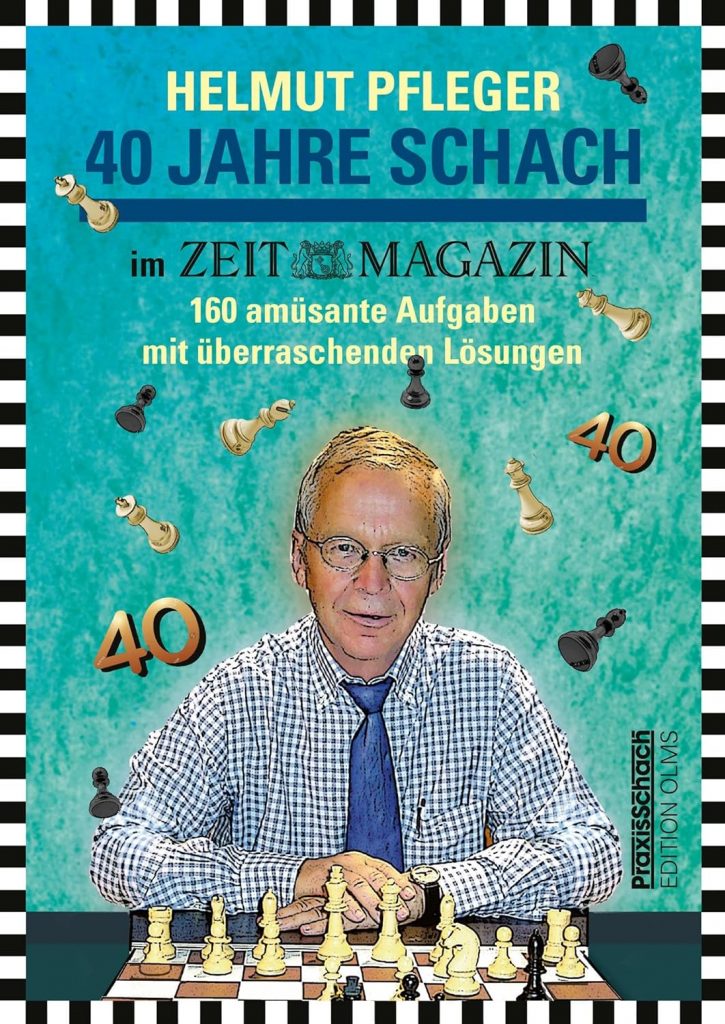
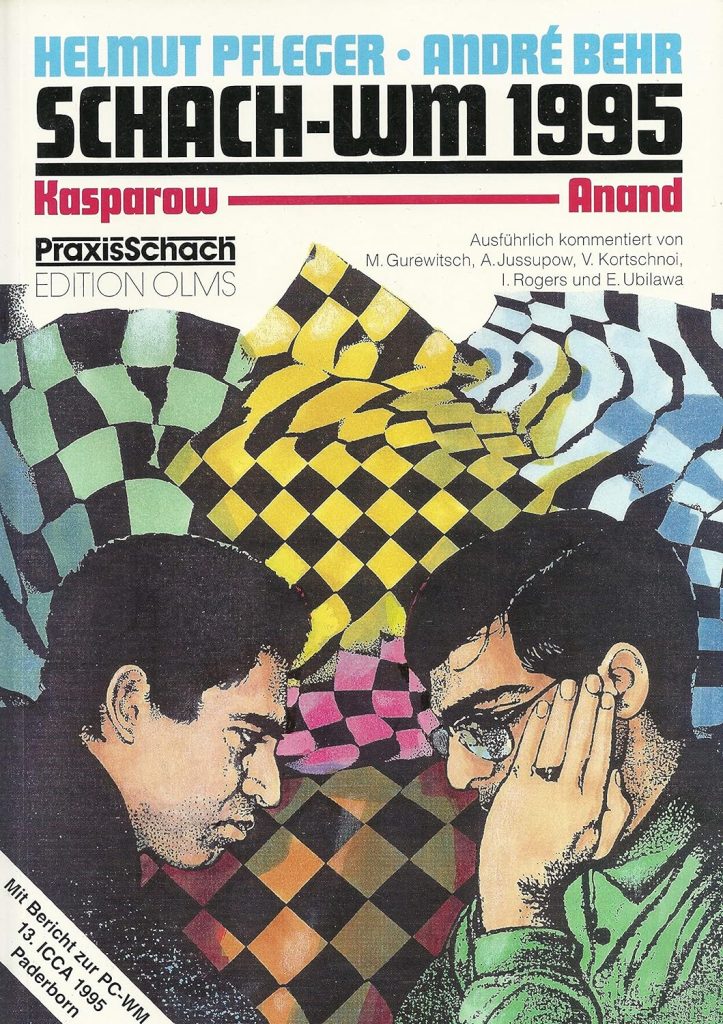
Helmut Pfleger (born August 6, 1943) is a German chessgrandmaster and author. He was one of the most promising chess players in the 1960s and 1970s. From 1977 until 2005, Pfleger hosted a series of chess programs on German public TV, including Chess of the Grandmasters, often together with grandmaster Vlastimil Hort. By profession, he is a doctor of medicine.
He took 1st at Maputo 1973, tied for 1st–2nd at Polanica-Zdrój 1971, tied for 1st–2nd at Montilla 1973, tied for 2nd–3rd at Montilla 1974, tied for 2nd–5th at Manila 1975, tied for 2nd–3rd at Havana 1982, was 4th at Royan 1988.
Pfleger played for Germany in the Chess Olympiads of 1964, 1968, 1972, 1974, 1978, 1980 and 1982. At the Tel Aviv Olympiad of 1964, he was awarded the gold medal for best performance on fourth board and a bronze medal for his contribution to the team’s overall performance.[1] He was awarded the Grandmaster title in 1975.
On the April 2009 FIDE list, he has an Elo rating of 2477, although he has been virtually inactive since 1990.
Pfleger, Helmut; Darga, Klaus (1983). Die Besten Partien Deutscher Schachgrossmeister: Klaus Darga, Hans-J. Hecht, Robert Hubner, Barbara Hund, Erik Lobron, Helmut Pfleger, Lothar Schmid, Wolfgang Unzicker (in German). Falken. ISBN3806841217.
Pfleger, Helmut; Metzing, Horst (1984). Schach: Spiel, Sport, Wissenschaft, Kunst (in German). Hoffmann und Campe. ISBN3455082289.
Pfleger, Helmut; Kishon, Ephraim; Weiner, Ossi (1986). Der Schachcomputer: Gegner Und Freund (in German). Nymphenburger. ISBN3485016969.
Pfleger is inactive at FIDE because he has not made games with Elosince 1999.
He participated in the chess olympics 1974 in Nizza as well as in European or world championships.
Pfleger organises Medical Chess Championships in Germany for >30 years now. That association is very radical denying to use their photos, more unfriendly than anybody in THIS web, but you can see lots of the photos in the Deutsches Ärzteblatt: https://www.aerzteblatt.de/search?q=schachmeisterschaft
Already during her medical studies Deborah Lambie worked as a model and trained to become a good speaker. Thus she won three elections as MISS, in 2015 she became Miss New Zealand.
Most remarcable her New Zealand HAKA during this competition!
Later she changed profession and became investment banker.
Lambie’s slightly more glamorous life had started in a dairy, when the owner of a modelling agency invited her to come to see her.
“I was in the last year of high school. I never thought that modelling would be something I would be able to do. I finally went along a few months later and the owner had completely forgotten me – but said she might be able to use me in a few things.”
Lambie began modelling in Dunedin fashion shows and things grew rapidly from there. “Beauty pageants were the obvious next step because they were not just about walking down a runway, but involved interviews and public speaking.
“In my first competition I was really nervous because I had done no public speaking, so I joined Toastmasters in Dunedin. Developing those skills has been hugely valuable. Public speaking is such an important life skill.
“If the only gain that I ever got out of beauty pageants had been joining Toastmasters it would have been worth it. The organisation helped me turn my weakness into a strength.”
In 2012 Lambie was second runner up for Miss Otago, which she won in 2015. “I had no expectations. If someone had told me I would win Miss New Zealand and go to Miss World I would not have believed them.”
Lambies most remaarcable HAKA!
Lambie had to juggle her extra-curricular activities with her studies. “I worked really hard and the University supported me doing these things. Whenever I went to them with a request, their attitude was ‘how can we make this work?’ which I really appreciated.”
Beauty contests have changed with the times, says Lambie, who is a strong supporter of rights and equality for women.
“My generation does not have the same negative associations with beauty contests that my parents’ and grandparents’ generations may have had.
Contestants are encouraged to do charity work and the Miss World competition has raised more than half a billion dollars for charity over the last 30 years, says Lambie.
She has not only worked with several existing charities, but has started one of her own.
After her Bachelor of Medical Sciences, with first class honours in bioethics, she completed a Master of Entrepreneurship. With fellow student and now fiancé Dave Cameron, she founded LearnCoach to provide free online tutorials for NCEA students.
“The master’s challenged my thinking in lots of ways. Now it’s awesome to be working with a team of people who believe in sharing the gift of education.
“Over the last three years we have delivered millions of tutorials to thousands of students.
“This year we plan to broaden the content on the website and make LearnCoach accessible to all young New Zealanders by incorporating New Zealand Sign Language and Te Reo Māori.”
Not everything went smoothly in Lambie’s expanding world. Although short-listed for a Rhodes Scholarship, she didn’t get it. “I was disappointed to miss out on what would have been a life-changing opportunity, but just making it to the final seven was amazing.”
Competition at Miss World was tough too.
“We were such a diverse group – doctors, lawyers, models, professional athletes, singers – the talent was incredible. It was a huge team effort to prepare for Miss World and so many people came forward to support me. On the final night I was delighted to come 15tth out of the 120 contestants.”
Lambie found herself rooming with another Otago student, law undergraduate Latafale Auva’a, who was representing Samoa. “She’s so talented, good at study, sport and music, but such a lovely, kind, down-to-earth person. I hope to stay in touch with her for a long time.”
Lambie caused a mini media storm when she performed a haka in the cultural section of the contest.
“I really didn’t see that coming. I worked for months with expert Kereama Te Ua, who lectures in Māori performing arts. I’d performed the haka at marae and had feedback from different people. I could not have made a more genuine effort to perform it in the correct way.
“Then there was a lot of negative comment saying I should not have done it at all – but on the flip side I received an equal number of lovely messages of support, which really meant a lot.”
Lambie also learned some New Zealand sign language for the talent section of the competiton.
“Learning that haka and some New Zealand sign language were my first real connections with people from those communities. They helped me understand things from a new perspective and could, quite possibly, change the direction of my career and what I end up doing.”
Now Lambie has hung up her tiara. “My run is over. I’ve loved the opportunities that pageants have brought, but now it’s time to concentrate on medicine and the future.”
It came out that she became an investment banker in Australia.
Dr. Carina Tyrrell (born 24 October 1989) is a British-Swiss public healthphysician,[1]investor,[2] and philanthropist who is a former Miss England and Miss United Kingdom. Tyrrell graduated from the University of Cambridge with first-class honours,[3] featured on the front page of The Times for her work to deliver the Oxford–AstraZeneca COVID-19 vaccine,[4] and is known for making international news for being the first woman from one of the world’s top universities, to participate in Miss World where she was in the top 5, and where another med student Rolene Strauss (presented on this web site) got the title.
A British-Swiss public health physician, she´s a healthcare and technology investor – formerly working at Goldman Sachs, and as an Investor and Chief of Staff to the former President of Samsung. She is committed to reducing health inequalities, enhancing access to care, and improving the quality of healthcare for patients and the population. She´s engaged in supporting populations to overcome the effects of COVID-19 as a research scientist at Cambridge University, where her research has focused on COVID-19 antibody detection and identifying COVID-19 vaccine and therapeutic trials.
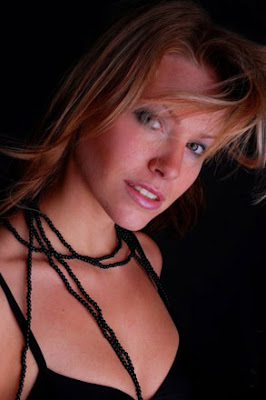
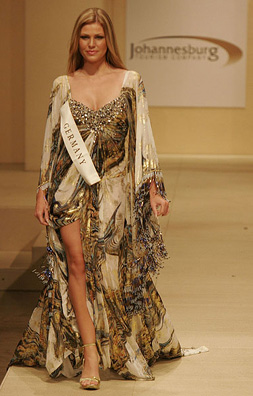
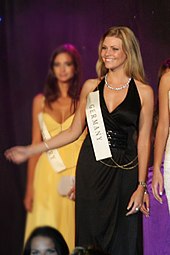
The med student (2008) Anne Katrin Walter is Miss World Germany 2008 and officially one of the most beautiful women of Germany. She is 1,71 meters tall with measures 86-63-84 and will represent Germany at the finals of Miss-World in South Africa (originally planned Kiew).
Miss Germany, Anne-Kathrin Walter, during the Miss World Fashion Show and Top Model competition in Soweto, South Africa, Wednesday, Dec. 3, 2008, ahead of the final beauty pageant to be held Saturday Dec. 13, in Johannesburg. (AP Photo/Denis Farrell)
Love for her friend, family and books
“It was tough. The girlss were all very good” who had her second competition after winning Miss Spreewald in 2005.
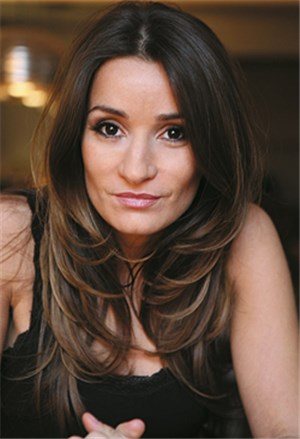
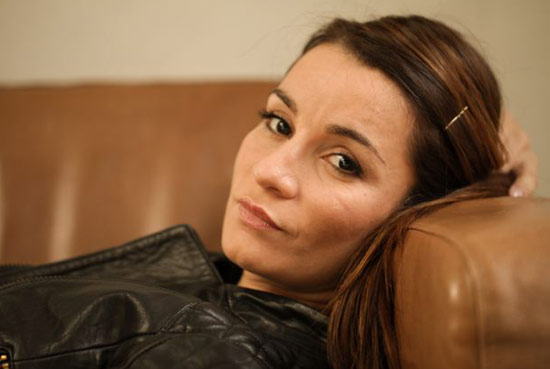
Sheila Malek, born in 1981, began acting already as child. Her Persian family has created many actors. Nevertheless she studied medicine and becomes asthetic surgeon.
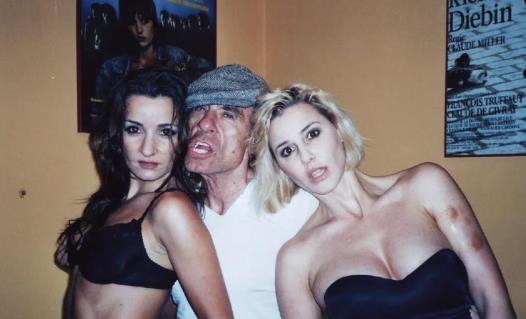
Walking along the street in Munich / Bavaria the director Klaus Lemke (see picture) talked to her and offered her a first part in a film “Schmutziger Süden”. Later came TV performances and engagements as moderator and model.
“Schmutziger Süden”: Regisseur Klaus Lemke zusammen mit den beiden Hauptdarstellerinnen, Sheila Malek (l.) und Indira Madison (r.). (Foto: Klaus Lemke)
She has also had a professional dancing education and acting.
Her ability of discipline and responsability which is essential in medicine assisted her in her acting career.
In 2001 she spontaneously participated in a competition and became:
Nang Mwe San (Burmese: နန်းမွေစံ; born 23 June 1988) is a Burmese model and former medical doctor.[1][2][3] She is considered as the country’s most famous sexy model, according to The Myanmar Times.[4][5] She is featured in The Irrawaddy‘s “Top Myanmar Sexy Models” list in 2020.[6] In July 2020, she was appointed Kindness Ambassador of YVCT College.[7]
On 5 August 2022, in the aftermath of the 2021 Myanmar coup d’état, she was arrested by the military junta under Section 33(a) of Electronic Law for earning money by accused of harming Myanmar culture and posting sexually revealing photos on the websites OnlyFans and Exantria, along with Thinzar Wint Kyaw, a popular actress and sexy model.[8][9] She is said to have become the first person imprisoned in Myanmar for content on OnlyFans after being sentenced to six years in prison.
That sentence is a SHAME for the justice and government in Myanmar!
About Me (from her homepage)
A top student at a Myanmar high school, Nang Mwe San fulfilled her parents’ wish and enrolled in medical school. By 22, she was a doctor. But being a physician was never her dream.
What she really wanted to be was a “sexy model.” After several years of treating patients and working for nonprofit medical groups, Dr. Mwe San swapped her scrubs and white coat for bikinis and lingerie.
Two years ago, she began shooting commercials and posting racy images of herself on Facebook.
For the staid doctors of the Myanmar Medical Council, seeing so much of the human body — specifically, hers — was more than they could handle. The council, which oversees the country’s doctors and hospitals, ordered her in January to stop posting such images and to delete them from her page.
She also worked for a local health NGO. It is there that she abruptly realised others’ perception would be impacted by her modeling passion. The organisation warned her not to shoot sexy photos because some of their sponsors were religious. They gave her informal warnings. Instead of following suit, she quitted.
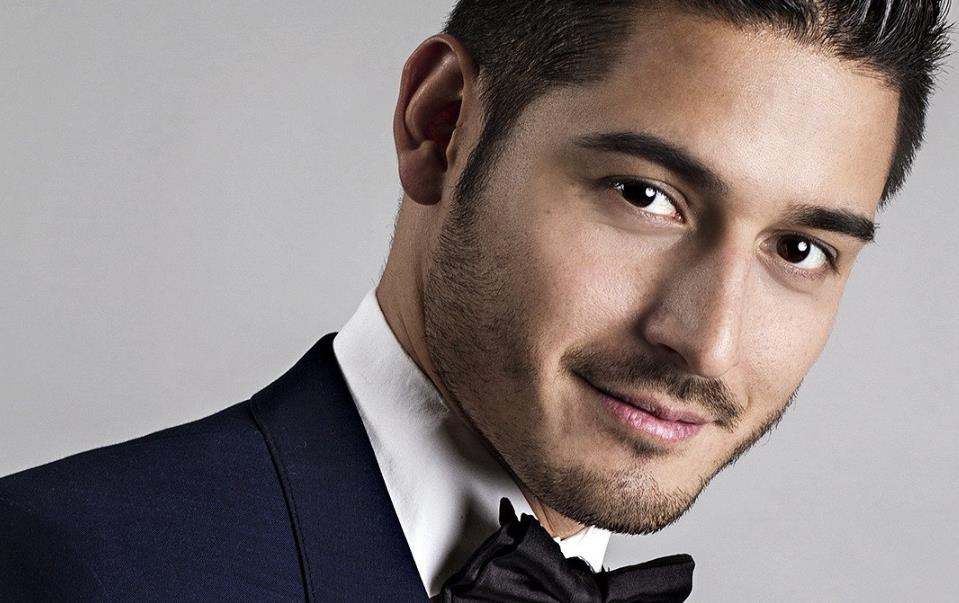
While he was still pharmacist in practicum he became Mister North Germany and was candidate for Mister Germany 2018 where somebody else won. He also became Vice Mister Bremen in 2017.
His inofficial title is: Germany´ss most beautiful pharmacist!
In Egypt were the preparations for Mister Germany 2018….
His story is: He grew up in Stolzenau in North Germany and as teenager had problems to be dressed nice and have success with the girls and he was mobbed at school.
Then he decided to change his fate and made the Abitur just for himself. In military service a pharmacist made him interested in the effect of different medicaments and he studied pharmacy.
To get a study place he completed pharaceutical-technical-assistant education first, then got a study place at the TU Braunschweig.
Meanwhile his parents are proud of him and he has found how to get the best out of your life.