Casino Mit Echtgeld: Wenn ihr bisher nur im Desktop Casino gespielt habt, werdet ihr euch auf dem mobilen Glücksspielportal sehr schnell zurechtfinden.
Roulette Kann Man Gewinnen - Sie können überall spielen und die edlen Dealer von zu Hause aus beobachten.
Casino Erfahrungen: Wenn ich ganz ehrlich sein muss, habe ich noch nie von dieser englischen Rockband gehört und musste sie vor dieser Rezension googeln.
Echtgeldspiel bietet wertlose virtuelle Münzen zum Anpassen von Wetten.
Die Größe des Deckschuhs verändert die Wahrscheinlichkeiten um einige Hundertstel Prozent.
Poker karte
Slots Um Echtgeld
Es gibt viele Vorteile, kostenlose Casinospiele zu spielen, für den Anfang können Sie all die komplizierten oder risikoreichen Casinospiele ausprobieren, die Sie normalerweise meiden würden.
Online Slots Echtgeld
Aus diesem Grund ist es wichtig, dass Sie unserer Website erlauben, Sie in die richtige Richtung zu führen.
Roulette Live Online Kostenlose
The German Pharmacists’ Ski and Cross-Country Championships were a complete success! Whether downhill skiing, cross-country skiing, or snowboarding – exciting competitions and a fantastic audience ensured a great atmosphere on and off the slopes. There were also plenty of opportunities to network with colleagues, industry insiders, and manufacturers. To give everyone a taste of the unique atmosphere, we created a video of the last event – full of action, emotions, and unforgettable moments!
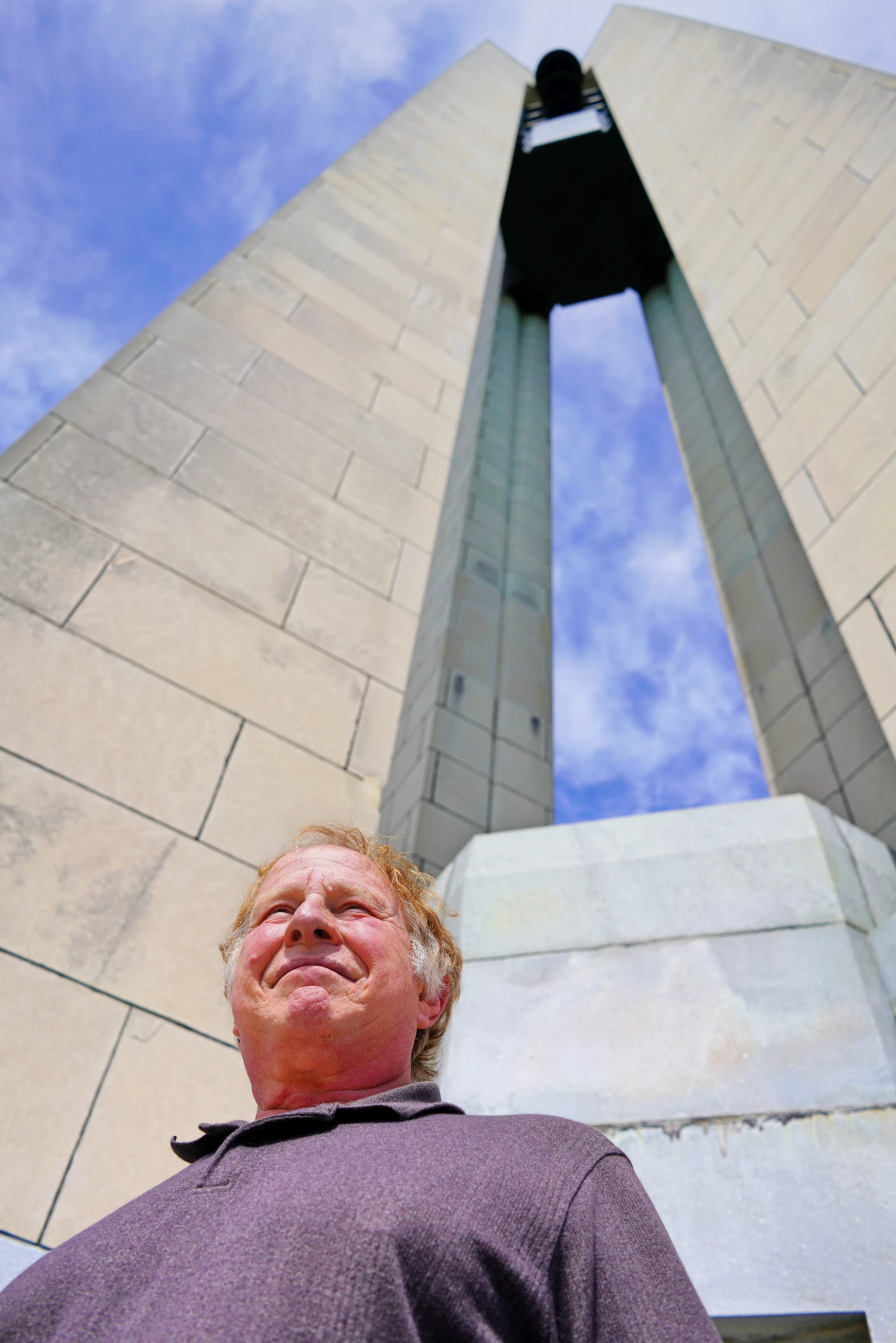
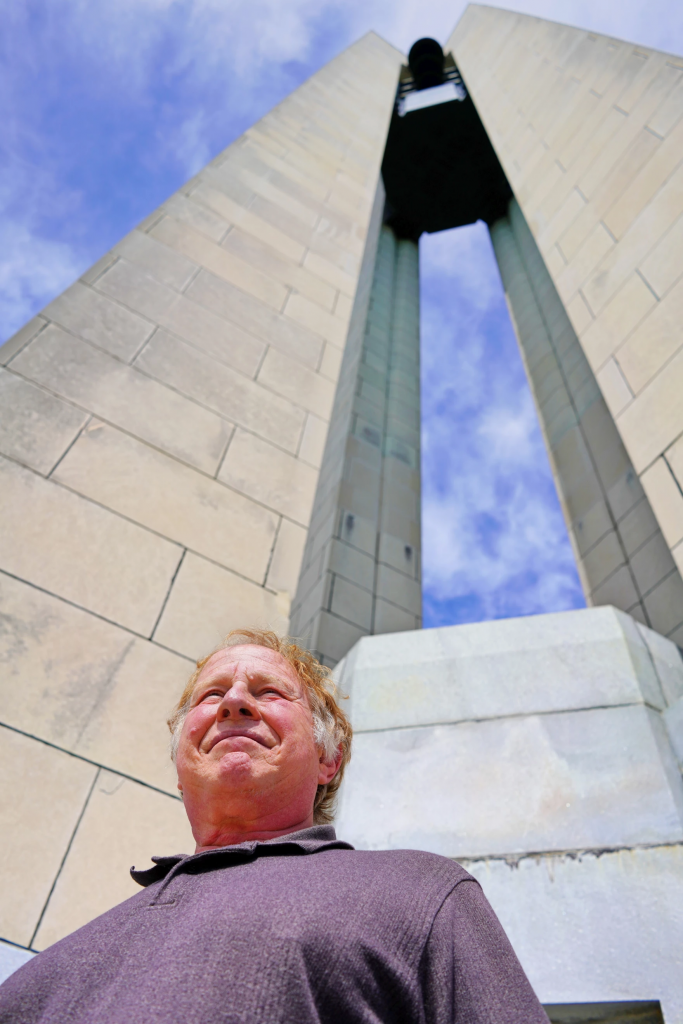
This video features an uplifting Easter message by the Rev. Dr. Vanessa Ward, Co-Pastor of Dayton’s Omega Baptist Church, followed by Easter musical selections performed on the 57 bells of Deeds Carillon by Dr. Larry Weinstein, carillonneur since 1988.
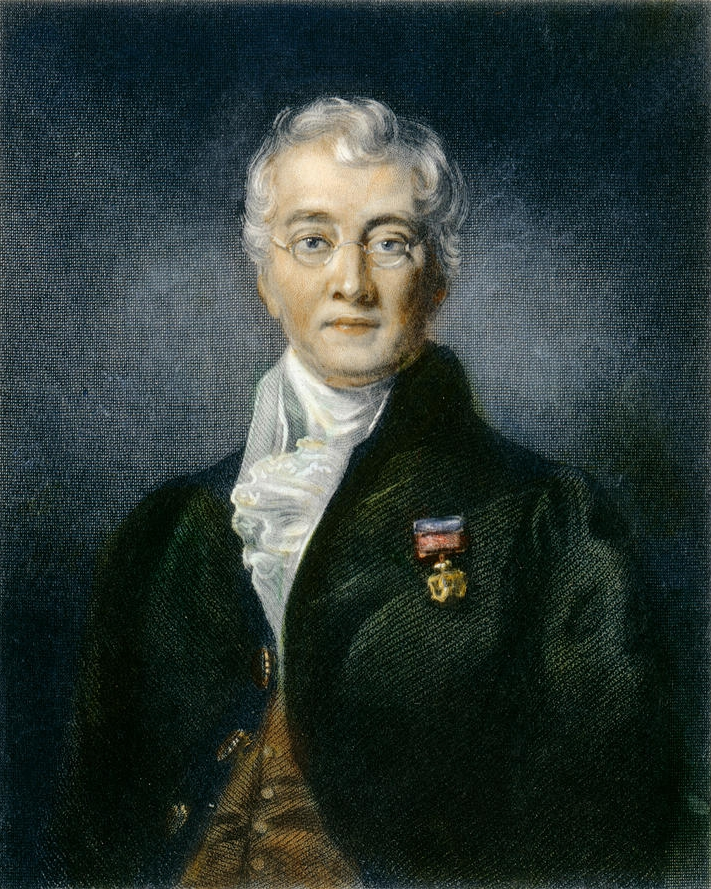
Charles Bell was born in Edinburgh on 12 November 1774,[2] as the fourth son of the Reverend William Bell, a clergyman of the Episcopal Church of Scotland. Charles’s father died in 1779 when he was five years old, and so his mother had a unique influence on his early life, teaching him how to read and write.[1] In addition to this, his mother also helped Charles’s natural artistic ability by paying for his regular drawing and painting lessons from David Allan, a well-known Scottish painter.
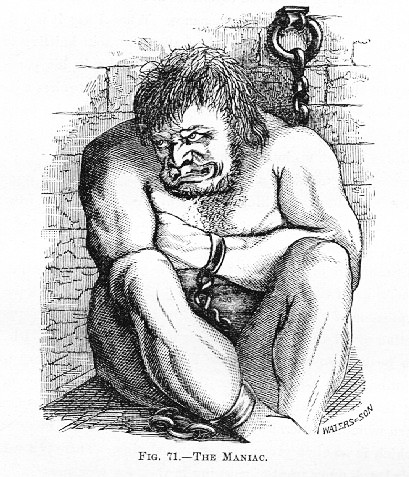
The Maniac – Charles Bell
While at the university, Bell attended the lectures of Dugald Stewart on the subject of spiritual philosophy. These lectures had considerable impact on Bell, for some of Stewart’s teachings can be traced in Bell’s later works in a passage on his Treatise on the Hand.[1] In addition to classes on anatomy, Bell took a course on the art of drawing in order to refine his artistic skill.
While developing his talents as a surgeon, Bell’s interests forayed into a field combining anatomy and art. His inherent talent as an artist came to the fore when he helped his brother complete a four-volume work called The Anatomy of the Human Body. Charles Bell completely wrote and illustrated volumes 3 and 4 in 1803, as well as publishing his own set of illustrations in a System of Dissections in 1798 and 1799.[6] Furthermore, Bell used his clinical experience and artistic eye to develop the hobby of modelling interesting medical cases in wax. He proceeded to accumulate an extensive collection that he dubbed his Museum of Anatomy, some items of which can still be seen today at Surgeon’s Hall.
Bell’s phenomenon: A normal defense mechanism—upward and outward movement of the eye which occurs when an individual closes their eyes forcibly. It can be appreciated clinically in a patient with paralysis of the orbicularis oculi (e.g. Guillain–Barré syndrome or Bell’s palsy), as the eyelid remains elevated when the patient tries to close the eye.[24][25]
Bell–Magendie law or Bell’s Law: States that the anterior branch of spinal nerve roots contain only motor fibers and the posterior roots contain only sensory fibers.[26]
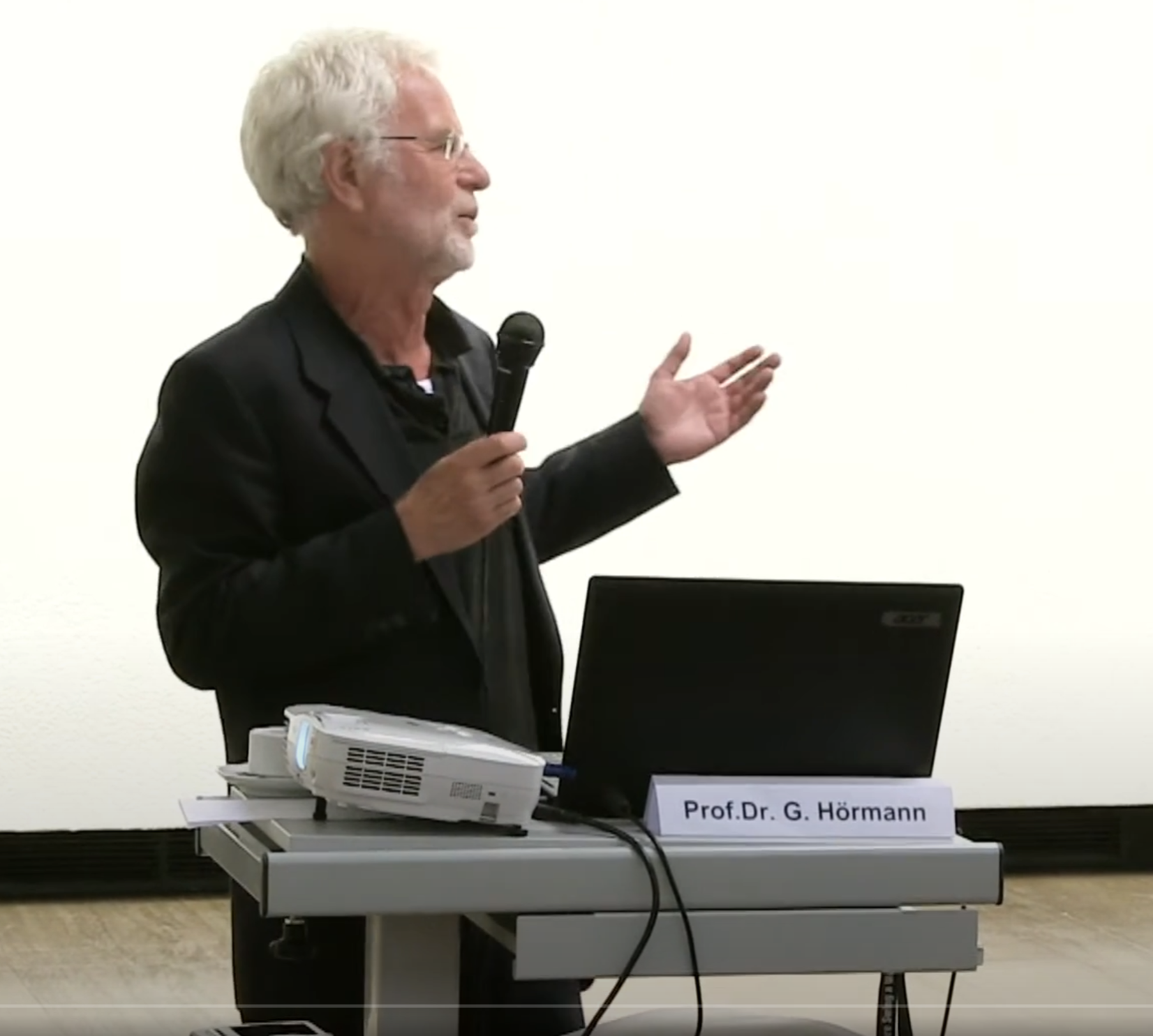
Georg Hörmann (born November 13, 1946 in Ulm) is a German psychologist, physician, psychotherapist, and retired professor of education at the Otto-Friedrich University in Bamberg.
After graduating from the Humboldt-Gymnasium Ulm in 1965, Hörmann studied secondary school teaching (philosophy, Latin, theology, and education), musicology (master’s degree), psychology (diploma), and human medicine. He earned the degrees of choirmaster (C-exam) at the Westphalian School of Music, a master’s degree in musicology (M.A.), and was organist at, among others, St. Peter’s Church in Münster. General examination in philosophy and pedagogy, first philological state examination for grammar schools in the subjects of Latin, theology, pedagogy, diploma in psychology, medical state examination, license to practice medicine, recognition to use the title of psychotherapist (Westphalia-Lippe Medical Association), doctorates at the Faculty of Philosophy, Medicine and the Faculty of Social and Behavioral Sciences (Dr. phil., Dr. med., Dr. rer. soc.) and habilitation in the field of educational science.
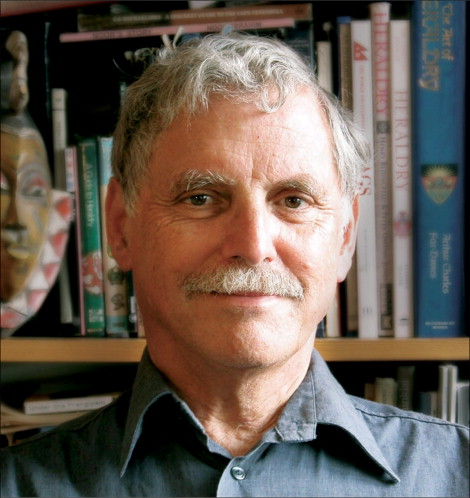
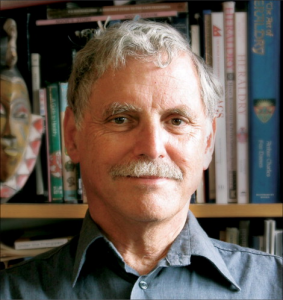
Adam Kuper, a sometime professor of anthropology at Brunel University, was lecturing on the topic at UCL when he first got to know Helman. “It was very unusual then for a medical person to do a social science course”, he recalls. “But Cecil was always more than doctor. He wanted to develop a number of strands to his life.” These included painting and writing poetry and prose. It was Kuper who, in the late 1980s, hired Helman to work at Brunel on what was the first medical anthropology course in England. “As a teacher at Brunel he was very good. The course originally attracted mainly people with health backgrounds because health authorities had begun to struggle with the problems and ideas of immigrant groups with which they weren’t well equipped to deal. Cecil was particularly successful at Socratic teaching in small groups. He would get students to read things, talk about them, and then shape the discussion.”
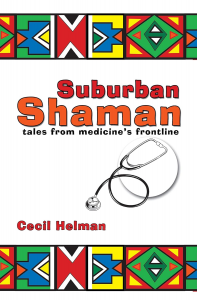
Dear Dr Ellenberger, I am a doctor as well as a writer. You might be interested in my recent memoir: Suburban Shaman: Tales freom Medicine’s Frontline (see: www.hammersmithpress.co.uk/suburbanshaman ), which in March was selected for broadcast by the BBC as a ‘Book of the Week’. Best wishes, Cecil Helman
Birthplace: Düsseldorf Art studies at the Académie Royale des Beaux-Arts in Liège Annual Exhibition of Düsseldorf Artists Visual Artists and Authors of Düsseldorf Artists’ Association Malkasten (Düsseldorf) Artists’ Card of the State Capital of Düsseldorf 1981 Annual Exhibition of Düsseldorf Artists
After studying art at the Royal Academy in Liège, Belgium, Hans Greuel studied medicine, and both professions continue to fascinate him.
Today (2007), the 53-year-old general practitioner has his practice in Düsseldorf and enjoys a strong reputation as an artist.
His pivotal experience was a visit to the Native Americans in Arizona – he was able to support the chamanes in both their artistic and medical work and recognized that sculptures, talismans, and rituals are equally valuable elements of treatment alongside non-pharmaceutical therapy.
On this basis, Greuel also reclaimed medicine and art as healing methods and promoted a culture of quiet contemplation and internalization to encourage a return to one’s inner roots as an appropriate path to the demands of modern life.
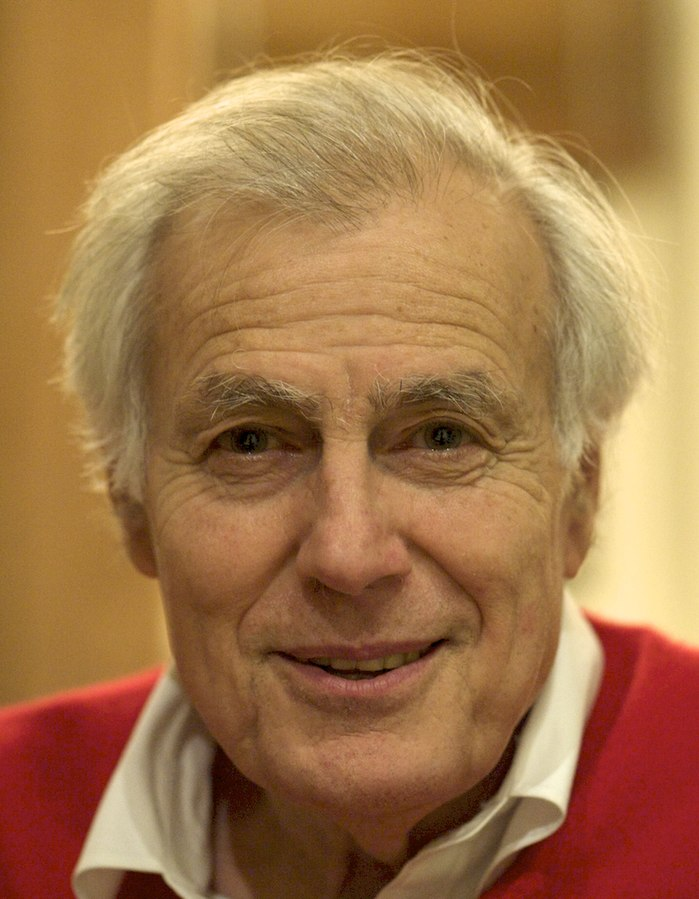
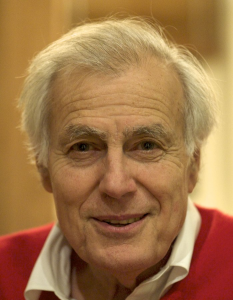
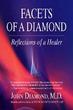
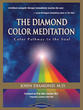
John Diamond (9 August 1934 – 25 April 2021) was a physician and author on holistic health and creativity
Diamond married three times. His first wife was Suzanne Gurvich, with whom he had three children, Ian, Kathie, and Peter. In the 1970s he married Betty Peele, and in 1994 the opera singer Susan Burghardt.[2] For many years, Diamond played drums in a jazz band which he founded, named the Diamond Jubilators. The band performed in hospitals and nursing homes.[2][1] He enjoyed photography and painting in the final years of his life.
ohne John Diamond, aber sicher ähnlich hat es MIT ihm geklungen! without John Diamond, but it surely sounded similarly WITH him!
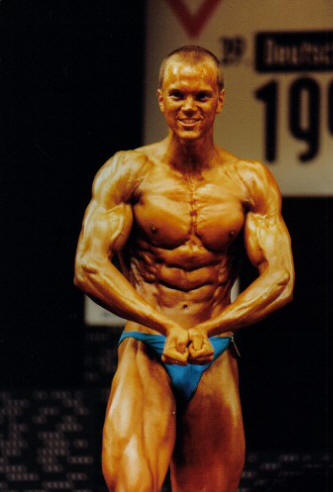
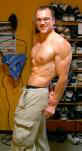
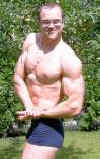
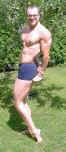
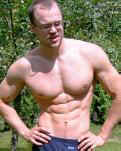
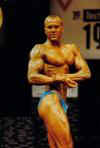
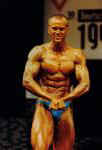
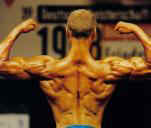
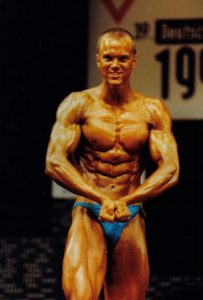
Alexander Dargatz (born May 1977 in Frankfurt) is a German bodybuilder.
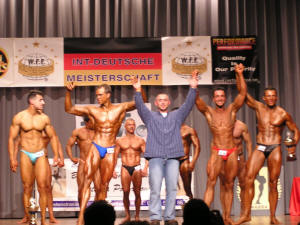
Dargatz began systematic bodybuilding training at the age of 18. In 1997, he achieved second place in the fitness competition “Grand Prix of Hesse and Rhineland-Palatinate.” In 1998, he won four junior championships and took third place in the German Championships in the Junior Class 2. After breaks to study medicine and a knee injury, he took second place in the middleweight division at the German Natural Bodybuilding Championships in October 2005.[1] In December of the same year, he won the overall victory in the fitness class at the 2005 WFF Bodybuilding World Championships, making him the bodybuilding world champion.[2]
Dargatz has been a vegan since 2000.[3] He is a well-known vegan advocate. The animal rights organization PETA (People for the Ethical Treatment of Animals) nominated him for Sexiest Vegetarian German in 2008.
Dargatz studied human medicine and works as a continuing education assistant in child and adolescent psychiatry and psychotherapy (as of 2011).
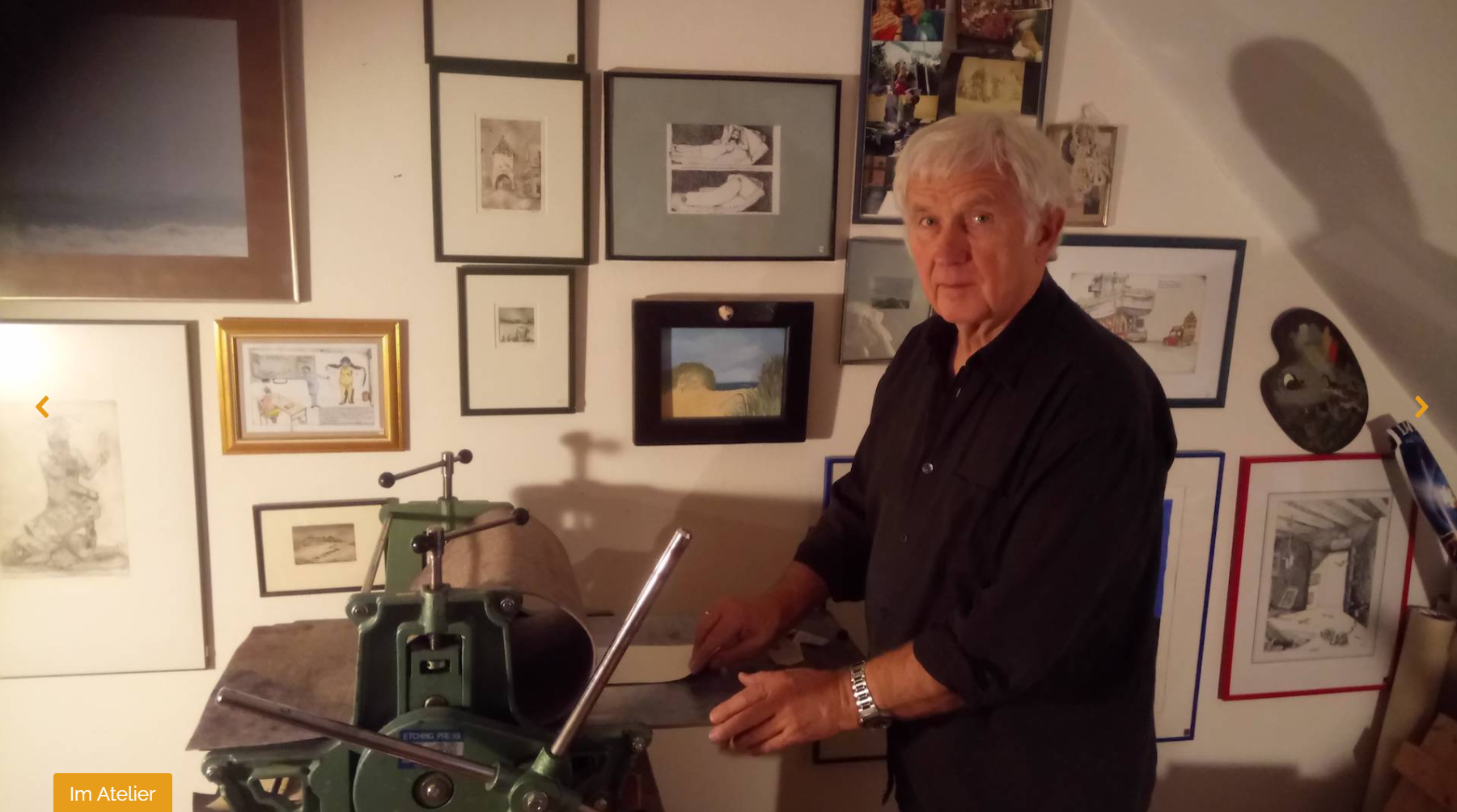
Born in 1944 in Wreschen near Posen Graduated from high school in Lüneburg in 1965 Study of medicine from 1965 to 2010, specialist training (surgery), and rural doctor in Abenberg in 2011 Retired in 2011
Artistic Career
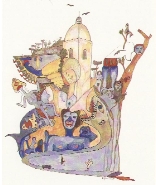
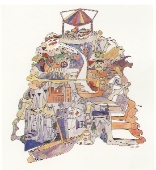
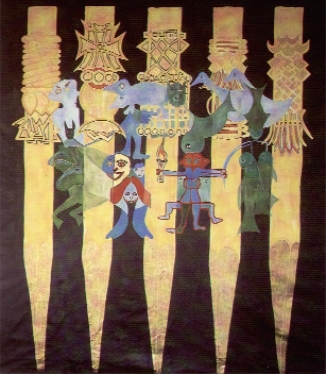
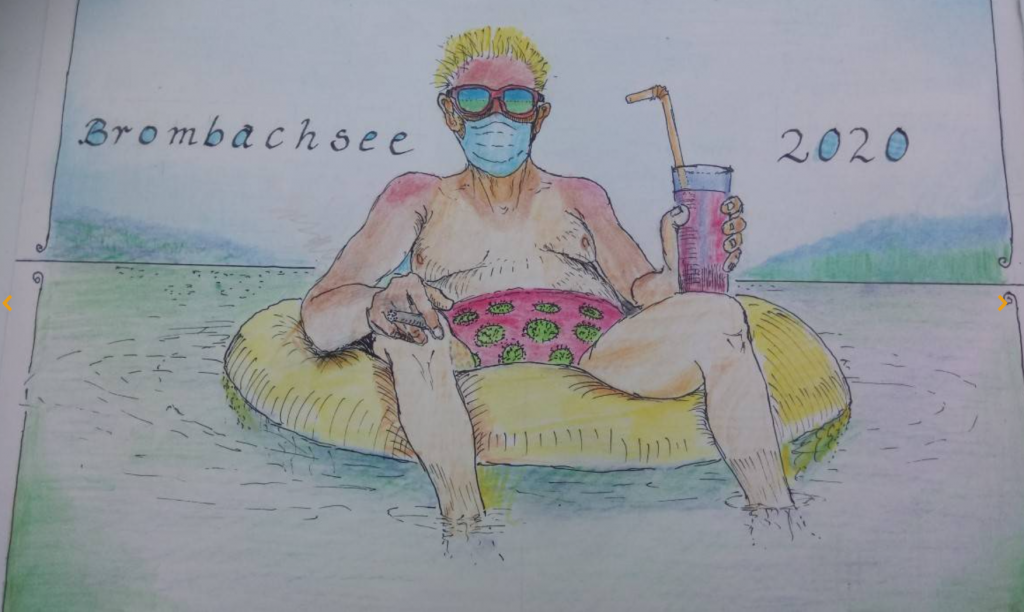
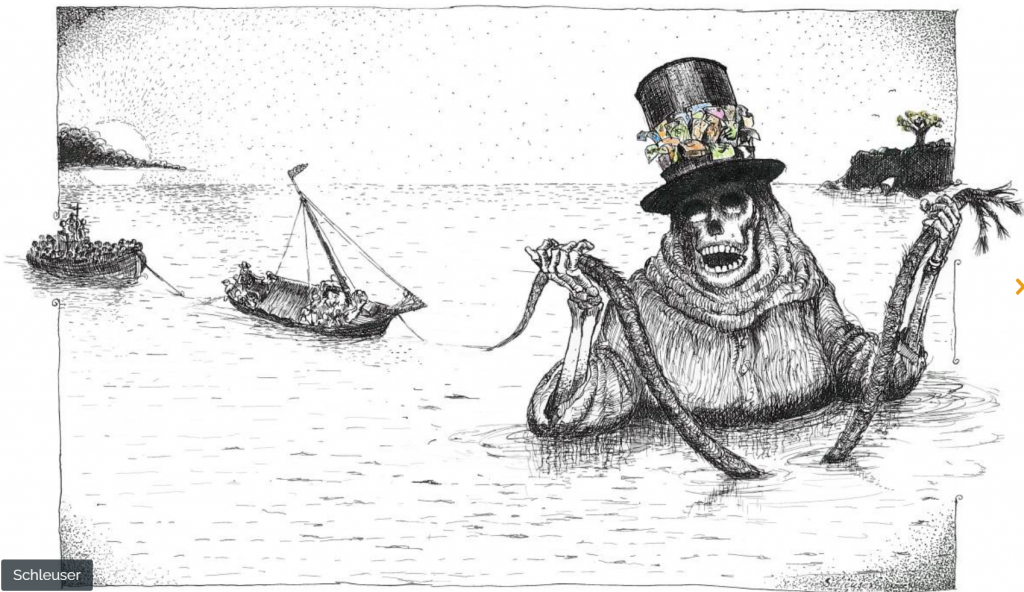
Drawing since childhood. Watercolor course on Sylt, head and figure drawing during his studies in Marburg, and life drawing course at the adult education center in Nuremberg. Experimented with oil painting 30 years ago, and for about 25 years, he has been making drypoint engravings, primarily pen and ink drawings (some colored).
Exhibitions
From the mid-1980s to the mid-1990s, he participated in the annual POHL BOSKAMP painting competition at therapy congresses, first in Karlsruhe and then, after reunification, in Berlin. 2008 Solo exhibition at the Heimathaus Abenberg; VIEW-INSIGHT-PERSPECTIVE-RETROSPECTIVE 2018 Solo exhibition at the Heimathaus Abenberg: THINKING IMAGES-WORD FORMATIONS 2020 Schwabach Artists’ Association, PRESENT, participation with two pen drawings
Awards
1992 First prize (with two other colleagues) at the AESKULAP MALT exhibition organized by POHL BOSKAMP 2001 Audience award at the AESKULAP MALT exhibition