- 2025-04-25
-
-
Klaus Zehnder-Tischendorf
Category : musicologyDocs , WriterDocs
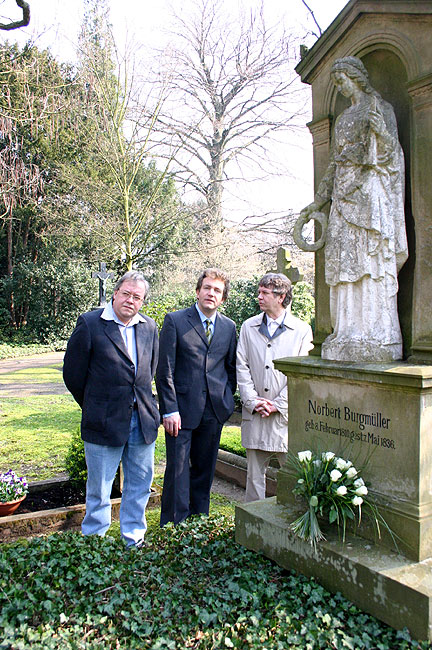
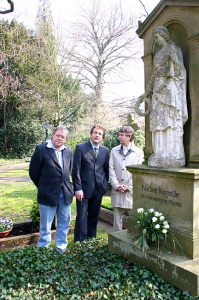
On this day, Klaus Zehnder-Tischendorf (*22. Januar 1957 in Cologne, died 14. November 2014 in Cologne) and others founded the “Norbert Burgmüller Society e.V. Düsseldorf” was founded in the Düsseldorf City Museum. The driving force behind the project is the pianist Tobias Koch, Düsseldorf, and the Burgmüller researchers Dr. Klaus Martin Kopitz, Berlin, and Dr. Klaus Zehnder-Tischendorf, Cologne. The management is taken over by the Dirk Franke Concert Agency, Düsseldorf. Also present at the founding meeting were: Elisabeth von Leliwa, dramaturge of the Tonhalle Düsseldorf; Hannelore Köhler, sculptor; Jutta Scholl, director of the music libraries of the city of Düsseldorf; Peter Haseley, director of the Clara Schumann Music School Düsseldorf; Prof. Oskar Gottlieb Blarr, composer; Alexander Nitzberg, poet; Alfred Lessing, musician and musicologist; Prof. Peter-Christoph Runge, chamber singer and honorary member of the Deutsche Oper am Rhein; Dr. Ernst Sell, physician and collector of musical first editions and keyboard instruments; Regine Müller, arts editor of the Rheinische Post; Natascha Plankermann, journalist; and Manfred Hill. Chairman of the Municipal Music Association of Düsseldorf, founded in 1818.
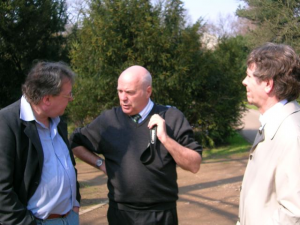
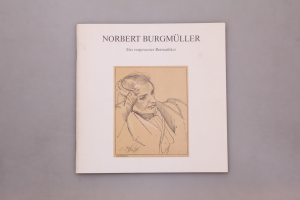
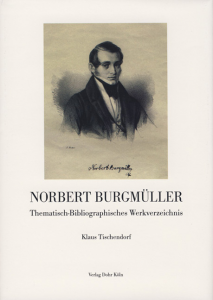
The society’s goal is to promote and disseminate the work of Norbert Burgmüller through publications, concerts, and exhibitions. With 2010 (the composer’s 200th birthday) in mind, the society intends to prepare for the commemorative year and document the composer’s work through the publication of editions and recordings. The society will provide ongoing information about its work on a website currently under development.
Norbert Burgmüller was the son of the first music director of the city of Düsseldorf, Johann August Franz Burgmüller, and a member of the Musikverein.
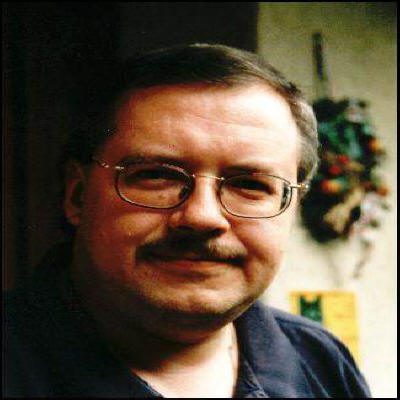
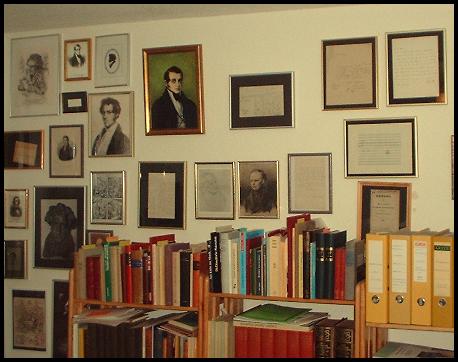
Klaus Zehnder-Tischendorf, born in Cologne in 1957, graduated from high school and studied library science. He spent three years at the Cologne University Library Center (DFG research project). Studied human medicine in Essen. Since 1989, he has practiced medicine in Switzerland and completed his doctorate in forensic medicine in Basel. He has practiced as a general practitioner in Zofingen, Aargau, since 1998. He has lived in Cologne again since 2005.
Interests
Lesser-known music from Joseph Martin Kraus to Theodor Kirchner and Julius Röntgen to Leo Ornstein; musicians’ autographs; fantasy literature; chess; painting; cultural history; computer-assisted conversion of music into moving images; flora and fauna.
Bibliography by Klaus Zehnder-Tischendorf on Norbert Burgmüller and his circle:
Norbert Burgmüller. Leben und Werk.
Köln 1980.
Norbert Burgmüller (1810-1836). Ein vergessener Romantiker, aus Anlass seines 150.
Todestages am 7. Mai 1986.
Düsseldorf 1986.
Norbert Burgmüller.
(in: Correspondenz. Mitteilungen der Robert-Schumann-Gesellschaft e.V. Düsseldorf, V.)
Düsseldorf 1986, S. 8-11.
Norbert Burgmüller. Zur Eröffnung der Gedenkausstellung.
Vortrag in der Raiffeisenbank Düsseldorf am 6.5.1986. Mskr.
Einführung zu ausgewählten Liedern und Klavierwerken. AULOS Preciosa 68539.
Viersen 1986.
Fast verklungene Romantik: Norbert Burgmüller (1810-1836).
(in: Schweizerische Ärztezeitung, LXXX, Nr.31.)
Basel 1999, S. 1914-1917.
„Welch meisterliches Gebilde…“. Die Rhapsodie in h-moll op.13 (1834) von Norbert
Burgmüller (1810-1836). Eine Werkmonographie.
Zofingen 2000.
“Was in der Dinge Lauf jetzt missklingt tönt einst in ewigen Harmonien.” Der Düsseldorfer
Städtische Musikdirektor August Burgmüller als Begleiter der Sängerin Angelica Catalani.
(in: Düsseldorfer Jahrbuch 2000, Beiträge zur Geschichte des Niederrheins, Bd. LXXI.)
Düsseldorf 2001, S. 243-257.
Vorwort zum Erstdruck des Allegretto (Ständchen) o. op.
Genf 2001.
Norbert Burgmüller (1810-1836) – Der Rheinische Schubert. (Der Kleine Lauschangriff.)
(in: Klassik Heute, Jg. 4, Heft 8.)
München 2001, S. 42f.
Vorwort zur Neuedition der Klaviersonate f-moll op.8
Düsseldorf 2001.
Vorwort zur Neuedition Sämtlicher Lieder.
Düsseldorf 2001.
Grabbes Oper “Der Cid”. Neue Erkenntnisse zur Vertonung von Norbert Burgmüller.
(in: Ich aber wanderte und wanderte – Es blieb die Sonne hinter mir zurück. Grabbe-
Jahrbuch 2000/2001. 19./20. Jg.)
Detmold 2002, S. 140-146.
Vorwort zur Neuedition ausgewählter Klavierwerke von Friedrich und Norbert Burgmüller.
Düsseldorf 2002.
Vorwort zum Reprint der Sinfonie Nr.1 c-moll op.2.
München 2002.
Vorwort zum Reprint des Trauermarsches a-moll op.103 von Felix Mendelssohn-Bartholdy.
München 2002.
Vorwort zum Reprint der Ouvertüre f-moll op.5.
München 2003.
Vorwort zum Reprint der 4 Entr’Actes op.17.
München 2003.
-
Monika Stolz
Category : CharityDocs , PoliticianDocs , radioDocs
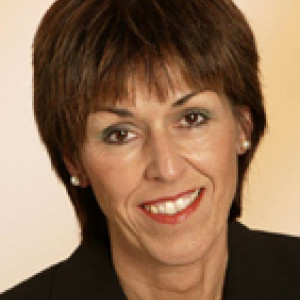
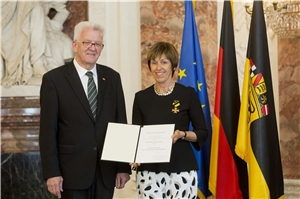
Monika Stolz (born March 24, 1951 in Worms) is a German politician of the Christian Democratic Union (CDU). She was a member of the Baden-Württemberg state parliament from 2001 to 2016 and Baden-Württemberg’s Minister of Labor and Social Affairs from 2006 to 2011.
After studying economics in Freiburg, Monika Stolz worked as a research associate at the Konrad Adenauer Foundation from 1974 to 1977. From 1976 to 1983, she studied human medicine in Giessen, Würzburg, and Bonn, received her doctorate in 1984, and worked as a physician.
Since retiring from politics in 2016, Stolz has been involved in a variety of volunteer activities. She is chair of the Abuse Commission (“Sexual Abuse Commission,” KsM) of the Diocese of Rottenburg-Stuttgart[1] and was also appointed by the Bishop of Rottenburg to chair the Diocesan Caritas Council, which acts as the ecclesiastical supervisory body of the German Caritas Council Association.[2] Stolz is also active on the board of trustees of the St. Elisabeth Foundation[3] (Bad Waldsee), the Central Committee of German Catholics, the Broadcasting Council of the Southwest Broadcasting Corporation, and other advisory boards.[4]
Monika Stolz is Roman Catholic, married, and the mother of four children.
From 1989, Stolz served as a city councilor in Ulm, chairing the CDU municipal council group from 1991 to 1999, and as a local councilor in the Ulm district of Unterweiler from 1989 to 2004.
In 2001, Stolz was elected to the Baden-Württemberg state parliament with a direct mandate for constituency 64 – Ulm, and served until 2016. She served as deputy chair of the CDU parliamentary group from July 2004 to October 2005. She did not run in the 2016 state election.
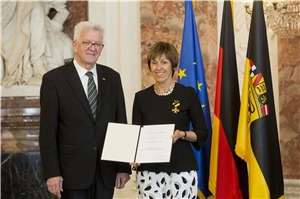
From October 2005 to January 2006, Stolz served as Political State Secretary in the State Ministry of Culture, Youth, and Sport. Following Andreas Renner’s resignation as Minister of Labor and Social Affairs, she was appointed as his successor by Prime Minister Günther Oettinger and held the ministerial post from 2006 until the Kretschmann government came to power in 2011.
In 2008, she refused to deliver a welcoming address at the Christopher Street Day in Stuttgart, citing, among other things, the event’s chosen motto: “I believe” in her written rejection to the organizers.
https://www.facebook.com/monika.stolz
https://www.abgeordnetenwatch.de/profile/monika-stolz
https://www.cdu-ulm.de/personen/dr-monika-stolz
-
Peter Konopka
Category : BicycleDocs , SpiritualDocs , WriterDocs
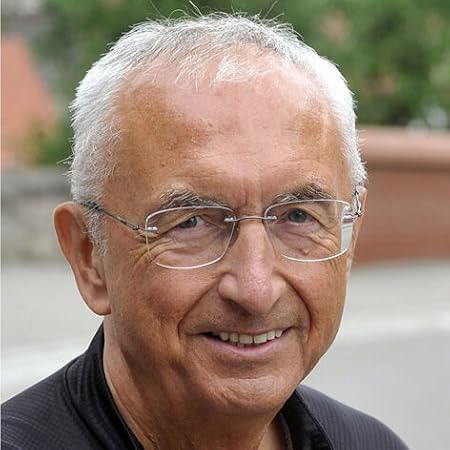
Dr. Peter Konopka is an internist, sports physician, and director of his own yoga school in Augsburg. In addition to his professional work as a senior physician in internal medicine at Augsburg Hospital, he was an active racing cyclist and, for twelve years, served as a sports physician for the German national road and cyclo-cross teams at training camps and stage races, as well as at a total of 16 World Championships and Olympic Games. In 1991, his Indian yoga teacher, Jonas Remedios, appointed him as his successor as director of his yoga school in Augsburg.
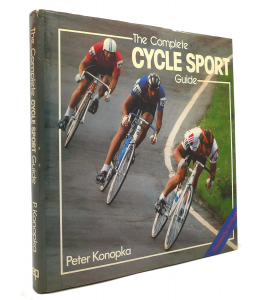
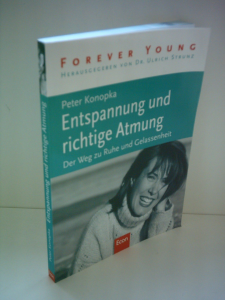

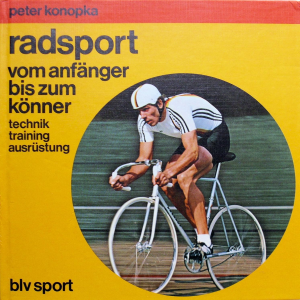


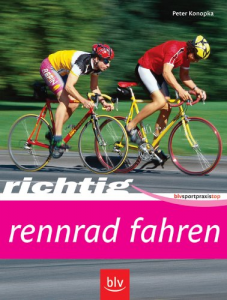
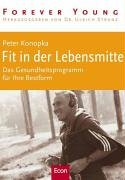
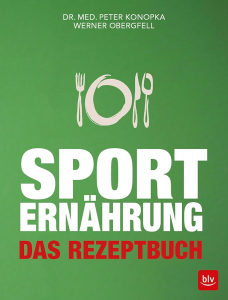
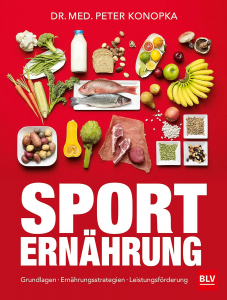
In addition to his professional activities, he was an active racing cyclist. With cycling world champion Rudi Altig as national coach, he served for twelve years as a sports physician for the German national road cycling teams, providing support at training camps and stage races, as well as at world championships and the Olympic Games. He was also trained as a yoga teacher by his Indian yoga teacher, Jonas Remedios, and in 1991, he was appointed his successor as director of his yoga school in Augsburg.
Dr. Peter Konopka was a senior physician in internal medicine at Augsburg Hospital until 2003. Always active in sports, he opened his own yoga school in Augsburg in 1991. Konopka began using these Far Eastern exercises, proven over 5,000 years, as early as 1972, when he first discovered yoga as an effective treatment for spinal problems in cyclists. His lectures, publications, and columns in professional media are countless. He also regularly contributes articles and provides valuable tips in our magazine “Health on a Grand Scale.”
He taught Haich-Yesudian Yoga https://www.youtube.com/watch?v=1wEnHowy_ew
https://www.facebook.com/yoga.konopka.augsburg/?locale=de_DE
https://www.linkedin.com/in/peter-konopka-57588a1aa/?originalSubdomain=de
-
Andreas Sliwka
Category : ArtDocs , CharityDocs , TeacherDocs
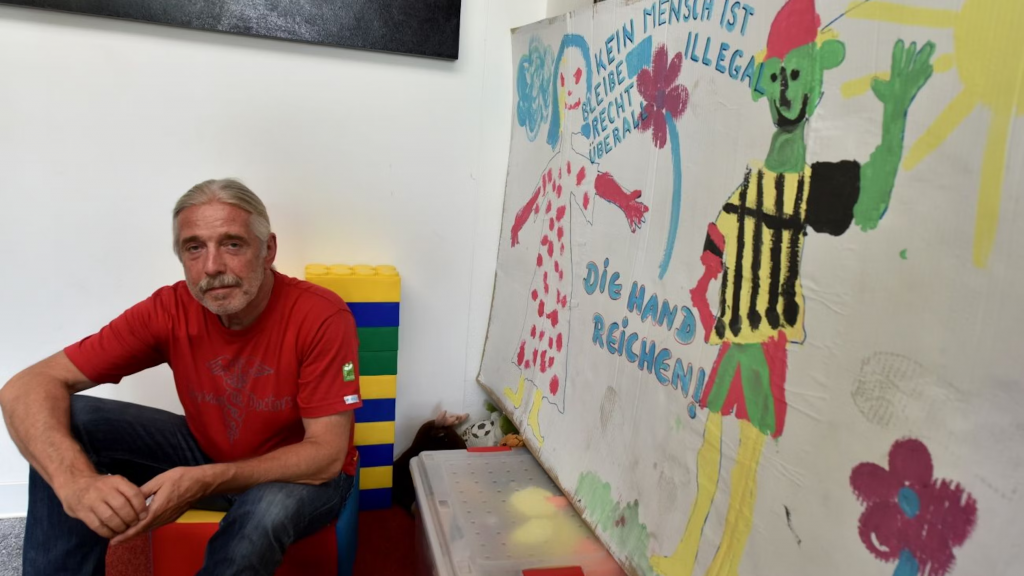
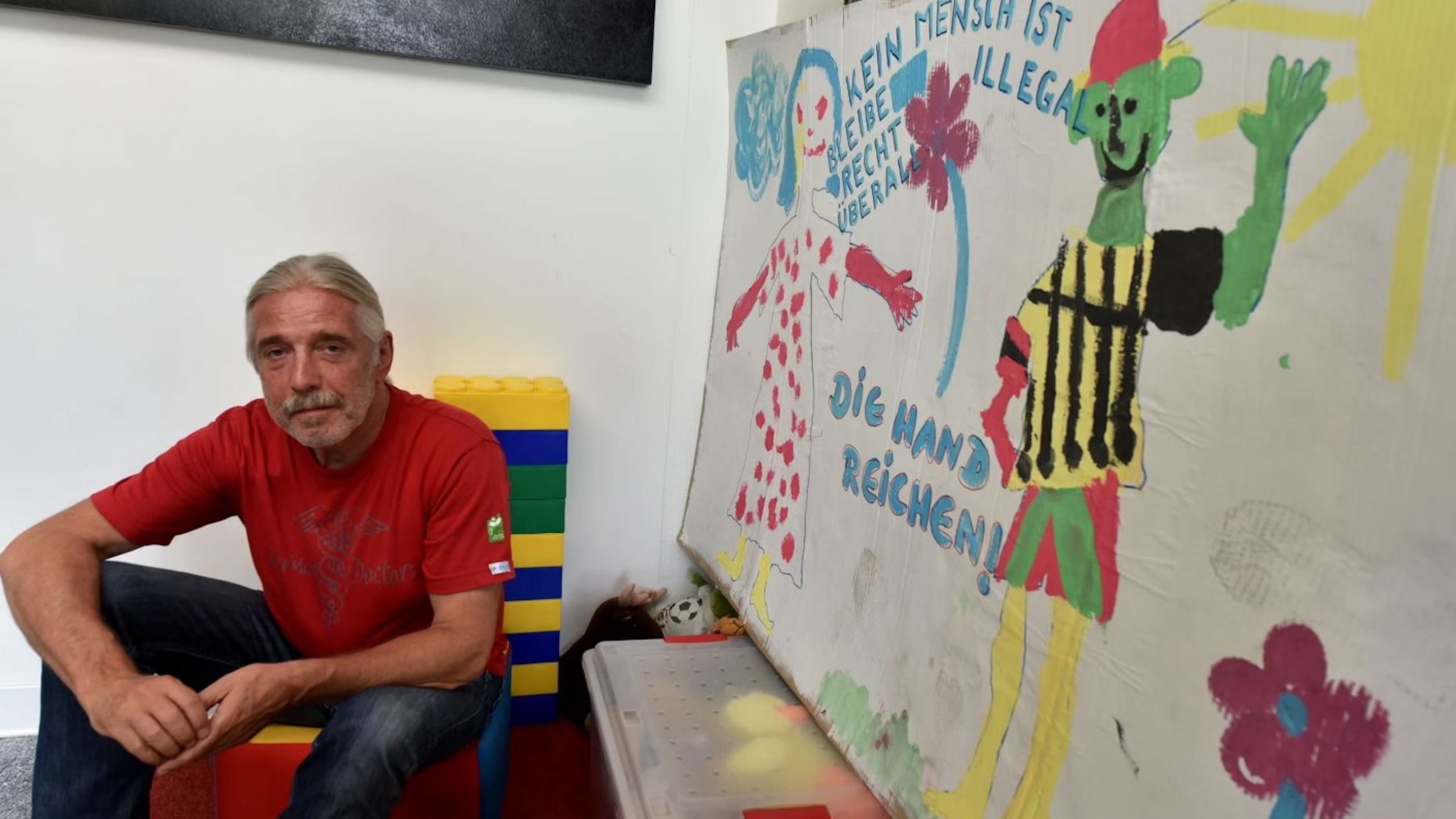
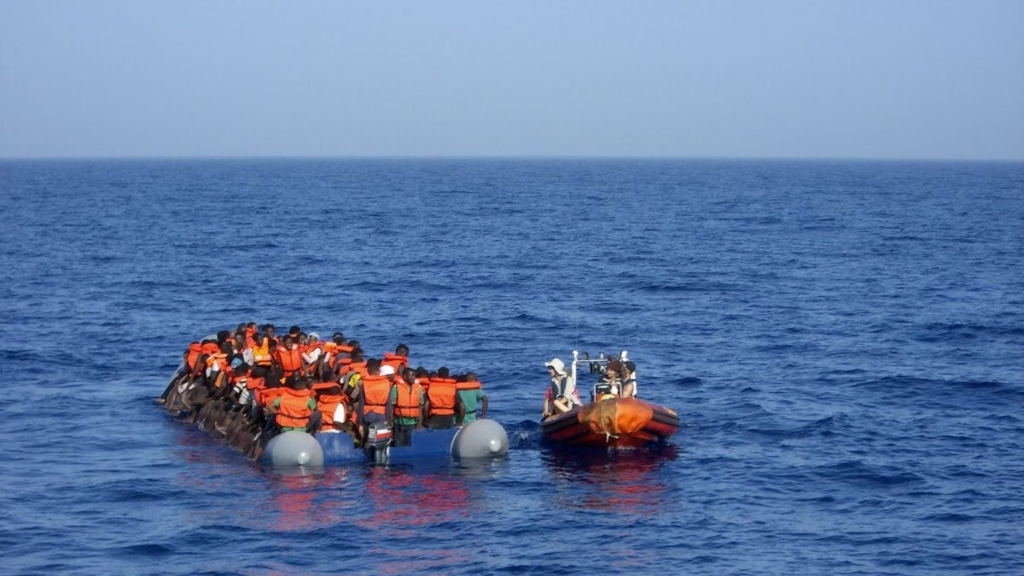
Multiple deployments as a doctor in various crisis areas in the Third World – in the Congo after the genocide in Rwanda, in the jungle clinic on Mindanao (Philippines), and most recently several deployments as a ship’s doctor in sea rescue operations off the coast of Libya – are expressions of my self-image as a physician.
My own search led me to the Eastern wisdom teachings. Training as a yoga teacher with my own yoga school for 10 years was an important step on this path. I currently practice Zen meditation according to the Soto school.
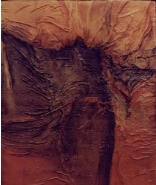
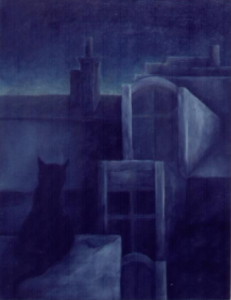
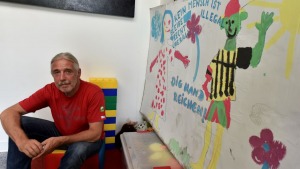
Wegmarken
My interest in philosophy and art arose in my youth. A milestone in this regard was Fritjof Capra’s book “Wendezeit” (The Turning Point) during my medical studies. He successfully established a connection between quantum physics and Eastern wisdom teachings, which has accompanied me throughout my life. About 20 years ago, Ken Wilber’s “Integral Theory” initiated a further development in my thinking. Integral Theory emerged from transpersonal psychology, a psychological development in the USA that integrated the spiritual aspects of human existence into psychotherapy. This form of therapy now also has a firm foothold in Germany (for example, at the Heiligenfeld Psychosomatic Clinic).
-
Rupa Marya
Category : CharityDocs , ComposerDocs , FarmerDoc , PianoDocs , SingerDocs , SpeakerDocs , WriterDocs
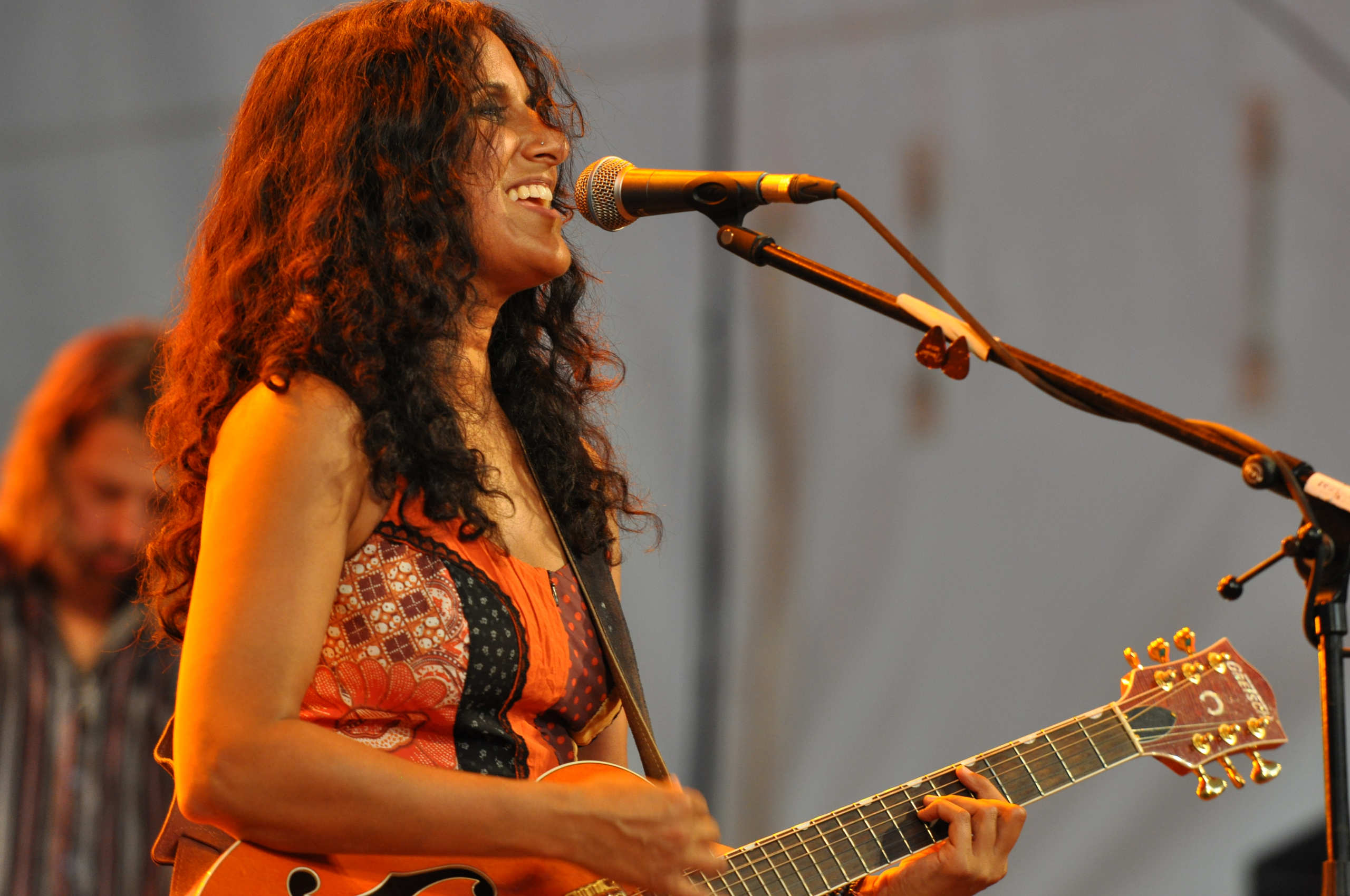
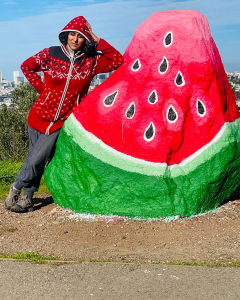
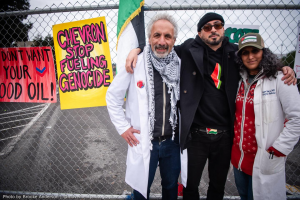
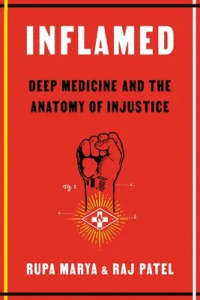
Rupa Marya is a doctor, activist, musician and writer based in San Francisco. She is a professor of medicine at the UCSF School of Medicine[1] and co-author of the book Inflamed: Deep Medicine and the Anatomy of Injustice (with Raj Patel).[2] She is currently suspended from teaching and banned from the UCSF campus after what the university described as the “targeting” of a first-year student from Israel in a social media post. The post cited speculation from the Israeli student’s classmates about potential service in the Israel Defence Forces and possible involvement in Israeli war crimes.
Marya was born in California to immigrant Indian parents. Her childhood was spent in the US, France, and India.[3] She attended the University of California San Diego, earning degrees in theater and molecular biology, before attending medical school at Georgetown University. It was during her residency at UCSF that she began writing and performing music.
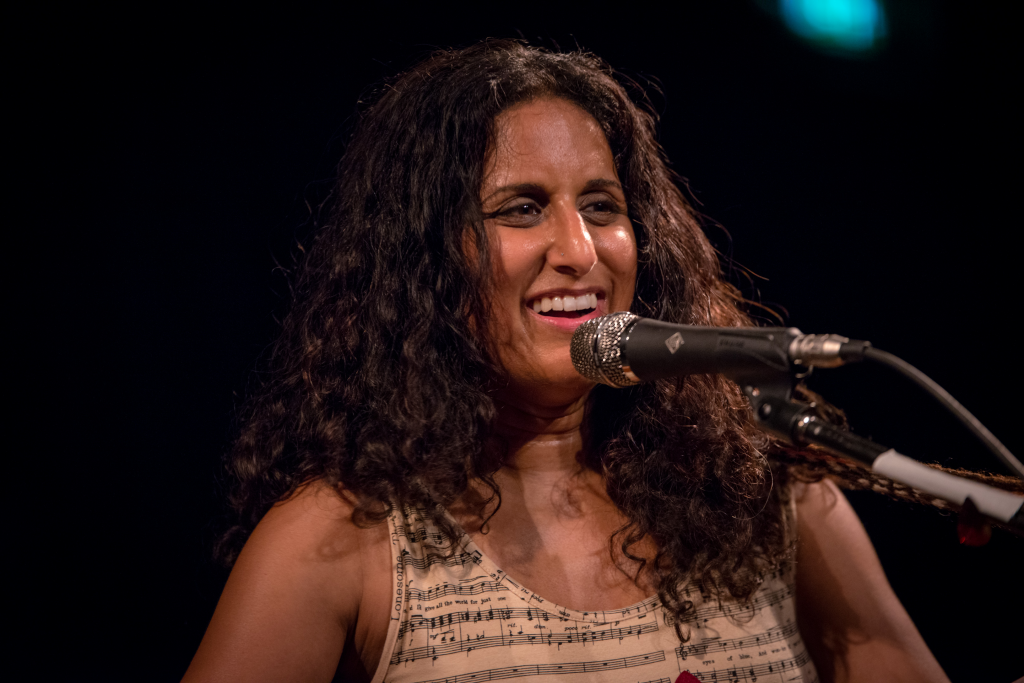
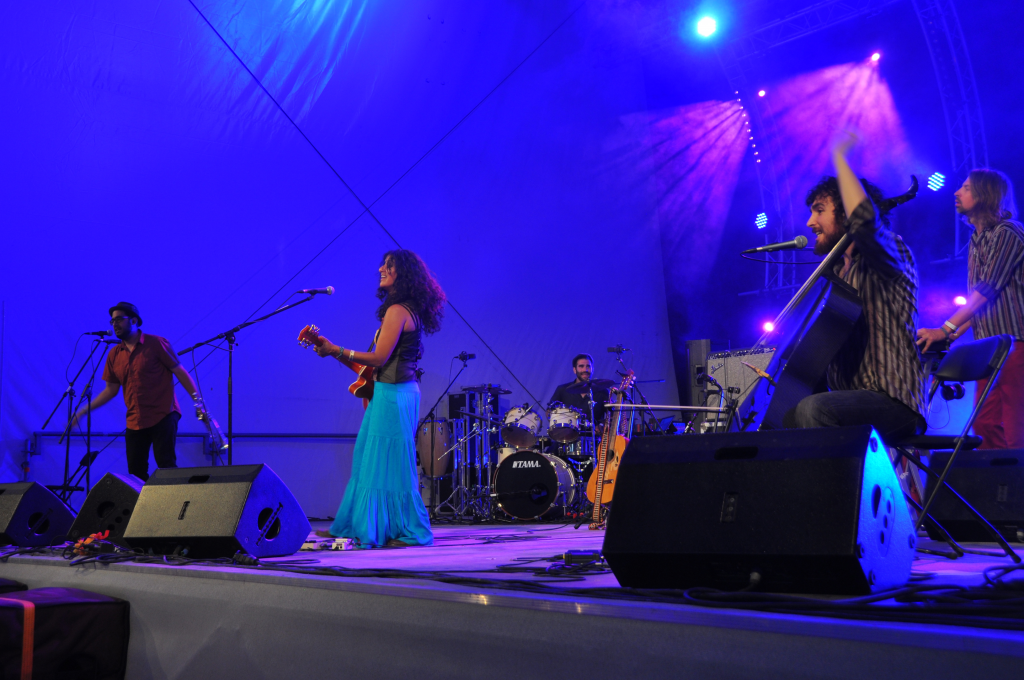
Marya is the composer and front-woman of the band Rupa & the April Fishes[20] and was a lead plaintiff in the lawsuit that brought the song “Happy Birthday to You” back to the public domain.[21][22]
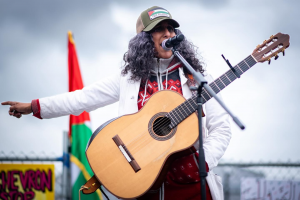
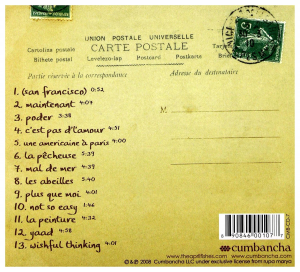

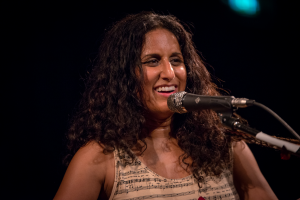
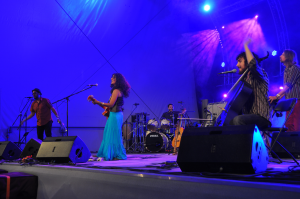
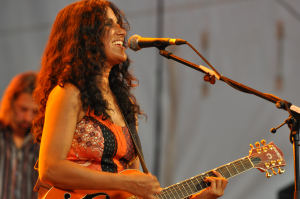
Rupa & the April Fishes’ debut album, “Extraordinary Rendition“, reflects on the societal impact of the September 11 attacks, while her subsequent album, “Este Mundo,” draws from her interactions with undocumented immigrants facing severe health challenges.[23] In “Este Mundo,” Rupa’s lyrics explore themes of longing, loss, and love, maintaining a thoughtful and intimate perspective.[24] Her music incorporates influences from jazz, tango, klezmer, Latin American, and Balkan music.[25]
Marya has said her sense of justice was awakened in childhood as she witnessed class differences in India, and learned about colonization and genocide perpetrated against Native Americans in the United States.[5] She is involved in numerous organizations working at the intersection of social justice and health, including the Do No Harm Coalition[6] and Deep Medicine Circle.[7] She was recognized in 2021 with the Women Leaders in Medicine Award by the American Medical Student Association. She was a reviewer of the American Medical Association’s Organizational Strategic Plan to Embed Racial Justice and Advance Health Equity. In 2019, Marya was among the physicians appointed by Governor Newsom to the Healthy California for All Commission.[8][9]
Marya has been vocal on social media as well as in her capacity as a medical professional regarding violations of Palestinian human rights.[10] After Dr. Avromi Kanal sent an email to hospital staff arguing against a cease-fire resolution, Marya publicly described this email as an “expression of anti-Arab hate” that prompted doctors of South Asian and North African descent “to say they do not feel safe in his presence.”
https://www.theaprilfishes.com
https://www.youtube.com/@theaprilfishes/featured
https://en.wikipedia.org/wiki/Rupa_Marya
https://de.wikipedia.org/wiki/Rupa_%26_the_April_Fishes
https://en.wikipedia.org/wiki/Rupa_%26_the_April_Fishes
https://www.facebook.com/drrupamarya
-
Udo Remmes
Category : photographyDocs
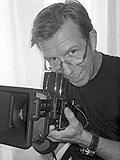
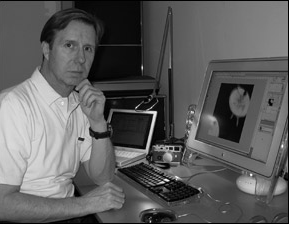
Karl Maria Udo Remmes (born 2 July 1954 in Tübingen, West Germany – 25 November 2014 in Köln[1]) was a German photographer and physician. He has become known especially for his work in backstage photography specializing in opera, ballet and musicals. The leading idea of Remmes’ photographic work is not the documentation – he wants to capture the moments when the hard work of acting transmutes into art.
After studying biology and medicine, Remmes did his medical doctorate in 1986 in neuroradiology, and became a consultant radiologist specialized in cross sectional imaging.[3] He was awarded a Graduation in Professional Photography[4] by the New York Institute of Photography.
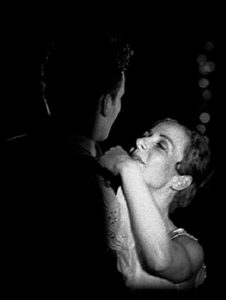

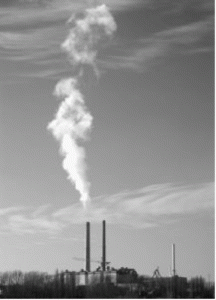
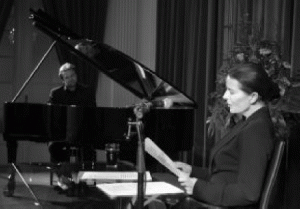
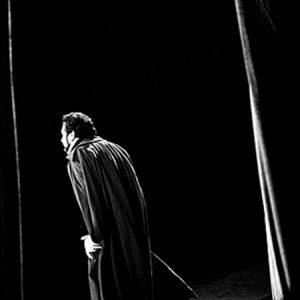
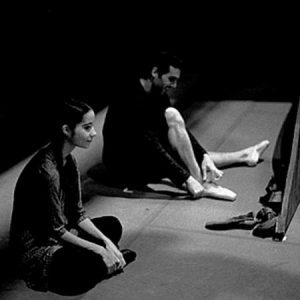
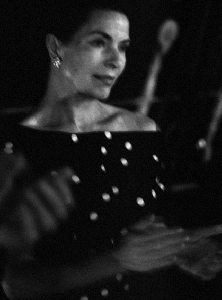
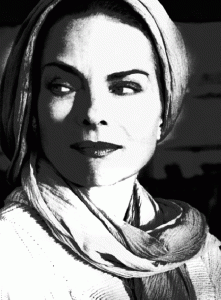
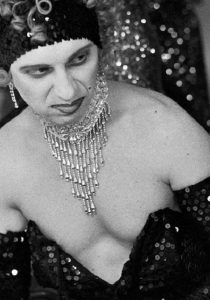
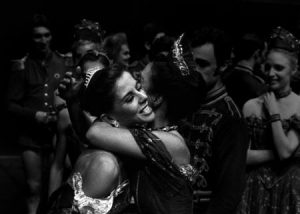
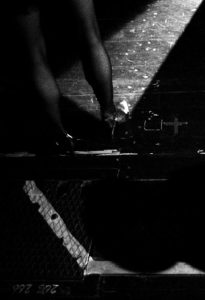
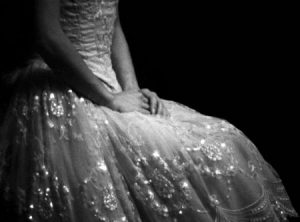
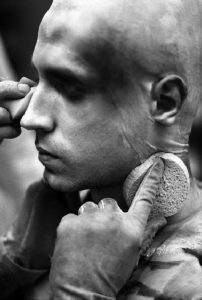
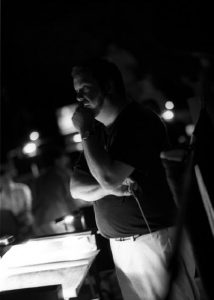
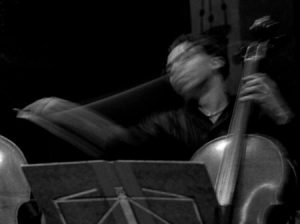
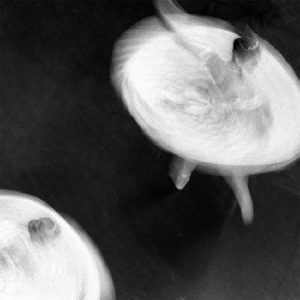
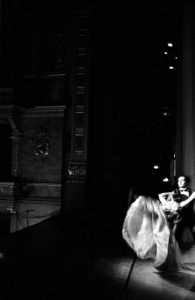
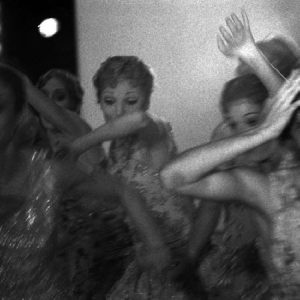
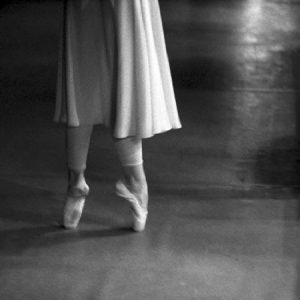
Remmes’ first photo exhibition “Operaria” at the University of Düsseldorf[5] presents a portrait of backstage operations of the Deutsche Oper am Rhein. Remmes worked at various European opera and ballet theatres such as the Teatro Regio of Turin, the Graz Opera, the English National Opera in London, the Savonlinna Opera Festival in Finland and at the Chang’an Grand Theatre in Beijing, China.[6] In 2002, the Theatre Museum Düsseldorf established the “Remmes Collection”. Remmes was elected a Fellow of the Royal Photographic Society (FRPS), Fellow of the Royal Society of Arts (FRSA) and a Fellow of The Royal Society of Medicine. He represented the City of Düsseldorf at the World Exhibition EXPO 2010 in Shanghai, showing his work in an exhibition on the interface between theater work and theatrical stage art in Liu Haisu Art Museum Shanghai[7]
Remmes ‘ photographic style is based on pictorialism. His “Intrinsic Photography” (Remmes about his work) is contrary to the New Objectivity of the Düsseldorf School of Photography founded by Bernd and Hilla Becher. He captures multiple dimensions of theater reality by including diverse temporal, spatial, contextual and reality layers in one image. His pictures tell stories of the theatre machinery. He shows the backgrounds and unwritten laws, the union of scientific and superstitious components behind the scenes.[8] Remmes writes small notes and poems with light to show different realities: the world outside and the artificial world on stage, when actors and singers swap from one world to the other.[9] He represents modern theatre photography but he’s not interested in personality cult or in documentation of the action on stage.[10] He uses unusual prospects, i.e. bird’s eye view.[11] The photographs carry emotion in a different way, by blurred and strong contrasted sujets.[12] Remmes manages to bring the sensitive balance between theatrical work and art to perceptibility
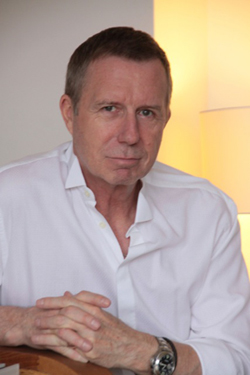
Photographical CV
Exhibits
2000Library Heinrich-Heine-University Dusseldorf, Germany
2001 – Pfalzbau Ludwisghafen, Germany
– In Memoriam 9/11 Johannes Kirche / City Church Dusseldorf
2002 – 105th Joint Meeting of German Physicians, Rostock, Germany
– Serenissima Serenata, Venice goes Charity, Dusseldorf
– Leica Gallery Solms, Leica Headquarters Solms, Germany
2003 – Leica Gallery Tokyo, Japan
– Theatrical Museum Dusseldorf
– Foundation „Collection Remmes“ related to Dumont-Lindemann-Archive
by the City of Dusseldorf
– Photo-Art Setting new foyer of the Dusseldorf Theatrical Museum
2004 Rathaus (Cityhall) Schoeneberg, Berlin, Germany
2005 – Goethe Institiute, Beijing, China
– He Xiang Ning Art Museum, Shenzhen, China
2006 Gallery Dr Petra Lange, Berlin, Germany
2007 Photo-Art Tour „Tracing C.C.“, Howard E. Lewis Events, Florida / USA
Publications
2002 Sabrina Ceccherini – Die Rock-Lady von LTU, Cover & Photos, UFO No.6
2003 – Moments of Art. Remmes U, Meiszies W (Edt), ISBN 3-929945-19-3
– The Art of Seeing. Remmes U, Sadler R; Cont.Photogr./RPS No.27
– On Stage / Backstage. Remmes U, Matzigkeit R; Schwarzweiss 37
2004 Nô-Images, The Art of Japanese Nô-Costumes, Remmes U
2005 b_fity!, Hommage to Birgit Wessely, Remmes U
2006 Traditional Excellence by Digital Design, Remmes U, RPS-Journal Vol. 146
2007 Tracing C.C., Photos on the Traces of Christopher Columbus, Remmes U
Distinctions and Affiliations:
- Accredited Senior Imaging Scientist (ASIS) and
Fellow of The Royal Photographic Society (FRPS) of Great Britain. - Graduation in „Professional Photography“ by the New York Institute of Photography – NYIP, New York / NY, USA.
- Marquis Who´s Who in The World, New Providence, USA
- Hübners Who is Who Bundesrepublik Deutschland, Zurich, Switzerland
-
Rudolf Rehbach
Category : ArtDocs , sculptureDocs
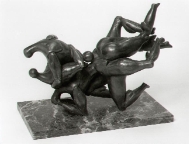
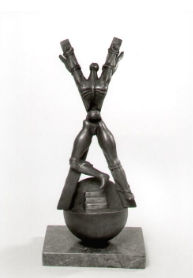
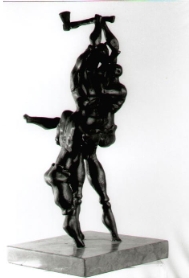
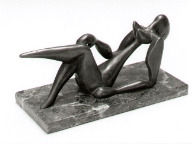
In his time as medical student ans assistant doctor Rehbach still had time for his artistic ambitions. Georg Brenninger and Emil Krieger were supporting him at the Munich Art Academy. He got further impulses from the Phantastic Realism of the Vienna School – Ernst Fuchs and Aric Brauer were protagonists here. But also surrealism – especially Salvador Dalí and Max Ernst wer influencing his visions of shape as well as Henry Moore.
Based on this he mainly makes small sculptures of bronce in the magical-mystical world between erotics and sexuality – as a free style of the new era.
Though his main work for the last 1 5years (2007) is obstetrics and cytology in Neufahrn near Munich/Bavaria/Germany. He is member of an art circle in Echingen and participated in several exhibitions and got a great response about his work.
-
Frank Rawer
Category : ArtDocs , photographyDocs , WriterDocs
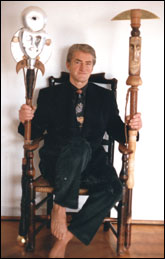
Frank Rawer, physician and artist, was born in Strasbourg. He grew up in Saarland and the Odenwald region; at the Odenwald School (near Heppenheim, Bergstrasse), he served as president of the school council, among other things. He received a travel scholarship from the Fondation des Bourses de Zellidja. He graduated with honors. He studied medicine in Frankfurt am Main, including an internship abroad in New York, USA. He passed the state examination (“very good”), received his doctorate (“magna cum laude”), and passed the ECFMG examination in 1971. He trained and continued his medical education (pediatric clinic, surgery, internal medicine, pathology, anesthesiology with helicopter rescue service, and radiology). He is a specialist in internal medicine and a specialist in radiology, specializing in nuclear medicine. He worked for many years as a senior radiologist.
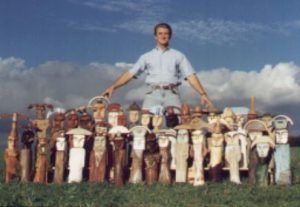
For a long time (over 40 years), however, he has also worked as an artist, with a now extensive body of work, largely outside the art world for many years.
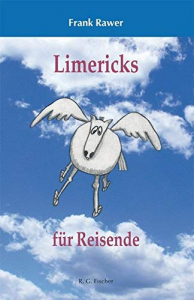
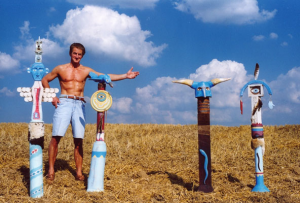
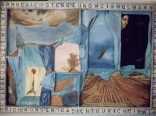
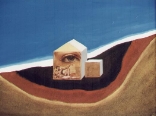
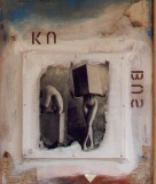
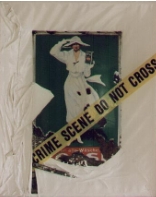
Frank Rawer has also won prizes in several photography competitions and participated in related exhibitions (including the International Book Fair Frankfurt 2000, Photokina Cologne 2004). Frank Rawer is also the author of the poetry collection “Limericks for Travelers” (R.G. Fischer Verlag).
On the occasion of an exhibition, journalist and art historian Ingrid Zehnder (St. Gallen) wrote: “… as a self-taught artist, he has not only achieved astonishing precision and perfection in his craftsmanship, but has also developed a distinctive, independent style in his invention and expressiveness.
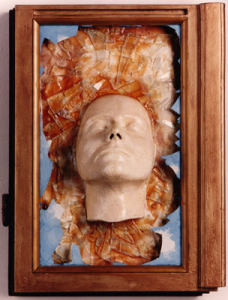
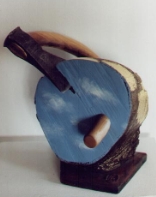
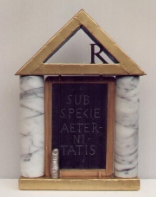
Frank Rawer works with a wide variety of materials: wood and plaster, Carrara marble and feathers, gold and sheet metal, precious woods and found objects from nature, canvas and paper. These are not random assemblages, however; the inherent quality of the material always plays a role.
Frank Rawer’s works are original and imaginative; they make allusions and set chains of ideas in motion. Sometimes they are cheerful and witty, ironic and playful, sometimes serious and critical, ambiguous and subtle.”
-
Matthias Petersen
Category : PoliticianDocs
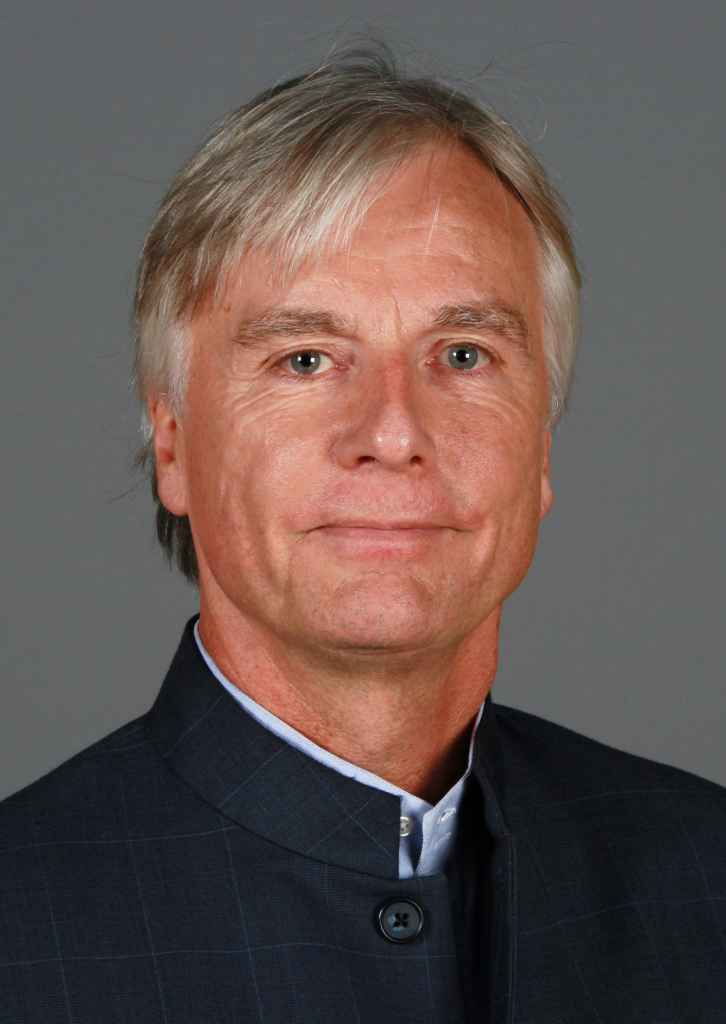
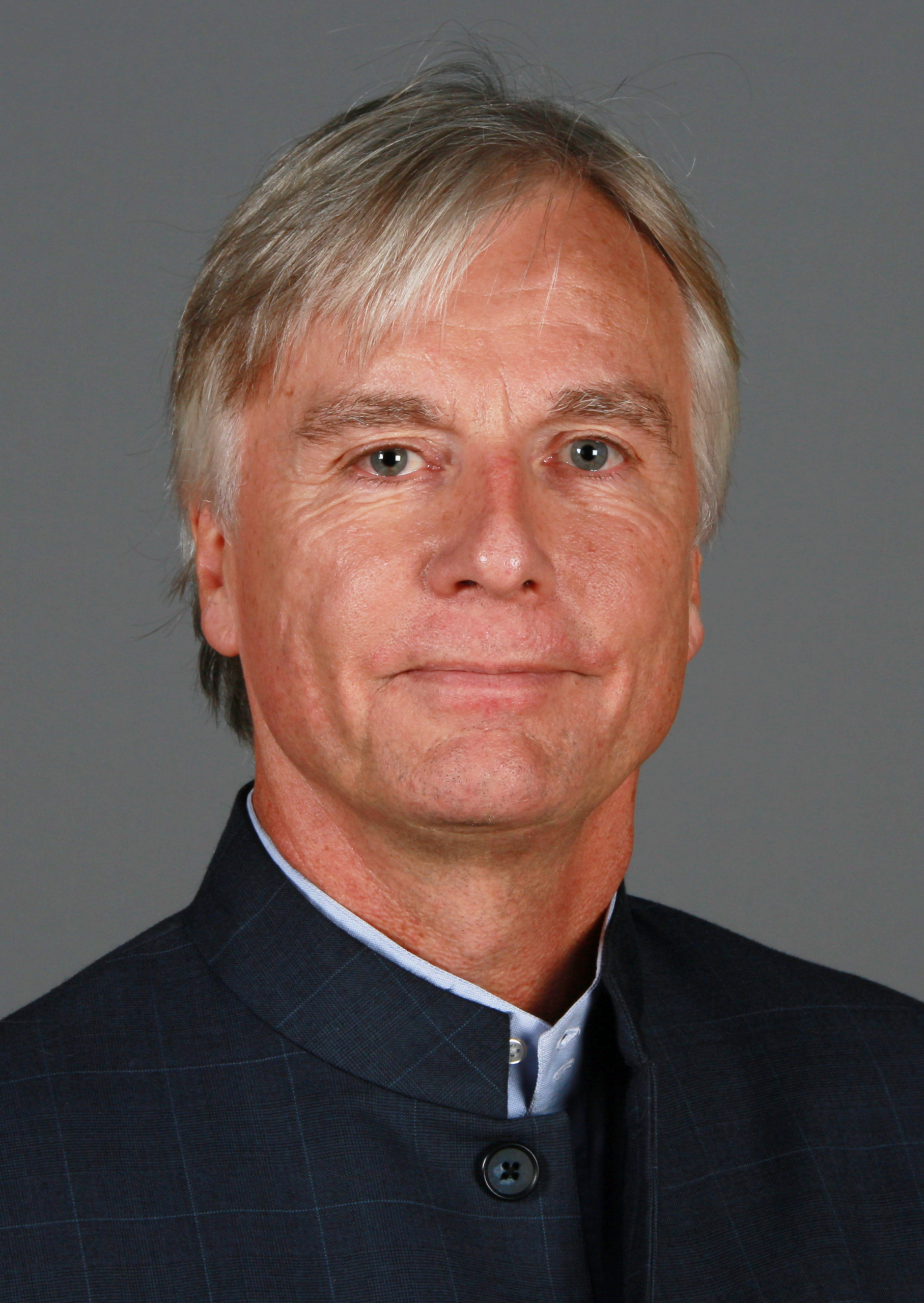
Mathias Petersen (born August 23, 1955 in Reinbek) is a German physician and politician of the Social Democratic Party (SPD). He was a member of the Hamburg Parliament from 1997 to 2025.
https://de.wikipedia.org/wiki/Mathias_Petersen

