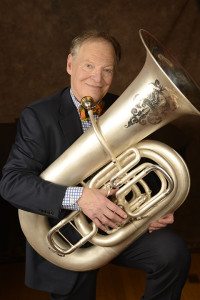
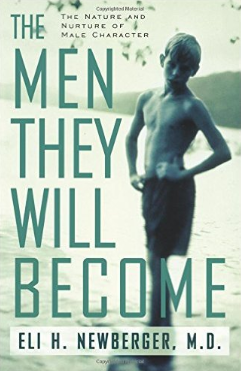
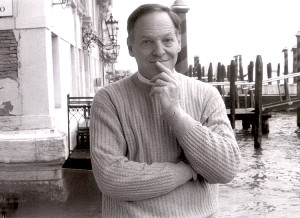
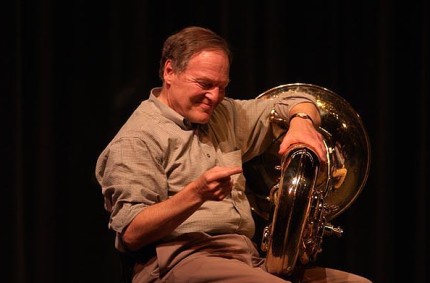
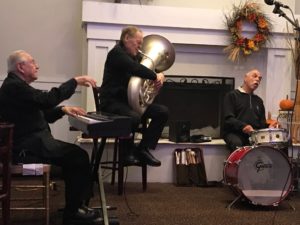
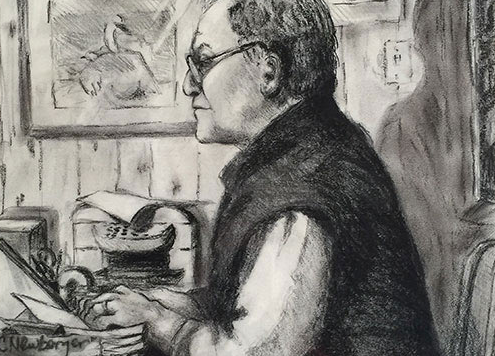
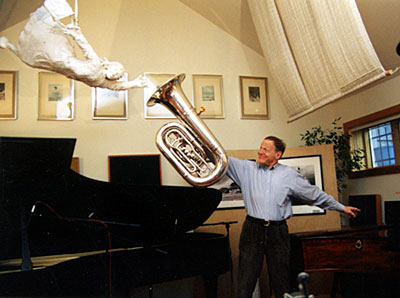
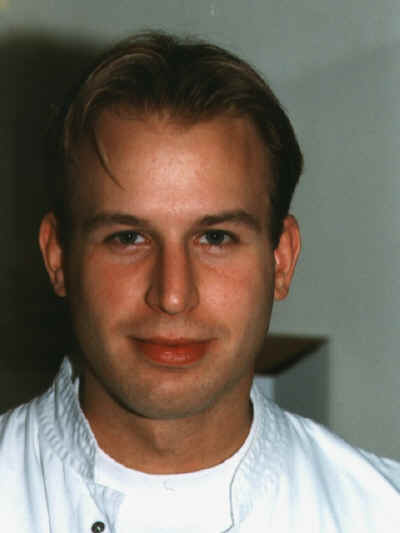
For more than 30 years, Dr. Newberger’s consolation at the end of stressful workdays was his weekly gigs as tuba player for the New Black Eagle Jazz Band. As he left the clinic and entered Boston’s jazz scene, he moved from a world filled with misery to one teeming with creative energy. “At five I leave the clinic and forty-five minutes later I pull into a parking lot outside Coffee, Tea, and Melody, the pub the Black Eagles have been playing since 1995,” he wrote in Doctors Afield. “I take off my tie, pull the tuba out of the trunk, and enter a different world. Here, injustice does not prevail, there is a sadness but not misery, and every moment of improvisation carries with it a prospect of redemption. Indeed, ‘mistakes’ in jazz improvisation become platforms for new ideas, not catastrophes that destroy lives.”
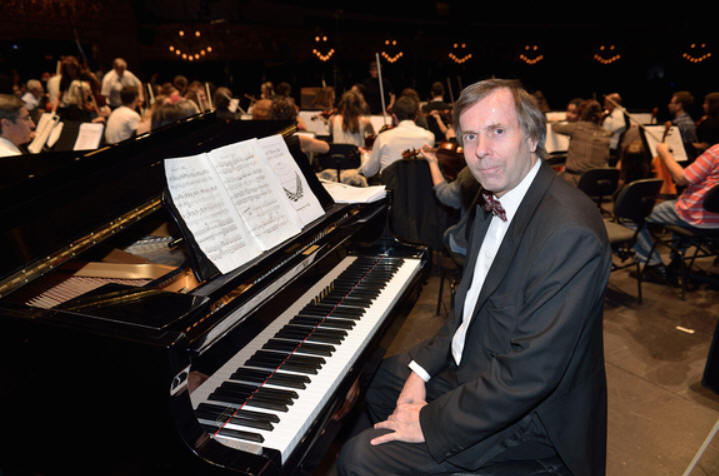
During his international career as Lied accompanist and chamber musician he was partner of leading Lied singers and leading instrumentalists.
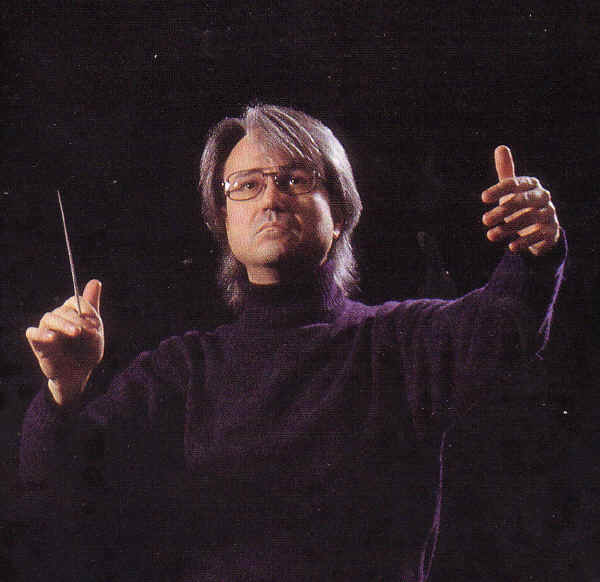
He studied conducting with Wilfried Boettcher in Basel. Master classes with Leonard Bernstein and Sergiu Celibidache completed his studies.
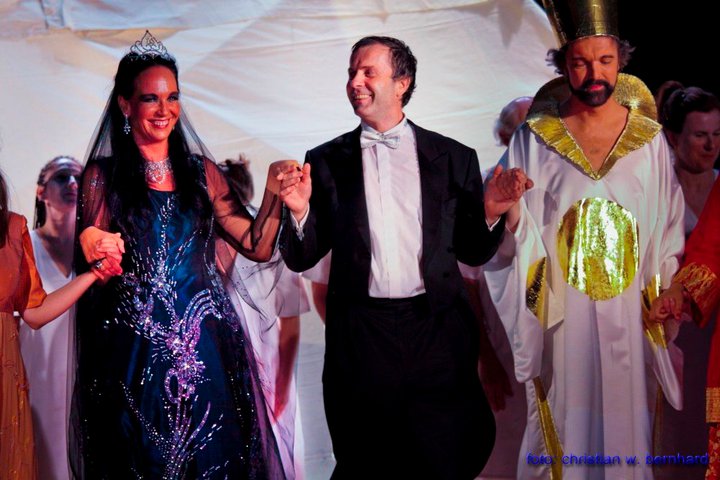
He was chief conductor of the symphony orchestra Dornach/Switzerland. His career began in Italy where he became first maestro and artistic vice director. Later he spent a long time in South Korea as director of the Masan Symphony Orchestra and guest conductor of the Seoul Philharmonic Orchestra. In Finland he got in touch with the contemporary music scene and took up several works in his repertoire. He conducted “Aida” on the Opera Festival of Savonlinna and gave master classes of Lied and chamber music. He regularly worked with finnish orchestras. He also was guest conductor of the Budapest philhamronic orchestra and of the Opera Budapest.
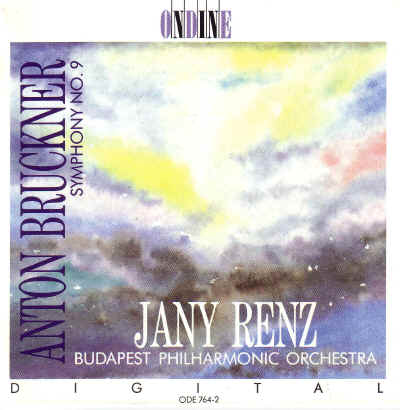
In 1991 a recording of the 9th symphony of Bruckner was published with the Budapest Philharmonic Orchestra (ODE 764-2 www.ondine.fi ) which became the best sold version of this work in the USA in that year (and the best sold classical CD at all in August).
From 1990 to 1994 he was general music director in Freiberg/germany. As guest conductor he worked in other theaters, like in Darmstadt with “Falstaff” of Giuseppe Verdi. The success of his CD produced him invitations in the USA as in Portland, Pittsburgh, Philadelphia and New York.
PRESS
Jany Renz heißt der Dirigent, der das Kunststück fertiggebracht hat, das Orchester zu einer so mitreissenden Leistung zu führen. Es gelang ihm eine packende Wiedergabe von Dvoráks Symphonie “Aus der Neuen Welt”, emphatisch, spontan, vital und dennoch präzise, beherrscht und kontrolliert, von hohem Ernst und starkem interpretatorischem Willen.
(Basler Zeitung, Switzerland)
In Mozart´s last piano concerto KV 595, Jany Renz figured not only as soloist but also as conductor. In this he performed a double task which has sometimes proved too exacting for many othe rinternational celebrities. But with the swiss Jany Renz it was a sheer joy to hear and see. His sovereign virtuosity and natural zest in playing did not stand in the way of a Mozart performance marked by the lucidity and delicacy of chamber music and crowned by a slow movement that was touchingly beautiful in its humility and unworldliness.
(Portland Press Herald, USA)
With a clear and quite unassuming baton, and with a punctilious constancy of tempo, Jany Renz gave a performance of convincing unity, lending an abundance of sound and dynamics to the strictly maintained great lines while shaping them with a lot of fince nuances, in which the orchestra followed him with astonishing precision and remarkable culture of sound.
(The New York Times, USA)
Jany Renz´s creative impulse, which found compelling expression in the extreme prescicion of baton technique, afforded him ideal scope with the orchestra and Anton Bruckner´s “Seventh” received an overpowering performance.
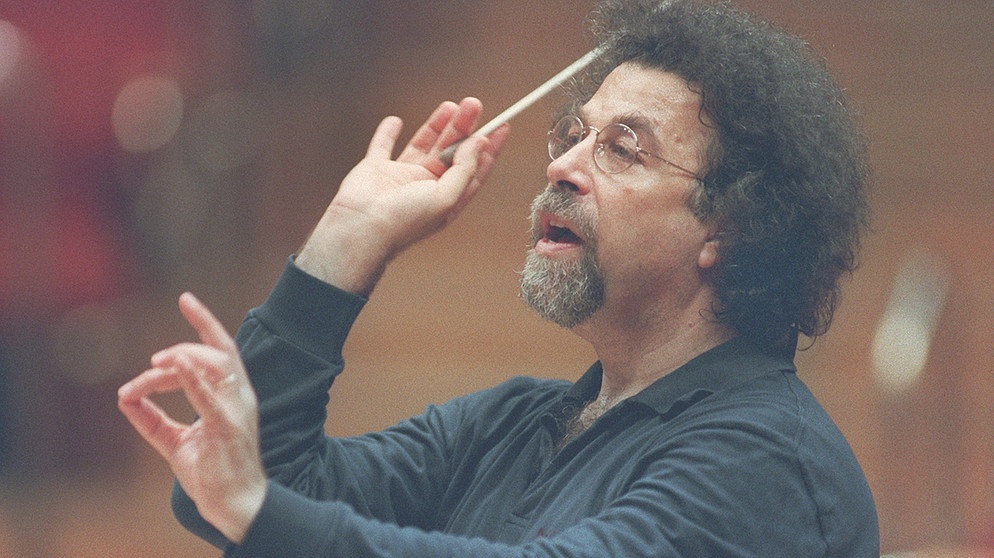
Sinopoli began to make a name for himself as a composer of serial works, becoming professor of contemporary and electronic music at the Venice Conservatoire Benedetto Marcello in 1972, and a major proponent of the new movement in Venice for contemporary music. He studied conducting at the Vienna Academy of Music under Hans Swarowsky; and in Venice, founded the Bruno Maderna Ensemble in the 1970s. His single most famous composition is perhaps his opera Lou Salomé, which received its first production in Munich in 1981, with Karan Armstrong in the title role.[3]
Sinopoli was appointed principal conductor of the Philharmonia in 1984, and served in this position until 1994, making a number of recordings with them, including music by Elgar and the complete symphonies of Mahler.[4] Sinopoli was supposed to take over the position of chief conductor at Deutsche Oper Berlin in 1990. However, even before the start of his term he receded from his contract. He became principal conductor of the Staatskapelle Dresden in 1992. He also joined the Bayreuth Festival‘s roster of conductors. He is best known for his intense and sometimes controversial interpretations of opera, especially works by Italian composers and Richard Strauss. Sinopoli specialized in late-nineteenth century and early-twentieth century music, from Wagner and Verdi to Strauss, Mahler and the Second Viennese School. His conducting was the object of much controversy, especially in the symphonic genre, with some berating the “eccentricity” of his interpretations, while others praised the insightfulness of his often intellectual approach to works.
https://www.youtube.com/watch?v=fSNJJUREbr4
Every October since 2005, Taormina Arte has dedicated a festival to Giuseppe Sinopoli, the artistic director of the Music section of the Taormina Festival from 1989 to 1997. The Giuseppe Sinopoli Festival celebrates the man not only as a musician and as a conductor but also as a composer, a doctor, an archaeologist and intellectual, with a variety of events from music and literature, theatre and art to conferences, exhibitions, publications and concerts. Every year the Festival welcomes important orchestras to Italy.
On the occasion of the first edition of the Giuseppe Sinopoli Festival the Sinopoli Chamber Orchestra was formed, in collaboration with the Conservatorio “Arcangelo Corelli” of Messina. The Orchestra, made up of young talented musicians, both pupils and teachers of the Conservatorio, mostly performs works by Sinopoli.
Uraufführung: 10. Mai 1981 an der Bayerischen Staatsoper, München
Komponist: Giuseppe Sinopoli Libretto: Karl Dietrich Gräwe Regie: Götz Friedrich Musikalische Leitung: Giuseppe Sinopoli Audio-CD (Auszüge, andere Einspielung): Lou Salomé – Orchestersuiten Rezensionen: Bachmann, C.-H.: Trügerische Balance auf dem Hochseil der Oper. Guiseppe Sinopoli: Lou Salomé – Uraufführung in München, in: Neue Zeitschrift für Musik, 4, 1981, S. 382–384
Herbort, H. J.: Oper: Gedachte Musik. Lou Salomé in München, Aus Deutschland in Berlin, in: DIE ZEIT, Nr. 41, 1983
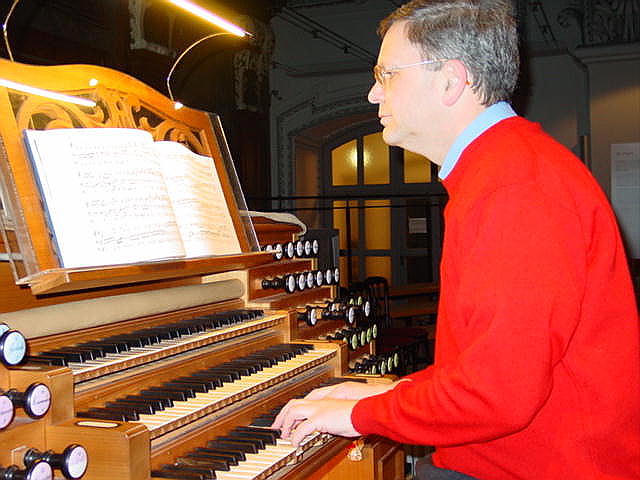
Hans-Joachim Trappe is OrganDoc and has recorded many CDs.
He was born 1954 in Castrop-Rauxel but has lived in Niedersachsen. After his “Abitur” in 1973 in Duderstadt he studied medicine in Göttignen and got his medical degree in 1979. 1981 he got his doctorate degree, 1994 he was called to be professor at the medical university of Hannover, then from 1996 on in Bochum Ruhr-University.
Since he was 15th-year-old he is working as organist. He played organ at the St- Cyriakus-Propsteikirche in Duderstadt, at the Mariendom in Hildesheim, at the St.-Paulus-Dom Münster and at Kölner Dom.
Recitals in Germany and abroad as well as TV-services at ARD and ZDF made him well-known. He has made several CD-productions for example at the Klais-Organ in the Hildesheimer Dom, at the Silbermann-Organs im Dom and in the Petrikirche in Freiberg/Sachsen and at the Arp-Schnitger-Orgel in the Hauptkirche St. Jacobi in Hamburg. Hans-Joachim Trappe is member of several national and international organ societies.
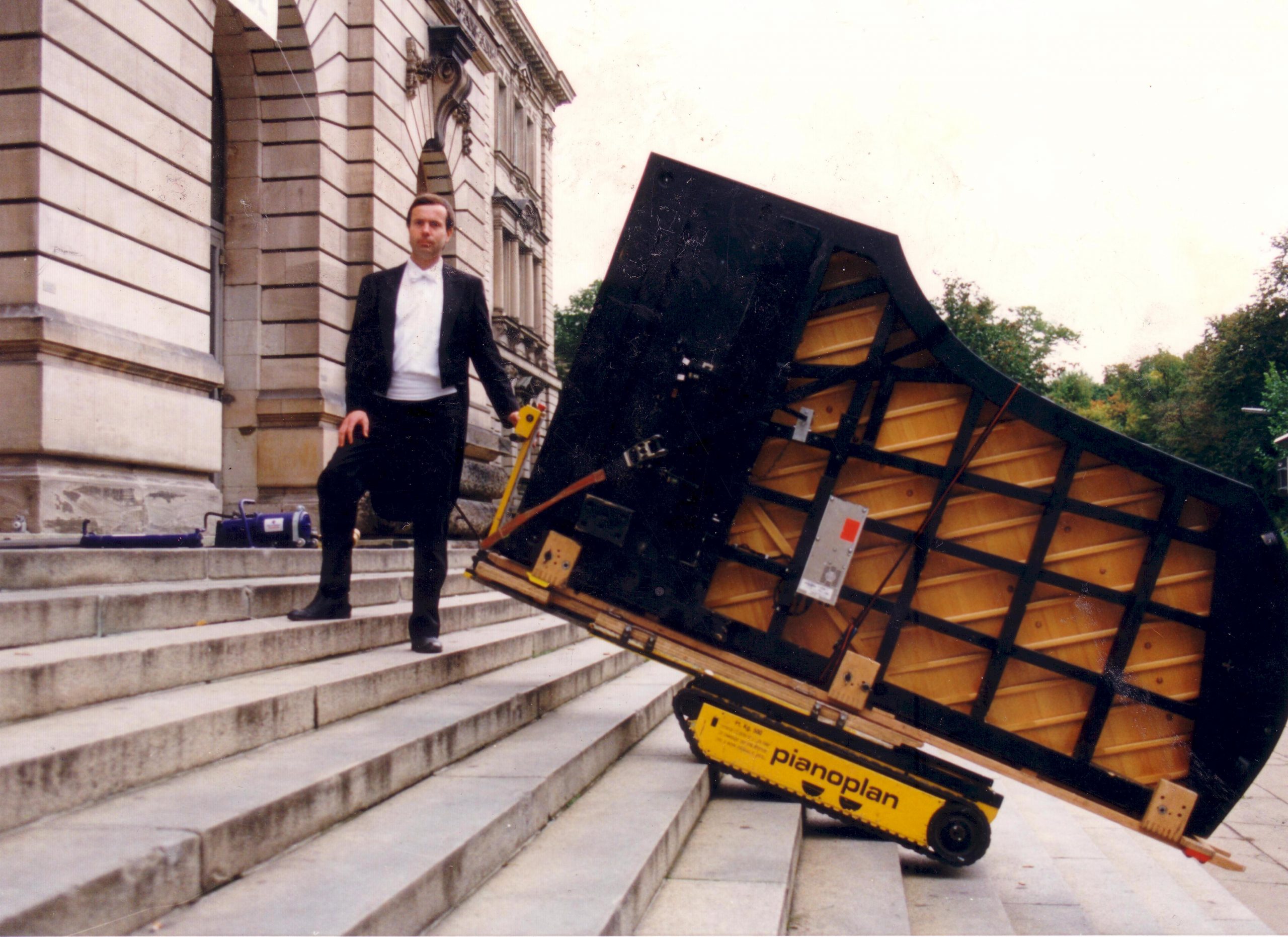
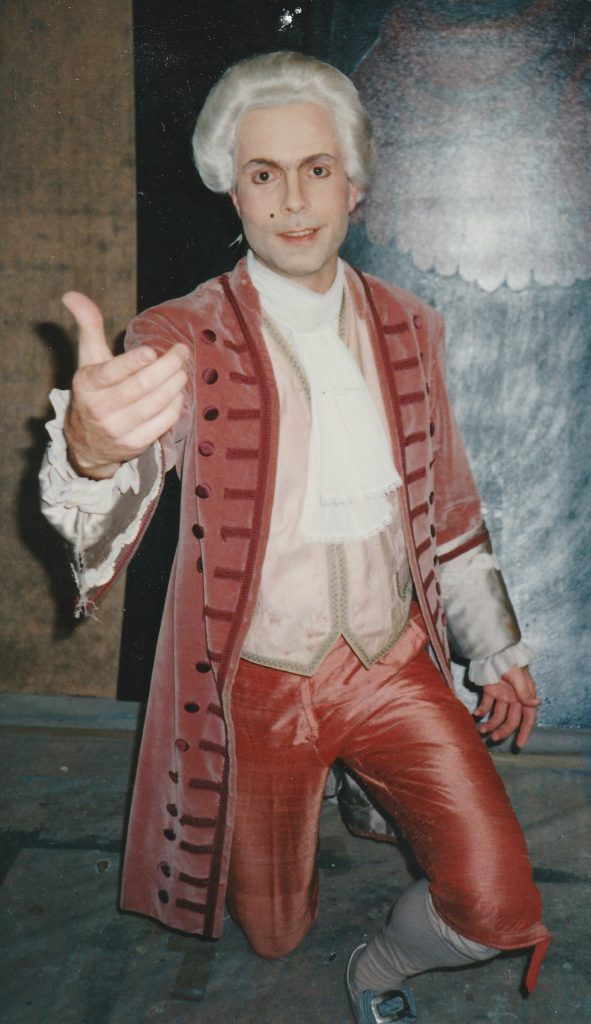
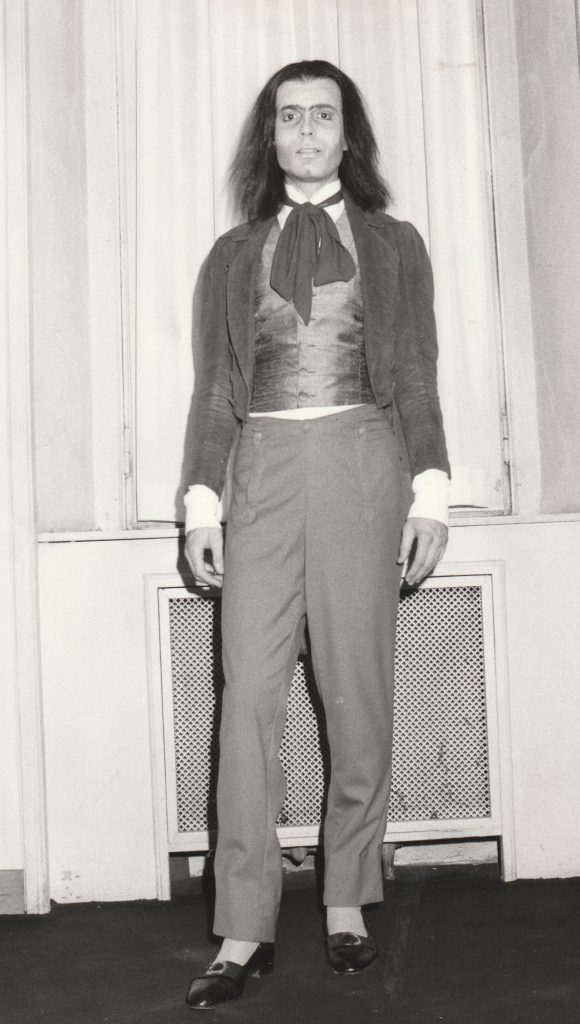
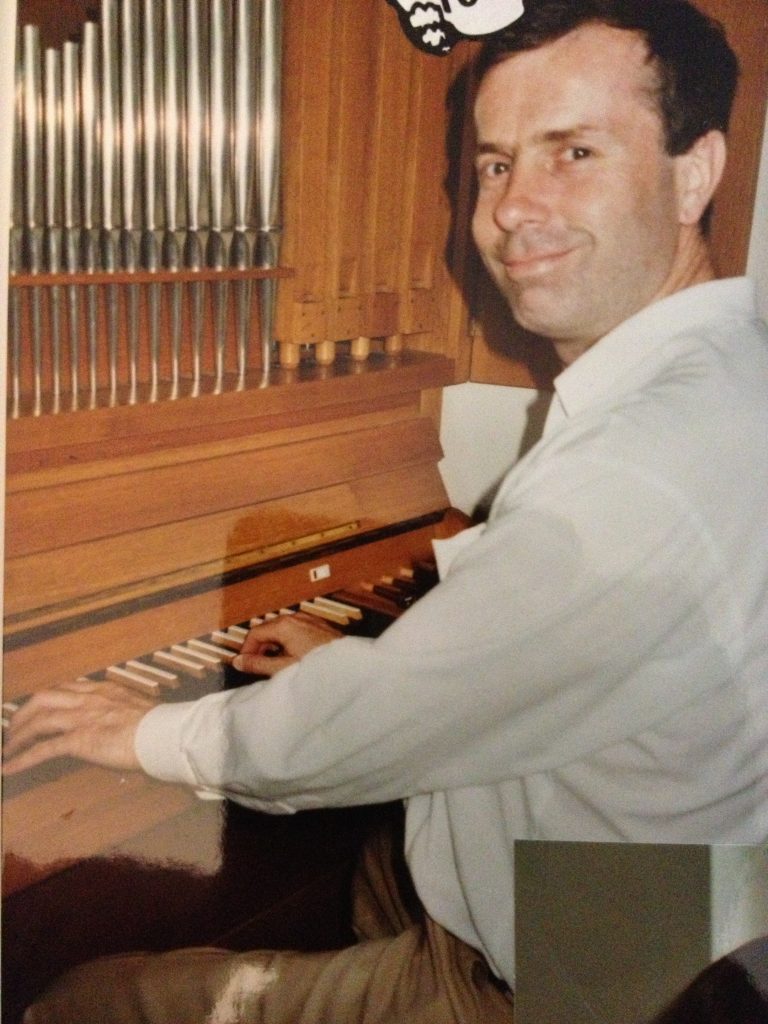
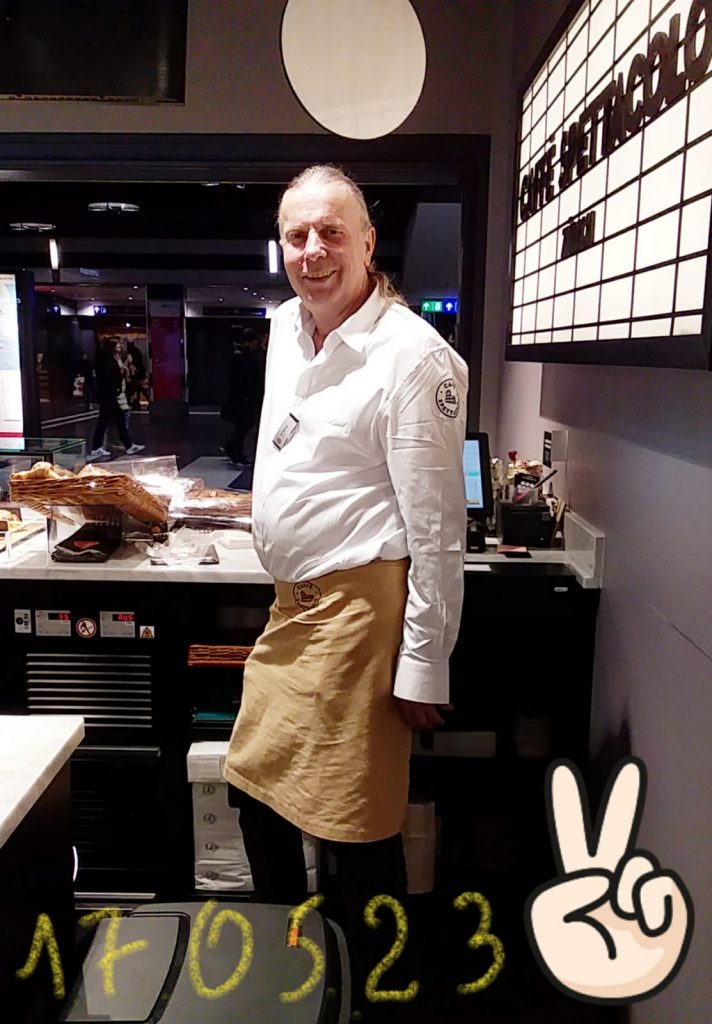
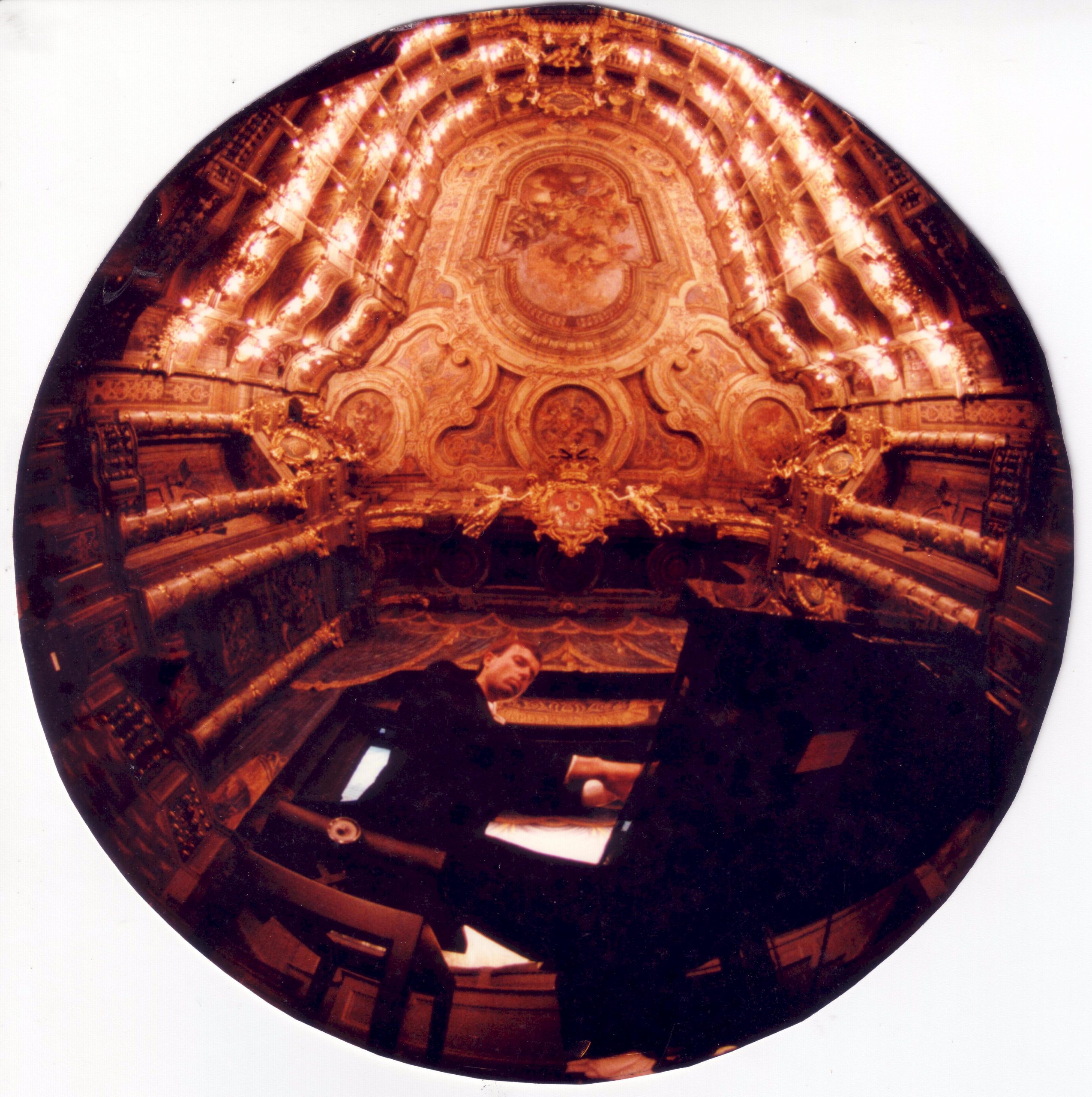
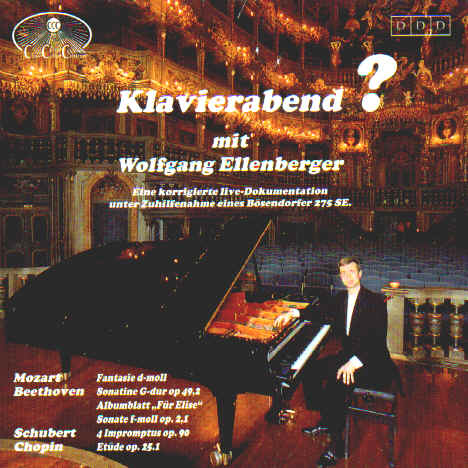
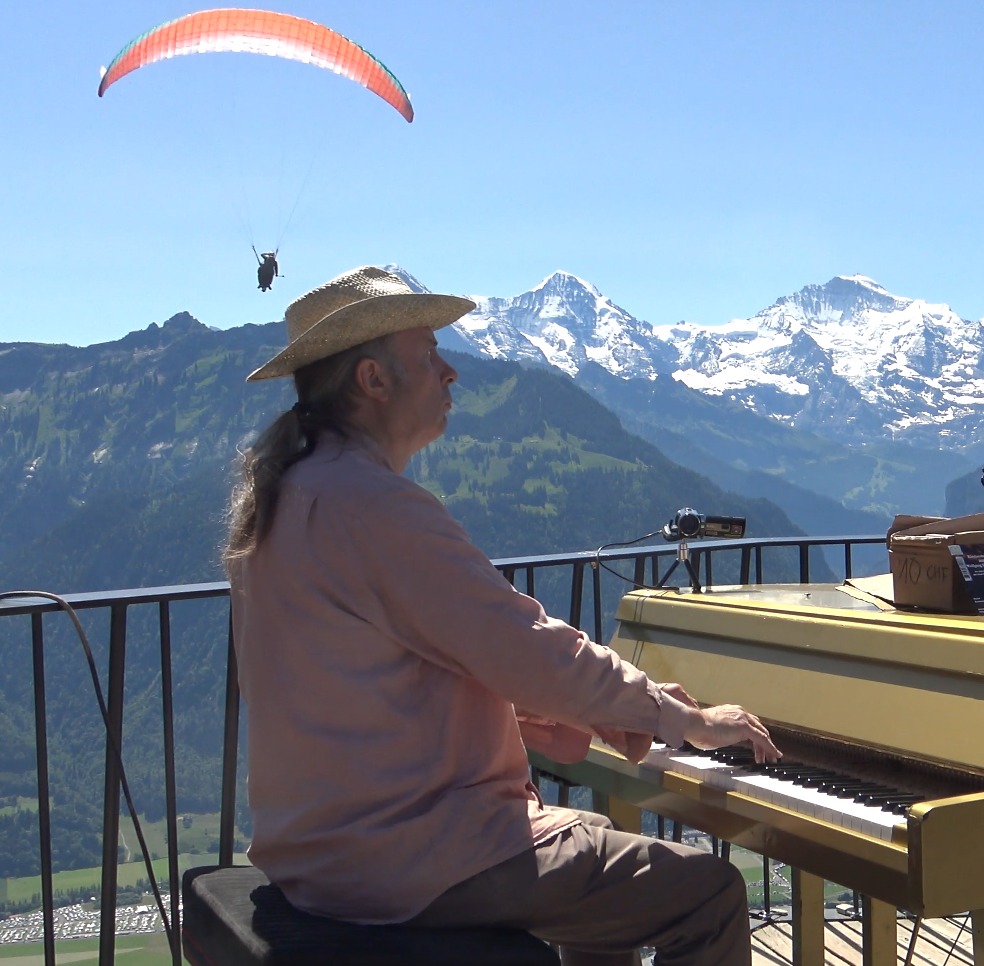
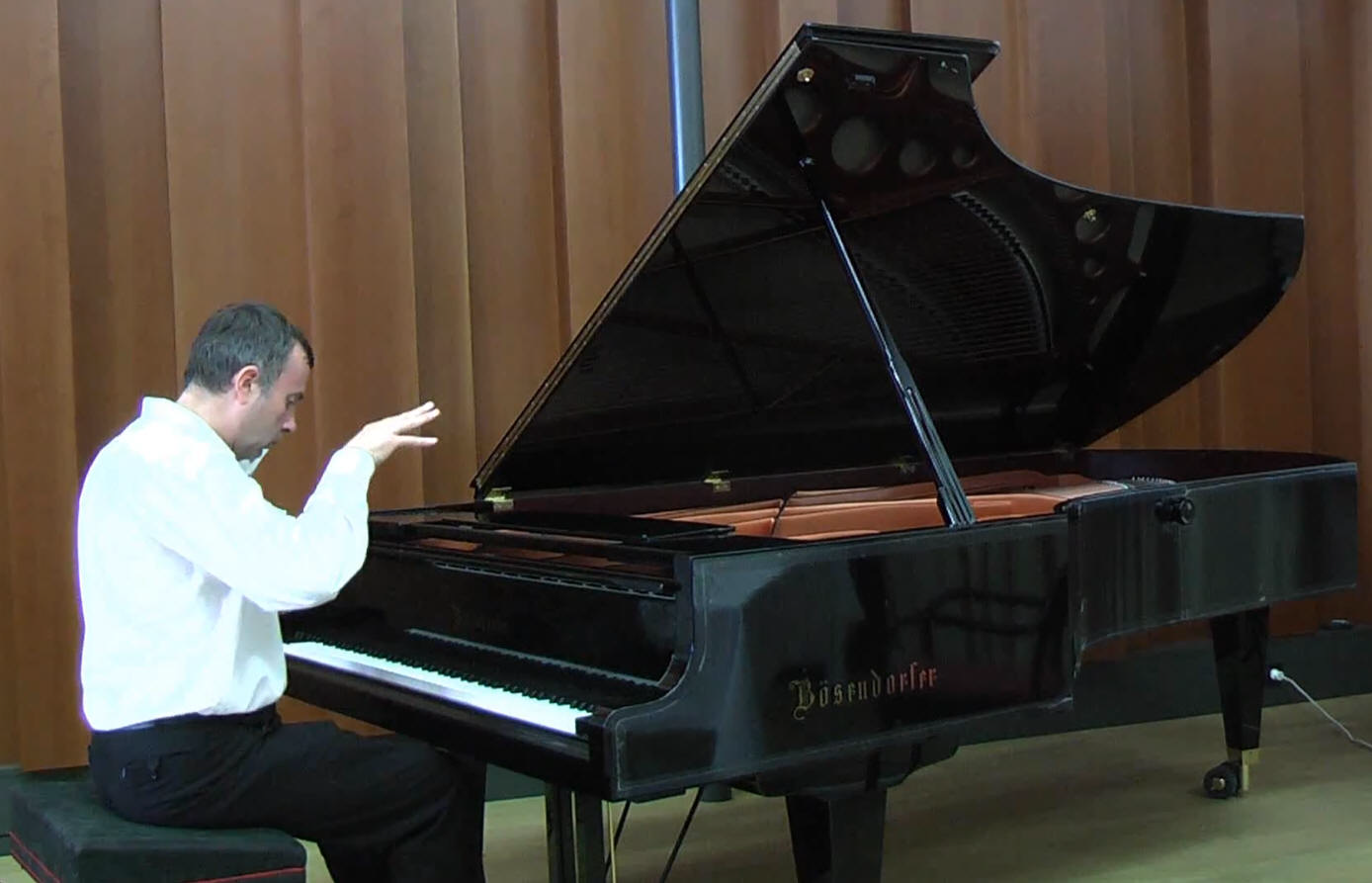
Wolfgang Ellenberger, the author of this web site has studied also piano diploma and concert exam besides music therapy. 1987-1989 he worked at the ballet of the Scala of Milano as pianist. 1994 debut as conductor with the Sibirian State orchestra Kemerovo. In the nineties he conducted three choirs and in the opera project Magic Flute. He has lived three years of his life in a camper on camping sites. He invented several things: piano-lift-hydraulics, piano fingering system and he introduced cinema therapy to a psychosomatic hospital. Since 1982 he manages an event service (see clients list). In his youth he played a pneumatic organ in a church in Hamburg Altona for 12 years. Since his workshop with Elisabeth Kübler-Ross he studied spirituality intensively and finally wrote a film script about the communication with the spiritual world according to the book of Johannes Greber. He produced many hundreds of films for his youtube account and other places. In 2011 he moved to Switzerland (with two interruptions in Germany) where he likes to hike in the mountains.
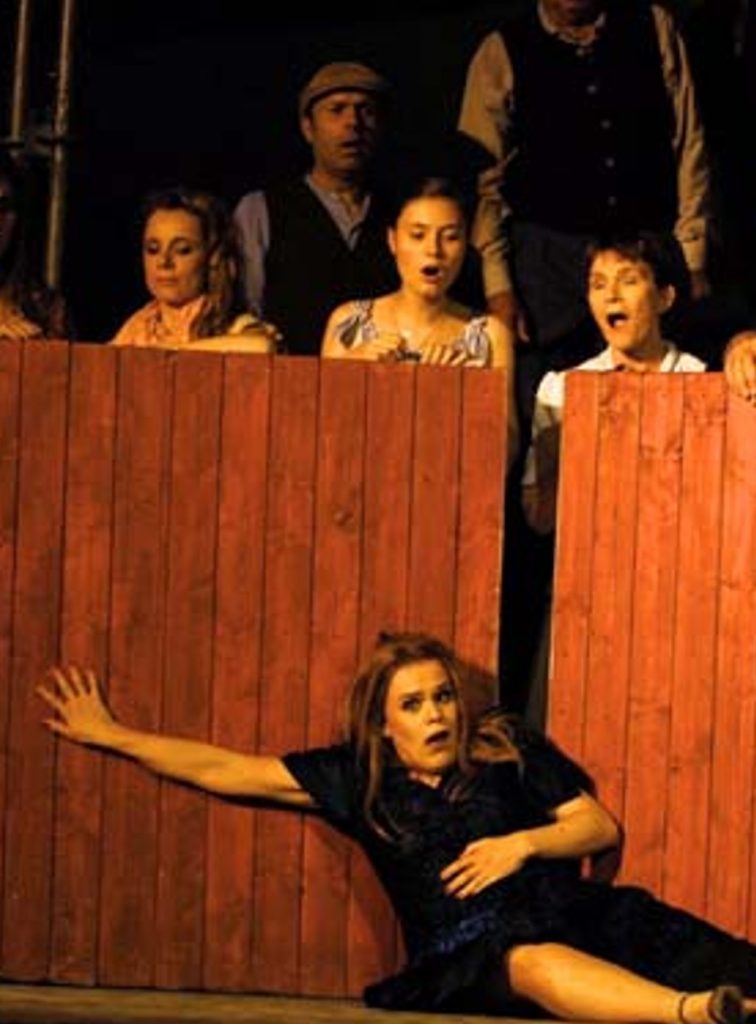
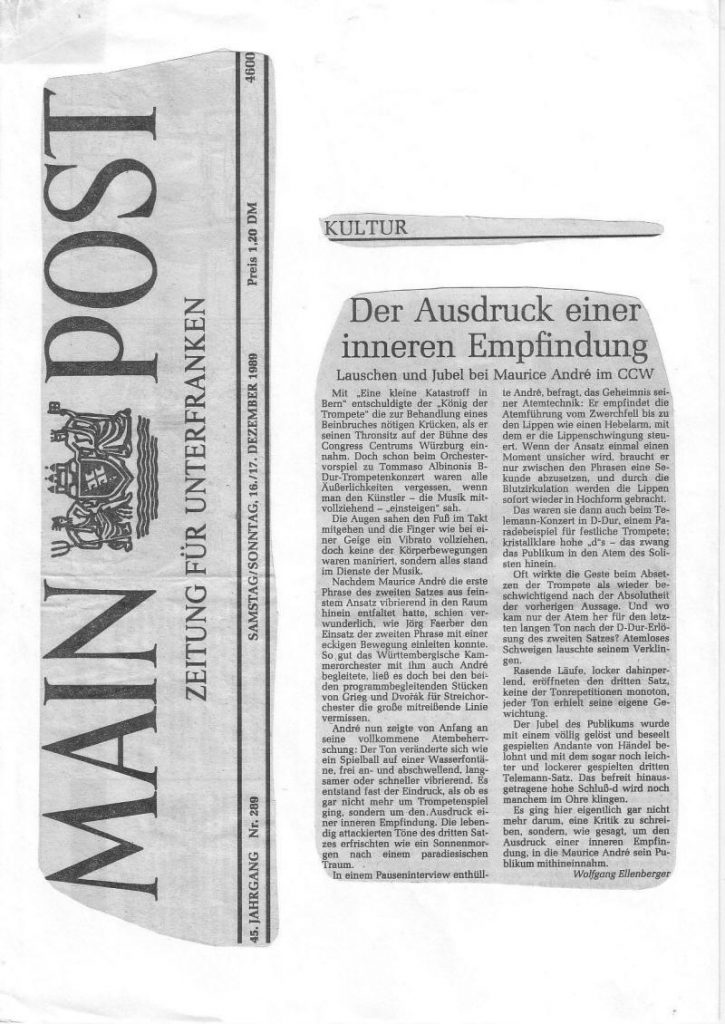
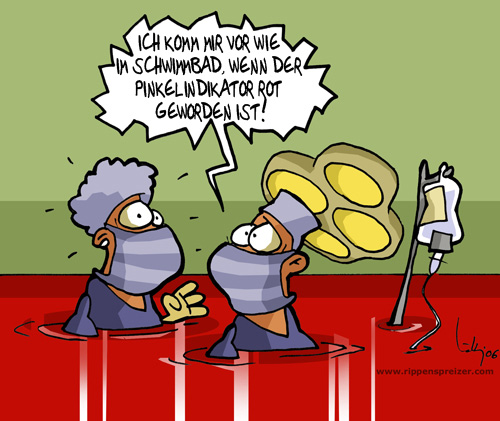
in baroque dance-groupEugen Onegin Teatro alla Scala 1986 Solo-StatistSinger in Opera-Choir (top)Journalist for Main-Post music criticsTexter for cartoons of Rippenspreizer12 years organ @Mennonitengemeinde HH-AltonaJob in storage companyJob as barista
Ellenberger worked as a waiter fully employed @ maritim hotel Würzburg for some months.
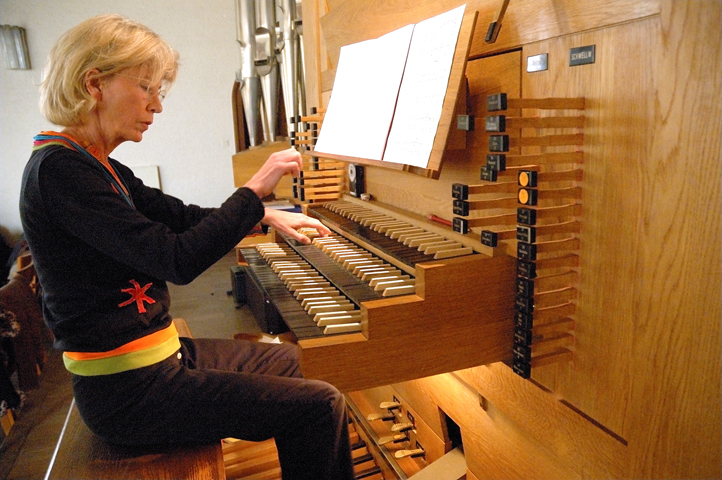
Irmtraud Tarr is an internationally active concert organist. She can be heard on many CD, radio, and television recordings, many of them on historical instruments. Her preference is for rarities off the beaten track. The Berlin Morgenpost called her “an unusually high-spirited organ artist.” She has made CDs, mainly on historical organs, in France, Spain, Portugal, Italy, Germany, and Latvia. Since 1980 she has played in The Duo with the well-known trumpeter Edward H. Tarr. Among her prizes and awards are the silver medal from the city of Rheinfelden for cultural achievements (2003) and further ones from Bavaria and Czechia. Because of her valuable contributions to Spanish music she was invited to give a concert � a first for a German organist � on the national holiday in 2009 in the Barcelona cathedral; simultaneously her first Spanish book appeared in print. One of her newest books is concerned with the meaning of life (Das Leben macht Sinn, Kreuz/Herder). Irmtraud Tarr is also a psychotherapist and music therapist (Ph. D., University of Hamburg 1987, followed by a Habilitation) working in her own practice. In the fall of 2014 she became University Professor for performance science at the Universit�t Mozarteum Salzburg (Austria) and shut down her practice. She is the author of many articles and to date 33 books from her various fields of interest. Particularly worthy of note are a book on stage fright (Kreuz-Herder), as well as another which has been translated into English: Performance Power (Summit Books, Tempe AZ, ISBN 1-887210-00-8); Die magische Kraft der Beachtung (Herder), in which light is shed on a fundamental human need hitherto neglected in publications; So zähmen Sie einen Stachelschwein – Vom Umgang mit schwierigen Menschen [How to Tame a Porcupine – on dealing with difficult people] (Herder) und Das Donald Duck-Prinzip – Scheitern als Chance für ein neues Leben [The Donald Duck Syndrome – failure as a chance for a new life] (Gütersloher Verlagshaus). Irmtraud Tarr can be often seen and heard in all the media. In her spare time, multitalent Tarr is an enthusiastic cheese-maker, and in recent years she has finally realized a lifelong dream: to play the double bass. On October 17, 2000 in the cathedral of St. Paul, Minnesota she gave the world premiere of a spectacular piece written for her, Variations on a Theme that Somebody Threw Away, and No Wonder …) for double bass and organ (one person) by Peter Schickele AKA P. D. Q. Bach. October 2014: Appointment to the professorship for Performance Science at Mozarteum University Salzburg.