Category Archives: NameGivingDocs

  • -

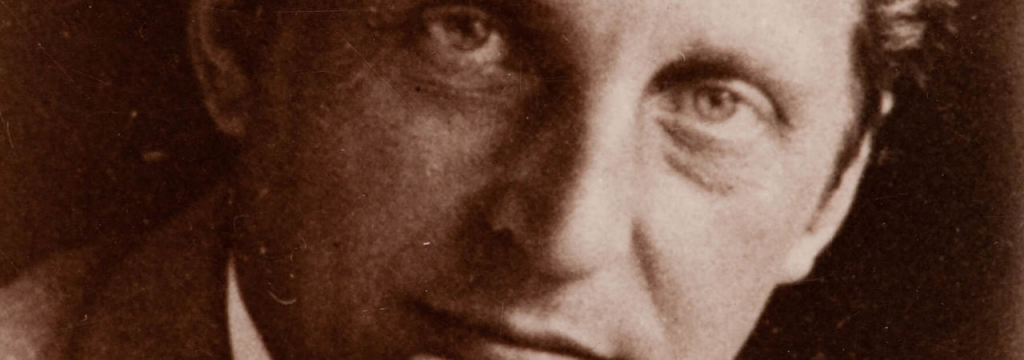
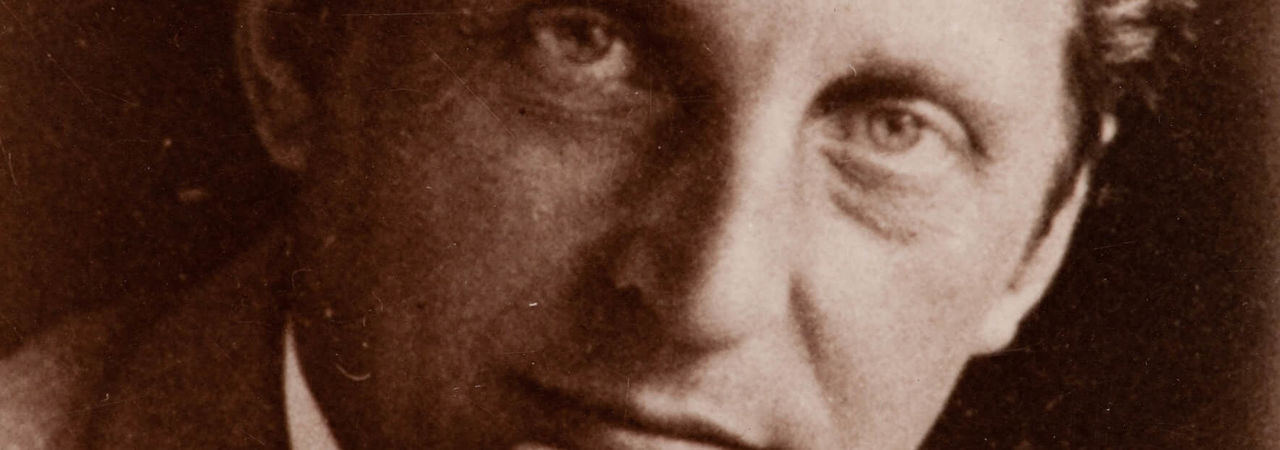
Hans Prinzhorn

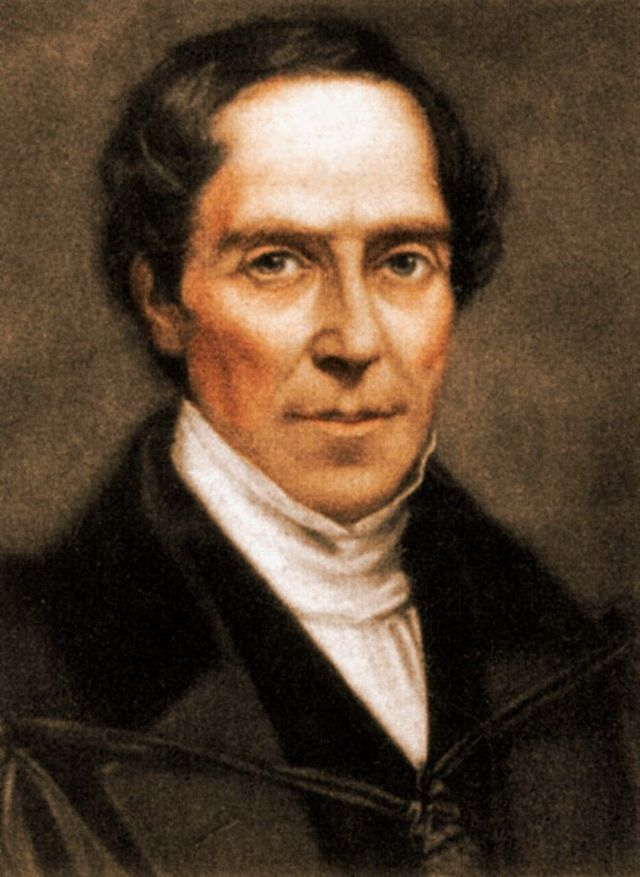
Hans Prinzhorn (6 June 1886 – 14 June 1933) was a German psychiatrist and art historian.
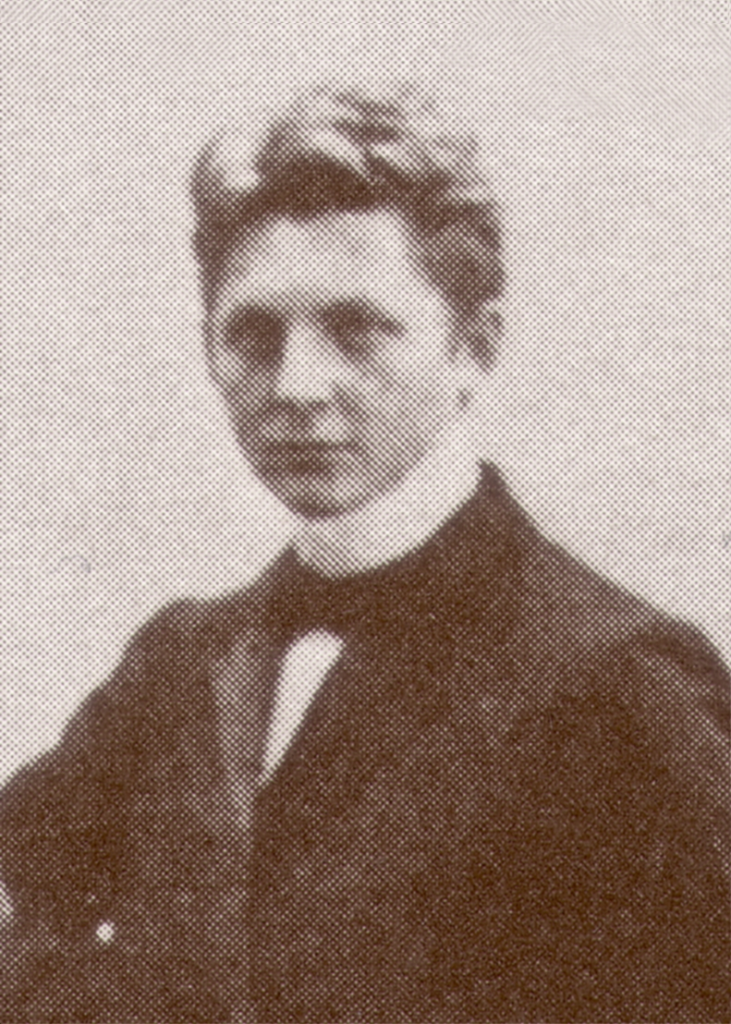
Hans Prinzhorn als Abiturient (1904)

Born in HemerWestphalia, he studied art history and philosophy at the universities of Tübingen, Leipzig and Munich, then receiving his doctorate under Theodor Lipps with the dissertation “Gottfried Semper’s basic aesthetic views” in 1908. He then went to the Leipzig Conservatory in 1909 and received lessons in music theory and piano. Afterwards he went to London to pursue his desire of becoming a singer, however his voice was ultimately not good enough for an artistic career. During the First World War, he assisted a military surgeon and in 1913 he finally started studying medicine, receiving his training at the universities of Freiburg and Strasbourg. He completed his second doctorate (in medicine) in 1919 at the University of Heidelberg after an invitation from Karl Wilmanns, with the dissertation “The artistic capabilities of the mentally ill”.
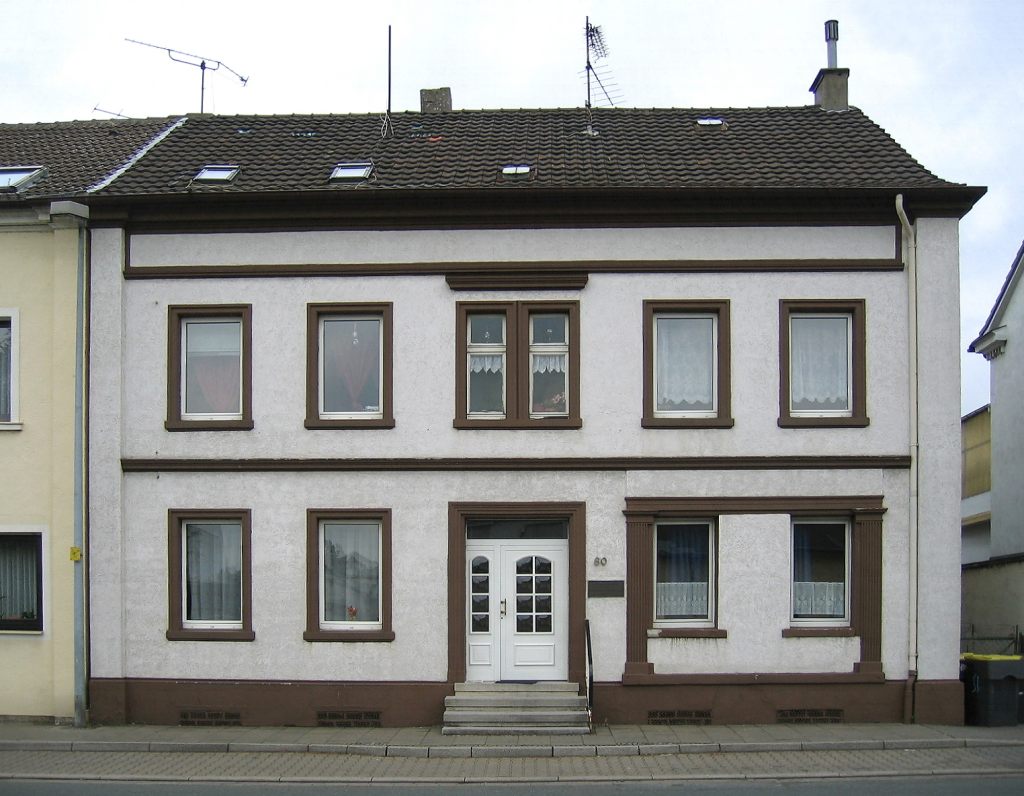
Geburtshaus von de:Hans Prinzhorn in Hemer.

In 1919 he became assistant to Karl Wilmanns at the psychiatric hospital of the University of Heidelberg. His task was to expand an earlier collection of art created by the mentally ill and started by Emil Kraepelin. When he left in 1921 the collection was extended to more than 5,000 works by about 450 “cases”.

In 1922 he published his first and most influential book, Bildnerei der Geisteskranken. Ein Beitrag zur Psychologie und Psychopatologie der Gestaltung (Artistry of the mentally ill: A Contribution to the Psychology and Psychopathology of Configuration), richly illustrated with examples from the collection. While his colleagues were reserved in their reaction, the art scene was enthusiastic. Jean Dubuffet was highly inspired by the works, and the term Art Brut was coined.

The book is mainly concerned with the borderline between psychiatry and art, illness and self-expression. It represents one of the first attempts to analyse the work of the mentally ill.
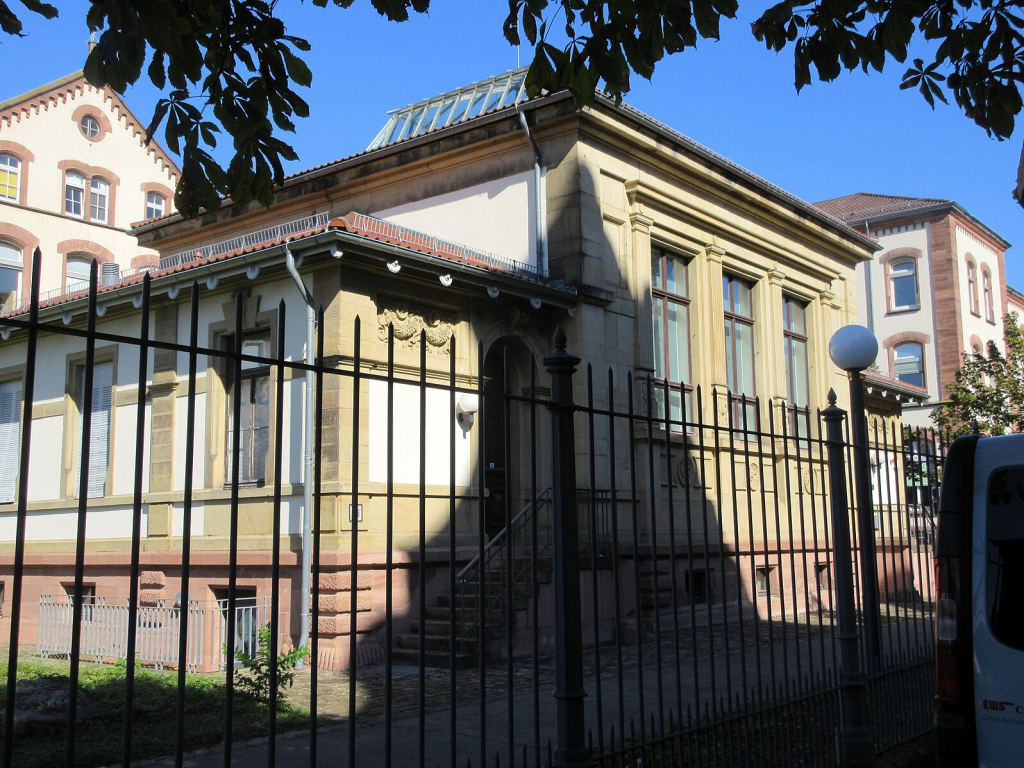
Das ehemalige Hörsaalgebäude des Altklinikums Bergheim ist heute der Forschungssammlung Prinzhorn als Museum gewidmet

After short stays at sanatoriums in ZürichDresden and Wiesbaden, he began a psychotherapy practice in Frankfurt in 1925, but without much success. He published a follow up project to his first book, titled “Bildnerei der Gefangenen” (Artistry of Prisoners) in 1926, however it was met with little success. He also wrote poems, which were published by a private publisher after his death. He continued to write numerous other books which were mainly on the field of psychotherapy. He approached psychology with an original method where he combined philosophy, anthropology and psychoanalysis. He went on to give lectures over radio, and he was a sought-after speaker home and abroad. He went to an invitation-based lecture tour of US universities in 1929. His original approach was well respected within the German community, however it was largely forgotten due to the dominant force of experimental psychology. His hopes to find a permanent position at a university were never fulfilled. Disillusioned by professional failures, and after three failed marriages, he moved in with an aunt in Munich and retreated from public life, making a living from giving lectures and writing essays. He died in 1933 in Munich after contracting typhus on a trip to Italy.
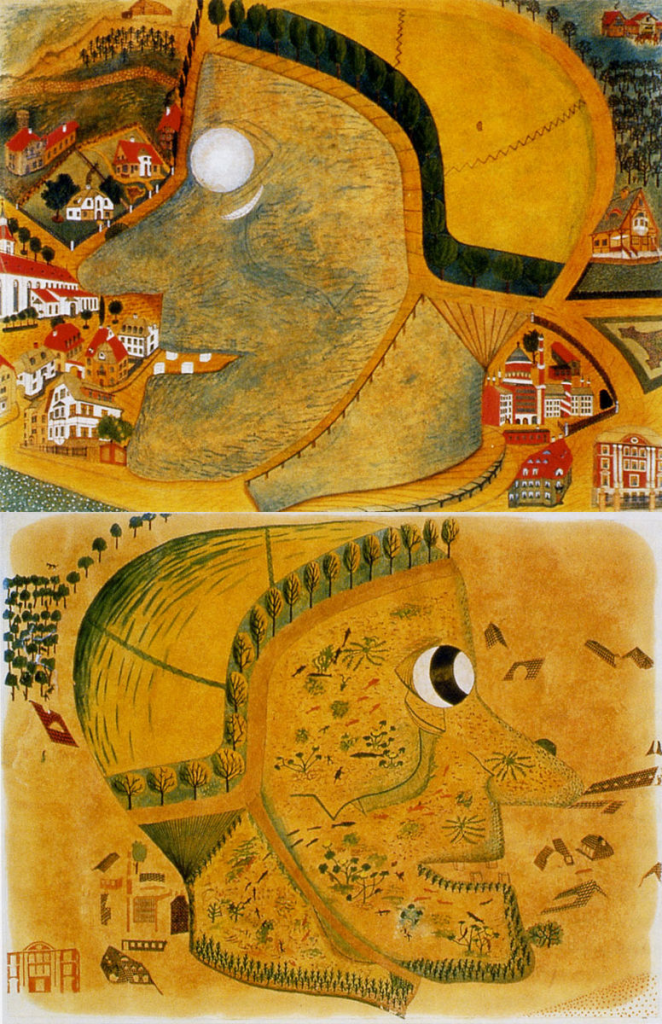
Aus der Sammlung Prinzhorn: August Natterer (Neter): „Hexenkopf“ (Vorder- u. Rückseite), ca. 1915

Shortly after his death the Prinzhorn Collection was stowed away in the attics of the university. In 1938 a few items were displayed in the Nazi propaganda exhibition Entartete Kunst (“Degenerate Art”). Since 2001 the collection has been on display in a former oratory of the University of Heidelberg.
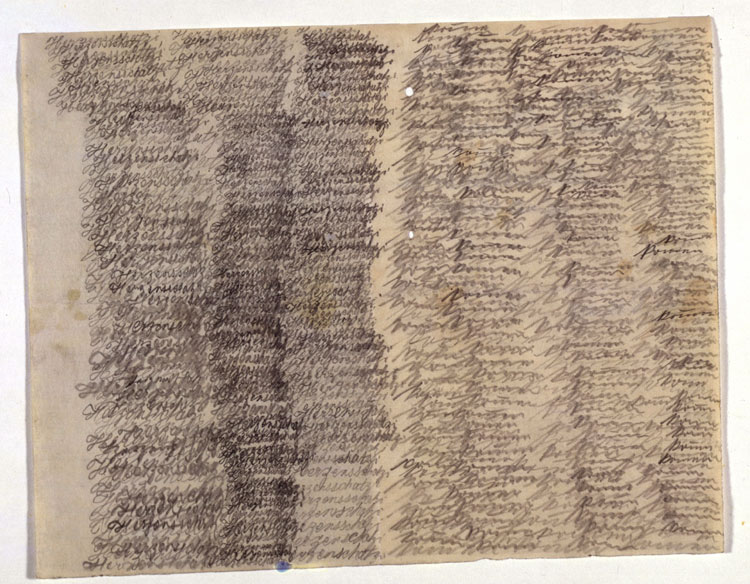
Brief der Psychiatriepatientin Emma Hauck 1909, von Prinzhorn als Beispiel für „Kritzeleien“ angeführt, Sammlung Prinzhorn

In Hans Prinzhorn’s hometown of Hemer, the municipal secondary school and the local specialized clinic for psychiatry and psychotherapy are named after him. A clinic for differentiated treatment options in compulsory and full-service settings, the clinic is sponsored by the Regional Association of Westphalia-Lippe. The clinic also serves as a training and continuing education institution. The Felsenmeer Museum, run by the Citizens’ and Local History Association, houses a Prinzhorn archive, largely filled with copies. The literary scholar Yukio Kotani, influenced by Ludwig Klages, campaigned to raise awareness of Prinzhorn’s work in Japan.
https://de.wikipedia.org/wiki/Hans_Prinzhorn

https://en.wikipedia.org/wiki/Hans_Prinzhorn


  • -

Gideon Mantell

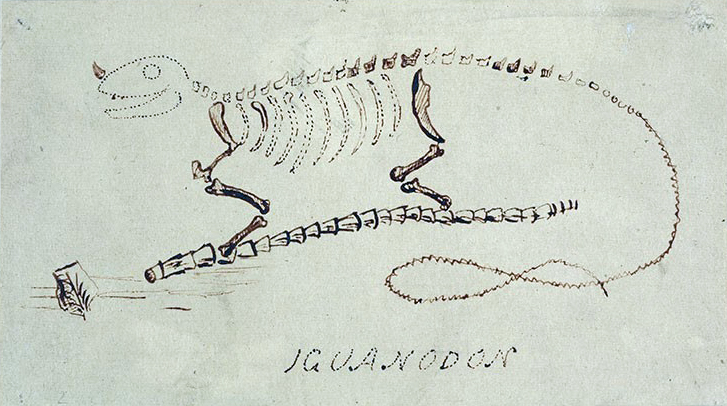
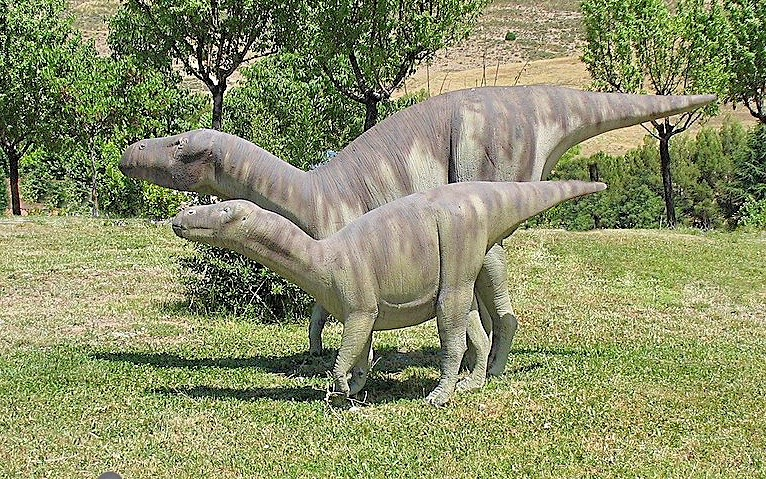
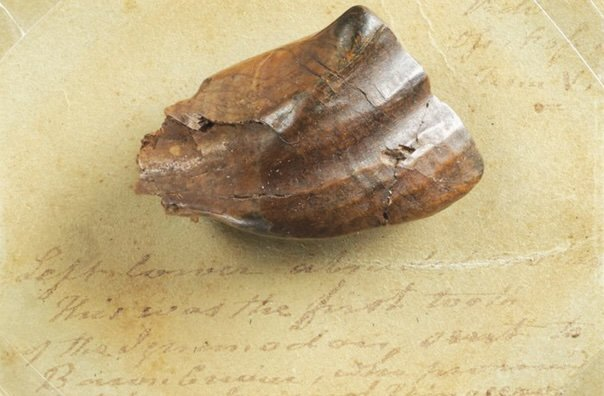
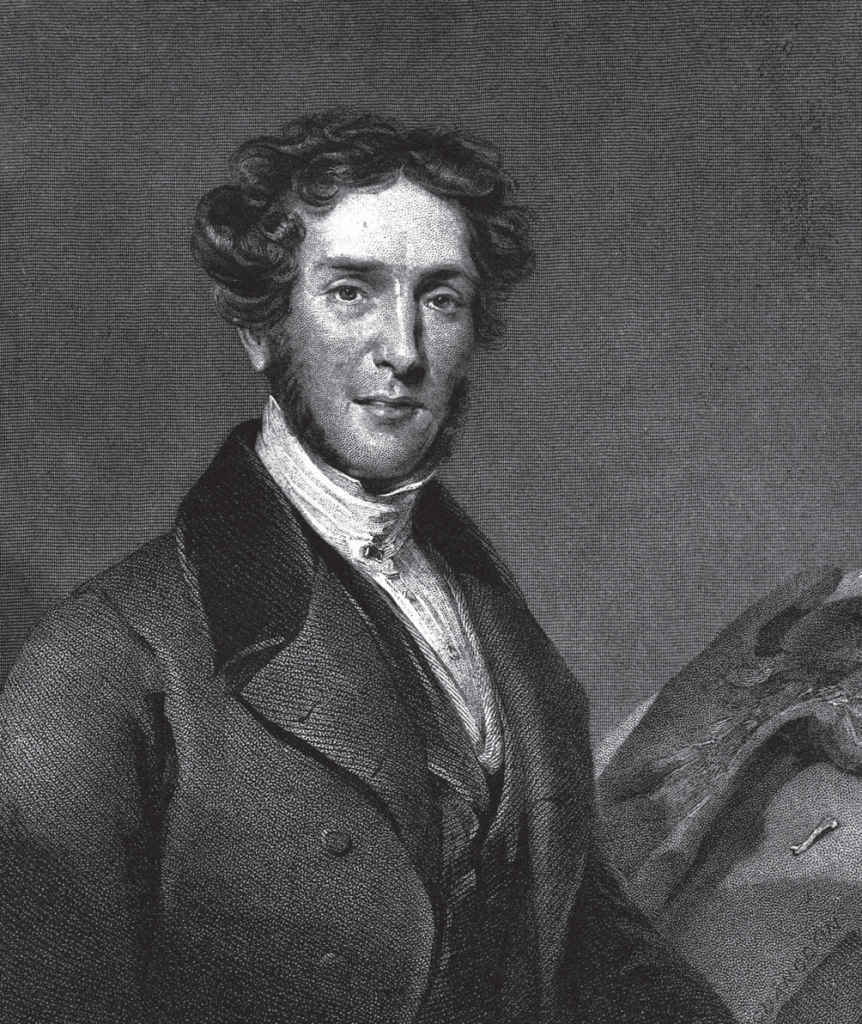
Gideon Algernon Mantell MRCS FRS (3 February 1790 – 10 November 1852) was an English obstetriciangeologist and palaeontologist. His attempts to reconstruct the structure and life of Iguanodon began the scientific study of dinosaurs: in 1822 he was responsible for the discovery (and the eventual identification) of the first fossil teeth, and later much of the skeleton, of Iguanodon. Mantell’s work on the Cretaceous of southern England was also important.

Mantells eigene Rekonstruktion von Iguanodon wurde nie von ihm veröffentlicht.

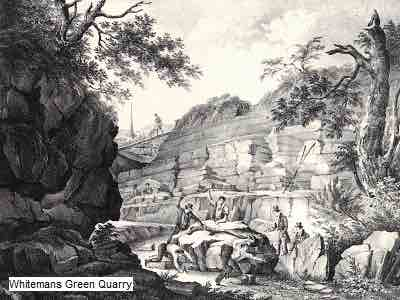
Inspired by Mary Anning‘s sensational discovery of a fossilised animal resembling a huge crocodile (later identified as an ichthyosaur) at Lyme Regis in Dorset, Mantell became passionately interested in the study of the fossilised animals and plants found in his area. The fossils he had collected from the region, near The Weald in Sussex, were from the chalk downlands covering the county. The chalk is part of the Upper Cretaceous System and the fossils it contains are marine in origin. But by 1819, Mantell had begun acquiring fossils from a quarry, at Whitemans Green, near Cuckfield. These included the remains of terrestrial and freshwater ecosystems, at a time when all the known fossil remains from Cretaceous England, hitherto, were marine in origin. He named the new strata the Strata of Tilgate Forest, after an historical wooded area and it was later shown to belong to the Lower Cretaceous.

By 1820, he had started to find very large bones at Cuckfield, even larger than those discovered by William Buckland, at Stonesfield in Oxfordshire. Then, in 1822, shortly before finishing his first book (The Fossils of South Downs), his wife found several large teeth (although some historians contend that they were in fact discovered by himself), the origin of which he could not ascertain. In 1821 Mantell planned his next book on the geology of Sussex. It was an immediate success with two hundred subscribers including King George IV at Carlton House Palace, who wrote a letter stating, “His majesty is pleased to command that his name should be placed at the head of the subscription list for four copies.”[This quote needs a citation]

How the king heard of Mantell is unknown, but Mantell’s response is known. Galvanised and encouraged, Mantell showed the teeth to other scientists but they were dismissed as belonging to a fish or mammal and from a more recent rock layer than the other Tilgate Forest fossils. The eminent French anatomistGeorges Cuvier, identified the teeth as those of a rhinoceros.

Although according to Charles Lyell, Cuvier made this statement after a late party and apparently had some doubts when reconsidering the matter when he awoke, fresh in the morning. “The next morning he told me that he was confident that it was something quite different.” Strangely, this change of opinion did not make it back to Britain where Mantell was mocked for his error. Mantell was still convinced that the teeth had come from the Mesozoic strata and finally recognised that they resembled those of the iguana, but were twenty times larger. He surmised that the owner of the remains must have been at least 60 feet (18 metres) in length.

On 10 November 1852, Mantell took an overdose of opium and later lapsed into a coma. He died that afternoon. His post-mortem by William Adams showed that he had been suffering from severe lumbar scoliosis, leading to the Adams Forward Bend Test as a diagnostic tool. A section of Mantell’s spine was removed, preserved and stored on a shelf at the Royal College of Surgeons of England. It remained there until 1969 when it was destroyed due to lack of space.[19]

Mantell’s surgery, on the south side of Clapham Common, is now a dental surgery.

At the time of his death Mantell was credited with discovering four of the five genera of dinosaurs then known.[20]

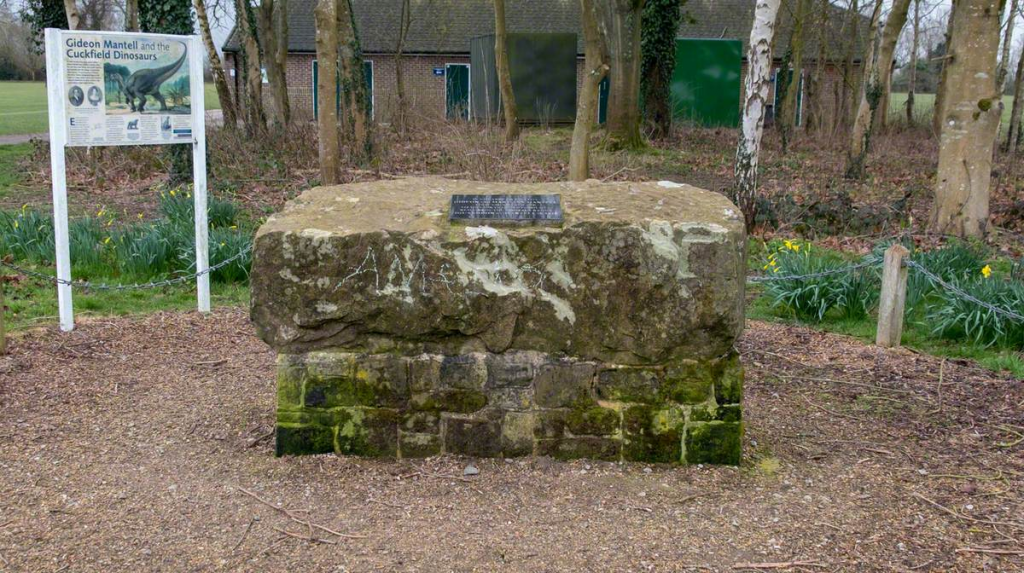
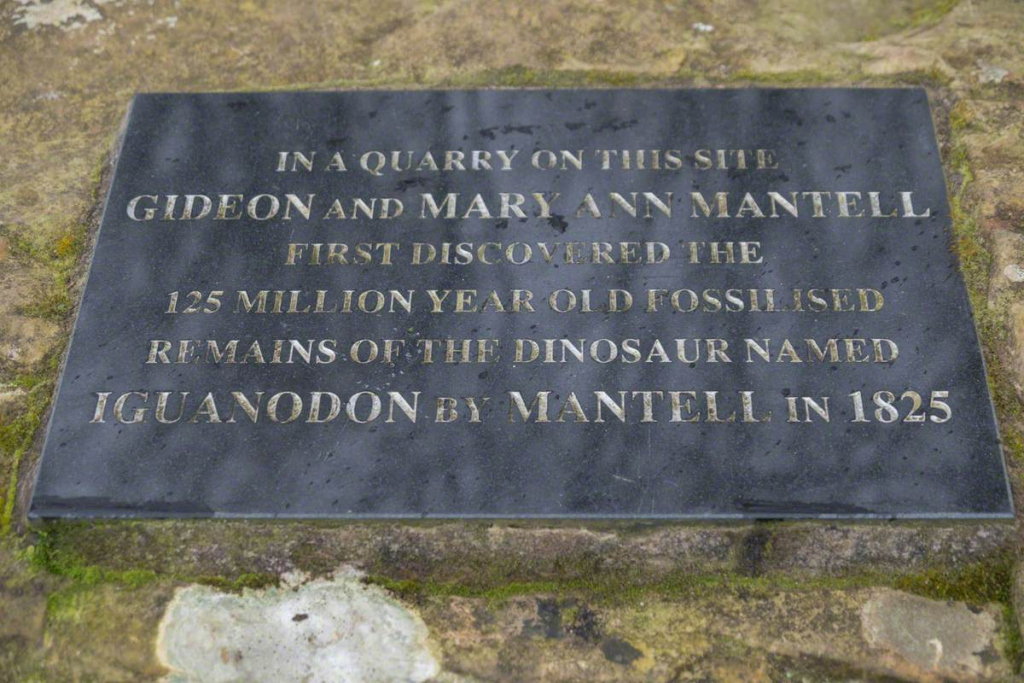
In 2000, in commemoration of Mantell’s discovery and his contribution to the science of palaeontology, the Mantell Monument was unveiled at Whiteman’s Green, Cuckfield. The monument has been confirmed as the location of the Iguanodon fossils that Mantell first described in 1822.

He is buried at West Norwood Cemetery within a sarcophagus attributed to Amon Henry Wilds[18] that replicates the sanctuary of Natakamani‘s Temple of Amun. (The name ammonite is, coincidentally, derived from Amun.)

Mantell booklet

https://de.wikipedia.org/wiki/Gideon_Mantell

https://en.wikipedia.org/wiki/Gideon_Mantell

Cuckfield Museum

Cuckfield Society

Cuckfield Connections

Mantell Monument


  • -

Karl Hoffmann

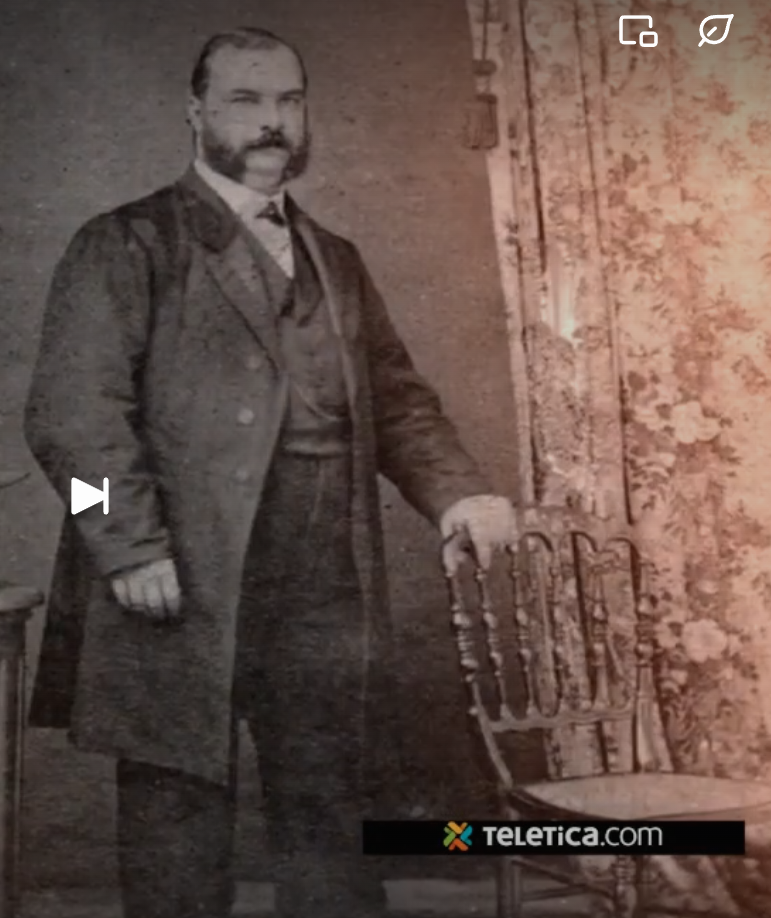
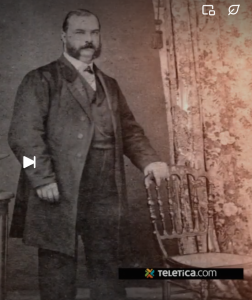
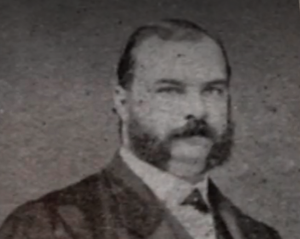
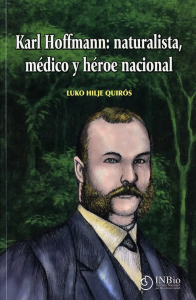
Karl Hoffmann (7 December 1823 – 11 May 1859) was a German physician and naturalist.

TV-film

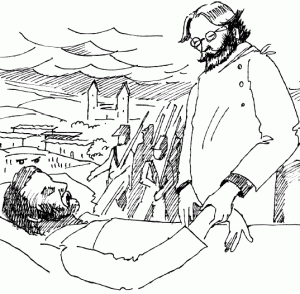
Hoffmann was born in StettinKingdom of Prussia and studied at Berlin University. In 1853 he travelled to Costa Rica with Alexander von Frantzius to collect natural history specimens. With his wife, Emilia Hoffmann, he settled in San José, where he operated a consultation clinic and small pharmacy from his home. In order to supplement his income, he sold wine and liquor. He served as a doctor in the Costa Rican army during the invasion of William Walker in 1856.[1] He died of typhoid in Puntarenas.

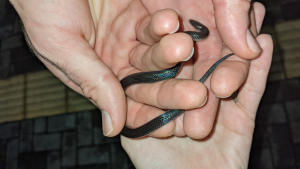
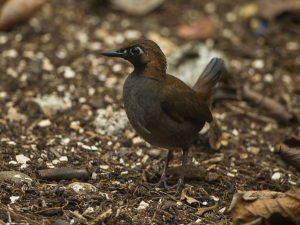
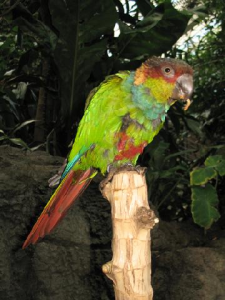
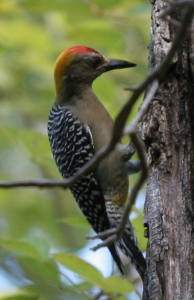
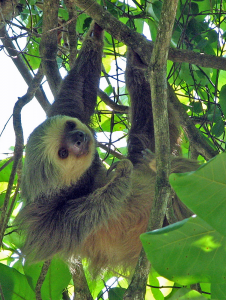
Hoffmann is commemorated in the names of a number of animals, including Hoffmann’s two-toed sloth (Choloepus hoffmanni)Hoffmann’s woodpecker (Melanerpes hoffmannii), the sulphur-winged parakeet (Pyrrhura hoffmanni)Hoffmann’s antthrush (Formicarius hoffmanni),[2][3] Hoffmann’s earth snake (Geophis hoffmanni),[4] and a millipede(Chondrodesmus hoffmanni (Peters, 1864)).

book | Buch

https://de.wikipedia.org/wiki/Karl_Hoffmann_(Naturforscher)

https://en.wikipedia.org/wiki/Karl_Hoffmann_(naturalist)


  • -

Giuseppe Sinopoli

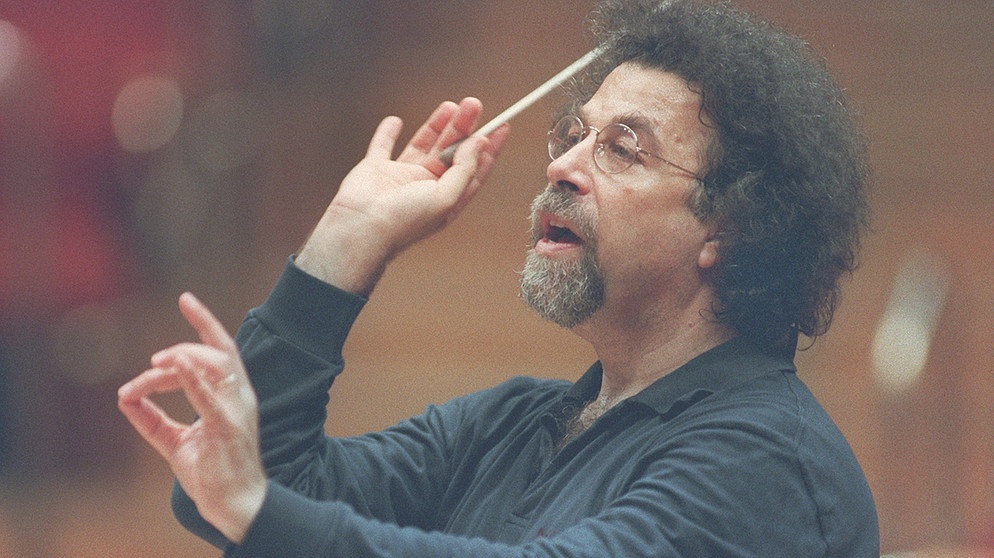
Giuseppe Sinopoli (Italian pronunciation: [dʒuˈzɛppe siˈnɔːpoli]; 2 November 1946 – 21 April 2001)[1] was an Italian conductor and composer.

Sinopoli was born in Venice, Italy, and later studied at the Benedetto Marcello Conservatory in Venice under Ernesto Rubin de Cervin and at Darmstadt, including being mentored in composition with Karlheinz Stockhausen.[citation needed] He also obtained a degree in medicine from the University of Padua, and completed a dissertation on criminal anthropology.[2]

Sinopoli began to make a name for himself as a composer of serial works, becoming professor of contemporary and electronic music at the Venice Conservatoire Benedetto Marcello in 1972, and a major proponent of the new movement in Venice for contemporary music. He studied conducting at the Vienna Academy of Music under Hans Swarowsky; and in Venice, founded the Bruno Maderna Ensemble in the 1970s. His single most famous composition is perhaps his opera Lou Salomé, which received its first production in Munich in 1981, with Karan Armstrong in the title role.[3]

Sinopoli was appointed principal conductor of the Philharmonia in 1984, and served in this position until 1994, making a number of recordings with them, including music by Elgar and the complete symphonies of Mahler.[4] Sinopoli was supposed to take over the position of chief conductor at Deutsche Oper Berlin in 1990. However, even before the start of his term he receded from his contract. He became principal conductor of the Staatskapelle Dresden in 1992. He also joined the Bayreuth Festival‘s roster of conductors. He is best known for his intense and sometimes controversial interpretations of opera, especially works by Italian composers and Richard Strauss. Sinopoli specialized in late-nineteenth century and early-twentieth century music, from Wagner and Verdi to Strauss, Mahler and the Second Viennese School. His conducting was the object of much controversy, especially in the symphonic genre, with some berating the “eccentricity” of his interpretations, while others praised the insightfulness of his often intellectual approach to works.

https://www.youtube.com/watch?v=fSNJJUREbr4

Every October since 2005, Taormina Arte has dedicated a festival to Giuseppe Sinopoli, the artistic director of the Music section of the Taormina Festival from 1989 to 1997. The Giuseppe Sinopoli Festival celebrates the man not only as a musician and as a conductor but also as a composer, a doctor, an archaeologist and intellectual, with a variety of events from music and literature, theatre and art to conferences, exhibitions, publications and concerts. Every year the Festival welcomes important orchestras to Italy.

On the occasion of the first edition of the Giuseppe Sinopoli Festival the Sinopoli Chamber Orchestra was formed, in collaboration with the Conservatorio “Arcangelo Corelli” of Messina. The Orchestra, made up of young talented musicians, both pupils and teachers of the Conservatorio, mostly performs works by Sinopoli.

Lou Salomé https://www.stretta-music.de/sinopoli-lou-salom-nr-778511.html

Uraufführung: 10. Mai 1981 an der Bayerischen Staatsoper, München

Komponist: Giuseppe Sinopoli
Libretto: Karl Dietrich Gräwe
Regie: Götz Friedrich
Musikalische Leitung: Giuseppe Sinopoli
Audio-CD (Auszüge, andere Einspielung):
Lou Salomé – Orchestersuiten
Rezensionen:
Bachmann, C.-H.: Trügerische Balance auf dem Hochseil der Oper. Guiseppe Sinopoli: Lou Salomé – Uraufführung in München, in: Neue Zeitschrift für Musik, 4, 1981, S. 382–384

Herbort, H. J.: Oper: Gedachte Musik. Lou Salomé in München, Aus Deutschland in Berlin, in: DIE ZEIT, Nr. 41, 1983

wikipedia DE
wikipedia EN

youtube – vimeo

https://venetiancat.blogspot.com/2012/01/lou-salome-at-la-fenice-and-il-giorno.html


  • -

Alexander Borodin

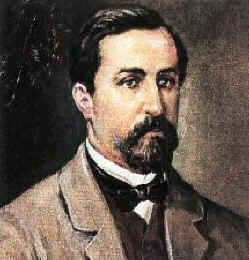
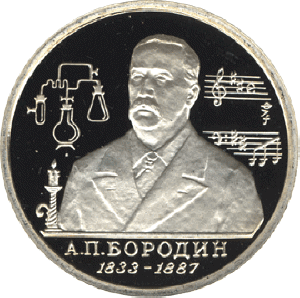
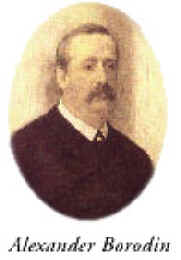
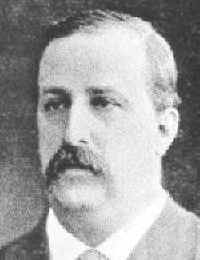
Alexander Porfiryevich Borodin (Russian: Алекса́ндр Порфи́рьевич Бороди́н, tr. Aleksandr Porfir’yevich Borodin[a]IPA: [ɐlʲɪkˈsandr pɐrˈfʲi rʲjɪvʲɪtɕ bərɐˈdʲin] (listen);[2] 12 November 1833 – 27 February 1887)[3] was a Romantic composer and chemist of Georgian-Russian extraction. He was one of the prominent 19th-century composers known as “The Five“, a group dedicated to producing a uniquely Russian kind of classical music.[4][5][6] Borodin is known best for his symphonies, his two string quartets, the symphonic poem In the Steppes of Central Asia and his opera Prince Igor.

doctor and chemist by profession and training, Borodin made important early contributions to organic chemistry. Although he is presently known better as a composer, he regarded medicine and science as his primary occupations, only practising music and composition in his spare time or when he was ill.[7] As a chemist, Borodin is known best for his work concerning organic synthesis, including being among the first chemists to demonstrate nucleophilic substitution, as well as being the co-discoverer of the aldol reaction. Borodin was a promoter of education in Russia and founded the School of Medicine for Women in Saint Petersburg, where he taught until 1885.

Mount Borodin (71°36′S 72°38′W) is a mainly ice-covered mountain, 695 metres (2,280 ft) high, with a rock outcrop on the east side, 7 nautical miles (13 km) north-northeast of Gluck Peak in the southwest part of Alexander IslandAntarctica. A number of peaks in this general vicinity first appear on the maps of the Ronne Antarctic Research Expedition (RARE), 1947–48. This peak, apparently one of these, was mapped from RARE air photos by Derek J.H. Searle of the Falkland Islands Dependencies Survey in 1960, and named by the UK Antarctic Place-Names Committee after Alexander Borodin, the Russian composer.[1]
https://en.wikipedia.org/wiki/Mount_Borodin

web

wikipedia DE
wikipedia EN

youtube – vimeo

facebook – twitter – instagram

work