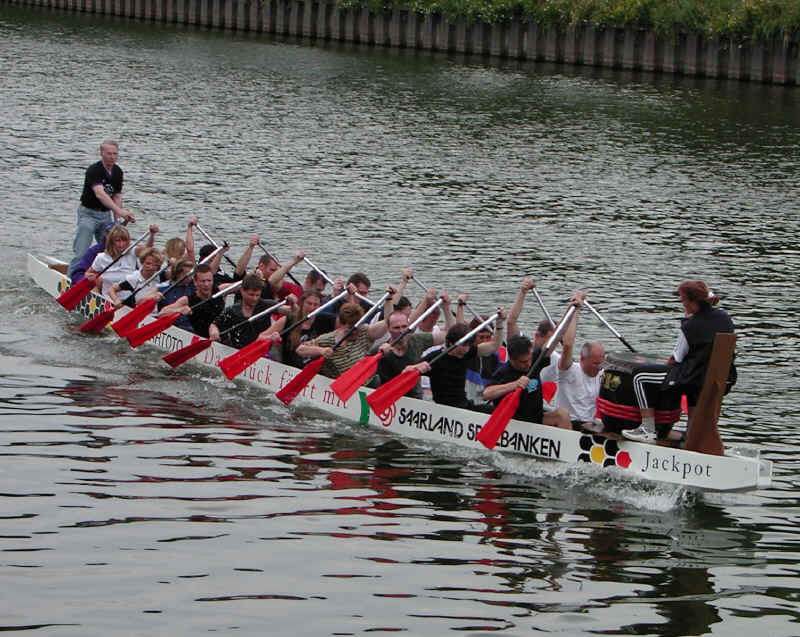
Dragon Boat Team Saarbrücken
Category : uncategorized
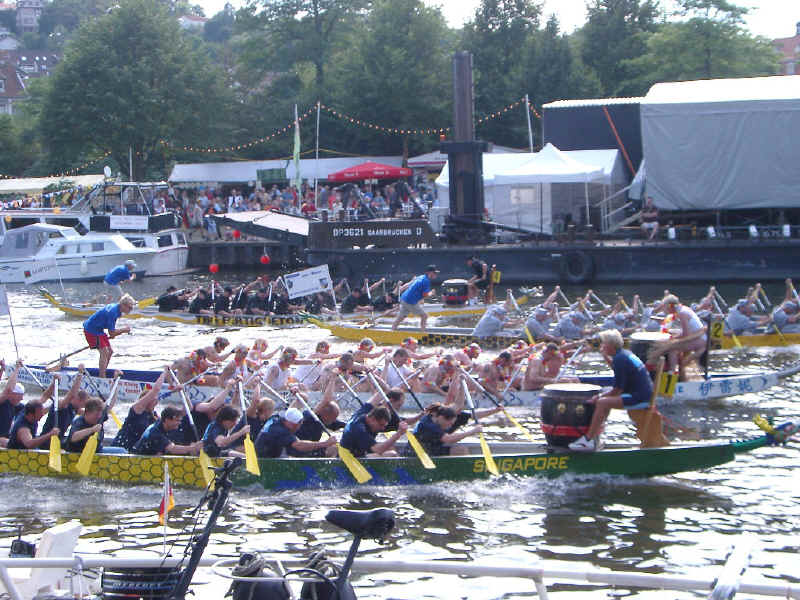
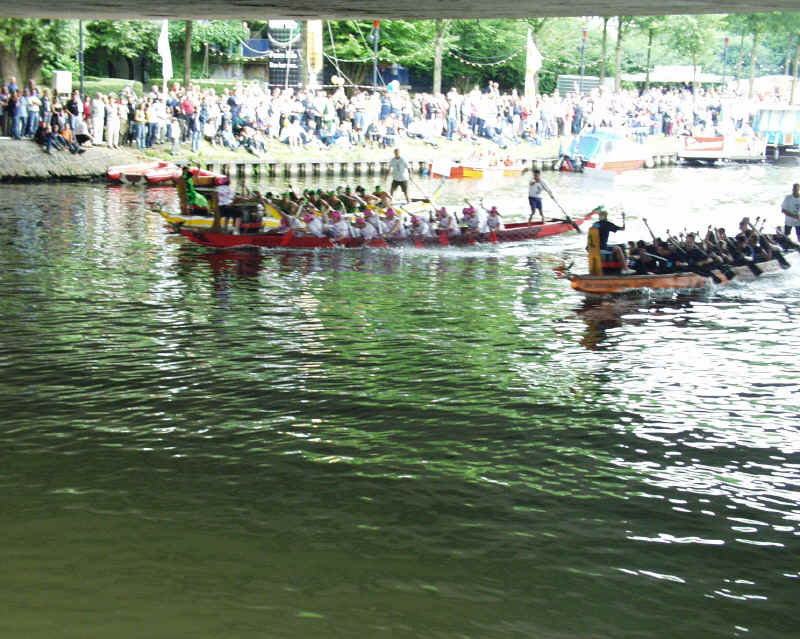
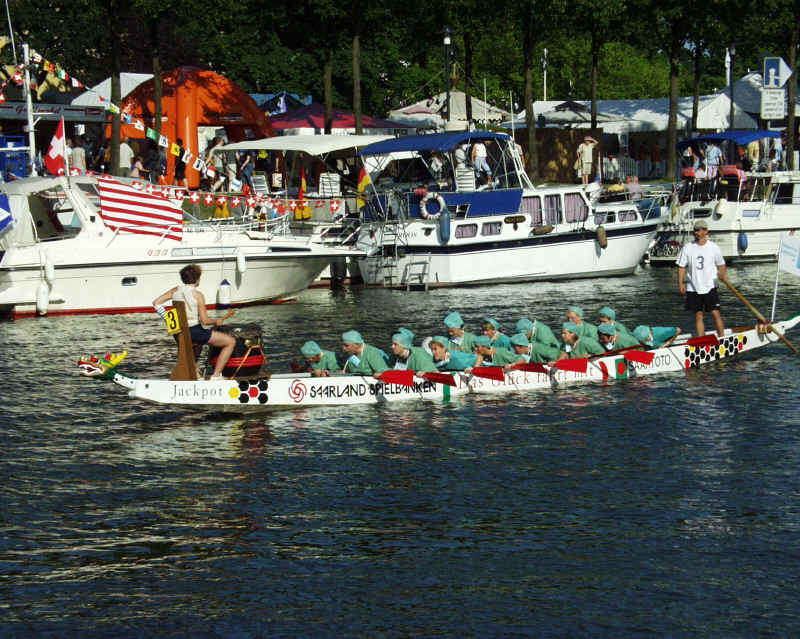
The dragon boat team of the Universitätsklinikums in Saarbrücken has already won many competitions!
Spritzige Synchronetten / Heide Schneider / synchronetten@arcor.de
Category : uncategorized
The dragon boat team of the Universitätsklinikums in Saarbrücken has already won many competitions!
Spritzige Synchronetten / Heide Schneider / synchronetten@arcor.de
Category : SingerDocs
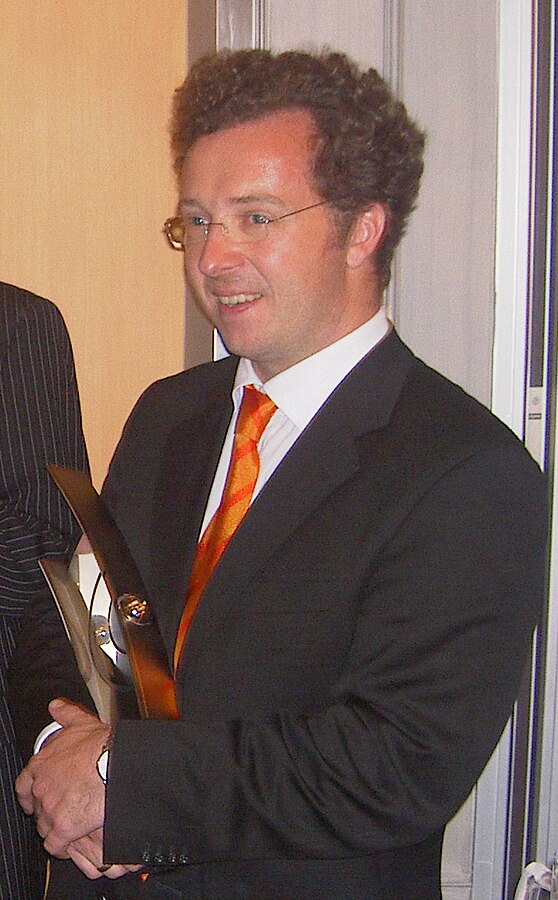
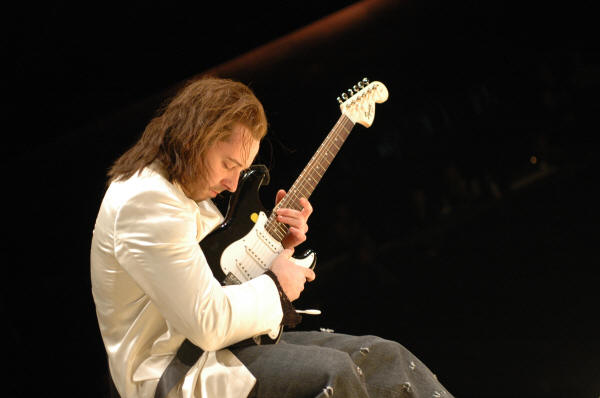
Christian Gerhaher (born 24 July 1969, in Straubing) is a German baritone and bass singer in opera and concert, particularly known as a Lieder singer.
Christian Gerhaher studied with Paul Kuën and Raimund Grumbach at the Hochschule für Musik und Theater München, and Lied with Friedemann Berger, already together with his accompanist for decades to come, Gerold Huber. He took master classes with Dietrich Fischer-Dieskau (whose voice Gerhaher’s remarkably resembles), Elisabeth Schwarzkopf and Inge Borkh.[2]
He was a member of the opera in Würzburg from 1998 to 2000, performing in Thomas Hengelbrock‘s production of Così fan tutte, in Weber’s Der Freischütz with the Cappella Coloniensis, and Papageno in Achim Freyer‘s staging of The Magic Flute. a role that he sang as his debut at the Salzburg Festival in 2006. In 2005 he portrayed the title role of Monteverdi’s L’Orfeo at the Opern- und Schauspielhaus Frankfurt[2] where he appeared as Wolfram in Wagner’s Tannhäuser in 2007.
In concert he has collaborated with Helmuth Rilling, Nikolaus Harnoncourt, Neville Marriner, Philippe Herreweghe, Heinz Holliger and Trevor Pinnock, among others.[2]
Gerhaher has performed and recorded Lieder with pianist Gerold Huber, such as Schubert’s Winterreise, Die schöne Müllerin, Schwanengesang and Gesänge des Harfners. His Schubert album Abendbilder with Gerold Huber won a Gramophone Award for Solo vocal in 2006. More songs with piano or chamber ensemble have included Brahms’ Vier ernste Gesänge and Martin’s Jedermann Monologues, Mahler’s Lieder eines fahrenden Gesellen and Kindertotenlieder.[2] He participated in the project Terezín / Theresienstadt of Anne Sofie von Otter to record songs written in the concentration camp of Terezín.[3] Supported by her pianist Bengt Forsberg (also accordion, guitar and double bass) and his, Gerold Huber, Bebe Risenfors (accordion, guitar), Ib Hausmann (clarinet), Philip Dukes (viola), Josephine Knight (cello) and Daniel Hope (violin) they perform music written in the concentration camp by the artists Ilse Weber, Karel Švenk, Adolf Strauss, Martin Roman, Hans Krása, Carlo S. Taube, Viktor Ullmann and Pavel Haas.[4]
With Rilling and his Gächinger Kantorei he appeared at the 70th birthday concert in 2003[5] and recorded Bach’s Mass in B minor and Christmas Oratorio and Britten’s War Requiem, among others.[6]
In 2009, he was awarded the Rheingau Musik Preis of the Rheingau Musik Festival.[7][8][9] He appeared at the festival in 2010 with Gerold Huber to celebrate Gustav Mahler‘s 150th birthday, singing Sieben Lieder aus letzter Zeit (Seven Songs of Latter Days) and from Das Lied von der Erde the movements Der Einsame im Herbst (The lonely one in Autumn) and Der Abschied (The Farewell). In 2011 they performed the composer’s Lieder eines fahrenden Gesellen, Des Knaben Wunderhorn and Kindertotenlieder.[10]
In 2010, he was awarded the Midem special prize “male vocalist”.[11]
He had his debut at Covent Garden London in 2010 in Richard Wagner‘s opera Tannhäuser and received the Laurence Olivier Award for Outstanding Achievement in Opera for his performance as Wolfram in March 2011.[12]
He is a professor in the Hochschule für Musik und Theater, München.

Category : ActorDocs , CharityDocs , ComedyDocs , JournalistDocs , SingerDocs , SpeakerDocs , TV-doc , WriterDocs
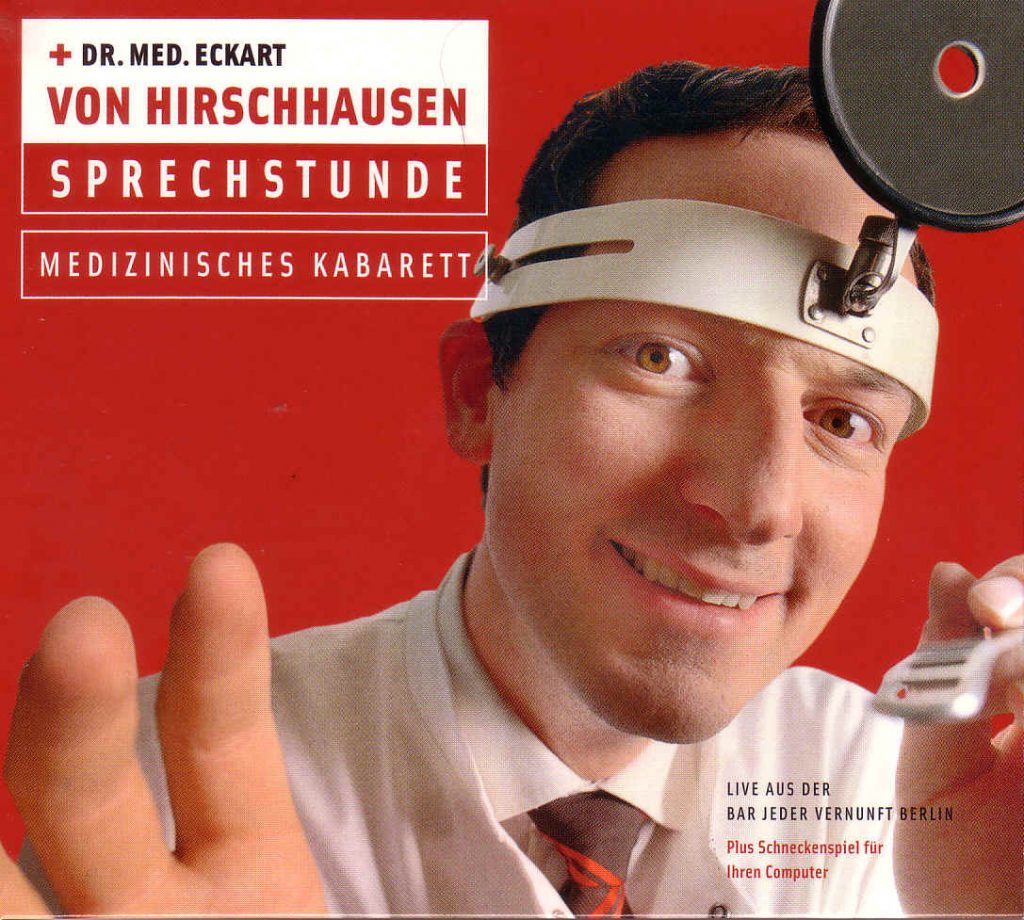
Eckart von Hirschhausen (born 25 August 1967) is a German doctor, talk show host and comedian.
In 1996, von Hirschhausen started writing, mainly for Focus and Der Tagesspiegel. His first appearance on television is believed to have been as a guest contestant performing magic tricks in Jürgen von der Lippe‘s show Geld oder Liebe (‘Money or Love’).[2] From 1998 to 2003, he hosted the weekly health advisory show Service: Gesundheit (‘Service: Health’) on Hessischer Rundfunk Television. Since 2004 he has been a weekly contributor to Stern: Sprechstunde (“Stern: Consultation Hour”): his column is called Die Etwas Andere Medizinkolumne (“The Somewhat Different Medicine Column”).[3]
Since the mid-1990s, von Hirschhausen has performed as a stand-up comedian, show host and magician in variety. He is also a cabaret artist performing his own, and other, cabaret programmes. He was a guest artist in Berlin, in London and at the Cologne Comedy Festival 1997. Hirschhausen was also a member of the panels of contributors to the Knoff-Hoff-Show on ZDF and 7 Tage, 7 Köpfe (‘7 days, 7 heads’) on RTL. Since 21 January 2004, he has been answering viewers’ questions in his column Dr. von Hirschhausen wills wissen (‘Dr. von Hirschhausen wants to know’) in the scientific television show W wie Wissen (‘K for Knowledge’) on ARD. In Hirschhausens Wissensbisse (‘Hirschhausen’s knowledge-bites’) he also presents strange news and facts from the world of scientific research.[4] Hirschhausen is a regular on the cabaret show Ottis Schlachthof (‘Otti’s Slaughterhouse’) on Bayerisches Fernsehen and Quatsch Comedy Club on Pro Sieben.[5] In 2007, he was a frequent guest on the ARD show ‘Schmidt and Pocher’. He is also a speaker specialising in communication and motivational training. At the end of 2008, he founded a charity foundation ‘Humor hilft heilen – für mehr gesundes Lachen im Krankenhaus’ (‘Humour helps the healing process – for more healthy laughing in hospitals’). Since September 2009, he has co-hosted the successor show of ‘Die Tietjen und Dibaba’ on NDR with Bettina Tietjen.
Von Hirschhausen has developed a cabaret routine similar to that of Ludger Stratmann, also a PhD Medical Doctor and cabaret artist. They both focus on the doctor-patient relationship, while von Hirschhausen specifically points out the inability and unwillingness of professionals in his field to express themselves clearly. He also focuses on the typical routines and rituals which, when separated from the professional environment, appear comical and absurd.
Since 1995 Hirschhausen is member of Magischer Zirkel von Deutschland. in competitions he won 1st and 2nd prizes and founded a “Think Theatre” with a mixture of comedy and magic.
He ended his stage career in 2023 and is now working to improve the earth´s climate and other constructive things.
Singer
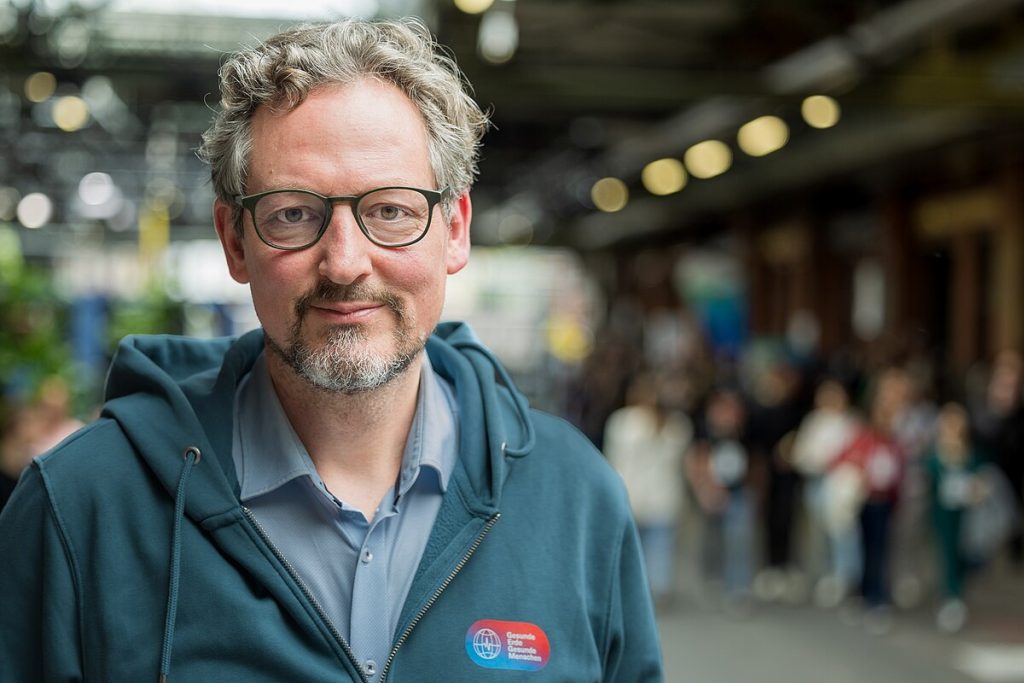
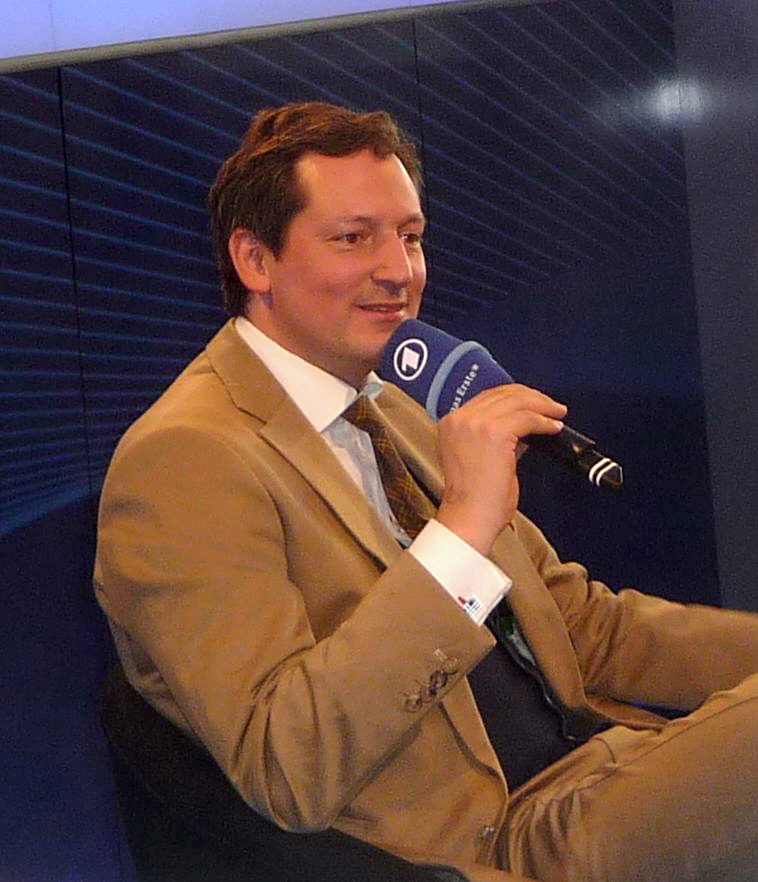
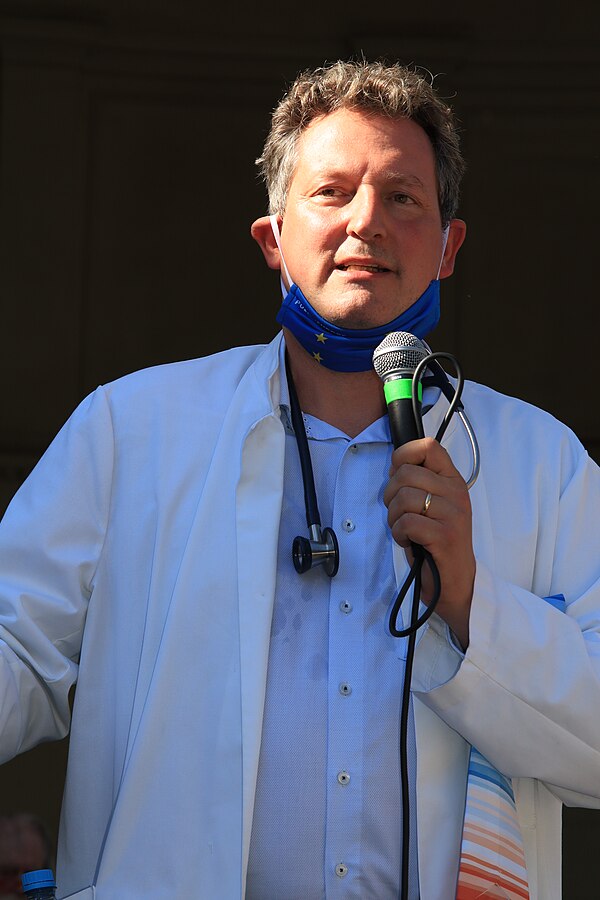
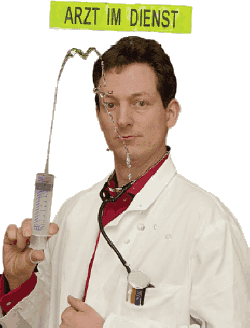
1997 hatte Eckart von Hirschhausen in der Sendung Casino Royal des WDR einen seiner ersten TV-Auftritte als zaubernder Barkeeper. Von 1998 bis 2003 moderierte er im HR-Fernsehen die wöchentliche Ratgebersendung Service: Gesundheit und von 2004 bis 2006 beantwortete er im ARD–Wissenschaftsmagazin W wie Wissen in der eigenen Rubrik Hirschhausen wills wissen die Fragen der Zuschauer. 2008–2010 moderierte er die Sendung Deutschlands größter Gedächtnistest. 2012 leitete er gemeinsam mit Vince Ebert die WDR-Sendung Der dritte Bildungsweg[25], moderierte im selben Jahr Prix Pantheon und wirkte in Die RTL Comedy Woche mit. Von 2012 bis 2014 moderierte er zusammen mit Barbara Schöneberger, Hubertus Meyer-Burckhardt, Bettina Tietjen, Judith Rakers und Giovanni di Lorenzo die von 2012 bis 2014 einmal jährliche Show Best of Talk im NDR.
2013 moderierte von Hirschhausen drei Folgen von Ist das ein Witz? und die einmalige Comedyshow Hirschhausen hilft!. Gemeinsam mit Bettina Tietjen führte er von September 2009 bis November 2014 einmal im Monat durch die NDR-Talkshow Tietjen und Hirschhausen.[26][27] Von 2010 bis 2023 moderierte er in der ARD die Wissensshows Frag doch mal die Maus[28][29] und seit Hirschhausens Quiz des Menschen (bis 2013: Das fantastische Quiz des Menschen).[23] 2017 moderierte er die Sendung Hirschhausens Check-up sowie deren Nachfolgesendung Hirschhausen im…. Seit 2020 moderiert er die Gesundheitsshow Hirschhausens Sprechstunde, zu der seit Herbst 2020 unter anderem der Podcast Hirschhausens Sprechstunde – Der Podcast im WDR 4 gehört. Seit 2021 moderiert Hirschhausen die Sendung Wissen vor acht. 2023 gab er die Wissensshow Frag doch mal die Maus an Esther Sedlaczek ab. Dafür erhielt er eine neue Show beim Ersten Deutschen Fernsehen: Was kann der Mensch? Die Hirschhausen-Show.
Daneben hatte er zahlreiche Gastauftritte in vielen bekannten Talkshows, Quizshows, Kabarett- und Comedy-Formaten bei ARD, ZDF, NDR, WDR etc.
Category : WriterDocs
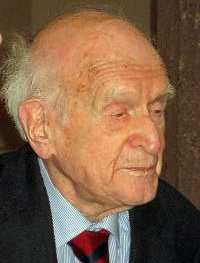
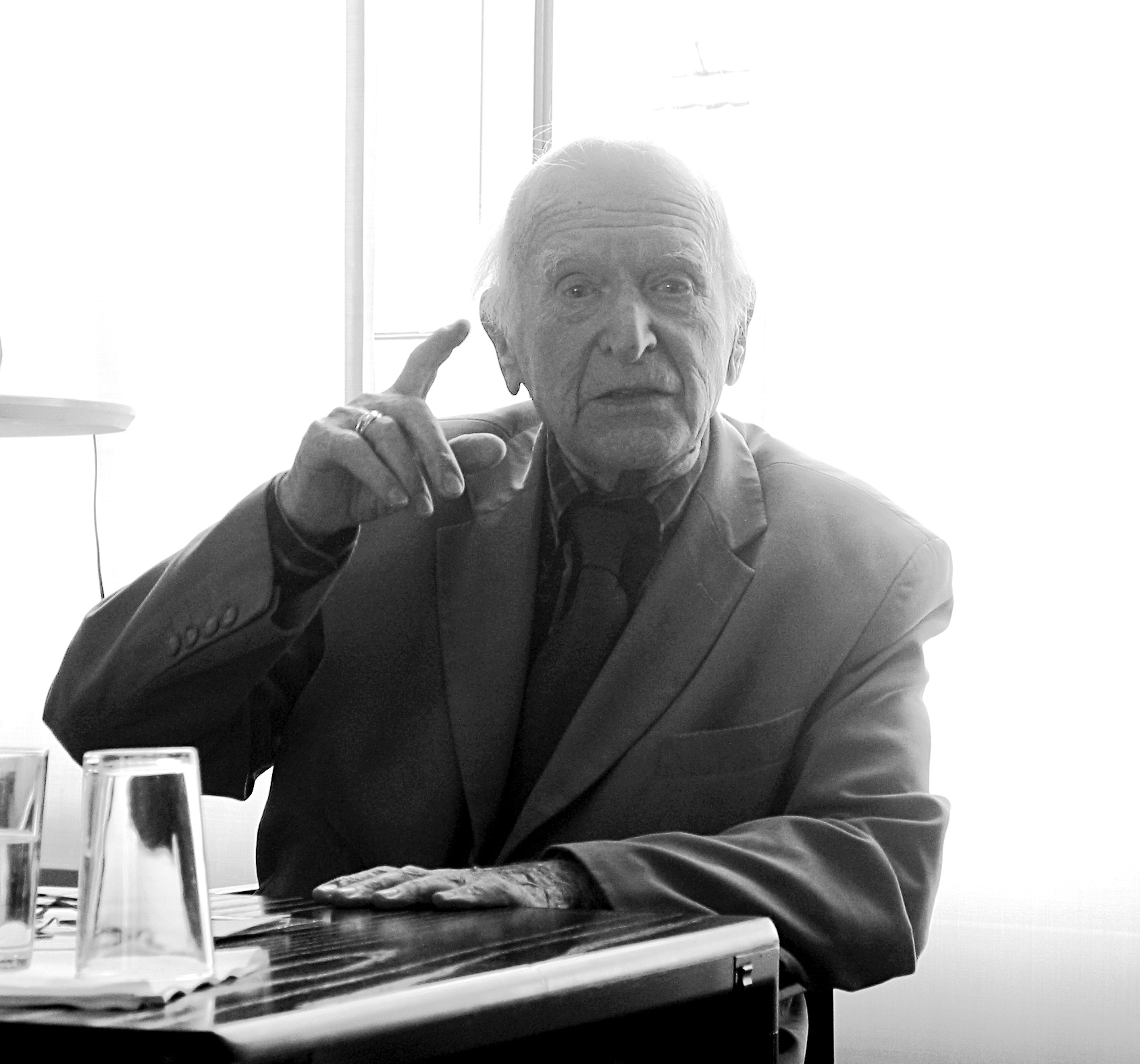
Hans Alex Keilson (Dutch pronunciation: [ɦɑns ˈkɛilsɔn]; 12 December 1909 – 31 May 2011)[1] was a German-Dutch novelist, poet, psychoanalyst and child psychologist. He was best known for his novels set during the Second World War, during which he was an active member of the Dutch resistance.
Keilson, having worked with traumatized orphans, mainly wrote about traumas induced by the war. His first novel was published in 1934, but most of his works were published after the war. In 2010, The New York Times ‘s Francine Prose described Keilson as “one of the world’s greatest writers”, notably honouring Keilson’s achievements in the year in which he turned 101 years old
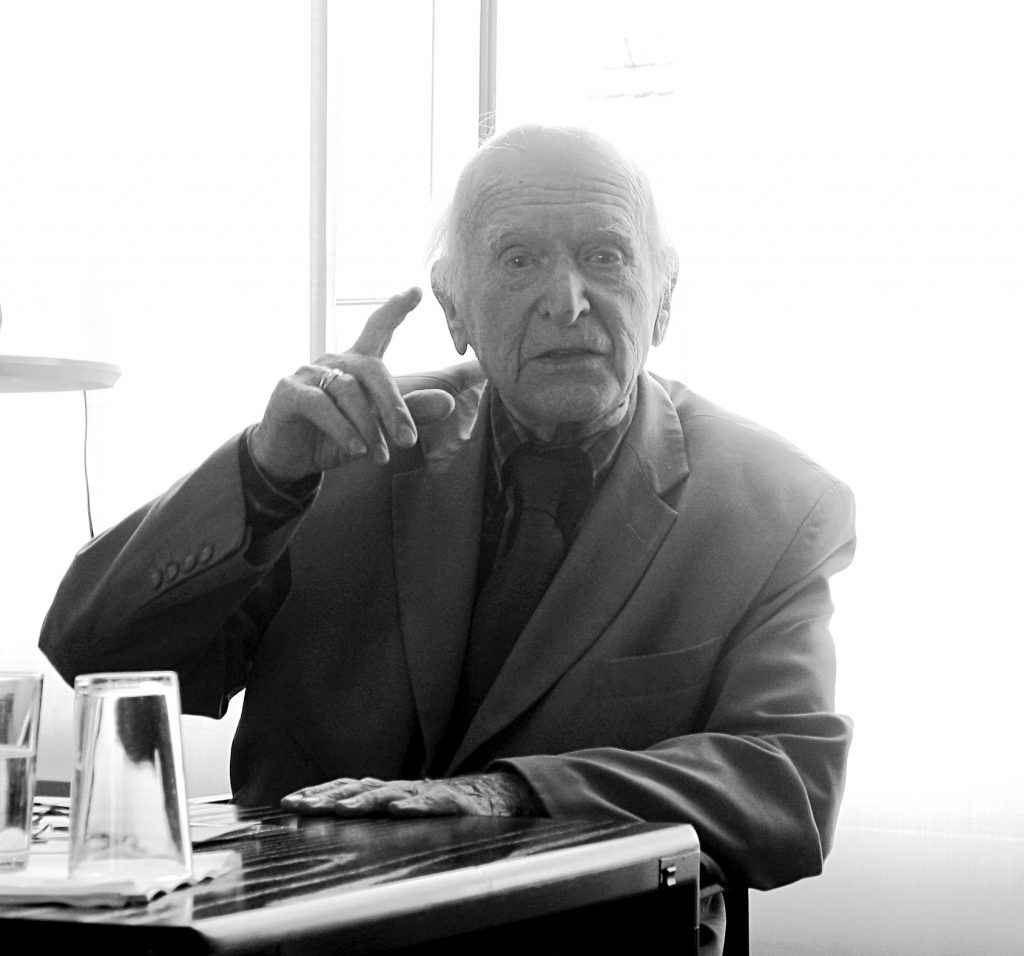
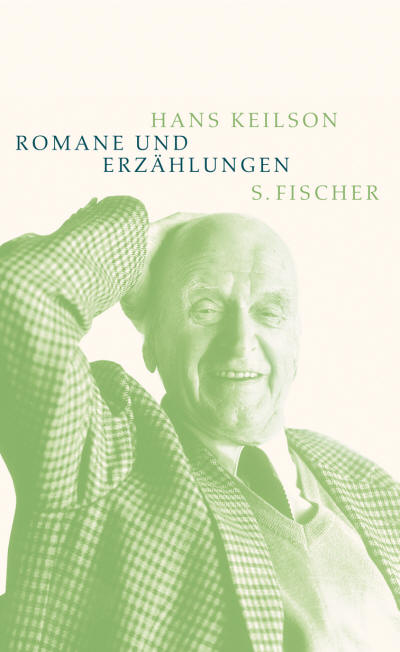
… this is Hans Keilson with thecover of his new double edition: His entire work in two big volumes .
Listen to an interview with him: http://www.exil-archiv.de/audio/keilson/keilson.mp3
Born in Germany in 1909, he published his first novel Das Leben geht weiter (Life goes on) in 1933, shortly before his emigration to the Netherlands. In 1943 he went underground and worked as a doctor and courier for the resistance group Vrije Groepen Amsterdam. In 1948 he received his Dutch approbation as a doctor and subsequently specialised in psychiatry and psychoanalisis.
Hans Keilson’s thesis, published in 1979, Sequentielle Traumatisierung bei Kindern (Sequential Traumatisation in Children), has been translated into several languages and was based on the therapeutic work he carried out on behalf of Le Ezrat HaJeled until 1970. His most recent work Sieben Sterne. Reden, Gedichte und eine Geschichte. Mit einem Nachwort von Gerhard Kurz (Seven stars. Speeches, Poems and a Story. With a postsript by Gerhard Kurz) was published in 2003. An edition of his collected works is just published and available with the renowned publishing house S. Fischer. http://www.fischerverlage.de
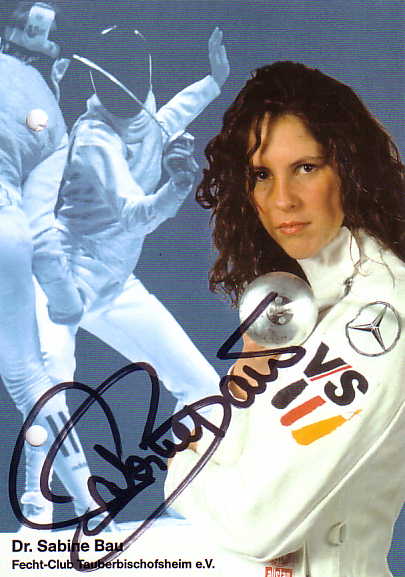
Category : FnecingDocs , OlympicDocs
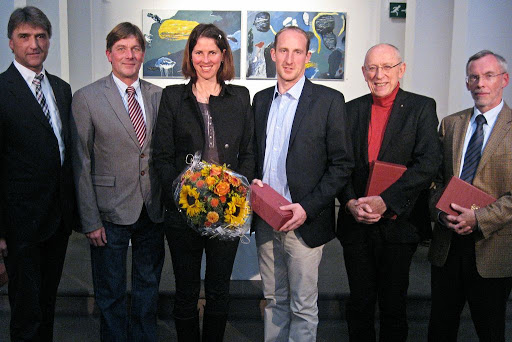
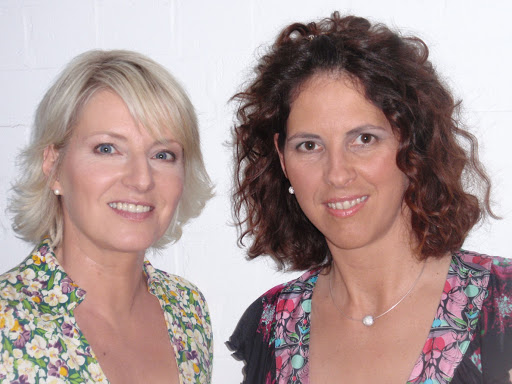
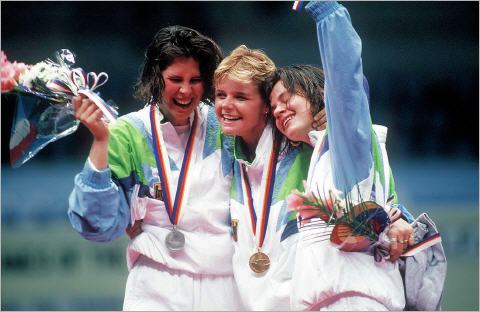
Florett fencing at the Fencing Club Tauberbischofsheim e.V.
| June 19 1969 | born |
| profession | Medical Doctor at the Ludwig-Haus in Würzburg/Germany |
| trainer | Lajos Somodi |
| homepage | www.Sabine-Bau.de |
| Successes | |
| 1986 | silver medal in single and bronce with team at the world championships in Sofia/Bulgaria |
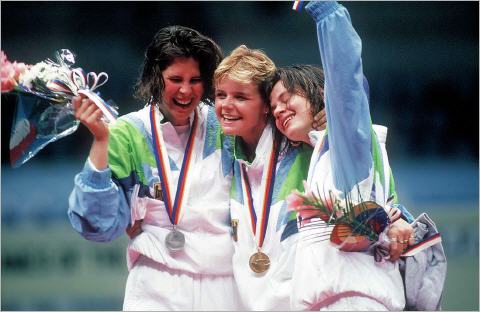
| 1988 | silver medal in single and gold with team at the Olympic Games in Seoul |
| 1989 | gold medal with team at the championship in Denver/Colorado |
| 1991 | bronce medal in signle and with team at the world championship in Budapest/Hungary |
| 1992 | silver medal with team at the Olympic Games in Barcelona/Spain |
| 1993 | gold medal with team at the world championship in Essen/Germany |
| 1994 | gold medal at Europe championship in Krakau/Poland |
| 1995 | bronce medal with team at the world championship in Den Haag/Netherlands |
| 1996 | bronce with team at the Olympic Games in Atlanta/USA |
| 1997 | vice world champion as single and with team at the world championship in Kapstadt/Africa |
| 1998 | silver medal in single and with team at the European championship in Plovdiv/? |
| 1998 | world champion in single at La Chaux-de-Fonds/France |
| 1999 | vice world champion and gold with team at the world championship in Seoul/Korea |
| 2000 | bronce medal with team at the Olympic Games in Sydney/Australia |
| 2001 | vice champion Europe as single in Koblenz/Germany |
| 2001 | Vice champion world as single in Nîmes/France |
| 2000? | silver “Lorbeerblatt”, the highest sports award in Germany |
| 2001 | journalist prize “The golden ribbon” |
| Photo: | Photo Heer, Scene: Dr. H.M. Rupp |

Category : BanknoteDocs , CoinDocs , monumentDocs , PresidentDocs , StampDocs
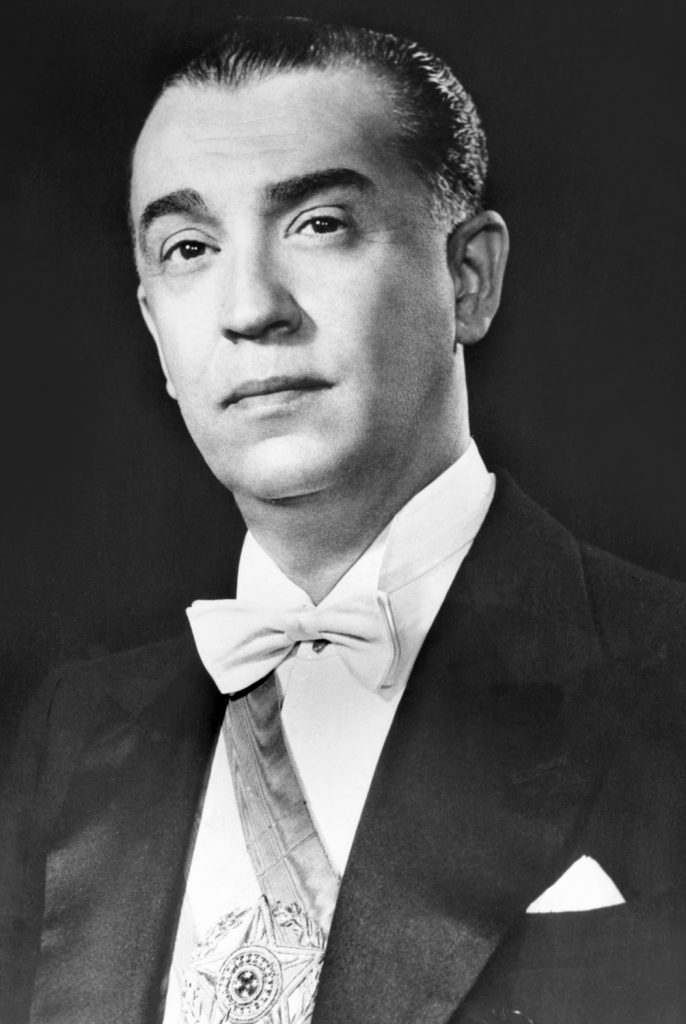
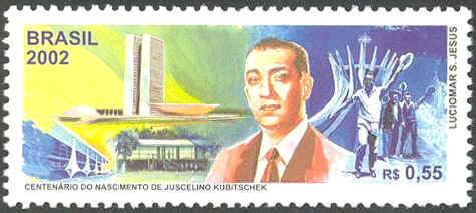
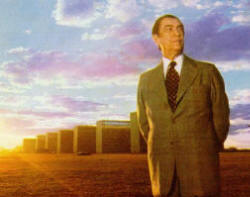
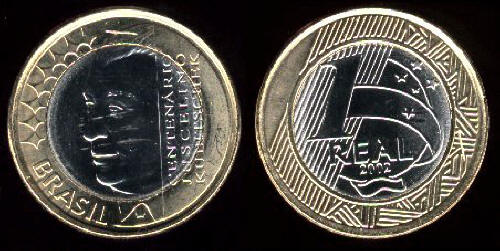
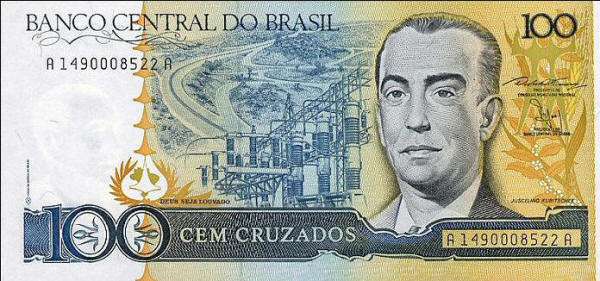
Juscelino Kubitschek de Oliveira (Portuguese pronunciation: [ʒuseˈlinu kubiˈʃɛk(i) dʒi oliˈve(j)ɾɐ]; 12 September 1902 – 22 August 1976), also known by his initials JK, was a prominent Brazilian politician who served as the 21st president of Brazil from 1956 to 1961. Kubitschek’s government plan, dubbed “50 years in 5”, was centered on economic and social development. During his term the country experienced a period of notable economic growth and relative political stability. However, there was also a significant increase in external debt, inflation, income concentration and wage erosion. At the time, there was no re-election and, on 31 January 1961, he was succeeded by Jânio Quadros, supported by the UDN. Kubitschek is best known for the construction of Brazil’s new capital: Brasília, which was inaugurated on 21 April 1960, replacing Rio de Janeiro.
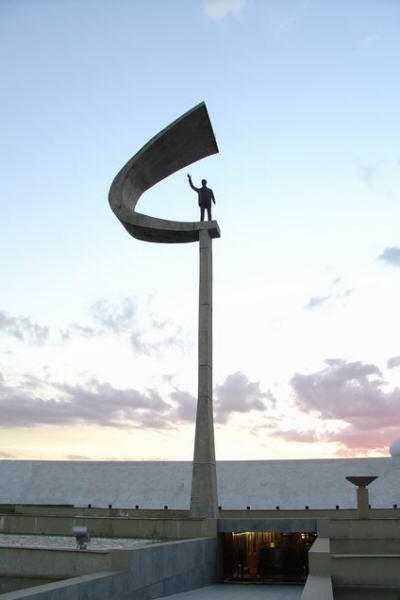
Kubitschek was born in Diamantina, Minas Gerais, in 1902. His father, João César de Oliveira, died when he was only two years old. JK completed the humanities course at the Diamantina Seminary and moved to Belo Horizonte in 1920. In 1927, he graduated in medicine from the Federal University of Minas Gerais (UFMG), and in 1930 he specialized in urology in Paris. In December 1931, he married Sarah Lemos, with whom he had a daughter, Márcia, in 1943. The couple also adopted Maria Estela in 1947. In 1931, Kubitschek joined the Public Force of Minas Gerais as a doctor. During this period, he served on the Constitutionalist Revolution and became friends with politician Benedito Valadares who, upon being appointed federal intervenor in 1933, appointed Kubitschek as his chief of staff. In 1934, Kubitschek was elected federal deputy, but his term was revoked during the Estado Novo coup. With the loss of his term, Kubitschek returned to medicine. In 1940, he was appointed mayor of Belo Horizonte by Valadares, remaining in this position until October 1945. At the end of the same year he was elected constituent deputy for the Social Democratic Party (PSD). In 1950, he defeated Bias Fortes in the PSD caucuses to choose the party’s candidate for that year’s gubernatorial election in Minas Gerais. In the election, he defeated his brother-in-law Gabriel Passos and was sworn in as governor on 31 January 1951. As governor, he created the Companhia Energética de Minas Gerais, and also prioritized road building and industrialization.

Category : PoliticianDocs , PresidentDocs
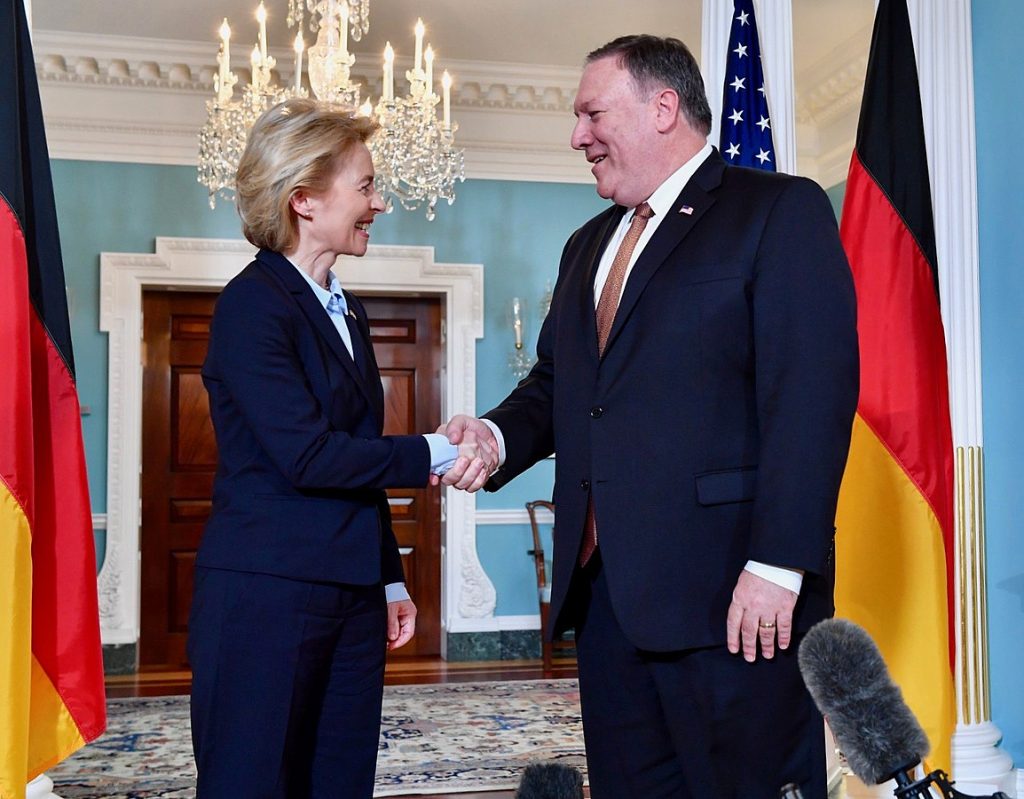
Ursula Gertrud von der Leyen (German: [ˈʊʁzula ˈɡɛʁtʁuːt fɔn deːɐ̯ ˈlaɪən] ⓘ; née Albrecht; born 8 October 1958) is a German politician, serving as the 13th president of the European Commission since 2019. She served in the German federal government between 2005 and 2019, holding positions in Angela Merkel‘s cabinet, most recently as federal minister of defence. She is a member of the centre-right Christian Democratic Union (CDU) and its affiliated European political party, the European People’s Party (EPP). On 7 March 2024, the EPP elected her as its Spitzenkandidat to lead the campaign for the 2024 European Parliament elections. She was re-elected to head the Commission in July 2024.
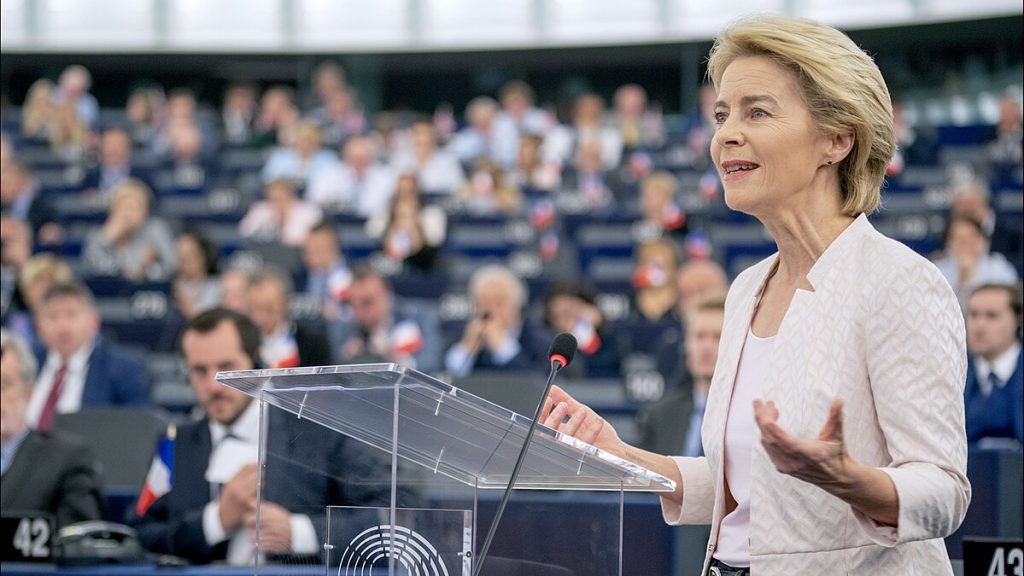
She was Minister for family, seniors, women and youth since November 2005.
Now (2024) president of the EU European Union.
born 8. October 1958 in Brussels
now living in Sehnde/Ilten /Germany
husband: Prof. Dr. med. Heiko E. von der Leyen
children: David, Sophie, Donata, Victoria, Johanna, Egmont und Gracia
education:
Europäische Schule in Brüssel 1964 – 1971
Mathematisch-naturwissenschaftliches Gymnasium, Lehrte 1971 – 1976
Studium der Volkswirtschaft (Göttingen, Münster) 1977 – 1980
London School of Economics 1978
Studium der Medizin (Medizinische Hochschule Hannover; MHH) 1980 – 1987
Staatsexamen und Approbation 1987
Promotion 1991
Magister Public Health (M.P.H.) 2001
professional experiences:
Assistenzärztin, Frauenklinik der MHH 1988 – 1992
Aufenthalt in Stanford, Californien/USA 1992 – 1996
Auditing guest: Stanford University, Graduate School of Business 1993
Marktanalyse, Stanford Health Services Hospital Administration 1995
Wissenschaftliche Mitarbeiterin Abteilung Epidemiol 1998 – 2002
Sozialmedizin und Gesundheitssystemforschung (MHH)
Political career:
CDU-member since 1990
Mitglied im Arbeitskreis Ärzte der CDU Niedersachsen 1999
Kommunalpolitische Mandate in der Region Hannover 2001 – 2004
Mitglied der CDU im Niedersächsischen Landtag seit März 2003
März 2003 bis November 2005 Niedersächsische Ministerin für Soziales, Frauen, Familie und Gesundheit
seit Dezember 2004 Mitglied des Präsidiums der CDU Deutschland
seit November 2005 Bundesministerin für Familie, Senioren, Frauen und Jugend
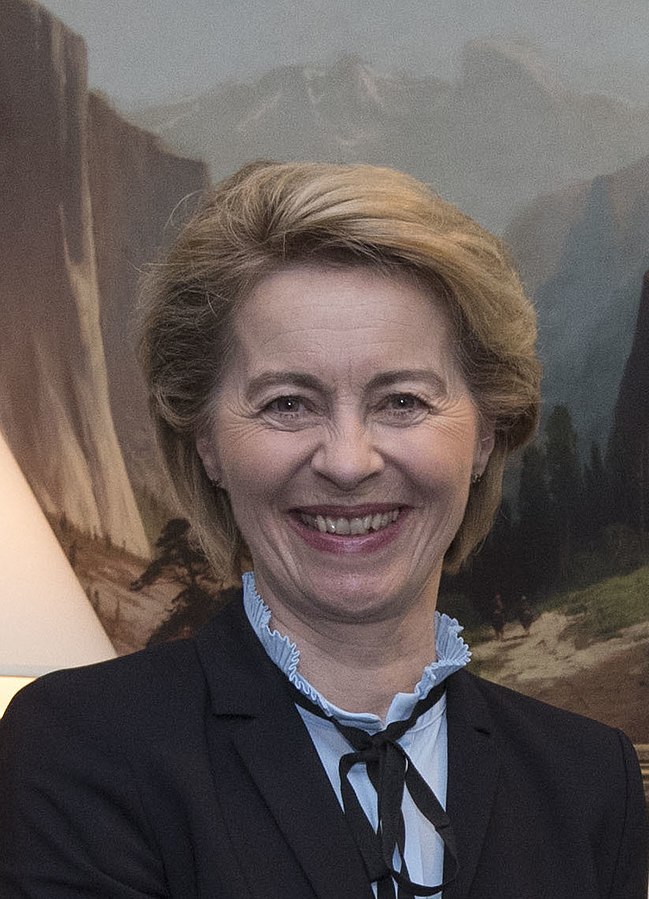
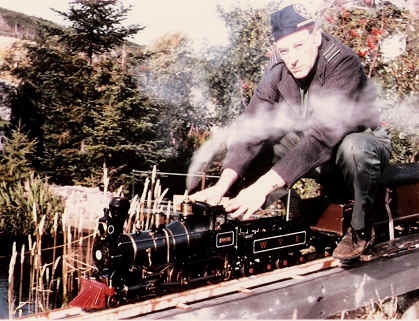
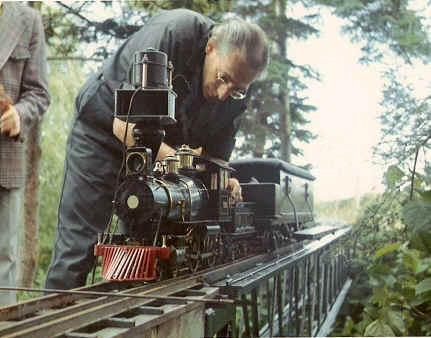
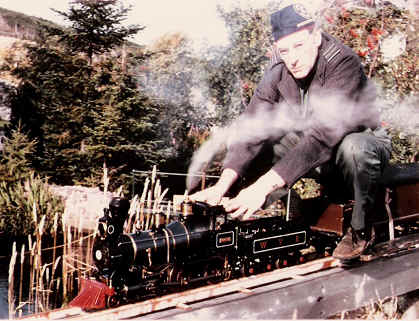
DOCTORS DIVERSIONS: Chugging along with eye-surgeon from City of St. John’s/New Foundland!
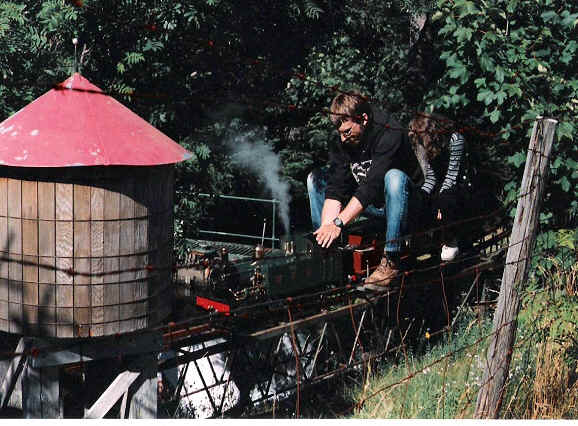
Since he has worked with steam not only on rails we call him SteamDoc AND RailDoc….
Dear Mr. Ellenberger,
I am enclosing some pictures of some of the models I have built over several years. Unfortunately, I do not have too many “action” photos, but these will perhaps give you some idea of what I do.
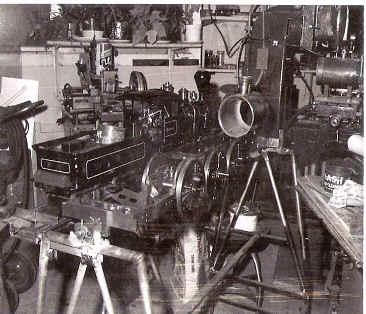
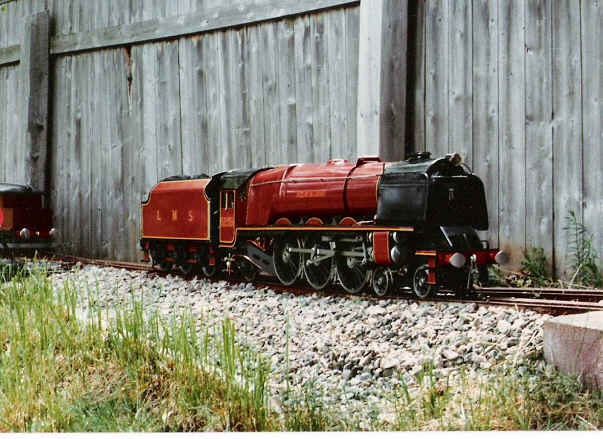
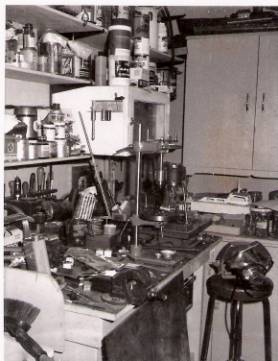
I built my first steamboat model at age nine. I have always ‘made’ things! From childhood I built boats. As a teenager during the war, I built model aeroplanes. Then after the war, as a med student, I bought my first lathe and built a small workshop in the cellar of our house. I produced several small engines for boats and then started my first locomotive – “Virginia” (American standard 4-4-0), seen in the workshop photo with the unfinished Duchess”.

Following a stint in the R.A.F. at Wegberg, I did more work on Virginia and then emigrated to Canada where Virginia was completed in 1962. During this time I also made a steam yacht which now occupies a glass case I my office.
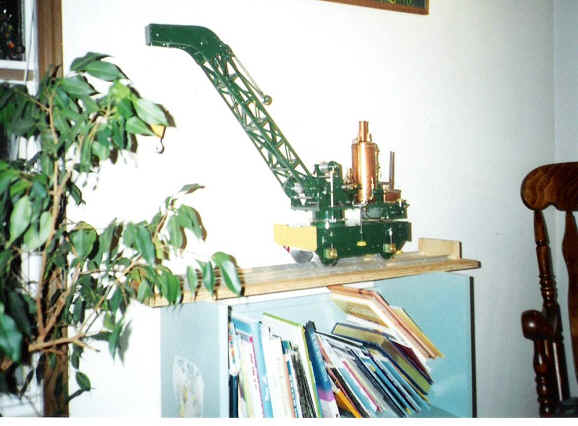
Following the completion of Virginia, I made several other things – a launch engine for a three-meter boat, a stationary beam, and with the help of the kids – I started building a railway track round the garden. About this time, I also began building the Duchess (completed in 1981) which took nine years to construct. However, as it was a major undertaking to get her onto the track, being so heavy (200 kilos); I commenced “Jane”, a green dock tank engine which you can see with one of my sons and his wife near the water tower on the photo.
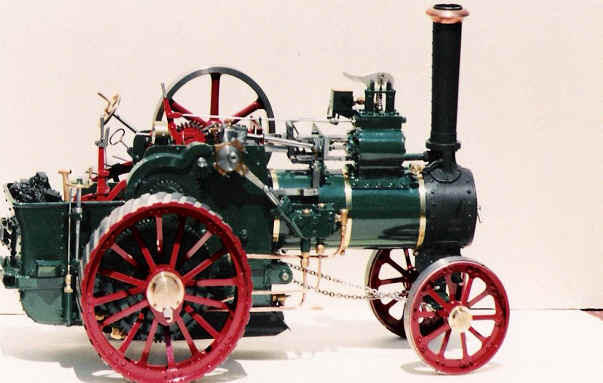
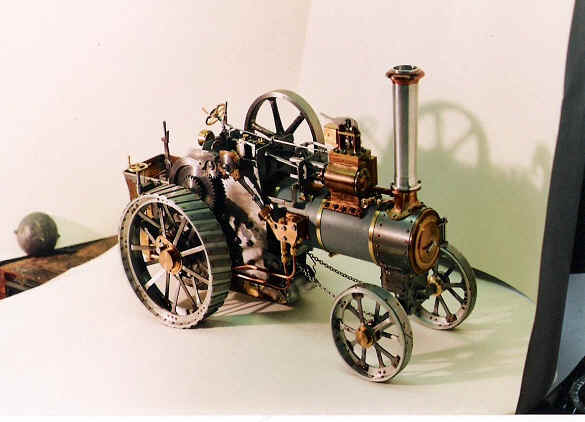
Jane was built in two years and as she only weighs 60k, she is easy to get onto the track and very happy with a load of six adults. (I imported my Welsh steam coal – half a ton – from the U.K. many years ago, so I’m O.K. for a good bit yet!) In the meantime, a traction engine was built in the nineties together with several other odds and ends.
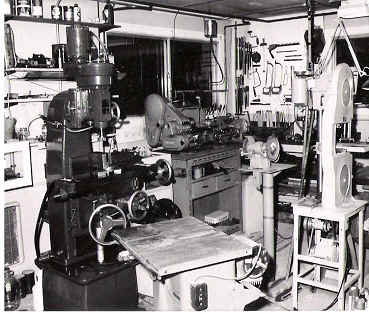
During my years in Newfoundland, the workshop has been considerably enlarged and has welding (gas and electric), milling, shaping, and a new Myford lathe acquired in 1965. I also have a cutter grinder and various woodworking tools – both hand and machine.
Living in the land of snow and ice, I also have a caterpillar tractor to clear the snow. This rather large beastie requires maintenance at times. As well, I have several automobile projects as I was also engaged in motor sport locally and inter-provincially. I was a national steward for several years.
So now, I’m having to sit back on my laurels at the age of 78 with a total hip replacement and spinal stenosis! I hope this gives you some idea of what a “model engineer” does!
My late wife was once asked, “And what do you do?” Her reply was, “I bask in my husband’s reflected glory!” She was however, an excellent nurse and mother and a literary genius!
Yours sincerely,
Dr. Peter Lockwood
P.S. I also paint and have exhibited and sold some of my artwork. I play jazz
piano too. J
Category : OlympicDocs , SwimmingDocs
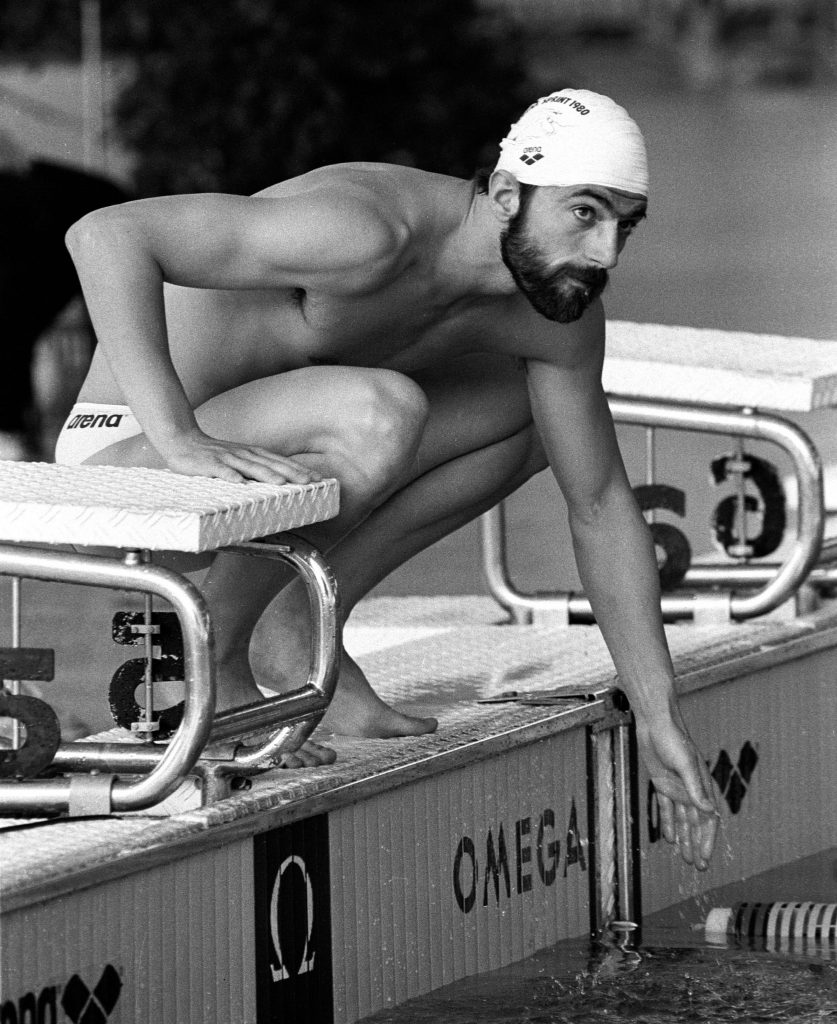
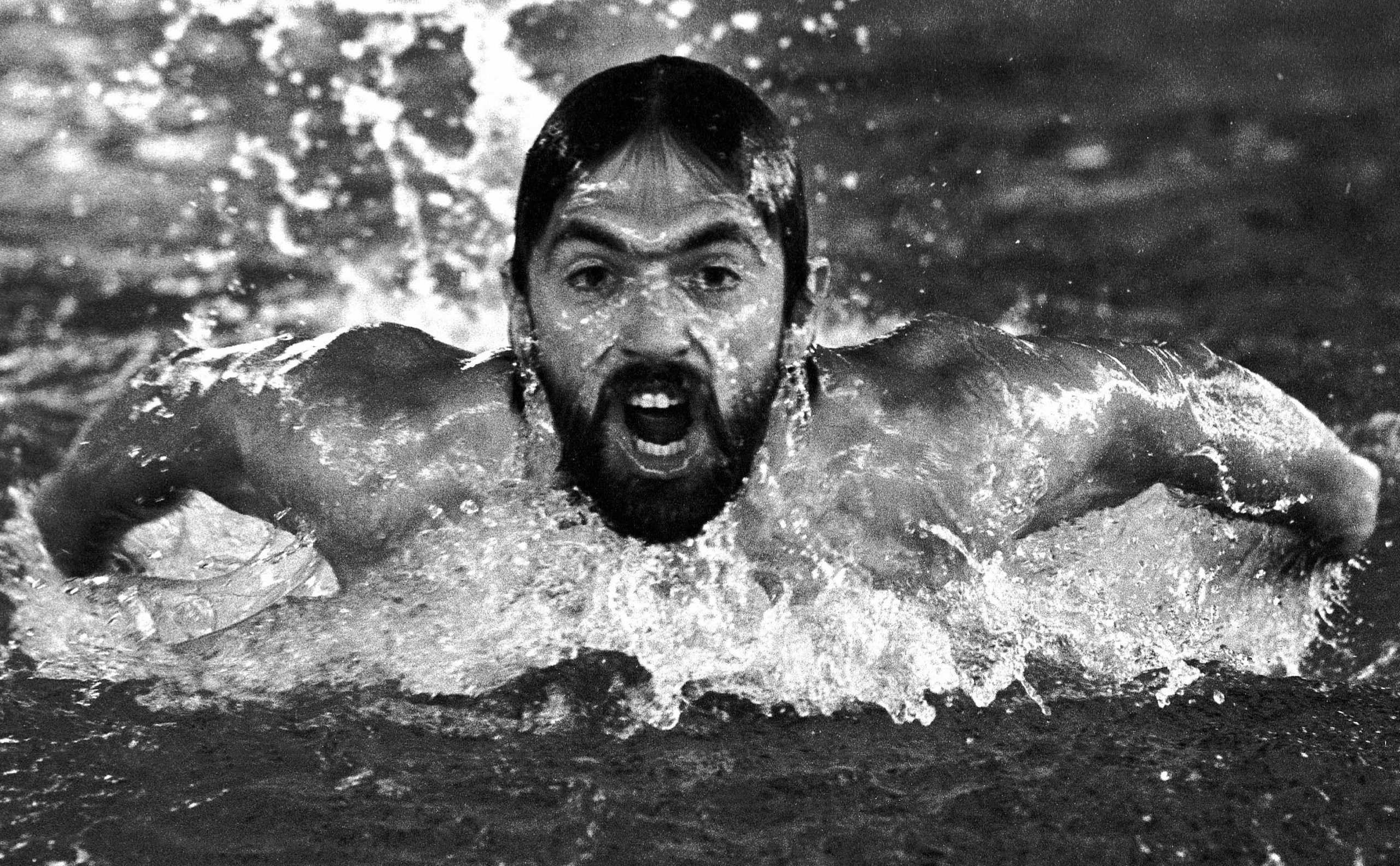
Klaus Steinbach (born 14 December 1953 in Kleve, North Rhine-Westphalia) is a former world record holder and Olympic freestyle swimmer from Germany. He swam for Germany at the 1972 and 1976 Olympics.
At the 1972 Games, he was a member of West Germany’s silver medal–winning 4×200 m freestyle relay. At the 1976 Games, he was part of West Germany’s bronze medal–winning 4×100 m medley relay. He also has one individual bronze medal and six relay medals from the World Aquatics Championships between 1973 and 1978.
Steinbach was the first man under 50 seconds on 100 m freestyle in a short course meters pool.
He also served as Germany’s Chef de Mission for the 2004 and 2006 Olympics.
| Personal facts | Dr. Klaus Steinbach |
| born 14 December in Kleve, married 2 children | |
| Professional career | Studied at the University of the Saarland |
| Promotion with Prof. Dr. Wilfried Kindermann | |
| Specialization in Orthopedia, Specialist for physical and rehabilitation medicine | |
| 1989 – 1991 | chief doctor of the Hohenurach Clinics in Bad Urach |
| since 1992 | chief doctor and medical director in Weiskirchen/Saar |
| sport/swimming | |
| 25 times: German champion | |
| 1972 | olympic silver |
| 1975 | world champion |
| 1976 | olympic bronce |
| 1974-1977 | five times: Europe champion |
| 1975-1978 | four times World Vice champion |
| other activities | |
| since 1981 | personal member of the NOK (National Olympic Comitee) |
| since 1989 | member of “Gutachterausschuss of DSH” |
| 1996 | team doctor NOK Olympic Games Atlanta |
| since 1997 | member of the board of the NOK |
| 1997 | founder and president of DOG Saarland |
| 2000 | chief of mission of the german team for Olympic Games Sydney |
| since 3 November 2002 | president of the National Olympic Comitee for Germany |
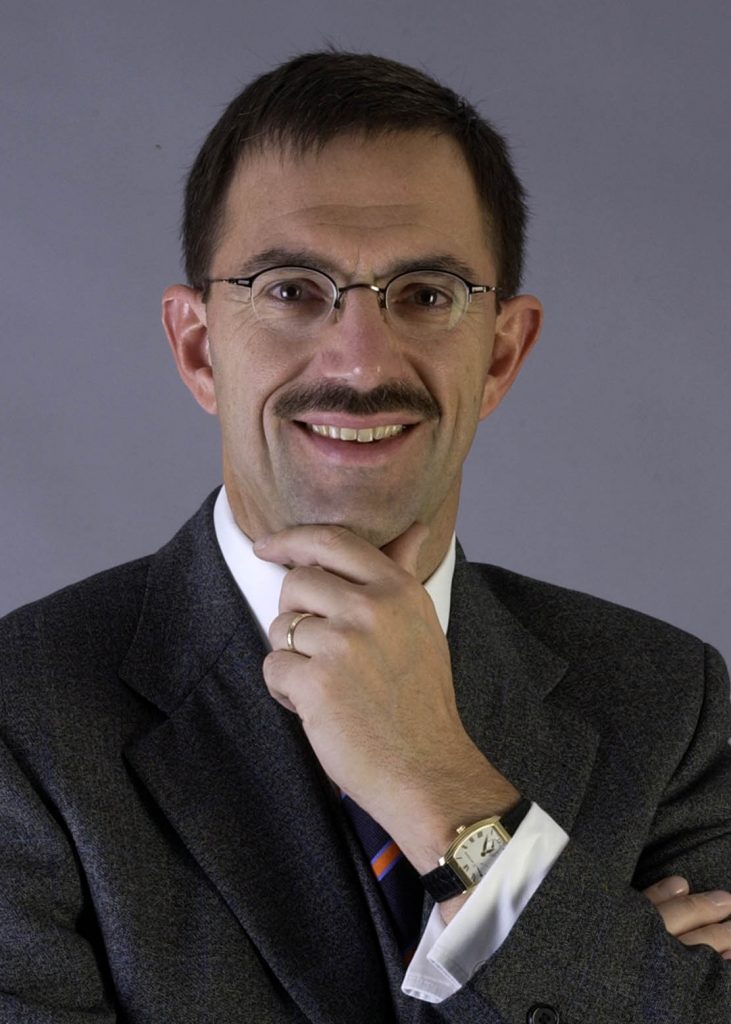
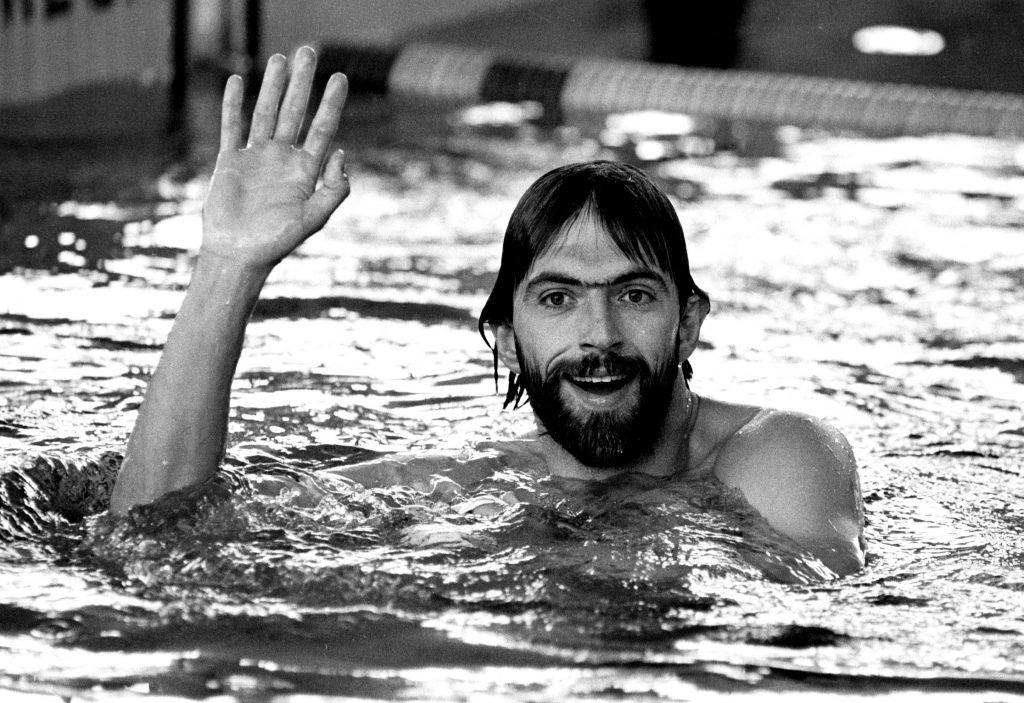
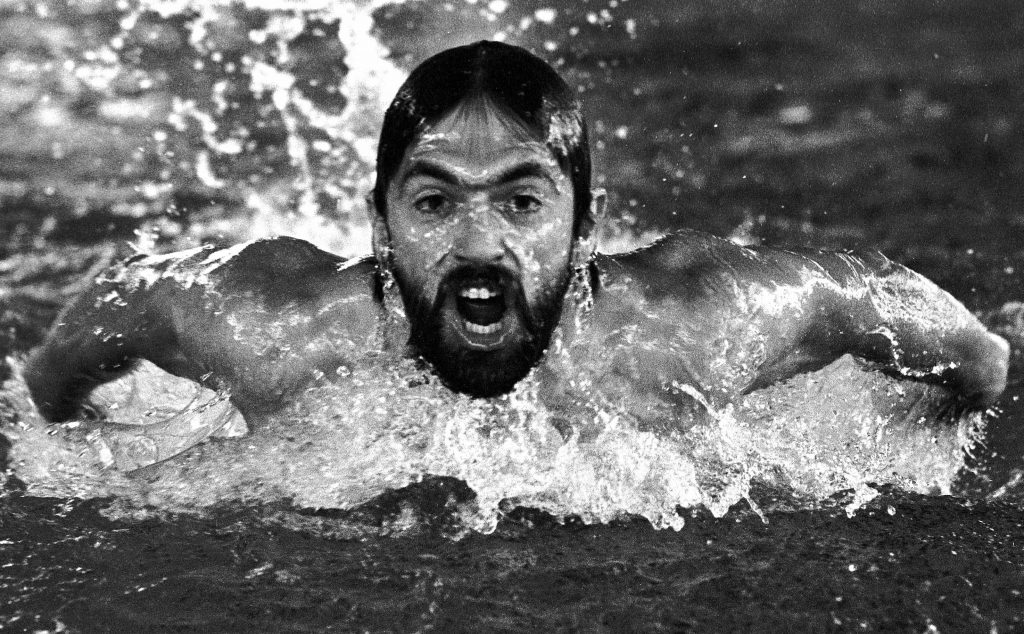
Swimming has show events less than other sport disciplines. Otherwise I would make my swimming rounds more often for sure.
But seriously: Of course I do make sport, I do jogging three to five times a week or go riding mountainbike. After a career in top
sport this is a necessity as everybody knows. It is a good compensation for stress in the profession as a medical doctor and thus
gives good support to it.
Apart from that it means living a good example for the patients.
Men’s 50 metre freestyle
world record holder (long course)
July 23, 1979 – February 2, 1980
Category : FireworkDocs
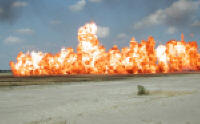
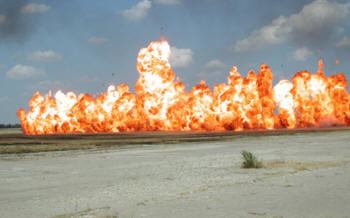
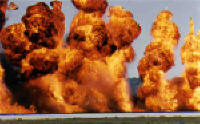
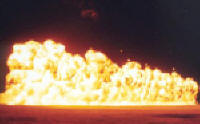
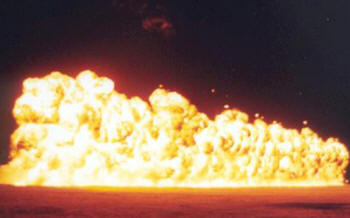
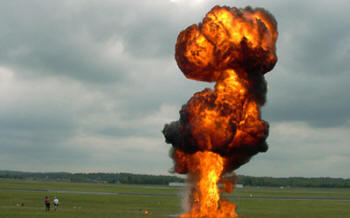
I became invovled in pyrotechnics 15 years ago, when my son was eight years old. He was very interested in fireworks and had read every book in the local library dealing with the topic. I contacted a fireworks display operator where we lived and explained my son’s interest. He welcomed us to tour his shooting area at our July Fourth city celebration. My son was electronically gifted and he assisted with the wiring at the control panel while I learned about the hard work.
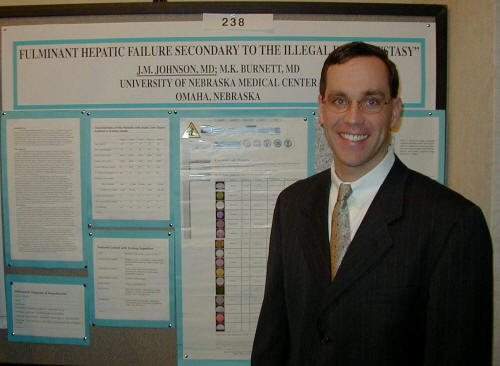
Years later, my son and I are licensed display operators and still shoot several shows together each year, assisting those who own their own companies. All our shows are fired electronically, and many include music with which the show is synchronized using computer programs.
Thomas J. Poulton, M.D., USA
Thomas Poulton:
I’ll see if my son has any cool foreworks photos to send along. If you visit the Tora website and read it, you will learn that the program is a pro-peace platform which does not glorify war, but rather emphasizes how everyone loses when war occurs. I would encourage you to reevaluate keeping the link, but it is your website.
Wolfgang Ellenberger:
Tom, thank you for this argument, so here is your original sentence:
Thomas Poulton
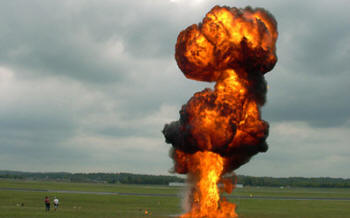
We also help with the explosive special effects for the “Tora! Tora! Tora!” air shows of the Commemorative Air Force in the U.S. ( www.toratoratora.com ). indirectly a show for peace.

