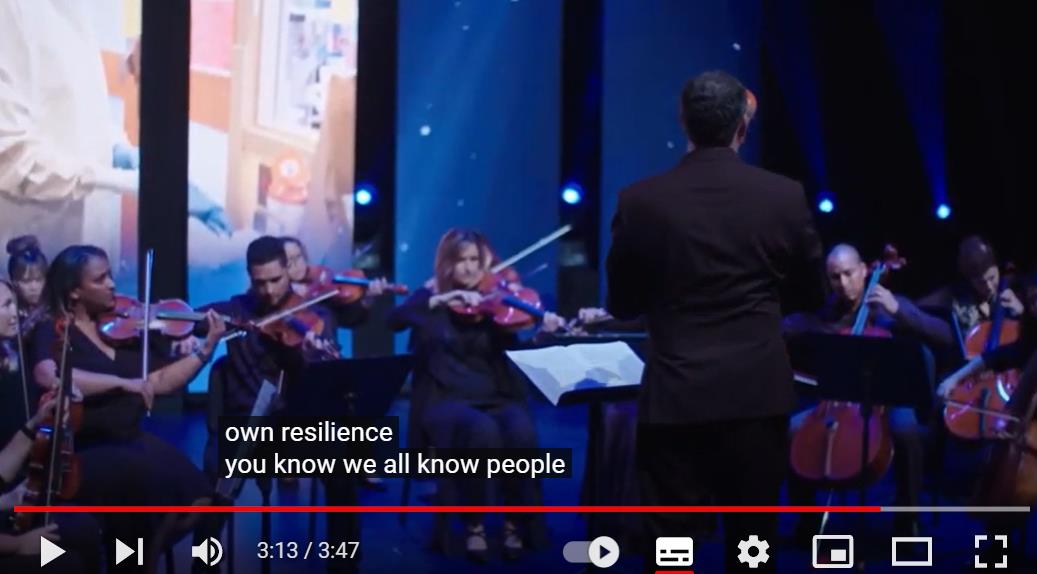
AdventHealth is home to some of the nation’s most brilliant minds in medicine — and our providers’ talents extend well beyond the walls of our facilities, too. Bringing together the best of AdventHealth’s musically talented team members and physicians in Greater Orlando, the AdventHealth Orchestra is the first all-employee orchestra in our nationwide health care system.
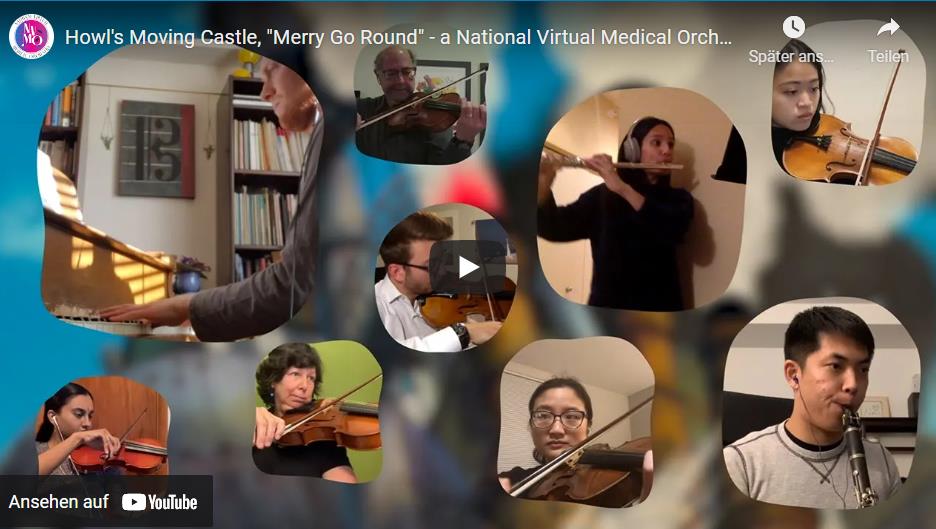
Founded by Longwood Symphony Orchestra NVMO is a virtual Orchestra with medical members from all over the US who performed virtual recitals during the pandemy.
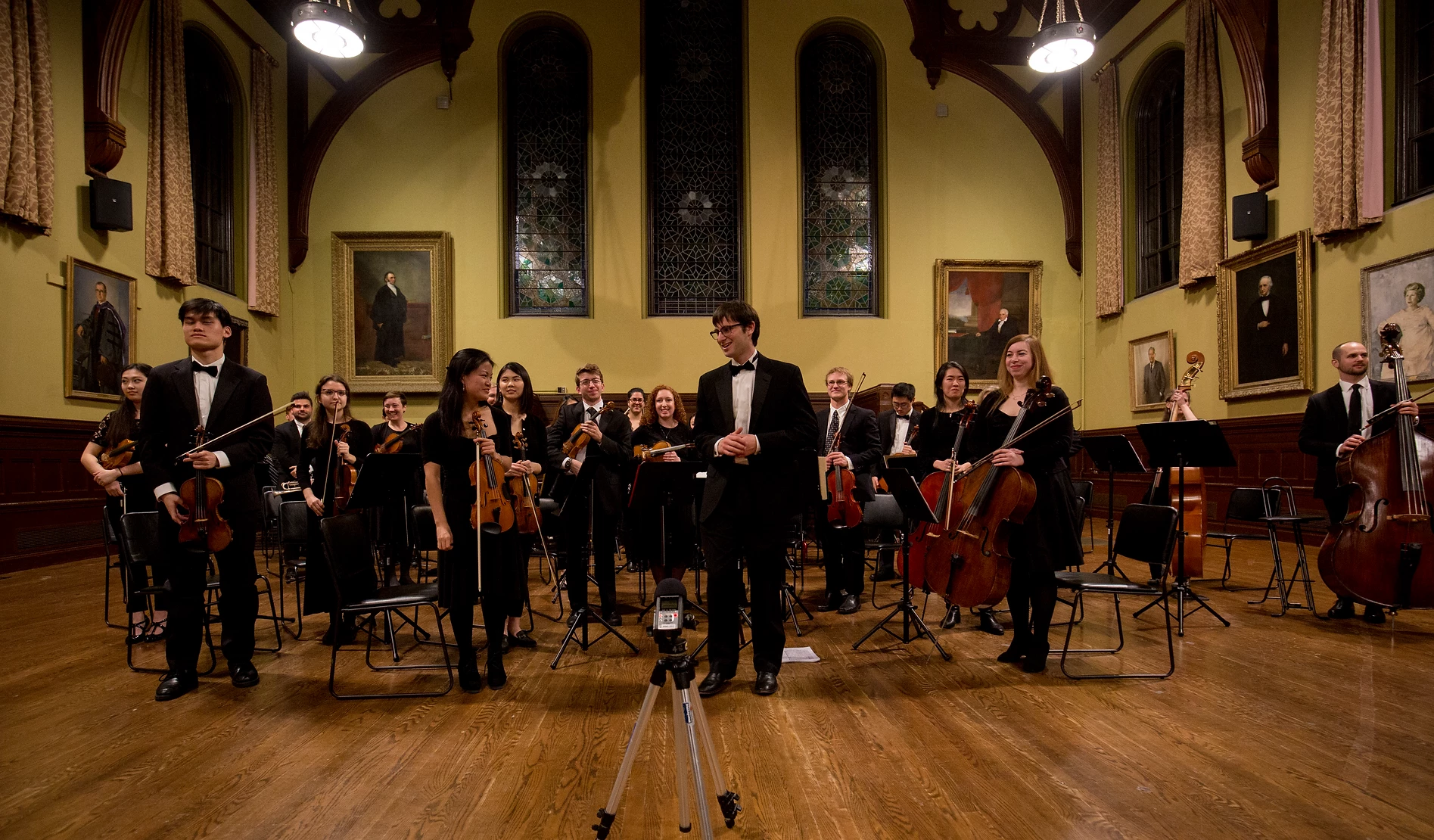
An ensemble of musicians from the Alpert Medical School, Brown BioMed, and larger Providence biomedical community.Founded in the fall of 2018, the Providence Medical Orchestra is a new ensemble of orchestral musicians. We are medical students, residents, physicians, faculty, graduate students, and undergraduates from the Alpert Medical School, Brown BioMed, and larger Providence RI biomedical community.
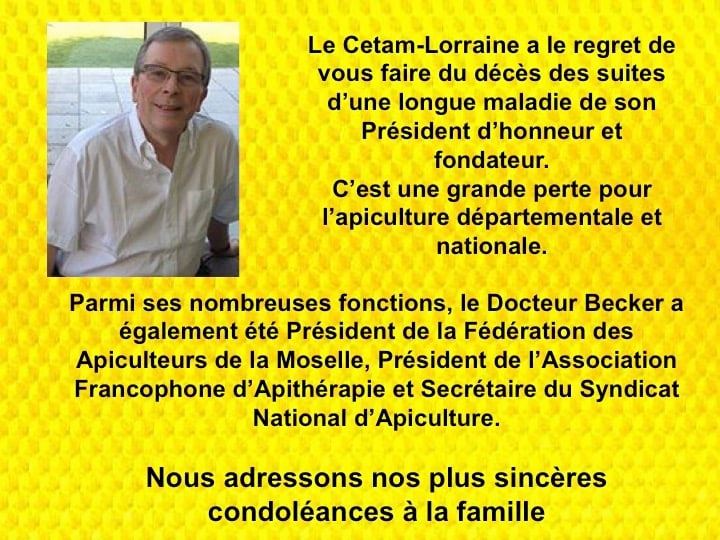
Langjähriger Vorsitzender von Imkergesellschaften im Raum Straßburg und überregional. Autor von Büchern über Api-Therapie.
25 years ago he became president of a local beekeeper organisation. Later he was in the board of the Lothringen/France Beekeeper organisation and later general secretary of the national french beekeepers.
Then he even worked in a European level organisation but the drew back a bit to be able running his doctors office as general practitioner……
In 2009 at Montpellier/France he will be participating in the ApiMondial congress.
a couple of months ago you have asked me to report about my hobbies. That is a little risky because I am helping many prejudices by that…..
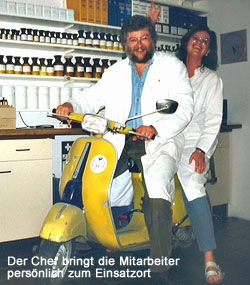
Besides my professions as pharmacist, art dealer and setting up game-automates I am active in the politics for my profession as pharmacist (as delegate of the Bavarian pharmacist chamber and regional president of the nationwide association of “active pharmacists”).
In some associations like “wine brethren” and “aviation club” I am in the presidency.
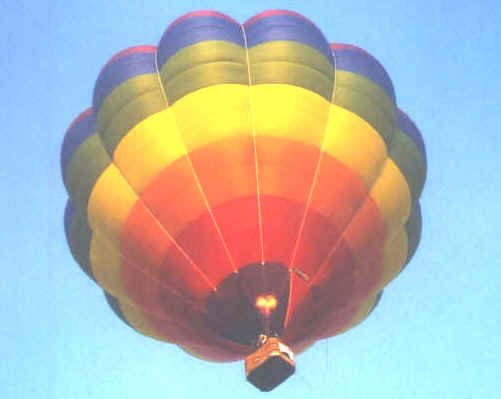
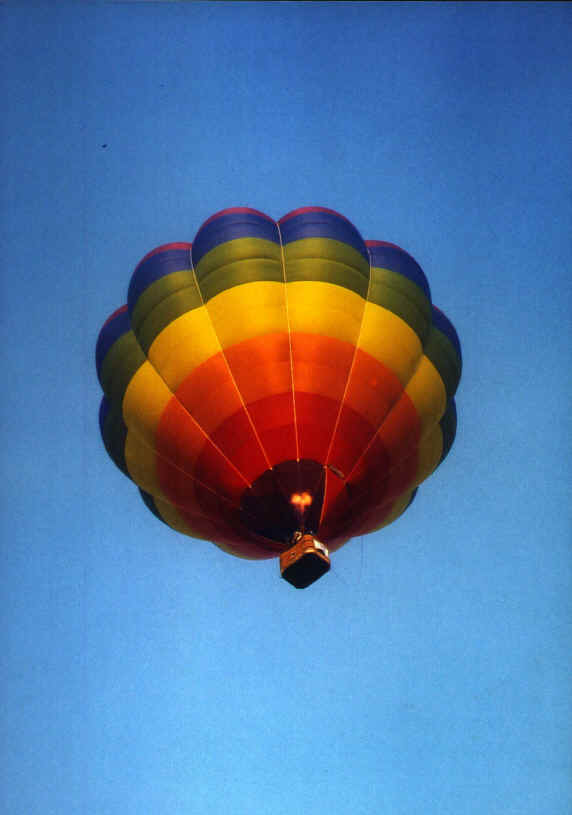
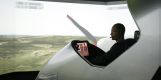
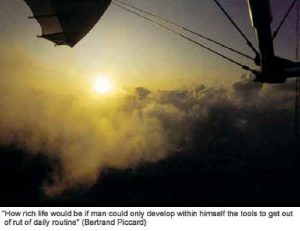
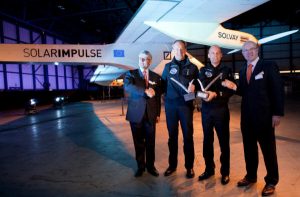
In principle that would do, but the day has 24 hours! So I go fishing and hunting, go by boat and go flying my balloon (see picture).
Also I fly airplanes and shoot “Vorderlader”, drive bycicle and play golf.
Under the aspect of time that goes very wel because my wife Hanne participates in all of these hobbies apart from flying.
But my favourite hobby is music! I have bought several instruments and try to play “jagdhorn“, trombone, trumpet, clarinet, saxophone, “Hackbrett“, “Zither“, double bass, hornpipes, drumset, violin, a self-constructed harmonika, electric organ and last not least piano.
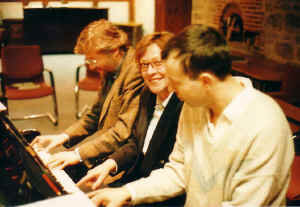
Regular highlights of my little life are the games of chess with my 12-year-old son Michael having a (big) glass of wine and playing four hands with my little boy.
Sorry that this letter took so long although I have sufficiently time, but in the beginning I did not find the picture with my balloon…..
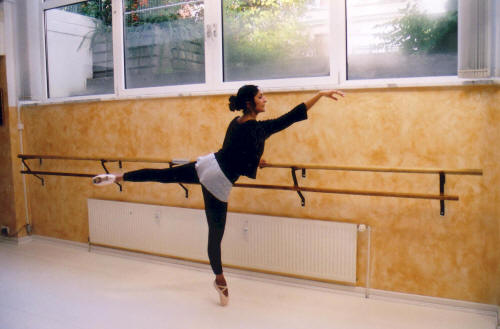
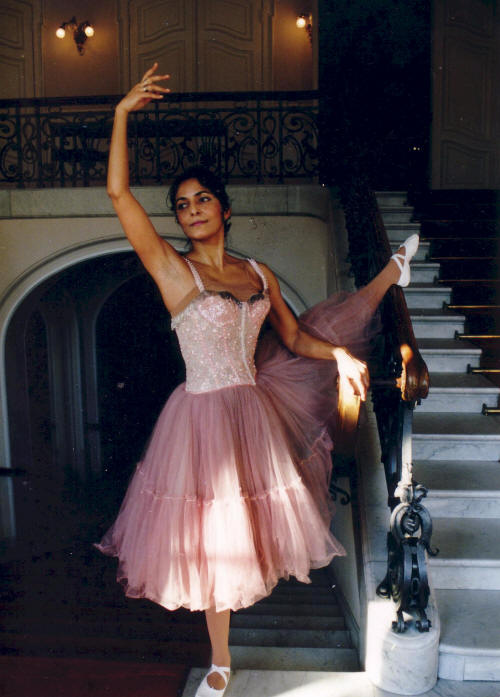
Born 1958 in Hamburg. Classical ballett education with a russian teacher (Ludmilla Maltschanova, former solist in Riga and Opera of Hamburg) and with Jane Ibn, teacher from the Royal ballett school in London. Advanced courses in the Centre international de Dance in Cannes (Rosella Hightower) and in the Broadway Dance Center New York. Theater Practice in the Opera of Hamburg and other theaters. Exam in elementary dance practice of the royal ballett academy. Teacher of Anatomy and Diet at the Academy of Dance Arts in Hamburg and invention of a new method of teaching ballett profis calling “anatomic corrections”. Performing as a dancer in several theaters in hamburg.
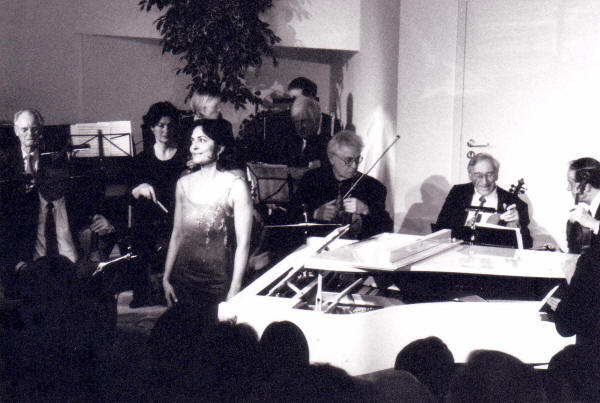
Starting piano playing at the age of five, after ten years of private lessons master lessons at the Musikhochschule Hamburg. Concerts as a child with great success, then with breaks again playing and starting a soloist career as concert pianist since one year.
Studying medicin at the university of hamburg and promotion. Working in the fields of internal medicin, psychiatry and legal medicine, five years work and research at the University of Eppendorf in Hamburg on the field of legal medicine and pathology, a series of 25 medical publications. Since 1994 expert of psychiatry for the court of justice and since 2004 also psychotherapist for behavioral therapy.
Joachim Gardemann is a passionate hobby astronomer and a watercolour illustrator in his international Red Cross missions.
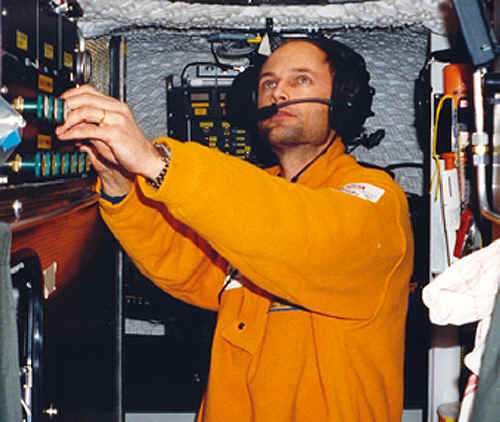
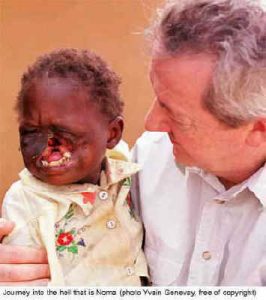
His Red Cross working experience as health delegate, health coordinator, paediatrician and senior medical officer with IFRC or ICRC is covering emergency missions in Tanzania (1995 and 1998), Macedonia (1999), Iran (2003), Sudan (2004), Sri Lanka (2005), the Peoples Republic of China (2008) and Haiti (2010), additionally he has teaching and research experiences in Serbia (2002), Macedonia (2003), Mongolia (2002) and Ethiopia (2007).
Some time before 1514, Copernicus wrote an initial outline of his heliocentric theory known only from later transcripts, by the title (perhaps given to it by a copyist), Nicolai Copernici de hypothesibus motuum coelestium a se constitutis commentariolus—commonly referred to as the Commentariolus. It was a succinct theoretical description of the world’s heliocentric mechanism, without mathematical apparatus, and differed in some important details of geometric construction from De revolutionibus; but it was already based on the same assumptions regarding Earth’s triple motions. The Commentariolus, which Copernicus consciously saw as merely a first sketch for his planned book, was not intended for printed distribution. He made only a very few manuscript copies available to his closest acquaintances, including, it seems, several Kraków astronomers with whom he collaborated in 1515–30 in observing eclipses. Tycho Brahe would include a fragment from the Commentariolus in his own treatise, Astronomiae instauratae progymnasmata, published in Prague in 1602, based on a manuscript that he had received from the Bohemian physician and astronomer Tadeáš Hájek, a friend of Rheticus. The Commentariolus would appear complete in print for the first time only in 1878.[45]
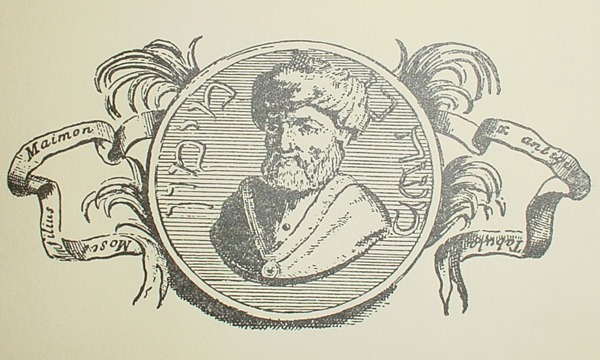
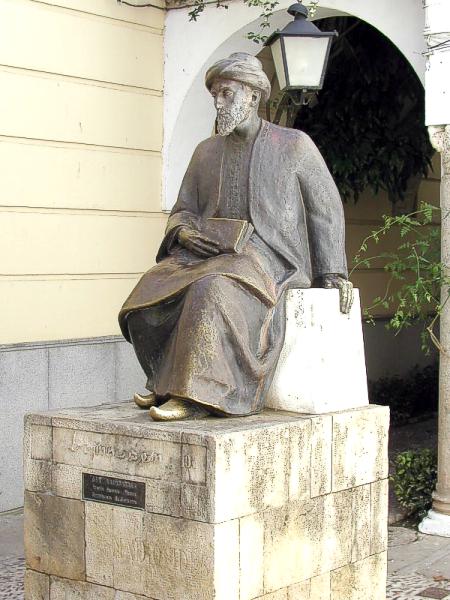
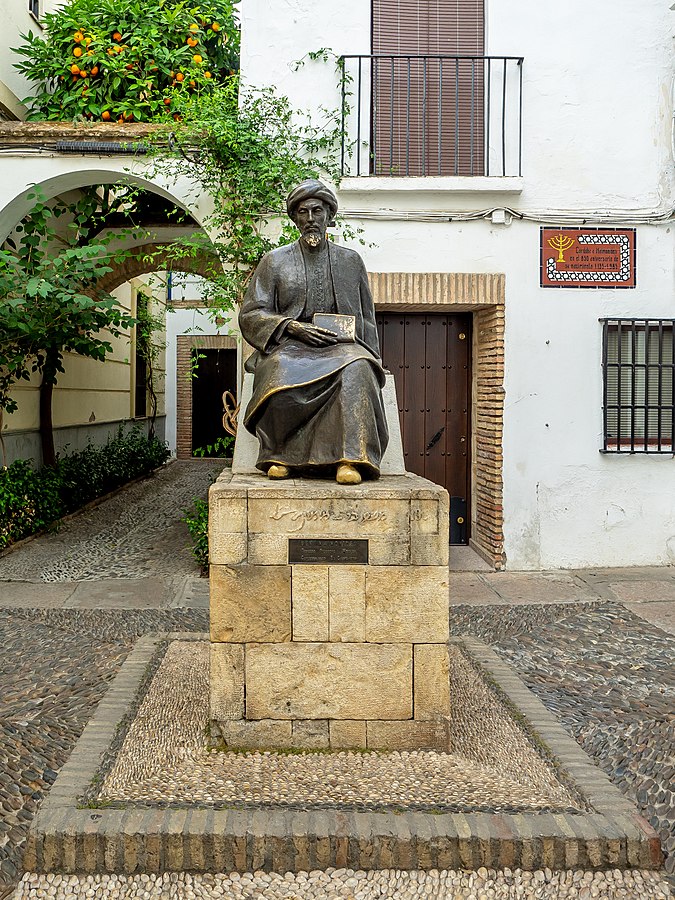
Moses ben Maimon[a] (1138–1204), commonly known as Maimonides (/maɪˈmɒnɪdiːz/)[b] and also referred to by the acronym Rambam (Hebrew: רמב״ם),[c] was a medieval Sephardic Jewishphilosopher who became one of the most prolific and influential Torah scholars of the Middle Ages. In his time, he was also a preeminent astronomer and physician, serving as the personal physician of Saladin. Born in Córdoba, Almoravid Empire (present-day Spain), on Passover eve, 1138 (or 1135),[d][8][9][10] he worked as a rabbi, physician and philosopher in Morocco and Egypt. He died in Egypt on 12 December 1204, whence his body was taken to the lower Galilee and buried in Tiberias.[11][12]
During his lifetime, most Jews greeted Maimonides’ writings on Jewish law and ethics with acclaim and gratitude, even as far away as Iraq and Yemen. Yet, while Maimonides rose to become the revered head of the Jewish community in Egypt, his writings also had vociferous critics, particularly in Spain. Nonetheless, he was posthumously acknowledged as one of the foremost rabbinic decisors and philosophers in Jewish history, and his copious work comprises a cornerstone of Jewish scholarship. His fourteen-volume Mishneh Torah still carries significant canonical authority as a codification of Halacha. He is sometimes known as “ha’Nesher ha’Gadol” (The Great Eagle)[13] in recognition of his outstanding status as a bona fide exponent of the Oral Torah.
Aside from being revered by Jewish historians, Maimonides also figures very prominently in the history of Islamic and Arab sciences and he is mentioned extensively in studies. Influenced by Aristotle, Al-Farabi, Ibn Sina, and his contemporary Ibn Rushd, he became a prominent philosopher and polymath in both the Jewish and Islamic worlds. On his tomb is inscribed “From Moses to Moses there was none like Moses”.[14]