Paolo Mantegazza
Category : AnthropologyDocs , BotanicDocs , PoliticianDocs , SexDocs , travelDocs , WriterDocs
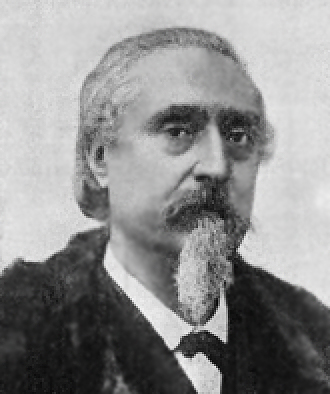
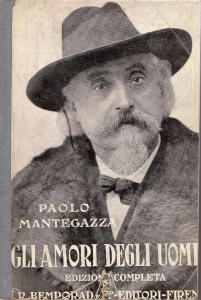
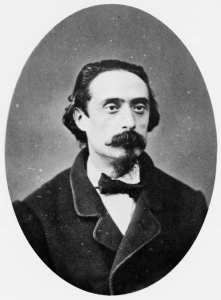
Paolo Mantegazza (October 31, 1831 in Monza, Austrian Empire – August 28, 1910 in San Terenzo) was an Italian neurologist, physiologist, and anthropologist, as well as a prominent physician and consciousness researcher. Mantegazza published several works on the effects of psychotropic plants on human consciousness, numerous other scientific writings, and several novels that were bestsellers in their time but have since been largely forgotten.
Mantegazza first studied medicine in Pisa and Milan, graduating in Pavia in 1854. He then traveled to India and South America, where he practiced medicine in Argentina and Paraguay. In 1858, he returned to Italy and worked as a surgeon in Milan. In 1860, he was appointed professor of pathology at the University of Pavia, where he founded the first Institute of General Pathology in Europe.

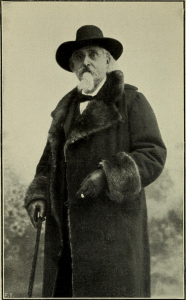
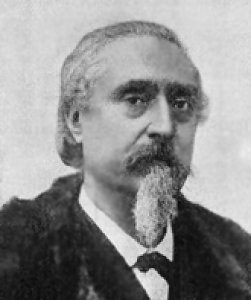
In 1870, Mantegazza became a professor of anthropology at the Istituto di Studi Superiori in Florence. There he founded the Museo Antropologico-Etnografico di Firenze (Anthropological and Ethnographic Museum) and, in 1871, the journal Archivio per l’Antropologia e l’Etnologia, which is still published today, with Felice Finzi. At that time, culture and science in Italy were far more influenced by the Catholic Church than they are today. Mantegazza was repeatedly attacked by ecclesiastical circles, particularly because he was an advocate of Darwinism and an atheist.[2] From 1868 to 1875, he had a lively correspondence with Charles Darwin.
Pioneer of psychedelic Drug research
During his several years working as a doctor in South America, Mantegazza observed the habit of local coca farmers chewing the leaves of the coca bush. In the “service of science” he began to imitate them, taking three daily doses of three grams of coca leaves. In 1859 he published the work Sulle virtù igieniche e medicinali della coca e sugli alimenti nervosi in generale (On the Hygienic and Medicinal Benefits of Coca and Nerve Food in General), for which he received an award and which caused a sensation both in Italy and abroad. Due to the fact that Mantegazza distinguishes between coca and cocaina in his writings, it is assumed that he had already extracted the alkaloid cocaine from the coca leaves and taken it himself in 1859. Mantegazza is therefore often associated with cocaine in literature, but his interest in the effects of psychotropic substances went much further, and he published numerous works with treatises on the intoxicating effects of various drugs such as alcohol, mate, guarana, opium, hashish, kava and ayahuasca (agahuasca), and classified them according to their effects in 1859, more than sixty years before Louis Lewin made his classification in his 1924 work Phantastica.
Sexual science
Almost forgotten, but outstanding in his time, were his numerous publications in the field of sexology, which only emerged later: Fisiologia del piacere (1854); Fisiologia dell’amore (1873); Igiene dell’amore (1886); Gli amori degli uomini – Saggio di una etnologia dell’amore (1886) and Fisiologia della donna (1893) – in which he summarized observations, his own experiments and anthropological-ethnological results of extensive collections, research and travels in the sense of a “phenomenology of heterosexual love… which is unparalleled in the history of sexology.” At just 22 years old, he wrote “Fundamentals of Edonology or the Science of Pleasure” (today understood as hedonism) and spoke out against “false puritans” and the “murky, stinking fog of hypocrisy” (Volkmar Sigusch in: Deutsches Ärzteblatt 7/2007 – see web link).
“Wherever a beautiful woman appears, all human energies bubble from their battle-tested sources: Everything best and worst in man springs forth to pay homage to her or to insult her with envy.”
(Paolo Mantegazza, The Concept of Woman Through the Ages, Nuova Antologia, January 15, 1893)
Politics
From 1865 to 1876, Mantegazza was a deputy from Monza in the Italian Chamber of Deputies and, from 1876, a senator in the Kingdom of Italy.

