Philosophiegeschichtlich wichtig ist er – neben eigenen Beiträgen – auch wegen seiner Übersetzungstätigkeit. Im Haus der Weisheit in Bagdad ließ er zahlreiche Schriften u. a. von Aristoteles, Platon, Alexander von Aphrodisias und Johannes Philoponos ins Arabische übersetzen. Besonders Aristoteles’ naturphilosophische Schriften wurden von ihm rezipiert. Seine Abhandlung Über den Intellekt wurde über Jahrhunderte von arabischen und lateinischen Intellektuellen breit rezipiert. Auch theologische Debatten wurden von seinen Konzepten beeinflusst.
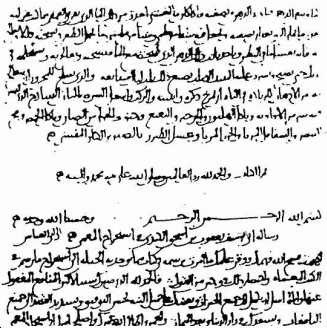
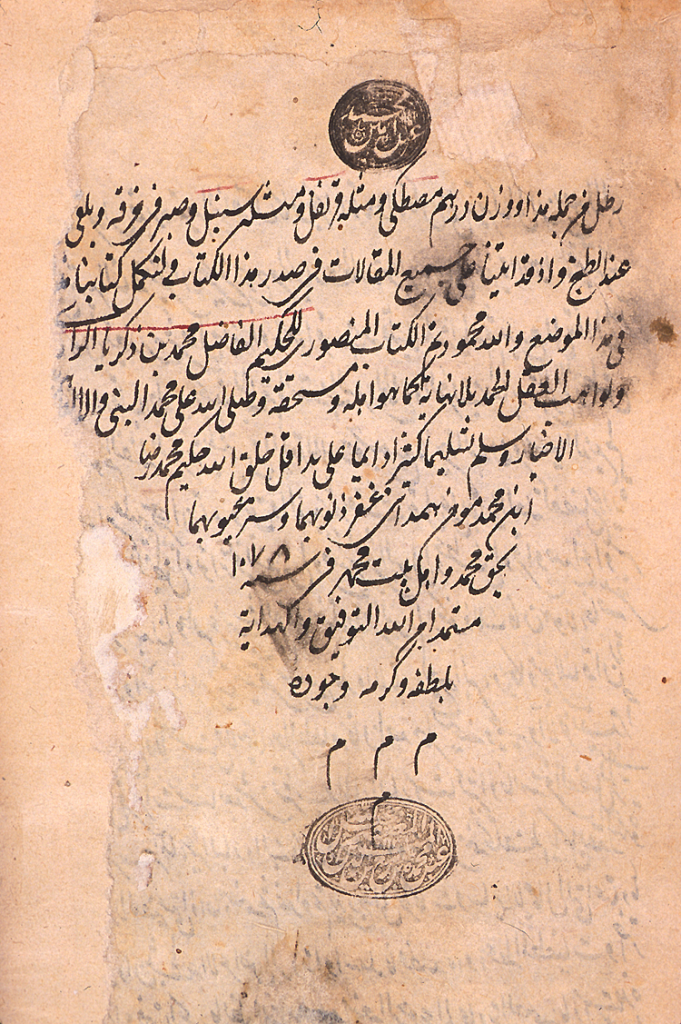
Die erste Seite al-Kindīs Manuskript über die Kryptanalyse
Abū Yaʿqūb ibn Ishāq al-Kindī (vom Stamme der Kinda) war arabischer Abstammung und wurde von seinen vielen nichtarabischen Genossen und Kollegen deshalb „der arabische Philosoph“ genannt. Er selbst führt seinen Stammbaum auf die alten Kinda-Fürsten zurück, was nicht nachweisbar ist, aber darauf hindeutet, dass er aus einer wohlhabenden Familie stammte. Er wurde um 800 in Kufa geboren, wo sein Vater Statthalter war. Der erwähnte Reichtum seiner Ahnen führte einerseits zu einem sehr gebildeten und bewanderten Stamm, wovon al-Kindī in seiner Ausbildung profitierte, als auch später zu der Möglichkeit, sehr viele Übersetzer beschäftigen zu können. Den größten Teil seines Lebens verbrachte er in Bagdad, das damals das kulturelle Zentrum der islamischen Welt war und es ihm ermöglichte, sich mit den verschiedensten Kulturen und Lehren auseinanderzusetzen. So gilt er auch als einer der ersten großen „Übersetzer“, da er einen Großteil des Werkes von Aristoteles, Platon und des Neuplatonismus übersetzen ließ. Al-Kindī selbst baute darauf seine eigenen Werke auf. Er hatte Zugang zum Hof des Kalifen, auch wenn nicht überliefert ist, in welcher Stellung. Zeitweise dürfte er auch in Ungnade gefallen sein, seine Bibliothek war eine Zeit lang konfisziert und das Fehlen seiner genauen Geburts- und Todesjahre deutet darauf hin, dass er in untergeordneter Stellung gestorben sein dürfte.
Bekannt war er aber nicht nur als Philosoph, sondern auch als Arzt, medizinischer Schriftsteller[2] und Pharmakologe[3] (von Alchemie hingegen hielt er wenig), Astrologe, Mathematiker, Physiker, Geograph und Prinzenerzieher am Hofe al-Ma’mūns. Lange Zeit galt er auch als Theologe, vor allem wegen seiner Versuche, Philosophie und Religion zu einen. Tatsächlich stand er der mu’tazilistischen Schule sehr nahe – oder eher diese ihm, da sie als rationalistisch orientierte Islam-Schule bekannt ist. Al-Kindī starb vermutlich um das Jahr 870 herum. In der Forschung variieren die entsprechenden Annahmen von 866 über „nach 870“ bis 873.[4]
Fälschlicherweise wurde al-Kindī auch der von Petrus von Toledo übersetzte, dem 9. Jh. entstammende fiktive Dialog „Apologie des al-Kindī“ zugeschrieben, in dem der Christ ʿAbd al-Masīḥ ibn Isḥāq al-Kindī in polemisch-apologetischem Stil das Christentum verteidigt. Aufgrund dieser Zuschreibung stand dieser Dialog in hohem Ansehen
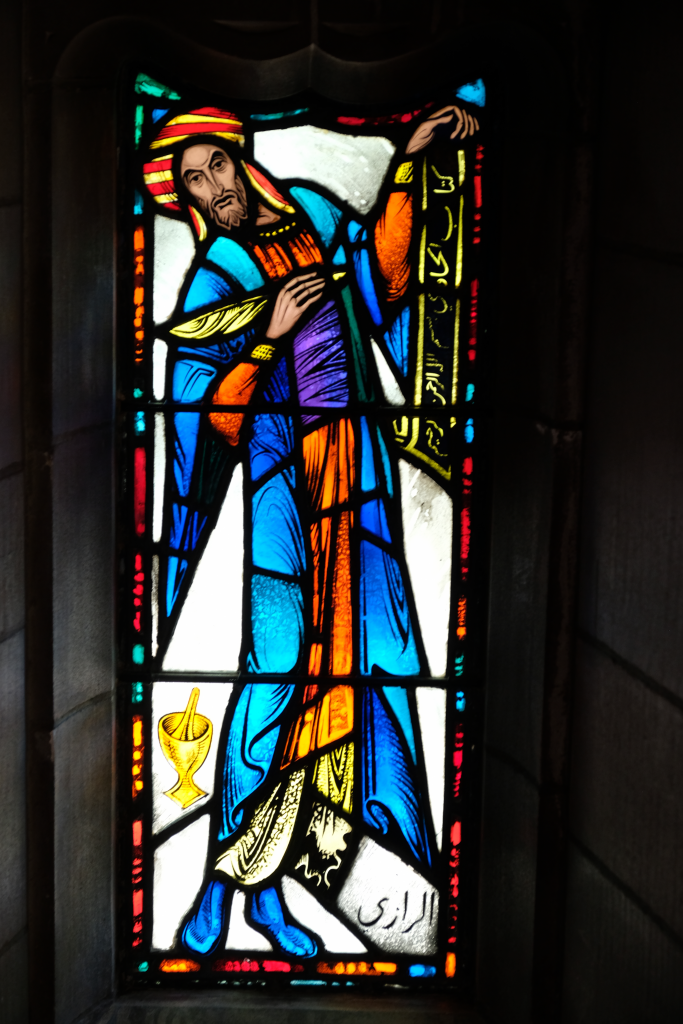
Abū Bakr Muḥammad bin Zakaryā ar-Rāzī (arabisch أبو بکر محمد بن زکریا الرازی;[1] kurz ar-Rāzī, in der westlichen Welt bekannt unter dem gräzisierten Namen Rhazes (auch Razes und Rhases) oder Rasis; * um 865 in Rey; † um 925 ebenda)[2] war ein persischer Arzt, arabisch publizierender Verfasser eines umfangreichen Sammelwerks der klinischen Medizin, Naturwissenschaftler, Übersetzer, Philosoph, islamischer Religionskritiker und Alchemist.
Bevor er Arzt wurde, hatte sich Rhazes mit Musiktheorie und Chemie beschäftigt. Außerdem hatte er Medizin, wahrscheinlich auch Philosophie, bei Raban al-Tabri studiert. Er leitete ein Krankenhaus in Rey und übernahm später eine entsprechende Stelle in Bagdad.
Er wurde als Autor zahlreicher medizinischer Bücher bekannt, die sehr lange zum Medizinstudium benutzt wurden. Als einer der ersten konzentrierte er sich auf die psychischen Seiten der Medizin und der Heilung und dachte sich das Verhältnis von Leib und Seele als von der Seele bestimmt. Ein Mediziner sollte seiner Meinung nach auch ein guter „Seelenarzt“ sein.
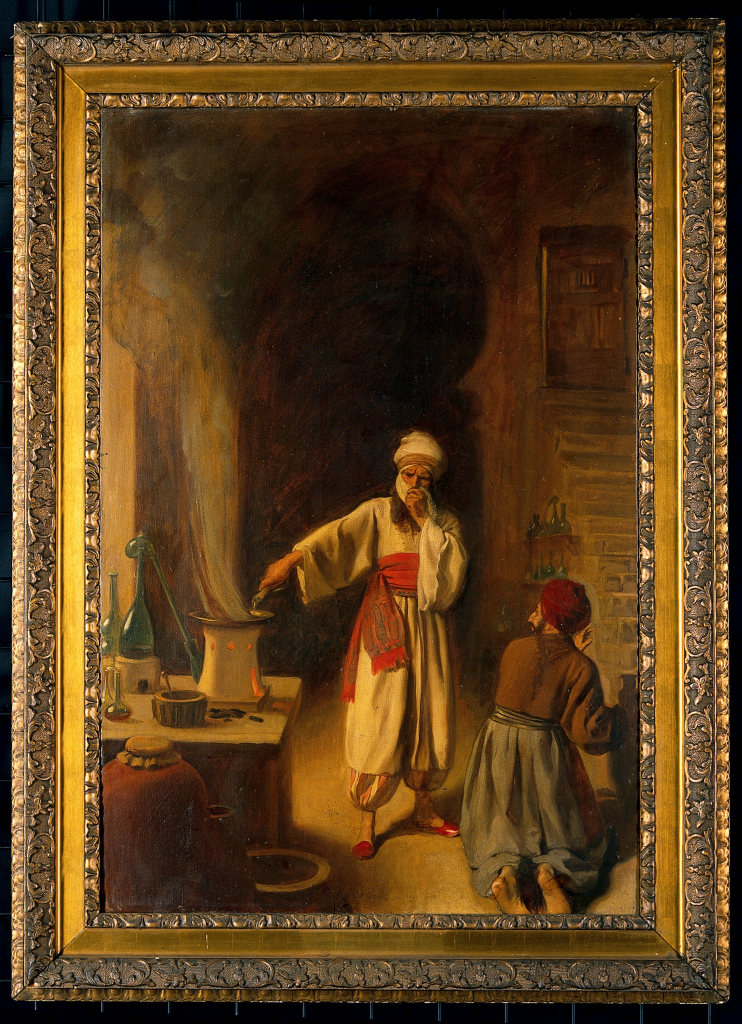
al-Razi in his laboratory (orientalist painting by Ernest Board, c. 1912)
Außerdem schätzte er das „tausendjährige Wissen der Bücher“ weit mehr als vergleichsweise kurzfristige Schlüsse erfahrungsarmer Logiker und eine darauf aufbauende Philosophie. Da er sehr viele Experimente machte und fast alle seine Aussagen, vor allem in der Medizin, selbst erprobte, gilt er als großer Empiriker.
Rhazes beschrieb eine Methode zur Leichenkonservierung, die im Mittelalter auch in Europa bekannt wurde und die sich, mit nachträglichen Verbesserungen, bis Ende des 18. Jahrhunderts halten konnte. Seine Methode beruhte im Wesentlichen auf der Entfernung der Eingeweide, dem Waschen der Körperhöhlen mit Essig und Weingeist sowie dem Ausfüllen des Leichnams mit aromatischen Pulvern und konservierenden Salzen.[3]
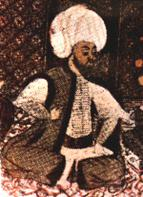
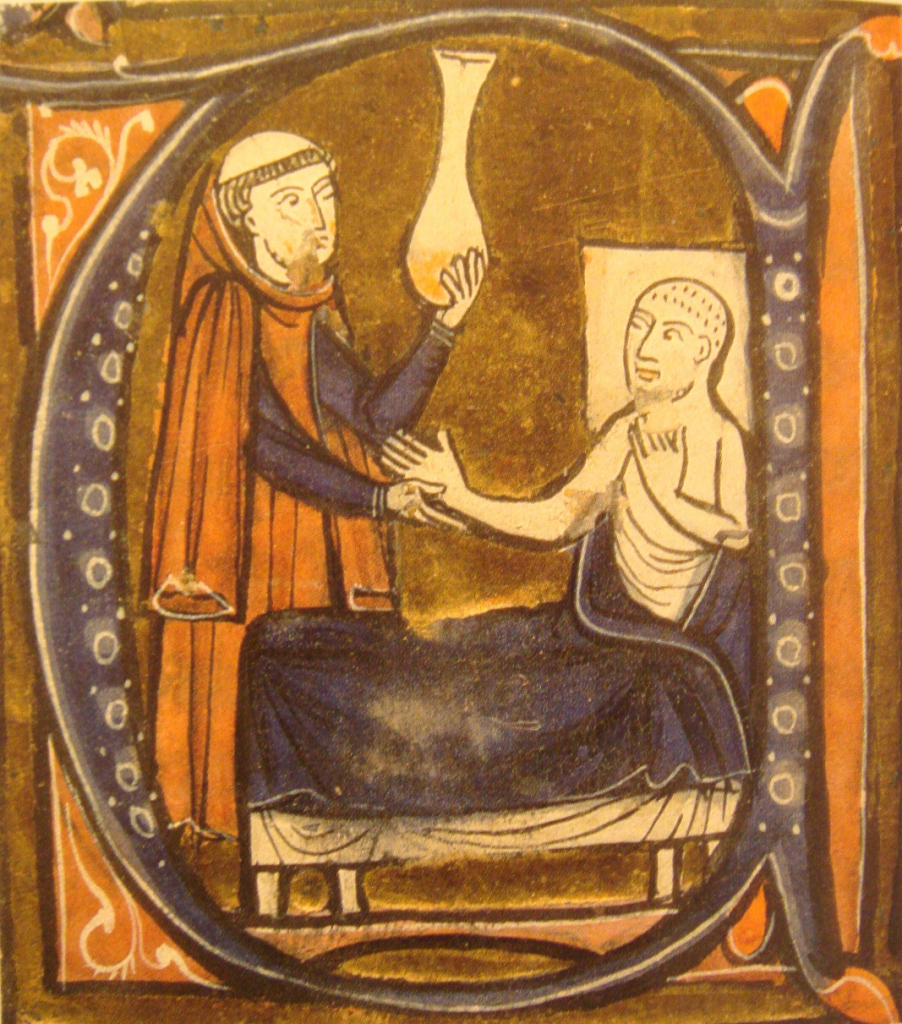
Depiction of al-Razi in a 13th-century manuscript of a work by Gerard of Cremona
Sein Leben verbrachte er in Rey, wo er geboren wurde und auch starb, und zeitweise in Bagdad. Als Arzt war er sehr gefragt. Er wirkte unter anderem am samanidischen Fürstenhof.[4] Auf dem Gebiet der Philosophie war er zwar viel rezipiert, aber fast nur abgelehnt worden, weshalb seine Schriften kaum erhalten sind und nur durch die polemischen Antworten seiner Konkurrenten rekonstruiert werden können. Sein philosophisches Interesse galt drei Dingen: der Metaphysik, der Erkenntnislehre und der Ethik.
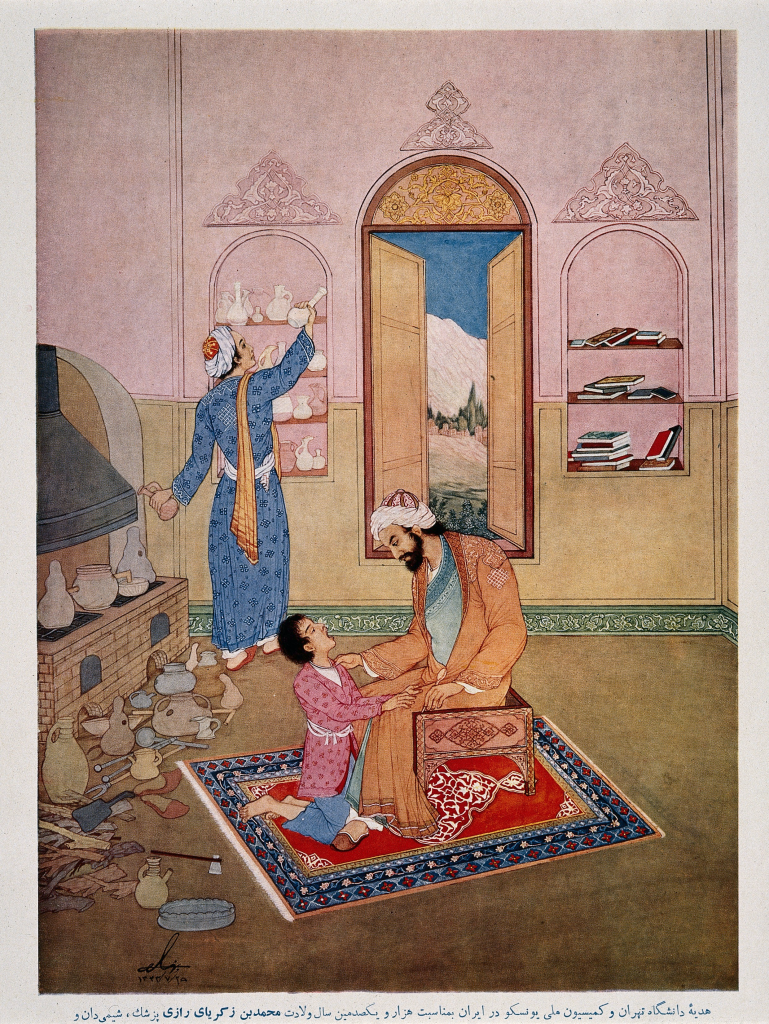
al-Razi examining a patient (miniature painting by Hossein Behzad, 1894–1968)
Er predigte zwar ein mehr oder weniger asketisches Leben, lebte es aber selbst wenig. Dies wurde ihm meist als Kritik vorgeworfen; er rechtfertigte sich aber in seinem Werk „Die philosophische Lebensweise“ kurz vor Ende seines Lebens dafür. Abgelehnt wurde er von anderen Philosophen, vor allem aber von den islamischen Gelehrten. Rhazes war ein Kritiker der Offenbarungsreligionen. Er hatte daher viele Feinde unter den konservativen Religionsgelehrten, was dazu führte, dass er seine Position in Bagdad aufgab.
Rhazes war danach der Direktor des Krankenhauses in Rey; diesen Posten sollte er schließlich wegen seiner theologie- und prophetenkritischen Werke verlieren. Er starb vermutlich 925 (nach anderen Quellen 932[5]) als verarmter Mann in der Wohnung seiner Schwester in Rey.
Namensgebung:
Das heutige Razi-Institut in Karadsch und die Razi-Universität in Kermanschah wurden nach ihm benannt. Jedes Jahr am 27. August wird im Iran ein „Razi-Tag“ („Apothekertag“) begangen.[72]
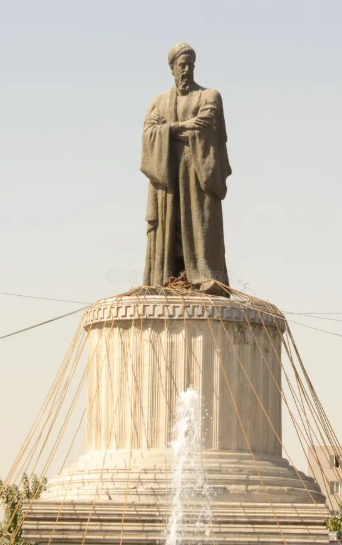
Im Juni 2009 schenkte der Iran dem Büro der Vereinten Nationen in Wien einen „Gelehrtenpavillon“ (Chartagi), der sich heute auf dem zentralen Gedenkplatz des Vienna International Center befindet.[73] Der Pavillon zeigt die Statuen von al-Razi, Avicenna, Abu Rayhan Biruni und Omar Khayyam.[74][75]
George Sarton bezeichnete ihn als „größten Arzt des Islam und des Mittelalters“.
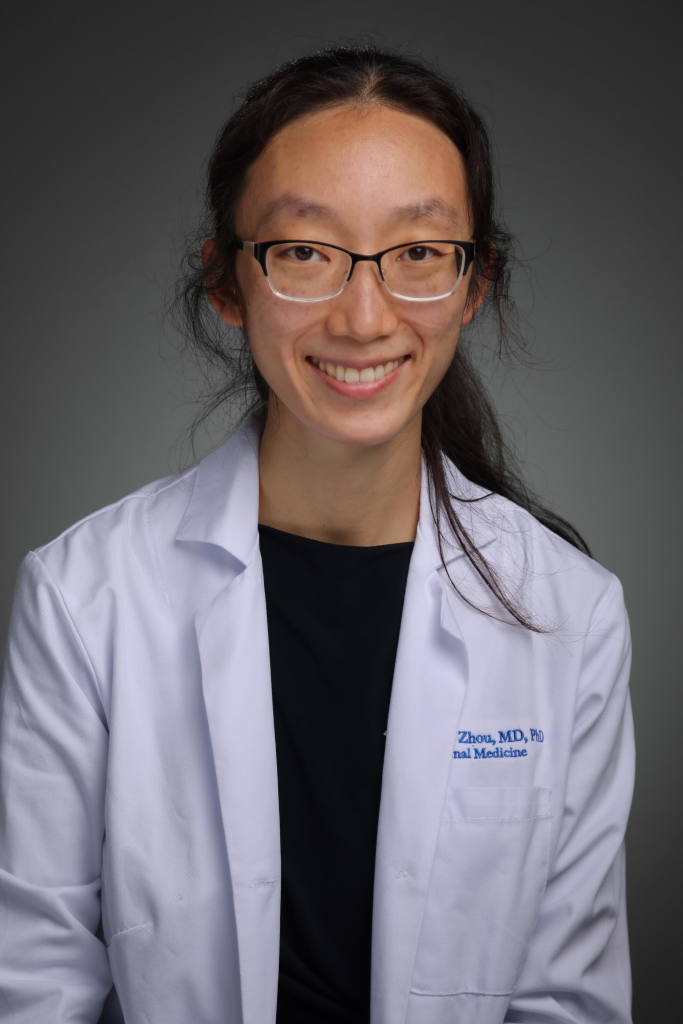
What are your interests outside of medicine? I like to play the carillon. I haven’t made it to the Duke Chapel carillon yet, but I hope to sometime. I also like traveling with family, and watching shows with my fiancé in our free time.
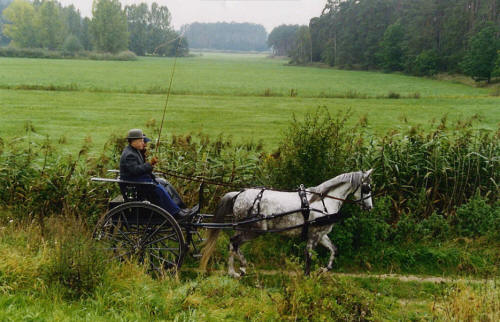
Im Norden der Schweiz, nahe Solothurn, liegt das Dorf Nennigkofen, wo der Hausarzt mit seiner Kutsche seine Freizeitrunden dreht. Das sieht nach Spaß aus!
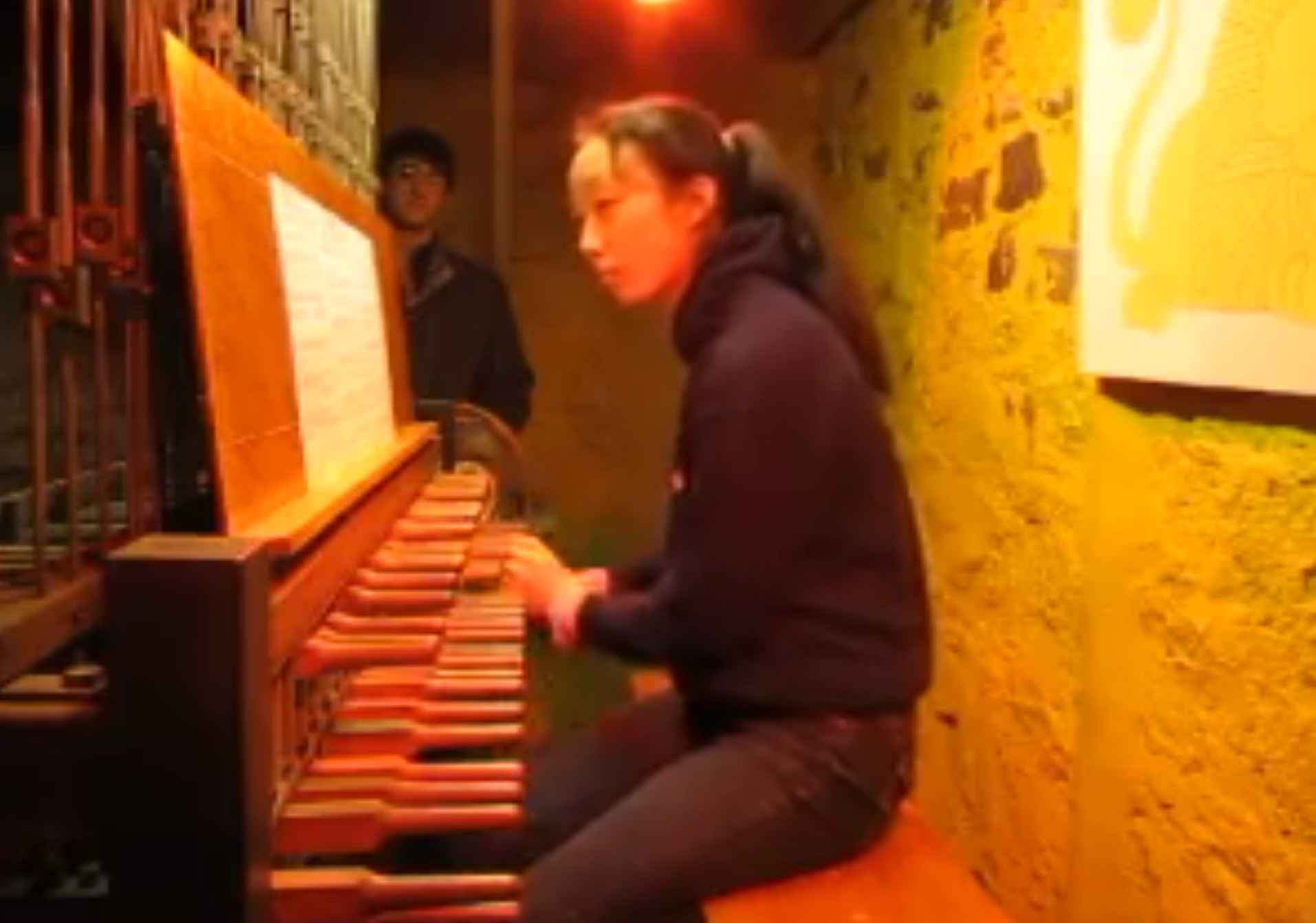
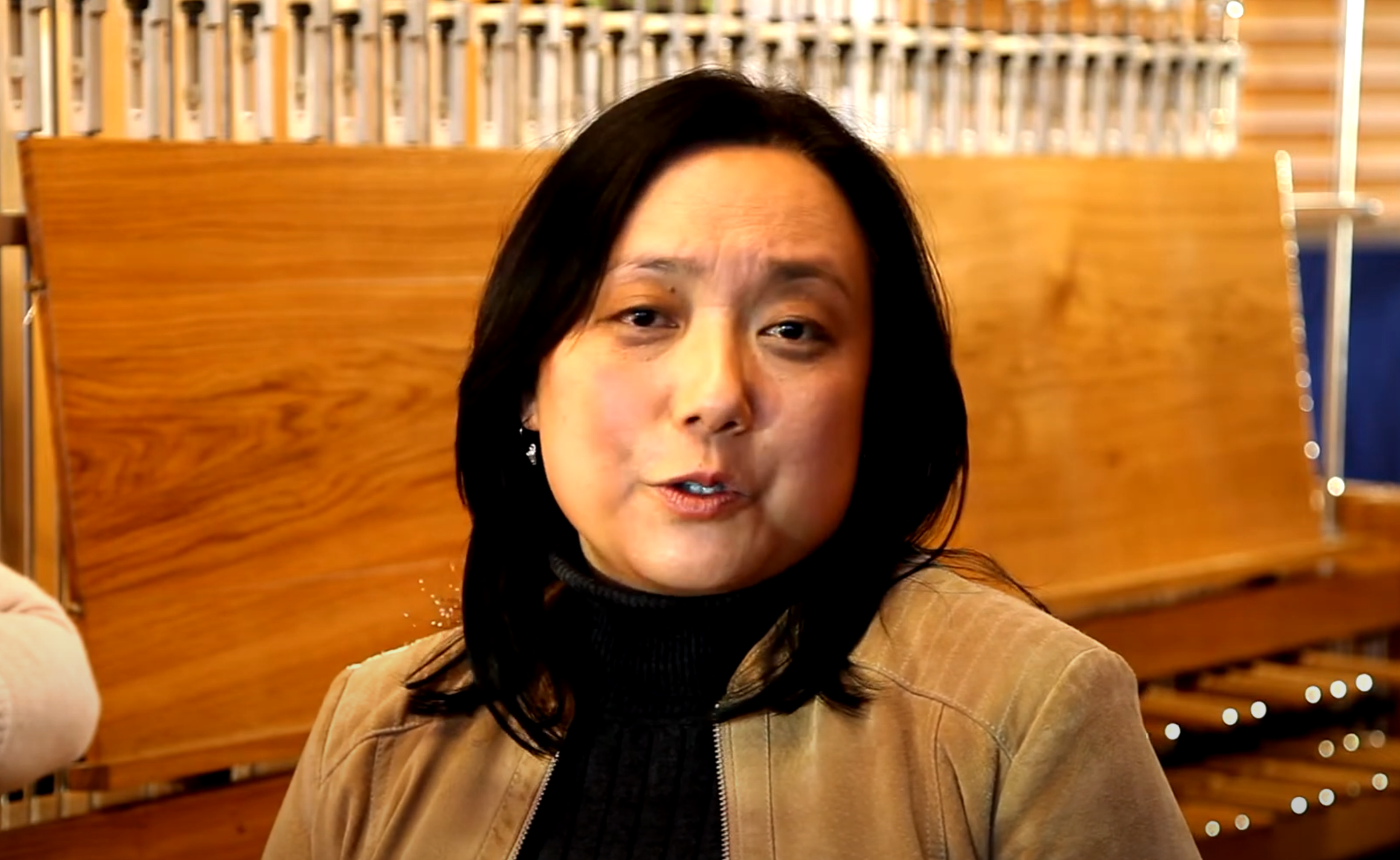
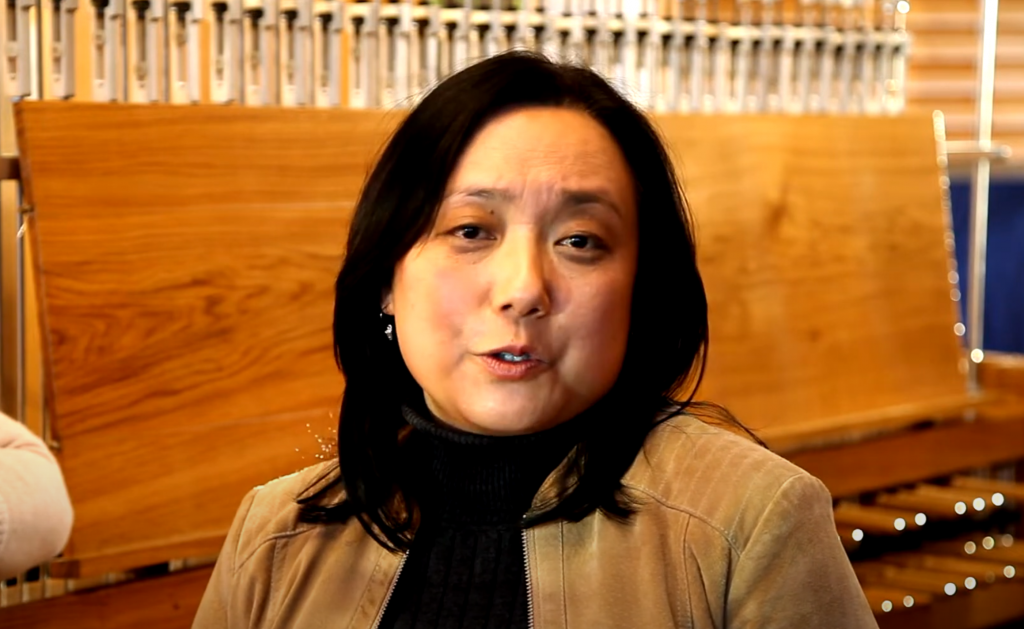
Die Organistin und Glockenspielspielerin Grace Chan ist Doktorandin am Sydney Conservatorium of Music und erforscht die Orgel- und Glockenspielkultur in Australien. Grace Chan hat auf allen drei Glockenspielen Australiens gespielt. Von 2018 bis 2022 war sie Glockenspielstudentin am National Carillon in Canberra. Im Juli 2019 wurde sie eingeladen, die Uraufführung eines australischen Glockenspielwerks im Palau de la Generalitat Carillon in Barcelona aufzuführen. Grace trat bei Abschlussfeiern der Universität Sydney und besonderen Anlässen der medizinischen Fakultät auf. Als praktizierende Ärztin engagiert sie sich seit langem für das Gemeinwohl.
Grace Chan ist die Glockenspielerin der Universität von Sydney. Sie gibt als Organistin auch beeindruckende Konzerte.
Ihre Präsentationen gehen tief in das Thema hinein.
Die Glockenspielerin des kanadischen Dominion sagt, ihre Schüler würden im Peace Tower üben und ihre Fehler würden bis zum Parliament Hill übertragen. Andrea McCrady spielt das Glockeninstrument seit 1971. (13. Oktober 2018)
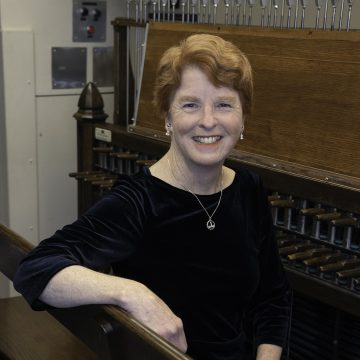
Dr. Andrea McCrady wurde 2008 zur Dominion Carillonneur des Peace Tower Carillon ernannt. Sie begann 1971 am Trinity College in Hartford, CT (B.A., 1975) Glockenspiel zu spielen. Während ihres Postgraduiertenstipendiums in Europa studierte sie an Glockenspielschulen in den Niederlanden, Belgien und Frankreich. Während ihres Medizinstudiums an der McGill University in Montreal war sie Glockenspielerin am St. Joseph’s Oratory, gefolgt von ihrer Facharztausbildung in Toronto, wo sie an der University of Toronto und bei der Canadian National Exhibition spielte. Von 1990 bis 2008 koordinierte sie das Glockenspielprogramm der Cathedral of St. John the Evangelist in Spokane, WA, wo sie auch als Allgemeinmedizinerin praktizierte. 2008 beendete sie ihr Medizinstudium, nachdem sie an der University of Denver einen Bachelor of Music mit Auszeichnung erhalten hatte. 2012 wechselte sie als Dozentin zum ersten Glockenspielstudienprogramm Kanadas an die Carleton University in Ottawa.
Dr. McCrady war viele Jahre im Vorstand der Guild of Carillonneurs in North America (GCNA) und von 1988 bis 1989 deren Präsidentin. Sie war Co-Vorsitzende des GCNA Ronald Barnes Memorial Grant Fund und des Heritage Music Committee. Von 1990 bis 1996 war sie Sekretärin der World Carillon Federation (WCF) und hielt Vorträge und Konzerte auf den WCF-Kongressen 1996, 2002, 2014, 2021 und 2023.
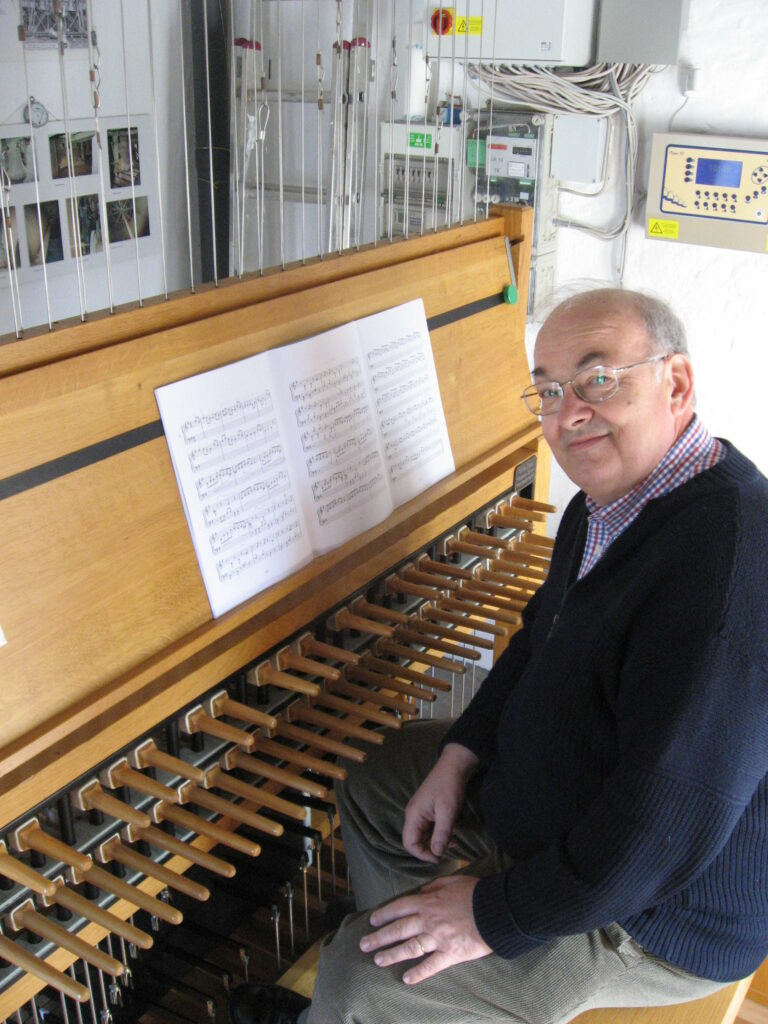
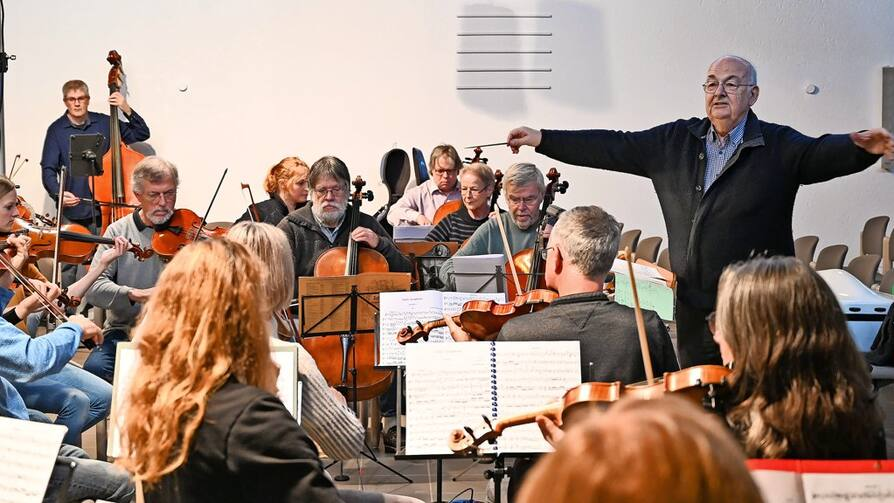
Dr. Gunther Strothmann war bis Ende 2006 als Arzt in Kiel tätig. Nach dem Abitur in Bremen nahm er u. a. bei Ernst Hörbe (1921 – 2012) Klavier-, Orgel-, Improvisations- und Kompositionsunterricht. Nach dem Medizinstudium in Kiel begann er seine musikalischen Aktivitäten zunächst als konzertierender Organist. 1977 gründete er das Sinfonieorchester Melsdorf, ein Amateurensemble, das als Projektorchester inzwischen auf mehr als 80 Mitspieler angewachsen ist. 1999 gründete Strothmann zusammen mit Michael Stoll das Klassikensemble Kiel, ein Kammerorchester, dessen Leitung er bis 2017 innehatte. Gunther Strothmann gründete darüber hinaus 1977 das Sinfonieorchester Melsdorf. Zwischen 1980 und 2022 leitet er den Rachmaninow-Chor Kiel. Auch das Klassik-Ensemble Kiel geht auf seine Initiative zurück.
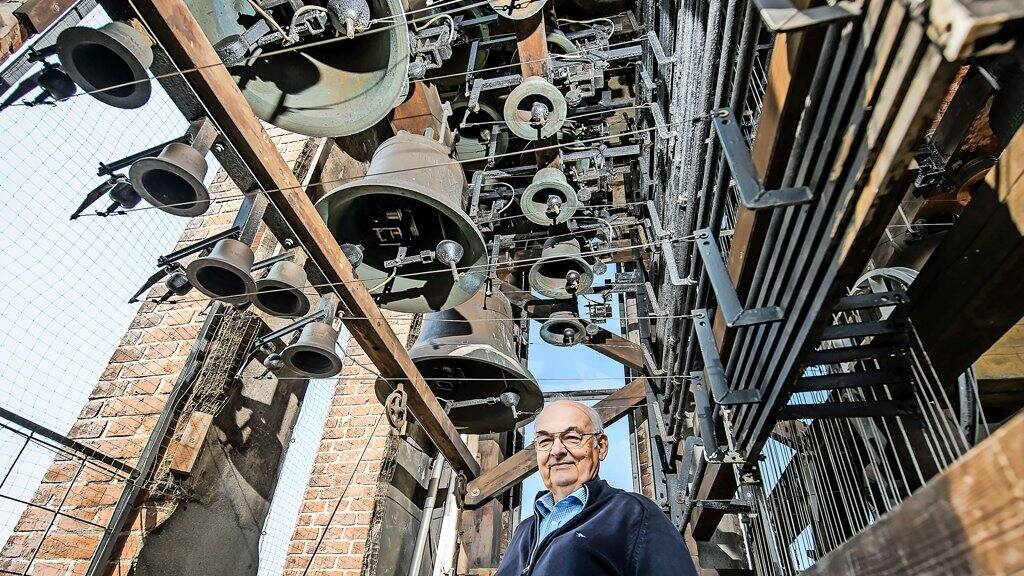
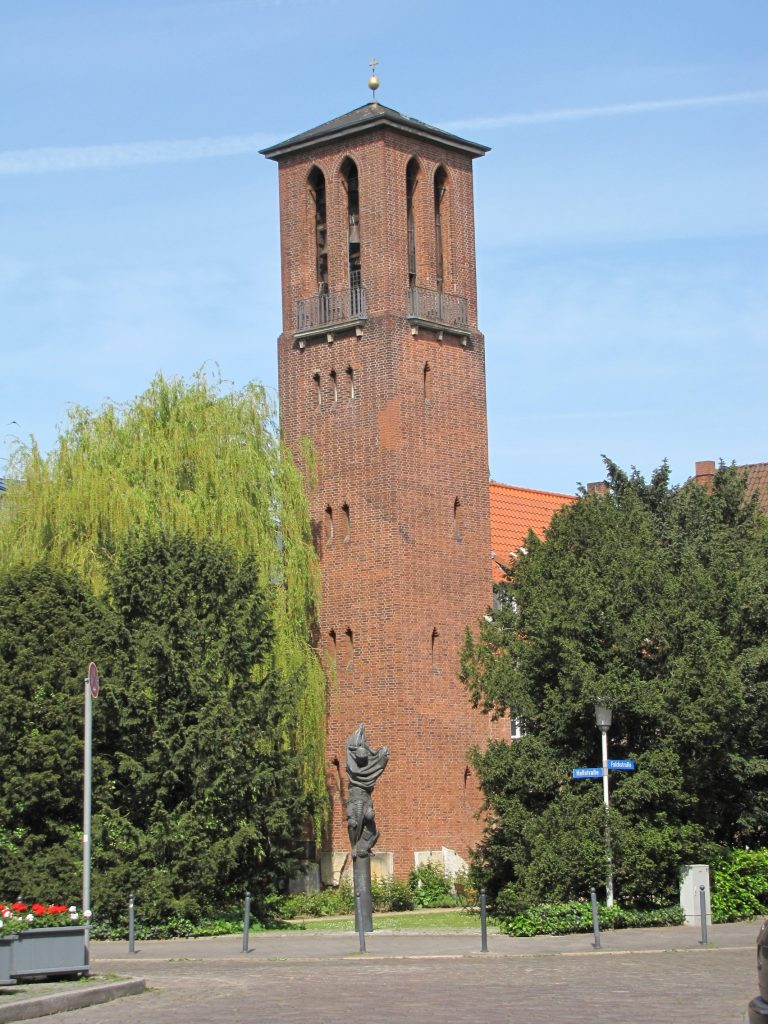
1999 wurde das Kieler Carillon im Turm des ehemaligen Kieler Franziskanerklosters mit einem öffentlichen Konzert eingeweiht. Von der Nordelbischen Kirche wurde Strothmann im selben Jahr zum Carillonneur und Kustos des Kieler Glockenspiels ernannt. Konzertreisen führten Gunther Strothmann nach Dänemark, Schweden, Norwegen, Frankreich, Belgien, den Niederlanden, Spanien und den USA.
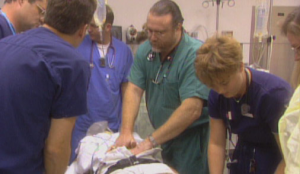
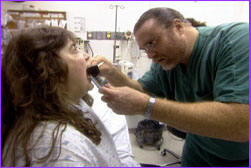
A decade out of med school, Tom was confident in his ability to handle any case that came into the emergency department at Bloomington Hospital.
In need of some doctoring
NOVA: Are you glad you became a doctor?
Tom Tarter: I couldn’t imagine myself doing anything else but what I do. Well, that’s not entirely true—I could be a mechanic. But I do love emergency medicine. I just love it.
Q: I can tell. You light up when you talk about it.
Tom: Yeah.
Q: Can you tell me a little bit about your own health?
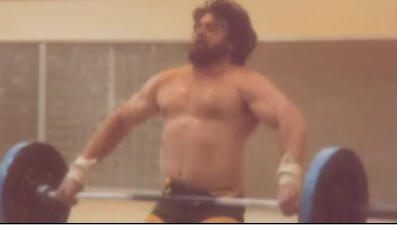
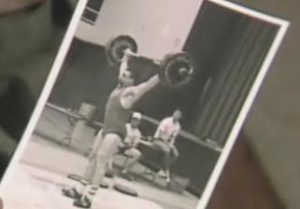
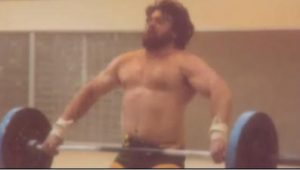
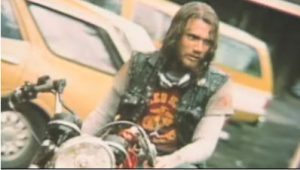
Tom: Sure. I’ve just been running so hard, trying to get my life together, that my health has really gone to hell in a handbasket. For the last three years, I haven’t had any health insurance. I’ve gained a monstrous amount of weight. And I smoke. So these are issues that I really have to address. I’ve had multiple orthopedic procedures for injuries from when I was involved in weight lifting and motorcycles. So I have quite a bit of pain to deal with. But I think everything will get a lot better when I lose 100 pounds and quit smoking.
Q: Why haven’t you had health insurance?
Tom: I couldn’t afford it.
Q: It seems ironic that you’re a physician and not able to afford health insurance.
Tom: Health insurance would cost my family close to $2,000 a month for the four of us. I just can’t do it. Now, my wife just got a job, and we’re gonna be able to get coverage under her policy at work. But I’m kind of like a freelance worker, so I have no insurance, haven’t had it for years.
Q: You must be able to relate to people you see in the hospitals without insurance.
Tom: Yeah. You’ve gotta do what you gotta do to get by. If it’s a choice between paying your mortgage, or getting your house foreclosed, or doing without health insurance, well, we all have to make those choices. I still am living in my house.
Q: Do you think our health-care system is broken?
Tom: The health-care system in this country is a mess. There’s a horrendous amount of waste and abuse on both sides of the line. I’m pretty familiar with both sides. The answer certainly isn’t as simple as just throwing a bunch of money at it. There has to be fundamental change in the way medicine is structured in this country. Really it would be best to throw the whole system out and start from scratch.
Fighting stereotypes
Q: When you were in medical school, you felt like the odd man out. Do you still feel that way as a doctor now?
Tom: Guys like me aren’t supposed to be in medicine. I’m from a poor family, broken home, and I didn’t go to any special schools. I’ve never fit in, really, for that reason. On top of that, I’m a bit of a freethinker.
Q: Has your tendency to challenge the status quo gotten you into trouble?
Tom: Lots of trouble.
Q: Talk about that.
Tom: I’ve gotten into trouble for all kinds of ridiculous things. For instance, I once had a patient who had bad sleep apnea, and on top of that, he had hay fever. He hadn’t slept for days and was virtually at the point of suicide. Well, I asked this nurse for a medication called Afrin, which you can buy at any drugstore. This would open up his sinuses, and he’d be able to sleep. The nurse said, „We don’t have it, and I’m not gonna even look for it.“
I happened to have an unopened bottle of this stuff in my bag. He tried it. It opened up his nose, and he was real happy. But I got read the riot act for giving home-brewed medications that weren’t approved by the hospital.
Basically, they didn’t want me there. I wasn’t the stereotypical doctor, and they wanted me out of there. I’ve had multiple experiences like that.
Q: It must be depressing at times.
Tom: It’s very depressing. [laughs] It is.
„A lot of people just don’t understand that everybody isn’t stamped out of the same cookie cutter…“
Q: Have you tried to conform to fit in?
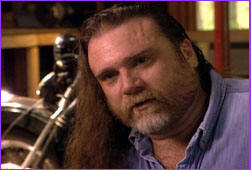
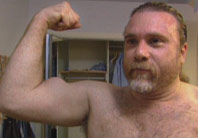
Tom: I’ve done everything—I’ve cut my hair, I’ve worn the white coats, cleaned up my act as much as I possibly can. But there’s just something about me—the way I’ve been raised, the story of my life, the way I think, the way I am. It just says, „This guy isn’t your typical doctor.“
Q: Do you think it’s fair that people in management may judge you on superficial things like your tattoos?
Tom: Well, I don’t think people should judge me by my tattoos, by the way I wear my hair. These people have access to my CV. They see that I graduated from Harvard, that I’ve been working for 15 years as a board-certified, high-trauma emergency doctor. I’ve never been sued, never been named in a case. They see this stuff.
I think part of why the medical community, in general, doesn’t communicate well with the public is because most doctors were hand-selected from upper middle class families. They don’t relate to working-class people and don’t acknowledge working-class people as being worthwhile. You know? If you don’t enjoy golf, if you don’t hate tattoos, if you smoke cigarettes, you’re dirt. And if you think that way, well, you’re not going to like me.
Q: Are you angry?
Tom: I don’t think I’m particularly angry, no. I don’t blame anybody. It hurts and it’s depressing, absolutely.
A lot of people just don’t understand that everybody isn’t stamped out of the same cookie cutter, that people are different and that’s okay. It seems to be less so at my current job—in the VA [Veterans Affairs hospitals], soldiers are much more similar to myself. We seem to understand each other better. I think there’s less of a boundary between the socioeconomic classes, and a lot of the other physicians there were ex-soldiers themselves. So I think it’s a better spot for me. But in the private sector, it’s tough. It is tough.
Q: I’ve seen you with patients. You’re amazing with patients. They really respond to you.
Tom: Yeah, it’s funny. Patients seem to really gravitate towards me. It’s just the administrators and other doctors who sometimes have trouble with me.
Q: In the future, would you like to stay with the VA because it’s a better fit?
Tom: That’s pretty much what I’m thinking. I’ll probably continue working at the VA as long as they want me. And we’ll see.
One thing I like about the VA is we get to spend a decent amount of time with patients. The people who work at the VA, at least where I’m working, really care about giving good health care. These are vets who have served their country, and we want to do a good job of taking care of them.
Q: Are there other things you see ahead in your career?
Tom: I’d like to do some kind of activism. I really would. We live in the greatest country in the world, yet we’re falling apart. I’d love to get involved in some kind of activism, whether it’s in the health-care field or just political activism. I’m an old hippie, and I’ve always wanted to make some kind of positive change.
Q: You would make a great activist.
A downward spiral
Q: You were a pretty seasoned doctor when I last saw you here [in Bloomington, Indiana] in 2000.
Tom: Yeah. It took me about 15 years of medical training to really feel comfortable in the emergency department, to feel that I was a competent physician. But I did feel that way, and I do now.
Q: What started to go wrong after I last visited?
Tom: Well, I kind of had two crises going at the same time. My third marriage, of course, did not work out. It was probably a very poorly advised thing for the two of us to get married to start with. And my life in medicine was great in terms of my love of doing it, but it went downhill in other ways.
I had been recruited to what was at the time the only hospital in Bloomington, and after a falling-out with the people who run the emergency department, I no longer was able to work in Bloomington. That put me in a difficult situation, ‚cause I’d bought this house, and I had begun to put down roots here.
„I have a wonderful wife. She’s just absolutely the greatest. I love her like nobody I’ve ever met before.“
Emergency department doctors have to work within the boundaries of a hospital. We don’t have the choice of just opening up a practice. After I left Bloomington Hospital, I took some jobs at hospitals here and there, essentially working for an agency that placed me at different facilities.
Q: So now you are something of an itinerant doctor.
Tom: Right. I’ve been bouncing around, from one job to another, sometimes having to drive four or five hours to get to a job. Currently, I’m taking planes to anywhere from Seattle, Washington to St. Thomas, Virgin Islands just to find work.
Q: Financially, it’s been tough for you. What’s happened to your credit rating?
Tom: Because of some circumstances surrounding the divorce, my credit rating has gone down the toilet, and right now I couldn’t get a credit card from Sears if I wanted to. During the divorce, I was court-ordered by the judge to turn over one of our cars to [my ex-wife]. She was court-ordered to pay the payments on the car and the insurance. Well, she didn’t.
When I heard that the car was impounded, I paid off what was owed and got the car back. I contacted the credit company and said, „Would it be possible to get some kind of forbearance, given that I was court-ordered to give this car to this woman?“ They said, „No, it’s going on your credit score.“ That set up a spiral where my credit has just gone so far down the toilet it’s laughable.
Q: Did you imagine when you were in med school that you might be in this place financially after you became a doctor?
Tom: I never expected that I would be almost as broke as I was before I went to medical school and possibly looking at bankruptcy. It blows my mind completely.
The business of emergency medicine
Q: Do you think that most emergency departments are managed with too much of a business mentality?
Tom: The doctors who run these groups [that have contracts to manage emergency departments] have become businessmen. They’ve adopted models of how medicine should be practiced based on corporate models.
They measure how well their business is doing like McDonald’s would. They issue questionnaires on patient satisfaction. Actually, they stop calling patients „patients.“ They refer to them as customers. They talk about customer satisfaction. Well, unfortunately, medicine doesn’t fit that paradigm. You cannot use the same paradigm for selling hamburgers as for taking care of an ill patient.
You’re not always making people happy when you’re making them healthy. Sometimes you’re pissing them off. So these tools to measure patient satisfaction don’t measure the quality of the health care. Here’s a basic example: Every emergency physician deals with a patient who abuses prescription pain medicines, who is trying to get pain medicine to use or sell. If you say, „We’re not gonna give you narcotics,“ this person blows a fit. When this person gets his exit questionnaire, and it says, „Are you happy with the care you got?“ he’s gonna say no.
So these questionnaires can encourage physicians to do bad things-—give narcotics when they’re not warranted, give unnecessary antibiotics, order too many tests. Ordering lots of tests makes everybody happy, because you can bill more. These are all things that corporate emergency medicine encourages. And if you try to buck that system, you’re gone. You’re toast. You’re history.
Q: Do you think emergency departments are a particularly troubled part of the health-care system?
Tom: What’s happening in emergency medicine is really very dire, and there isn’t much appreciation for it. A lot of people don’t even know how emergency departments are run. They think that doctors from the hospital fill shifts, which hasn’t happened since the 1970s.
Still grateful
Q: Knowing what you do now about emergency medicine, would you go down this path again?
Tom: You bet I’d do it all over again. I love emergency medicine. I love it. I wouldn’t want to do anything else. I know that when somebody walks into my emergency department, no matter what’s wrong with them, I can give them their best shot at getting better. I wouldn’t trade that for the world.
Q: When you can’t save someone, how does it feel to have to tell their loved ones? Have you dealt with death so much by this point in your career that it feels normal?
Tom: It never feels normal or okay to inform someone that their loved one’s died or to inform someone that they have a terminal illness. It’s a horrible thing to do. I empathize with their pain, and I’d rather stick hot pins in my eyes than tell somebody that their life mate has died. Unfortunately, someone has to do it, and often that’s me. So I try to do it in the most compassionate way that I can.
„You take what life gives you. If I had a magic wand that could change it, believe me, I would.“
Q: Given all the difficulties in your life, are there still things for which you’re thankful?
Tom: I have a wonderful wife. She’s just absolutely the greatest. I love her like nobody I’ve ever met before. She’s so hardworking and level-headed and smart. She doesn’t even know how smart she is, how much insight she has. She’s just fantastic.
We live in a beautiful town. We have this beautiful land and beautiful house. I’m very grateful for all those things—I’m just afraid they’re all going to get taken away. Well, they’re not going to take away my wife, but we could end up living in refrigerator boxes. We always kid about that.
Q: How do you feel about participating in this series, our following you for 21 years?
Tom: I really am very happy to have done it. It’s been very therapeutic, allowed me get a lot of things off my chest. It’s almost like analysis or something.
Q: What would you say to a young person who thought he or she wanted to be an emergency-medicine doctor?
Tom: There’s a lot to think about. You can definitely get a better return for less investment working in other fields of medicine. You can do something like become a physician’s assistant or a certified nurse anesthetist. You don’t have to sell your soul for half your life to get there. So I advise people to strongly consider that they’re going to have to work very hard for many, many years for very little pay. They may have to borrow money for a good part of it, come out in debt. It’s a tough road.
Q: If you could do some things in your life differently, what are some of the life lessons you’ve learned?
Tom: Watch out for adjustable-rate mortgages, watch out for cars that don’t get good gas mileage. I don’t know. Try to smell good all the time. That’s about it.
Q: You have been under such stress in the last few years. I can’t even imagine it. It must be exhausting.
Tom: Yeah, but you take what life gives you. If I had a magic wand that could change it, believe me, I would. My wife and I constantly brainstorm to try to think of ways to turn things around. We’re doing the best we can. If anybody has a better idea, write to Tom Tarter, care of WGBH, and let me know. [laughs] I’m open for suggestions.
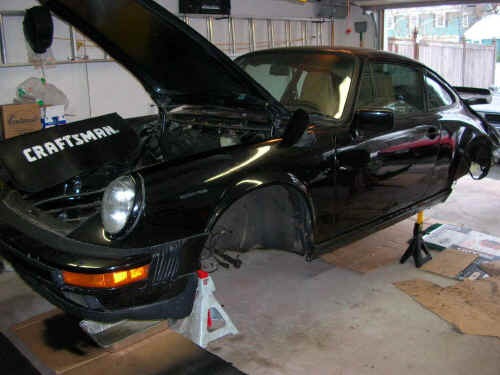
Ich habe mir die auf Ihrer Website aufgelisteten Hobbys gerne angesehen. Die meisten sind anspruchsvoller als meine. In den letzten Jahren habe ich ein altes Hobby aus meiner vergeudeten Jugend wieder aufgegriffen, das man treffender als „Schmier-Doc“ bezeichnen könnte. In meiner Freizeit restauriere ich alte Porsche 911 (Fotos im Anhang) und finde die handwerkliche Arbeit sehr entspannend.
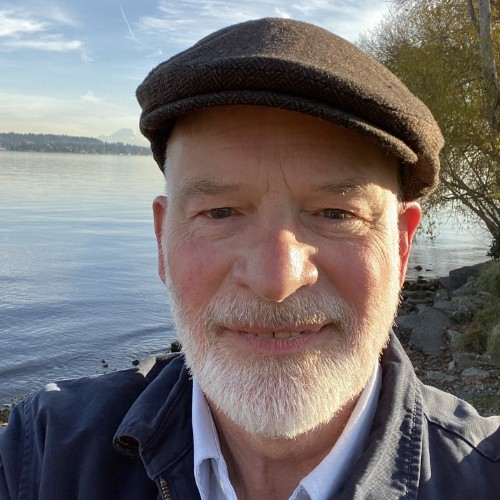
Hallo! Ich bin Eric Schendel, Inhaber von The Lifestyle Doctor. Ich bin persönlicher Technologieberater und zeige Menschen, wie sie erfolgreich von zu Hause aus am Computer ein Unternehmen führen können. Hier ist eine kurze Zusammenfassung meines Werdegangs und meiner Interessen.
Meine Familie zog nach Mexiko, als ich sieben war, und wir lebten dort elf Jahre, die meiste Zeit in der kleinen Stadt San Miguel de Allende. Zurück in den USA ließen wir uns in Texas nieder, wo ich die High School abschloss, studierte und Medizin studierte. 1984 entdeckte ich meine Leidenschaft für Computer und deren Potenzial für die medizinische Praxis. Mein erster Computer war ein KayPro II, mein zweiter ein PC-Klon von Heath. Er wurde als Bausatz geliefert und musste zusammengebaut werden – ich musste sogar die Komponenten auf die Platinen löten! Später arbeitete ich in einer Vertretungsagentur, um in Bioingenieurwesen mit Schwerpunkt computergestützte medizinische Diagnostik zu promovieren. Jetzt bietet mir Big Planet die Möglichkeit, mein Computerwissen und meine Leidenschaft für Technologie mit anderen Menschen zu teilen.
Ich lebe mit meiner Frau Fionnuala und unserem Sohn Keith in Seattle. Zu meinen Freizeitinteressen zählen Schreiben, Skifahren, Segeln, Wandern und Reisen.