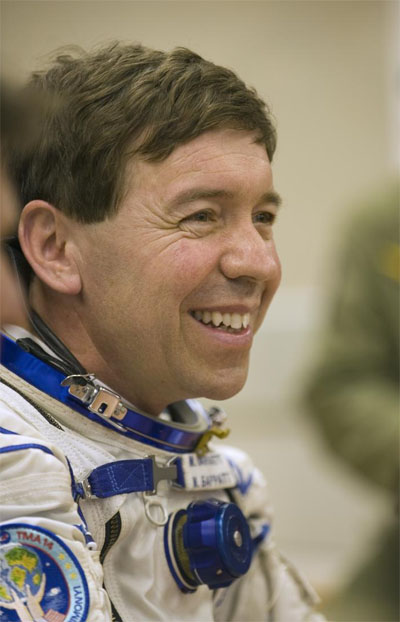
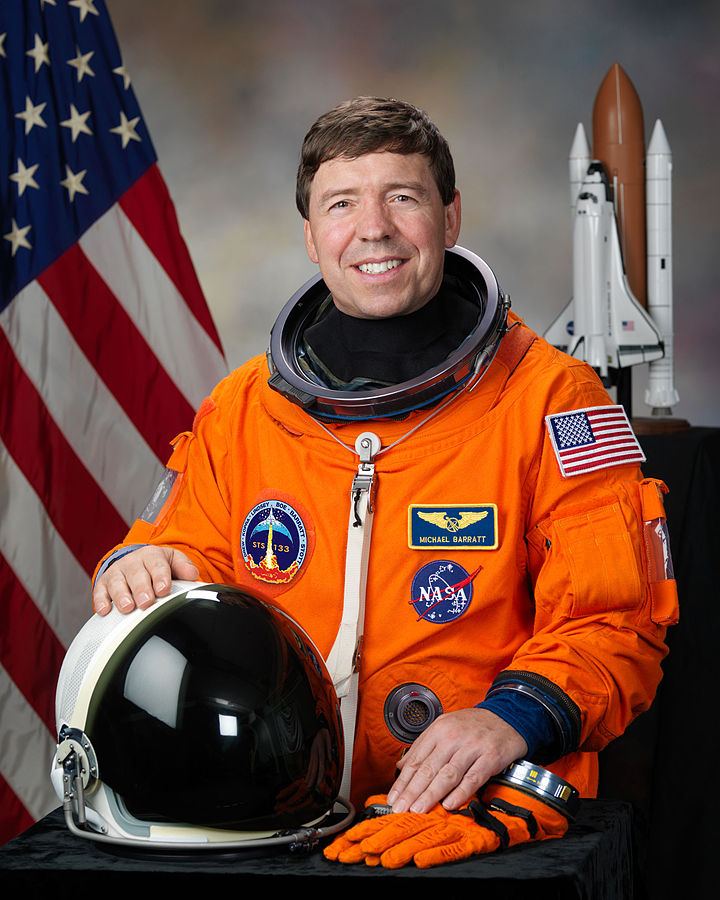
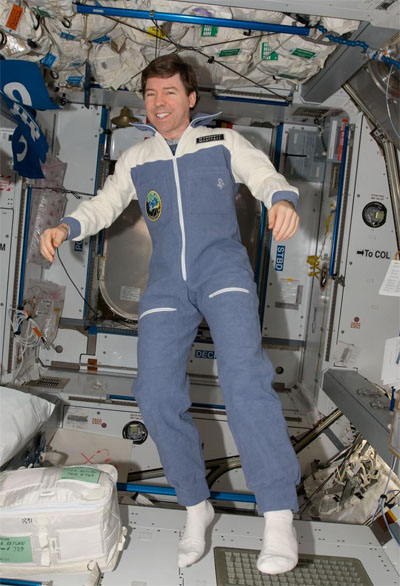
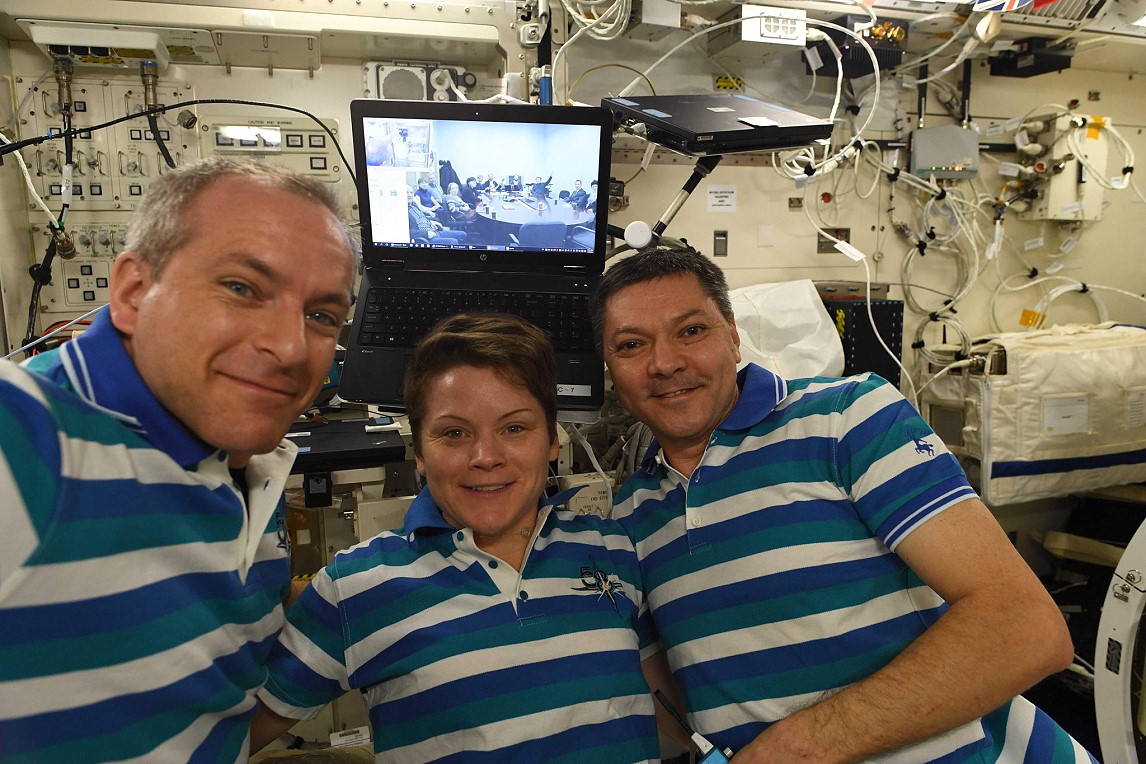
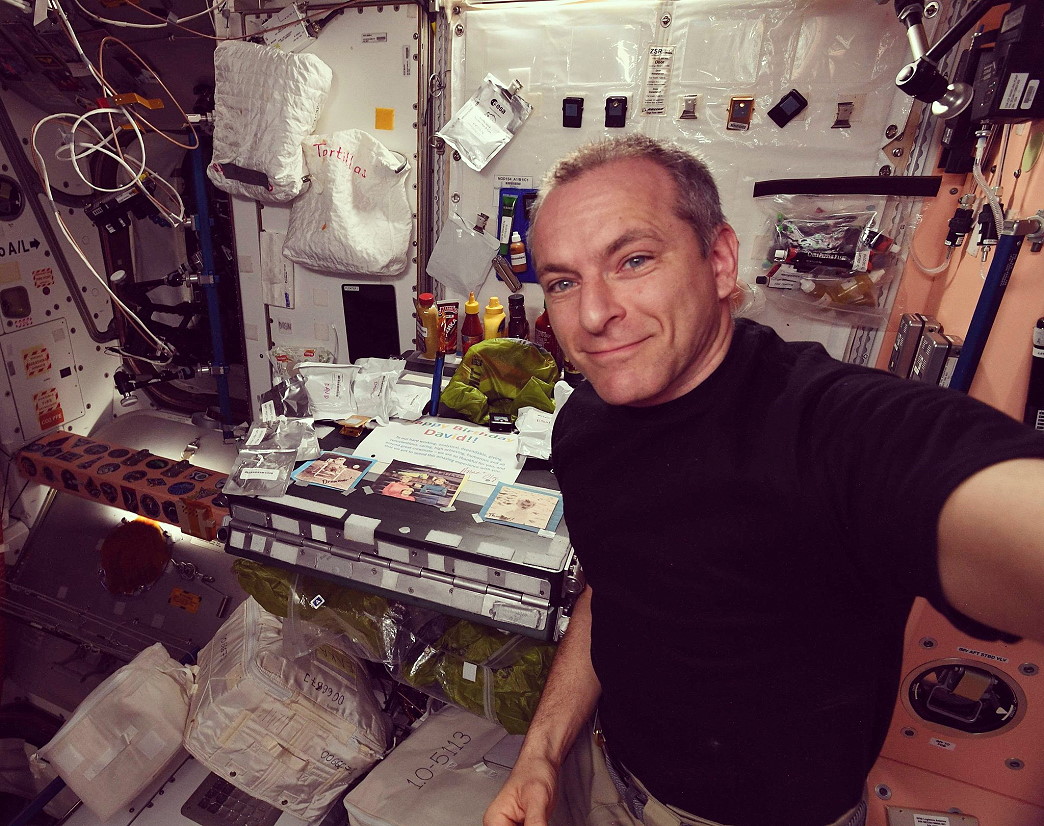
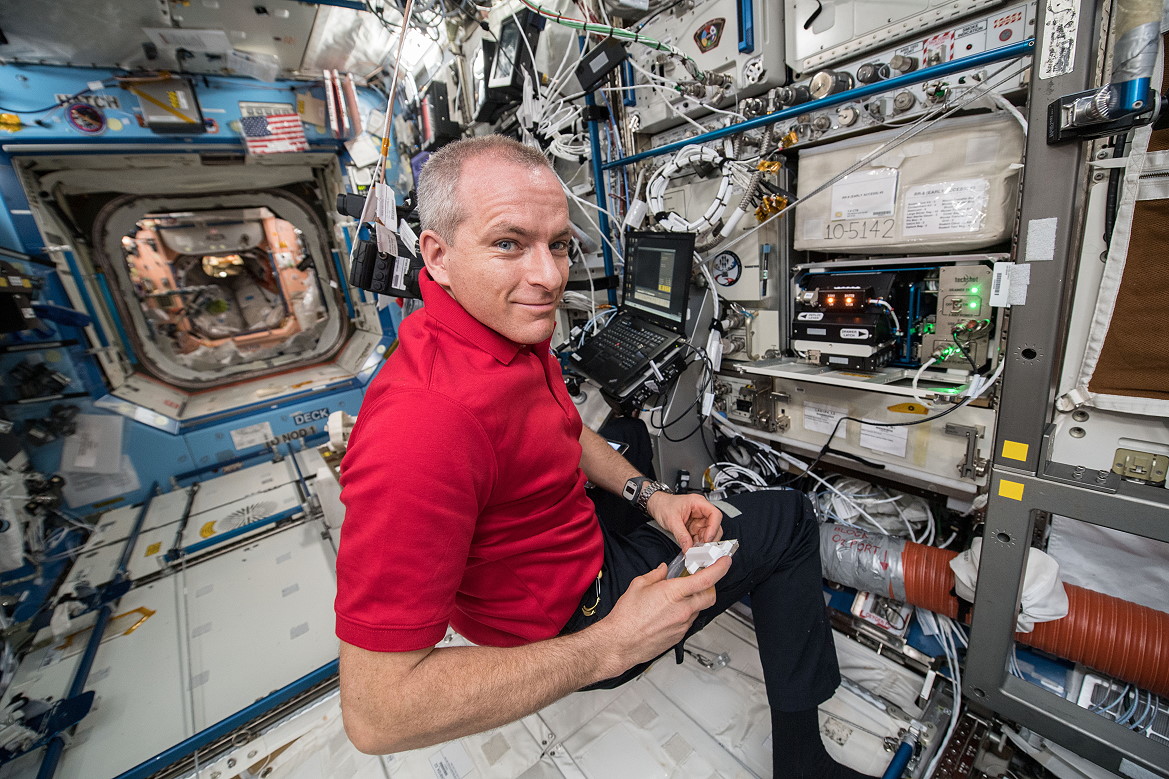
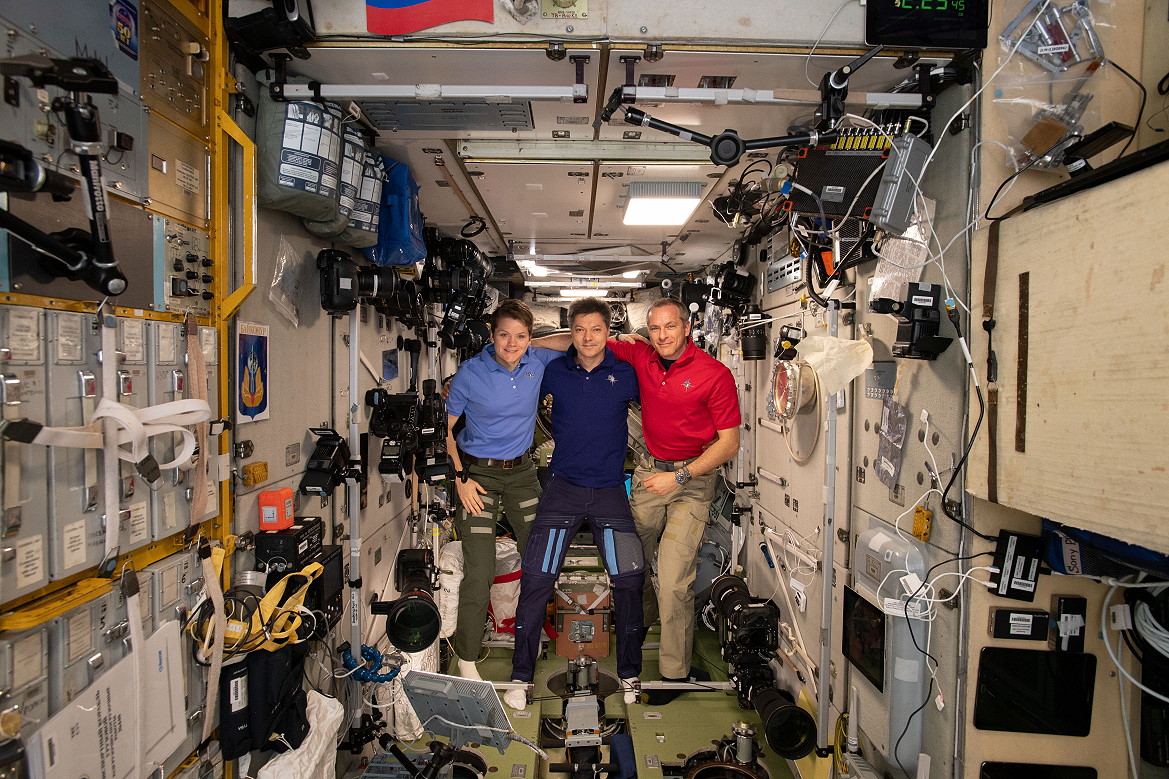
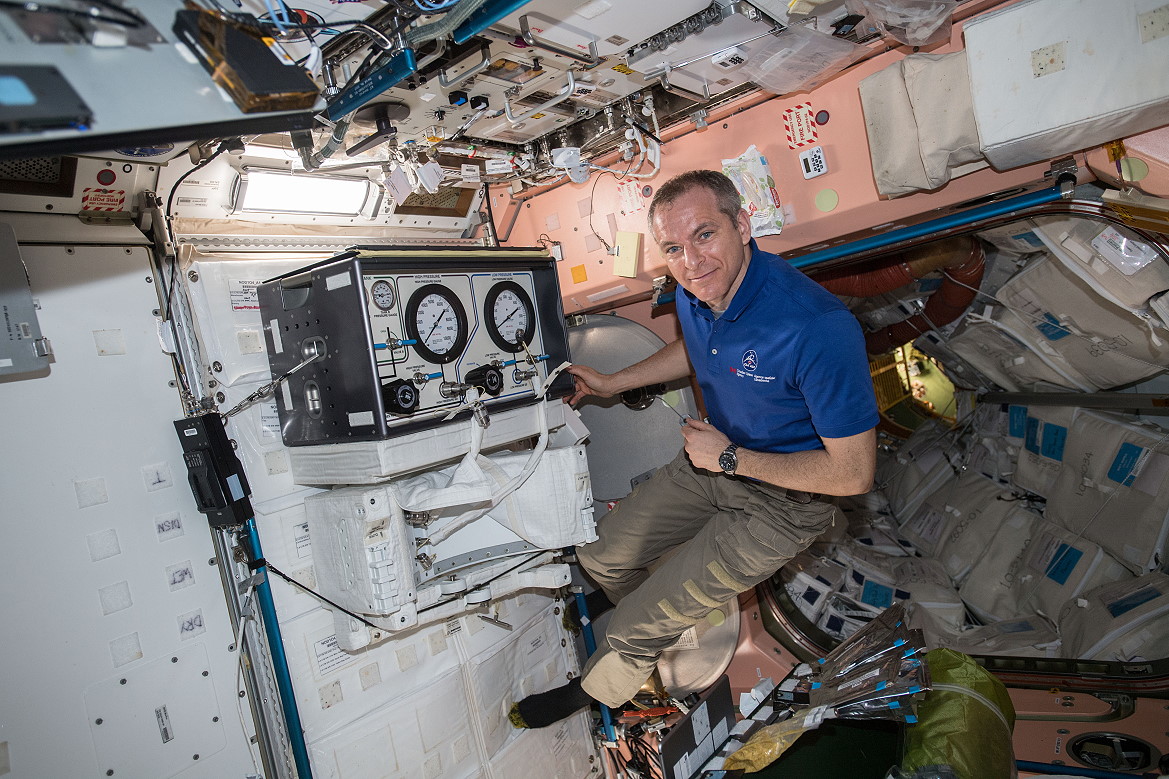
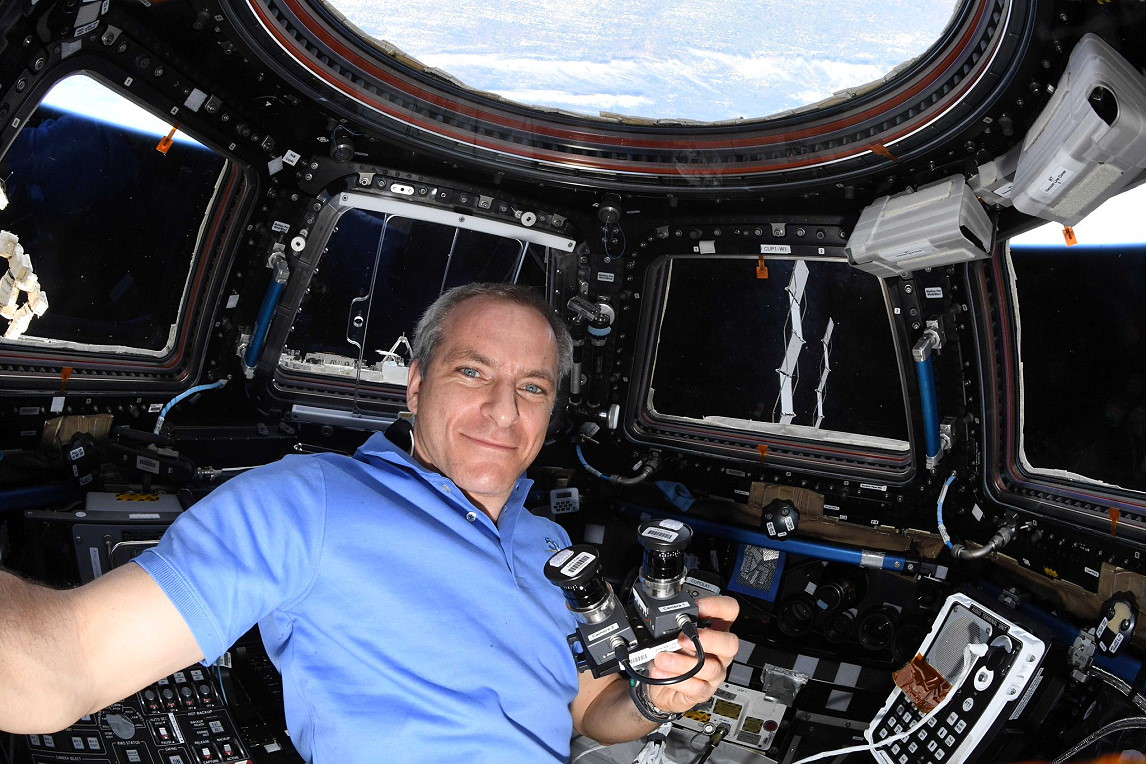
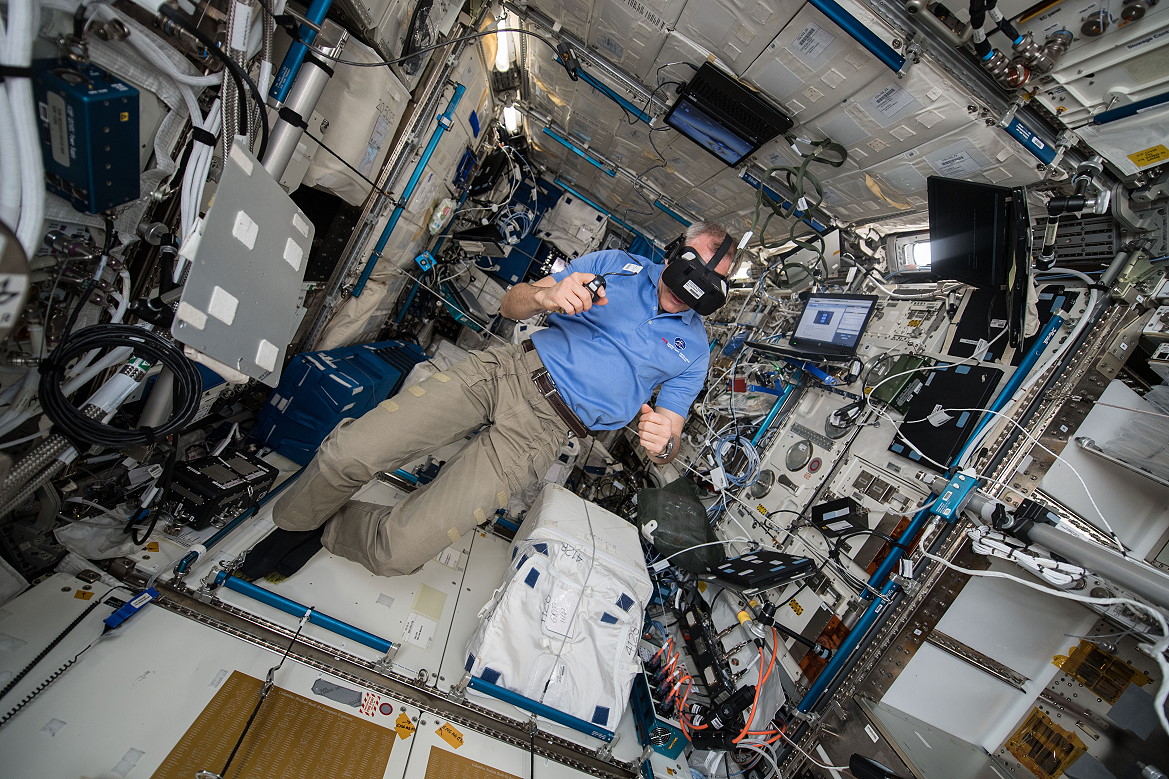
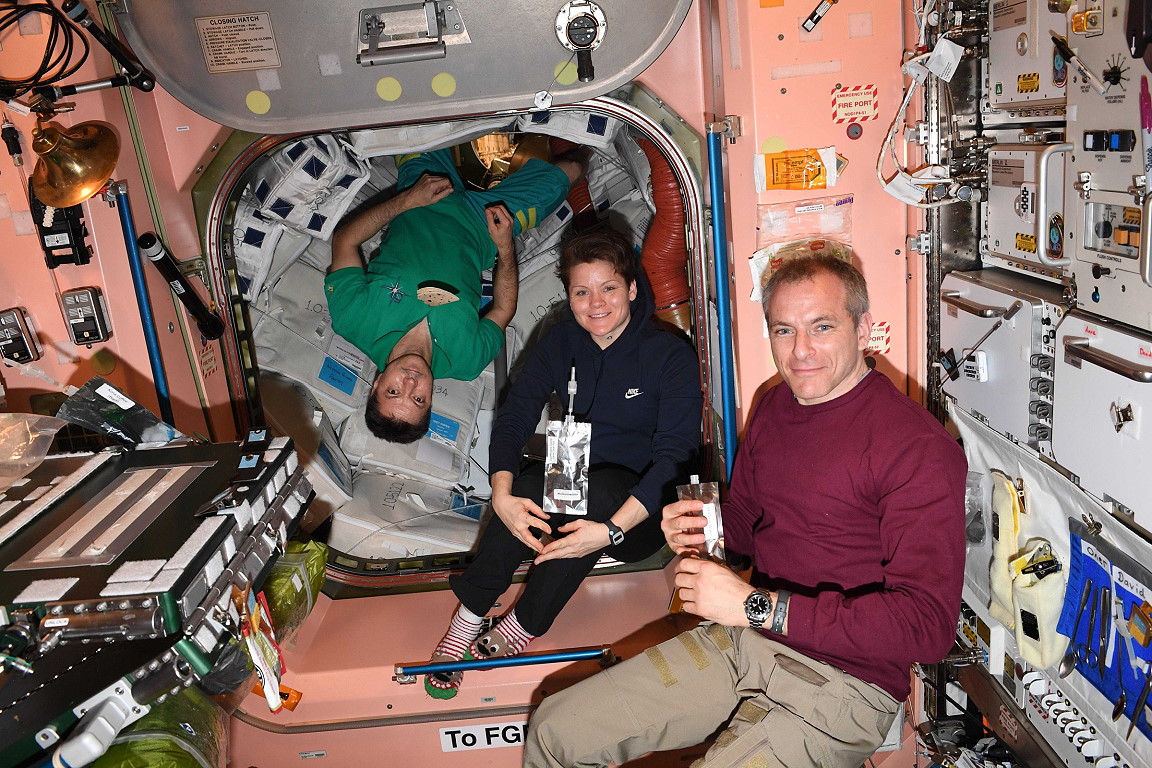
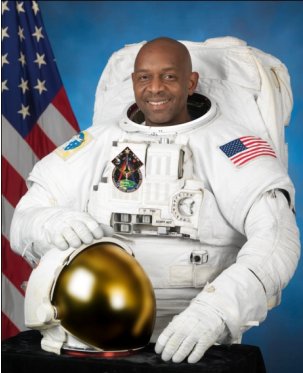
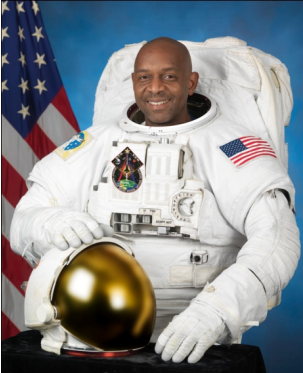
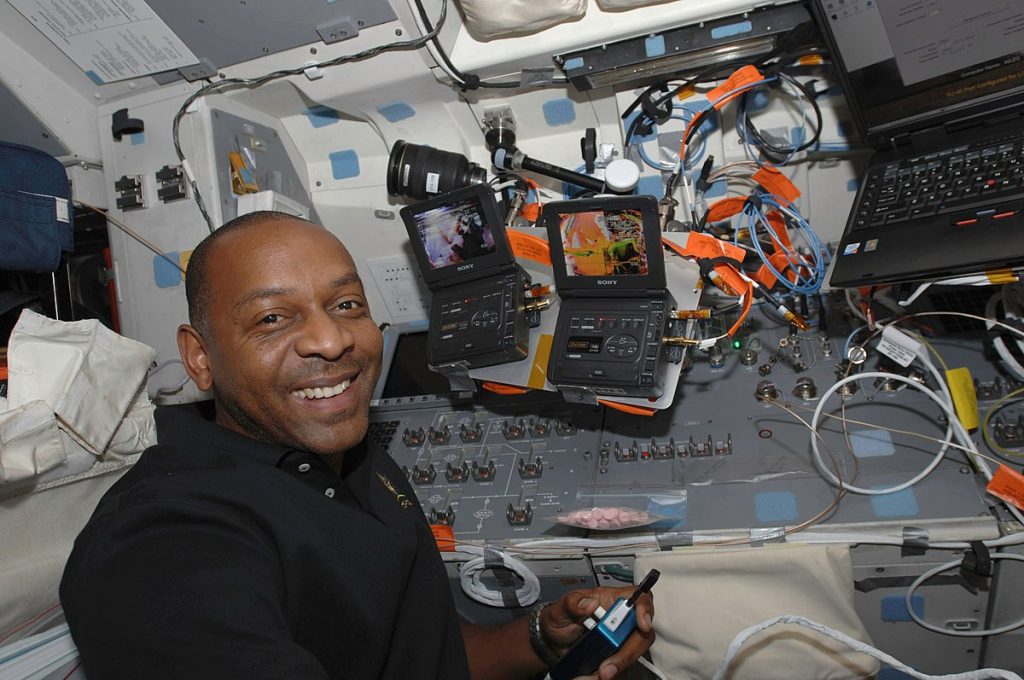
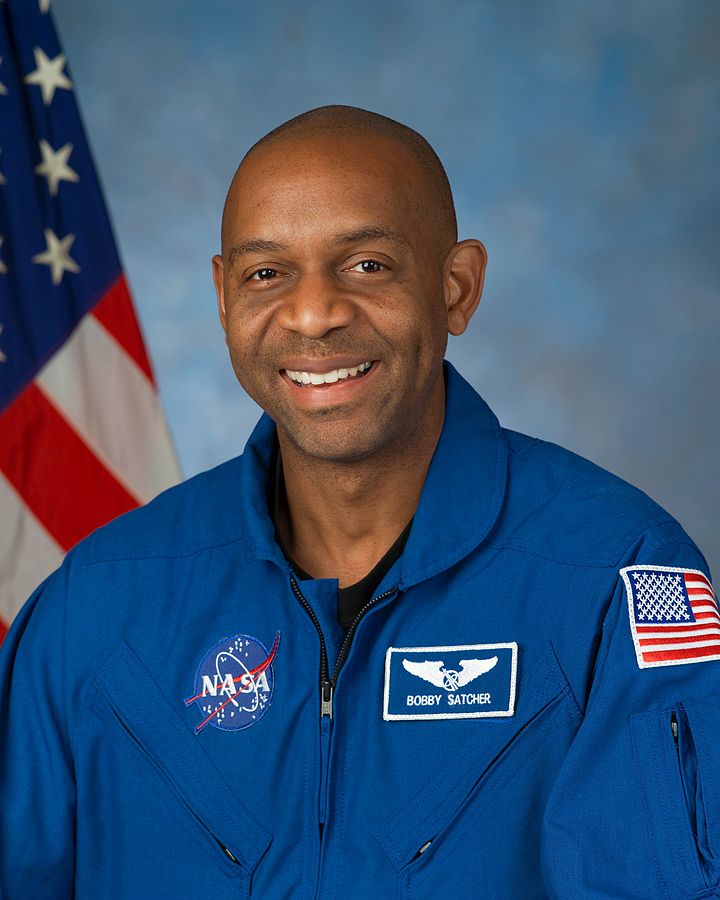
Nachdem er sich 1997 vergeblich für die 17. NASA-Gruppe beworben hatte, wurde er bei der nächsten Auswahl berücksichtigt: Am 26. Juli 2000 wurde er als Missionsspezialist der 18. NASA-Gruppe ausgewählt.
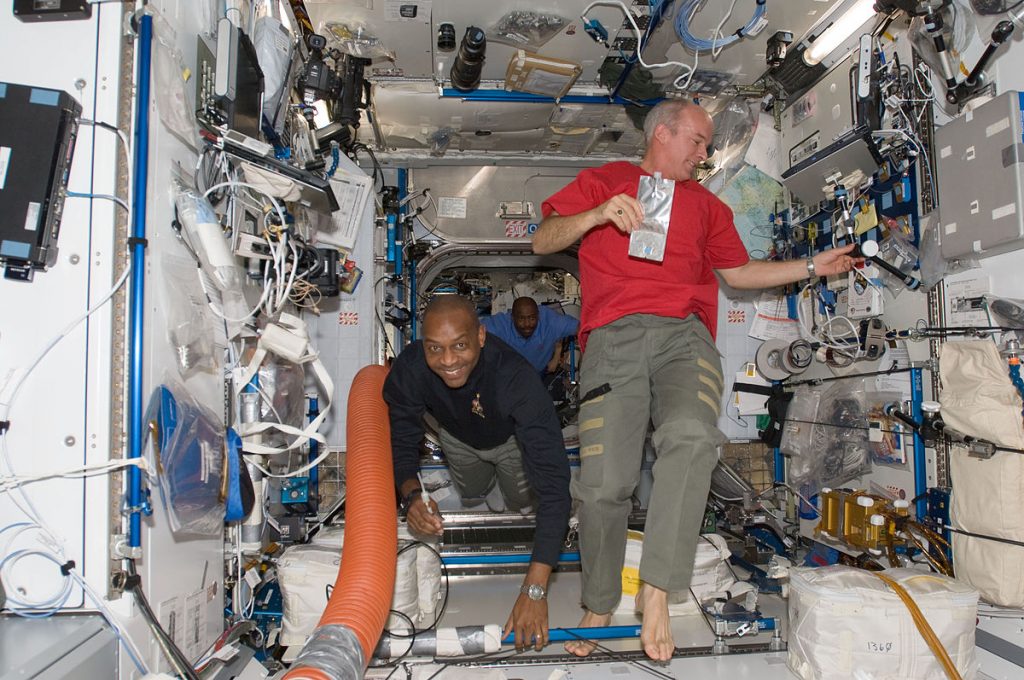
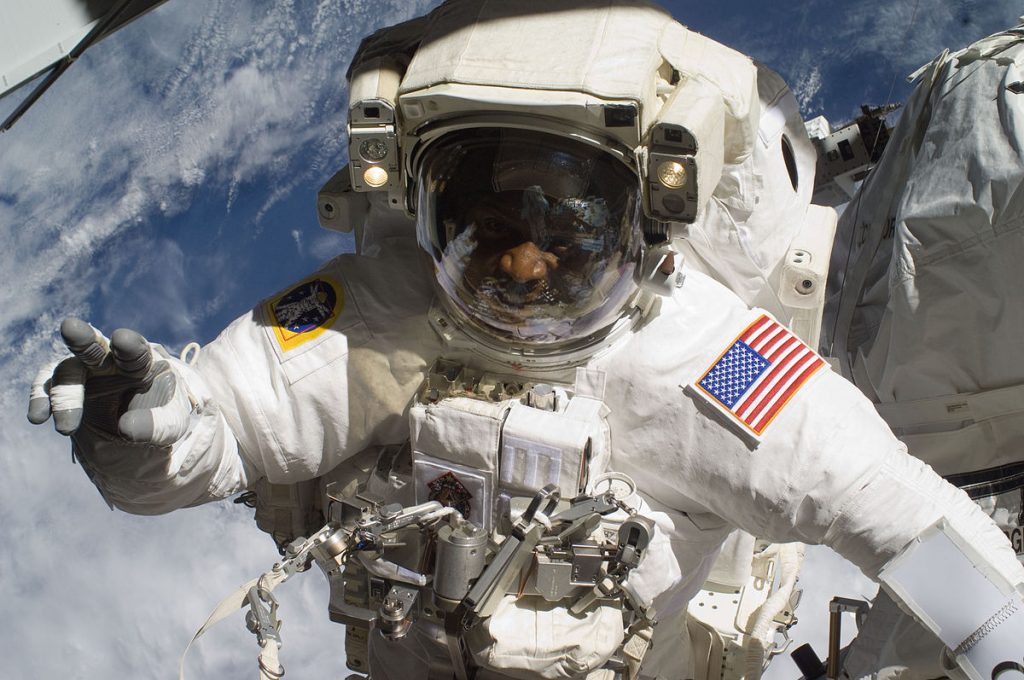
Der Start zu diesem Raumflug erfolgte am 26. März 2009 mit Sojus TMA-14. Am 5. Juni 2009 führte Barratt seinen ersten Weltraumausstieg aus, bei dem er gemeinsam mit Gennadi Padalka passive Antennen für das Kurs-Dockingsystem am Swesda-Modul anbrachte.[2] Ein zweiter Ausstieg fand am 10. Juni statt und dauerte 12 Minuten. Dabei entfernten er und Padalka eine Abdeckung im Andocksystem des Swesda-Moduls.[3] Beide Ausstiege waren für das Ankoppeln des russischen Poisk-Moduls erforderlich, das im November 2009 an der ISS ankoppelte. Barratt kehrte am 11. Oktober 2009 zusammen mit Padalka und dem Weltraumtouristen Guy Laliberté mit Sojus TMA-14 wieder zur Erde zurück.
STS-133
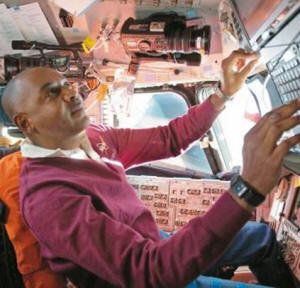
Am 18. September, noch während er Teilnehmer der Expedition 20 war, wurde Barratt als Missionsspezialist für die Mission STS-133 zur ISS nominiert.[4] Der Start fand am 24. Februar 2011 statt, die Landung am 9. März. Dieser Flug war der letzte der Raumfähre Discovery.
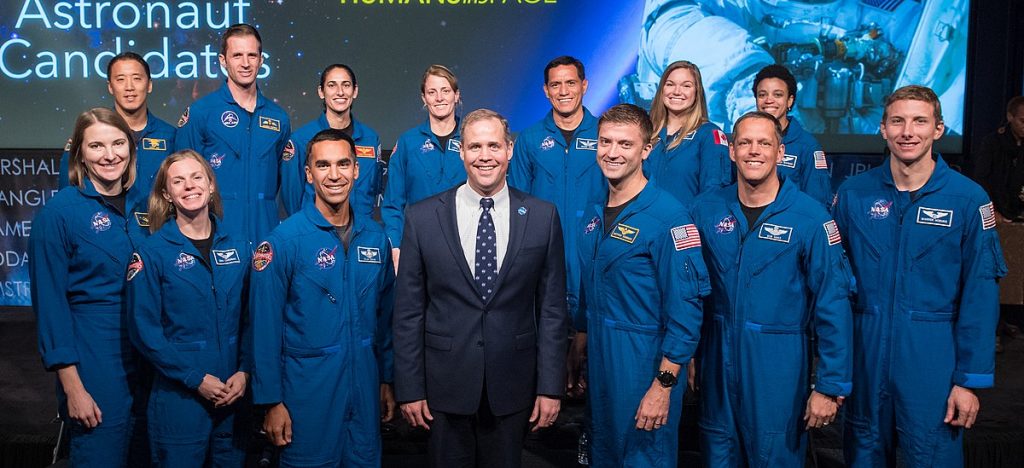
NASA Administrator Jim Bridenstine poses for a picture with the 2017 astronaut candidate class after taping a live episode of the Administrator’s monthly chat show, Watch This Space, Thursday, Sept. 27, 2018 in the Webb Auditorium at NASA Headquarters in Washington. NASA astronaut candidates, back row from left, Jonny Kim, Joshua Kutryk of the Canadian Space Agency, Jasmin Moghbeli, Loral O’Hara, Frank Rubio, Jennifer Sidey-Gibbons of the Canadian Space Agency, Jessica Watkins, front row from left, Kayla Barron, Zena Cardman, Raja Chari, Matthew Dominick, Bob Hines, and Warren Hoburg. Photo Credit: (NASA/Joel Kowsky)
In den Jahren 1999 bis 2001 war Saint-Jacques an der Entwicklung und dem Betrieb des Subaru-Teleskops auf Hawaii beteiligt. Später wurde er Mitglied der astrophysikalischen Gruppe der Universität Montreal. Vor seiner Auswahl in den kanadischen Astronautenkader arbeitete Saint-Jacques als Arzt in einer Klinik einer Inuit-Siedlung in der kanadischen Provinz Québec. Außerdem lehrte er als Dozent an der medizinischen Fakultät der McGill University.[1]
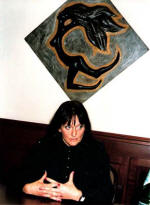
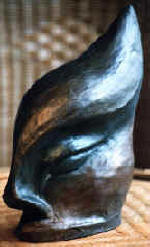
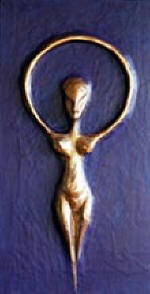
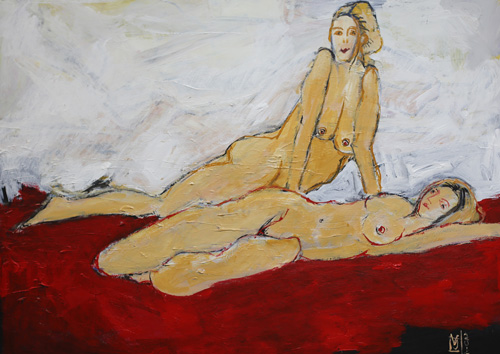
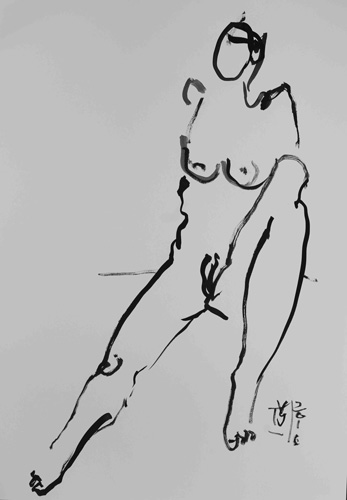
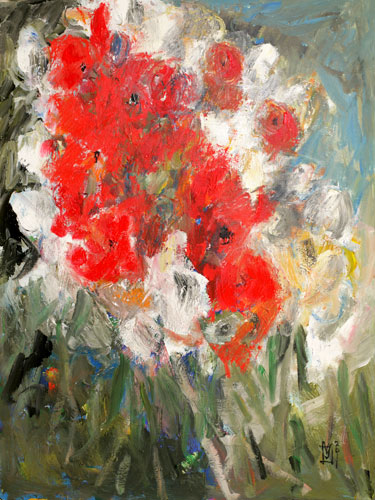
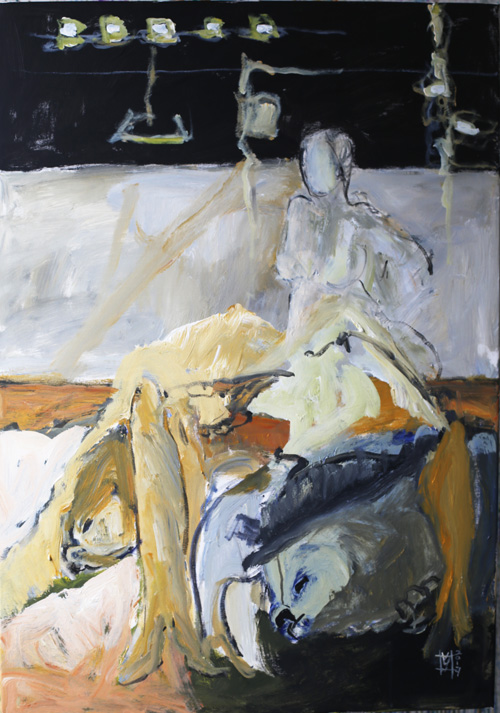
Michelle hat Philosophy, Psychology und Theaterwissenschaften studiert. An der Wiener Kunstschule hat sie Malerei, Skulpturen und Keramik studiert (2. Preis für Keramik beim 10-Jahres-Fest der Schule). Darüberhinaus ging sie in die Schauspielschule von Prof. Krauss und studierte Schauspiel und Regie. Medizinstudium an der Wiener Universität mit Dissertation 1984.
Zuletzt arbeitet sie als Coach und channelt hohe spirituelle Kraft zu Gunsten ihrer Patienten.
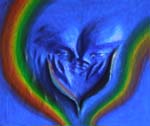
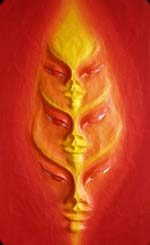
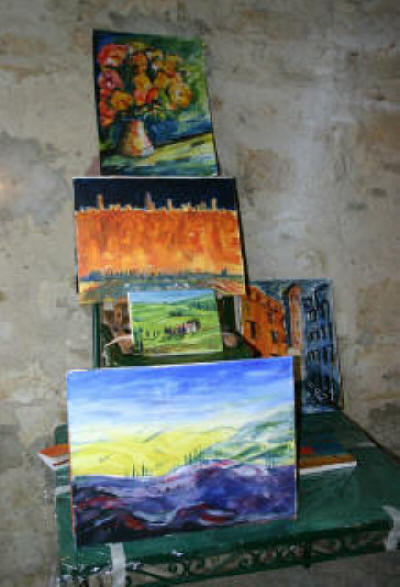
Auf ihrer Seelenbilder-Webseite werden entsprechende mediale Bilder gezeigt.
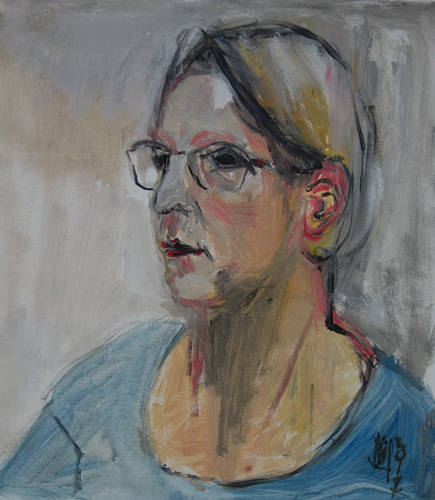
Abitur in Mannheim mit dem Wunsch, Kunstlehrerin zu werden 1950 Kunstunterricht an der Kunsthalle Mannheim (Ursula Krebs) 1951 Kunstunterricht an der Volkshochschule Mannheim (Walter Stallwitz) 1960–1961 Freie Akademie Mannheim, Klasse Paul Berger-Bergner 1983 Medizinstudium mit Promotion
Fachrichtung Geburtshilfe 1975–2005 Tätigkeit in eigener Praxis in Neckargemünd Kunstunterricht bei Glyn Forster in Dossenheim Jährliche Kurse an der Europäischen Kunstakademie Trier und dem Künstlerverein Artefact in Bonn
1998 eigenes Atelier in Langenzell Freiberuflich tätig seit Januar 2006
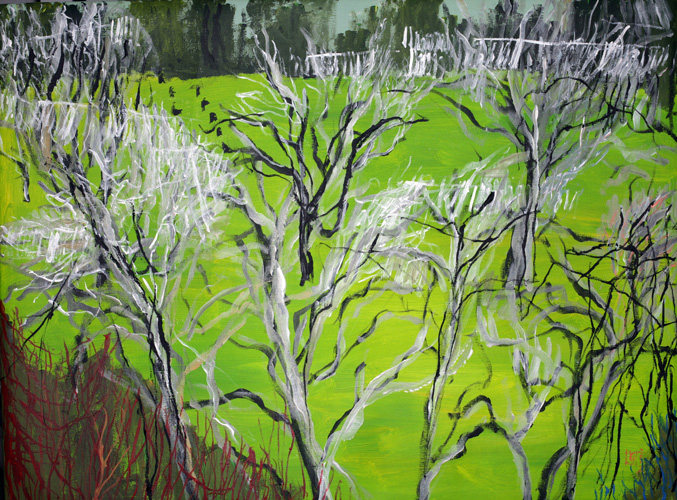
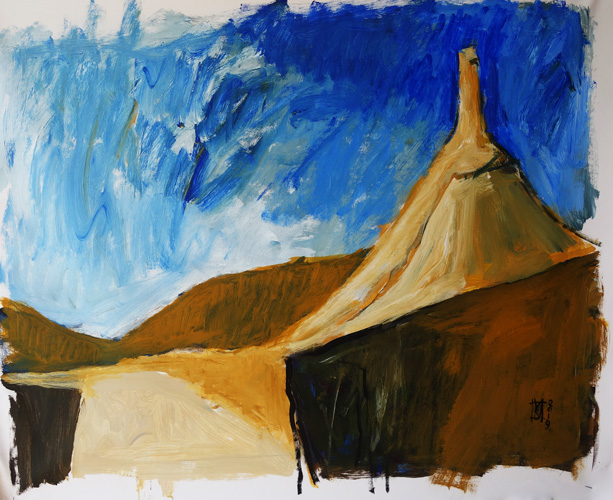
1974 Studium der Biologie, Bonn, Rheinische Friedrich-Wilhelms-Universität 1976 Studium der Medizin, Bonn, Rheinische Friedrich-Wilhelms-Universität mit Examen 1981 1982 Beginn der Assistenzarzt-Tätigkeit in den Fächern Innere Medizin und Chirurgie 1982 Promotion im Fachbereich Medizin, Medizinische Mikrobiologie 1985 Niederlassung als Ärztin in einer Gemeinschaftspraxis 1999 – 2005 Studium im Studiengang freie Kunst an der Kunstakademie Münster, bei Paul Isenrath und Guillaume Bijl 2015 Beendigung der ärztlichen Praxistätigkeit
Michelangelo didn’t have it. Renoir was missing it. As for Picasso, luck didn’t deal it to him.
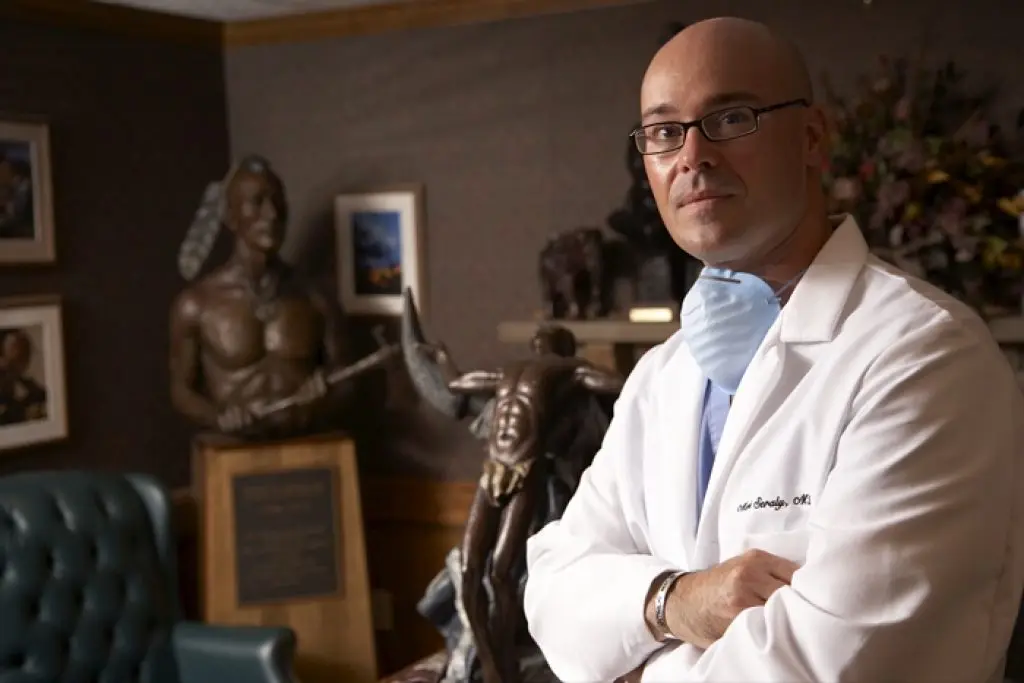
But self-made sculptor Dr. Mark Seraly has it—a day job that delivers his subject matter in a steady stream of people. True, they were all inspired, but inspiration comes from a subject he knows best—the human body.
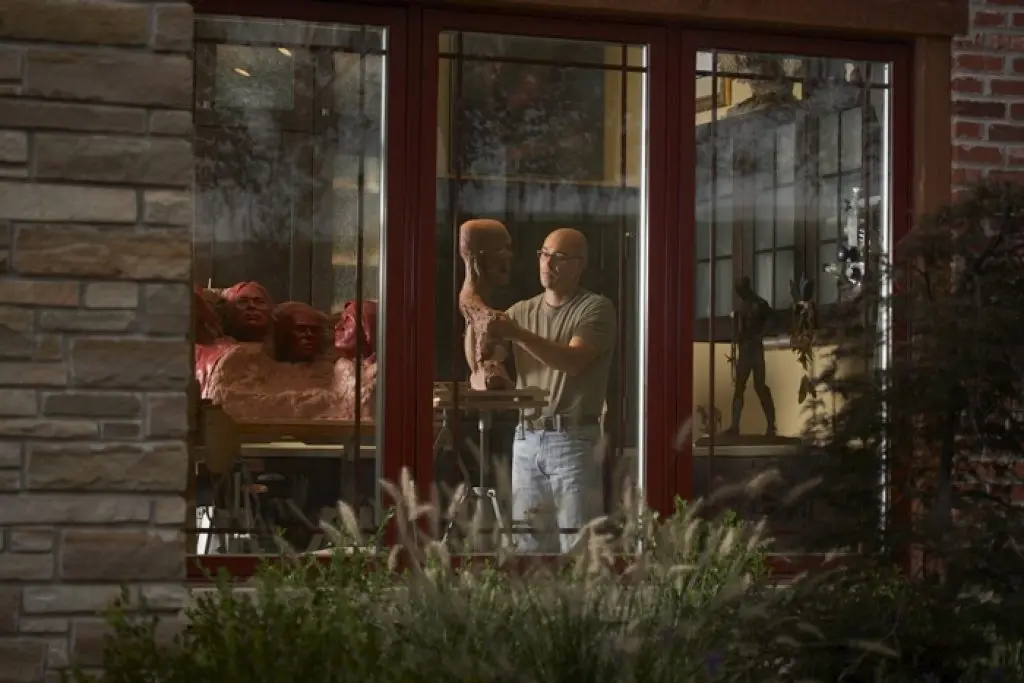
The 46-year-old Canonsburg dermatologist, of course, treats patients with conditions of the skin, but when he’s out of his scrubs and in his studio, he creates bodies of art.
It was just 14 years ago that Seraly first touched the cold moist clay to blaze a trail to this surprising and fruitful second career. In 1996, he was at the University of Pittsburgh working on his dermatology and chief residency when he commented on a patient’s earrings.
„It turns out she made them and then asked me if I had any interest in art. I told her I liked sculpture,“ he said.
Then she hooked him up with well-known sculptor Susan Wagner. Her pieces adorn PNC Park with the likes of Willie Stargell, Bill Mazeroski and Roberto Clemente. Not a bad hook-up.
From there he took a class at the Center for the Arts where he says he was „the only bald guy in the room with a bunch of backpacking kids.“ By the time he completed the class, his instructor told him he ought to be a professional sculptor.
Since then he has worked tirelessly in an eternal pursuit to understand the human form. „I never grew up thinking I was an artist. Things I’ve gravitated toward are right brain. This is a natural fit with things I do as a doctor,“ he said.
Seraly attributes his role as a dermatologist to his success in sculpting.
„I get to study the human form. I see smiles, tears, the changing of body posture,“ all which translate into his attention to detail on his pieces. „What I’ve learned in my career goes hand-in-hand with my art. Not a lot of sculptors can have that,“ he said.
Born in Brunswick, Maine, where his father served at the Naval Air Base, he was raised a Navy child. He claims his father’s influence, along with a certain dose of his maternal grandfather’s OCD (obsessive compulsive disorder) tendencies, have likely helped him along the way.
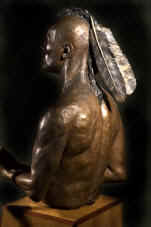
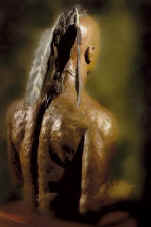
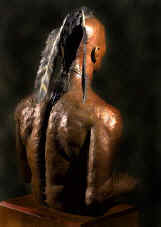
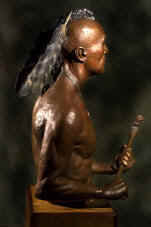
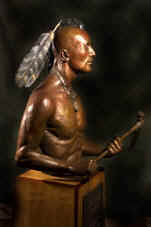
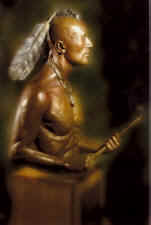
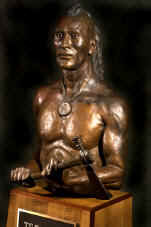
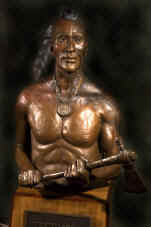
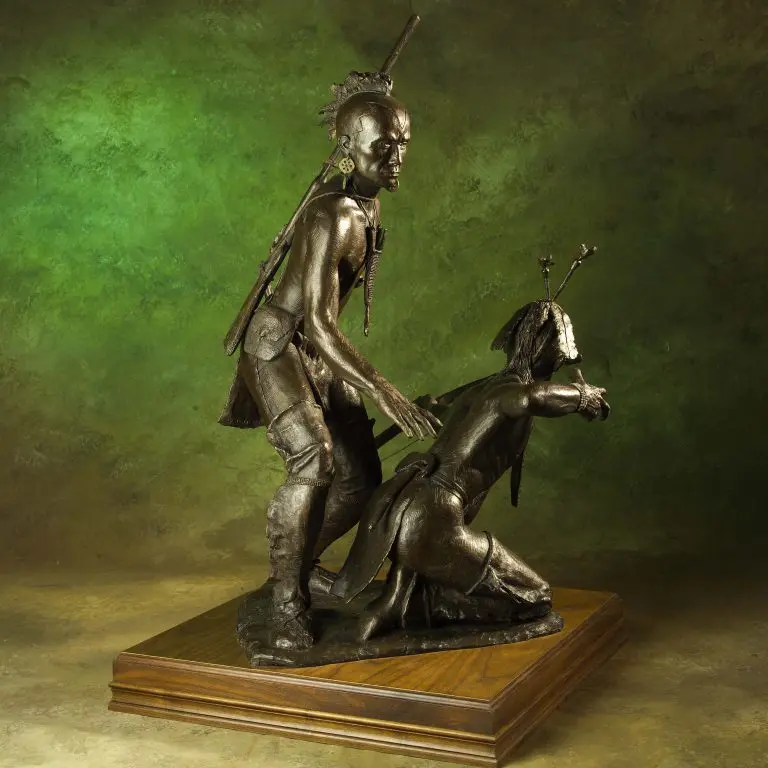
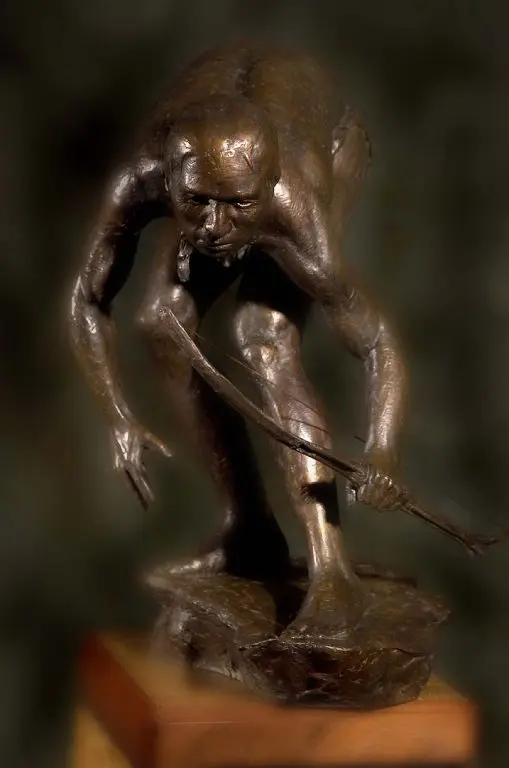
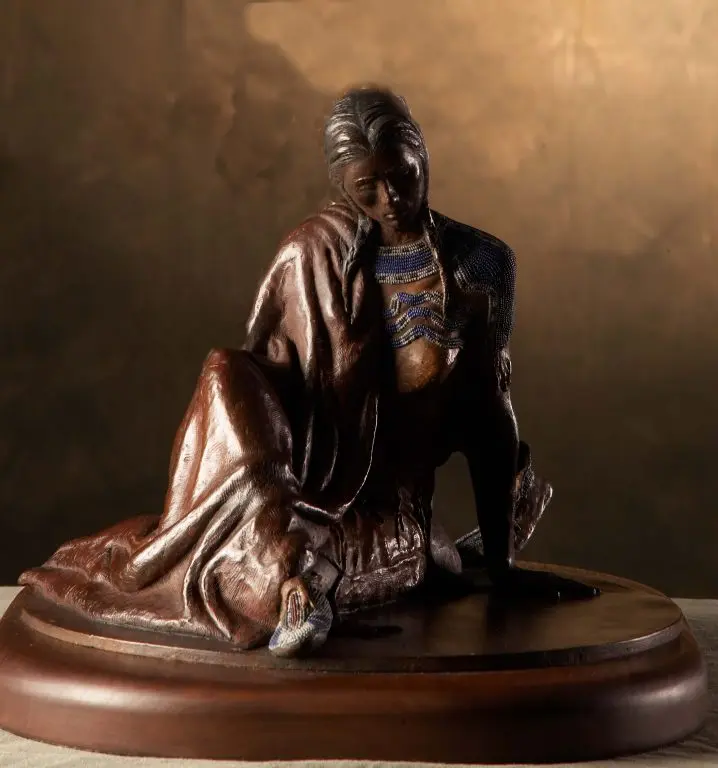
He spent grade school through high school in Succasunna, New Jersey, where he developed his love for the West and Native American traditions. He studied, collecting American Indian artifacts, and always fueling his passion. He takes that history and applies it directly to his pieces where the observer can take in the accuracy of his work and place himself alongside Chief Gall at the Victory Dance, the Hopi Girl or Ishi, in the spirit of the hunt.
His latest piece, Indian on Horseback Fighting Bear, is almost complete.
Seraly will hand deliver it to Coopermill Bronzeworks in Zanesville, Ohio where it will undergo the casting and molding process. He’s come to know the foundry owner Charlie Leasure, who has taught him yet another phase of the artistic process, allowing Seraly to see his pieces through to the finished product.
Seraly’s work surrounds his patient waiting area, office and home, but never did he dream his pieces would be included in private, public and corporate art collections.
A bust of Peter Rossin was commissioned by the Rossin family and sits in the Rossin Campus Center at his alma mater, Washington and Jefferson College in Washington, PA.
Given the choice of whether to practice as a dermatologist or spend his days sculpting, he answered, „Both. I tell my patients my commitment to them is 150 percent. I’m not just a doctor with a hobby.“
Without his patients, his work wouldn’t have the edge it does.