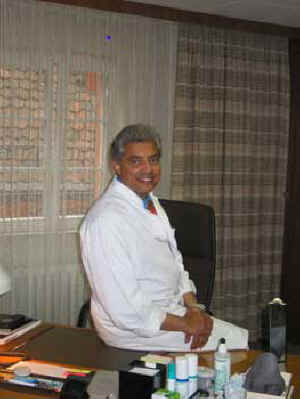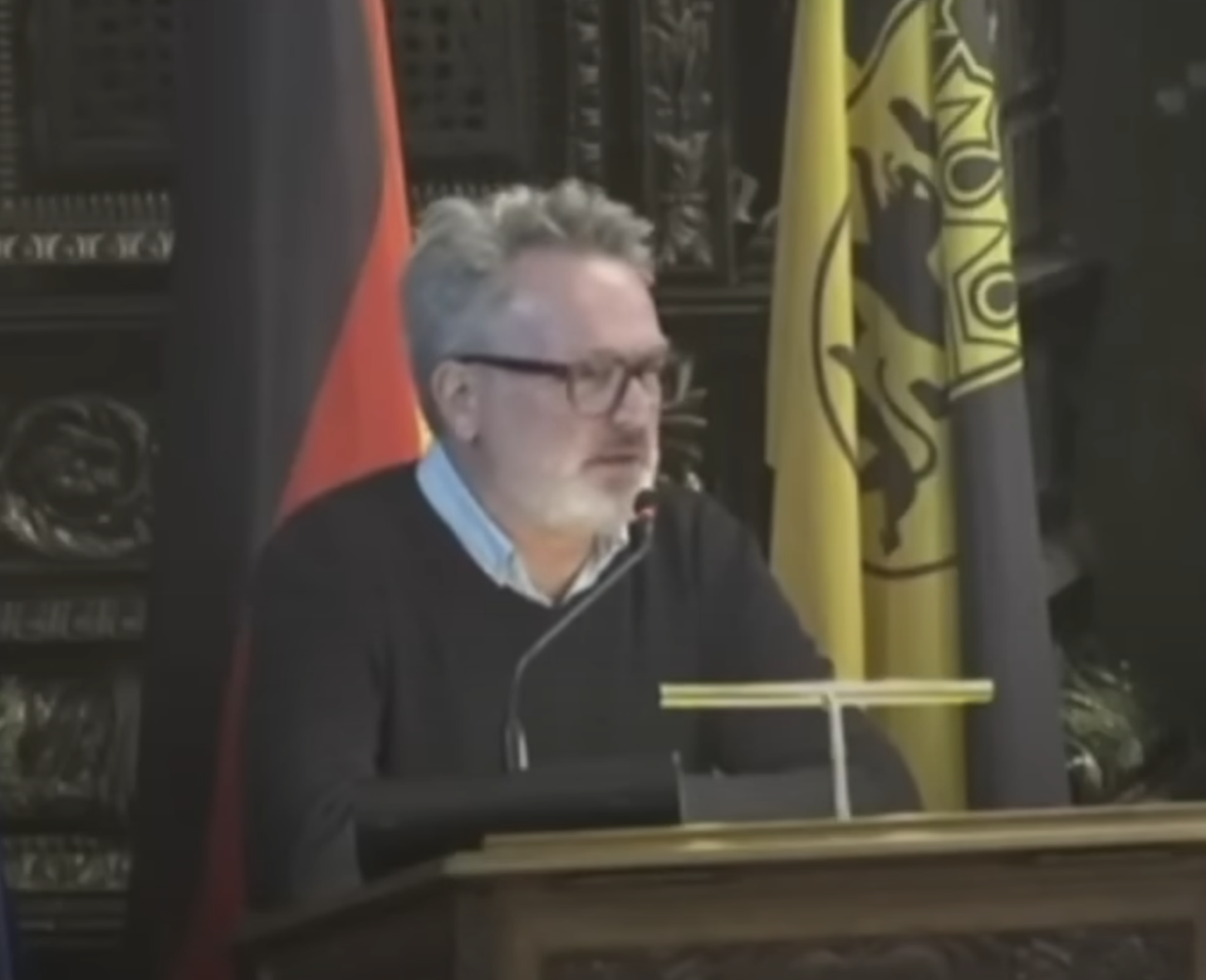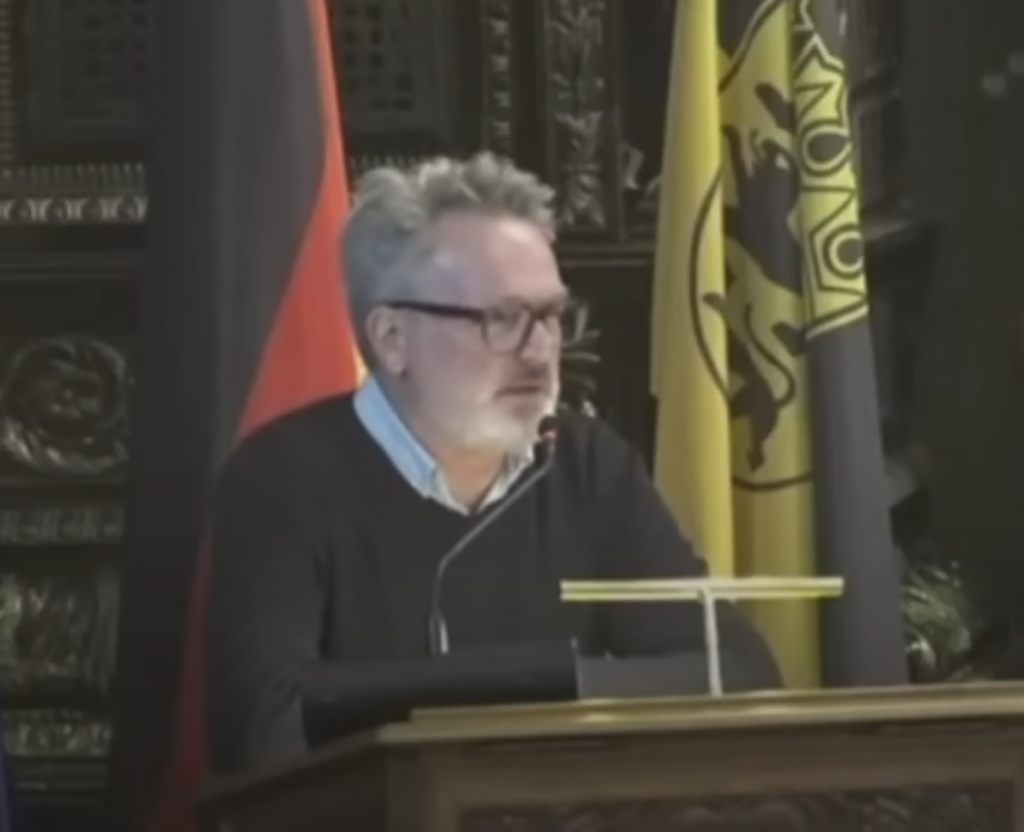
Tom Tarter
Category : AutoDoc , GewichtheberDocs , MotorradDocs
In need of some doctoring
NOVA: Are you glad you became a doctor?
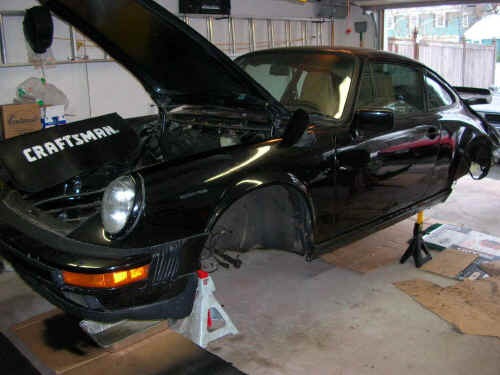
Tom Tarter: I couldn’t imagine myself doing anything else but what I do. Well, that’s not entirely true—I could be a mechanic. But I do love emergency medicine. I just love it.
Q: I can tell. You light up when you talk about it.
Tom: Yeah.
Q: Can you tell me a little bit about your own health?
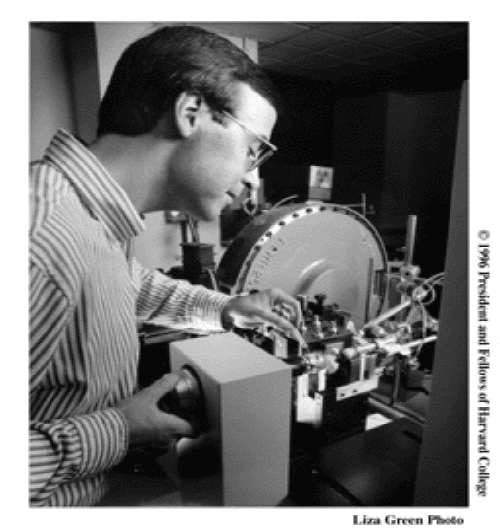
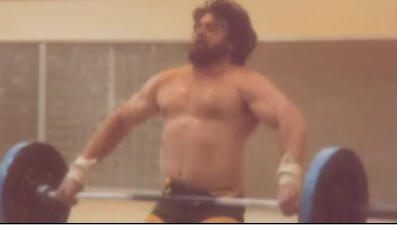
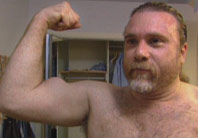
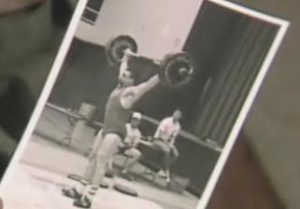
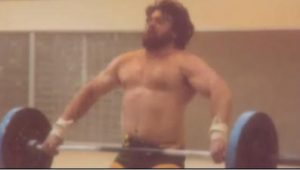
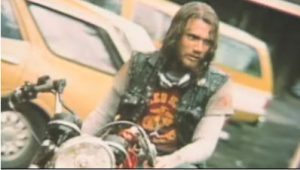
Tom: Sure. I’ve just been running so hard, trying to get my life together, that my health has really gone to hell in a handbasket. For the last three years, I haven’t had any health insurance. I’ve gained a monstrous amount of weight. And I smoke. So these are issues that I really have to address. I’ve had multiple orthopedic procedures for injuries from when I was involved in weight lifting and motorcycles. So I have quite a bit of pain to deal with. But I think everything will get a lot better when I lose 100 pounds and quit smoking.
Q: Why haven’t you had health insurance?
Tom: I couldn’t afford it.
Q: It seems ironic that you’re a physician and not able to afford health insurance.
Tom: Health insurance would cost my family close to $2,000 a month for the four of us. I just can’t do it. Now, my wife just got a job, and we’re gonna be able to get coverage under her policy at work. But I’m kind of like a freelance worker, so I have no insurance, haven’t had it for years.
Q: You must be able to relate to people you see in the hospitals without insurance.
Tom: Yeah. You’ve gotta do what you gotta do to get by. If it’s a choice between paying your mortgage, or getting your house foreclosed, or doing without health insurance, well, we all have to make those choices. I still am living in my house.
Q: Do you think our health-care system is broken?
Tom: The health-care system in this country is a mess. There’s a horrendous amount of waste and abuse on both sides of the line. I’m pretty familiar with both sides. The answer certainly isn’t as simple as just throwing a bunch of money at it. There has to be fundamental change in the way medicine is structured in this country. Really it would be best to throw the whole system out and start from scratch.
Fighting stereotypes
Q: When you were in medical school, you felt like the odd man out. Do you still feel that way as a doctor now?
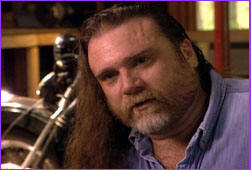
Tom: Guys like me aren’t supposed to be in medicine. I’m from a poor family, broken home, and I didn’t go to any special schools. I’ve never fit in, really, for that reason. On top of that, I’m a bit of a freethinker.
Q: Has your tendency to challenge the status quo gotten you into trouble?
Tom: Lots of trouble.
Q: Talk about that.
Tom: I’ve gotten into trouble for all kinds of ridiculous things. For instance, I once had a patient who had bad sleep apnea, and on top of that, he had hay fever. He hadn’t slept for days and was virtually at the point of suicide. Well, I asked this nurse for a medication called Afrin, which you can buy at any drugstore. This would open up his sinuses, and he’d be able to sleep. The nurse said, „We don’t have it, and I’m not gonna even look for it.“
I happened to have an unopened bottle of this stuff in my bag. He tried it. It opened up his nose, and he was real happy. But I got read the riot act for giving home-brewed medications that weren’t approved by the hospital.
Basically, they didn’t want me there. I wasn’t the stereotypical doctor, and they wanted me out of there. I’ve had multiple experiences like that.
Q: It must be depressing at times.
Tom: It’s very depressing. [laughs] It is.
„A lot of people just don’t understand that everybody isn’t stamped out of the same cookie cutter…“
Q: Have you tried to conform to fit in?
Tom: I’ve done everything—I’ve cut my hair, I’ve worn the white coats, cleaned up my act as much as I possibly can. But there’s just something about me—the way I’ve been raised, the story of my life, the way I think, the way I am. It just says, „This guy isn’t your typical doctor.“
Q: Do you think it’s fair that people in management may judge you on superficial things like your tattoos?
Tom: Well, I don’t think people should judge me by my tattoos, by the way I wear my hair. These people have access to my CV. They see that I graduated from Harvard, that I’ve been working for 15 years as a board-certified, high-trauma emergency doctor. I’ve never been sued, never been named in a case. They see this stuff.
I think part of why the medical community, in general, doesn’t communicate well with the public is because most doctors were hand-selected from upper middle class families. They don’t relate to working-class people and don’t acknowledge working-class people as being worthwhile. You know? If you don’t enjoy golf, if you don’t hate tattoos, if you smoke cigarettes, you’re dirt. And if you think that way, well, you’re not going to like me.
Q: Are you angry?
Tom: I don’t think I’m particularly angry, no. I don’t blame anybody. It hurts and it’s depressing, absolutely.
A lot of people just don’t understand that everybody isn’t stamped out of the same cookie cutter, that people are different and that’s okay. It seems to be less so at my current job—in the VA [Veterans Affairs hospitals], soldiers are much more similar to myself. We seem to understand each other better. I think there’s less of a boundary between the socioeconomic classes, and a lot of the other physicians there were ex-soldiers themselves. So I think it’s a better spot for me. But in the private sector, it’s tough. It is tough.
Q: I’ve seen you with patients. You’re amazing with patients. They really respond to you.
Tom: Yeah, it’s funny. Patients seem to really gravitate towards me. It’s just the administrators and other doctors who sometimes have trouble with me.
Q: In the future, would you like to stay with the VA because it’s a better fit?
Tom: That’s pretty much what I’m thinking. I’ll probably continue working at the VA as long as they want me. And we’ll see.
One thing I like about the VA is we get to spend a decent amount of time with patients. The people who work at the VA, at least where I’m working, really care about giving good health care. These are vets who have served their country, and we want to do a good job of taking care of them.
Q: Are there other things you see ahead in your career?
Tom: I’d like to do some kind of activism. I really would. We live in the greatest country in the world, yet we’re falling apart. I’d love to get involved in some kind of activism, whether it’s in the health-care field or just political activism. I’m an old hippie, and I’ve always wanted to make some kind of positive change.
Q: You would make a great activist.
A downward spiral
Q: You were a pretty seasoned doctor when I last saw you here [in Bloomington, Indiana] in 2000.
Tom: Yeah. It took me about 15 years of medical training to really feel comfortable in the emergency department, to feel that I was a competent physician. But I did feel that way, and I do now.
Q: What started to go wrong after I last visited?
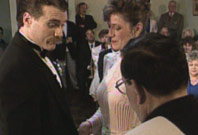
Tom: Well, I kind of had two crises going at the same time. My third marriage, of course, did not work out. It was probably a very poorly advised thing for the two of us to get married to start with. And my life in medicine was great in terms of my love of doing it, but it went downhill in other ways.
I had been recruited to what was at the time the only hospital in Bloomington, and after a falling-out with the people who run the emergency department, I no longer was able to work in Bloomington. That put me in a difficult situation, ‚cause I’d bought this house, and I had begun to put down roots here.
„I have a wonderful wife. She’s just absolutely the greatest. I love her like nobody I’ve ever met before.“
Emergency department doctors have to work within the boundaries of a hospital. We don’t have the choice of just opening up a practice. After I left Bloomington Hospital, I took some jobs at hospitals here and there, essentially working for an agency that placed me at different facilities.
Q: So now you are something of an itinerant doctor.
Tom: Right. I’ve been bouncing around, from one job to another, sometimes having to drive four or five hours to get to a job. Currently, I’m taking planes to anywhere from Seattle, Washington to St. Thomas, Virgin Islands just to find work.
Q: Financially, it’s been tough for you. What’s happened to your credit rating?
Tom: Because of some circumstances surrounding the divorce, my credit rating has gone down the toilet, and right now I couldn’t get a credit card from Sears if I wanted to. During the divorce, I was court-ordered by the judge to turn over one of our cars to [my ex-wife]. She was court-ordered to pay the payments on the car and the insurance. Well, she didn’t.
When I heard that the car was impounded, I paid off what was owed and got the car back. I contacted the credit company and said, „Would it be possible to get some kind of forbearance, given that I was court-ordered to give this car to this woman?“ They said, „No, it’s going on your credit score.“ That set up a spiral where my credit has just gone so far down the toilet it’s laughable.
Q: Did you imagine when you were in med school that you might be in this place financially after you became a doctor?
Tom: I never expected that I would be almost as broke as I was before I went to medical school and possibly looking at bankruptcy. It blows my mind completely.
The business of emergency medicine
Q: Do you think that most emergency departments are managed with too much of a business mentality?
Tom: The doctors who run these groups [that have contracts to manage emergency departments] have become businessmen. They’ve adopted models of how medicine should be practiced based on corporate models.
They measure how well their business is doing like McDonald’s would. They issue questionnaires on patient satisfaction. Actually, they stop calling patients „patients.“ They refer to them as customers. They talk about customer satisfaction. Well, unfortunately, medicine doesn’t fit that paradigm. You cannot use the same paradigm for selling hamburgers as for taking care of an ill patient.
You’re not always making people happy when you’re making them healthy. Sometimes you’re pissing them off. So these tools to measure patient satisfaction don’t measure the quality of the health care. Here’s a basic example: Every emergency physician deals with a patient who abuses prescription pain medicines, who is trying to get pain medicine to use or sell. If you say, „We’re not gonna give you narcotics,“ this person blows a fit. When this person gets his exit questionnaire, and it says, „Are you happy with the care you got?“ he’s gonna say no.
So these questionnaires can encourage physicians to do bad things-—give narcotics when they’re not warranted, give unnecessary antibiotics, order too many tests. Ordering lots of tests makes everybody happy, because you can bill more. These are all things that corporate emergency medicine encourages. And if you try to buck that system, you’re gone. You’re toast. You’re history.
Q: Do you think emergency departments are a particularly troubled part of the health-care system?
Tom: What’s happening in emergency medicine is really very dire, and there isn’t much appreciation for it. A lot of people don’t even know how emergency departments are run. They think that doctors from the hospital fill shifts, which hasn’t happened since the 1970s.
Still grateful
Q: Knowing what you do now about emergency medicine, would you go down this path again?
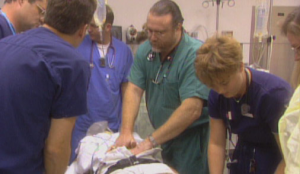
Tom: You bet I’d do it all over again. I love emergency medicine. I love it. I wouldn’t want to do anything else. I know that when somebody walks into my emergency department, no matter what’s wrong with them, I can give them their best shot at getting better. I wouldn’t trade that for the world.
Q: When you can’t save someone, how does it feel to have to tell their loved ones? Have you dealt with death so much by this point in your career that it feels normal?
Tom: It never feels normal or okay to inform someone that their loved one’s died or to inform someone that they have a terminal illness. It’s a horrible thing to do. I empathize with their pain, and I’d rather stick hot pins in my eyes than tell somebody that their life mate has died. Unfortunately, someone has to do it, and often that’s me. So I try to do it in the most compassionate way that I can.
„You take what life gives you. If I had a magic wand that could change it, believe me, I would.“
Q: Given all the difficulties in your life, are there still things for which you’re thankful?
Tom: I have a wonderful wife. She’s just absolutely the greatest. I love her like nobody I’ve ever met before. She’s so hardworking and level-headed and smart. She doesn’t even know how smart she is, how much insight she has. She’s just fantastic.
We live in a beautiful town. We have this beautiful land and beautiful house. I’m very grateful for all those things—I’m just afraid they’re all going to get taken away. Well, they’re not going to take away my wife, but we could end up living in refrigerator boxes. We always kid about that.
Q: How do you feel about participating in this series, our following you for 21 years?
Tom: I really am very happy to have done it. It’s been very therapeutic, allowed me get a lot of things off my chest. It’s almost like analysis or something.
Q: What would you say to a young person who thought he or she wanted to be an emergency-medicine doctor?
Tom: There’s a lot to think about. You can definitely get a better return for less investment working in other fields of medicine. You can do something like become a physician’s assistant or a certified nurse anesthetist. You don’t have to sell your soul for half your life to get there. So I advise people to strongly consider that they’re going to have to work very hard for many, many years for very little pay. They may have to borrow money for a good part of it, come out in debt. It’s a tough road.
Q: If you could do some things in your life differently, what are some of the life lessons you’ve learned?
Tom: Watch out for adjustable-rate mortgages, watch out for cars that don’t get good gas mileage. I don’t know. Try to smell good all the time. That’s about it.
Q: You have been under such stress in the last few years. I can’t even imagine it. It must be exhausting.
Tom: Yeah, but you take what life gives you. If I had a magic wand that could change it, believe me, I would. My wife and I constantly brainstorm to try to think of ways to turn things around. We’re doing the best we can. If anybody has a better idea, write to Tom Tarter, care of WGBH, and let me know. [laughs] I’m open for suggestions.