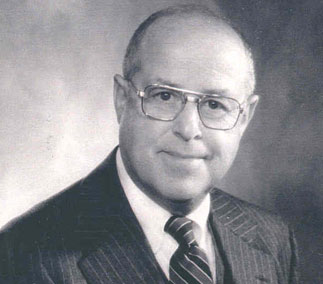
Urologisches Museum USA
Category : MuseumDocs
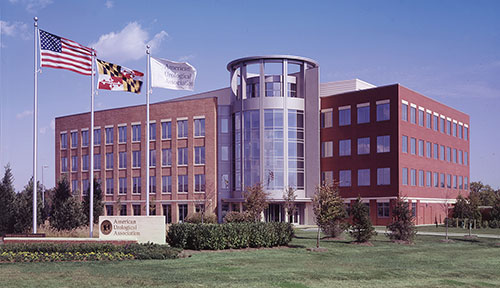
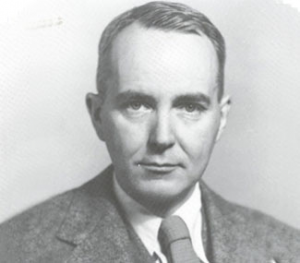
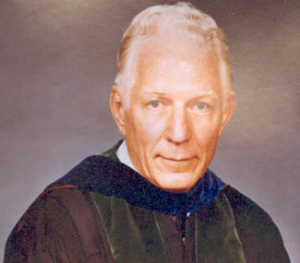
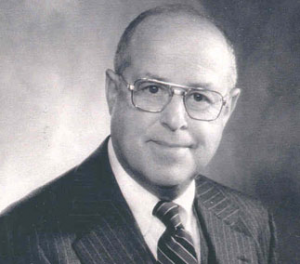
Eine ganze Reihe von MuseumDocs betreuten das Urologie-Museum:
https://www.urologichistory.museum
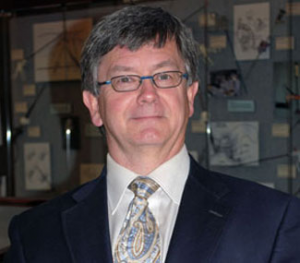

Category : MuseumDocs
Eine ganze Reihe von MuseumDocs betreuten das Urologie-Museum:
https://www.urologichistory.museum
Category : SammelDocs , SchriftstellerDocs
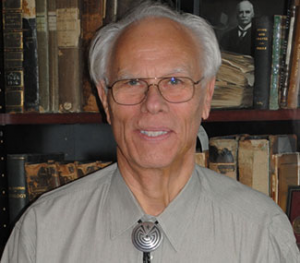
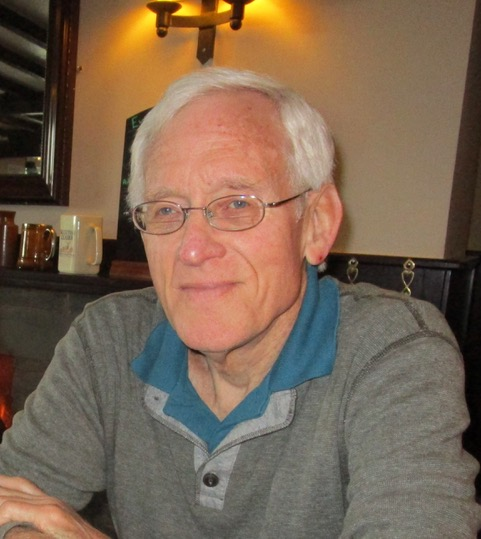
Daniel C. Bryant, der eine Sammlung von ca. 1.100 Büchern englischsprachiger Schriftstellerärzte einer New Yorker Bibliothek stiftete, der https://libraries.cmac.ws/frederick-l-ehrman-medical-library/20556/. Unten ein Auszug seiner Sammlung.
Der Arzt aus Maine, freut sich, dass seine Arbeit erneut auf der Seite für Kurzgeschichten „Sixfold“ erscheint. Seine Geschichten erschienen zuvor in Nimrod, Bellevue Literary Review, Hospital Drive, Madison Review und Crab Orchard Review, und das erste Kapitel seines (bisher unveröffentlichten) Romans May We Waken One by One wurde in Silk Road veröffentlicht.
Dr. Bryant’s Writings
Poetry
Literary magazines – The Café Review, Kennebec, Northern New England Review, Potato Eyes
Medical journals – Annals of Internal Medicine, Archives of Internal Medicine, JAMA, Journal of General Internal Medicine, Journal of Medical Humanities, The Western Journal of Medicine
Fiction
“Home free,” Bellevue Literary Review 3, No. 1 (2003): 127-134
Essays
“A roster of twentieth-century physicians writing in English,” Literature and Medicine 13, No. 2 (1994): 284-305
“Telling tales out of school – Portrayals of the medical student experience by physician-novelists,” Journal of Medical Humanities 17, No. 4 (1996): 237-254
“Hospitalists and officists: Preparing for the future of General Internal Medicine,” Journal of General Internal Medicine 14 (1999): 182-185
Crossword Puzzles
Los Angeles Times, November 1, 2003
New York Times, April 22, 2004
https://www.mdedge.com/content/revering-work-physician-writers-1
Die Links in dieser Tabelle wurden offensichtlich von der Bibliothek geändert. Viele der SchriftstellerÄrzte sind bereits in DIESEM Web vertreten (in der Tabelle verlinkt), weitere finden Sie hier:
https://en.wikipedia.org/wiki/Physician_writer
https://de.wikipedia.org/wiki/Dichterarzt
| Name | Birth-Death | Birth Country |
| Abe Kobo | 1924-1993 | Japan |
| Ablow, Keith | 1961- | USA |
| Abse, Dannie | 1923- | Wales |
| Akenside, Mark | 1721-1770 | England |
| Aksyonov (Aksenov), Vasily | 1932- | Russia |
| Alsop, Reese | 1913- | USA |
| Amosov, N.M. | 1913- | Russia |
| Anscombe, Roderick | 1947- | England/USA |
| Antunes, Antonio Lobo | 1942- | Portugal |
| Arbuthnot, John | 1667-1735 | Scotland |
| Armattoe, Raphael | 1913-1953 | Ghana |
| Armstrong, John | 1709-1779 | Scotland |
| Ashdown, Clifford | ||
| Atkins, Charles | 1961- | USA |
| Avicenna (Ibn Sina) | 980-1037 | Persia |
| Ayvazian, L. Fred | 1919- | Turkey/USA |
| Flagg, Kenneth | ||
| Levon, Fred | ||
| Azimov, Janet | 1926- | USA |
| Azuela, Mariano | 1873-1952 | Mexico |
| Balfour, James | 1925- | England |
| Ball, Doris Bell | 1897-1987 | England |
| Bell, Josephine | ||
| Bamforth, Iain | 1959- | Scotland |
| Barahona, Luis DeSoto | 1548-1595 | Spain |
| Barnard, Christiaan | 1922- | South Africa |
| Barnsley, Alan Gabriel | 1916-1986 | England |
| Fielding, Gabriel | ||
| Baroja, Pio | 1872-1956 | Spain |
| Bates, David Vincent | 1922- | England/Canada |
| Bax, Martin | 1933- | England |
| Beauchemin, Neree | 1850-1931 | Canada |
| Beddoes, Thomas Lovell | 1803-1849 | England |
| Beernink, K.D. | 1938-1969 | USA |
| Benjamin, Claude | 1911- | USA |
| Edwards, Max | ||
| George, Marion E. | ||
| Benn, Gottfried | 1886-1956 | Germany |
| Berdoe, Edward | 1836-1916 | England |
| Scalpel, Aesculapius | ||
| Bird, Robert Montgomery | 1806-1854 | USA |
| Biro, David | USA | |
| Blackmore, Richard | 1654-1729 | England |
| Block, William A. | USA | |
| Boas, Maurits Ignatius | 1892-1986 | USA |
| Borodin, George | ||
| Brain, Walter Russell | 1895-1966 | England |
| Bridges, Robert | 1844-1930 | England |
| Bridie, James | 1888-1951 | Scotland |
| Henderson, Mary | ||
| Mavor, Osborne Henry | ||
| Briffault, Robert | 1876-1940 | England |
| Brown, John | 1810-1882 | Scotland |
| Browne, Sir Thomas | 1605-1682 | England |
| Buckman, Robert | 1948- | England |
| Bulgakov, Mikhail | 1891-1940 | Russia |
| Buttenwieser, Paul | 1938- | USA |
| Byron, Ronald | South Africa | |
| Campion, Thomas | 1567-1620 | England |
| Campo, Rafael | 1964- | USA |
| Canin, Ethan | 1960- | USA |
| Carossa, Hans | 1878-1956 | Germany |
| Caruthers, William A. | 1802-1846 | USA |
| Cary, Falkland | 1897-1989 | Ireland |
| Casberg, Melvin Augustus | 1909- | USA |
| Celine, Louis-Ferdinand | 1894-1961 | France |
| Destouches, Louis-Ferdinand | ||
| Chamberlayne, William | 1619-1689 | England |
| Channing, Walter | 1786-1862 | USA |
| Charach, Ron | 1951- | Canada |
| Chekhov, Anton | 1860-1904 | Russia |
| Chivers, Thomas Holley | 1807-1858 | USA |
| Chopra, Deepak | 1947- | India/USA |
| Church, Benjamin | 1734-1778 | USA |
| Close, William T. | 1924- | USA |
| Cloud, Daniel T. | 1925- | USA |
| Coelho, Joaquim | 1839-1871 | Portugal |
| Dinis, Julio | ||
| Coldsmith, Don | 1926- | USA |
| Coles, Abraham | 1813-1891 | USA |
| Coles, Robert | 1929- | USA |
| Comfort, Alex | 1920-2000 | England |
| Conway, Peter | ||
| Cook, Robin | 1940- | USA |
| Cooper, Rosaleen | 1894-1989 | England |
| Copman, Louis | 1934- | USA |
| Coulehan, Jack | 1943- | USA |
| Cowley, Abraham | 1618-1667 | England |
| Crabbe, George | 1754-1832 | England |
| Creel, Stephen Melville | 1938- | USA |
| Sachem, E.B. | ||
| Crichton, J. Michael | 1942- | USA |
| Hudson, Jeffery | ||
| Lange, John | ||
| Cronin, A. J. | 1896-1981 | England |
| Crowley, Robert T. | 1913- | USA |
| Csath, Geza | 1887-1919 | Hungary |
| Cunningham, Robert S. | 1907- | USA |
| Cuthbert, Margaret | 1954- | USA |
| DaCosta, John Chalmers | 1863-1933 | USA |
| Darwin, Erasmus | 1731-1802 | England |
| Davis, Loyal | 1896-1982 | USA |
| Deeping, Warwick | 1877-1950 | England |
| Destouches, Louis-Ferdinand | ||
| Celine, Louis-Ferdinand | ||
| Deza, Ernest C. | 1923- | Phillipines/USA |
| Dinis, Julio | ||
| Coelho, Joaquim | ||
| Dismond, Henry Binga | 1891-1956 | USA |
| Doblin, Alfred | 1878-1957 | Germany |
| Doctor X | ||
| Nourse, Alan Edward | ||
| Dorsett, Thomas | 1945- | USA |
| Downman, Hugh | 1740-1809 | England |
| Doyle, Sir Arthur Conan | 1859-1930 | Scotland |
| Drachman, Theodore S. | 1904-1988 | USA |
| Drake, Joseph | 1795-1820 | USA |
| Drummond, William H. | 1854-1907 | Canada |
| Duffy, Philip Edward | 1923- | USA |
| Duhamel, Georges | 1884-1966 | France |
| Dunn, Hugh Patrick | 1916- | New Zealand |
| Dwyer-Joyce, Alice | 1913- | Ireland |
| Easmon, R. Sarif | 1930- | Sierra Leone |
| Eeden, Frederik Willem Van | 1860-1932 | Holland |
| Eisenberg, Ronald L. | 1945- | USA |
| Ellis, Havelock | 1859-1940 | England |
| El Saadawi, Nawal | 1931- | Egypt |
| Emmott, Kirsten | 1947- | Canada |
| Engelberg, Alan D. | 1941- | USA |
| Engel, Alan | ||
| English, Thomas Dunn | 1819-1902 | USA |
| Fairchild, Brad | ||
| Forester, Bruce | ||
| Ferron, Jacques | 1921-1985 | Canada |
| Fisher, Michael John | 1933- | England |
| Fisher, Rudolph | 1897-1934 | USA |
| Fitzwilliam, Michael | ||
| Fleming, Paul | 1609-1640 | Germany |
| Forester, Bruce | 1939- | USA |
| Fairchild, Brad | ||
| Foxe, Arthur Norman | 1902-1982 | USA |
| Fracastoro, Girolamo | 1478-1553 | Italy |
| Free, Spencer Michael | 1856-1938 | USA |
| Freeman, Richard Austin | 1862-1943 | England |
| Ashdown, Clifford | ||
| Garth, Samuel | 1661-1719 | England |
| Gash, Jonathan | ||
| Grant, John | ||
| Gaunt, Graham | ||
| Gawande, Atul | 1965- | USA |
| George, Marion E. | ||
| Gerritsen, Terry | 1953- | USA |
| Gerritsen, Tess | ||
| Glasser, Ronald J. | 1940- | USA |
| Gogarty, Oliver St. John | 1878-1957 | Ireland |
| Goldberg, E. Marshall | 1930- | USA |
| Goldberg, Leonard S. | 1936- | USA |
| Goldsborough, Robert | ||
| Palmer, John Ransom | ||
| Goldsworthy, Peter | 1951- | Australia |
| Goldszmit, Henryk | 1878-1942 | Poland |
| Korczak, Janusz | ||
| Gonzalez-Crussi, Frank | 1936- | Mexico/USA |
| Gonzalez Martinez, Enrique | 1871-1952 | Mexico |
| Gordon, Richard | ||
| Ostlere, Gordon | ||
| Grainger, James | 1721-1766 | Scotland |
| Grant, James Russell | 1924- | England |
| Grant, John | 1933- | England |
| Gash, Jonathan | ||
| Gaunt, Graham | ||
| Greer, Douglas | 1939- | USA |
| Grevin, Jacques | 1538-1570 | France |
| Guirdham, Arthur | 1905- | England |
| Eaglesfield, Francis | ||
| Gyllensten, Lars | 1921- | Sweden |
| Hake, Thomas Gordon | 1809-1895 | Ireland |
| Halberstam, Michael | 1932-1980 | USA |
| Ha-Lev, Judah | 1075-1141 | Spain |
| Haller, Albrecht von | 1708-1777 | Switzerland |
| Hammond, William A. | 1828-1900 | USA |
| Hard, Edward W., Jr. | 1939- | USA |
| Hard, T.W | ||
| Hart, Alan | 1890-1962 | USA |
| Head, Sir Henry | 1861-1940 | England |
| Hejinian, John | 1941- | USA |
| Hellerstein, David | 1953- | USA |
| Helman, Cecil G. | 1944- | S. Africa/England |
| Henshaw, James Ene | 1924- | Nigeria |
| Hibberd, Jack | 1940- | Australia |
| Hilfiker, David | 1945- | USA |
| Hirschhorn, Richard Clark | 1933- | USA |
| Hoffmann, Heinrich | 1809-1894 | Germany |
| Holmes, Oliver Wendell | 1809-1894 | USA |
| Holub, Miroslav | 1923-1998 | Czechoslovakia |
| Hornberger, H. Richard | 1924-1997 | USA |
| Hooker, Richard | ||
| Hume, Edward H. | 1876-1957 | USA |
| Huygen, Wil Joseph | 1922- | Netherlands |
| Huyler, Frank D. | 1964- | USA |
| Idris, Yusuf | 1927- | Egypt |
| Iovino, Rita | USA | |
| Jefferson, Roland | 1939- | USA |
| Jelly, George Oliver | 1909- | England |
| Fosse, Alfred | ||
| Harsch, Hilya | ||
| Jenner, Edward | 1749-1823 | England |
| Jeppson, Janet O. | 1926- | USA |
| Jersild, Per Christian | 1935- | Sweden |
| Jones, Alice A. | 1949- | USA |
| Joseph, Robert Farras | 1935- | USA |
| Jung-Stilling, Johann | 1740-1817 | Germany |
| Kahn, James | 1947- | USA |
| Kappelman, Murray M. | 1931- | USA |
| Keats, John | 1795-1821 | England |
| Keller, David H. | 1880-1966 | USA |
| Kenealy, Arabella | -1932 | England |
| Kerner, Justinus | 1786-1862 | Germany |
| Kerr, James | 1923- | USA |
| Keynes, Geoffrey | 1887-1982 | England |
| Klass, Perri | 1958- | USA |
| Klawans, Harold | 1937-1997 | USA |
| Klitzman, Robert | 1958- | USA |
| Knickerbocker, Charles H. | 1922- | USA |
| Knight, Bernard | 1931- | Wales |
| Picton, Bernard | ||
| Kra, Siegfried | 1930- | Poland/USA |
| Kreitman, Norman | 1927- | Scotland |
| Kreutzwald, F. Reinhold | 1803-1882 | Estonia |
| Kudirka, Vincas | 1858-1899 | Lithuania |
| Laing, Ronald David | 1927-1989 | Scotland |
| Lake, George Burt | 1880-1943 | USA |
| Langer, Frantisek | 1888-1965 | Czechoslovakia |
| Lascola, Ray L. | 1915- | USA |
| LeBaron, Charles | 1943- | USA |
| Lee, Benjamin | 1921- | England |
| Leipoldt, C. Louis | 1880-1947 | South Africa |
| Lem, Stanislaw | 1921- | Poland |
| Levi, Carlo | 1902-1975 | Italy |
| Levy, Harry | 1944- | USA |
| Lieberman, Michael W. | 1941- | USA |
| Lima, Jorge de | 1895-1953 | Brazil |
| Liveson, Jay | 1937- | USA |
| Lodge, Thomas | 1557?-1625 | England |
| Lowbury, Edward | 1913- | England |
| Lulham, P. Habberton | 1865-1940 | England |
| Luzzatto, Ephraim | 1729-1792 | Italy |
| Lydston, G. Frank | 1858-1923 | USA |
| Lyons, J.B. | 1922- | Ireland |
| Fitzwilliam, Michael | ||
| Mack, John Edward | 1929- | USA |
| Macphail, Sir Andrew | 1864-1938 | Canada |
| Mair, George Brown | 1914- | Scotland |
| MacDouall, Robertson | ||
| Malcolm, Andrew | 1927- | Canada |
| Malcolm, Ian | ||
| Maltz, Maxwell | 1899-1975 | USA |
| Mandeville, Bernard de | 1670-1733 | England |
| Maraire, Nozipo | 1966- | Zimbabwe |
| Marat, Jean-Paul | 1743-1793 | France |
| Marion, Robert W. | 1952- | USA |
| Marti-Ibanez, Felix | 1912-1972 | Spain/USA |
| Martin-Santos, Luis | 1924-1964 | Spain |
| Massad, Stewart | 1958- | USA |
| Mates, Susan Onthank | 1950- | USA |
| Maugham, W. Somerset | 1874-1965 | England |
| Mays, James A. | 1939- | USA |
| McClintock, Andrew | 1885-1923 | USA |
| McCrae, John | 1872-1918 | Canada |
| McGlashan, Alan Fleming | 1898- | England |
| Merliss, Reuben | 1915- | USA |
| Meyers, Michael Jay | 1946- | USA |
| Milkomane, George | 1903- | Russia/England |
| Borodin, George | ||
| Braddon, George | ||
| Conway, Peter | ||
| Redwood, Alec | ||
| Sava, George | ||
| Miller, Benjamin Frank | 1907-1971 | USA |
| Miller, Jonathan | 1934- | England |
| Miller, Timothy | 1938- | USA |
| Mitchell, John Kearsley | 1798-1858 | USA |
| Mitchell, Silas Weir | 1829-1914 | USA |
| Mitra, Amitabh | 1955- | India/S.Africa |
| Modarressi, Taghi | 1931- | Iran/USA |
| Moir, David MacBeth | 1798-1851 | Scotland |
| Delta | ||
| Monger, David | 1908-1972 | Wales |
| Mannigan, Peter | ||
| Richards, Peter | ||
| Moolten, David | 1961- | USA |
| Moore, Merrill | 1903-1957 | USA |
| Mori Rintaro | 1862-1922 | Japan |
| Mori Ogai | ||
| Morrice, J.K.W. | 1924- | Scotland |
| Morrice, Ken | ||
| Mulkeen, Thomas P. | 1923- | USA |
| Munthe, Axel | 1857-1949 | Sweden |
| Murphy, Arthur Lister | 1906- | Canada |
| Nasrin, Taslima | 1962- | Bangladesh |
| Nathanson, Laura Walther | 1941- | USA |
| Thorpe, J.K. | ||
| Nemeth, Laszlo | 1901-1975 | Hungary |
| Nesvadba, Josef | 1926- | Czechoslovakia |
| Neto, Agostinho | 1922-1979 | Angola |
| Neuman, Fredric | 1934- | USA |
| Newbold, H.L. | 1921- | USA |
| Nicol, Abioseh | 1924- | Sierra Leone |
| Nordau, Max | 1849-1923 | Hungary |
| Norman, Robert A. | 1955- | USA |
| Nourse, Alan E. | 1928-1992 | USA |
| Doctor X | ||
| Edwards, Al | ||
| Nuland, Sherwin B. | 1930- | USA |
| Ober, William | 1920-1993 | USA |
| Offit, Avodah Komito | 1931- | USA |
| Okun, Lawrence E. | 1929- | USA |
| Olgin, Howard A. | 1939- | USA |
| O’Neill, John | 1956- | USA |
| Osler, Sir William | 1849-1920 | Canada/USA |
| Ostlere, Gordon | 1921- | England |
| Gordon, Richard | ||
| Pacheco, Ferdie | 1927- | USA |
| Palmer, John Ransom | 1905-1948 | USA |
| Goldsborough, Robert | ||
| Palmer, Michael | 1942- | USA |
| Panneton, Philippe | 1895-1962 | Canada |
| Ringuet | ||
| Papadimitrakopoulos, Elias | 1930- | Greece |
| Parrish, John A. | 1939- | USA |
| Peacocke, James S. | USA | |
| Peck, M.Scott | 1936- | USA |
| Penfield, Wilder | 1891-1976 | Canada |
| Penman, John | 1913- | England |
| Percival, James Gates | 1795-1856 | USA |
| Percy, Walker | 1916-1990 | USA |
| Perry, Grace | 1927-1987 | Australia |
| Peters, Lenrie | 1932- | Gambia |
| Pieczenik, Steve | 1943- | USA |
| Pies, Ronald | 1952- | USA |
| Polidori, J.W. | 1795-1821 | England |
| Powell, Craig | 1940- | Australia |
| Rabelais, Francois | 1483-1553 | France |
| Ravin, Neil | 1947- | USA |
| Redi, Francesco | 1626-1697 | Italy |
| Reiter, B.P. | 1945- | USA |
| Rizal, Jose | 1861-1896 | Philippines |
| Roe, Francis | 1932- | England/USA |
| Rogers, Peter Damien | 1942- | USA |
| Reilly, Patrick D. | ||
| Rosa, Joao Guimaraes | 1908-1967 | Brazil |
| Rosenbaum, Jean | 1927- | USA |
| Rosenberg, Stephen N. | 1941- | USA |
| Ross, Sir Ronald | 1857-1932 | England |
| Rowland, Henry | 1874-1933 | USA |
| Rubin, Theodore Isaac | 1923- | USA |
| Ruotolo, Andrew K. | 1926-1979 | USA |
| Ruskin, Ronald | 1944- | Canada |
| Sacks, Oliver | 1933- | England/USA |
| Saga, Junichi | 1941- | Japan |
| Sa’idi, Ghulam Husayn | 1936-1985 | Iran |
| Saito, Mokichi | 1882-1953 | Japan |
| Sakabe, Yoshio | 1924- | Japan |
| Sams, Ferrol | 1922- | USA |
| Savage, T.J. | 1855-1929 | USA |
| Scannell, Kate | 1953- | USA |
| Scheffler, Johannes | 1624-1677 | Germany |
| Silesius, Angelus | ||
| Schiedermayer, David L. | 1955- | USA |
| Schiller, Friedrich von | 1759-1805 | Germany |
| Schmidt, Werner Felix | 1923- | USA |
| Schneiderman, L.J. | 1932- | USA |
| Schnitzler, Arthur | 1862-1931 | Austria |
| Schwarz, Liese O’Halloran | 1963- | USA |
| Scliar, Moacyr | 1937- | Brazil |
| Seddon, Andrew M. | 1959- | England/USA |
| Segalen, Victor | 1878-1919 | France |
| Selzer, Richard | 1928- | USA |
| Sheley, Glenn E. | 1911- | USA |
| Shem, Samuel | 1944- | USA |
| Sherrington, Sir Charles | 1861-1952 | England |
| Shiff, Nathan | 1914- | USA |
| Shlian, Deborah | ||
| Shobin, David | 1945- | USA |
| Shore, Henry | 1912-1977 | England |
| Shubert, J. Lansing | 1956- | USA |
| Shulman, Neil | 1945- | USA |
| Siegel, Marc | USA | |
| Sigerson, George | 1838-1925 | Ireland |
| Silverman, Gerry | 1938- | England |
| Simmons, Earl M. | USA | |
| Simmons, Geoffrey | 1943- | USA |
| Sinclair, Alison | 1959- | England/Canada |
| Slaughter, Frank | 1908- | USA |
| Terry, C.V. | ||
| Shlian, Deborah | 1948 | USA |
| Jessup, Kathryn | ||
| Smollett, Tobias | 1721-1771 | Scotland |
| Snodgrass, Steven | 1957- | USA |
| Sobel, Irwin Philip | 1901-1991 | USA |
| Starkey, William | 1836-1918 | Ireland |
| Stein, Michael | 1960- | USA |
| Stern, Karl | 1906-1975 | Germany/Canada |
| Stollman, Aryeh | 1954- | USA |
| Stone, John | 1936- | USA |
| Strasburger, Victor C. | 1949- | USA |
| Straus, Marc J. | 1943- | USA |
| Strobos, Robert Julius | 1921- | USA |
| Suyin, Han | 1917- | China |
| Thomas, Lewis | 1913-1993 | USA |
| Ticknor, Francis Orray | 1822-1874 | USA |
| Todhunter, John | 1839-1916 | Ireland |
| Tschernichowsky, Saul | 1875-1943 | Russia |
| Tsypkin, Leonid | 1926-1982 | Russia |
| Turnbull, Gael | 1928- | England |
| Tushnet, Leonard | 1908-1973 | USA |
| Vaughan, Henry | 1622-1695 | Wales |
| Verghese, Abraham | 1955- | Ethiopia/USA |
| Vivante, Arturo | 1923- | Italy/USA |
| Wagner, Karl Edward | 1945-1994 | USA |
| Walton, George | 1887-1963 | Canada |
| Watson, Edward Willard | 1843-1925 | USA |
| Weeder, Richard S. | 1936- | USA |
| Weiner, Howard L. | 1944- | USA |
| Weiss, Ernst | 1882-1940 | Austria |
| Weissmann, Gerald | 1930- | Austria/USA |
| Wheelis, Allen B. | 1915- | USA |
| Wheldon, David | 1950- | England |
| Whitaker, Phil | 1966- | England |
| Wiggins, Christopher E. | 1946- | USA |
| Wigglesworth, Michael | 1631-1675 | USA |
| Williams, William Carlos | 1883-1963 | USA |
| Willocks, Timothy | 1957- | England |
| Wilson, F. Paul | 1946- | USA |
| Wilson, Hunter | 1927- | USA |
| Wilson, John Rowan | 1919- | England |
| Wolcott, Jon | 1738-1819 | England |
| Pindar, Peter | ||
| Wolff, Charlotte | 1904- | Germany/England |
| Wright, Charles H. | 1918- | USA |
| Yalom, Irvin D. | 1931- | USA |
| Yanovsky, V.S. | 1906-1989 | Russia/USA |
| Yanovsky, Basile S. | ||
| Young, C. Dale | 1969- | Caribbean/USA |
| Young, Francis Brett | 1884-1954 | England |
| Young, George | USA | |
| Zack, Michael Baruch | 1943- | USA |
| Zaffran, Marc | 1955- | France |
| Winkler, Martin | ||
| Zinsser, Hans | 1878-1940 | USA |
| Zuelzer, Wolf W. | 1909-1987 | USA/Germany |
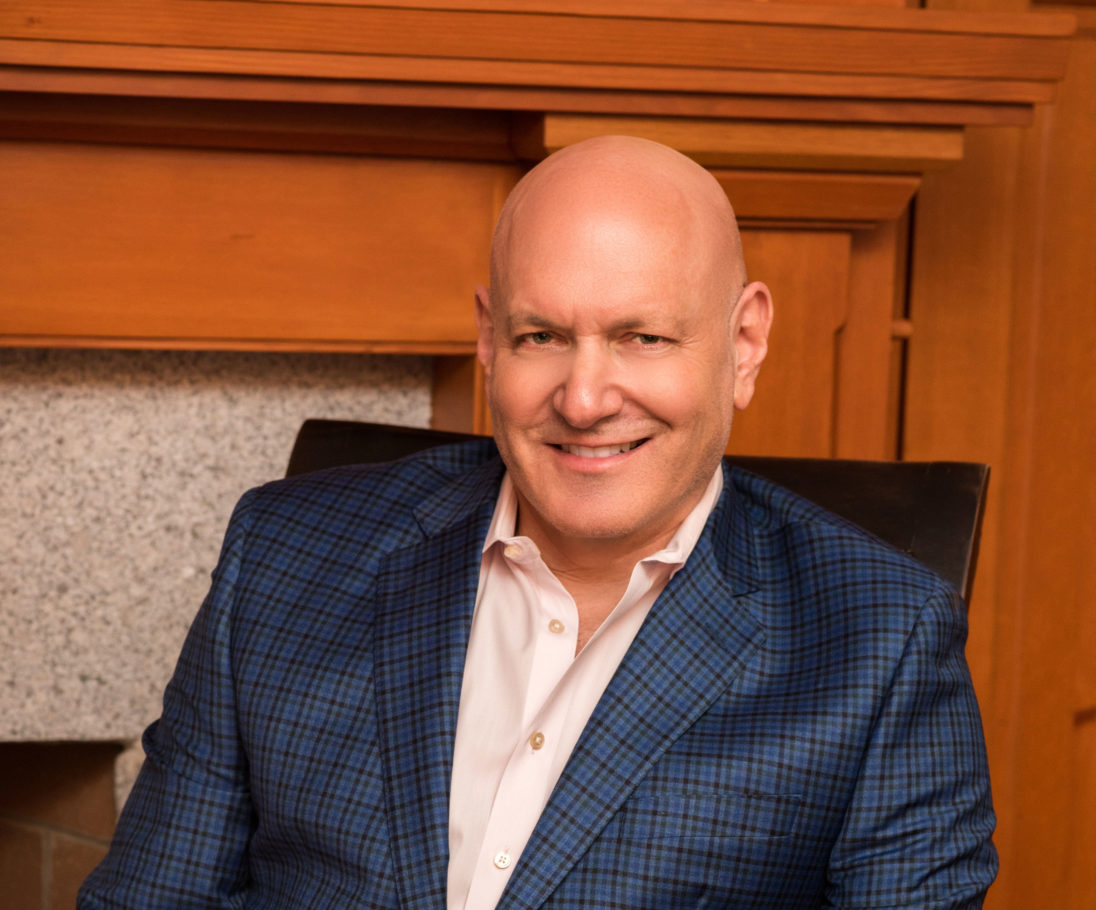
Category : JournalistDocs , LehrerDocs , ProduzentenDocs , SchriftstellerDocs , TV-Doc
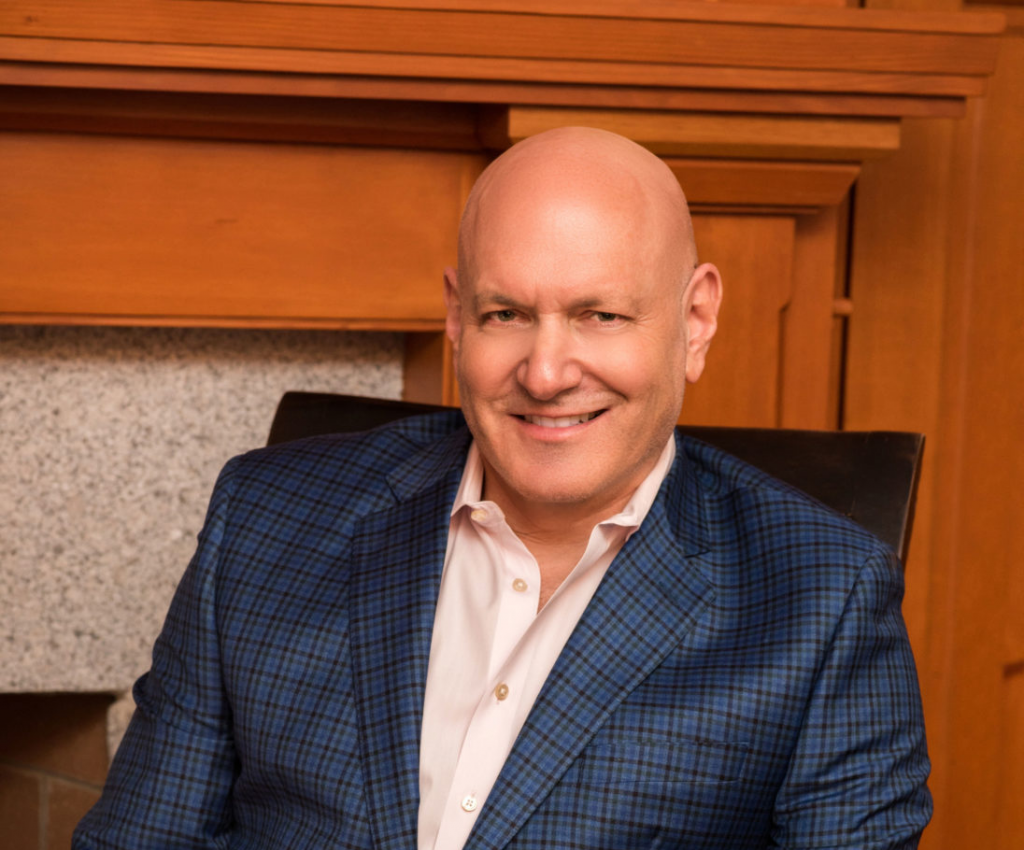
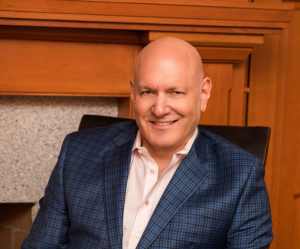
Keith Russell Ablow (* 23. November 1961 in Marblehead, Massachusetts, USA) ist ein amerikanischer Psychiater und Schriftsteller.
Während seines Studiums an der Johns Hopkins Medical School in Baltimore arbeitete er nebenbei freiberuflich für die lokale Zeitung sowie für die Washington Post und Newsweek. Ebenso war er als Redakteur und Produzent für Lifetime Medical Television tätig.
Nach Abschluss seiner Ausbildung war er medizinischer Leiter in verschiedenen öffentlichen Einrichtungen und praktizierte in einer eigenen Klinik in Chelsea (Massachusetts).[1] Daneben schrieb er weiter Artikel für Zeitungen und Zeitschriften und veröffentlichte ab 1989 auch eine Reihe von Sachbüchern zum Thema Psychiatrie.
Größere Bekanntheit erlangte Ablow als psychiatrischer Gutachter bei Gerichtsprozessen, wodurch er auch zum häufigen Gast in Fernsehsendungen wie Oprah und Larry King Live wurde, wo er aktuelle Fälle und Ereignisse kommentiert und analysiert. Seine Popularität verhalf ihm sogar zu einer eigenen Fernsehshow, der Dr. Keith Ablow Show. Die Talkshow, die erstmals am 11. September 2006 gesendet wurde, wurde aber nach wenigen Monaten wieder aus dem Programm genommen, weil die Einschaltquoten die Erwartungen nicht erfüllten.

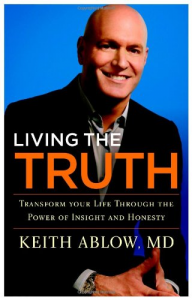





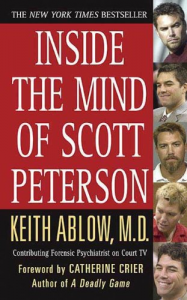
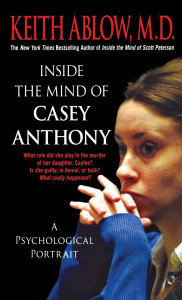
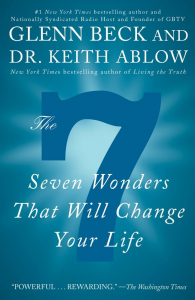
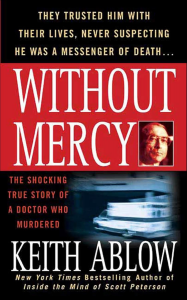
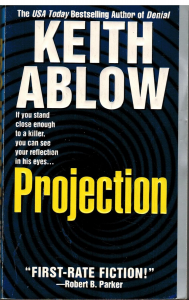
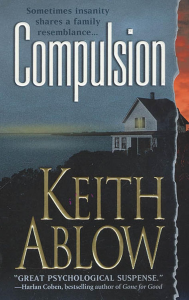
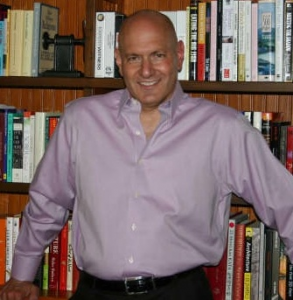
Neben Fachbüchern schreibt Keith Ablow seit 1997 auch an einer Serie von Kriminalromanen. Protagonist seiner Bücher ist der forensische Psychiater Frank Clevenger aus Massachusetts, der beim Lösen seiner Fälle die forensische Psychiatrie nutzt, die ein Fachgebiet von Ablow ist. Bis 2005 sind sechs Romane erschienen, von denen fünf auch auf Deutsch veröffentlicht wurden.
Keith Ablow ist verheiratet, hat zwei Kinder und lebt in der Nähe von Boston.
https://www.youtube.com/@DrKeithAblow1

Category : CarillonDocs
https://medicine.duke.edu/profile/katherine-zhou
What are your interests outside of medicine?
I like to play the carillon. I haven’t made it to the Duke Chapel carillon yet, but I hope to sometime. I also like traveling with family, and watching shows with my fiancé in our free time.

Category : AutoDoc , GewichtheberDocs , MotorradDocs
NOVA: Are you glad you became a doctor?
Tom Tarter: I couldn’t imagine myself doing anything else but what I do. Well, that’s not entirely true—I could be a mechanic. But I do love emergency medicine. I just love it.
Q: I can tell. You light up when you talk about it.
Tom: Yeah.
Q: Can you tell me a little bit about your own health?
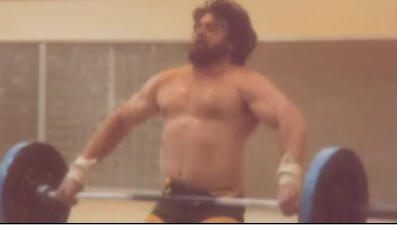
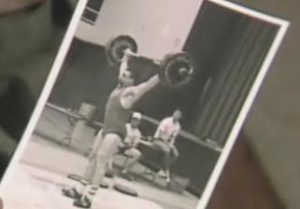
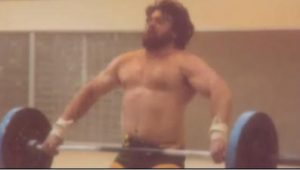
Tom: Sure. I’ve just been running so hard, trying to get my life together, that my health has really gone to hell in a handbasket. For the last three years, I haven’t had any health insurance. I’ve gained a monstrous amount of weight. And I smoke. So these are issues that I really have to address. I’ve had multiple orthopedic procedures for injuries from when I was involved in weight lifting and motorcycles. So I have quite a bit of pain to deal with. But I think everything will get a lot better when I lose 100 pounds and quit smoking.
Q: Why haven’t you had health insurance?
Tom: I couldn’t afford it.
Q: It seems ironic that you’re a physician and not able to afford health insurance.
Tom: Health insurance would cost my family close to $2,000 a month for the four of us. I just can’t do it. Now, my wife just got a job, and we’re gonna be able to get coverage under her policy at work. But I’m kind of like a freelance worker, so I have no insurance, haven’t had it for years.
Q: You must be able to relate to people you see in the hospitals without insurance.
Tom: Yeah. You’ve gotta do what you gotta do to get by. If it’s a choice between paying your mortgage, or getting your house foreclosed, or doing without health insurance, well, we all have to make those choices. I still am living in my house.
Q: Do you think our health-care system is broken?
Tom: The health-care system in this country is a mess. There’s a horrendous amount of waste and abuse on both sides of the line. I’m pretty familiar with both sides. The answer certainly isn’t as simple as just throwing a bunch of money at it. There has to be fundamental change in the way medicine is structured in this country. Really it would be best to throw the whole system out and start from scratch.
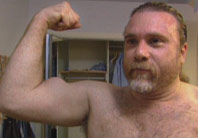
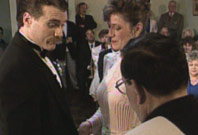
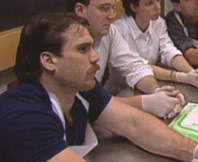
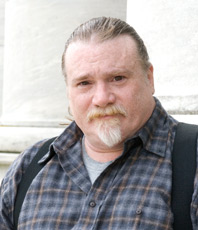
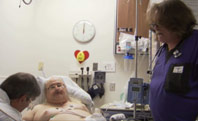
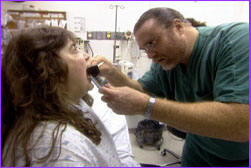
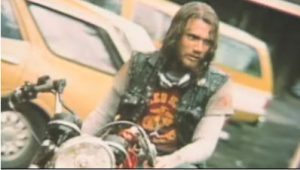
Q: When you were in medical school, you felt like the odd man out. Do you still feel that way as a doctor now?
Tom: Guys like me aren’t supposed to be in medicine. I’m from a poor family, broken home, and I didn’t go to any special schools. I’ve never fit in, really, for that reason. On top of that, I’m a bit of a freethinker.
Q: Has your tendency to challenge the status quo gotten you into trouble?
Tom: Lots of trouble.
Q: Talk about that.
Tom: I’ve gotten into trouble for all kinds of ridiculous things. For instance, I once had a patient who had bad sleep apnea, and on top of that, he had hay fever. He hadn’t slept for days and was virtually at the point of suicide. Well, I asked this nurse for a medication called Afrin, which you can buy at any drugstore. This would open up his sinuses, and he’d be able to sleep. The nurse said, „We don’t have it, and I’m not gonna even look for it.“
I happened to have an unopened bottle of this stuff in my bag. He tried it. It opened up his nose, and he was real happy. But I got read the riot act for giving home-brewed medications that weren’t approved by the hospital.
Basically, they didn’t want me there. I wasn’t the stereotypical doctor, and they wanted me out of there. I’ve had multiple experiences like that.
Q: It must be depressing at times.
Tom: It’s very depressing. [laughs] It is.
„A lot of people just don’t understand that everybody isn’t stamped out of the same cookie cutter…“
Q: Have you tried to conform to fit in?
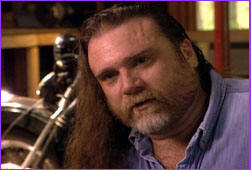
Tom: I’ve done everything—I’ve cut my hair, I’ve worn the white coats, cleaned up my act as much as I possibly can. But there’s just something about me—the way I’ve been raised, the story of my life, the way I think, the way I am. It just says, „This guy isn’t your typical doctor.“
Q: Do you think it’s fair that people in management may judge you on superficial things like your tattoos?
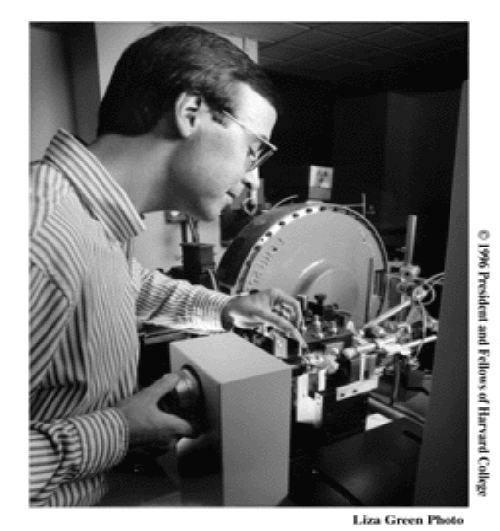
Tom: Well, I don’t think people should judge me by my tattoos, by the way I wear my hair. These people have access to my CV. They see that I graduated from Harvard, that I’ve been working for 15 years as a board-certified, high-trauma emergency doctor. I’ve never been sued, never been named in a case. They see this stuff.
I think part of why the medical community, in general, doesn’t communicate well with the public is because most doctors were hand-selected from upper middle class families. They don’t relate to working-class people and don’t acknowledge working-class people as being worthwhile. You know? If you don’t enjoy golf, if you don’t hate tattoos, if you smoke cigarettes, you’re dirt. And if you think that way, well, you’re not going to like me.
Q: Are you angry?
Tom: I don’t think I’m particularly angry, no. I don’t blame anybody. It hurts and it’s depressing, absolutely.
A lot of people just don’t understand that everybody isn’t stamped out of the same cookie cutter, that people are different and that’s okay. It seems to be less so at my current job—in the VA [Veterans Affairs hospitals], soldiers are much more similar to myself. We seem to understand each other better. I think there’s less of a boundary between the socioeconomic classes, and a lot of the other physicians there were ex-soldiers themselves. So I think it’s a better spot for me. But in the private sector, it’s tough. It is tough.
Q: I’ve seen you with patients. You’re amazing with patients. They really respond to you.
Tom: Yeah, it’s funny. Patients seem to really gravitate towards me. It’s just the administrators and other doctors who sometimes have trouble with me.
Q: In the future, would you like to stay with the VA because it’s a better fit?
Tom: That’s pretty much what I’m thinking. I’ll probably continue working at the VA as long as they want me. And we’ll see.
One thing I like about the VA is we get to spend a decent amount of time with patients. The people who work at the VA, at least where I’m working, really care about giving good health care. These are vets who have served their country, and we want to do a good job of taking care of them.
Q: Are there other things you see ahead in your career?
Tom: I’d like to do some kind of activism. I really would. We live in the greatest country in the world, yet we’re falling apart. I’d love to get involved in some kind of activism, whether it’s in the health-care field or just political activism. I’m an old hippie, and I’ve always wanted to make some kind of positive change.
Q: You would make a great activist.
Q: You were a pretty seasoned doctor when I last saw you here [in Bloomington, Indiana] in 2000.
Tom: Yeah. It took me about 15 years of medical training to really feel comfortable in the emergency department, to feel that I was a competent physician. But I did feel that way, and I do now.
Q: What started to go wrong after I last visited?
Tom: Well, I kind of had two crises going at the same time. My third marriage, of course, did not work out. It was probably a very poorly advised thing for the two of us to get married to start with. And my life in medicine was great in terms of my love of doing it, but it went downhill in other ways.
I had been recruited to what was at the time the only hospital in Bloomington, and after a falling-out with the people who run the emergency department, I no longer was able to work in Bloomington. That put me in a difficult situation, ‚cause I’d bought this house, and I had begun to put down roots here.
„I have a wonderful wife. She’s just absolutely the greatest. I love her like nobody I’ve ever met before.“
Emergency department doctors have to work within the boundaries of a hospital. We don’t have the choice of just opening up a practice. After I left Bloomington Hospital, I took some jobs at hospitals here and there, essentially working for an agency that placed me at different facilities.
Q: So now you are something of an itinerant doctor.
Tom: Right. I’ve been bouncing around, from one job to another, sometimes having to drive four or five hours to get to a job. Currently, I’m taking planes to anywhere from Seattle, Washington to St. Thomas, Virgin Islands just to find work.
Q: Financially, it’s been tough for you. What’s happened to your credit rating?
Tom: Because of some circumstances surrounding the divorce, my credit rating has gone down the toilet, and right now I couldn’t get a credit card from Sears if I wanted to. During the divorce, I was court-ordered by the judge to turn over one of our cars to [my ex-wife]. She was court-ordered to pay the payments on the car and the insurance. Well, she didn’t.
When I heard that the car was impounded, I paid off what was owed and got the car back. I contacted the credit company and said, „Would it be possible to get some kind of forbearance, given that I was court-ordered to give this car to this woman?“ They said, „No, it’s going on your credit score.“ That set up a spiral where my credit has just gone so far down the toilet it’s laughable.
Q: Did you imagine when you were in med school that you might be in this place financially after you became a doctor?
Tom: I never expected that I would be almost as broke as I was before I went to medical school and possibly looking at bankruptcy. It blows my mind completely.
Q: Do you think that most emergency departments are managed with too much of a business mentality?
Tom: The doctors who run these groups [that have contracts to manage emergency departments] have become businessmen. They’ve adopted models of how medicine should be practiced based on corporate models.
They measure how well their business is doing like McDonald’s would. They issue questionnaires on patient satisfaction. Actually, they stop calling patients „patients.“ They refer to them as customers. They talk about customer satisfaction. Well, unfortunately, medicine doesn’t fit that paradigm. You cannot use the same paradigm for selling hamburgers as for taking care of an ill patient.
You’re not always making people happy when you’re making them healthy. Sometimes you’re pissing them off. So these tools to measure patient satisfaction don’t measure the quality of the health care. Here’s a basic example: Every emergency physician deals with a patient who abuses prescription pain medicines, who is trying to get pain medicine to use or sell. If you say, „We’re not gonna give you narcotics,“ this person blows a fit. When this person gets his exit questionnaire, and it says, „Are you happy with the care you got?“ he’s gonna say no.
So these questionnaires can encourage physicians to do bad things-—give narcotics when they’re not warranted, give unnecessary antibiotics, order too many tests. Ordering lots of tests makes everybody happy, because you can bill more. These are all things that corporate emergency medicine encourages. And if you try to buck that system, you’re gone. You’re toast. You’re history.
Q: Do you think emergency departments are a particularly troubled part of the health-care system?
Tom: What’s happening in emergency medicine is really very dire, and there isn’t much appreciation for it. A lot of people don’t even know how emergency departments are run. They think that doctors from the hospital fill shifts, which hasn’t happened since the 1970s.
Q: Knowing what you do now about emergency medicine, would you go down this path again?
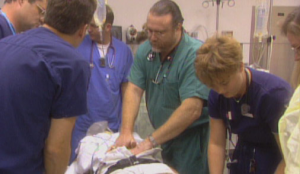
Tom: You bet I’d do it all over again. I love emergency medicine. I love it. I wouldn’t want to do anything else. I know that when somebody walks into my emergency department, no matter what’s wrong with them, I can give them their best shot at getting better. I wouldn’t trade that for the world.
Q: When you can’t save someone, how does it feel to have to tell their loved ones? Have you dealt with death so much by this point in your career that it feels normal?
Tom: It never feels normal or okay to inform someone that their loved one’s died or to inform someone that they have a terminal illness. It’s a horrible thing to do. I empathize with their pain, and I’d rather stick hot pins in my eyes than tell somebody that their life mate has died. Unfortunately, someone has to do it, and often that’s me. So I try to do it in the most compassionate way that I can.
„You take what life gives you. If I had a magic wand that could change it, believe me, I would.“
Q: Given all the difficulties in your life, are there still things for which you’re thankful?
Tom: I have a wonderful wife. She’s just absolutely the greatest. I love her like nobody I’ve ever met before. She’s so hardworking and level-headed and smart. She doesn’t even know how smart she is, how much insight she has. She’s just fantastic.
We live in a beautiful town. We have this beautiful land and beautiful house. I’m very grateful for all those things—I’m just afraid they’re all going to get taken away. Well, they’re not going to take away my wife, but we could end up living in refrigerator boxes. We always kid about that.
Q: How do you feel about participating in this series, our following you for 21 years?
Tom: I really am very happy to have done it. It’s been very therapeutic, allowed me get a lot of things off my chest. It’s almost like analysis or something.
Q: What would you say to a young person who thought he or she wanted to be an emergency-medicine doctor?
Tom: There’s a lot to think about. You can definitely get a better return for less investment working in other fields of medicine. You can do something like become a physician’s assistant or a certified nurse anesthetist. You don’t have to sell your soul for half your life to get there. So I advise people to strongly consider that they’re going to have to work very hard for many, many years for very little pay. They may have to borrow money for a good part of it, come out in debt. It’s a tough road.
Q: If you could do some things in your life differently, what are some of the life lessons you’ve learned?
Tom: Watch out for adjustable-rate mortgages, watch out for cars that don’t get good gas mileage. I don’t know. Try to smell good all the time. That’s about it.
Q: You have been under such stress in the last few years. I can’t even imagine it. It must be exhausting.
Tom: Yeah, but you take what life gives you. If I had a magic wand that could change it, believe me, I would. My wife and I constantly brainstorm to try to think of ways to turn things around. We’re doing the best we can. If anybody has a better idea, write to Tom Tarter, care of WGBH, and let me know. [laughs] I’m open for suggestions.
Category : AutoDoc
Wolfgang,
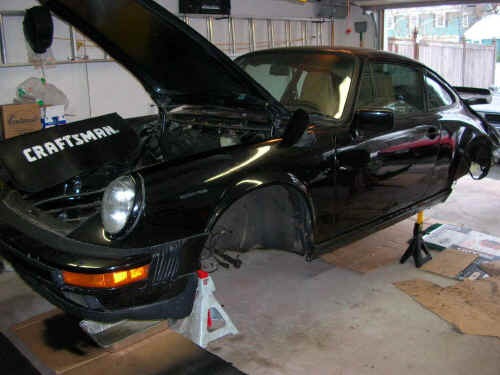
Ich habe mir die auf Ihrer Website aufgelisteten Hobbys gerne angesehen. Die meisten sind anspruchsvoller als meine. In den letzten Jahren habe ich ein altes Hobby aus meiner vergeudeten Jugend wieder aufgegriffen, das man treffender als „Schmier-Doc“ bezeichnen könnte. In meiner Freizeit restauriere ich alte Porsche 911 (Fotos im Anhang) und finde die handwerkliche Arbeit sehr entspannend.
Mit freundlichen Grüßen
Tom


Category : (Wasser-)SkiDocs , ComputerDocs , ReiseDocs , SchriftstellerDocs , SegelDocs , WandererDocs
Brief Autobiography
Copyright © 1998-2002 by
Eric Schendel, M.D. (Reproduced with permission)
Hallo! Ich bin Eric Schendel, Inhaber von The Lifestyle Doctor. Ich bin persönlicher Technologieberater und zeige Menschen, wie sie erfolgreich von zu Hause aus am Computer ein Unternehmen führen können. Hier ist eine kurze Zusammenfassung meines Werdegangs und meiner Interessen.
Meine Familie zog nach Mexiko, als ich sieben war, und wir lebten dort elf Jahre, die meiste Zeit in der kleinen Stadt San Miguel de Allende. Zurück in den USA ließen wir uns in Texas nieder, wo ich die High School abschloss, studierte und Medizin studierte. 1984 entdeckte ich meine Leidenschaft für Computer und deren Potenzial für die medizinische Praxis. Mein erster Computer war ein KayPro II, mein zweiter ein PC-Klon von Heath. Er wurde als Bausatz geliefert und musste zusammengebaut werden – ich musste sogar die Komponenten auf die Platinen löten! Später arbeitete ich in einer Vertretungsagentur, um in Bioingenieurwesen mit Schwerpunkt computergestützte medizinische Diagnostik zu promovieren. Jetzt bietet mir Big Planet die Möglichkeit, mein Computerwissen und meine Leidenschaft für Technologie mit anderen Menschen zu teilen.
Ich lebe mit meiner Frau Fionnuala und unserem Sohn Keith in Seattle.
Zu meinen Freizeitinteressen zählen Schreiben, Skifahren, Segeln, Wandern und Reisen.
Category : SchriftstellerDocs , SpirituelleDocs , TV-Doc
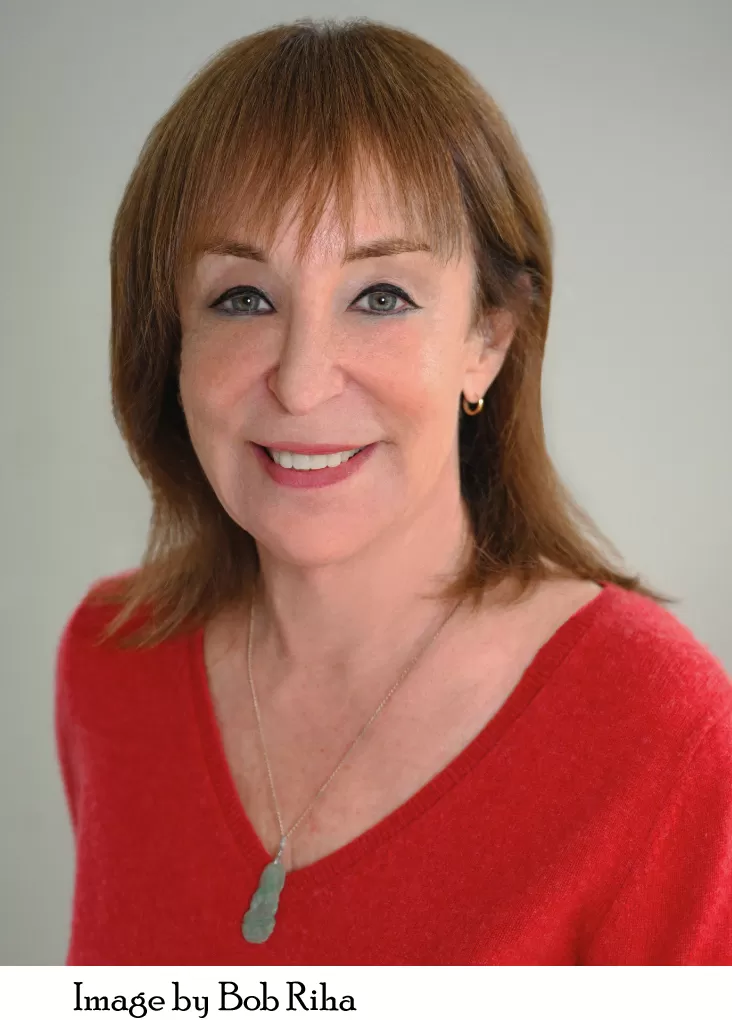
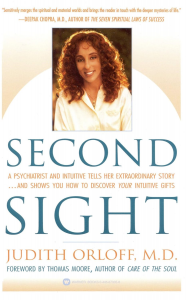
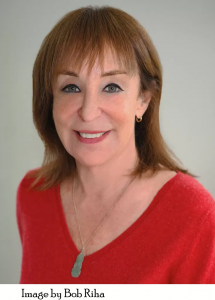
Judith Orloff (geboren am 25. Juni 1951) ist eine amerikanische staatlich anerkannte Psychiaterin, selbsternannte Hellseherin (Übersinnliches) und Autorin von fünf Büchern.
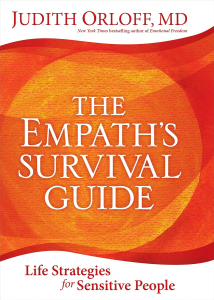
Judith Orloff MD ist die New York Times-Bestsellerautorin von „The Genius of Empathy“ und „The Empath’s Survival Guide“. Ihr demnächst erscheinendes Kinderbuch „The Highly Sensitive Rabbit“ hilft sensiblen Kindern, ihre empathischen Gaben als Stärke zu begreifen. Dr. Orloff ist Psychiaterin, Empathin und intuitive Heilerin und Mitglied der Fakultät für Psychiatrie und Klinische Medizin der UCLA. Sie verbindet die Perlen der traditionellen Medizin mit modernstem Wissen über Intuition, Energie und Spiritualität und glaubt leidenschaftlich an die Kraft, die die Integration dieser Weisheit für umfassendes Wohlbefinden bringt.
Dr. Orloff wird als „Patin der Empathie-Bewegung“ bezeichnet. In ihrer Privatpraxis ist sie auf die Behandlung von Empathen und hochsensiblen Menschen spezialisiert. Über Dr. Orloffs Arbeit wurde in der Today Show, bei CNN, im Oprah Magazine, in der New York Times und in USA Today berichtet. Sie hielt Vorträge bei der American Psychiatric Association, beim Most Powerful Women‘s Summit des Fortune Magazine, bei Google, TEDx U.S. und TEDx Gateway Asia. Das New England Journal of Medicine schreibt: „Dr. Judith Orloff berät Ärzte dabei, ihre intuitiven Fähigkeiten zu verbessern. Ihre einfache, aber kraftvolle Botschaft lautet: ‚Hören Sie Ihren Patienten zu.‘“
https://drjudithorloff.com/about-dr-orloff
https://en.wikipedia.org/wiki/Judith_Orloff
https://www.youtube.com/@JudithOrloffMD
https://www.instagram.com/judith.orloff.md/?hl=de










Category : KunstDocs , PhilosophieDocs , SchriftstellerDocs , SpirituelleDocs
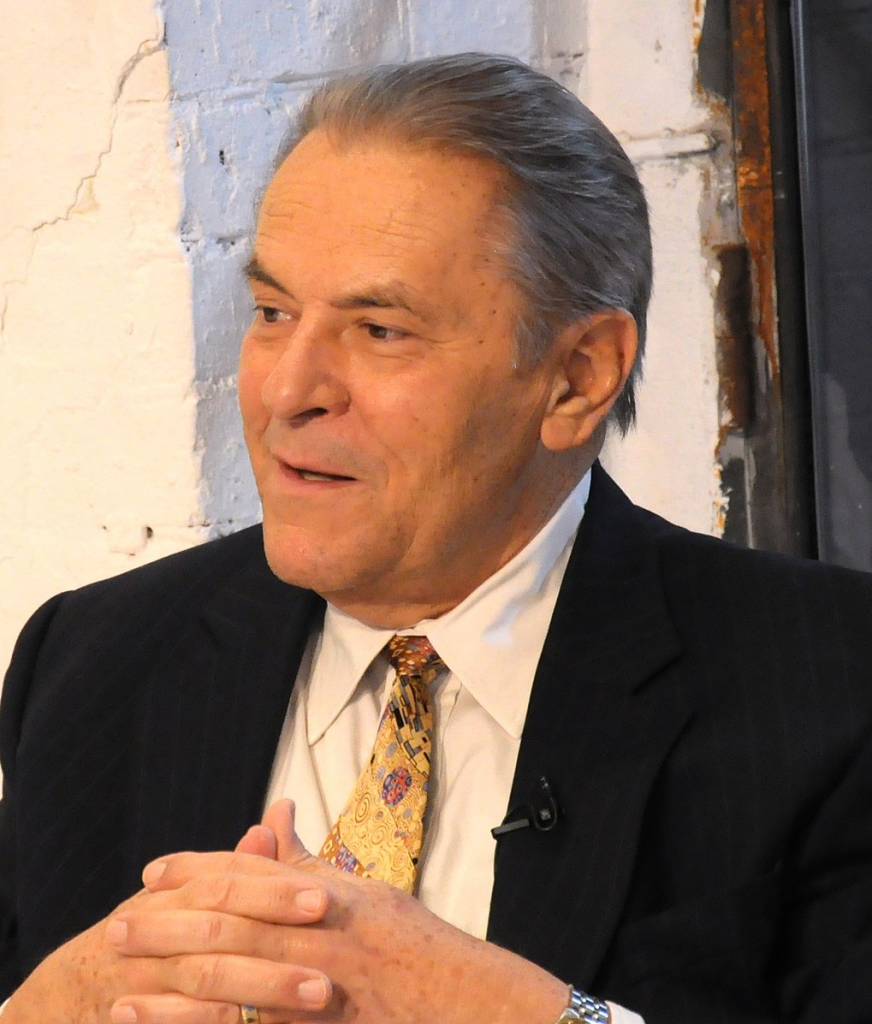
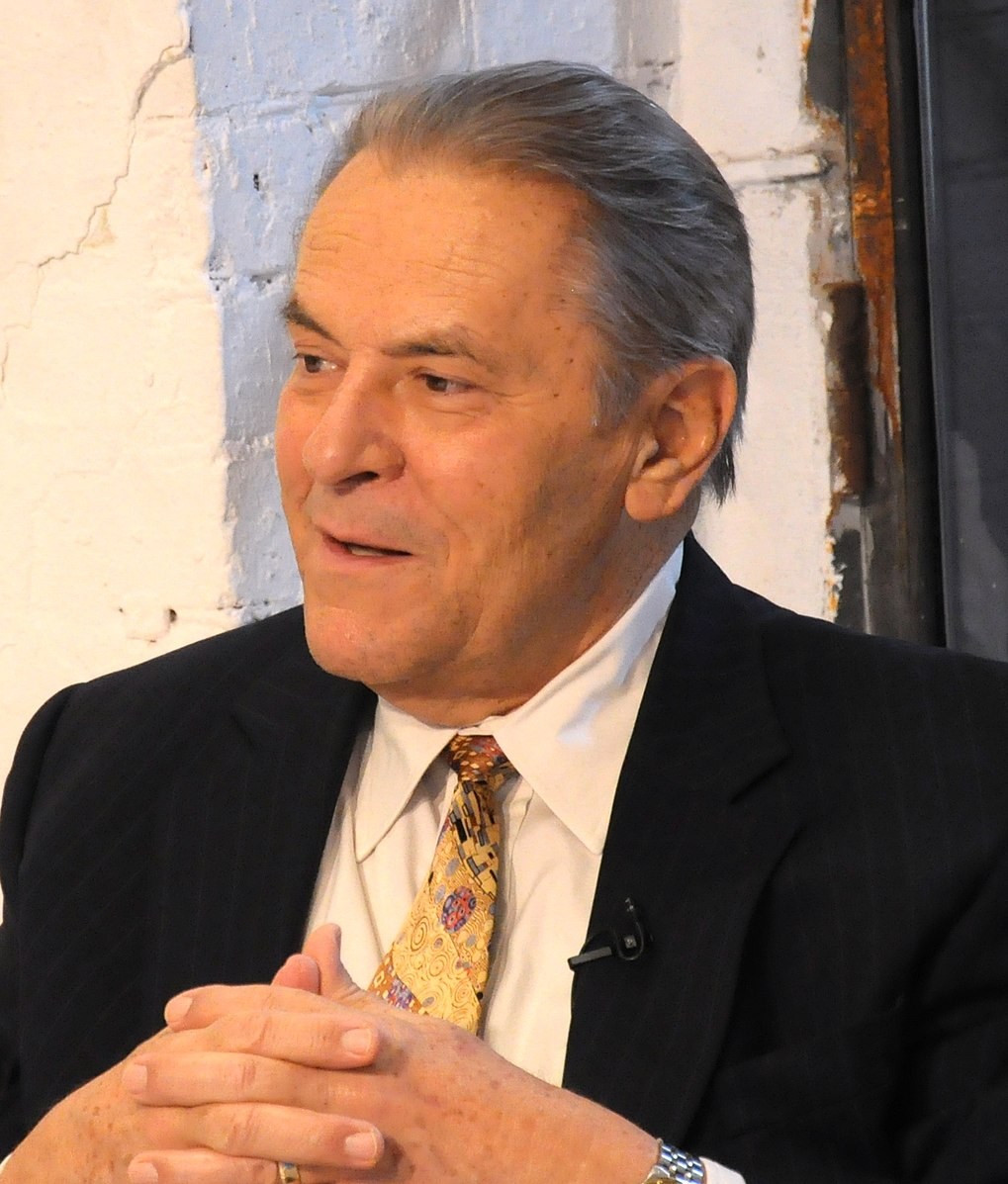
Stanislav Grof (* 1. Juli 1931 in Prag) ist ein tschechischer Psychiater, Psychotherapeut und Vertreter der psycholytischen Psychotherapie. Er rief 1978 zusammen mit den Gründern des Esalen-Instituts, Michael Murphy und Dick Price, die ITA (International Transpersonal Association) ins Leben und gilt als einer der Begründer der transpersonalen Psychologie. In ihr werden neben humanistischen Aspekten auch religiöse und spirituelle Erfahrungen berücksichtigt.
Stanislav Grof studierte an der Karls-Universität in Prag Medizin und Medizinphilosophie.[1] Bei seiner Arbeit am psychiatrischen Forschungszentrum in Prag erforschte er die Wirkung psychedelischer Substanzen (unter anderem LSD) bei Patienten und an sich selbst. Im Rahmen des wissenschaftlichen Interesses in den 1950er und 1960er Jahren verwendete Grof LSD in seiner Forschung als Mittel zum Hervorrufen so genannter Modellpsychosen in der Absicht, auf diese Weise Erkenntnisse über Psychosen im Allgemeinen zu finden. Nachdem die Einnahme von LSD auch zu Forschungszwecken in vielen Ländern verboten wurde, entwickelte Grof zusammen mit seiner zweiten Frau, Christina Grof, geborene Horner (1941–2014) die Technik des holotropen Atmens zur Therapie von psychischen, psychosomatischen und psychiatrischen Störungen.
Im Jahr 1967 nahm er ein zweijähriges Forschungsstipendium an der Johns-Hopkins-Universität in Baltimore an und blieb anschließend in den USA. Er war Leiter des Psychiatrischen Forschungszentrums in Maryland und Assistenzprofessor für Psychiatrie an der Universitätsklinik der Johns-Hopkins-Universität.[1] 1972 schloss er eine kurze Ehe mit der Anthropologin Joan Halifax. Von 1972 bis 1975 arbeitete er mit ihr am Maryland Psychiatric Research Center mit sterbenden Krebspatienten. Sie veröffentlichten 1977 das Buch The Human Encounter With Death.[3]
Von 1973 bis 1987 unterrichtete und forschte er am Esalen-Institut in Big Sur in Kalifornien. Grof hat sich immer wieder als Befürworter der Legalisierung psychedelischer Substanzen ausgesprochen und ist ein Gegner der Prohibition von Drogen. Als Mitbegründer war er von 1978 bis 1982 auch der Vorsitzende der International Transpersonal Association.
2016 heiratete Stanislav Grof erneut. Er wohnt mit seiner Frau seitdem abwechselnd in Mill Valley (Kalifornien) und Wiesbaden, wo er zunächst weiterhin an Vorlesungen und Seminaren arbeitete.[4] Im Jahr 2018 erlitt er einen, u. a. sein Sprachzentrum beeinträchtigenden Schlaganfall, in dessen Folge er seine berufliche Tätigkeit nahezu vollständig einstellte





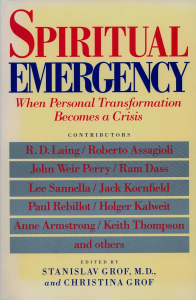

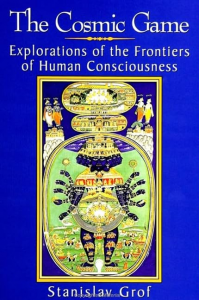





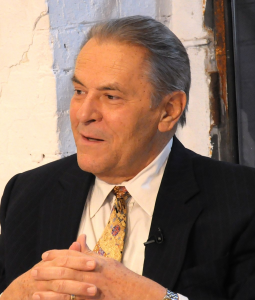
Bilder | Pictures Stanislav Grof
Category : KinofilmDocs , KomponistenDocs , PianistenDocs , RegisseurDoc , SchriftstellerDocs , TV-Doc
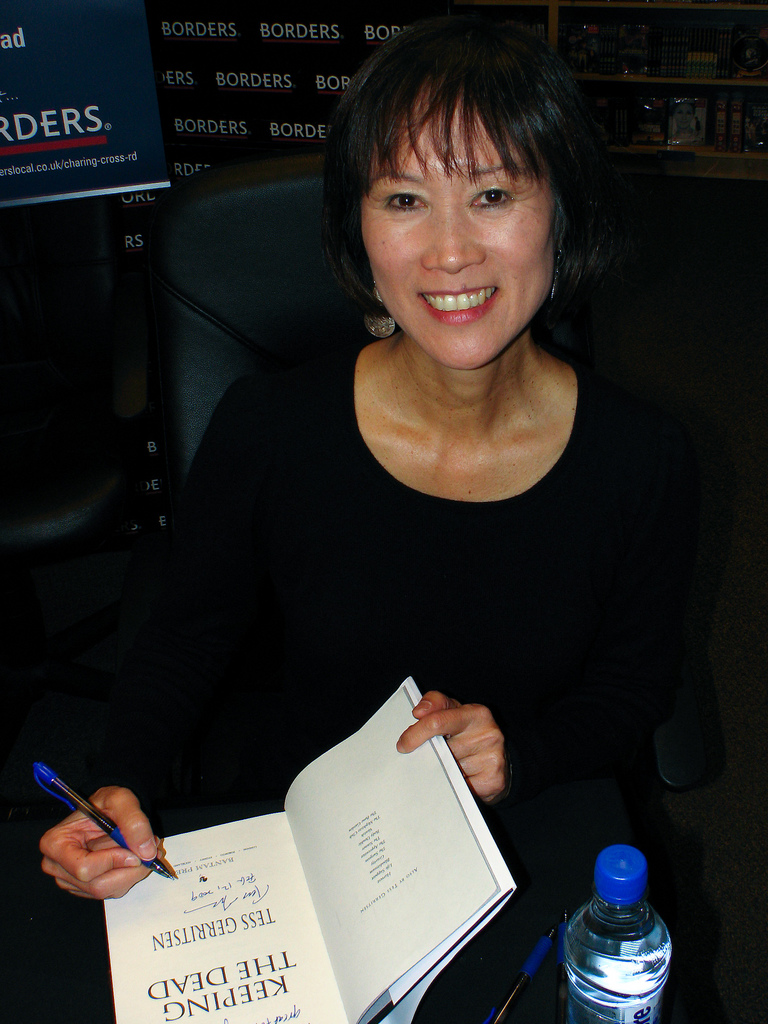
Tess Gerritsen (* 12. Juni 1953 in San Diego, Kalifornien) ist eine US-amerikanische Schriftstellerin. Ihren internationalen Durchbruch erreichte sie 1996 mit dem Thriller Kalte Herzen.[1] Die Fernsehserie Rizzoli & Isles auf TNT und VOX basiert auf der Reihe Maura Isles & Jane Rizzoli von Gerritsen.
Tess Gerritsen wuchs in San Diego (Kalifornien) auf und studierte Medizin an der Stanford University und University of California in San Francisco.[3] 1979 legte sie ihr Examen ab und war anschließend als Internistin in Honolulu (Hawaii) tätig.[4] Während der ersten Schwangerschaft entschied sich Gerritsen, zunächst nicht mehr als Ärztin zu arbeiten, sondern sich um die Erziehung der Kinder zu kümmern.[5] Gleichzeitig begann sie mit dem Schreiben und reichte eine Kurzgeschichte für einen Literaturwettbewerb ein, für die sie mit dem ersten Preis ausgezeichnet wurde.[4] Unter dem Titel Call after Midnight erschien 1987 ihr erstes Buch, anschließend folgten acht weitere romantische Thriller.[6] Außerdem schrieb Gerritsen das Drehbuch für Adrift, das 1993 vom Fernsehsender CBS als Movie of the Week vorgestellt wurde.
In den folgenden Jahren wechselte Gerritsen in das Medizin-Genre, was eine Verbindung zu ihrer früheren Tätigkeit darstellt.[8] Ihren internationalen Durchbruch erreichte Tess Gerritsen mit Harvest (deutscher Titel: Kalte Herzen) im Jahr 1996.[1] Der Thriller handelt von der Ärztin Abby, die bei ihrer Tätigkeit in der Klinik erkennen muss, dass transplantierte Organe aus dubiosen Quellen stammen.[9] Nach eigener Aussage waren die Erzählungen eines pensionierten Polizisten über den Organhandel in Russland maßgeblicher Anlass für die Geschichte.[10] Harvest erreichte eine Platzierung auf der Bestsellerliste der New York Times,[11] Gerritsen verkaufte die Filmrechte an Paramount Pictures beziehungsweise Dreamworks.[4] Beobachter stuften das Buch und die folgenden Werke als Pathologenkrimi ein, in denen insbesondere die Rolle der Gerichtsmedizin betont werde.[12] Nach Harvest veröffentlichte Tess Gerritsen diverse weitere Werke dieses Genres wie zum Beispiel Life Support (deutsch Roter Engel) oder Bloodstream (deutsch Trügerische Ruhe), von denen bis Frühjahr 2014 insgesamt über 25 Millionen Exemplare in 40 Ländern verkauft wurden.
2004 begründete Gerritsen mit Die Chirurgin (englischer Originaltitel: The Surgeon) die sogenannte Rizzoli & Isles-Reihe. Der erste Band handelt von einem Triebtäter, der seine Opfer vor der Ermordung einem gynäkologischen Eingriff unterzieht.[13] Der Thriller wurde wie ihre vorhergehenden Bücher ebenfalls zum Bestseller.[14] Im Zentrum der Handlung der Reihe stehen die Kriminalbeamtin Jane Rizzoli und Gerichtsmedizinerin Maura Isles,[5] wobei die Werke von Gerritsen Grundlage für die Fernsehserie Rizzoli & Isles von Warner Bros. Television waren.[15] Im Frühjahr 2014 wurde bekannt, dass Gerritsen vom US-amerikanischen Studio Warner Bros. weitere Einnahmen aus dem Kinofilm Gravity forderte. Sie hatte die Rechte an ihrem Buch Gravity bereits 1999 an eine Produktionsgesellschaft von Warner abgetreten. Allerdings wurden öffentlich Zweifel geäußert, ob der Film wirklich auf dem Buch von Gerritsen basierte.[16] Gerritsen hat dennoch Klage vor dem US-Bezirksgericht in Los Angeles eingereicht.[17]
Gerritsen lebt heute in Camden (Maine) und hat zwei Kinder.[1] Eigenen Angaben von 2011 nach möchte sie nicht mehr in ihren früheren Beruf als Ärztin zurückkehren.

