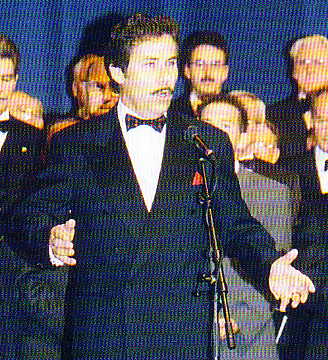
Heinz Knittel
Category : SängerDocs
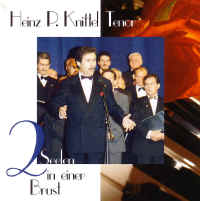
Heinz Knittel sang regelmäßig mit dem Deutschen Ärzteorchester.
Er veröffentlichte eine schöne CD mit Literatur für seine lyrische Tenorstimme.
Neue Casinos Betrugstest Jede Rolle erhält bei jeder Drehung zufällig unterschiedliche Boni am unteren Rand ihrer Rolle. Online Casino Schnell Drehen Beat the Heat Slots ist sowohl in Online- als auch in landbasierten Casinos verfügbar. Kostenlos Spielen Ted Megaways Freispiele Ohne Einzahlung
Category : SängerDocs
Heinz Knittel sang regelmäßig mit dem Deutschen Ärzteorchester.
Er veröffentlichte eine schöne CD mit Literatur für seine lyrische Tenorstimme.
Category : SängerDocs
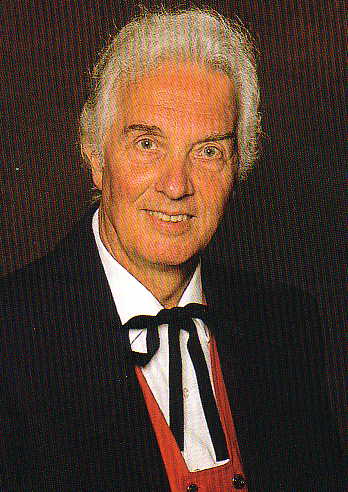
Er sang gerne regionales Pfälzerisches Liedgut.
Category : BenefizDocs , ChorDocs , OrgelDocs , PianistenDocs , SammelDocs , SängerDocs
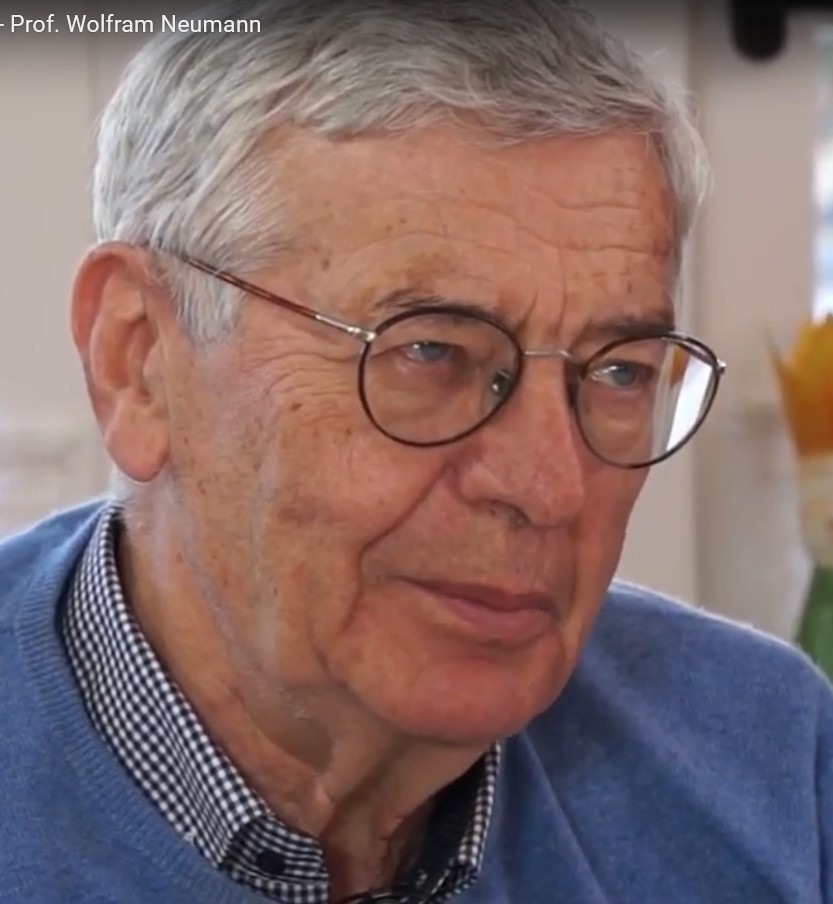
Wolfram Neumann ist Sänger im Orthopädischen Gesangsquartett, Pianist und Organist.
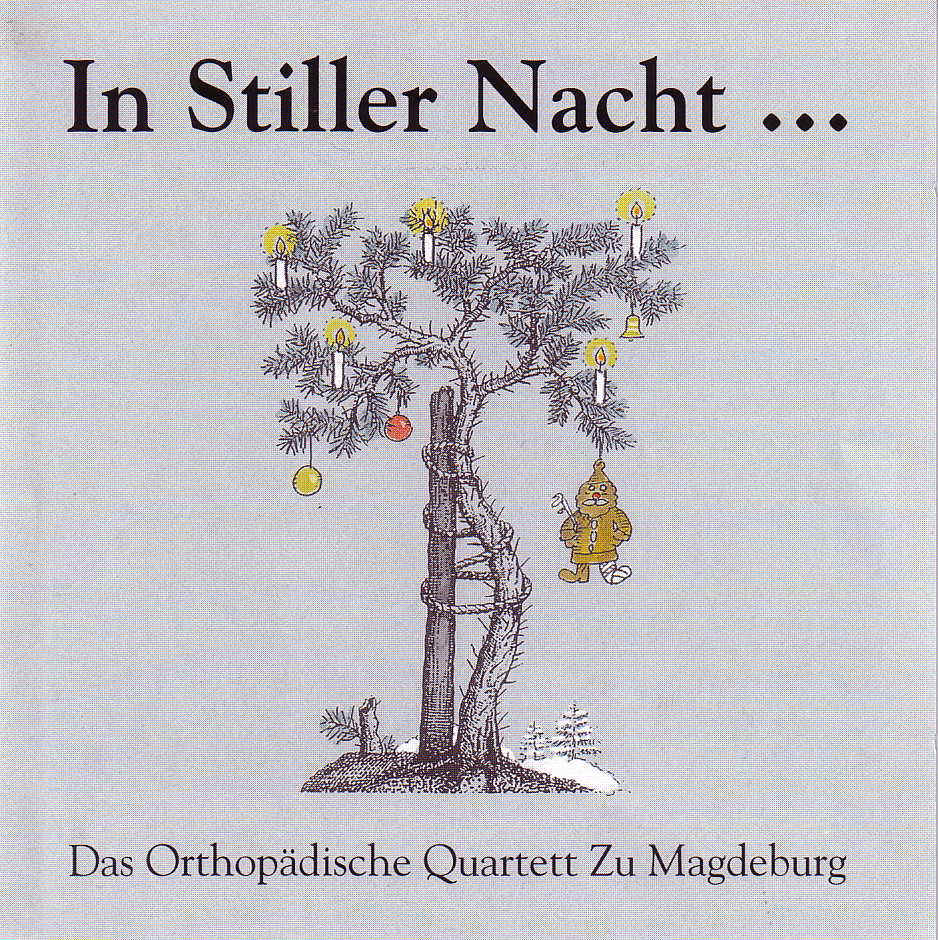
Die CD „Der größte Arzt“ und eine Weihnachts-CD gibt es vom Gesangsquartett.
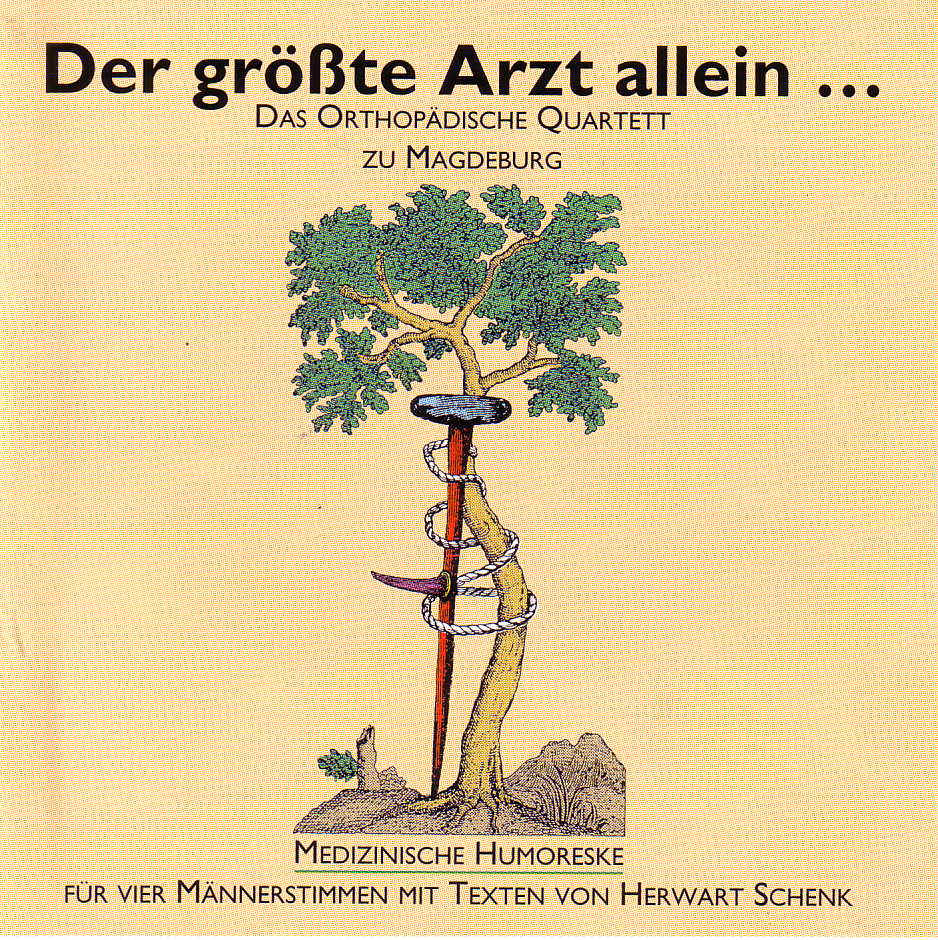
They brought out this CD, another one „Der größte Arzt“ and a Christmas CD!
1. Tenor: Wolfgang-Christian Baltzer
2. Tenor: Dr. med Martin Röpke
1. Bass: Dr. med. J.-Christian Wolter
2. Bass: Prof. Dr. med. Wolfram Neumann
Interview mit Wolfram Neumann:
im Interview erwähnt er seine Sammlung und seine Stiftung.

Category : SängerDocs
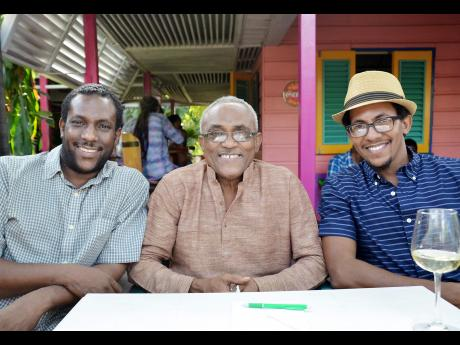
ist Reggae-SängerDoc mit großer Ausstrahlung. Er studierte an der Berkley-Musikhochschule Gesang und verfolgt außer seiner ärztlichen Tätigkeit eine Gesangskarriere.

Reichlich Videos auf seinem youtube-Account und Informationen auf seiner Webseite:
Mario Guthrie, der Arzt, der Sänger
Veröffentlicht: Montag | 29. Januar 2007, Tesi Johnson, Gleaner Writer
Dr. Mario Guthrie hat seine medizinische Karriere unterbrochen, um am Berkelee College of Music Gesang und Musikbusiness/-management zu studieren. – Beitrag
Dr. Mario Guthrie hat eine für viele irrationale Entscheidung getroffen und seine medizinische Karriere unterbrochen, um seiner Leidenschaft – der Musik – nachzugehen.
Dr. Guthrie, Mitte zwanzig, war zuletzt als Notarzt im Bustamante Children’s Hospital tätig und studiert heute am Berklee College of Music in Boston, Massachusetts. Berklee, die größte unabhängige Musikhochschule der Welt, hat Musikikonen wie Quincy Jones hervorgebracht. Anfang des Monats begann Guthrie sein Studium für einen Doppelabschluss in Gesang und Musikbusiness/-management.
„Warum sollte er jetzt Musik machen? Seine Eltern müssen enttäuscht sein. Was wird aus der Medizin? Wird er es schaffen?“ Mit diesen Fragen und Kommentaren musste sich Dr. Guthrie seit seinem Studium an der Berklee University auseinandersetzen.
Doch wie er selbst sagt: „Wenn einen die Musik erst einmal gepackt hat, kommt man nicht mehr davon los.“
Die Entdeckung seiner Leidenschaft
Der Arzt sammelte seine ersten Bühnenerfahrungen als Kind an der Mona Preparatory School und trat dort im Schulchor auf. Seinen ersten Soloauftritt gab er mit 13 Jahren mit den „Choir Boyz“, während er das Campion College besuchte.
Doch erst ein Jahr vor dem Medizinstudium entdeckte er seine wahre Leidenschaft.
In diesem Jahr wechselte er ins Theater und trat mit der Jamaica Musical Theatre Company (JMTC) auf. Er wirkte unter anderem in der Produktion „König der Löwen“ mit und spielte „Daniel“ in der limitierten Produktion der Kompanie von „Once on this Island“.
Als er mit dem Medizinstudium begann, ließ seine musikalische Begeisterung etwas nach, „aber das Auftreten hat mich schon immer gereizt“, sagt er.
Dr. Guthrie trat weiterhin auf, wann immer er konnte, und sang mit den University Singers und zusammen mit seinen Kollegen in Produktionen seiner Fakultät.
Nach Abschluss seines Medizinstudiums bekam Dr. Guthrie endlich die Chance, seinem Drang nach Musik nachzugehen, und trat bald mehrfach als Backgroundsänger für lokale Künstler wie Benjy Myaz, Alaine und sogar beim Air Jamaica Jazz and Blues Festival 2006 mit der Rocky Five Band auf.
Diese Erfahrungen, gepaart mit dem Vorschlag seines Gesangslehrers, sich in Berklee umzusehen, veranlassten ihn, sich zu bewerben.
Anfang 2006 reiste er im Rahmen seiner Bewerbung nach Boston, um an einem Vorsingen teilzunehmen, und Ende März erhielt er die Zusage.
Musikmanagement
Das Gesangsstudium war für den Tenor eine logische Weiterentwicklung. Der gute Doktor hat jedoch auch eine Vorliebe für Musikmanagement, die nach seiner ersten Live-Produktion deutlich wurde.
„Live On-stage“, Dr. Guthries Idee, deren Thema „Live-Musik auf der Theaterbühne“ war, fand im November 2006 im Philip Sherlock Centre for the Performing Arts der University of Wisconsin in Mona statt. Die Veranstaltung präsentierte Künstler wie Benjy Myaz, Brahyhan Art, Camar und Elan Edwards und kam teilweise dem Mona Rehabilitation Centre zugute.
„Idealerweise würde ich gerne Plattenkünstler werden, aber ich halte mir die Zukunft offen, falls es nicht klappt“, sagt er.
Kein Aufgeben
Trotz dieses neuen Studiengangs betont Dr. Guthrie: „Ich gebe die Medizin nicht auf. Ich stelle meine Leidenschaft an erste Stelle“, fährt er fort – eine Entscheidung, die viele Eltern sicherlich missbilligen würden.
Seine Eltern, Frau Marguerite und Dr. Wendel Guthrie, unterstützen ihn sehr, wie der junge Dr. Guthrie selbst beschreibt.
„Eltern haben oft ihre eigenen Vorstellungen von ihren Kindern, aber meine unterstützen mich“, sagt er. Diese Unterstützung zeigt sich darin, dass sie sein Musikstudium teilweise finanzieren.
Einflüsse
Die Familie Guthrie war für den jungen Mario stets ein Fels in der Brandung. Seinen größten Einfluss nennt er seinen älteren Bruder Wayne.
„Als ich jünger war, habe ich nicht viel Musik gehört“, erklärt Dr. Guthrie. „Mein Bruder [Wayne] hat viel Musik gehört“, und das war der Auslöser für Marios Leidenschaft für die Bühne.
Wayne Guthrie genießt Musik, indem er neben seiner normalen Arbeitszeit als Discjockey arbeitet.
„Wohin ich auch gehe, ich nehme ihn mit, und er tut dasselbe für mich“, erklärt Mario.
Vorerst wird sich Dr. Guthrie darauf konzentrieren, in seiner musikalischen Disziplin zu brillieren, um eines Tages ein erfolgreicher Musiker zu werden und gleichzeitig weiterhin als Arzt zu praktizieren.
Daher kann Dr. Guthrie darauf zählen, immer als „der singende Doktor“ bezeichnet zu werden, obwohl er versucht, beides zu trennen.
Category : SängerDocs
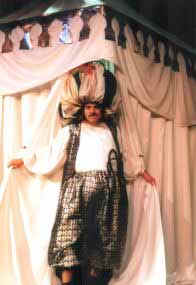
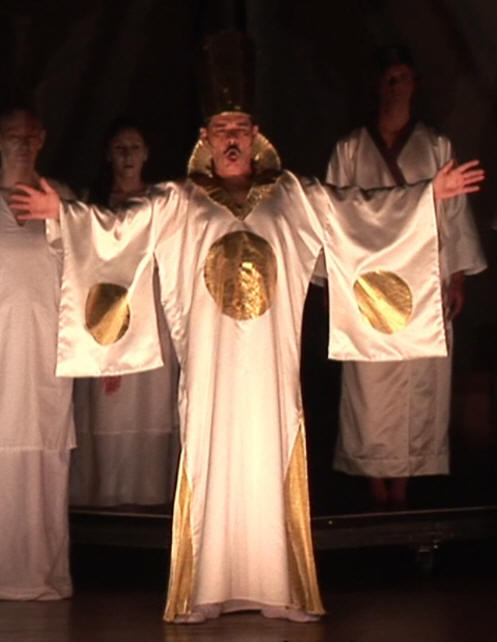
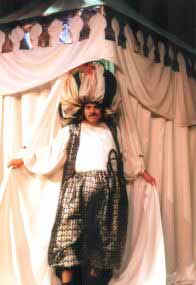
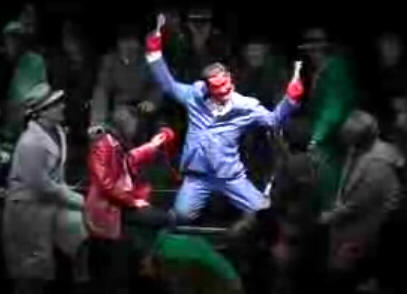
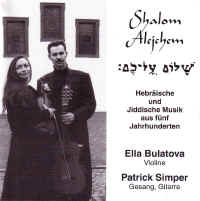
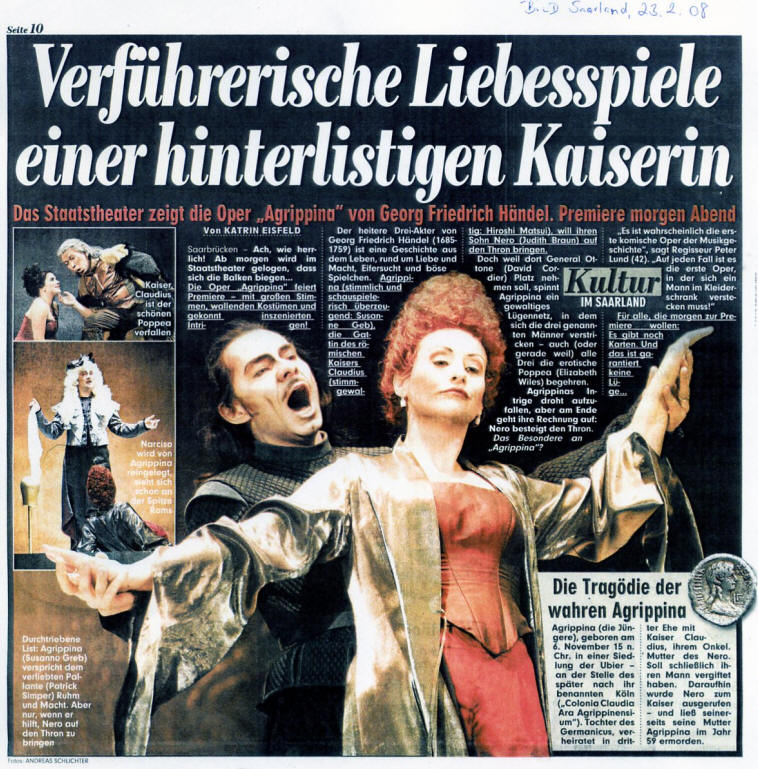
Patrick Simper ist Apotheker aber mehr noch freischaffender Solo-Bass-Sänger mit internationalem Ruf.
Neben vielfachen Engagements an großen Opernhäusern wirkte er auch bei der Zauberflötenproduktion des weltgeschichtlich ersten Ärzte-Opernensembles mit: PDO – Philharmonic Doctors Opera
Category : SängerDocs
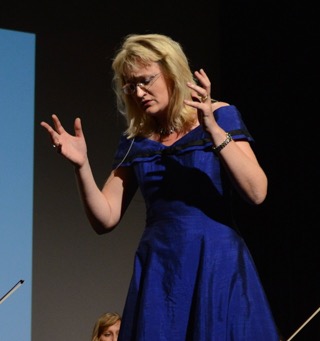
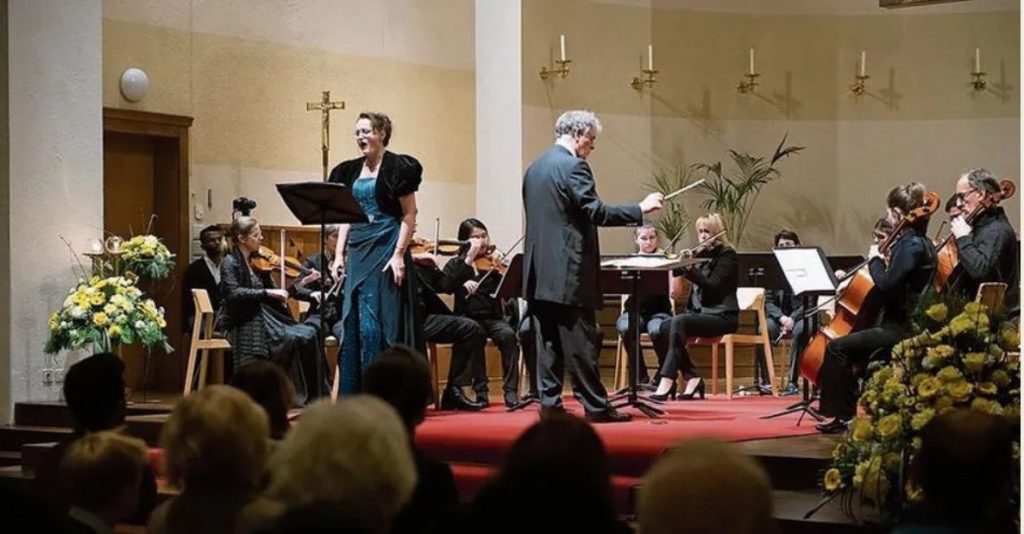
Kamila Dudova ist in der Tschechischen Republik geboren und aufgewachsen. Ab dem 17. Lebensjahr erhielt sie Gesangsunterricht. Sie studierte anschliessend Opern- und Konzertgesang an der Hochschule für Musik in Köln in der Meisterklasse bei Prof. Nathalie Usselmann-Kock sowie Prof. Edith Kertézs. Es folgten zahlreiche Meisterkurse, u.a. an Mozarteums in Salzburg u.a. bei Elisabeth Schwarzkopf und Grace Bumbry. Enge Zusammenarbeit mit dem Dirigenten des Berner Stadtorchesters, Hr. Ewald Körner. Neben ihrem Musikstudium studierte Kamila Dudová Humanmedizin an der Friedrich-Wilhelms-Universität in Bonn.
Kamila Dudová ist mehrfache Preisträgerin: 1991 Stipendiatin der Johanna-Löwenherz-Stiftung des Landkreises Neuwied. 1995 Preisträgerin des europäischen Gesangswettbewerbes der Yamaha-Music-Foundation of Europe sowie des Bundesdeutschen Aerzteorchesters 1999. Kamila Dudová pflegt eine Konzerttätigkeit, u.a. in Deutschland, Österreich, Tschechien und in der Schweiz. Sie sang u.a. im Berner Münster, Französische Kirche in Bern, Kölner Dom, Bonner Münster, Münchner Gasteig, Prager Dom, Mozarteum in Salzburg. Im Sommer 2015 gab sie ein Solorecital im Rahmen des internationalen Orgelfestes Bonn. Sie war 2014 in Zug in der Rolle der Mother Abess im Musical „Sound of Music“ zu hören. Sie hat ein breites Repertoire vom Barock bis zur Moderne mit dem Schwerpunkt der Romantik. Sie lebt als Ärztin sowie als freischaffende Sopranistin im Kanton Zug.
Category : SängerDocs , SpirituelleDocs
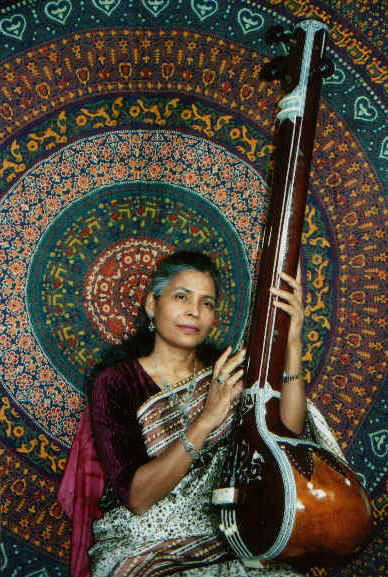
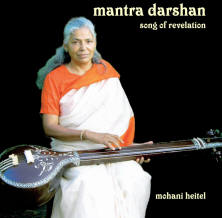
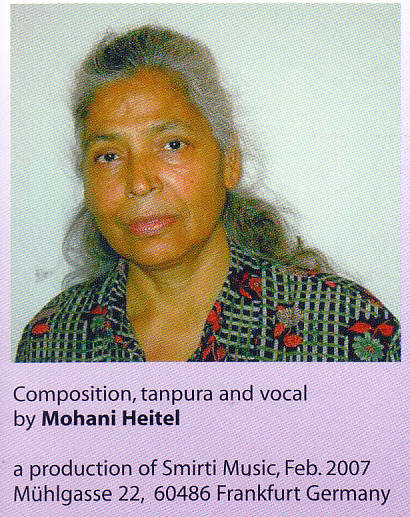
Mohani Heitel ist wohl die einzige mantra-singende SpirituelleDoctress
lesen Sie Ihre Erklärungen weiter unten auf englisch.
Ihre CDs und Bücher bitte direkt über ihre homepage bestellen: www.smirti.de
What is a mantra?
Mantras are syllables, words or short sentences which have besides their literal meaning a special inherent power. Mantras have effects of sound and resonance as well as metaphysic or mystic meaning. In every culture and language since ancient times such words of magic existed. The word „mantra“ is derived from sanscrit language and consists of the roots „manas“ and „tra“. „Manas“ is the totality of thoughts and emotions with all their desires and fears. „Tra“ means saving, holding or protecting. Mantras are words which excecute a collecting effect on the mind. They work in a way as a key. With their help we can make certain energies and resonancefields of body and soul accessible.
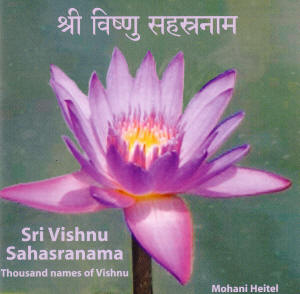
How come you started singing mantras?
From my childhood on in India the use of mantras was wellknown to me. To sing mantras already my father taught me as a little girl. For instance he used to recite mantra prayers during cooking. I was sitting near by and was listening with devotion. I felt very attracted by this and was calmed and transferred into another world. In this way I started already at that time singing one or another sanscrit mantra and felt happy with it. Until the development of my todays songs of mantras many years have passed. To tell it straight forward, I love to sing songs with spiritual background. The singing for the veneration of God is delighting and it stands on the first place. In so far it is artistic expression of a devotional feeling. All other aspects like scientific explanations, different ways and models of explaining the effects of mantras etc. follow afterwards. For me it was important to come in daily life for a certain time to peace and selfreflection. In this context I remembered the mantras and have sung some spontaneously. In the following time I dealt with my experiences in singing and hearing mantras in greater detail. In doing so I developped a certain style of singing by which the atmosphere and vibration of the respective mantras was transferred. In the time when I suffered from a long and heavy desease, I came to know about the healing and strengthening power of mantras. Since then mantra-singing belongs to my daily life.
Where is the origin of mantras?
Most of the tradition of mantras is in sanscrit language. Sanscrit is one of the oldest languages of the world. The scripts of the vedic time report that rishis the wise men of that time captured and received the mantric wisdom by intuition. Also today these experiences can be brought back by proper application of mantras. Wellknown are also the mantras which consist in single or compounded letters, the so called „bija-mantras“ or germ-mantras. The letters which form such mantras are called „bija aksaras“. In hindu religion each deity is represented by a „bija aksara“ which in human language is the most near equivalent form to the „nada“, the sound vibration which arises at the moment of manifestation of the deity. These „aksaras“ or mantras are all used as words of invocation of this deity. The most wellknown of these germ mantras is „pranava“, „Om“ for Brahman. In Yoga the teachings of the chakras – the energy centres – contains also the teaching of the germ mantras belonging to each chakra. There are directions of yoga which have registered and discribed systematically meaning and applications of mantras.
Already in the spripture of Bhagavat Gita the use of mantra is mentioned. Sri Krishna says in the Bhagavat Gita (10-25):
Among all rishis I am Bhrigu
Among all word I am the syllable Om
Among of all forms of prayers I am the repetition of mantras
Among all mountains I am the Himalaya
In which way mantras do effect us?
Mantras have wonderful effects, if they are repeated in a proper way. The holy scriptures of India are full of stories about persons who have reached superhuman and supernatural powers by chanting mantras. The Vedas, especially the Rig-Veda contains thousands of mantras. These mantras are considered highly effective although their meaning is not known. Actually the literal meaning has little to do with the power which mantras give. Our mind, our actions and things of our surrounding can be purified by mantras and charged with spiritual energy. The special vibrations of holy places and centres of pilgrimages arouse from the fact that someone at sometimes has chanted holy mantras at these places. After that these places exercised great spiritual attraction for many years. The vibrations which are set to work by singing mantras make our subtle sensations receptive for spiritual knowledge. Brahman, the highest and unperishable being is not only described as light but also as sound. The sound which is emitted by every being and moves into the atmosphere creates uncounted waves in the ocean of sound. This total atmosphere of sound effects cosmic interactions. Mantras have effects on this atmosphere of sounds.
Which role plays the sound and the breath with mantras?
Each letter, each word and each syllable has beside their meaning in the general use of language in addition a soundinformation which is a sprecial pattern of sound. Carrier of this sound pattern is on one hand our body which consists of different chemical element and on the other hand it consist of the air stream which is directed by the breath. Diaphragm, larynx, mouth, lips, tongue and the differently directed air stream are involved in the articulation of sound. Every sound pattern is based on a certain pattern of breath and direction of the air stream. The breath is charged with life energy. In the language of Yoga it is called power of Prana. Great significance was drawn to the Prana-Yama, the equalization and inherent regulation of breath. Because of this reason mantras have a breath activating and regulating effect. On a different level each pattern of breath is based on an energy pattern. Breathing and articulation of voice creates subtle frictions by the air stream which vibrates the body cells and the tissues. This further leads to chemical and electrophysical reactions on for instance the brain waves, microelectric current of skin and muscular tone. Thus the application of mantras is a sublte energetic work.
In which way mantras should be applied?
The body should rest relaxed and the mind should concentrate on the content of the mantra. Chanting mantras can unfold a strong effect. The song of mantra with its subtle, recurring melody helps to reach vegetative equalization, mental and somatic relaxation. The application of mantras however varies individually. Some who like to meditate in perfect silence and are able to concentrate accordingly, they will use mantras by silent mental repetition. Others who enjoy the voice and like to work with voice and sound will prefer the own singing or to sing along with someone, a cassette or CD. Again others can concentrate and meditate best by listening to a mantra. Normally it will take a certain time until the mind has adapted adequately and the mantra can unfold its effects. It is recommended to apply mantras or mantra songs in undisturbed and devotional attitude so that the effects of mantras may be preserved.
Which significance has the repetition in th application of mantras?
Throug repitition the travelling mind is tight up to the mantra. Through the repetition of a mantra the mind gets a simple and effective task. By this a spontane meditative effect is reached. From the repetition results a perfect awareness of the mantra in consciousness. By concentrating the consciousness the inner microcosm is connected to the outer macrocosm. A subtle flow of energy is generated. The process of becoming perfectly aware of the contents of the mantra is very import by the use of mantras. It signifies to bring a state of consciousness into the presence, to build a bridge over time and space into the here and now. Becoming aware means to be aware of the perfect presence and unite the past and the future in the present experience of being. Accordingly the meanings of mantras like Tat tvamasi – this is You – or So Hang – this I am – are based on such direct experience of being in meditation.
Which significance has the language of mantras?
One should not try to translate mantras in another language because this would change their original charakter. The effects of sound and vibration are not generated in the same way. sanscrit is a special language for mantras. Besides many european languages have their roots in the sanscrit language so that this is not a completely foreign language. Old prayers in their original form of language had quite another mantric effect of sound and resonance. In former times for instance the prayer „our father in heaven“ from the christian tradition in the greece form was sung. The „Gatas“ too, the holy sayings of Zoroaster, were sung. The effects of sanscrit mantras are object of todays scientific research. By experiments and selfexperiments it was observed that people experienced a deep inner peace and selfintegration. The affinity to a certain cultural or language group here in was of minor significance.
Is the use of mantras a special form of meditation?
To my opinion meditation should be an act of devotion to the devine. All the forms of meditation that fulfill this are to be recommended. Spiritual matters are not mere subjects of intellect or practical abilities, not to be possessed etc. Genuine spiritual experience crosses the borders of the own personality. One cannot bring forward a state of meditation allone by will and selfcontrol. The meditative state can only happen by itself. Silent meditation does not available at once and is quite difficult to achieve in times when everybody is engaged in the working process. The mantra song accompanies the spirit. By this it is a little bit easier to concentrate and meditate on the contents. According to my experience mantras are – described by a picture -like a boat which you may enter to row into the sea of your soul. By this it is a little bit easier.
How one can use mantras for healing?
There is quite a considerable potential of healing powers within man which could be used for prevention or support of treatments of deseases. Many people would like to use their inner powers more consciously and targeting. Mantras hereby are quite helpful. The introduced meditative deep relaxation of body, mind and soul hereby plays an important role. Mantras have different levels of healing effects. On the body level the vibrations of mantras work as a subtle massage. On the emotional level positive healing feelings are produced. Silence, equimindedness, joy, love and reconciliation are experienced inside which you may call healing of the heart. Subconscious emotional blockades are dissolved. We gain access to our inner psychic world again. Another dimension of healing effect lies on the level of transpersonal and transcendental experiences which are beyond discription.
Does the mantra song effects the quality of sleep?
One sentence of the old indian scripture „Upanischad“ runs as follows: „In sleep man is near to himself, the Atma“. Sleep itself is a mystery and left many questions to the scientific research open. To remove sleep disturbances by natural means is an important matter. Already in ancient times sleep was applied for healing purposes and called as healing sleep. Healing sleep was initiated by the recitation of words and music. The initiation of sleep by mantra songs fulfills a similar purpose using the soothing effect of the repetition for carrying over to sleep. Mantras then continue to effect us unconsciously by their pleasing vibrations for a while.
What the is the musical concept of the mantra songs?
These mantra songs are in a way contemporal sacral music which is based on meditative experience inspired by mantras. Important in this process is the development of the voice guided by the mantra from a undifferenciated stream of sound. The immature sound is a cosmic sound equivalent of endless unformed energy and by this is the source of all shaping processes in creation. The stream of music as symbol of the primal sound in traditional indian music is allways present in the background by the sounds of the strings of the Tanpura which accompanies solo melody intruments or singing. The characteristic voice of the tanpura creates a pulsing cosmic sound energy in which the listener means to hear endles melodies and rhythms. They are already there but still unmanifested and they are so to say felt as potential music. Based on the fundamental tone rises the song of mantra which consists in secret syllables of sanscrit. The chant of mantra lives by the msytic union with the fundamental tone which is experience as precreative primal force. Singing mantras is living practise in which the mystic of music tries to leave the surface of nature and dive into the depth of sound and further to the spiritual origin of the self. Mantra are sung with breads of silence in between. In these breaks the resonance on the human mind and heart is attentively felt inside.
Can You explain one mantra to us, for example one which You have received yourself?
I will explain the mantra „Shisha Prashanam“. In complete original terms the mantra goes: „Shisha Prashanam, Chit Anandam, Sukh Prad Vachanam, Smirti Maya Monam, Dehi Me Jagdeesham, Dehi Me Jagdeesham“. This mantra contributes to being aware of human goals, it removes inhibitions, sorrows and entanglements by consciously bringing happiness to the heart (shisha prashanam is happiness of mind). This creates healing words respectively words leading to happiness (sukh prad vachanam). Because words from a joyful heart have healing effects. Likewise this mantra was created from a joyful heart. The silent rememberance in God comes next (smirti maya monam). Happiness of mind also means to be free from the burdon of sorrows. This is possible by setting free and not to be too much entangled in wordly affairs. Simultaneously a confidance in the eternal being is created. It is a fundamental inner detachement. Words coming from the heart have healing power and they lead to higher knowledge. This effects a silence in real sense. In daily life, when one is allone and in seeming silence one still is occupied with different thoughts. This is not really being silent because the there is no inner silence in mind. Here also is meant the silence (Monam) in rememberance of God. The mantra prayer helps to set one free from the entanglements of the world of thougt. Dehi me Jagedishan asks God that this should happen. It confirms the will for spiritual development and to become aware of the spiritual goal.
Category : FilmtherapieDocs , SpirituelleDocs
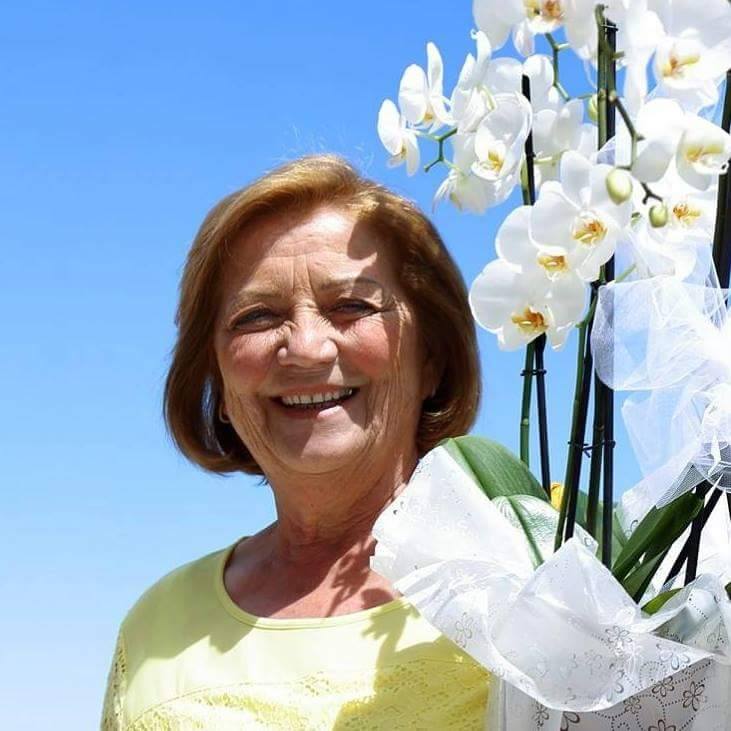
ist FilmtherapieDoc
Ganzheitliche Psychologin und Psychotherapeutin seit 1987.
Ihre Tätigkeit wird flankiert durch das Unterrichten von Kundalini-Yoga und Meditation zu Gunsten eines besseren Wohlbefindens.
Category : FilmtherapieDocs
ist FilmtherapieDoc und SpirituellerDoc
Er kennt natürlich die führende filmtherapeutin Birgit Wolz.
Lesen Sie ein interessantes Interview mit Herbert Mück über Filmtherapie: http://www.dr-mueck.de/HM_Innovationen/HM_Filmtherapie/HM_Filmtherapie-Interview_Freundin.htm
Er gibt spirituelle Tipps auf seiner Homepage: http://www.dr-mueck.de/HM_Selbsthilfe/HM_Spirituelles_Tipps.htm
Homepage: www.Dr-Mueck.de
Category : FilmtherapieDocs
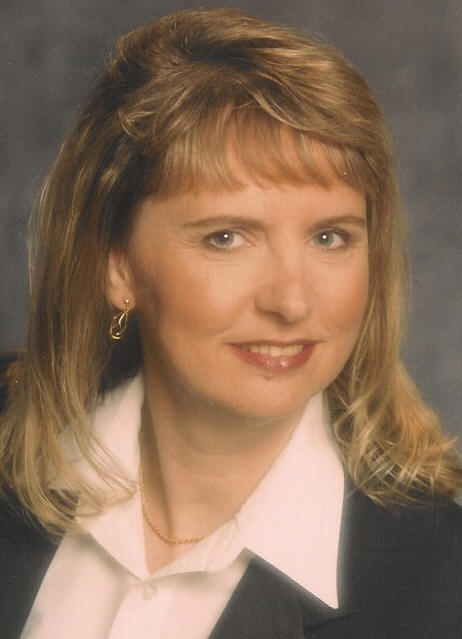
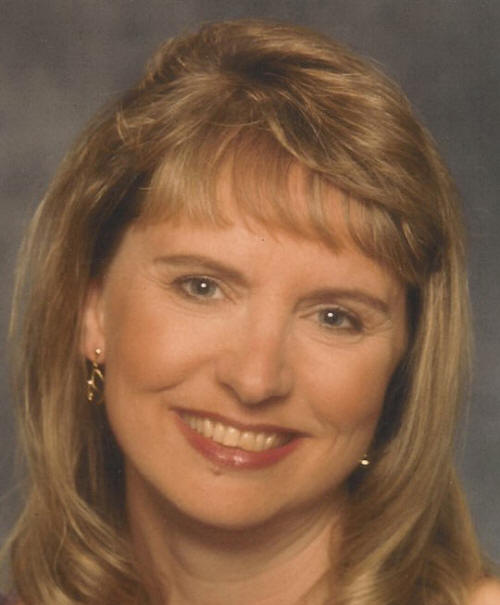
Ich bin keine Filmexpertin, aber eine Liebhaberin. Seit meiner Kindheit hatten Filme eine starke Wirkung auf mich: Ich identifizierte mich mit den Filmhelden und bekam dadurch Mut und Stärke, oder ich lernte meine innere Welt kennen durch meine emotionalen Reaktionen auf die Filmszenen oder -charaktere. Durch Filme erlebte ich auch Katharsis. Beispielsweise war ich nach einem lebensbedrohlichen Schlaganfall physisch wie psychisch wie gelähmt und konnte nicht einmal mehr weinen. Da stellte ich überraschenderweise fest, dass ich immer unkontrolliert weinte bei der Betrachtung von Filmrollen mit tragischen Erfahrungen. Alle blockierten Tränen flossen bei der Betrachtung des Schmerzes der Filmcharaktere.
Für einigen Jahren besuchte ich ein Workshop über „Filme und mysthische Imagination – Nutzung von Filmen in der Tiefenpsychologie“. Die Idee faszinierte mich, Filme mit den Klienten zu nutzen, um deren emotionale Prozesse und Prozesse zu unterstützen. Nunmehr nutze ich Filmtherapie in meinen Veröffentlichungen, in der Praxis mit Einzelklienten, Paaren und in einer wöchentlichen Filmtherapiegruppe und in Workshops. Diese Methode hat einen erstaunlichen Erfolg. Deswegen bin ich sehr engagiert, sie zu unterrichten.
Birgit Wolz, Ph.D., MFT
Author
Psychotherapist
Cinema Therapist
Clinical Hypnotherapist
General Information: http://www.cinematherapy.com
Book: http://www.emotionpicturemagic.com
Workshops: http://www.cinemaalchemy.com
Psychotherapy Practice: http://www.bwolz.com
E-mail: bwolz @ earthlink.com

